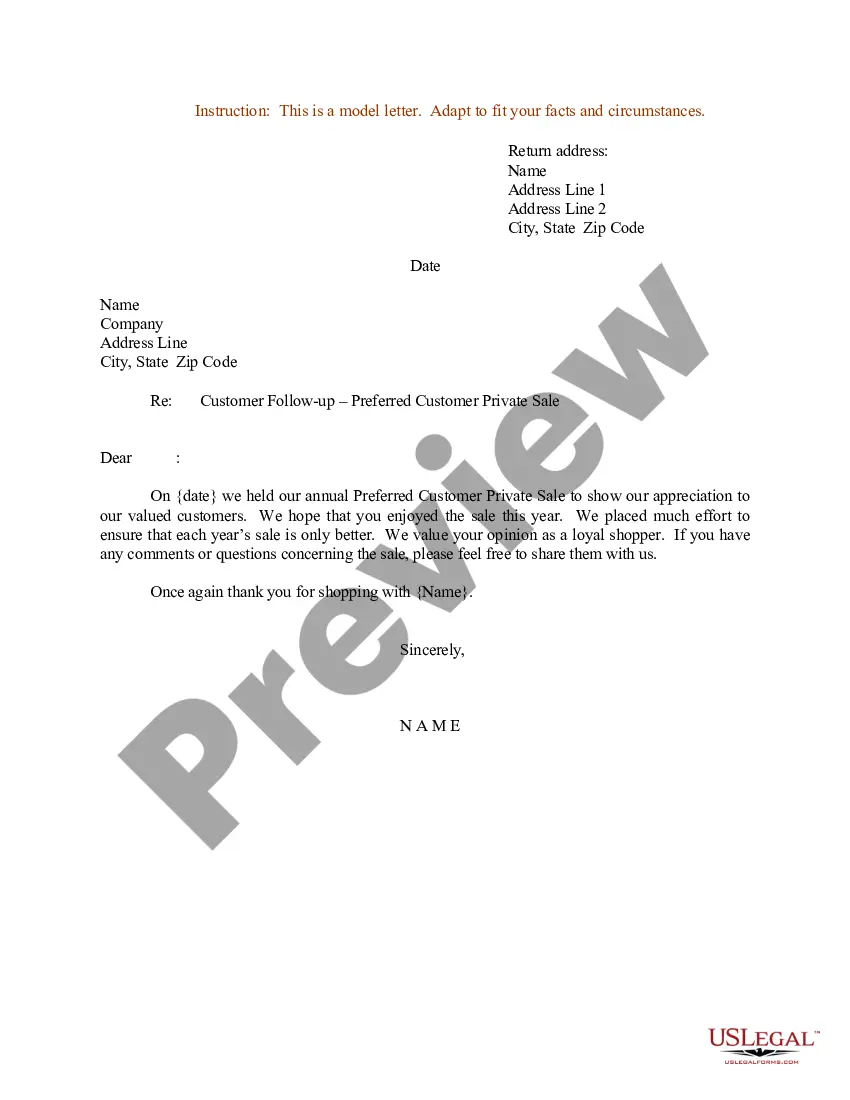
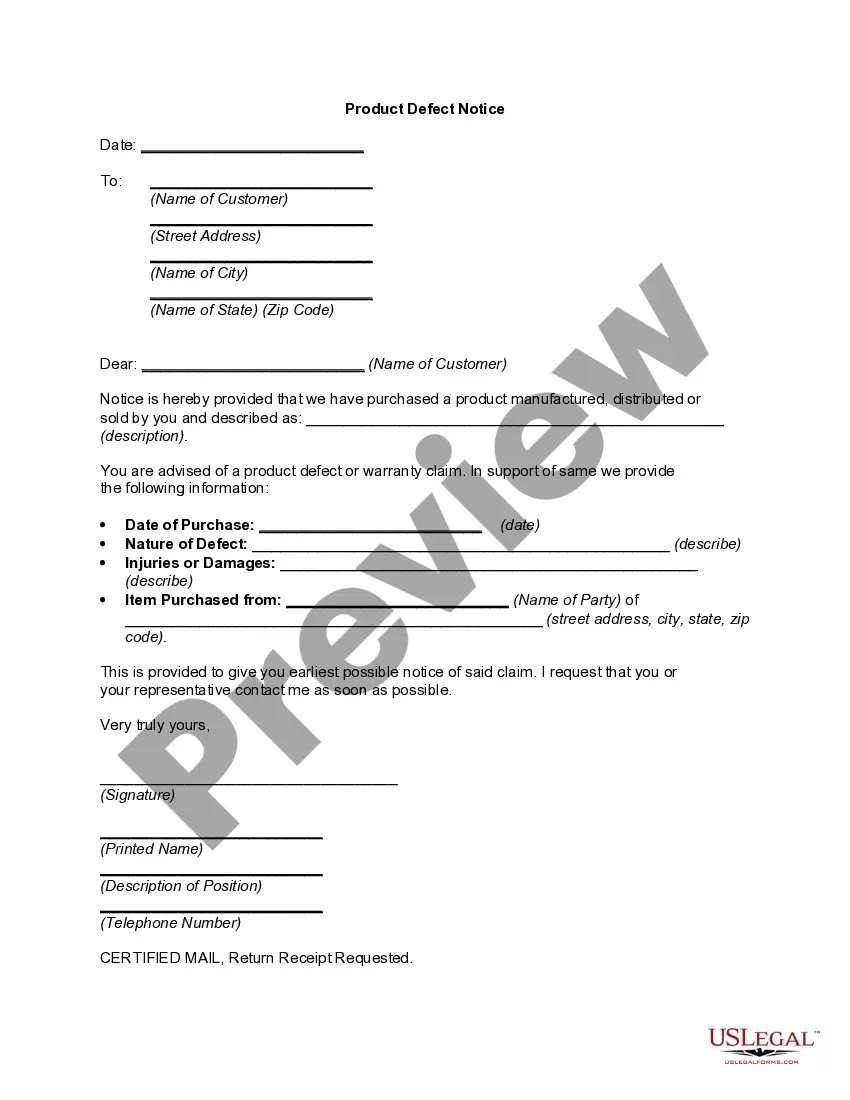
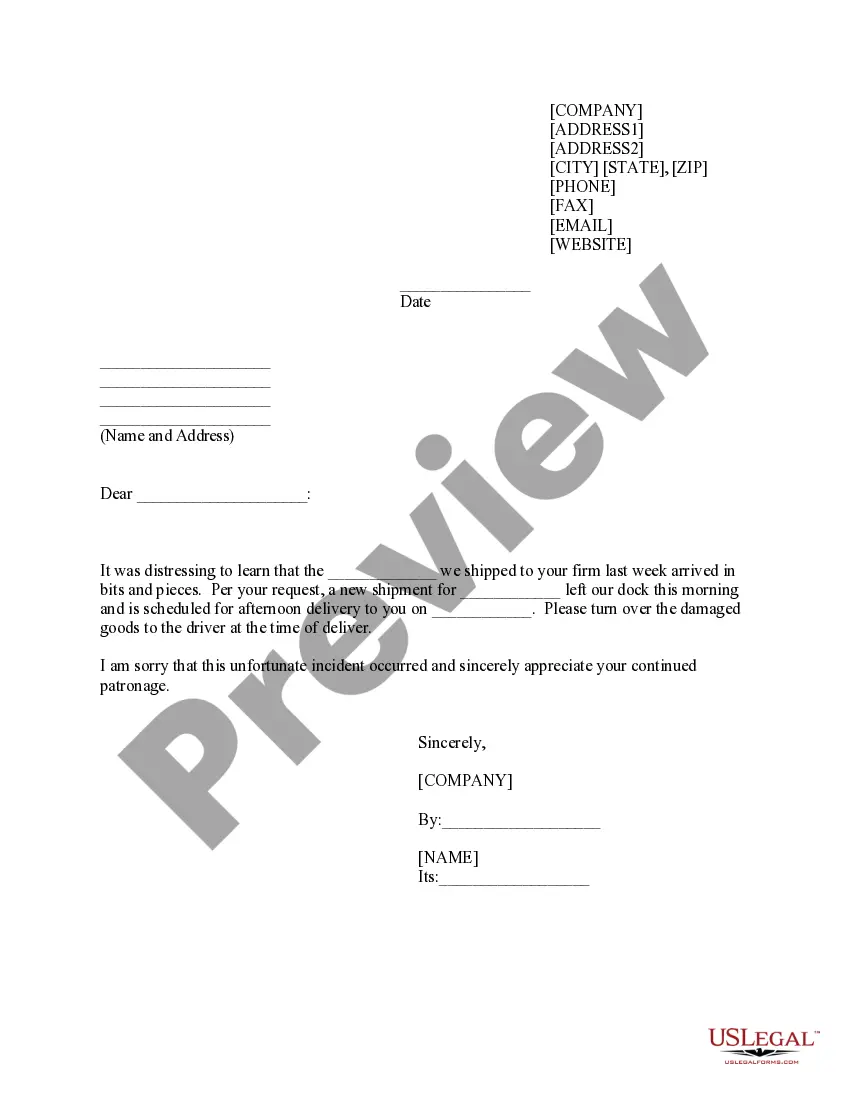
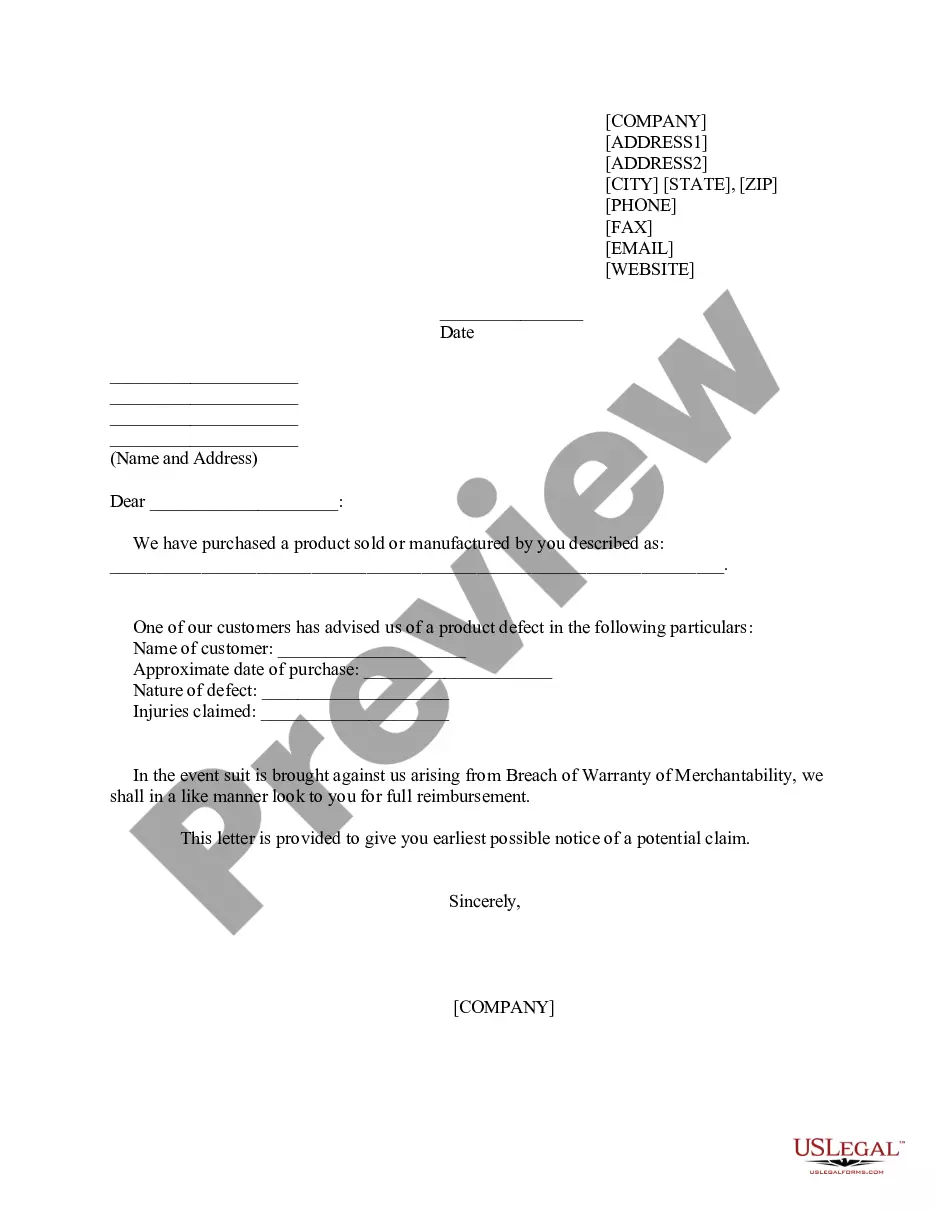
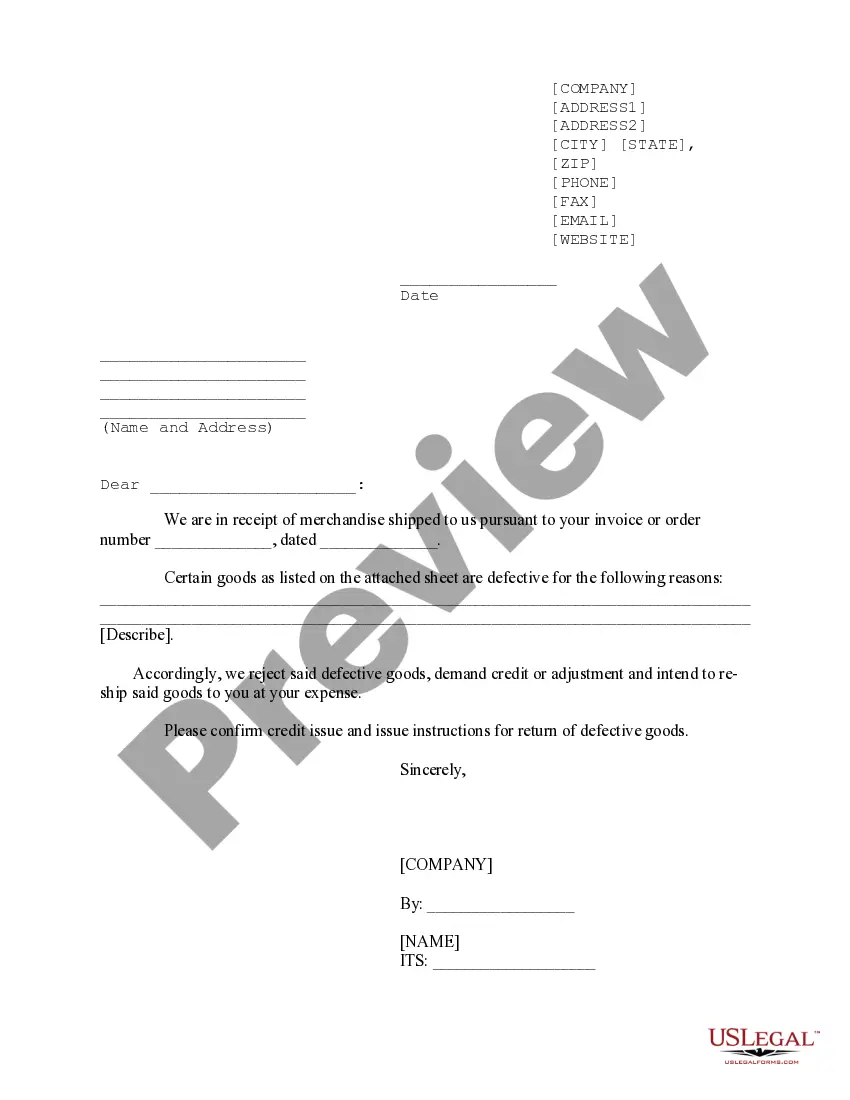
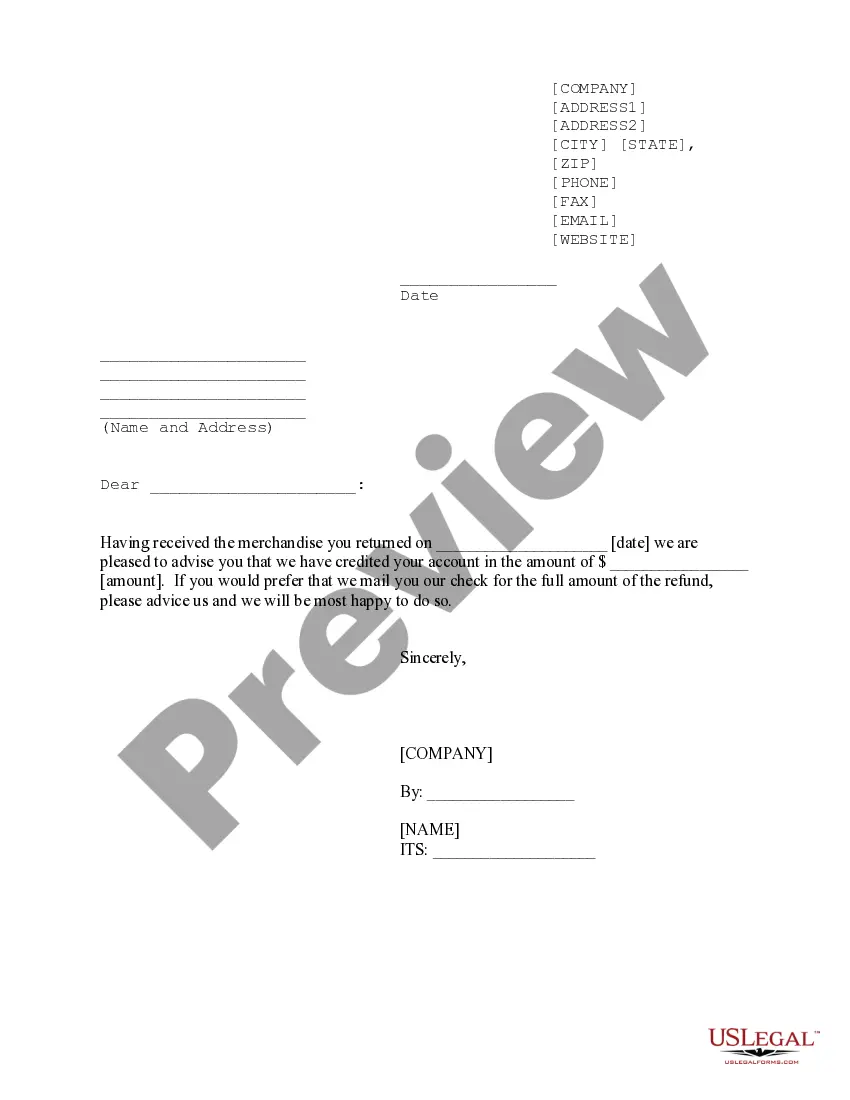
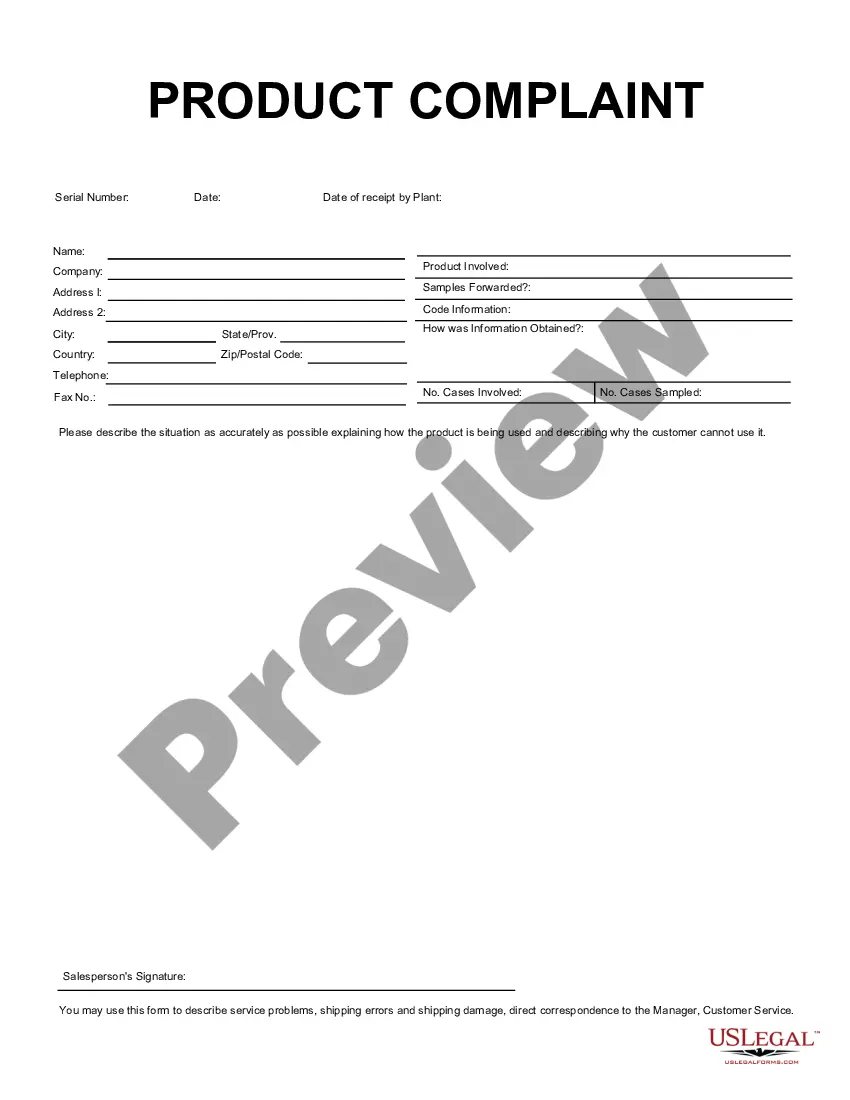
West Virginia Product Defect Notice
Description
Get your form ready online
Our built-in tools help you complete, sign, share, and store your documents in one place.
Make edits, fill in missing information, and update formatting in US Legal Forms—just like you would in MS Word.
Download a copy, print it, send it by email, or mail it via USPS—whatever works best for your next step.
Sign and collect signatures with our SignNow integration. Send to multiple recipients, set reminders, and more. Go Premium to unlock E-Sign.
If this form requires notarization, complete it online through a secure video call—no need to meet a notary in person or wait for an appointment.
We protect your documents and personal data by following strict security and privacy standards.

Make edits, fill in missing information, and update formatting in US Legal Forms—just like you would in MS Word.

Download a copy, print it, send it by email, or mail it via USPS—whatever works best for your next step.

Sign and collect signatures with our SignNow integration. Send to multiple recipients, set reminders, and more. Go Premium to unlock E-Sign.

If this form requires notarization, complete it online through a secure video call—no need to meet a notary in person or wait for an appointment.

We protect your documents and personal data by following strict security and privacy standards.
Looking for another form?
How to fill out Product Defect Notice?
Have you ever been in a scenario where you need documents for both business or personal reasons almost every day.
There are numerous legal document templates accessible online, but finding reliable ones isn't straightforward.
US Legal Forms offers a multitude of form templates, such as the West Virginia Product Defect Notice, that are crafted to meet federal and state regulations.
Once you find the appropriate form, click Get now.
Choose the pricing plan you prefer, fill in the required information to create your account, and complete your purchase using your PayPal or credit card. Select a convenient file format and download your copy.
- If you are already familiar with the US Legal Forms website and possess your account, simply Log In.
- Then, you can download the West Virginia Product Defect Notice template.
- If you do not have an account and wish to start using US Legal Forms, follow these steps.
- Locate the form you need and ensure it is for your correct city/state.
- Utilize the Preview button to review the form.
- Read the description to confirm you have selected the right form.
- If the form isn’t what you’re seeking, use the Search field to find the form that fits your needs and requirements.
Form popularity
FAQ
If you make a defective product claim, there are four elements of your claim you must prove:You were using the product as intended.The product was defective.You were injured or otherwise suffered harm.The product's defect caused you harm.
Defects in manufacturing occur when a product is improperly manufactured and departs from its intended design. For example, a bottle of prescription drugs may become contaminated at a processing facility or a metal hip replacement may prematurely break due to substandard manufacturing practices.
Basically the doctrine says that if goods sold are unreasonably dangerous or defective, the merchant-seller will be liable for the immediate property loss and personal injuries caused thereby.
You might have a defective product claim if the defect in your product violated (or "breached" in legalese) that warranty. An "express warranty" is any type of warranty or guarantee that is written or stated. Such written statements can be: on the product's label or packaging.
If you make a defective product claim, there are four elements of your claim you must prove:You were using the product as intended.The product was defective.You were injured or otherwise suffered harm.The product's defect caused you harm.
Manufacturing DefectsA manufacturer may be liable if a product has a defective condition that makes it unreasonably dangerous to a user.
Generally, there are three separate parties who can possibly be held responsible for defective products: manufacturer; owner; seller. Manufacturers: Manufacturers could be held liable in court for a product or products that contain a flaw in their manufacture or design.
To be more specific, a defective product is a product that causes injury to a person to due either a design defect, a manufacturing defect, or a marketing defect. Some of the most common examples of defective products include food items, medical devices, and children's toys.
While there are many standards and tests used to determine fault, the main thrust of product liability law indicates that manufacturers and sellers of products in the stream of commerce are liable for most cases in which their defective products cause injuries.
If a product with manufacturing defects causes injury to the intended user, then the manufacturer can be held liable. Manufacturing defect claims can be difficult to prove in court because they usually involve a limited number of products, unlike design or warning defects.