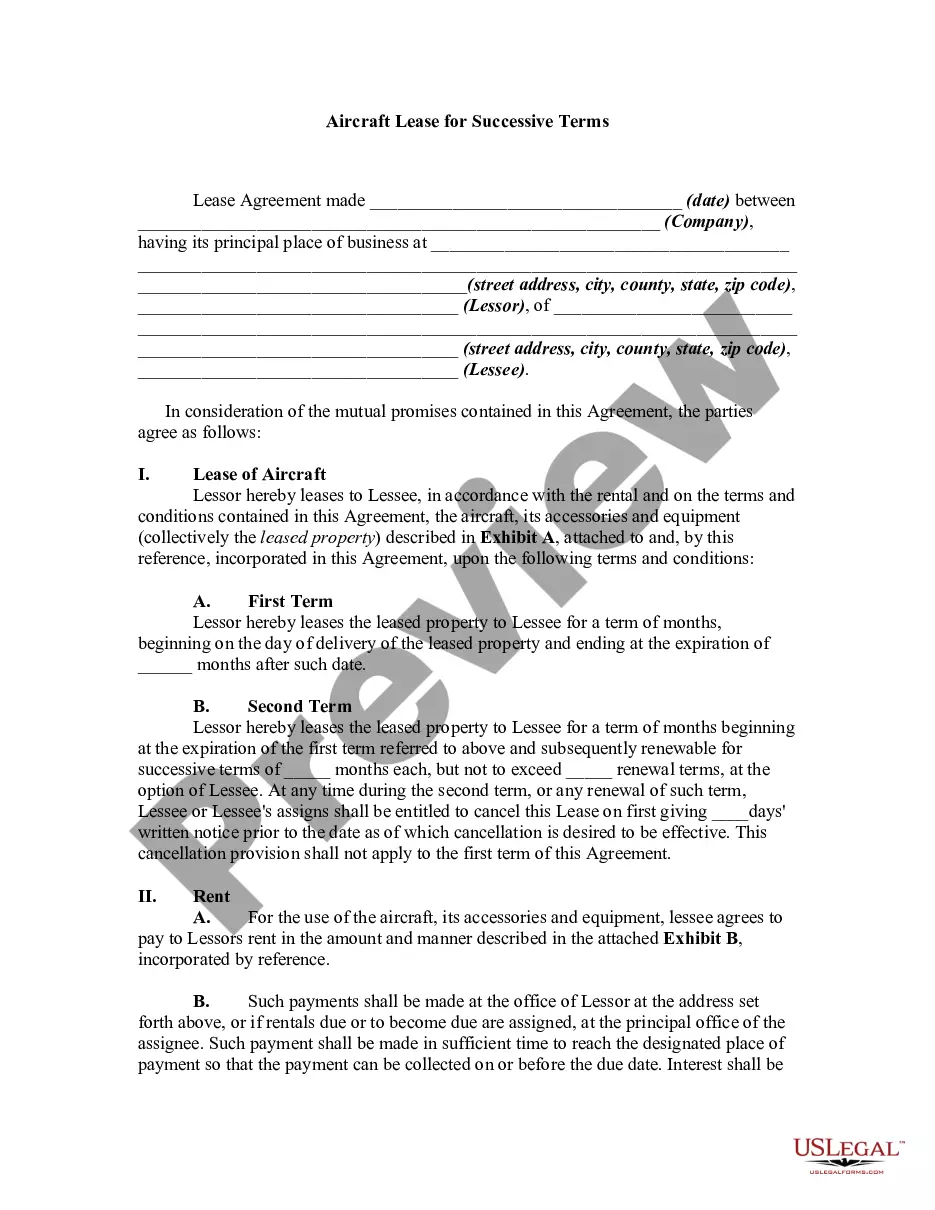
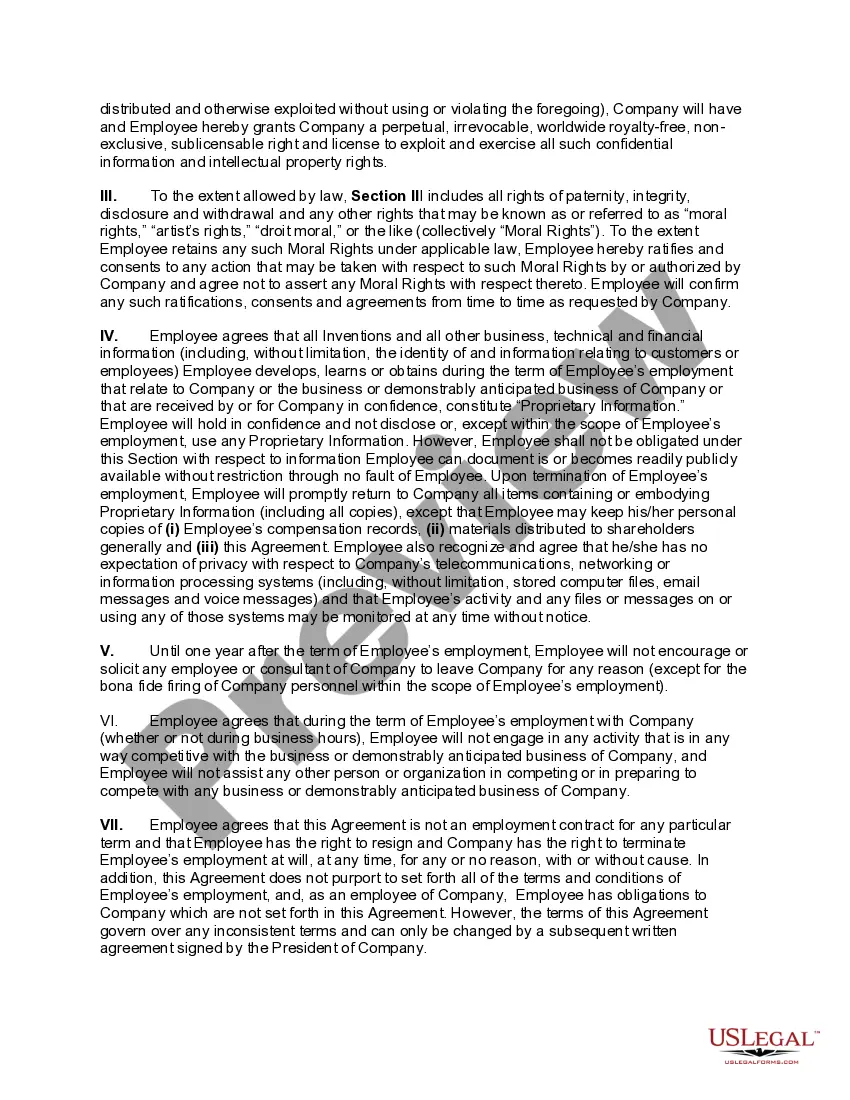
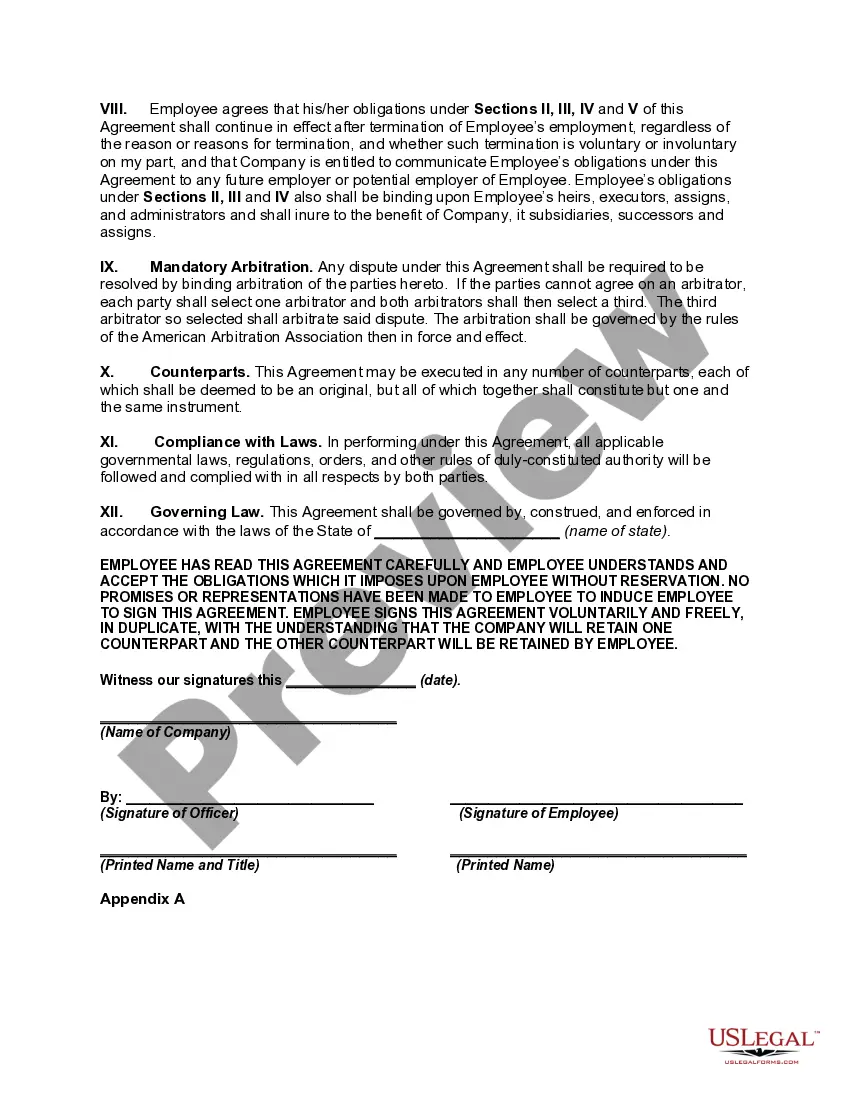
Wisconsin Proprietary Information and Inventions Agreement
Description
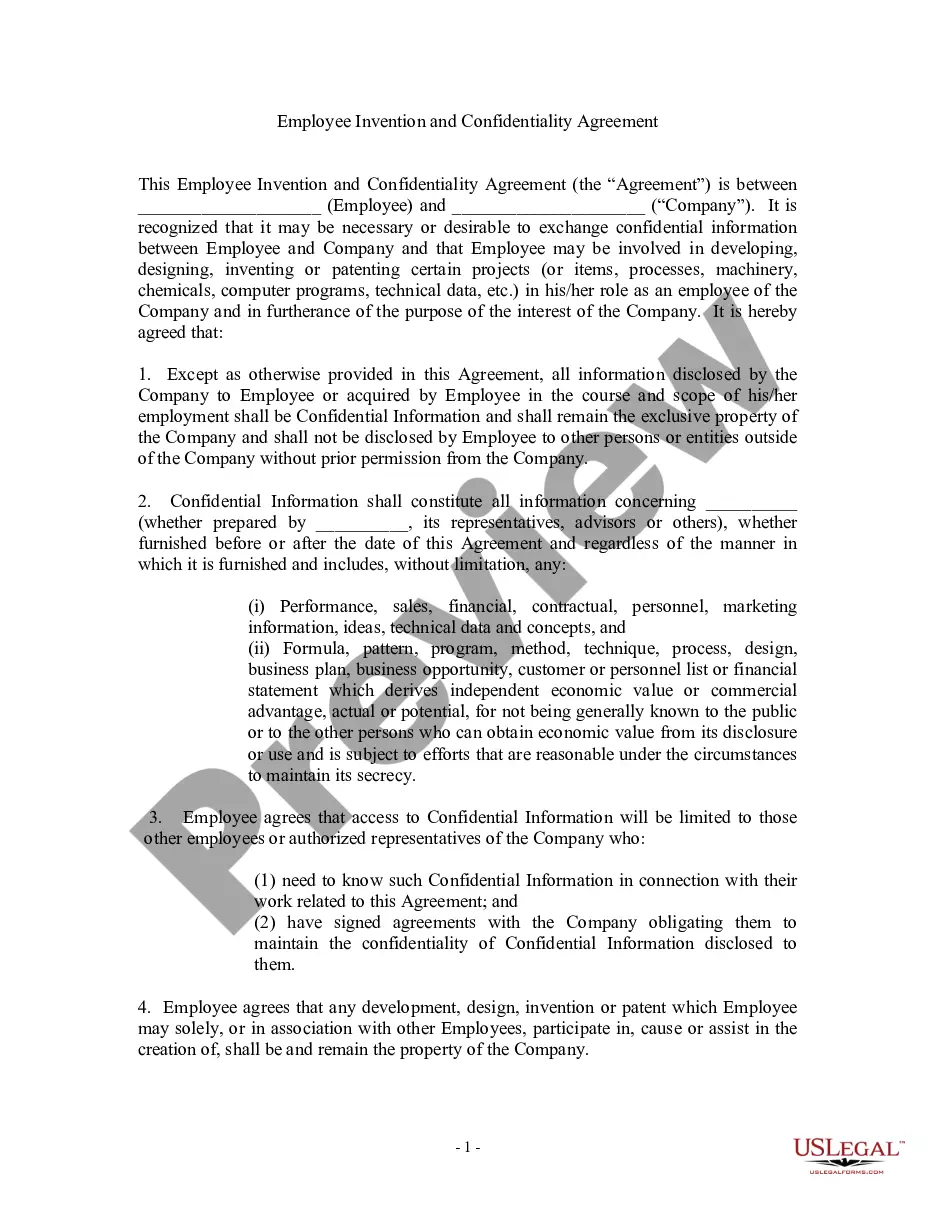
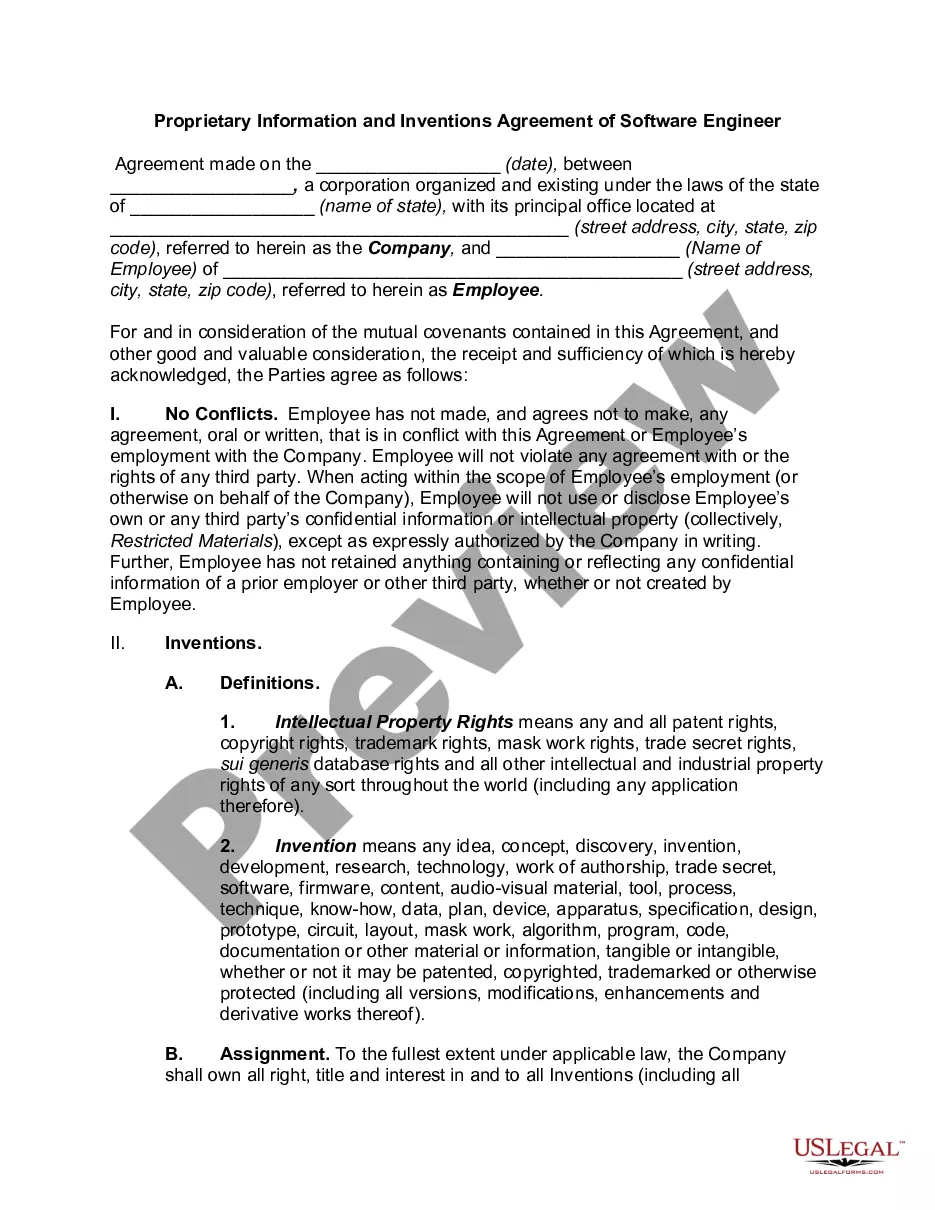
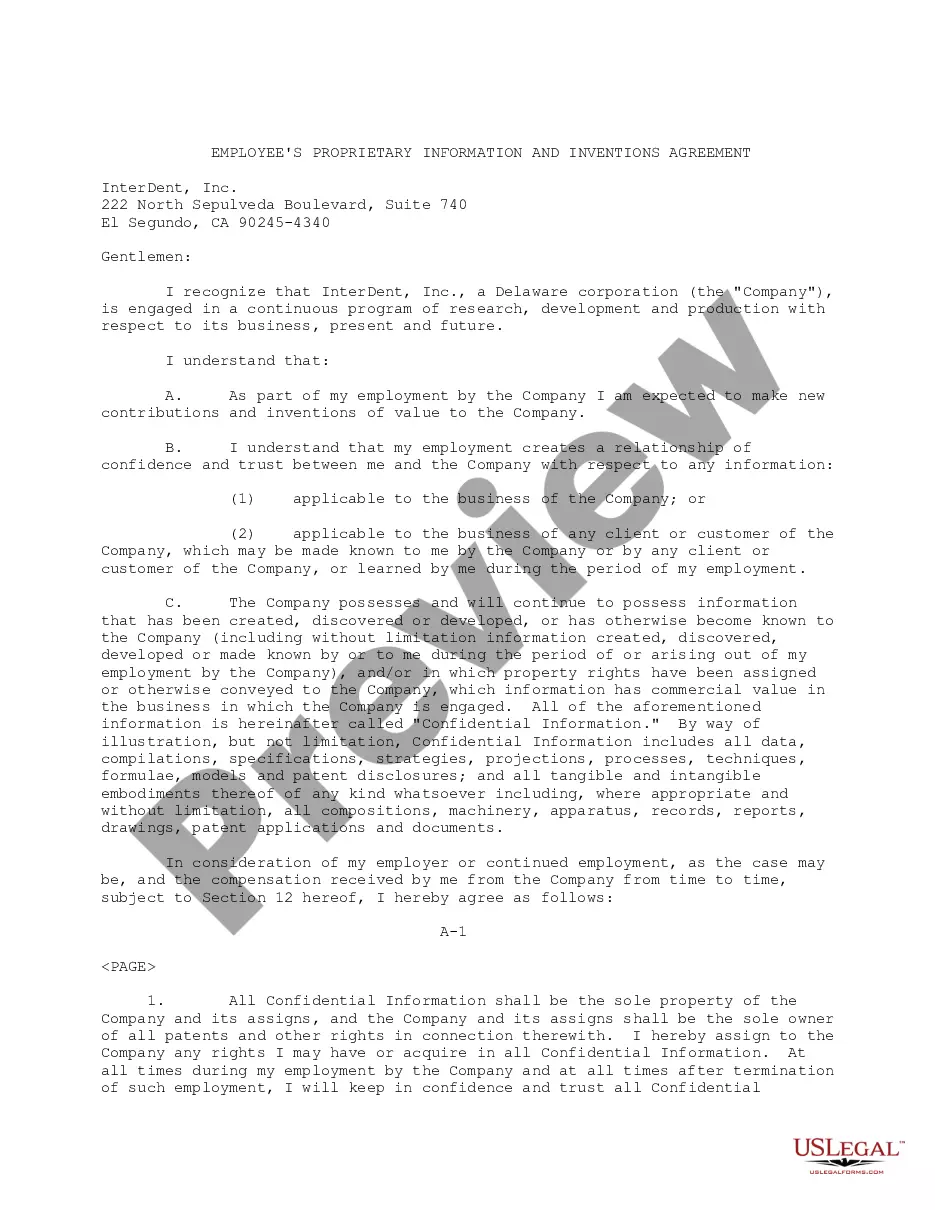
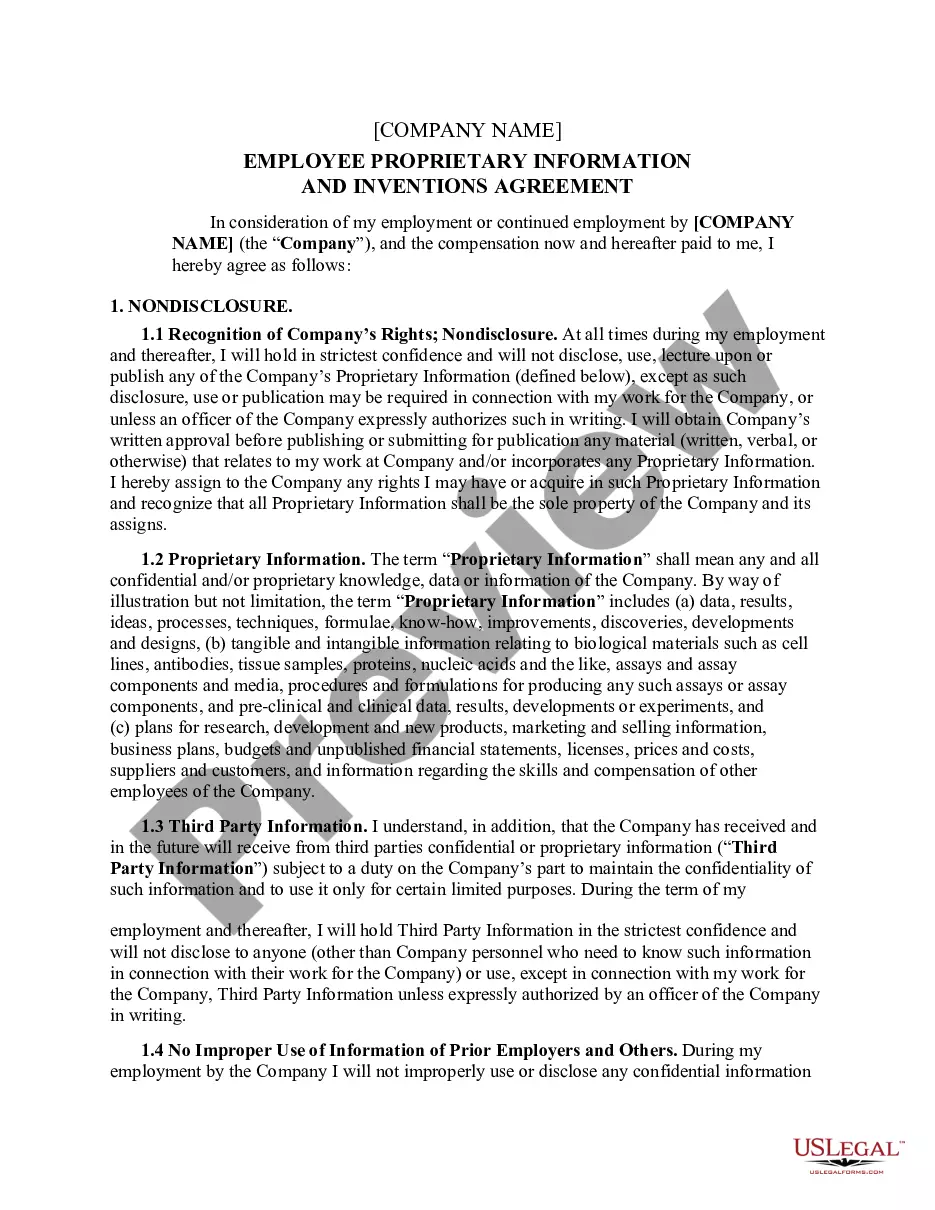
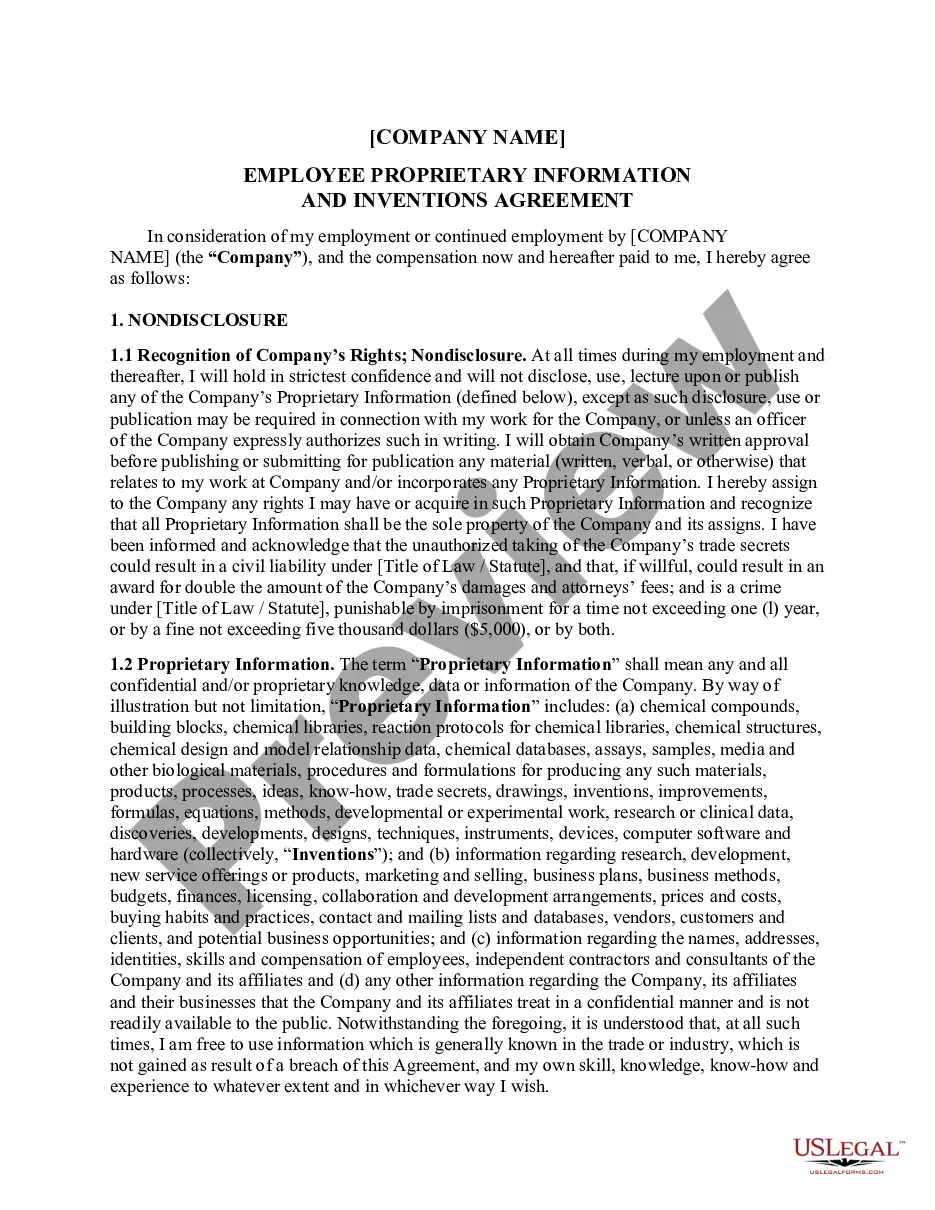
Get your form ready online
Our built-in tools help you complete, sign, share, and store your documents in one place.
Make edits, fill in missing information, and update formatting in US Legal Forms—just like you would in MS Word.
Download a copy, print it, send it by email, or mail it via USPS—whatever works best for your next step.
Sign and collect signatures with our SignNow integration. Send to multiple recipients, set reminders, and more. Go Premium to unlock E-Sign.
If this form requires notarization, complete it online through a secure video call—no need to meet a notary in person or wait for an appointment.
We protect your documents and personal data by following strict security and privacy standards.

Make edits, fill in missing information, and update formatting in US Legal Forms—just like you would in MS Word.

Download a copy, print it, send it by email, or mail it via USPS—whatever works best for your next step.

Sign and collect signatures with our SignNow integration. Send to multiple recipients, set reminders, and more. Go Premium to unlock E-Sign.

If this form requires notarization, complete it online through a secure video call—no need to meet a notary in person or wait for an appointment.

We protect your documents and personal data by following strict security and privacy standards.
Looking for another form?
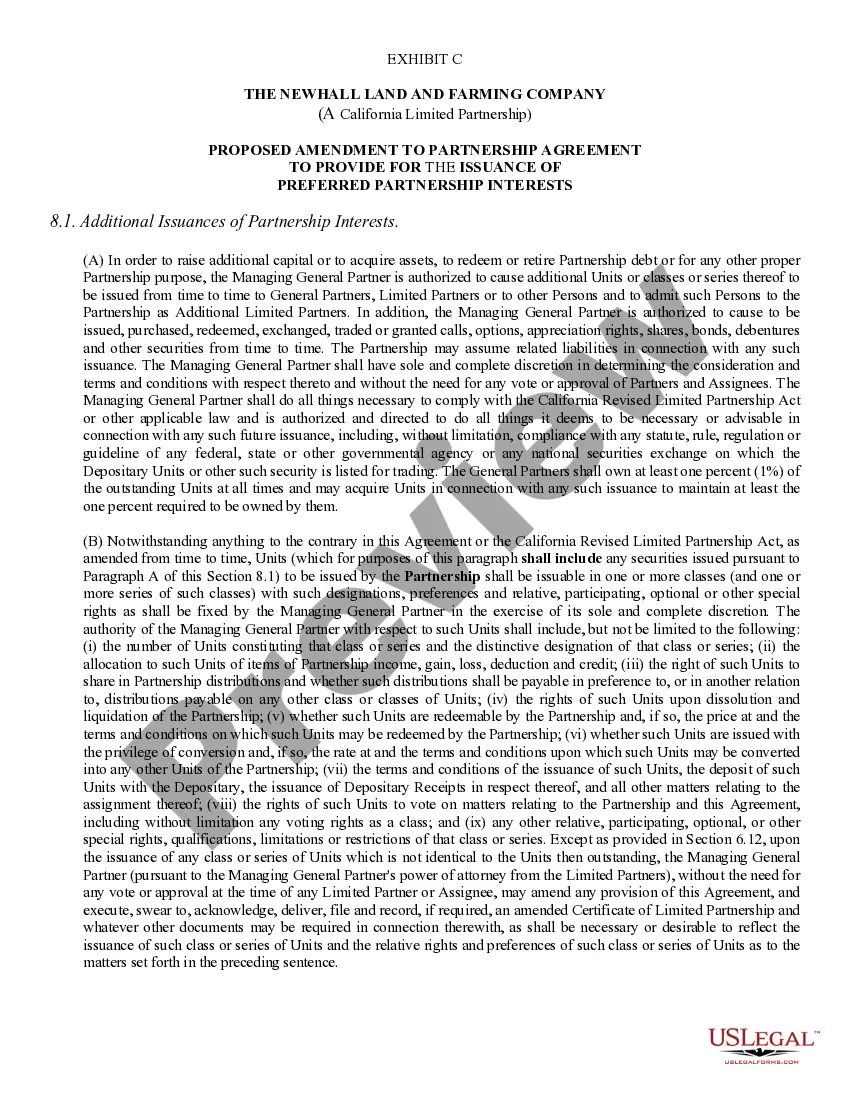




How to fill out Proprietary Information And Inventions Agreement?
You can devote multiple hours online searching for the proper legal document template that meets the state and federal criteria you require.
US Legal Forms offers a vast array of legal documents that have been reviewed by experts.
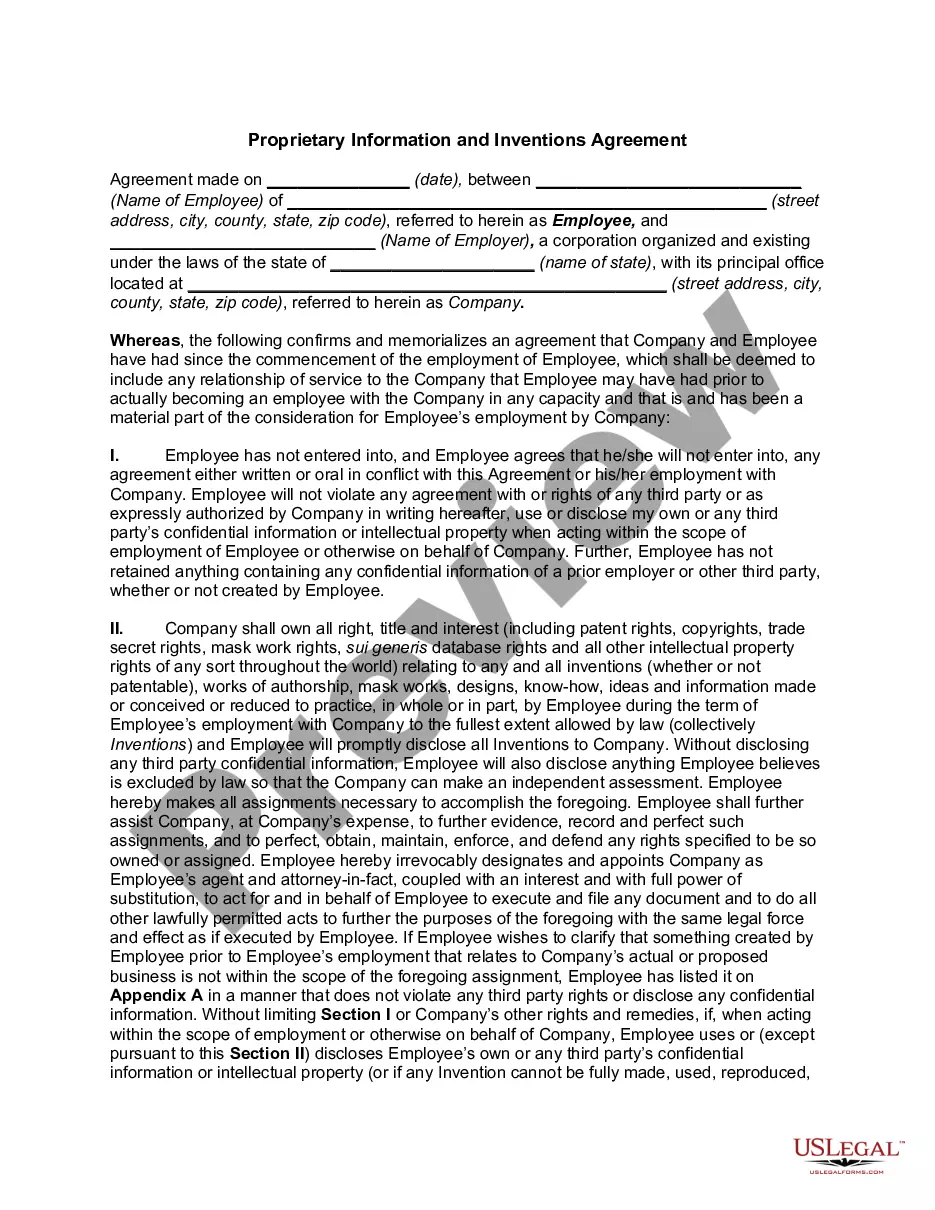
You can download or print the Wisconsin Proprietary Information and Inventions Agreement from our platform.
First, ensure that you have selected the appropriate document template for your area or city. Review the form description to confirm you've chosen the correct one. If applicable, utilize the Preview option to inspect the document template as well. If you're looking for another version of the form, use the Search field to find the template that meets your needs and requirements.
- If you already possess a US Legal Forms account, you can Log In and then select the Download option.
- Subsequently, you can complete, modify, print, or sign the Wisconsin Proprietary Information and Inventions Agreement.
- Every legal document template you acquire is yours eternally.
- To obtain another copy of any purchased form, go to the My documents section and select the corresponding option.
- If this is your first time using the US Legal Forms website, follow the simple steps outlined below.
Form popularity
FAQ
When you hear 'you have executed a confidentiality and invention assignment agreement,' it signifies that you have signed a contract that outlines your responsibilities regarding confidential information and inventions. This type of agreement, akin to the Wisconsin Proprietary Information and Inventions Agreement, ensures that intellectual property created during your employment remains protected and clearly defines ownership and confidentiality responsibilities. Understanding these terms is essential for your professional relationship with your employer.
When someone states that 'you have executed a confidentiality agreement,' it means you have formally signed a legal document agreeing to keep certain information private. In the context of the Wisconsin Proprietary Information and Inventions Agreement, it indicates your commitment to protect the company’s confidential information and adhere to its terms. This execution is vital for maintaining trust between you and your employer.
Also known as Proprietary Information and Inventions Assignment Agreements (or PIIAAs), Confidential Information and Inventions Assignment Agreements ensure that intellectual property and other proprietary rights created by employees during the course of their employment are assigned to the employer.
In an employee, intellectual property agreement the assignment provision, the employee assigns to the employer his/her inventions/discoveries/ideas and also transfer the true and total ownership of the intellectual property.
An invention assignment agreement is a contract in which an employee or independent contractor assigns intellectual property rights for their services to the company. These agreements typically appear in other employment documents such as confidentiality agreements or an independent contractor agreement.
An invention assignment agreement is a contract that gives the employer certain rights to inventions created or conceptualized by the employee during the employment relationship. In other words, all inventions not listed are assumed to be the property of the employer.
The right to determine the use of the property. The right to income or proceeds from property. The right to delegate, sell, or rent any portion of the rights to the property.
Proprietary rights, also termed property rights, are the rights that accompany legal ownership of tangible or intangible property; rights over or in respect of property.
A Proprietary Information Agreement is a legally binding contract that stipulates that a number of parties must not disclose confidential supplies, data, or information as outlined by the contract to a different third party.
NDA is a legally availed right to parties, for protecting the confidential information of their business.