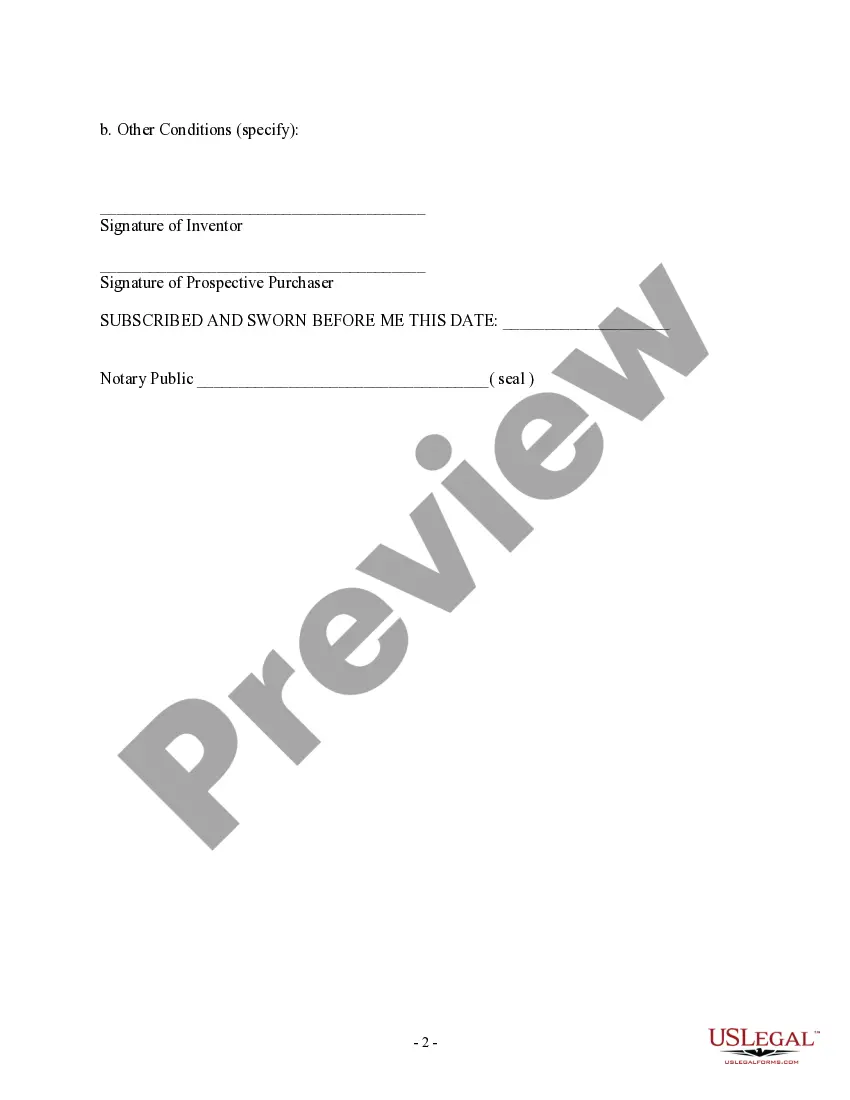
Wisconsin Agreement for Exhibition - Unpatented Invention
Description
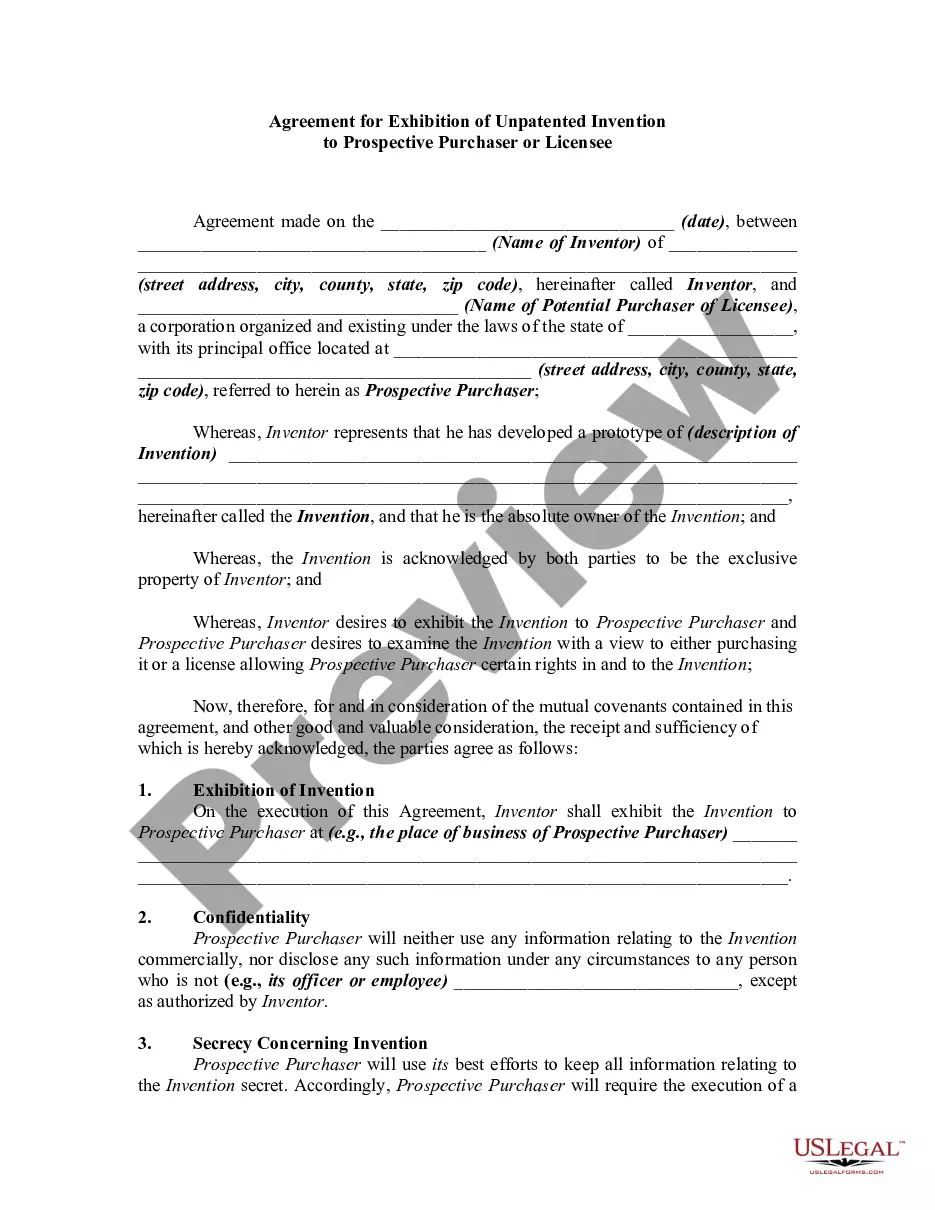
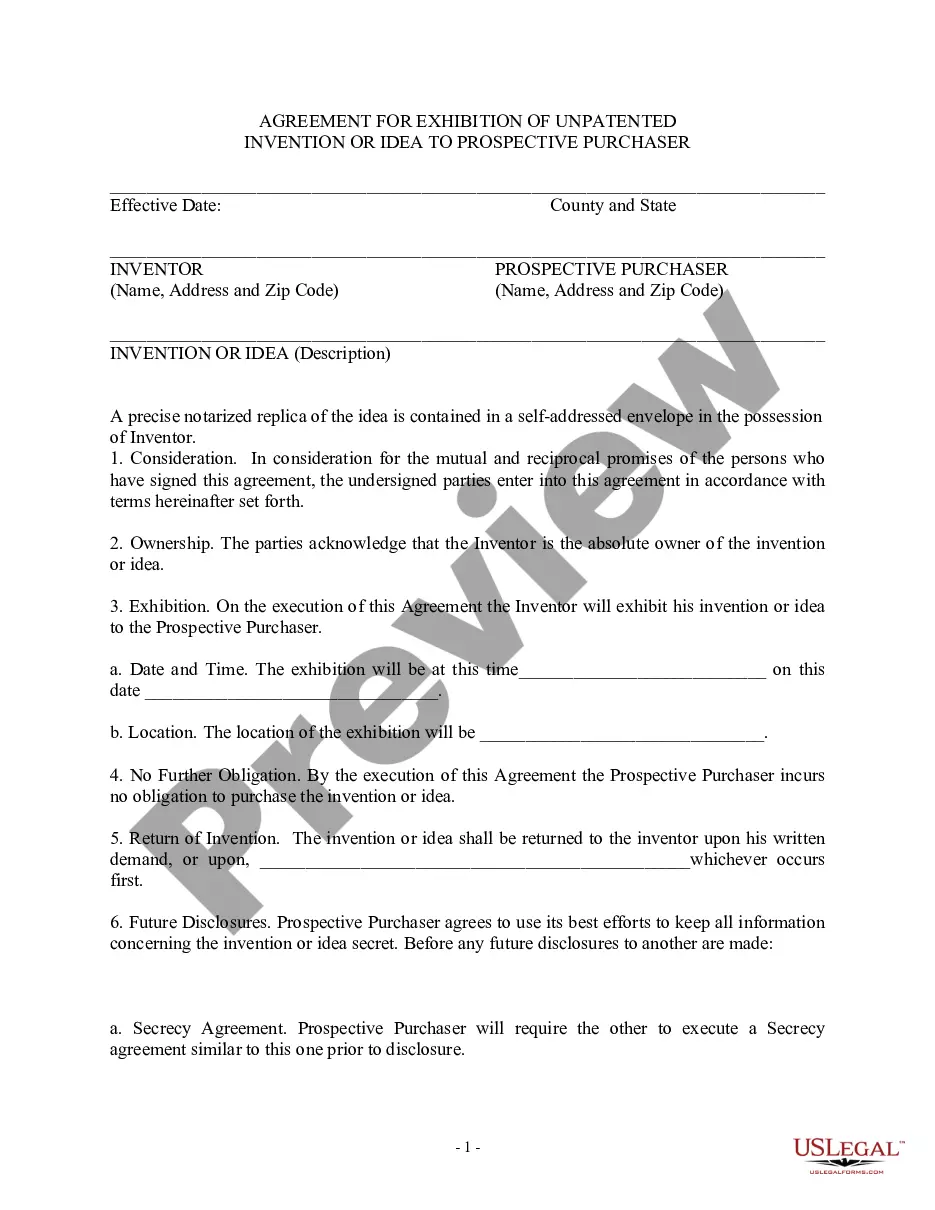

How to fill out Agreement For Exhibition - Unpatented Invention?
You may spend numerous hours online searching for the legal document template that meets the federal and state requirements you require.
US Legal Forms offers thousands of legal templates that are reviewed by experts.
You can easily download or print the Wisconsin Agreement for Exhibition - Unpatented Invention from the service.
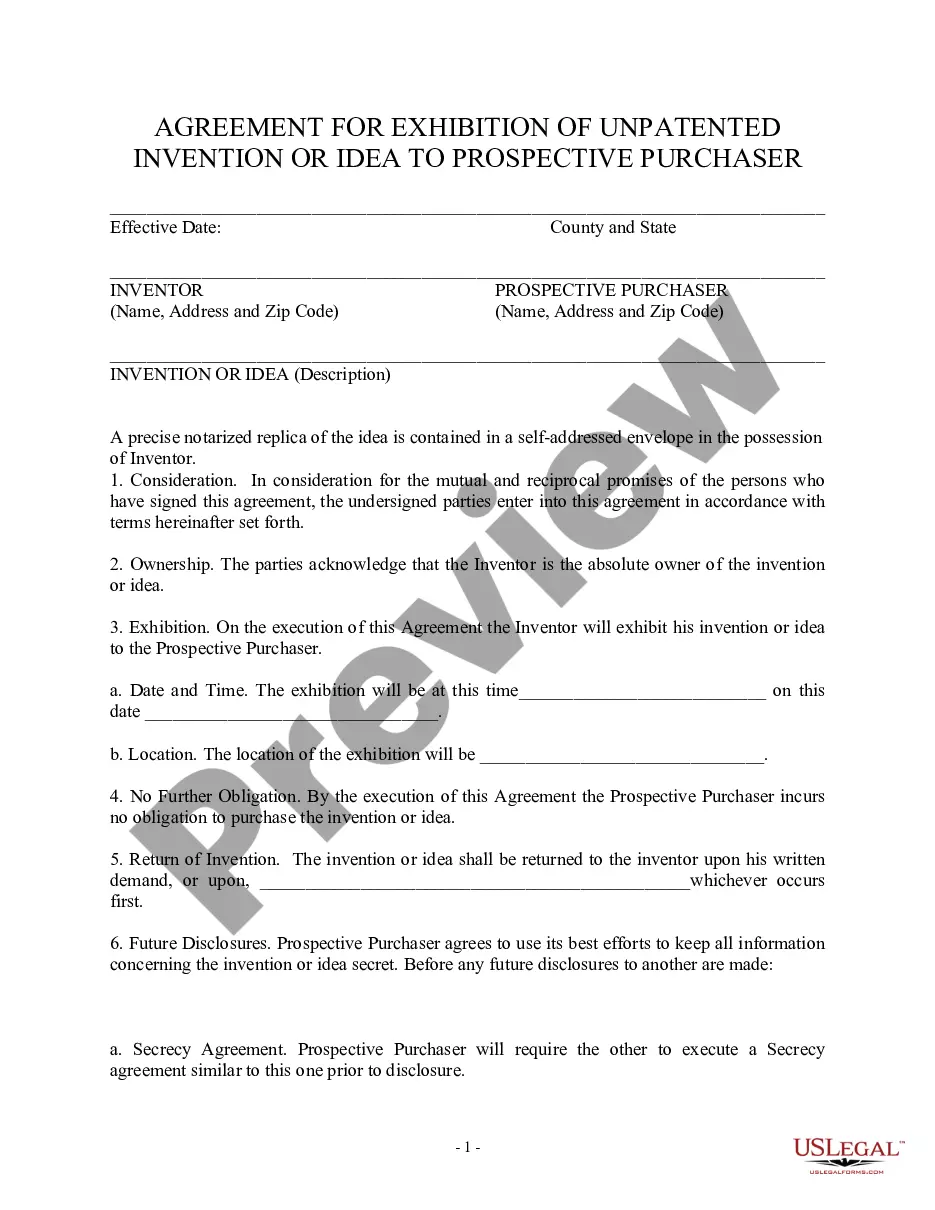
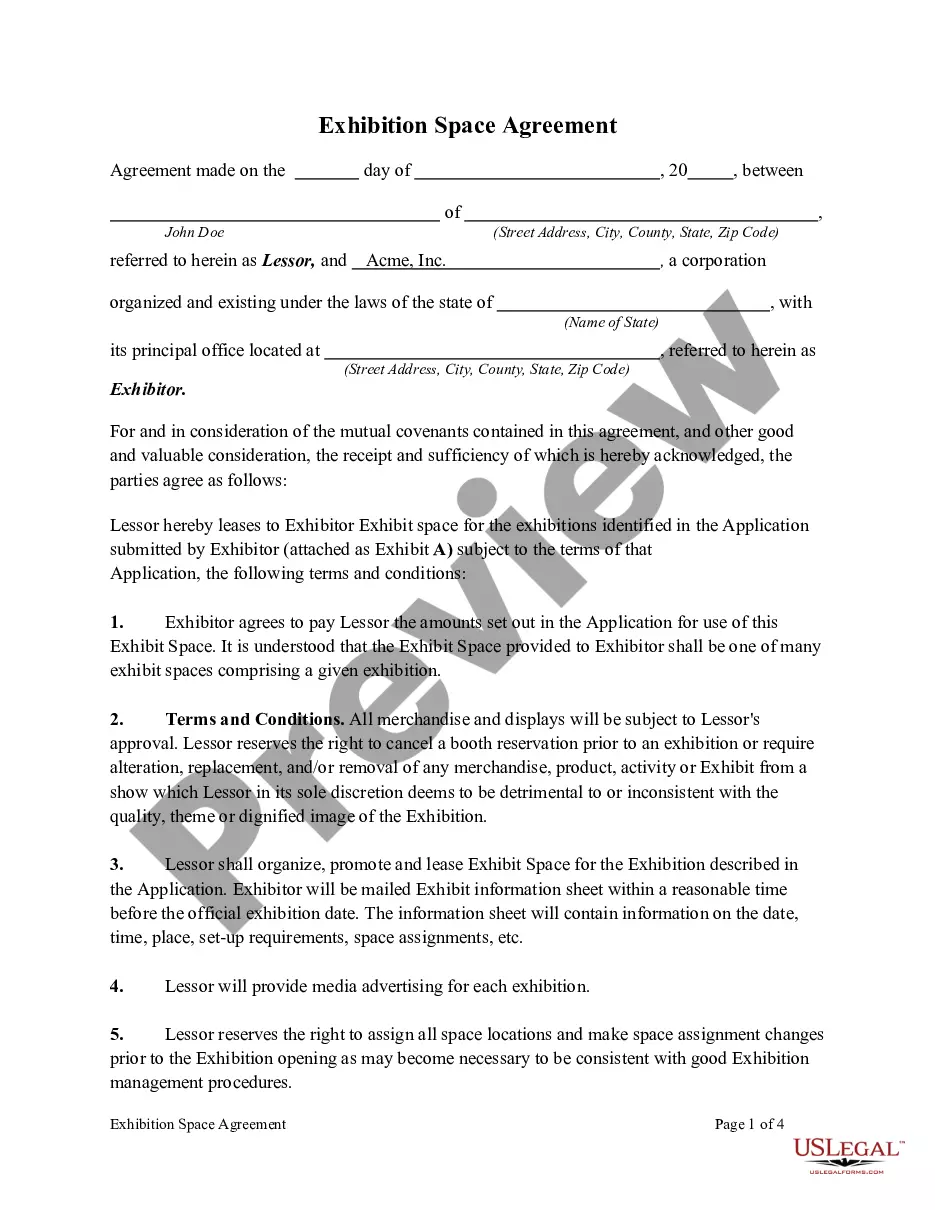
If available, utilize the Preview button to review the document template as well.
- If you have a US Legal Forms account, you can Log In and then click the Download button.
- Afterward, you can complete, modify, print, or sign the Wisconsin Agreement for Exhibition - Unpatented Invention.
- Each legal document template you purchase is yours indefinitely.
- To obtain an additional copy of the purchased document, navigate to the My documents section and click the corresponding button.
- If you are using the US Legal Forms website for the first time, follow the simple instructions below.
- First, ensure that you have chosen the correct document template for your specific area or city.
- Review the document description to confirm that you have selected the appropriate form.
Form popularity
FAQ
If your inventions were made as part of your employment responsibilities, your company likely has a claim to ownership. Companies often include clauses in their contracts that relate to the Wisconsin Agreement for Exhibition - Unpatented Invention. It is important to review these agreements to understand what rights your employer holds. Knowing your rights can help you navigate the complexities of invention ownership.
Your employer may own your intellectual property if it was developed while you were performing your job duties or using company resources. This is often outlined in your employment agreement, which may reference the Wisconsin Agreement for Exhibition - Unpatented Invention. Understanding these conditions is crucial for every inventor. Always seek clarity in your contracts to protect your intellectual property rights.
Typically, an invention created by an employee during their work hours or within the scope of their employment belongs to the employer. This ownership often stems from employment agreements, which can include terms like the Wisconsin Agreement for Exhibition - Unpatented Invention. To safeguard your rights, it’s wise to review your employment contract. These stipulations can significantly impact how inventions are handled.
In general, the inventor of an unpatented invention retains the rights to their creation. However, agreements such as the Wisconsin Agreement for Exhibition - Unpatented Invention can clarify ownership issues. It is essential to document any agreements regarding the invention. These agreements ensure that both the inventor and any collaborating parties understand their rights.
An invention assignment is the process of formally transferring ownership rights of an invention from the inventor to another party. This is particularly relevant in the context of the Wisconsin Agreement for Exhibition - Unpatented Invention, as it ensures that the rights to the invention are clearly assigned, preventing any future disputes. By completing an invention assignment, both parties can protect their interests and clarify their roles in the innovation.
Whether your employer owns your invention often depends on the circumstances of its creation and the agreements you've entered into. Many companies utilize agreements that outline ownership, especially within the framework of the Wisconsin Agreement for Exhibition - Unpatented Invention. It's essential to review your employment contract and any IP agreements to understand your rights regarding inventions.
The intellectual property (IP) agreement serves to outline the rights and obligations regarding the use and ownership of intellectual property. In relation to the Wisconsin Agreement for Exhibition - Unpatented Invention, this agreement helps prevent unauthorized use of your inventions, promoting fair compensation for your innovative efforts. By defining these terms, the IP agreement ultimately fosters a secure environment for inventors.
An invention clause is a provision found in contracts that addresses the ownership of inventions created during the term of the agreement. Within the context of the Wisconsin Agreement for Exhibition - Unpatented Invention, such clauses clarify who retains rights over intellectual property developed while working for a company. This clarity aids in ensuring that inventors know their rights and can manage their inventions effectively.
A confidentiality and invention assignment agreement with Amazon ensures that your innovative ideas remain protected while you negotiate or collaborate. This type of agreement often relates to the Wisconsin Agreement for Exhibition - Unpatented Invention, as it specifies that any inventions discussed cannot be disclosed or used without permission. It safeguards your interests and promotes trust between you and a major company like Amazon.
The assignment agreement serves to transfer ownership of an invention from one party to another. This document is crucial when dealing with inventions protected under the Wisconsin Agreement for Exhibition - Unpatented Invention, as it clearly delineates the rights and responsibilities of each party. By establishing terms, the agreement helps to prevent misunderstandings and disputes over intellectual property.