Wisconsin Amendment of Residential Lease
What this document covers
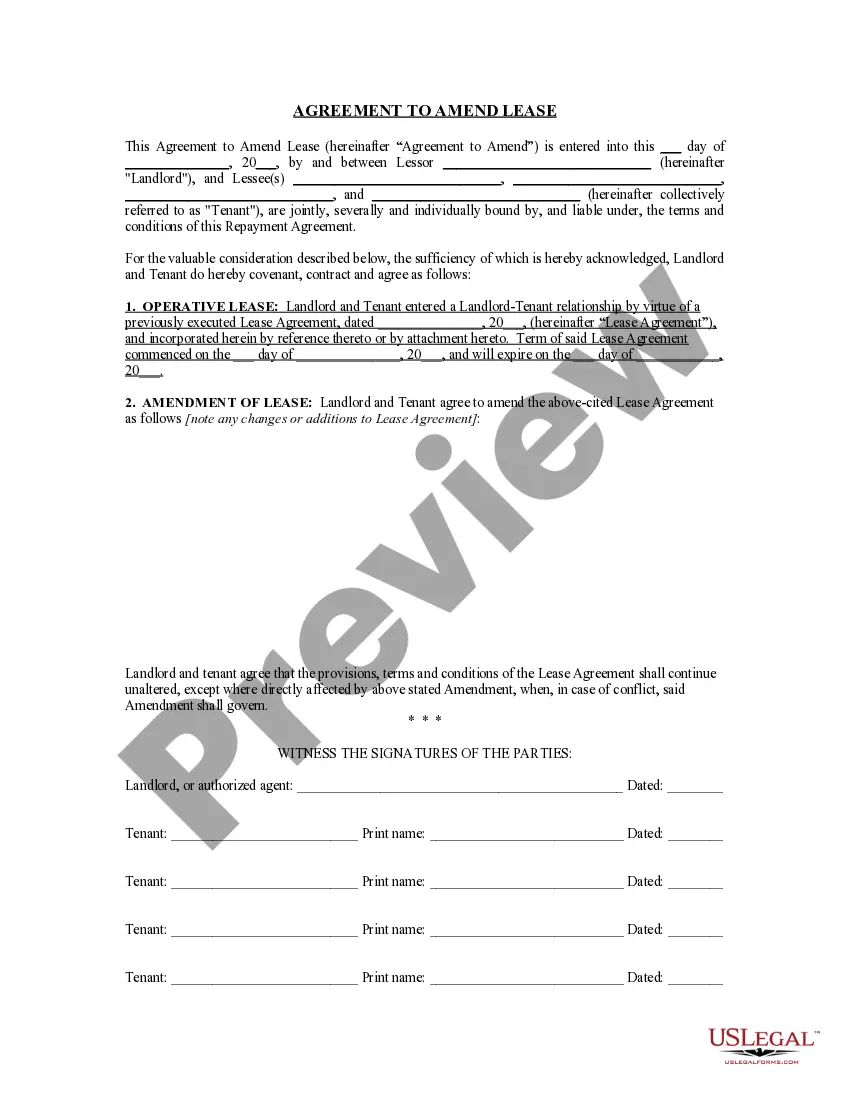
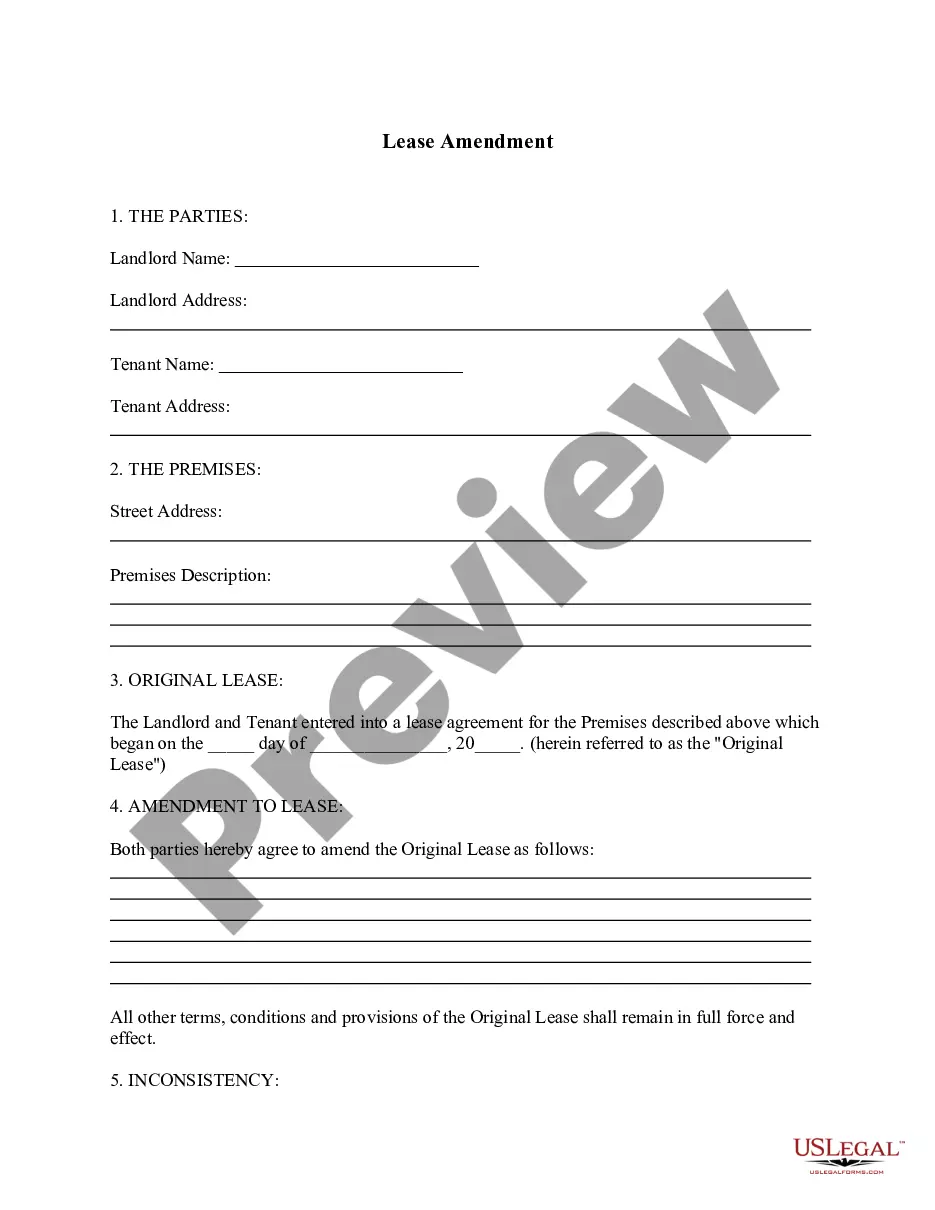
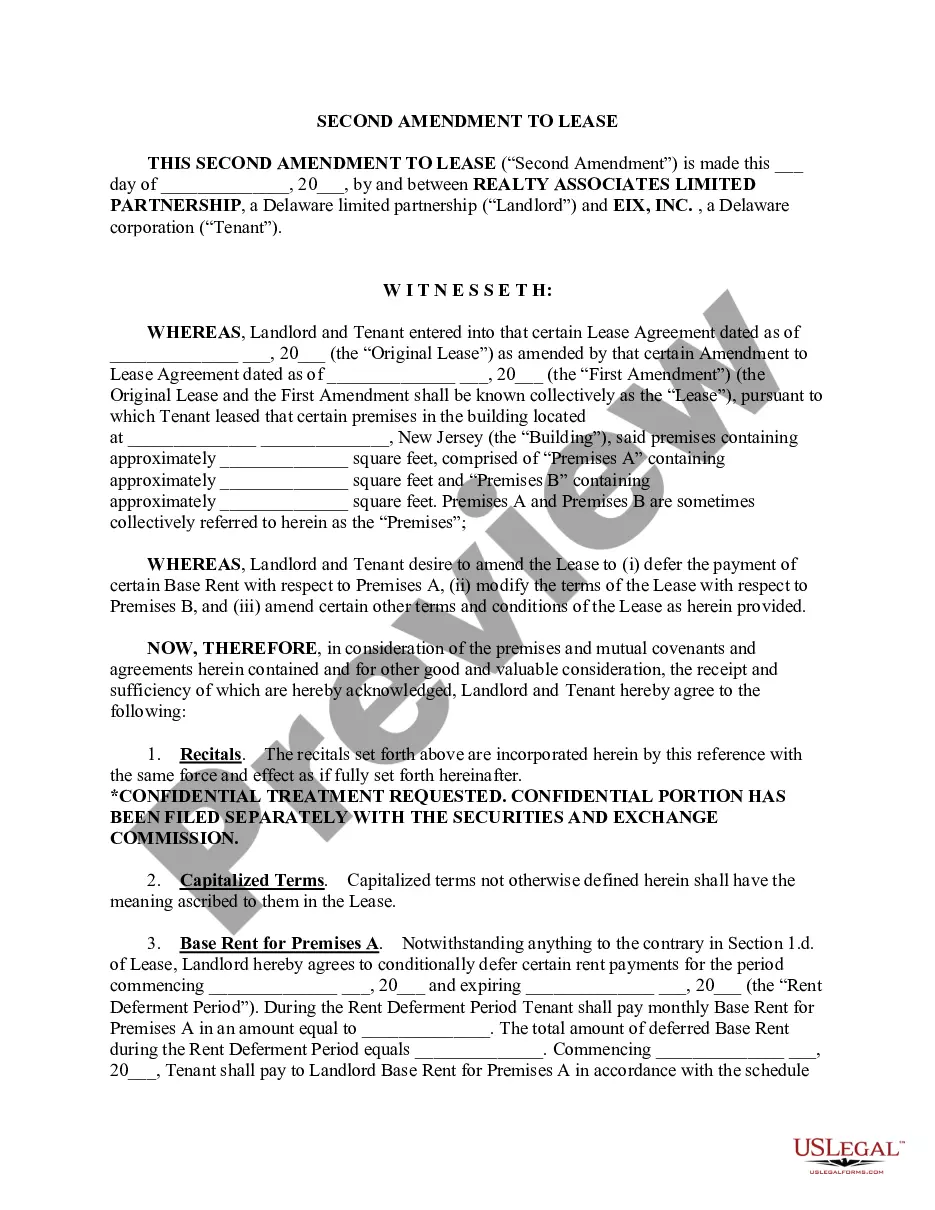
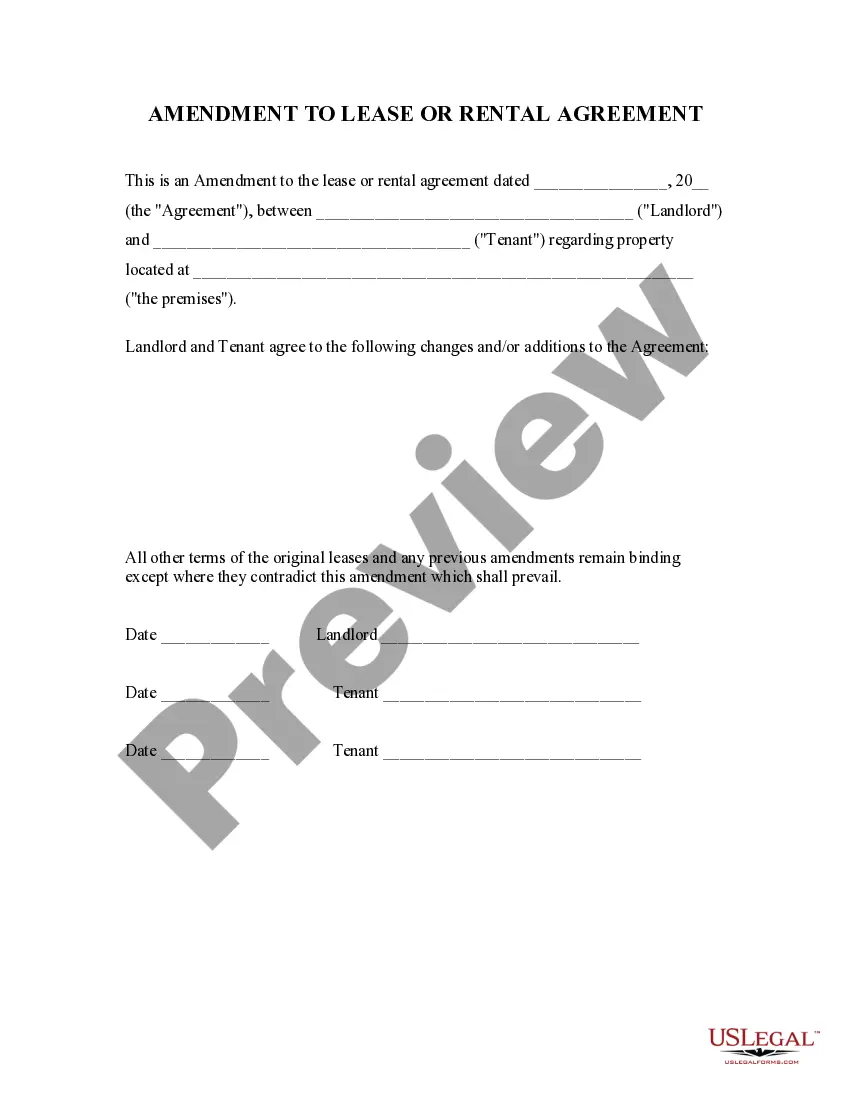
The Amendment of Residential Lease is a legal document used to modify the existing terms of a lease agreement between a landlord and tenant. This form facilitates the incorporation of agreed changes into the lease, ensuring that both parties are aligned on updates while remaining compliant with applicable state laws. Unlike a new lease agreement, this amendment allows for specific adjustments without the need to rewrite the entire contract.
Form components explained
- Identification of the parties involved: landlord and tenants.
- Reference to the original lease agreement, including its start and end dates.
- Detailed description of the amendments being made, such as changes in rent or lease duration.
- Signatures of both the landlord and all tenants to acknowledge agreement.
When this form is needed
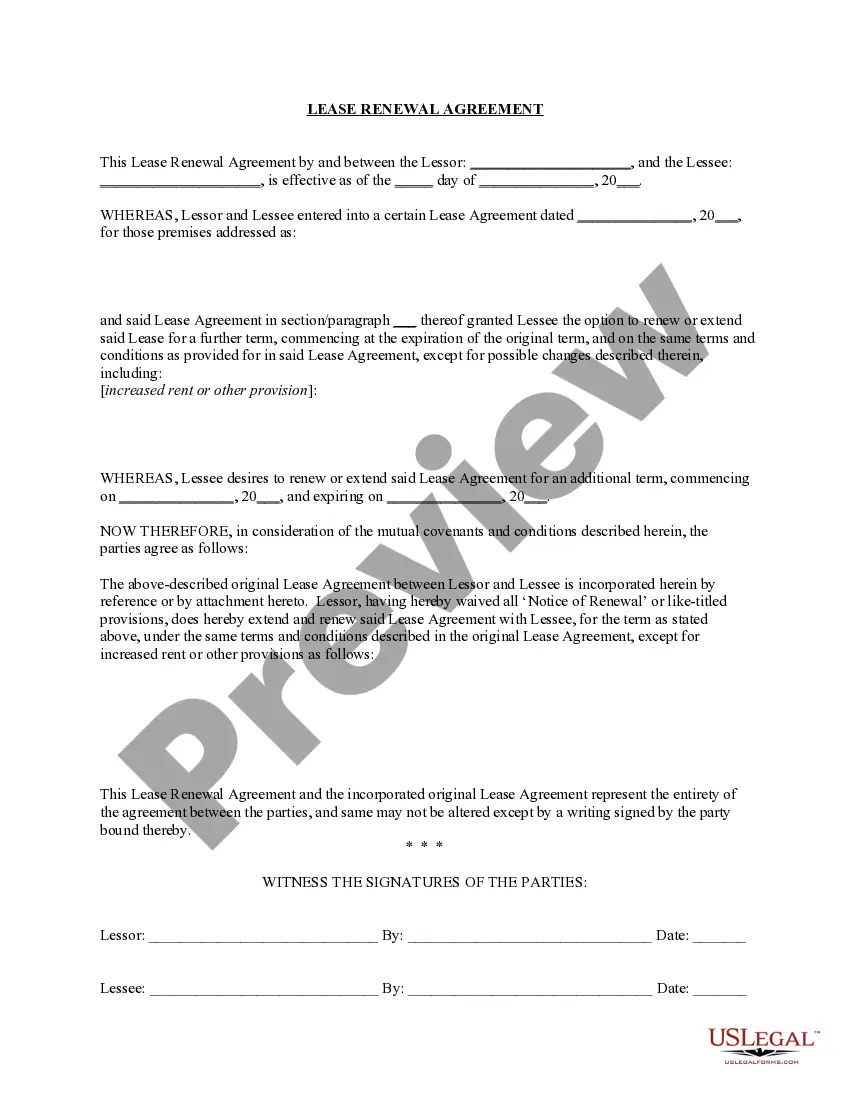
This form should be used in situations where the terms of an existing residential lease need to be modified. Common scenarios include adjusting the rent amount, extending the lease term, or adding additional tenants to the agreement. Use this amendment when you want to ensure that all changes are documented and legally binding, avoiding misunderstandings down the line.
Who can use this document
This form is intended for:
- Landlords who need to update terms in a residential lease.
- Tenants who wish to request modifications to their lease agreement.
- Real estate professionals assisting clients with lease modifications.
Steps to complete this form
- Identify the parties: Enter the names of the landlord and tenants.
- Reference the original lease: Provide the date of the original lease agreement.
- Enter the amendment details: Clearly state the changes agreed upon, including any new terms.
- Fill in effective dates: Specify the dates for the amended terms to take effect.
- Obtain signatures: Ensure all parties sign and date the amendment to validate the changes.
Does this form need to be notarized?
This form does not typically require notarization unless specified by local law. However, it is advisable to verify if any jurisdiction-specific regulations mandate notarization to ensure legal effectiveness.
Get your form ready online
Our built-in tools help you complete, sign, share, and store your documents in one place.
Make edits, fill in missing information, and update formatting in US Legal Forms—just like you would in MS Word.
Download a copy, print it, send it by email, or mail it via USPS—whatever works best for your next step.
Sign and collect signatures with our SignNow integration. Send to multiple recipients, set reminders, and more. Go Premium to unlock E-Sign.
If this form requires notarization, complete it online through a secure video call—no need to meet a notary in person or wait for an appointment.
We protect your documents and personal data by following strict security and privacy standards.

Make edits, fill in missing information, and update formatting in US Legal Forms—just like you would in MS Word.

Download a copy, print it, send it by email, or mail it via USPS—whatever works best for your next step.

Sign and collect signatures with our SignNow integration. Send to multiple recipients, set reminders, and more. Go Premium to unlock E-Sign.

If this form requires notarization, complete it online through a secure video call—no need to meet a notary in person or wait for an appointment.

We protect your documents and personal data by following strict security and privacy standards.
Avoid these common issues
- Failing to include all tenant signatures, which can lead to disputes.
- Not referencing the original lease agreement accurately.
- Leaving out critical details in the amendment, such as specific changes to rent or term length.
Benefits of completing this form online
- Convenience of completing the form at your own pace without time constraints.
- Editable templates that allow for customized amendments as needed.
- Access to reliable legal content that has been prepared by licensed attorneys.
Looking for another form?

Form popularity
FAQ
Your tenancy is your home, so you're allowed to have other people live with you. You should let your landlord know if someone is going to be moving into your home, but you don't need permission.If you want to add a person to your tenancy, you need your landlord's permission.
A lease is automatically void when it is against the law, such as a lease for an illegal purpose. In other circumstances, like fraud or duress, a lease can be declared void at the request of one party but not the other.
Changing the lease You can negotiate certain changes to the lease, sometimes known as 'varying the lease'. Speak to your landlord first. If you can't agree, you may be able to apply to a tribunal - contact Leasehold Advisory Service for advice.
If you are a leaseholder, you cannot change the lease terms without agreeing such change with your landlord. The reason for this is that as the lease is a contract between two parties, the leaseholder and the landlord, both parties must agree to change (referred to also as variation) of the terms of the lease.
The Lease Must be in Writing It does not matter if the lease is handwritten or typed. If the lease is for more than one year, it must be in written form and contain the following terms.
Step 1: Obtain a Written Request. Invite the tenant to submit in writing the request to add another person to the lease. Step 2: Check the Property's Occupancy Limit. Step 3: Acquire a Completed Rental Application. Step 4: Make a Decision. Step 5: Review the Details With the Tenants.
When creating your Lease Amendment, you'll want to include information such as: the names of the landlord(s) and the tenant(s); the effective date of the original lease; the date of the lease amendment; the address and nature of the leased property; whether the original lease was recorded with the county; which
Yes, someone can live with the tenant without being on the lease.