Washington Wireless Antenna Ordinance
Description
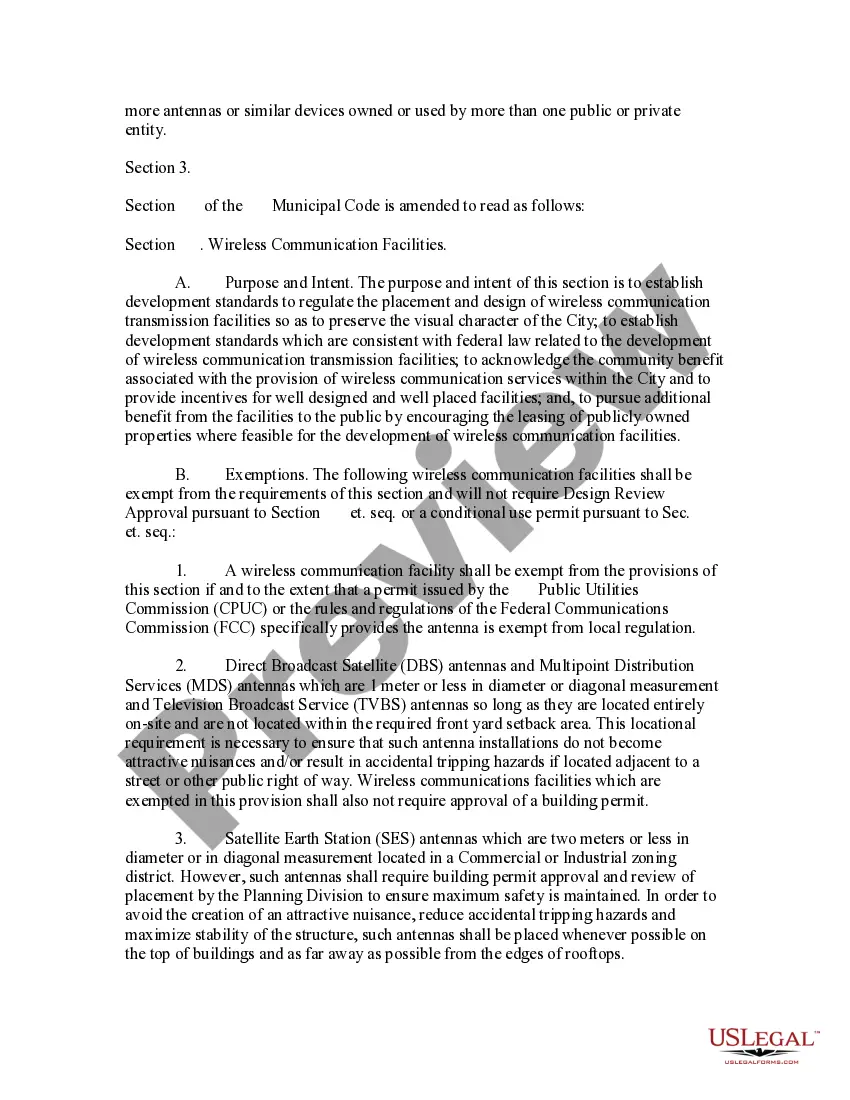
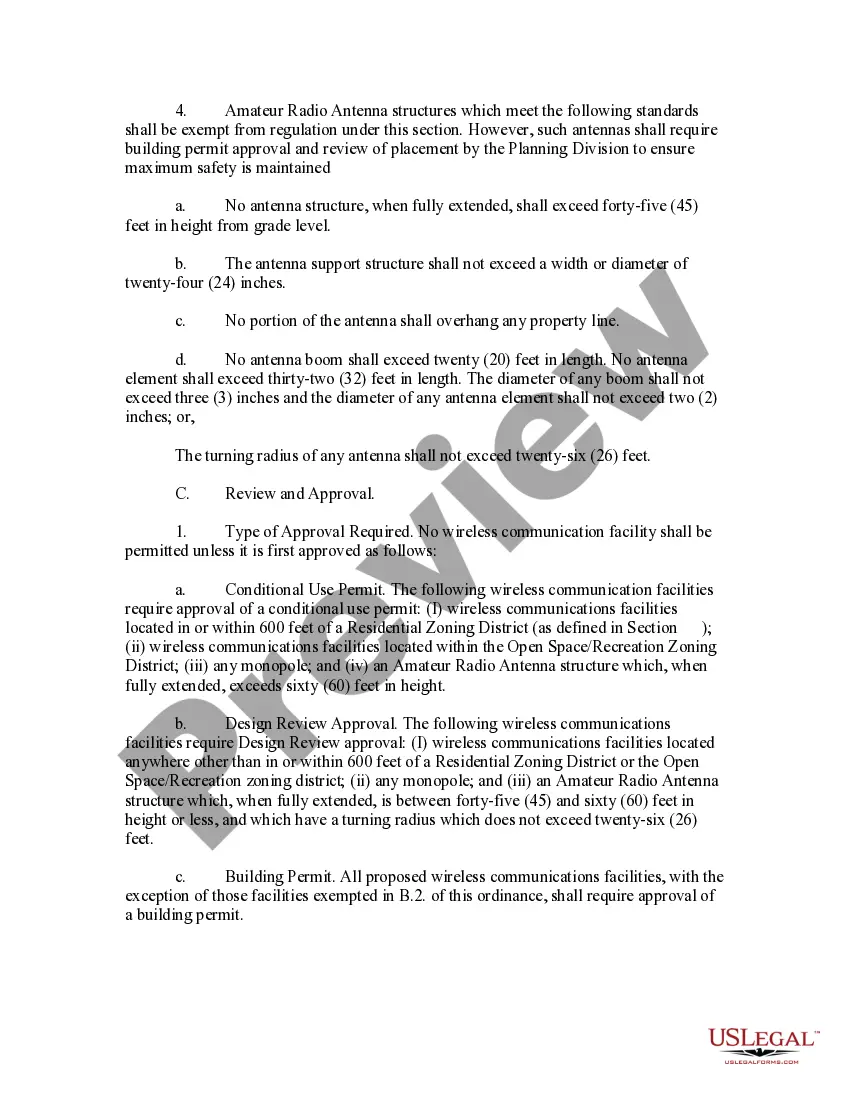
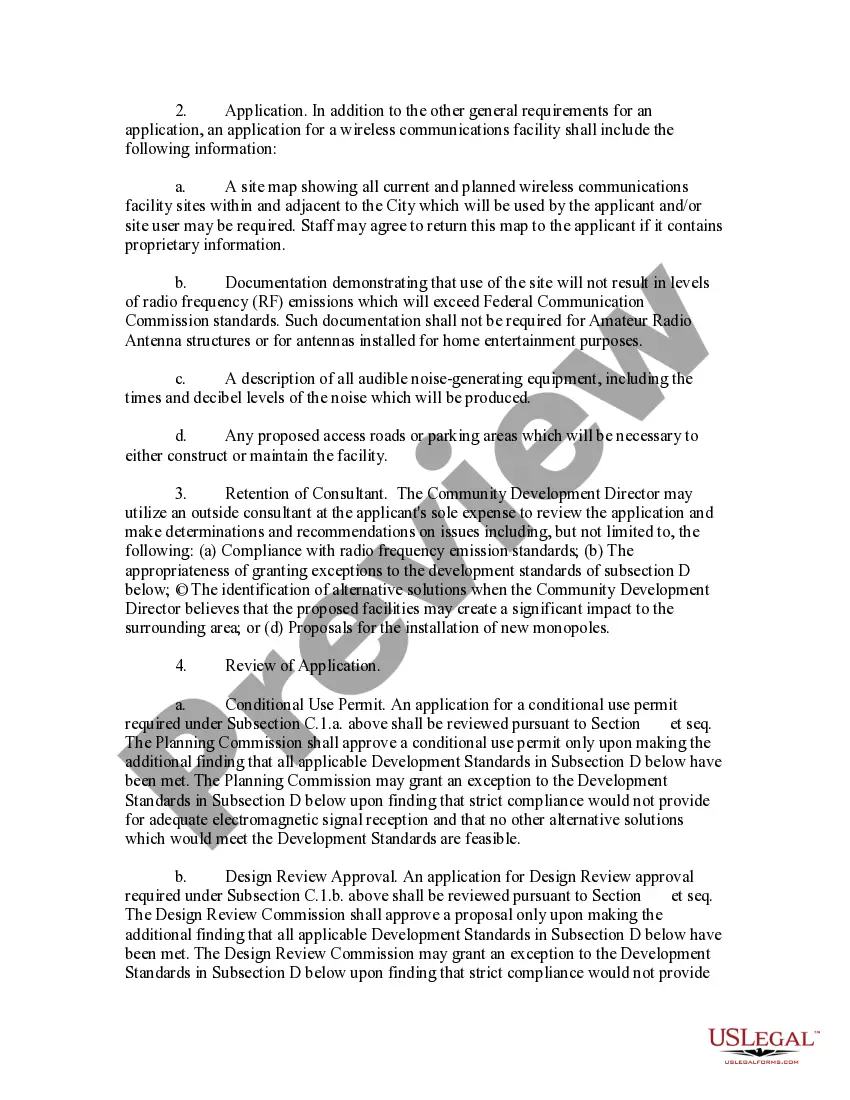
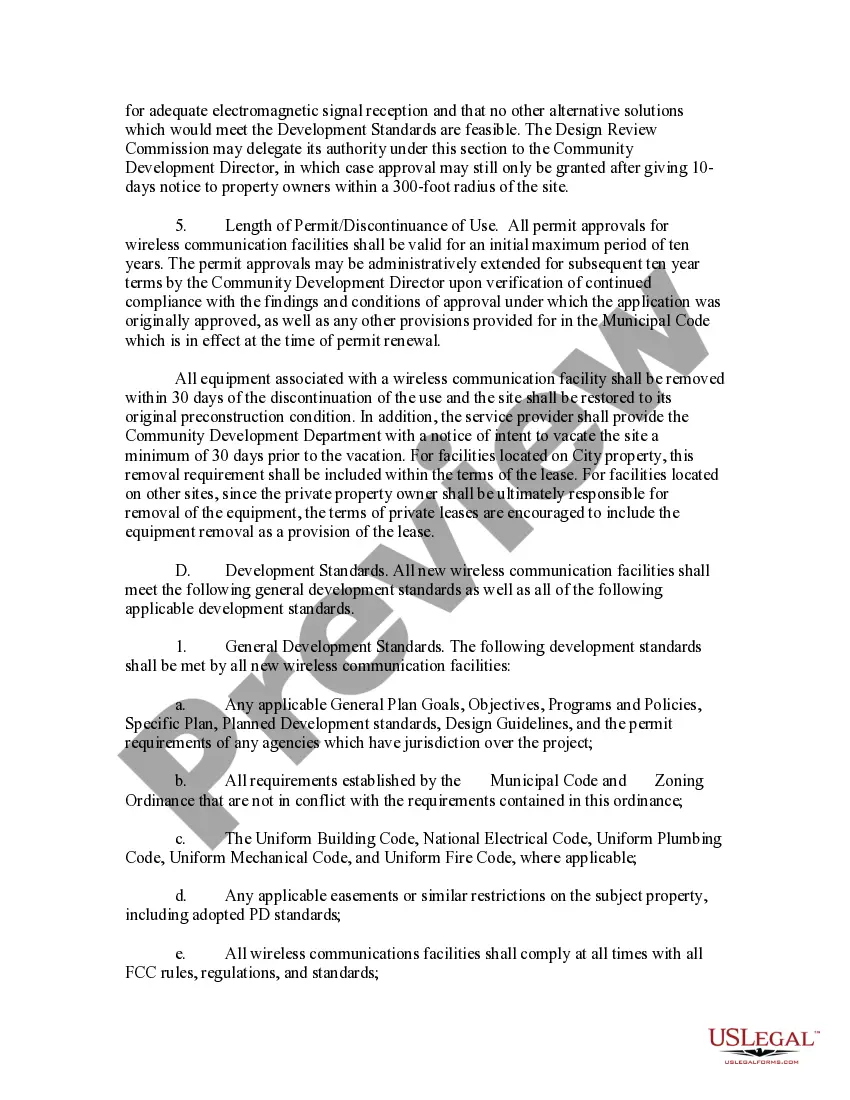
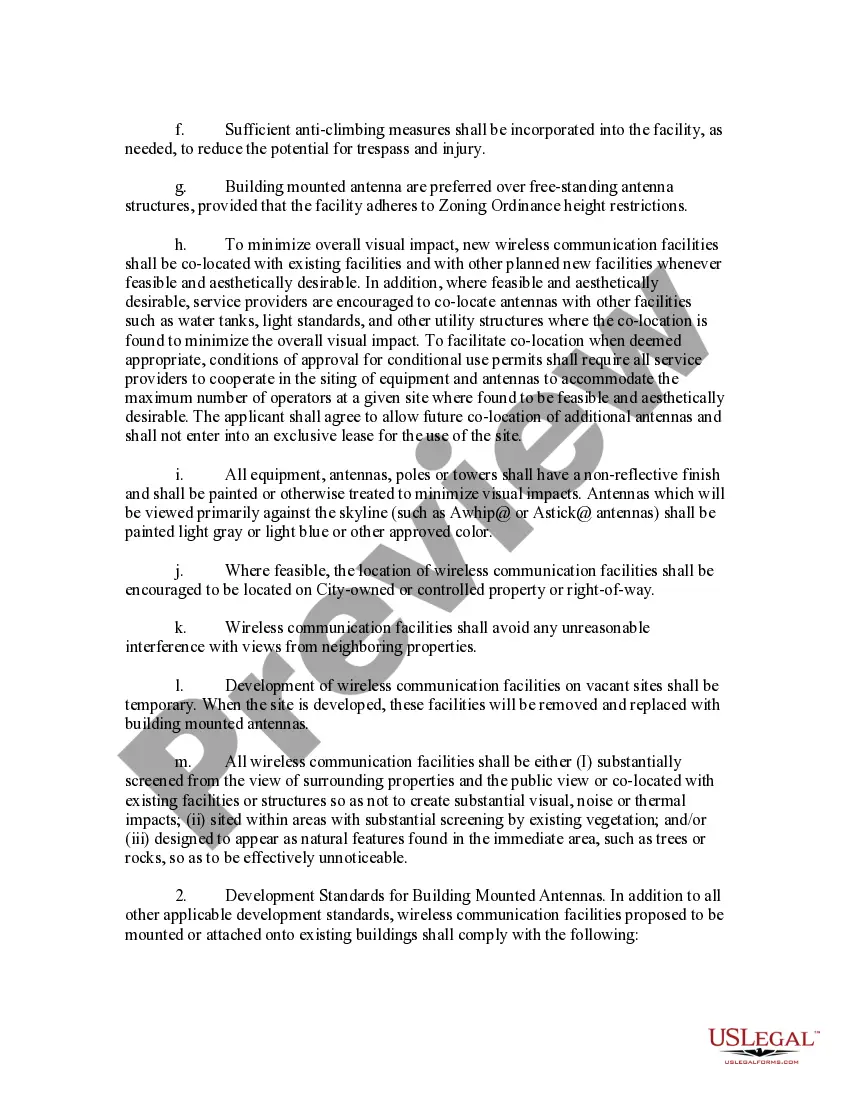
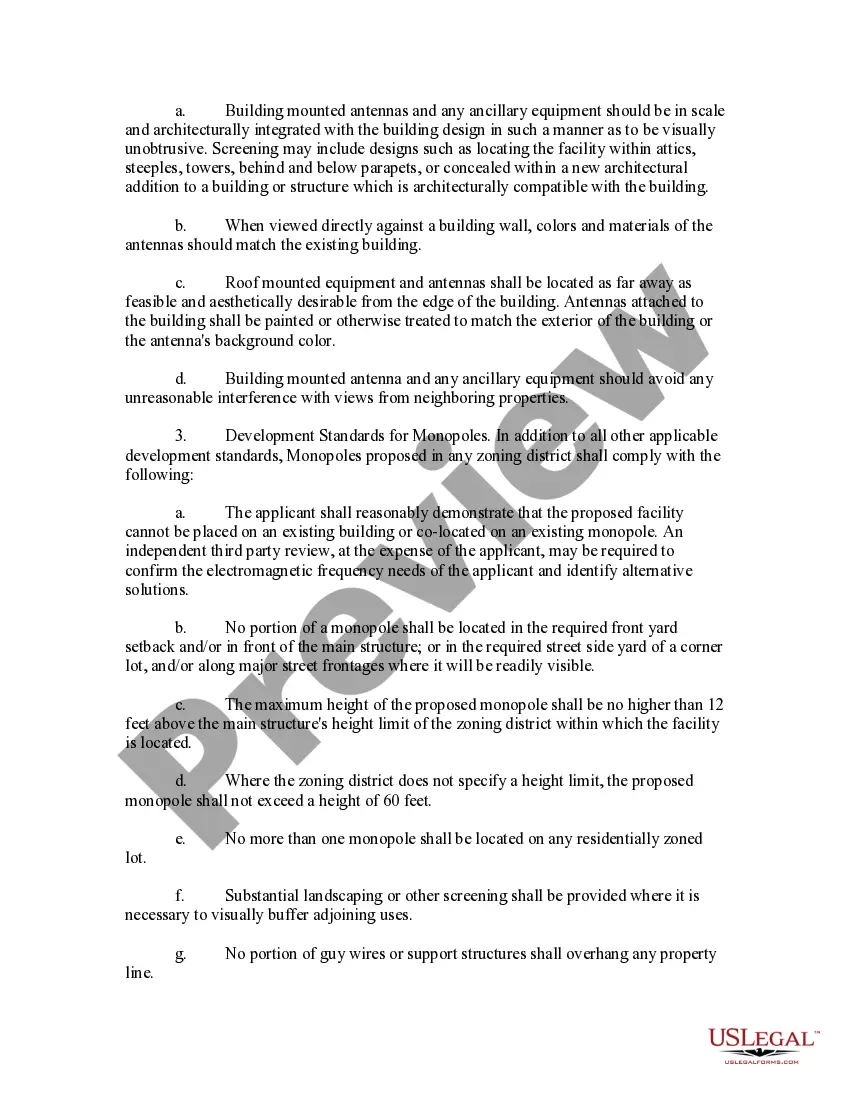
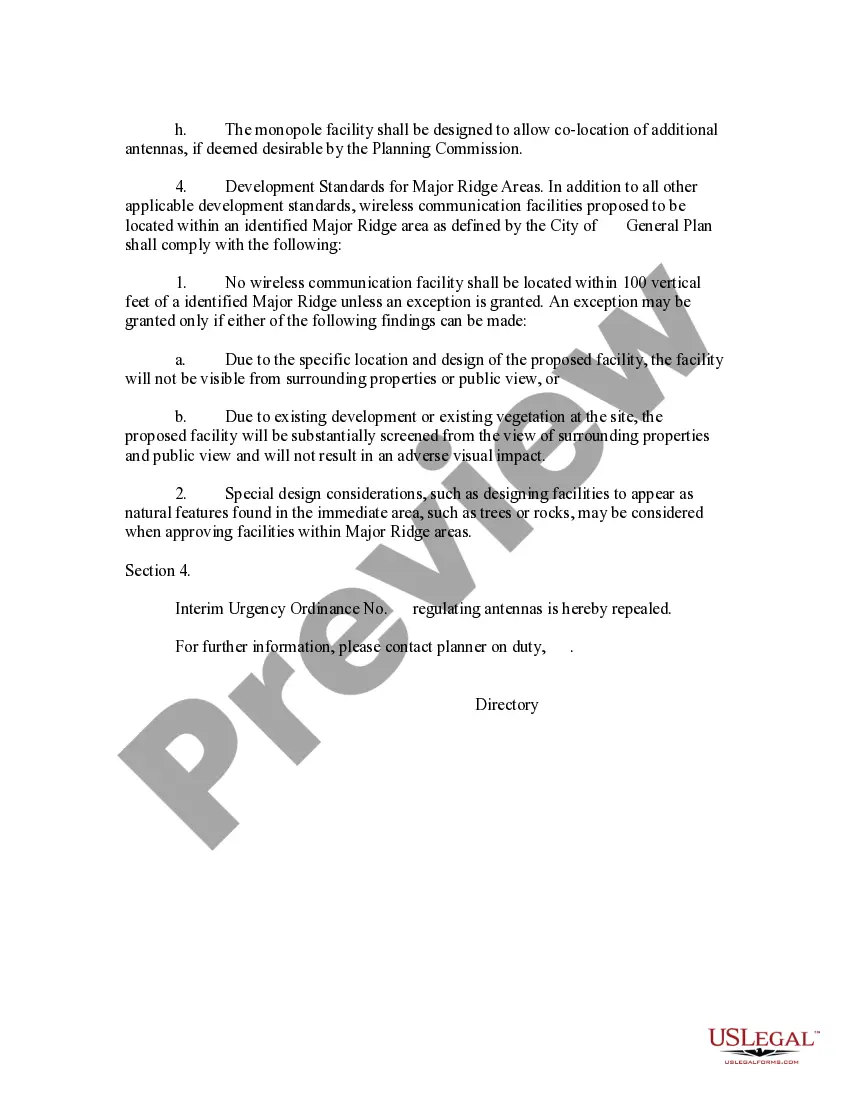
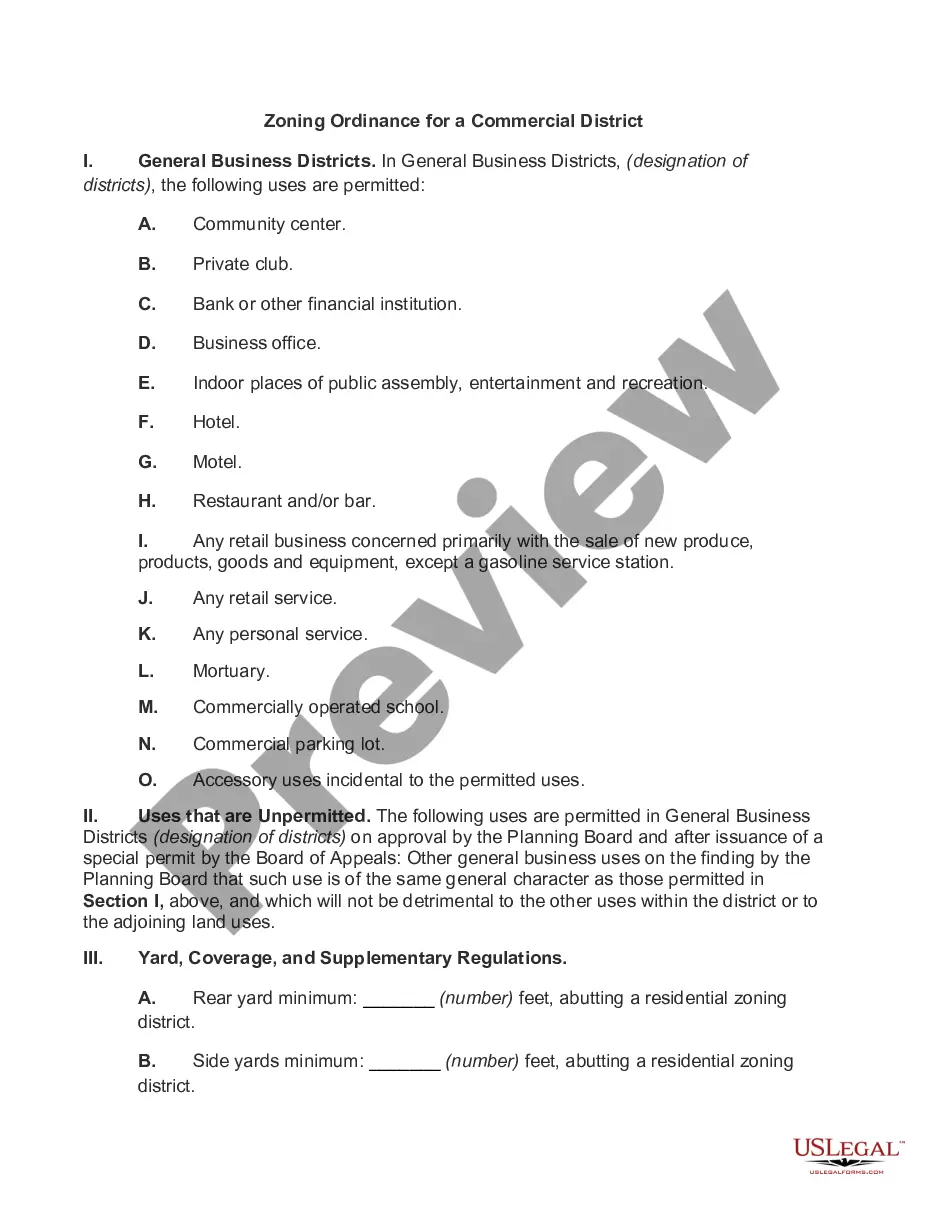
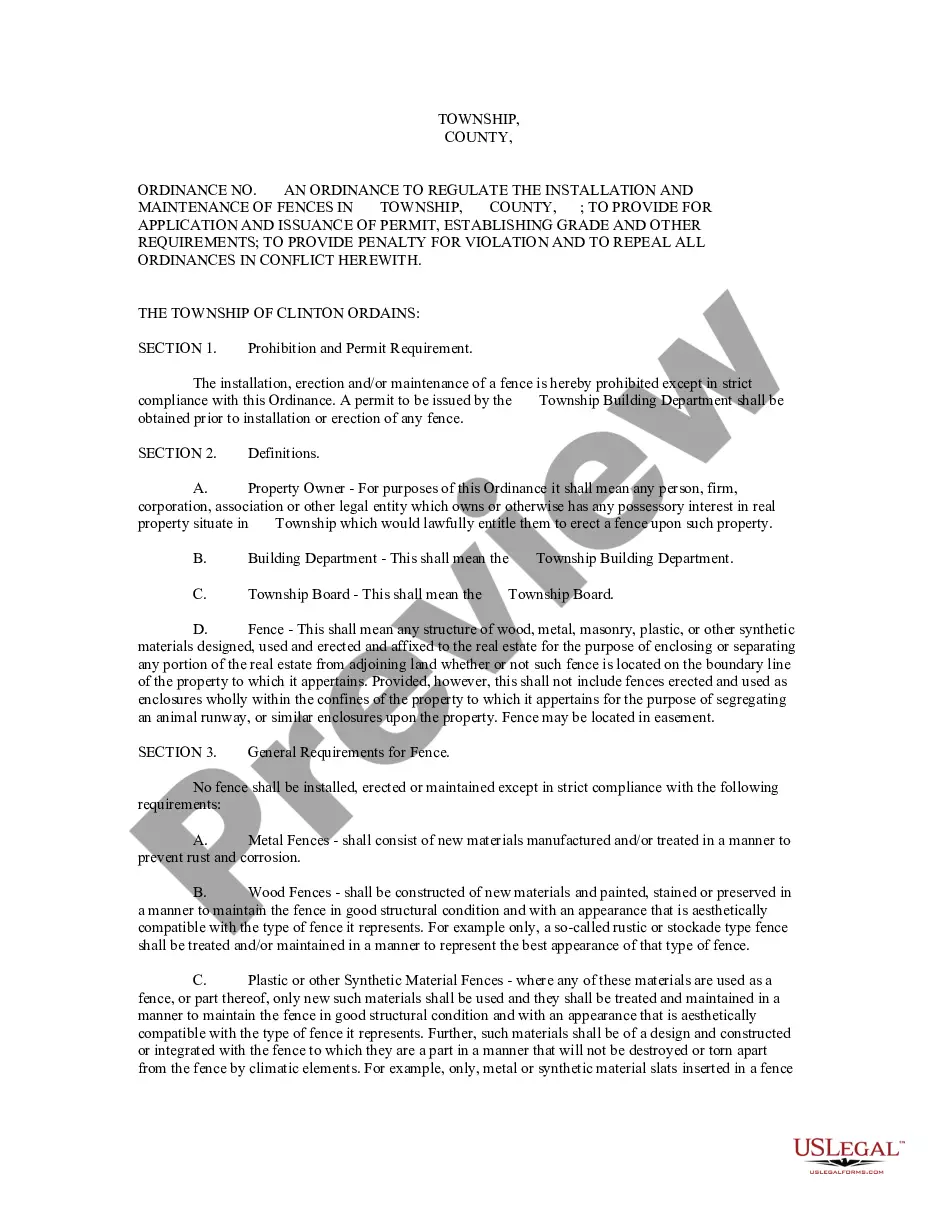
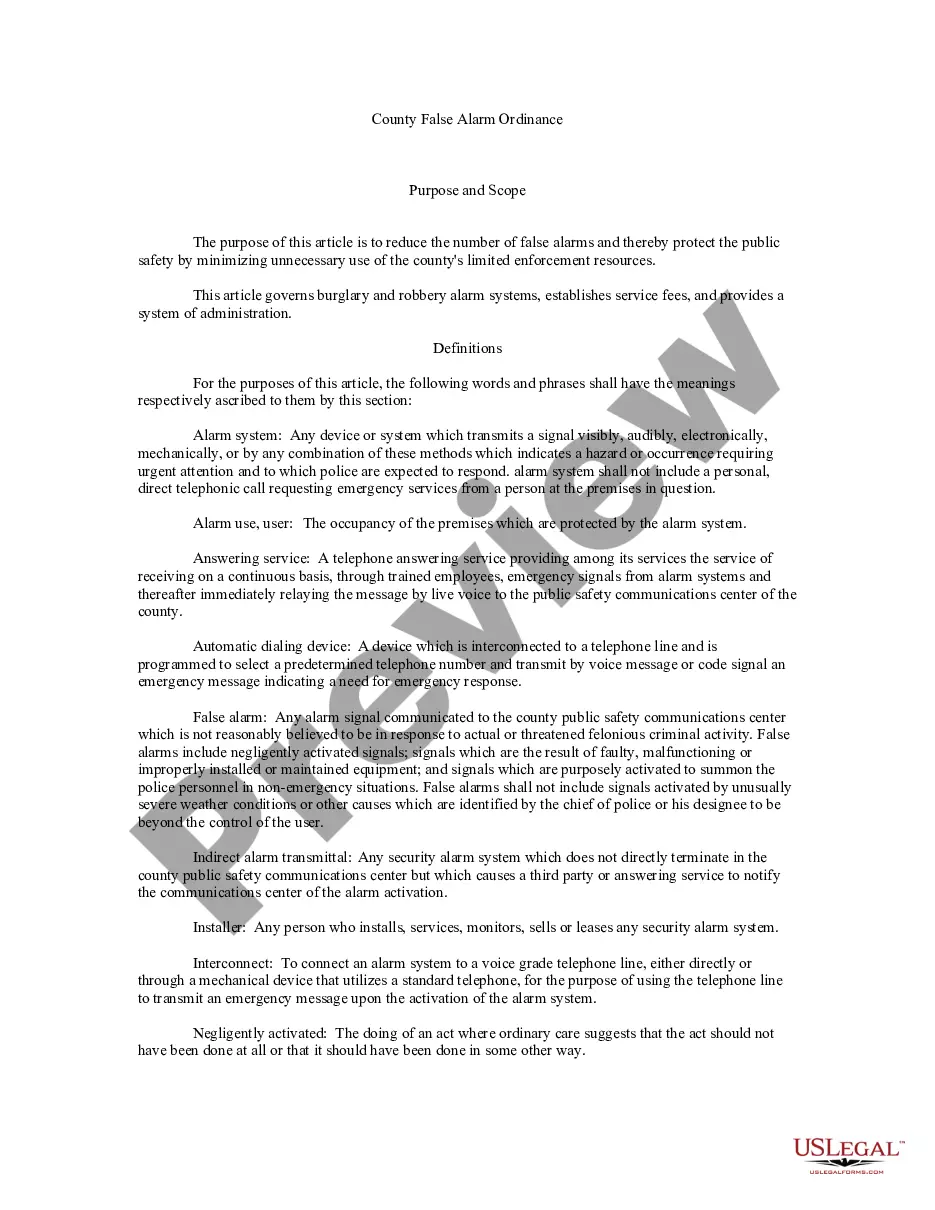
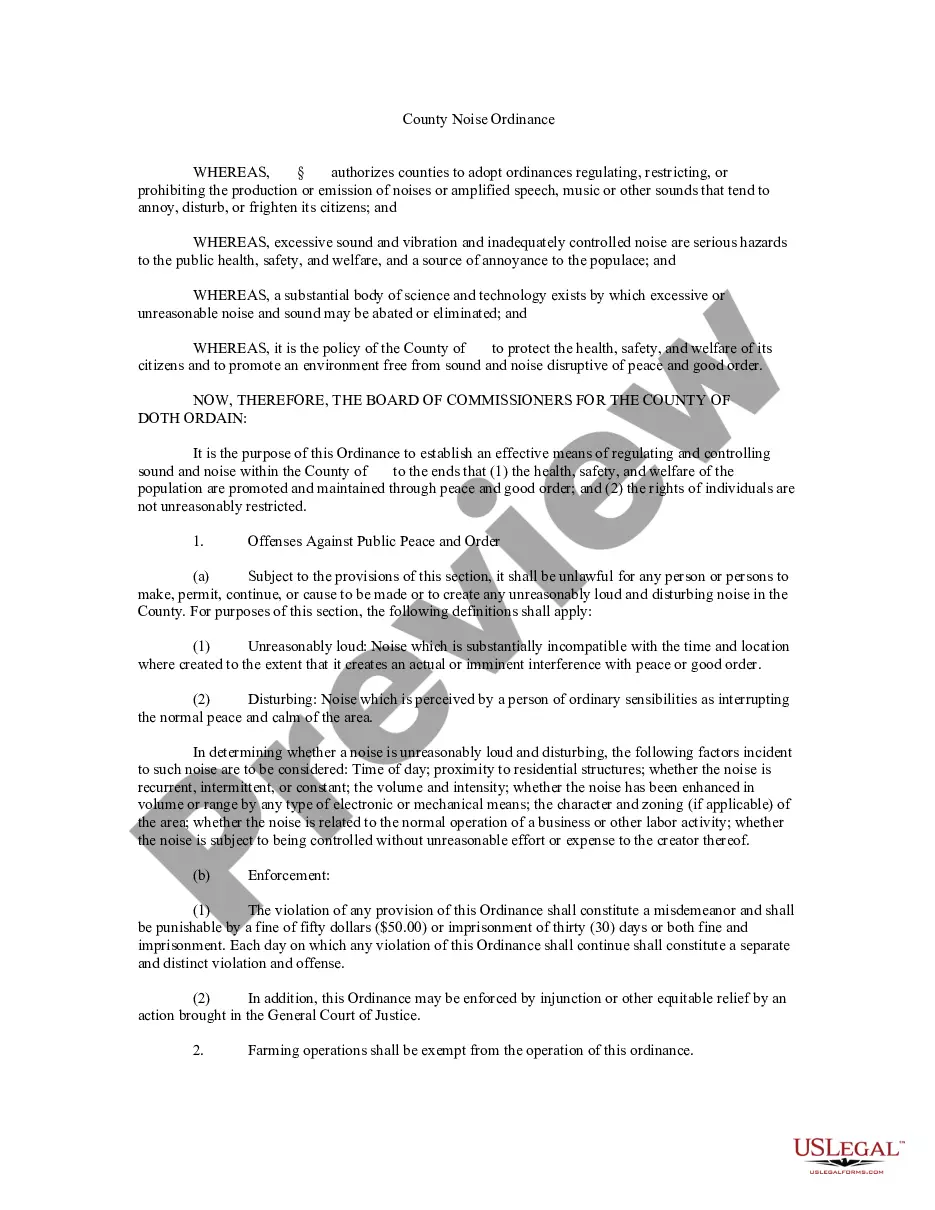
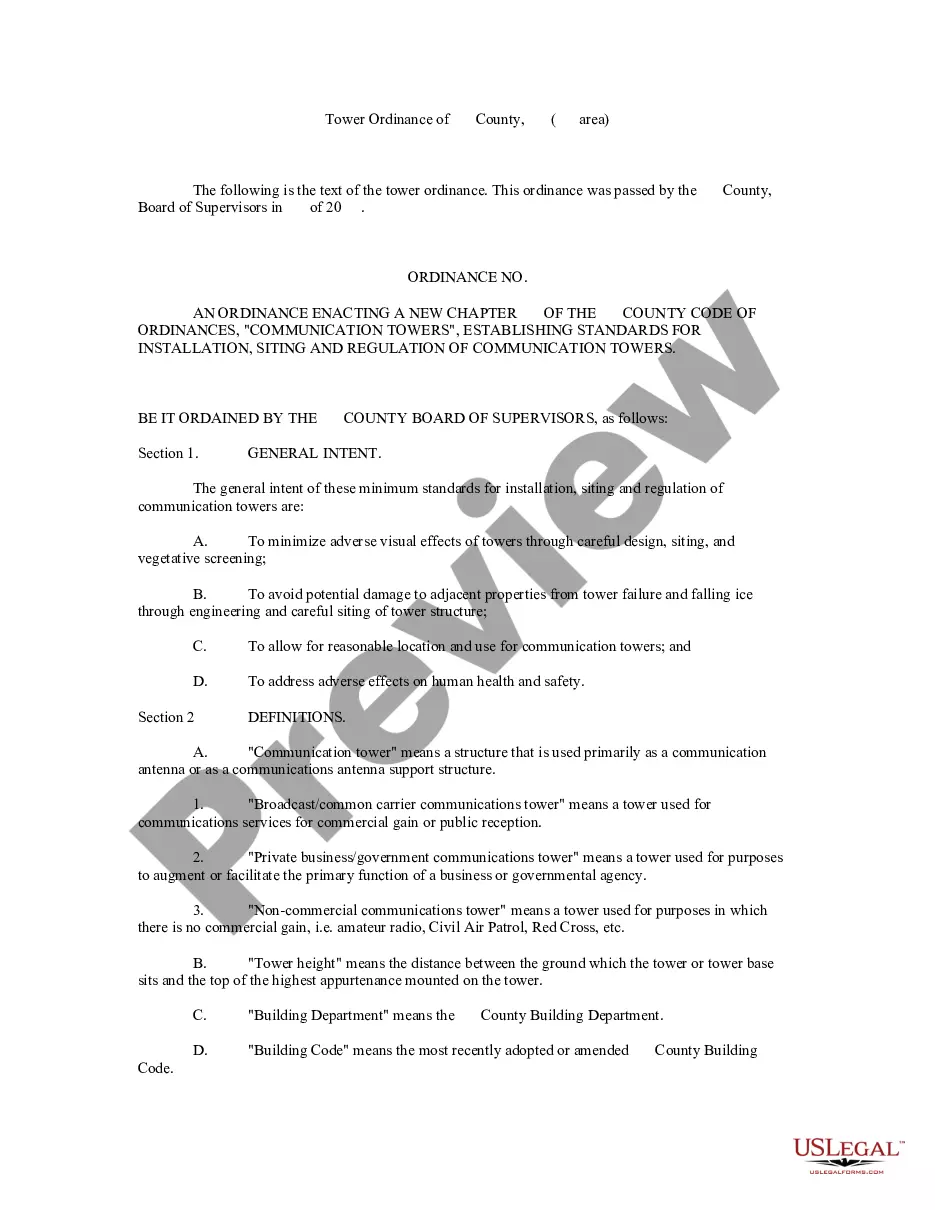
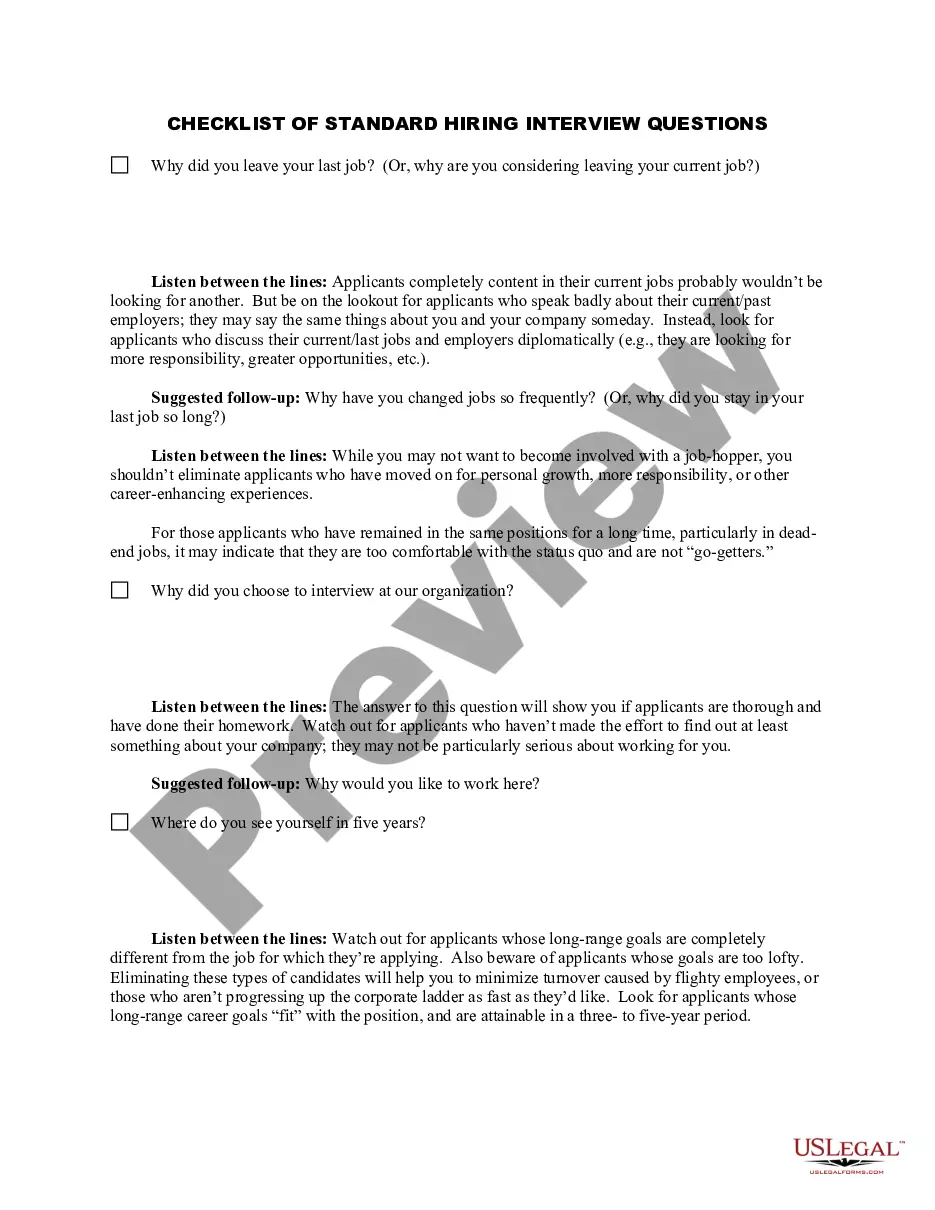
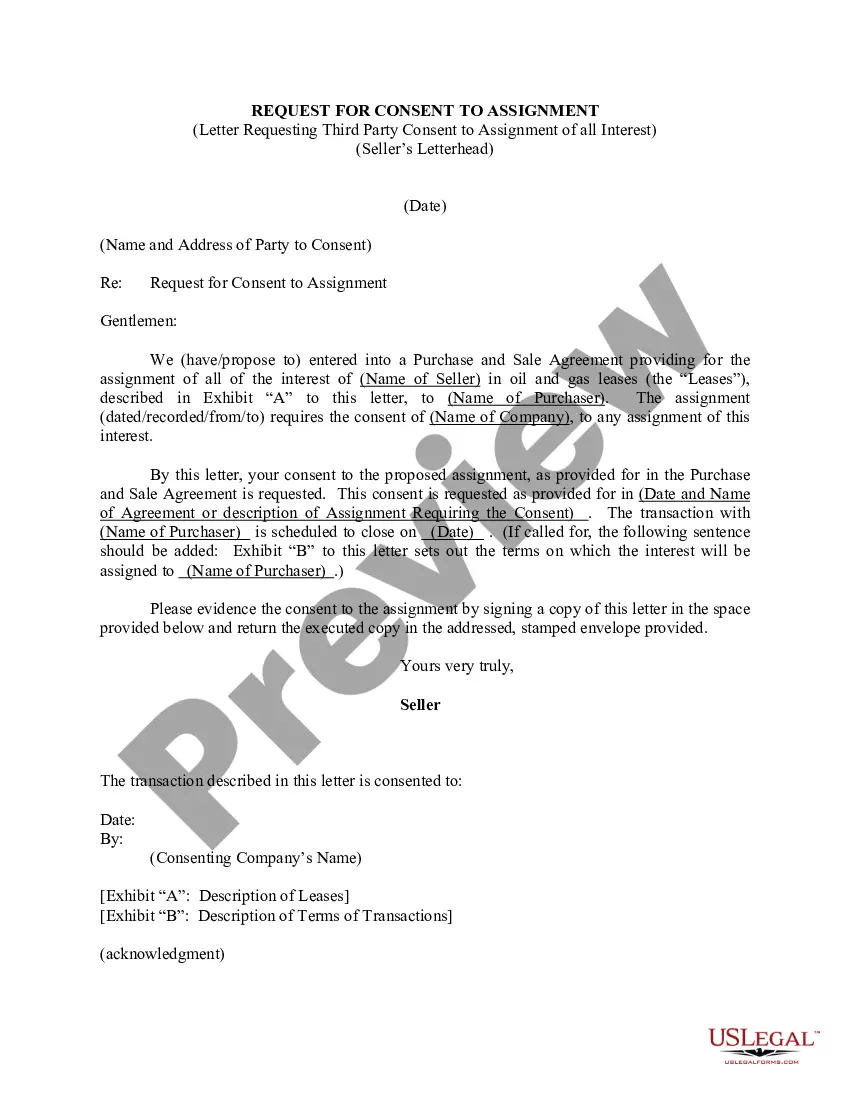
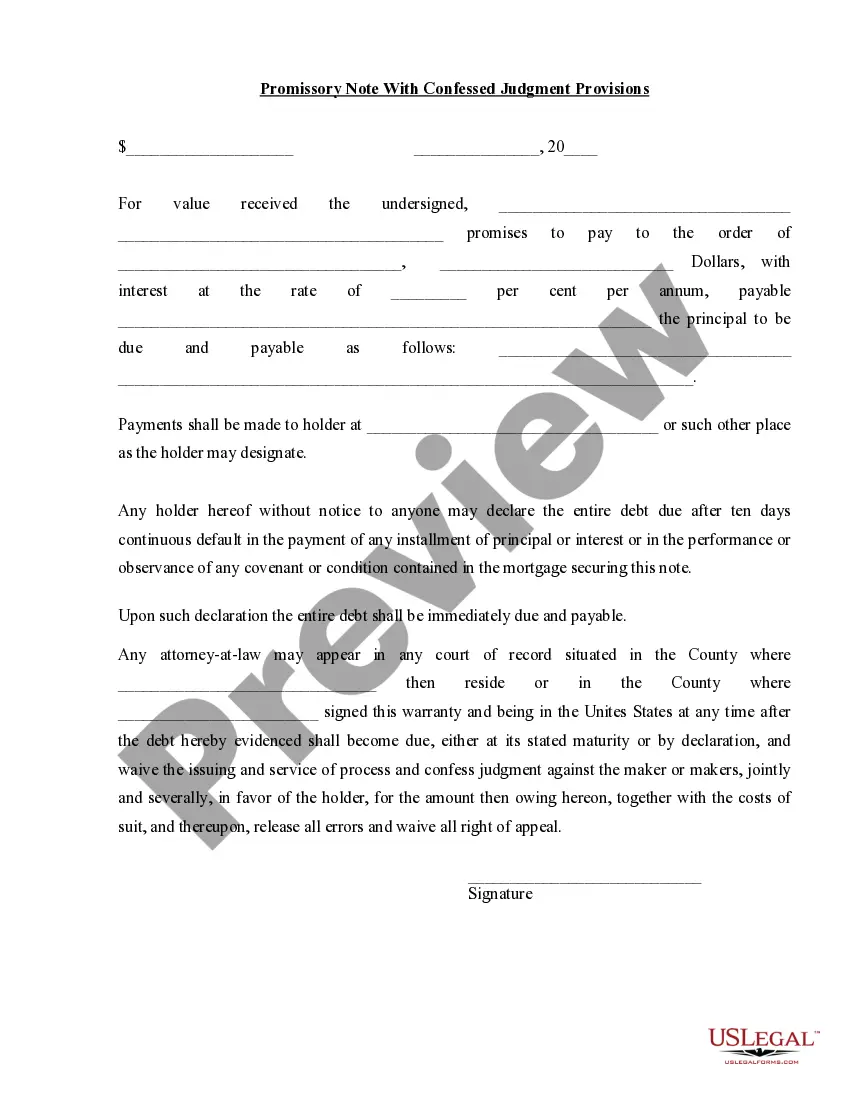
How to fill out Wireless Antenna Ordinance?
You may invest several hours online searching for the authorized papers design which fits the federal and state specifications you need. US Legal Forms provides 1000s of authorized kinds that happen to be examined by specialists. You can easily download or printing the Washington Wireless Antenna Ordinance from the services.
If you currently have a US Legal Forms accounts, it is possible to log in and then click the Down load button. After that, it is possible to full, modify, printing, or indication the Washington Wireless Antenna Ordinance. Each authorized papers design you buy is your own property eternally. To get yet another duplicate of any bought kind, check out the My Forms tab and then click the corresponding button.
If you use the US Legal Forms internet site the first time, adhere to the straightforward directions beneath:
- Initial, be sure that you have selected the right papers design for your region/city that you pick. Look at the kind outline to make sure you have selected the proper kind. If readily available, use the Review button to look from the papers design too.
- If you want to locate yet another variation of the kind, use the Lookup field to discover the design that meets your needs and specifications.
- Upon having located the design you want, click Acquire now to proceed.
- Choose the rates plan you want, key in your qualifications, and sign up for a free account on US Legal Forms.
- Complete the transaction. You can use your Visa or Mastercard or PayPal accounts to fund the authorized kind.
- Choose the file format of the papers and download it for your gadget.
- Make modifications for your papers if necessary. You may full, modify and indication and printing Washington Wireless Antenna Ordinance.
Down load and printing 1000s of papers layouts utilizing the US Legal Forms website, which offers the greatest collection of authorized kinds. Use skilled and status-specific layouts to take on your business or individual requirements.
Form popularity
FAQ
That's more or less what an antenna (sometimes called an aerial) does: it's the metal rod or dish that catches radio waves and turns them into electrical signals feeding into something like a radio or television or a telephone system. Antennas like this are sometimes called receivers.
Antennas are required by any radio receiver or transmitter to couple its electrical connection to the electromagnetic field. Radio waves are electromagnetic waves which carry signals through the air (or through space) at the speed of light with almost no transmission loss.
An antenna is a metallic structure that captures and/or transmits radio electromagnetic waves. Antennas come in all shapes and sizes from little ones that can be found on your roof to watch TV to really big ones that capture signals from satellites millions of miles away.
An antenna is a specialized transducer that converts electric current into electromagnetic (EM) waves or vice versa. Antennas are used to transmit and receive nonionizing EM fields, which include radio waves, microwaves, infrared radiation (IR) and visible light.
With a digital TV antenna, there is virtually no signal compression, leading to a richer picture. Antenna users can usually spot the difference in picture quality upon the time they scan for channels and start watching.
The antenna system is the interface between the radio system and the external environment. Wireless communication systems require antennas at the transmitter and receiver to operate properly.