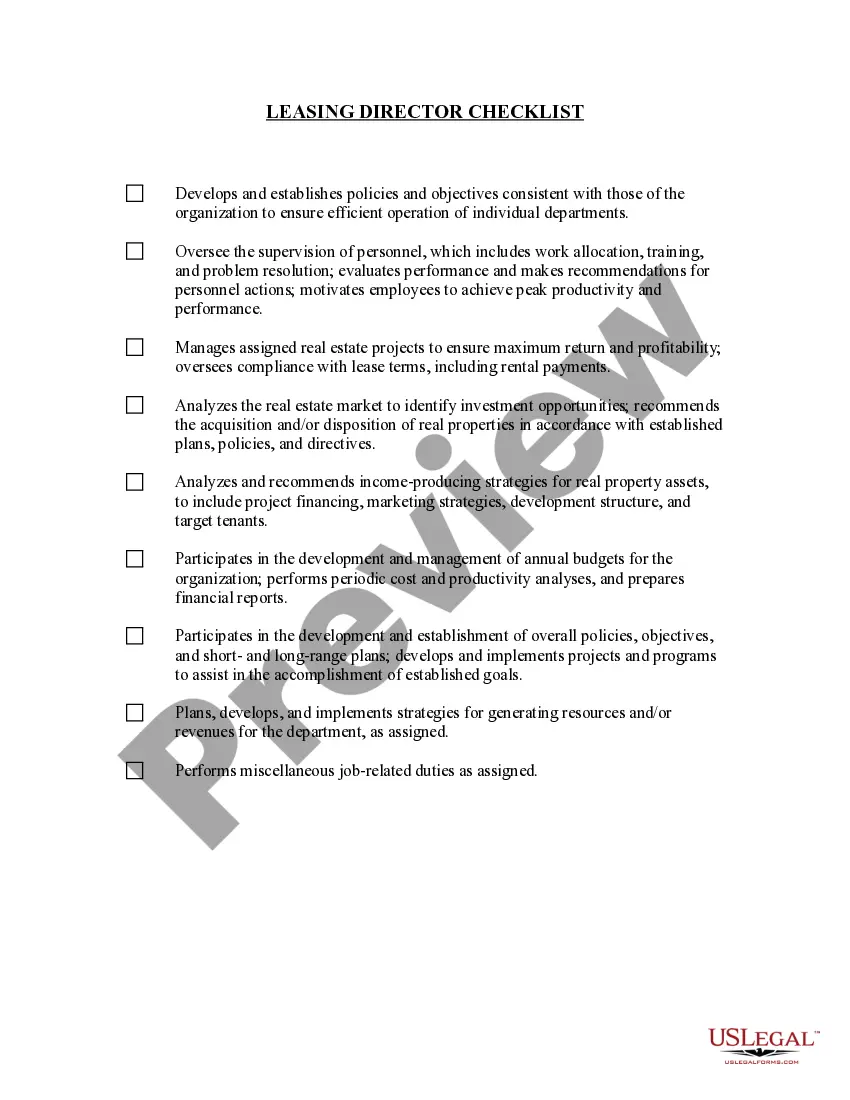
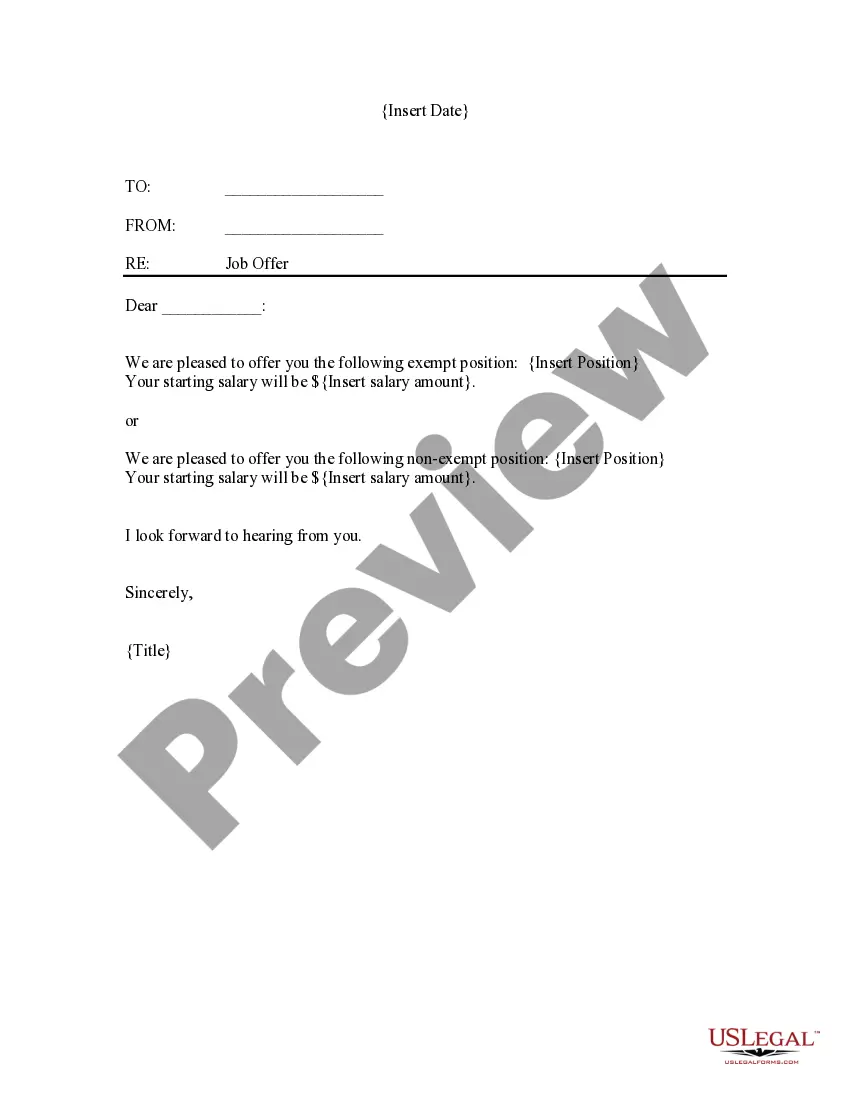
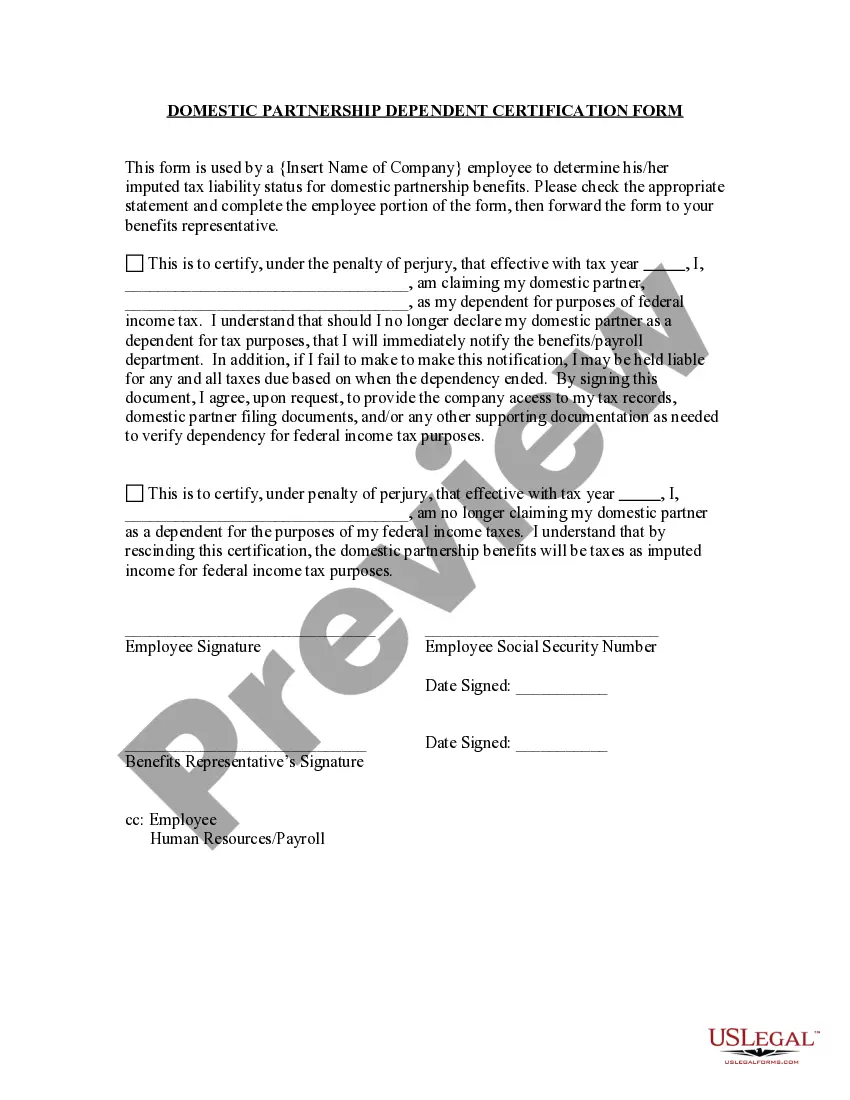
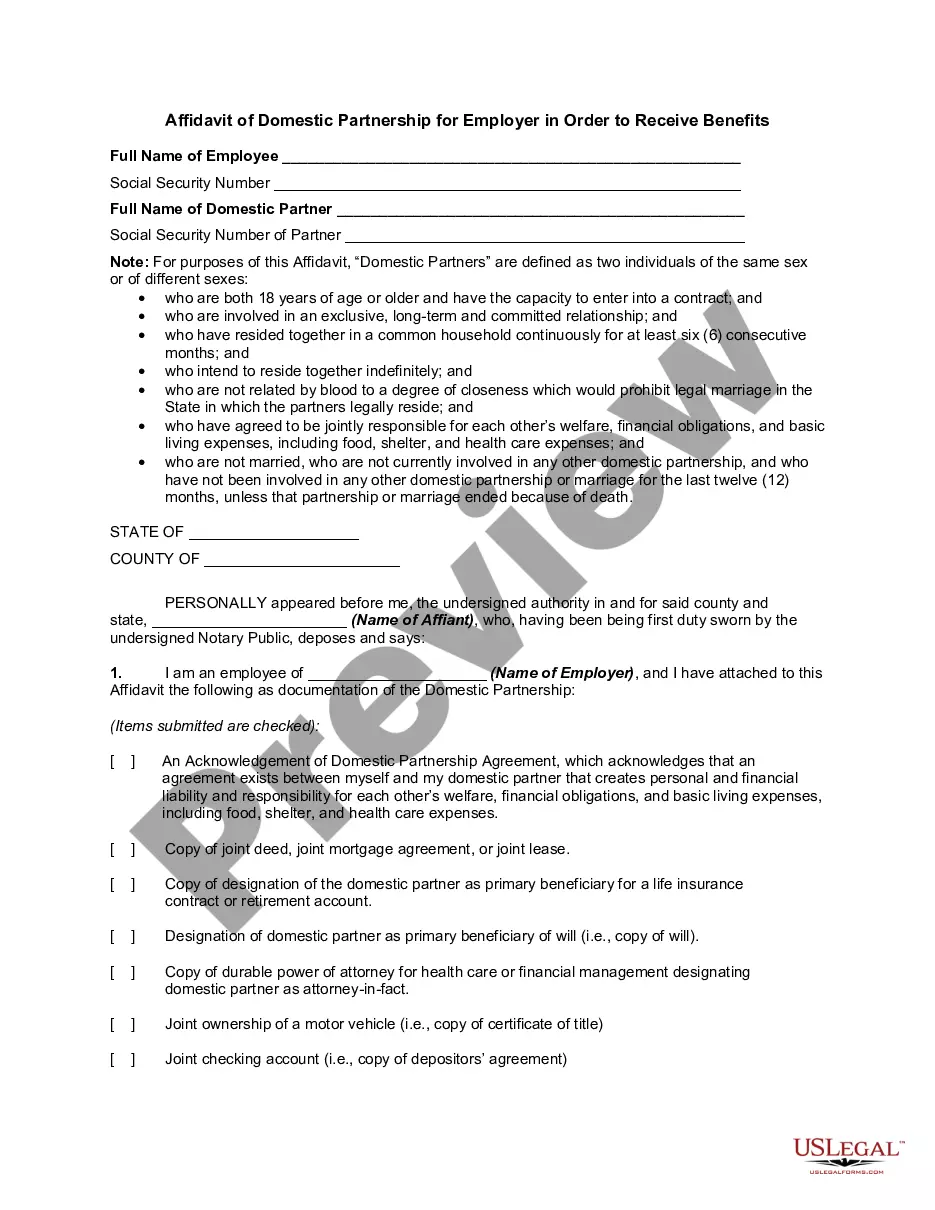
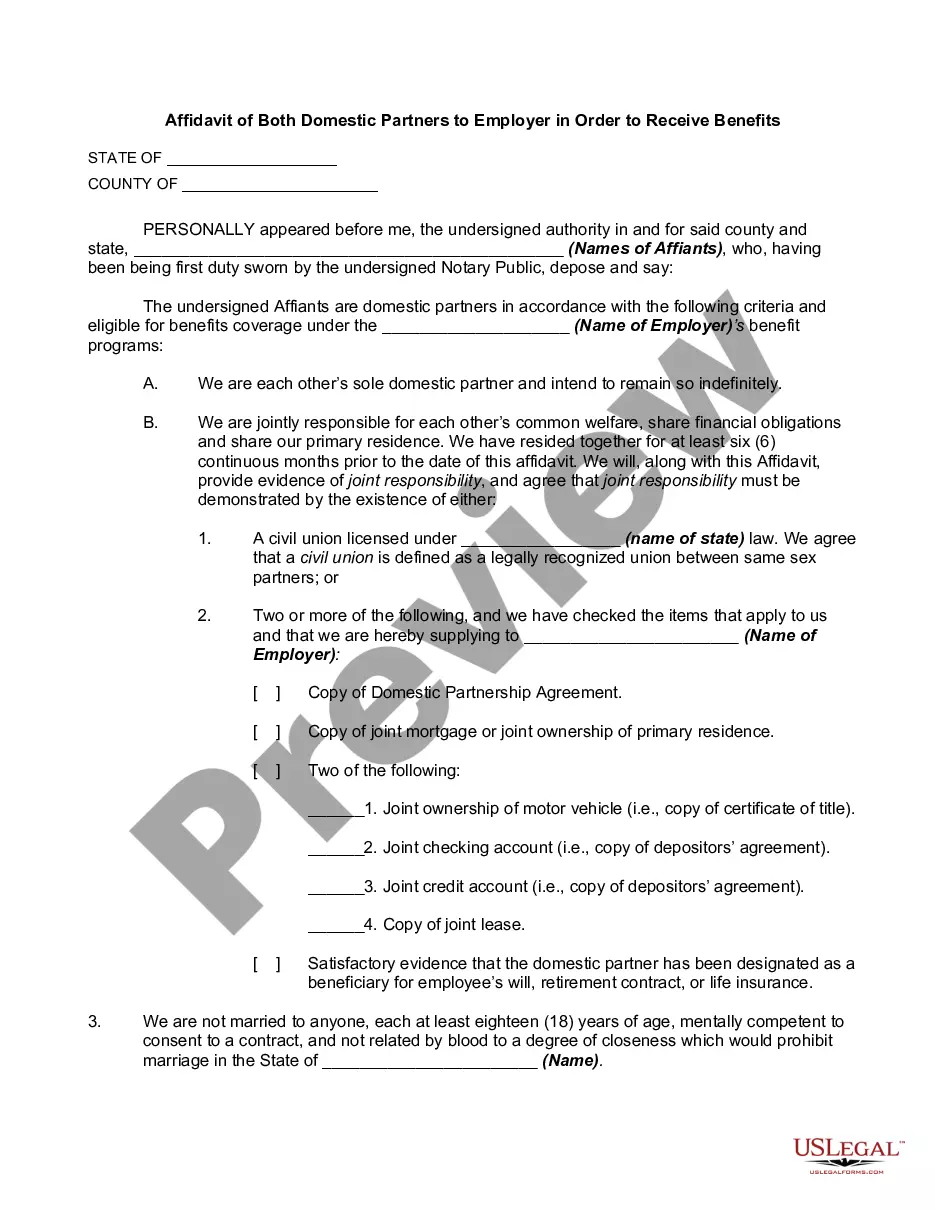
Washington Domestic Partnership Dependent Certification Form
Description
Get your form ready online
Our built-in tools help you complete, sign, share, and store your documents in one place.
Make edits, fill in missing information, and update formatting in US Legal Forms—just like you would in MS Word.
Download a copy, print it, send it by email, or mail it via USPS—whatever works best for your next step.
Sign and collect signatures with our SignNow integration. Send to multiple recipients, set reminders, and more. Go Premium to unlock E-Sign.
If this form requires notarization, complete it online through a secure video call—no need to meet a notary in person or wait for an appointment.
We protect your documents and personal data by following strict security and privacy standards.

Make edits, fill in missing information, and update formatting in US Legal Forms—just like you would in MS Word.

Download a copy, print it, send it by email, or mail it via USPS—whatever works best for your next step.

Sign and collect signatures with our SignNow integration. Send to multiple recipients, set reminders, and more. Go Premium to unlock E-Sign.

If this form requires notarization, complete it online through a secure video call—no need to meet a notary in person or wait for an appointment.

We protect your documents and personal data by following strict security and privacy standards.
Looking for another form?





How to fill out Domestic Partnership Dependent Certification Form?
Have you ever found yourself in a situation where you require paperwork for either business or personal tasks nearly every workday.
There are numerous legal document templates accessible online, but finding ones you can trust is not straightforward.
US Legal Forms provides thousands of form templates, including the Washington Domestic Partnership Dependent Certification Form, designed to meet federal and state requirements.
Select a preferred document format and download your copy.
Access all the document templates you have purchased in the My documents section. You can acquire an additional copy of the Washington Domestic Partnership Dependent Certification Form at any time if needed. Simply choose the required form to download or print the document template.
- If you are already acquainted with the US Legal Forms website and possess an account, simply Log In.
- Then, you can retrieve the Washington Domestic Partnership Dependent Certification Form template.
- If you do not have an account and wish to start using US Legal Forms, follow these instructions.
- Select the form you need and ensure it corresponds to the correct city/area.
- Use the Preview button to examine the form.
- Review the description to confirm you have selected the correct document.
- If the form isn’t what you are looking for, utilize the Search field to find the form that meets your needs.
- Once you have found the correct form, click on Get now.
- Choose the pricing plan you desire, complete the necessary details to create your account, and pay for the order using your PayPal or credit card.
Form popularity
FAQ
This definition includes: Children with whom you have a parent-child relationship as defined in RCW 26.26A. 100 except when parental rights have been terminated. This includes your children, children of your spouse, children of your state-registered domestic partner.
What is dependent verification? Dependent verification helps make sure the PEBB Program covers only people who qualify. If you are enrolling dependents in PEBB health plan coverage, in most cases, you will be required to provide proof of your dependents' eligibility before they can be enrolled under your coverage.
(12) Child who is found to be dependent or dependent child means a child who, pursuant to this chapter, is found by the court: (a) To have been abandoned, abused, or neglected by the child's parents or other custodians.
Your state-registered domestic partner have legal. custody or guardianship. 25cf The extended dependent is not a foster child unless. you, your spouse, or your state-registered domestic partner has assumed a legal obligation for total or partial support in anticipation of adoption.
An eligible dependent is a person who is financially dependent on an insurance policyholder. Many insurance policies provide benefits for eligible dependents in addition to the primary policyholder. This is very common for health insurance policies.
A dependent eligibility audit allows employers to validate that dependents covered under their health and welfare plans are eligible. This is done by requesting that employees provide additional information or documentation for their enrolled dependents.
This definition includes: Children with whom you have a parent-child relationship as defined in RCW 26.26A. 100 except when parental rights have been terminated. This includes your children, children of your spouse, children of your state-registered domestic partner.
A dependent verification audit is a process used by organizations to confirm that all dependents enrolled in a group benefit plan are eligible for coverage. Dependent verification audits require employees to provide documentation to validate the relationship between the employee and the dependent.
Florida 627.6562 allows for dependent children up to 25, who live with their parent or are a student, and up to 30 years old, who are also unmarried and have no dependent child of their own, to remain on their parents' insurance.
To claim your child as your dependent, your child must meet either the qualifying child test or the qualifying relative test: To meet the qualifying child test, your child must be younger than you and either younger than 19 years old or be a "student" younger than 24 years old as of the end of the calendar year.