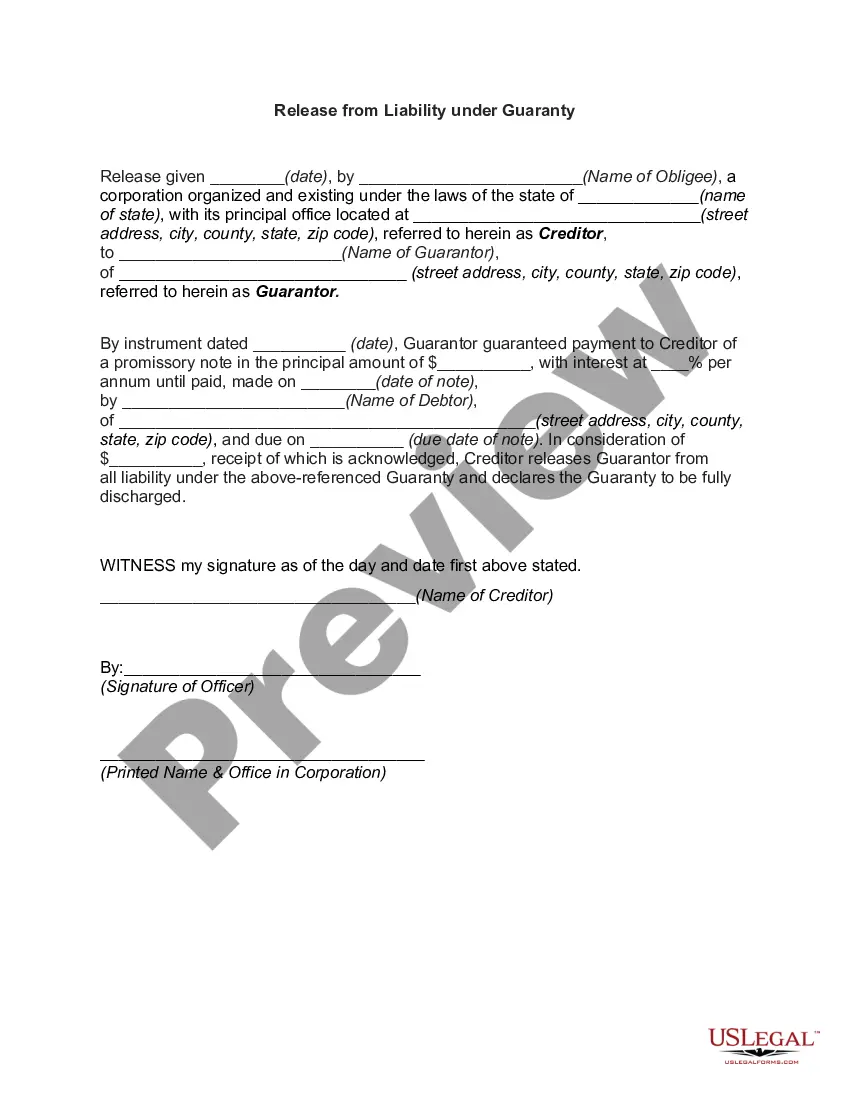
Washington Release from Liability under Guaranty
Description
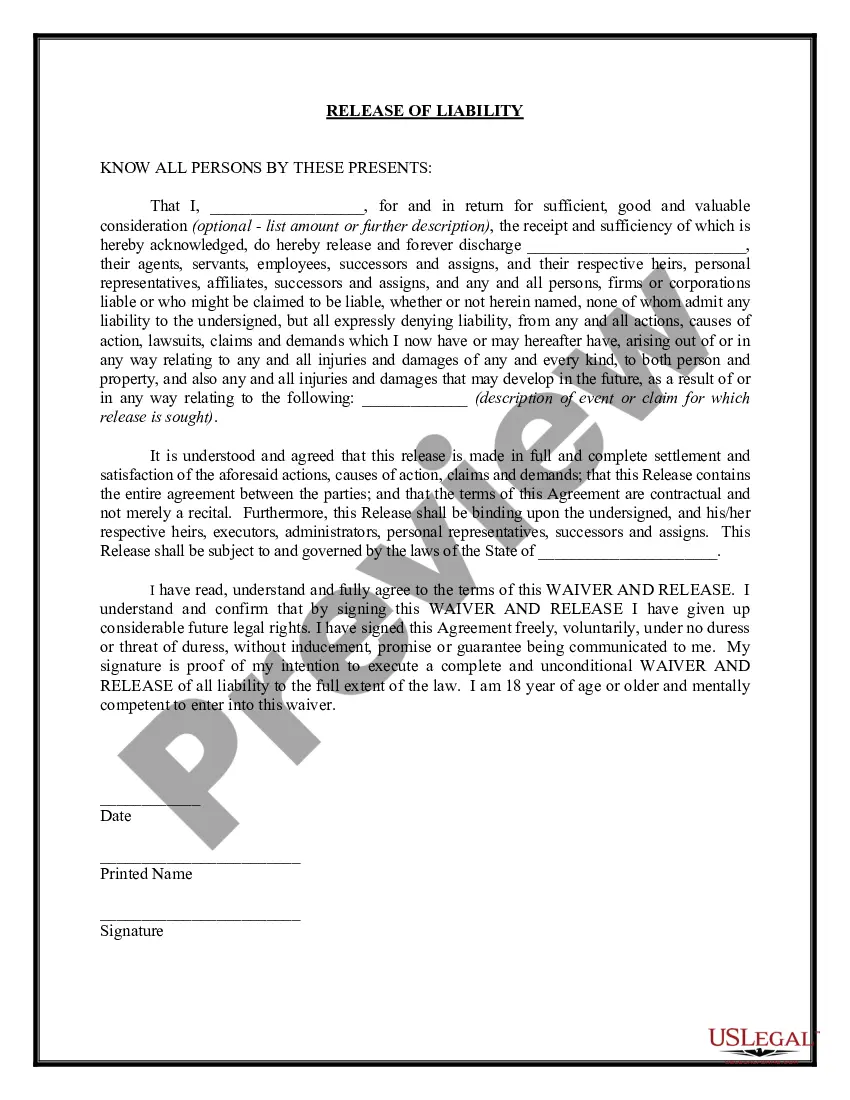
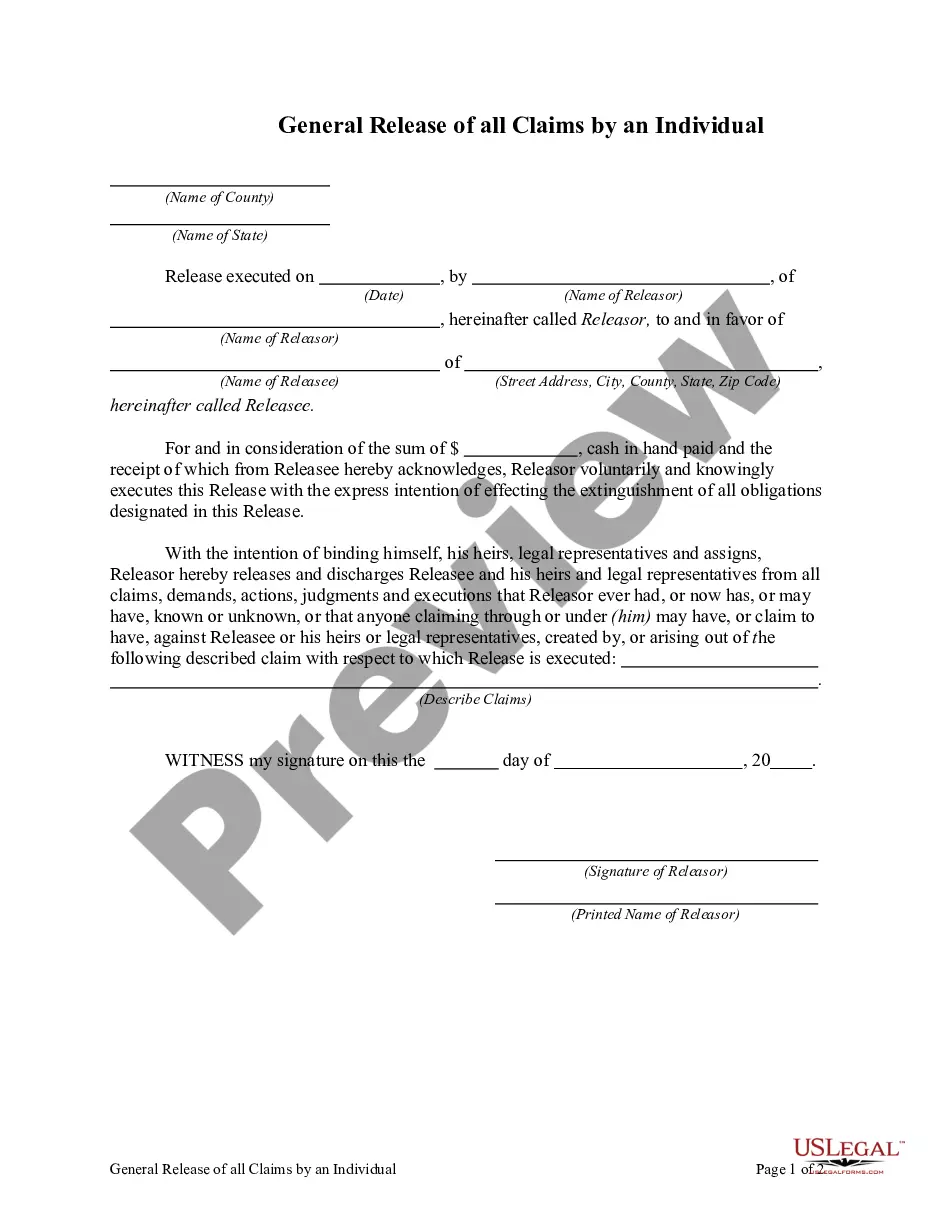
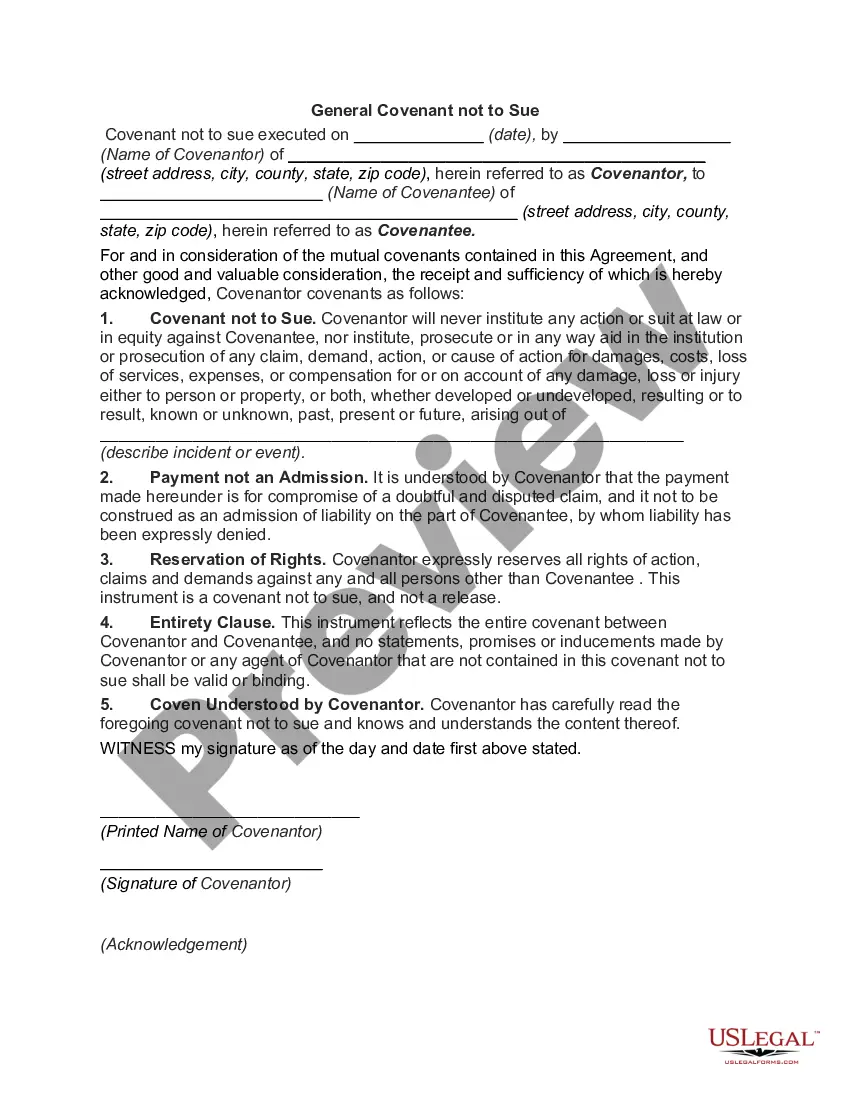
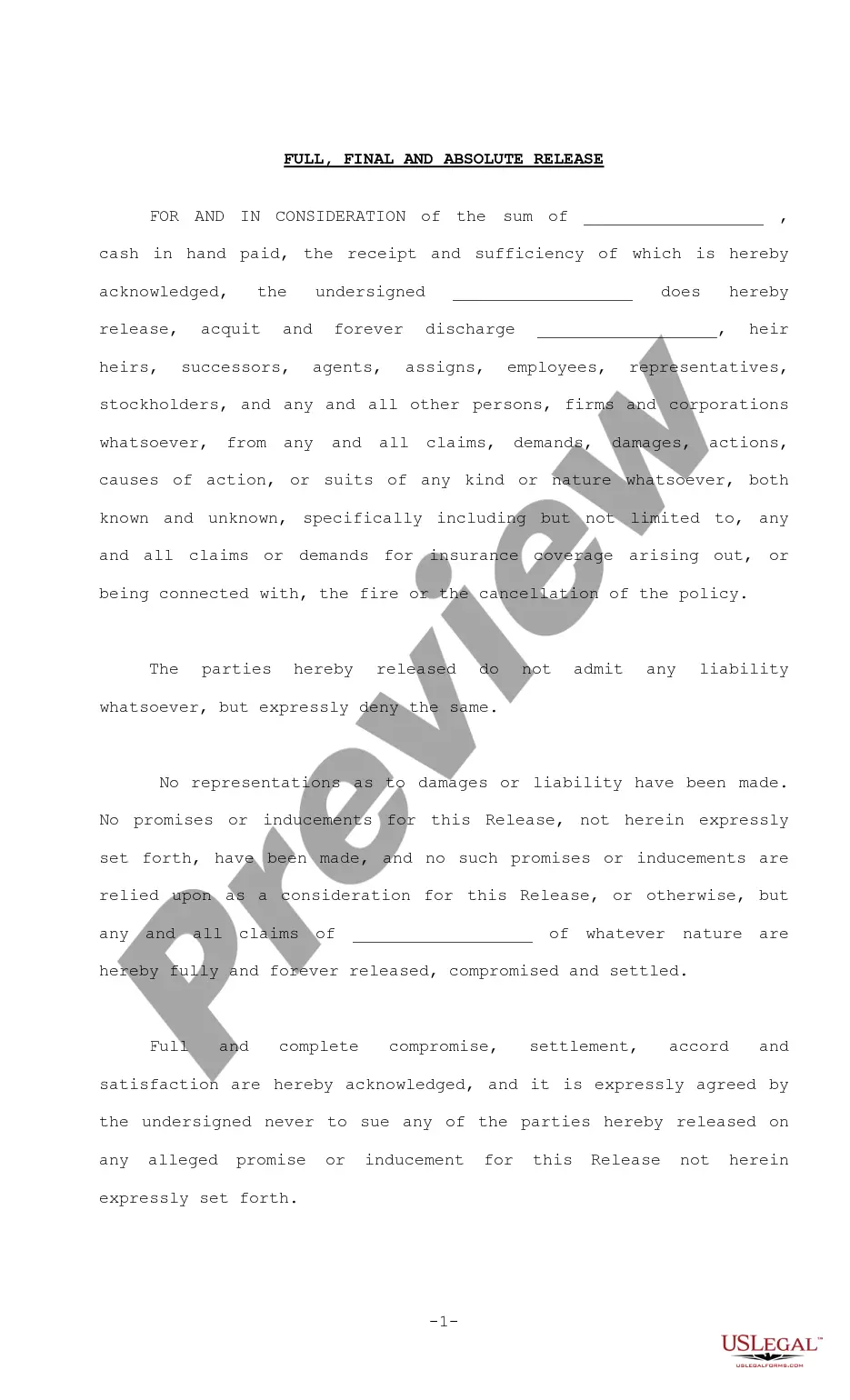
Get your form ready online
Our built-in tools help you complete, sign, share, and store your documents in one place.
Make edits, fill in missing information, and update formatting in US Legal Forms—just like you would in MS Word.
Download a copy, print it, send it by email, or mail it via USPS—whatever works best for your next step.
Sign and collect signatures with our SignNow integration. Send to multiple recipients, set reminders, and more. Go Premium to unlock E-Sign.
If this form requires notarization, complete it online through a secure video call—no need to meet a notary in person or wait for an appointment.
We protect your documents and personal data by following strict security and privacy standards.

Make edits, fill in missing information, and update formatting in US Legal Forms—just like you would in MS Word.

Download a copy, print it, send it by email, or mail it via USPS—whatever works best for your next step.

Sign and collect signatures with our SignNow integration. Send to multiple recipients, set reminders, and more. Go Premium to unlock E-Sign.

If this form requires notarization, complete it online through a secure video call—no need to meet a notary in person or wait for an appointment.

We protect your documents and personal data by following strict security and privacy standards.
Looking for another form?




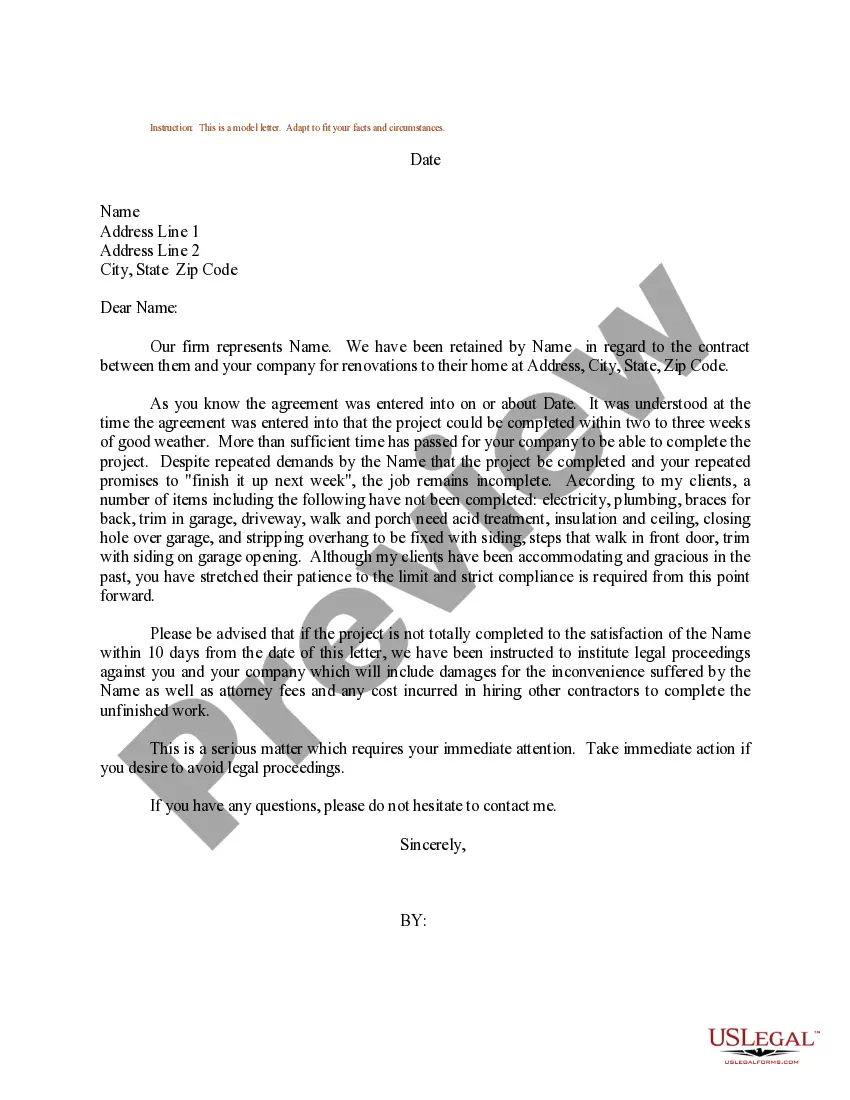
How to fill out Release From Liability Under Guaranty?
Are you currently in a situation where you require documents for various business or personal reasons almost daily.
There are numerous legal document templates accessible online, but locating ones you can trust is challenging.
US Legal Forms offers a wide array of form templates, such as the Washington Release from Liability under Guaranty, which are designed to comply with state and federal standards.
Once you find the correct form, click on Purchase now.
Choose the pricing plan you desire, enter the necessary information to create your account, and pay for the order using your PayPal or credit card.
- If you are already familiar with the US Legal Forms website and have an account, simply Log In.
- After that, you can download the Washington Release from Liability under Guaranty template.
- If you do not have an account and wish to start using US Legal Forms, follow these instructions.
- Find the form you need and ensure it is for the correct city/region.
- Use the Preview button to review the form.
- Check the summary to confirm you have selected the correct form.
- If the form is not what you are looking for, use the Search box to find the form that meets your needs and requirements.
Form popularity
FAQ
In case of non-payment, a guarantor is liable to legal action. If the lender files a recovery case, it will file the case against both the borrower and the guarantor. A court can force a guarantor to liquidate assets to pay off the loan," added Mishra.
Also known as a guaranty of recourse obligations or nonrecourse carveout guaranty. A typical loan document in a real estate loan. It is often signed and delivered by the borrower or the borrower's guarantor, or both.
Guaranty Obligation means, as applied to any Person, any direct or indirect liability, contingent or otherwise, of such Person for any Indebtedness, lease, dividend or other obligation (the primary obligation) of another Person (the primary obligor), if the purpose or intent of such Person in incurring such
Have an indemnity agreement with the borrower As a precautionary measure, you must enter into an indemnity agreement with the borrower. Memon explains that such agreements compel the borrower to pay you eventually. You can enter into an indemnity agreement even now if the loan was taken earlier.
A guaranty of payment is an independent agreement by a person or an entity to pay the loan when it goes into default. Even if the borrower is unable or unwilling to pay back the loan, the Bank can require the guarantor to pay it back.
Personal guarantees can generally be discharged in all circumstances unless the underlying debt is non-dischargeable such as taxes or student loans. However, liens giving a security interest in property as part of the guarantee cannot be avoided in most instances.
A waiver is a demonstration, usually in written form, of a party's intent to relinquish a legal right or claim. The key point to note is that the relinquishment is voluntary, and can apply to a variety of legal situations. Essentially, a waiver removes a real or potential liability for the other party in the agreement.
According to the Restatement, a party may enforce a guaranty under one of three theories: A promise to be surety for the performance of a contractual obligation, made to the obligee, is binding if: The promise is in writing and signed by the promisor and recites a purported consideration; or.
The lender must give you, the guarantor, full written details of any changes to the credit contract that either increase the borrower's obligations or shorten the amount of time the borrower has to pay the debt. The lender must give you this information within five working days after the change.
The Guarantor waives any and all defenses, claims, setoffs and discharges of the Borrower, or any other obligor, pertaining to the Indebtedness, except the defense of discharge by payment in full.