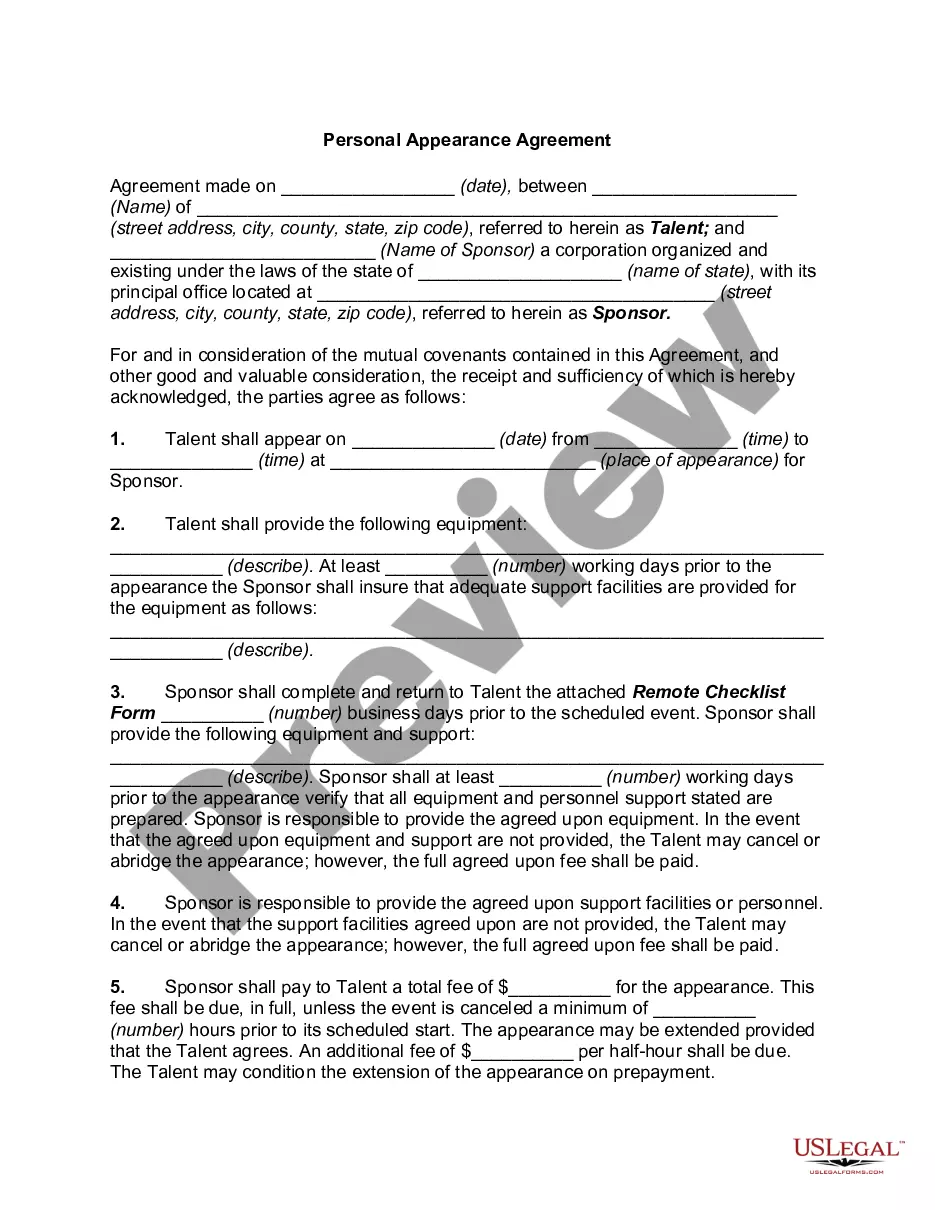
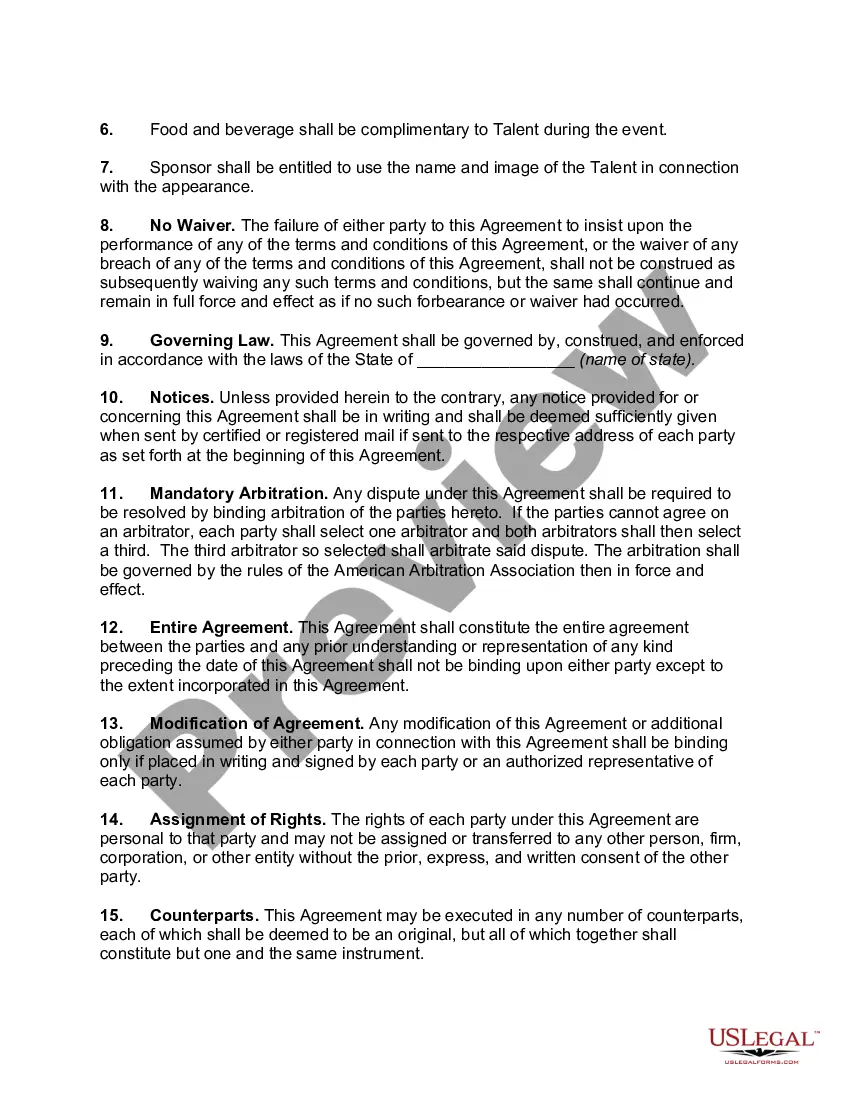
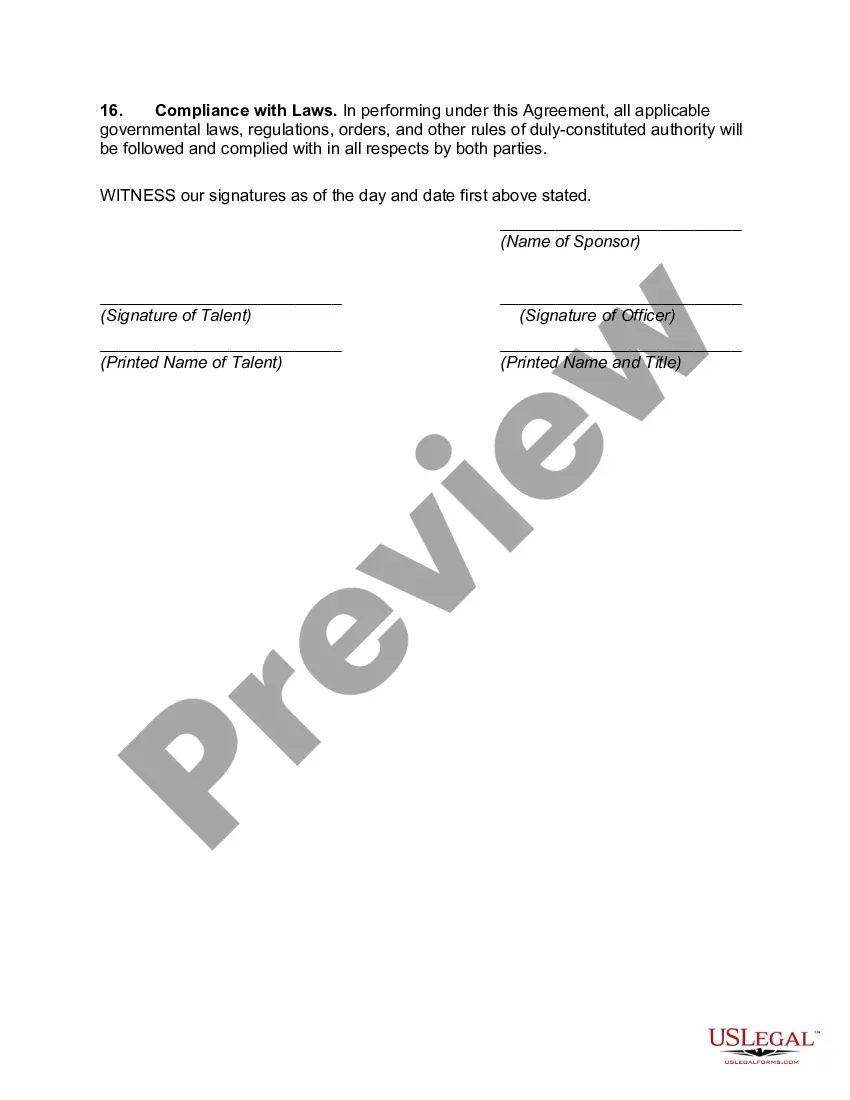
Washington Personal Appearance
Description
Get your form ready online
Our built-in tools help you complete, sign, share, and store your documents in one place.
Make edits, fill in missing information, and update formatting in US Legal Forms—just like you would in MS Word.
Download a copy, print it, send it by email, or mail it via USPS—whatever works best for your next step.
Sign and collect signatures with our SignNow integration. Send to multiple recipients, set reminders, and more. Go Premium to unlock E-Sign.
If this form requires notarization, complete it online through a secure video call—no need to meet a notary in person or wait for an appointment.
We protect your documents and personal data by following strict security and privacy standards.

Make edits, fill in missing information, and update formatting in US Legal Forms—just like you would in MS Word.

Download a copy, print it, send it by email, or mail it via USPS—whatever works best for your next step.

Sign and collect signatures with our SignNow integration. Send to multiple recipients, set reminders, and more. Go Premium to unlock E-Sign.

If this form requires notarization, complete it online through a secure video call—no need to meet a notary in person or wait for an appointment.

We protect your documents and personal data by following strict security and privacy standards.
Looking for another form?






How to fill out Personal Appearance?
You can spend hours online searching for the appropriate document format that meets both state and federal requirements you need.
US Legal Forms offers numerous valid templates that have been reviewed by professionals.
You can easily download or print the Washington Personal Appearance from our service.
To find another version of the document, use the Search section to find the template that fits your requirements and demands.
- If you have an existing US Legal Forms account, you can Log In and select the Acquire option.
- Then, you can fill out, modify, print, or sign the Washington Personal Appearance.
- Every legal document you acquire is yours for an extended period.
- To obtain another copy of any purchased document, navigate to the My documents tab and select the relevant option.
- If you are utilizing the US Legal Forms website for the first time, follow these simple steps.
- First, ensure you have selected the correct document format for your chosen county or city.
- Review the document details to confirm you have chosen the correct form.
Form popularity
FAQ
The fairness doctrine Act refers to regulations that once required broadcast media to present contrasting viewpoints on public issues. Although the Act is no longer enforced, its principles continue to influence how media outlets operate, ensuring that diverse voices are heard. Understanding the history and implications of the fairness doctrine enhances your comprehension of fairness in all public discourse, including legal forums. Familiarizing yourself with Washington personal appearance in this context can help you appreciate the broader implications of fairness in your legal journey.
The entire fairness doctrine is a legal standard primarily used in corporate law, evaluating whether a transaction involving a controlling shareholder is fair to minority shareholders. This doctrine requires a thorough examination of the process and outcome of transactions to ensure there is no compromise on fairness. While this concept is more frequently associated with business law, principles of fairness resonate throughout various legal contexts, including Washington personal appearance. Grasping these concepts can enhance your understanding of legal proceedings and their fairness.
The appearance of fairness doctrine in Washington state mandates that public officials act in a way that preserves the integrity of their actions from the perspective of the public. This legal expectation is vital in administrative procedures, ensuring that decisions are made without conflict of interest or bias. Upholding this doctrine supports public trust in the legal system. As you explore issues surrounding Washington personal appearance, understanding this doctrine will enhance your insight into the fairness of administrative decisions.
The Washington appearance of Fairness Doctrine is a legal principle that aims to ensure impartiality in administrative hearings. This principle posits that decision-makers should maintain an appearance of impartiality to uphold public confidence in the integrity of the legal system. Any actual or perceived bias may compromise the fairness of proceedings. When navigating Washington personal appearance matters, it is essential to consider how this doctrine influences administrative decisions.
The fairness doctrine is a principle that requires broadcasters to present controversial issues of public importance in a manner that is honest, equitable, and balanced. This doctrine affects how media outlets cover various topics, ensuring that diverse viewpoints receive fair representation. Although the fairness doctrine primarily applies to broadcasting, its principles reflect the broader legal expectations of fairness in any public discourse, including legal matters. Learning about Washington personal appearance can also touch on fairness principles in administrative contexts.
The legal definition of personal appearance refers to the physical presence of a party or their legal representative before a court or legal body. This can be significant in various proceedings, as a personal appearance often conveys a party's commitment to the case. In Washington, personal appearance can influence a court's decisions, especially concerning credibility and authority. Understanding Washington personal appearance practices is crucial for all parties involved in a legal matter.
A notice of appearance is a legal document that informs the court and all parties involved that an attorney is representing a client in a case. This document ensures that communications and documents are directed to the attorney rather than the client. By filing a notice of appearance, a lawyer demonstrates their commitment to manage the case on behalf of their client, ensuring proper representation. Having a clear understanding of Washington personal appearance procedures can help streamline the legal process.
'Enter an appearance' means that a party or their attorney officially notifies the court and other parties that they are participating in a legal matter. This is a critical step in the legal process, as it establishes your involvement and your rights related to the case. If you are preparing for your Washington Personal Appearance, you can find helpful templates and assistance on the USLegalForms platform to ensure you comply correctly.
Under federal rules, a notice of appearance must be filed by any attorney who will represent a party in a case. This document serves to notify the court and all parties involved that the attorney is assuming responsibility for the case. In Washington, following this procedure ensures that your Washington Personal Appearance is recognized properly. For assistance with filing, USLegalForms provides useful tools to help you navigate this requirement.
The defendant's appearance refers to the act of a defendant presenting themselves in court in response to a legal action. This can be done physically in court or through the filing of legal documents, such as an answer or notice of appearance. It's an essential part of the legal process in Washington that allows the defendant to address the claims against them. If you’re preparing for your Washington Personal Appearance, resources on USLegalForms can provide the templates you need.