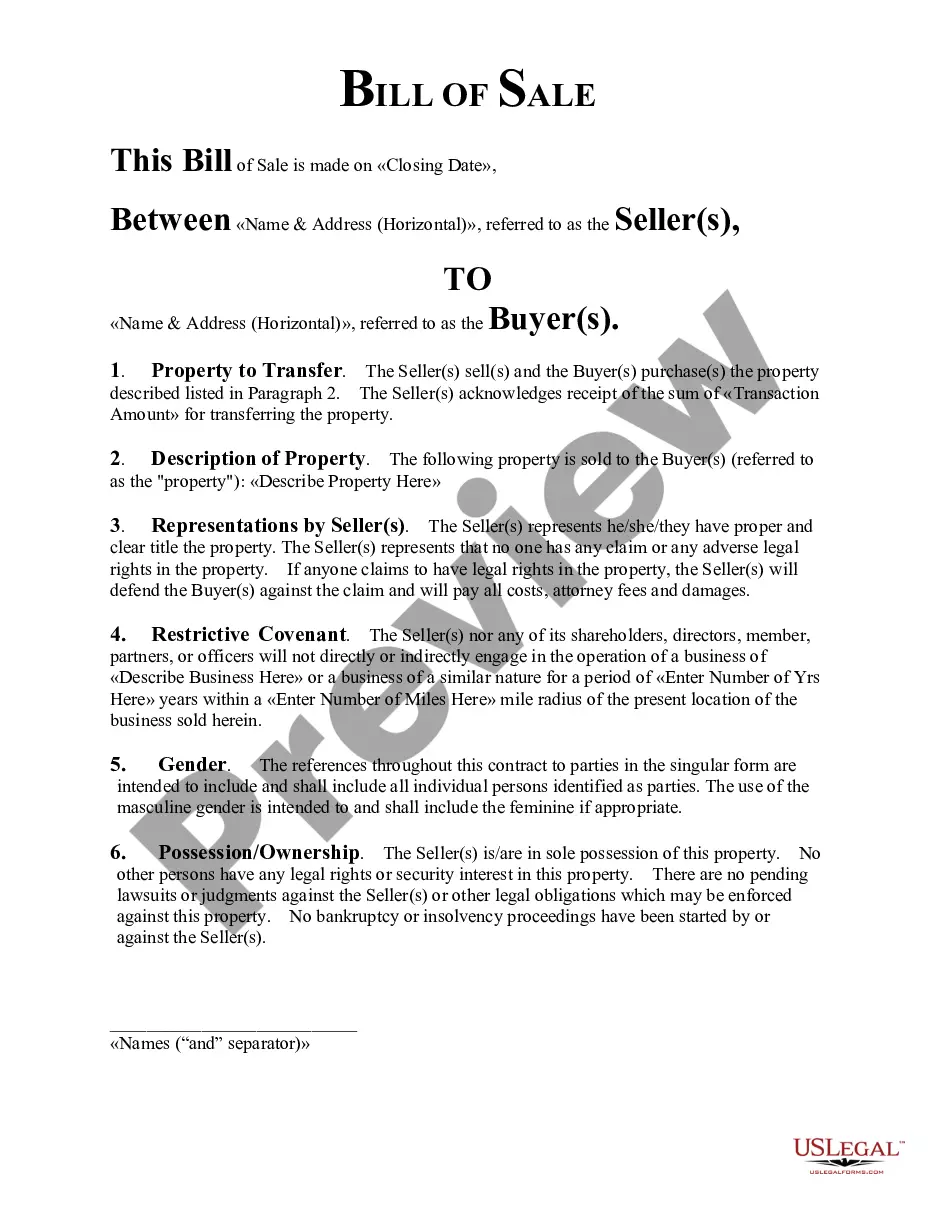
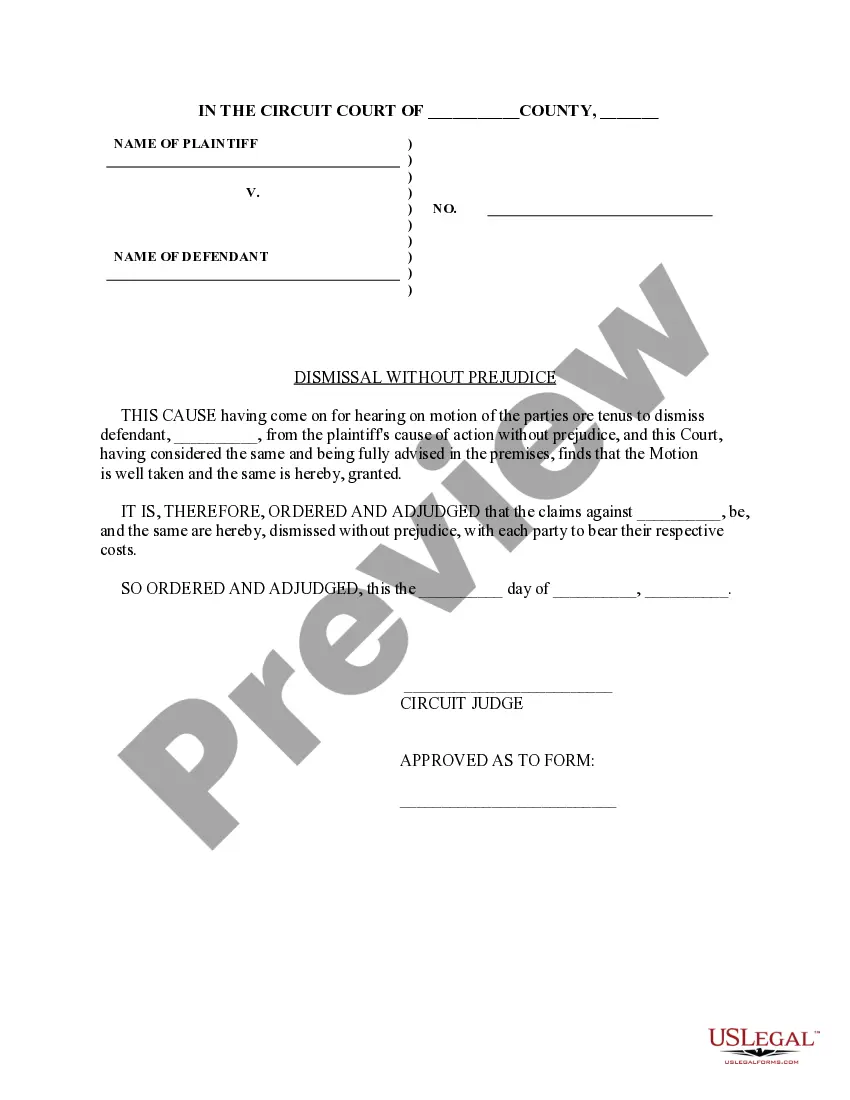
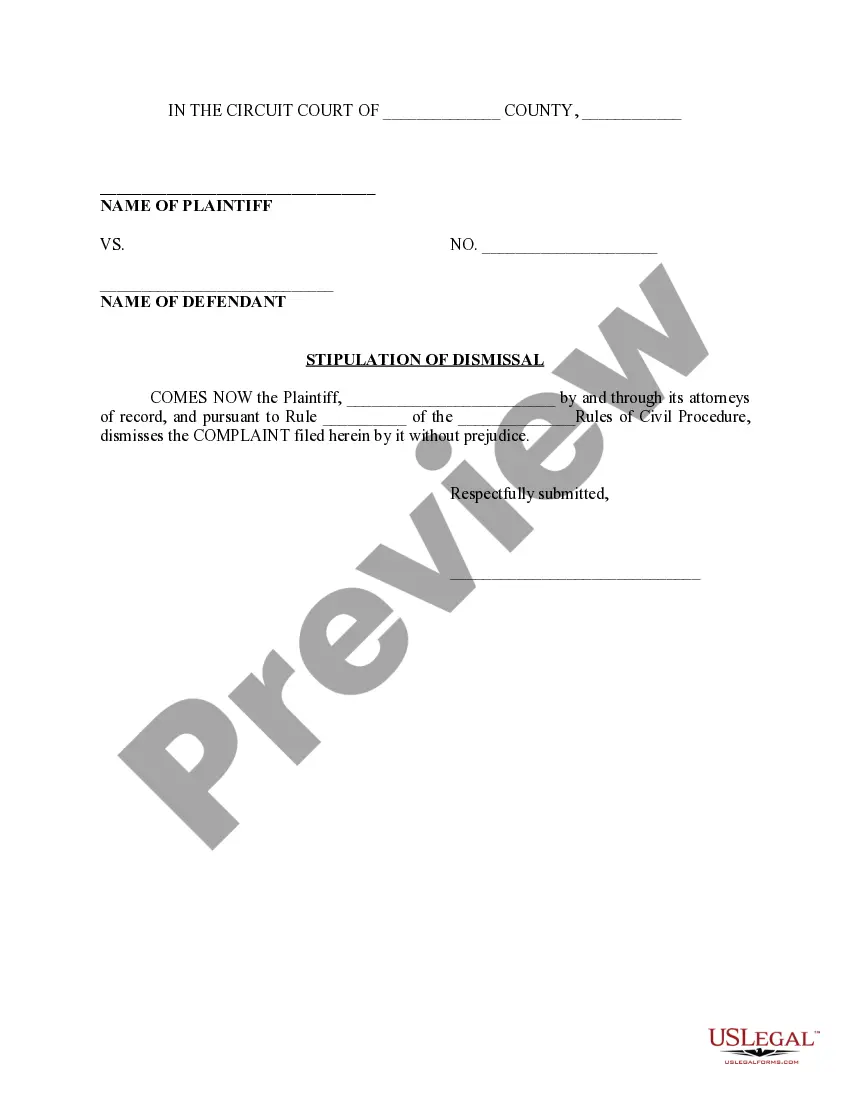
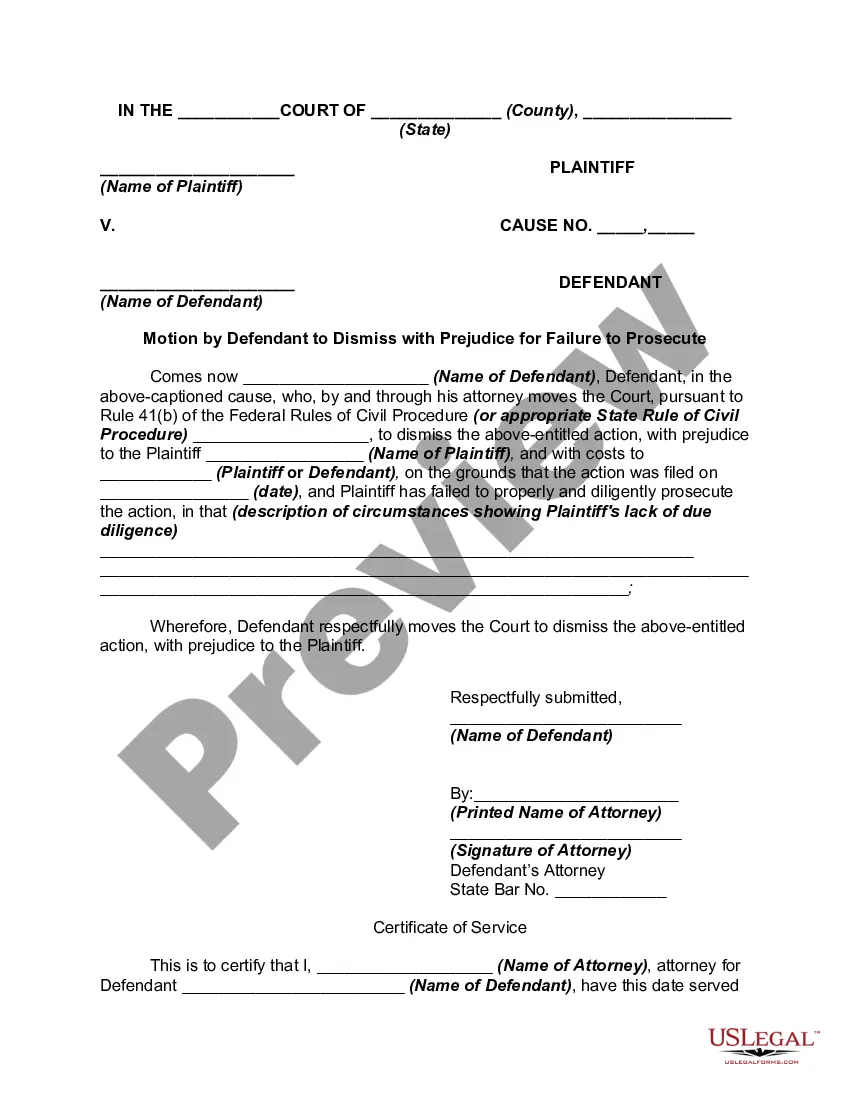
Washington Dismissal Without Prejudice
Description
Get your form ready online
Our built-in tools help you complete, sign, share, and store your documents in one place.
Make edits, fill in missing information, and update formatting in US Legal Forms—just like you would in MS Word.
Download a copy, print it, send it by email, or mail it via USPS—whatever works best for your next step.
Sign and collect signatures with our SignNow integration. Send to multiple recipients, set reminders, and more. Go Premium to unlock E-Sign.
If this form requires notarization, complete it online through a secure video call—no need to meet a notary in person or wait for an appointment.
We protect your documents and personal data by following strict security and privacy standards.

Make edits, fill in missing information, and update formatting in US Legal Forms—just like you would in MS Word.

Download a copy, print it, send it by email, or mail it via USPS—whatever works best for your next step.

Sign and collect signatures with our SignNow integration. Send to multiple recipients, set reminders, and more. Go Premium to unlock E-Sign.

If this form requires notarization, complete it online through a secure video call—no need to meet a notary in person or wait for an appointment.

We protect your documents and personal data by following strict security and privacy standards.
Looking for another form?
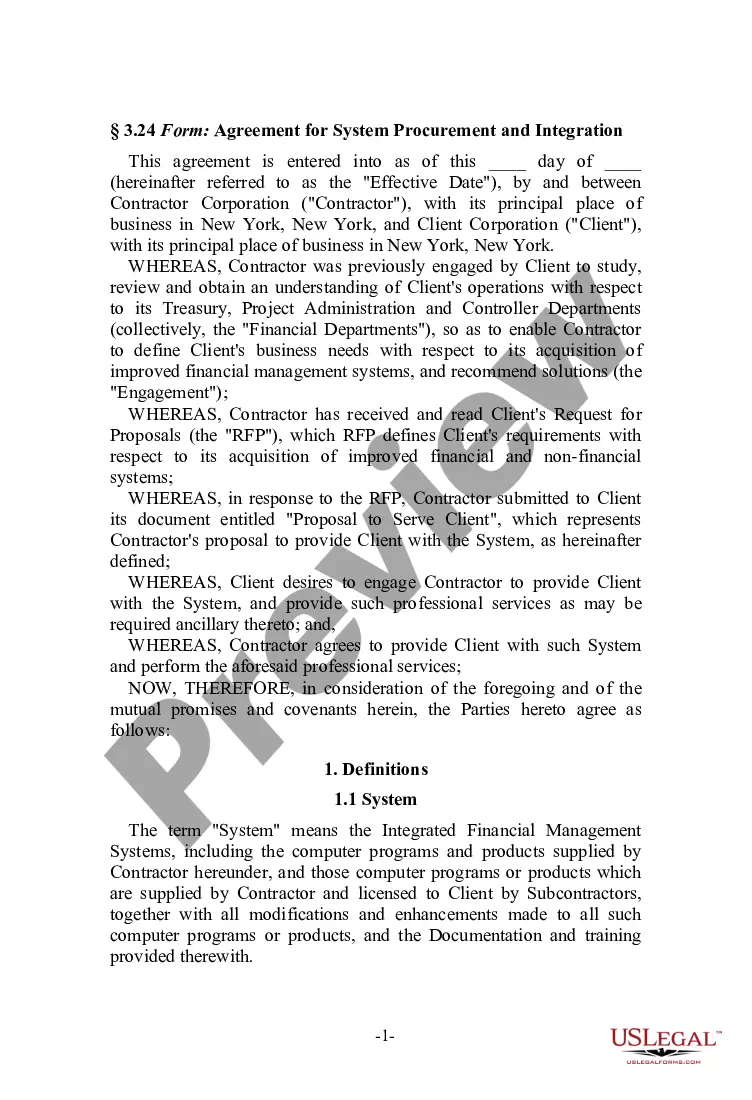
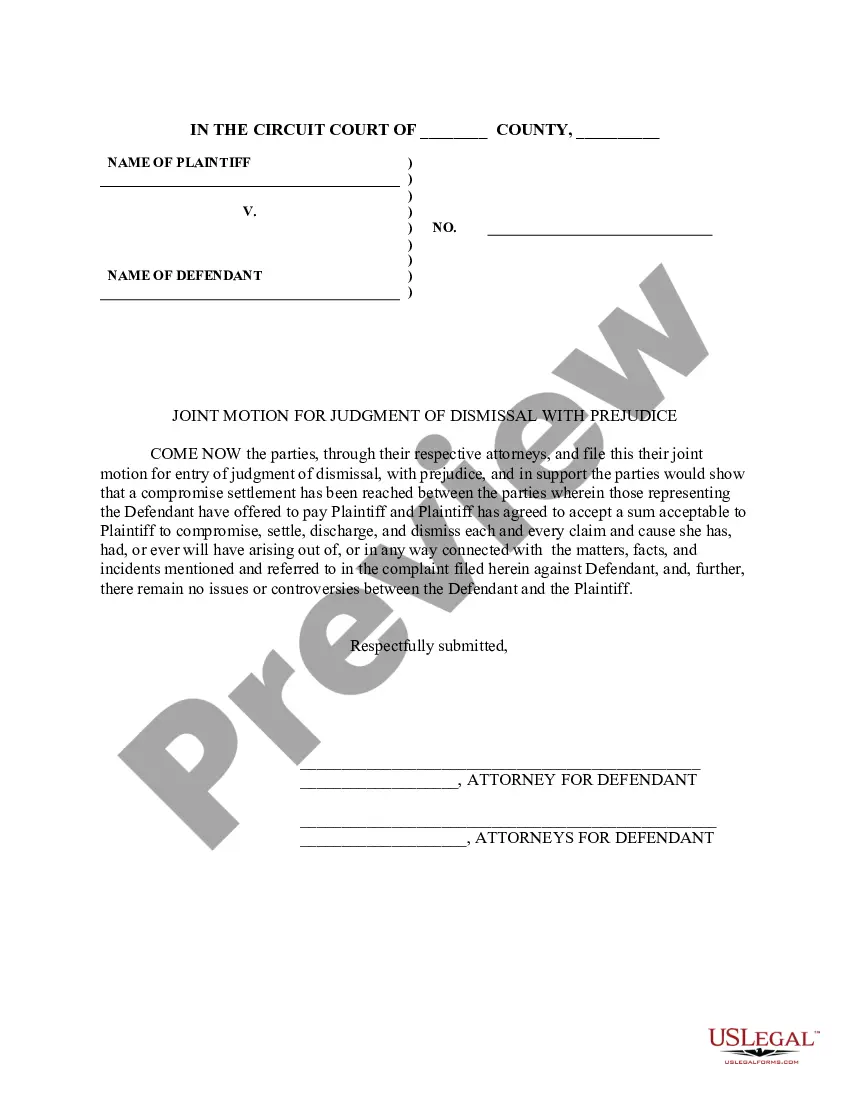
How to fill out Dismissal Without Prejudice?
Are you in a circumstance that you need documents for either business or specific purposes nearly every day? There are numerous legal document templates available online, but finding ones you can trust isn’t easy. US Legal Forms offers thousands of template options, including the Washington Dismissal Without Prejudice, which can be completed to comply with federal and state regulations.
If you are already familiar with the US Legal Forms website and have an account, simply Log In. After that, you can download the Washington Dismissal Without Prejudice template.
If you do not have an account and wish to begin using US Legal Forms, follow these steps: Obtain the form you need and ensure it is for the correct city/state. Use the Preview button to review the document. Read the description to confirm you have selected the right form. If the form isn’t what you are looking for, use the Search field to find the document that meets your needs and criteria. If you find the appropriate form, click on Get now. Choose the pricing plan you desire, complete the required information to create your account, and pay for your order using your PayPal or credit card. Select a convenient file format and download your copy.
- Access all the document templates you have purchased in the My documents section. You can obtain another copy of Washington Dismissal Without Prejudice at any time if needed. Just click the required form to download or print the document template.
- Utilize US Legal Forms, one of the most extensive collections of legal forms, to save time and avoid errors. The service offers professionally drafted legal document templates that can be utilized for a variety of purposes.
- Create an account on US Legal Forms and start simplifying your life a bit.
Form popularity
FAQ
?With prejudice? means the decision is final. ?Without prejudice? means it's not final and subject to future inquiry. If the judge announces a case is dismissed with prejudice, that means it's permanently dismissed and can't be retried.
For example, an employer might admit in a without prejudice communication that it had failed to carry out certain procedures which might otherwise render a dismissal unfair, but the employee would normally not be able to show that admission to an Employment Tribunal to try and prove their claim.
Whereas a case that is dismissed ?with prejudice? is dismissed permanently, a case that is dismissed ?without prejudice? is only dismissed temporarily. This temporary dismissal means that the plaintiff is allowed to re-file charges, alter the claim, or bring the case to another court.
Because the prosecutor filed the charge, they also have the discretion to dismiss it if they believe the facts and circumstances warrant it. Likewise, a judge can dismiss the case if they find no legal basis for the charge, if the defendant's rights have been violated, or if the state has failed to prove its case.
Reasons for dismissal without prejudice The parties came to an agreement and the plaintiff wants to end the case. The person the plaintiff sued paid you the money he or she owed you. The plaintiff cannot locate the defendant to serve him or her, but wants to reserve the right to sue at a later date.
A dismissal with prejudice means that the ruling is the final judgment in the case. The dismissal prohibits the prosecutor from refiling the charges. In a dismissal without prejudice, the prosecutor can refile the charges (or file new charges based on the same circumstances) at some future time.
Clerical mistakes in judgments, orders or other parts of the record and errors therein arising from oversight or omission may be corrected by the court at any time of its own initiative or on the motion of any party and after such notice, if any, as the court orders.
Dismiss refers to the court's decision to terminate a court case without imposing liability on the defendant.