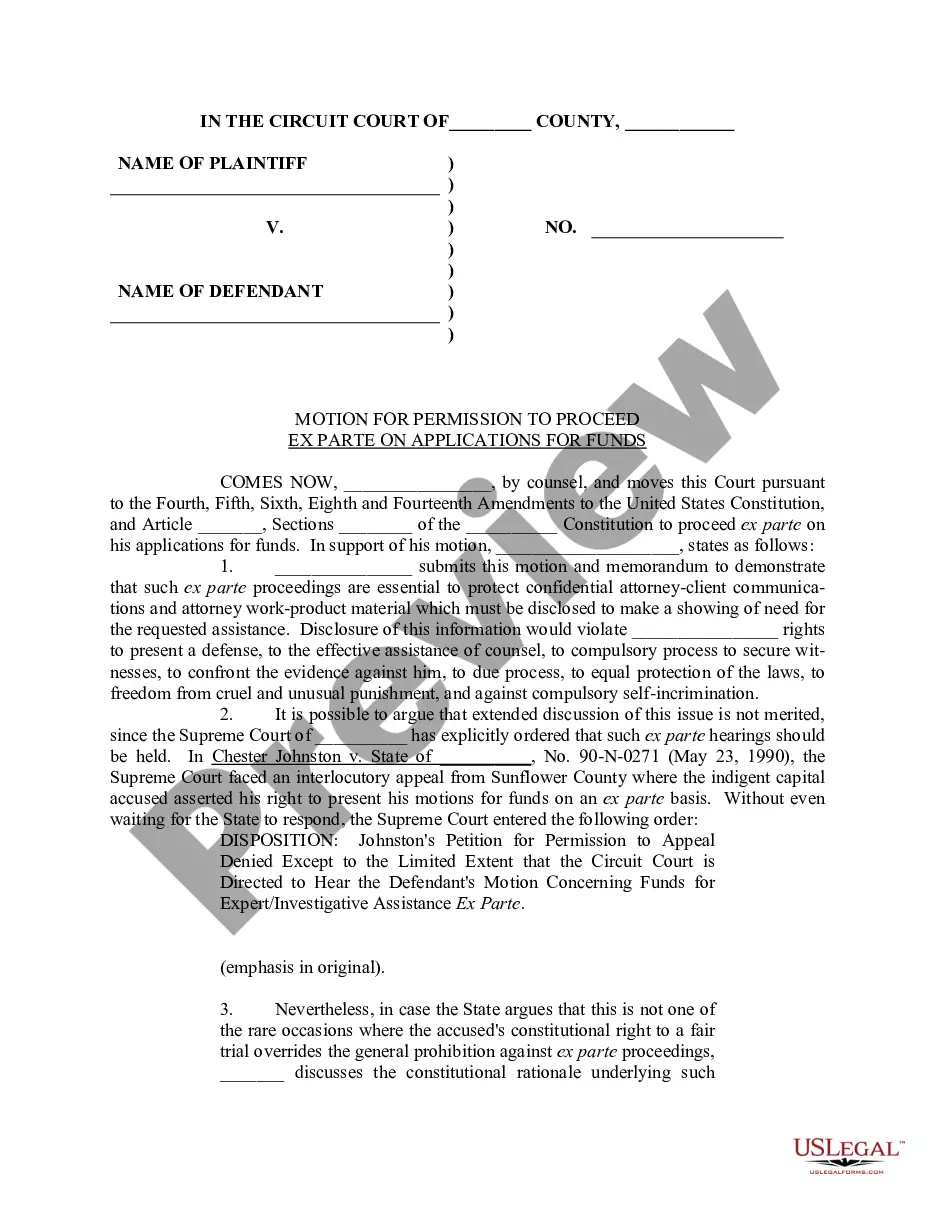
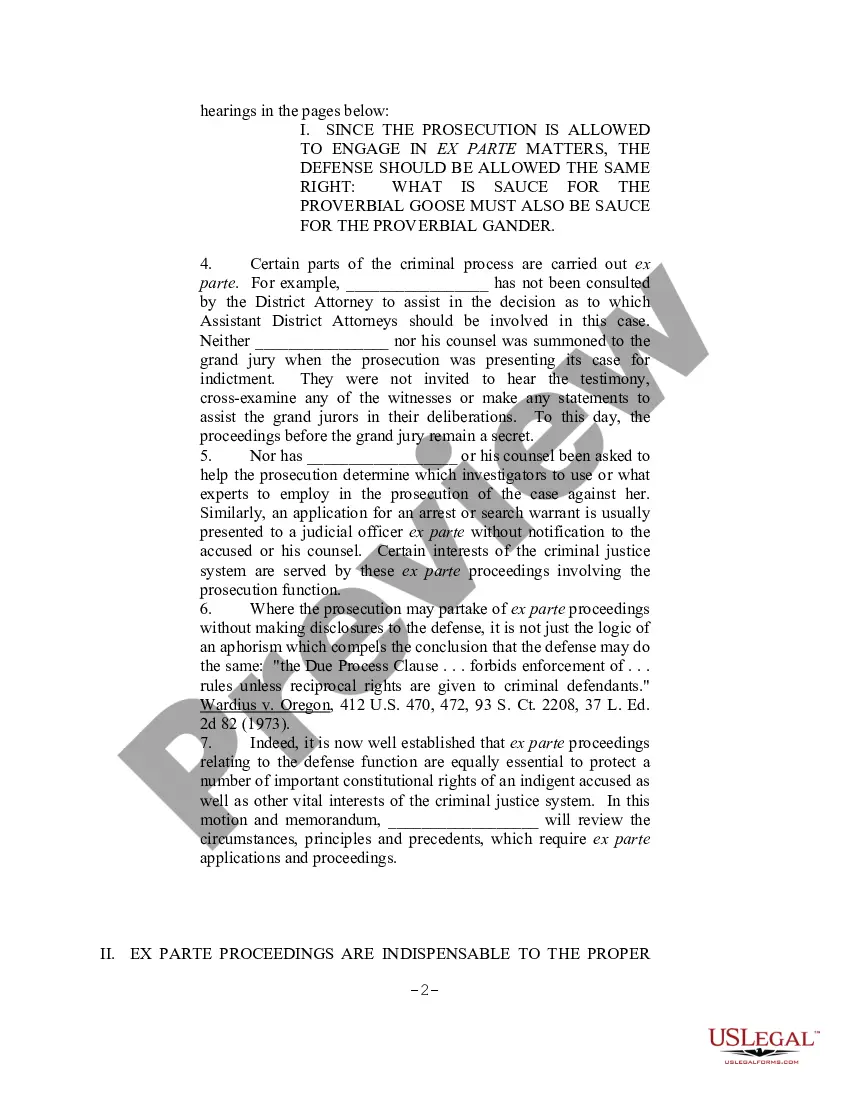
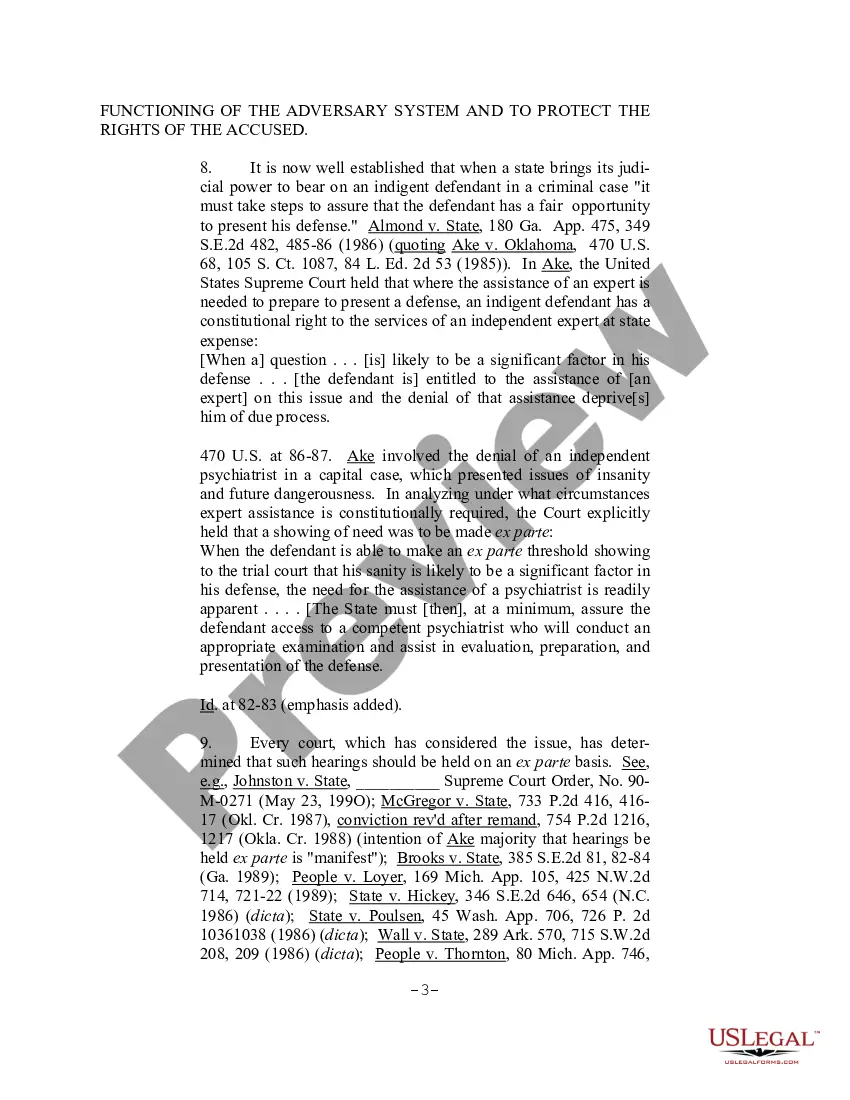
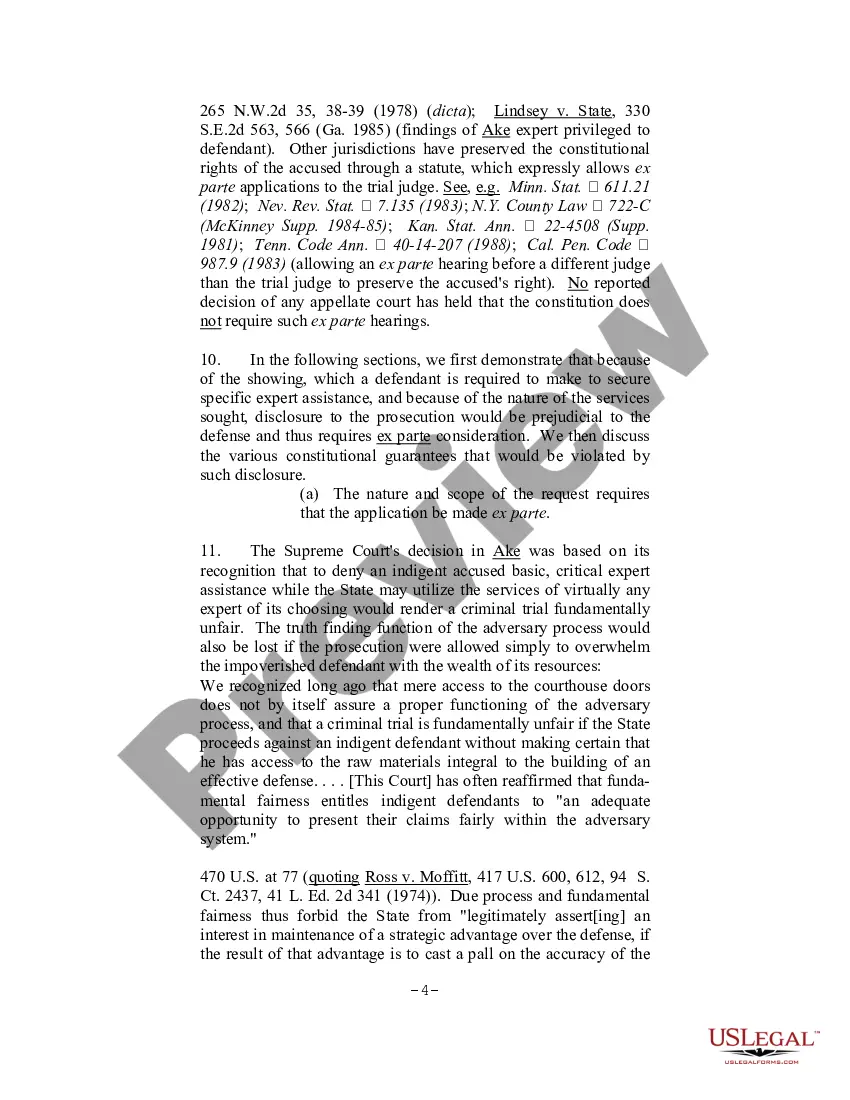
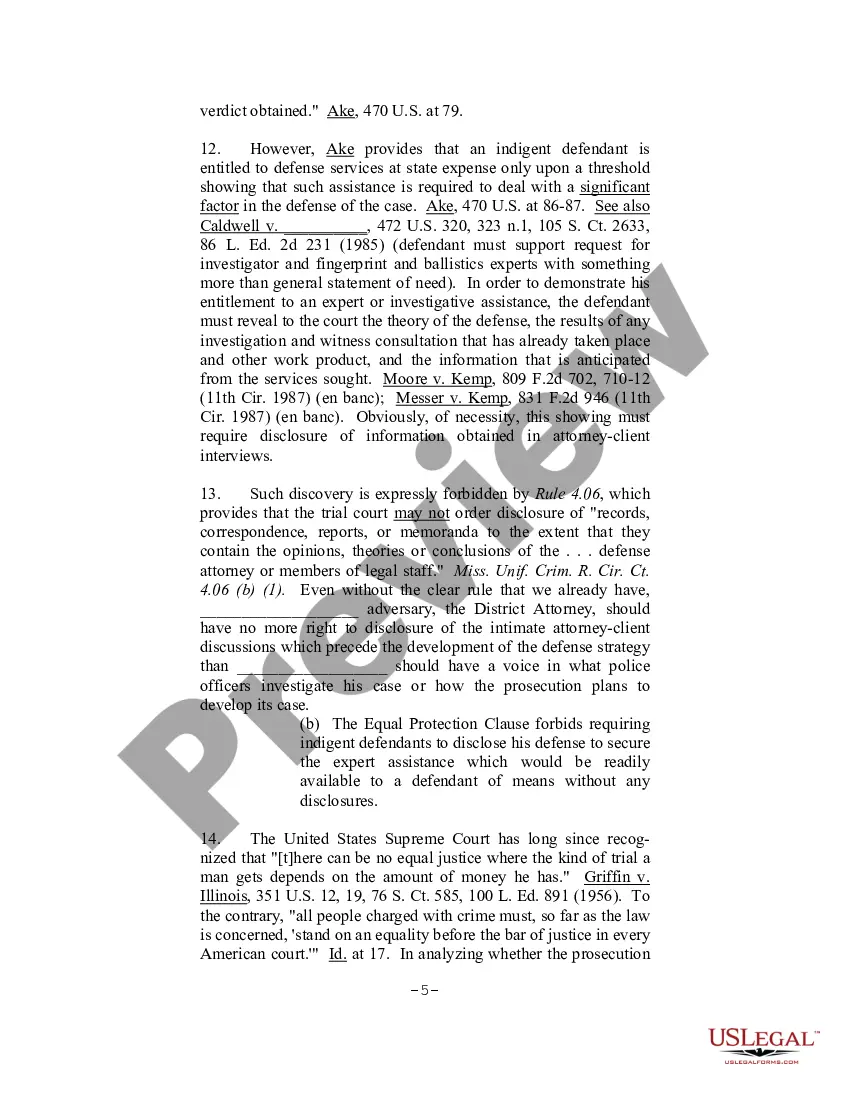
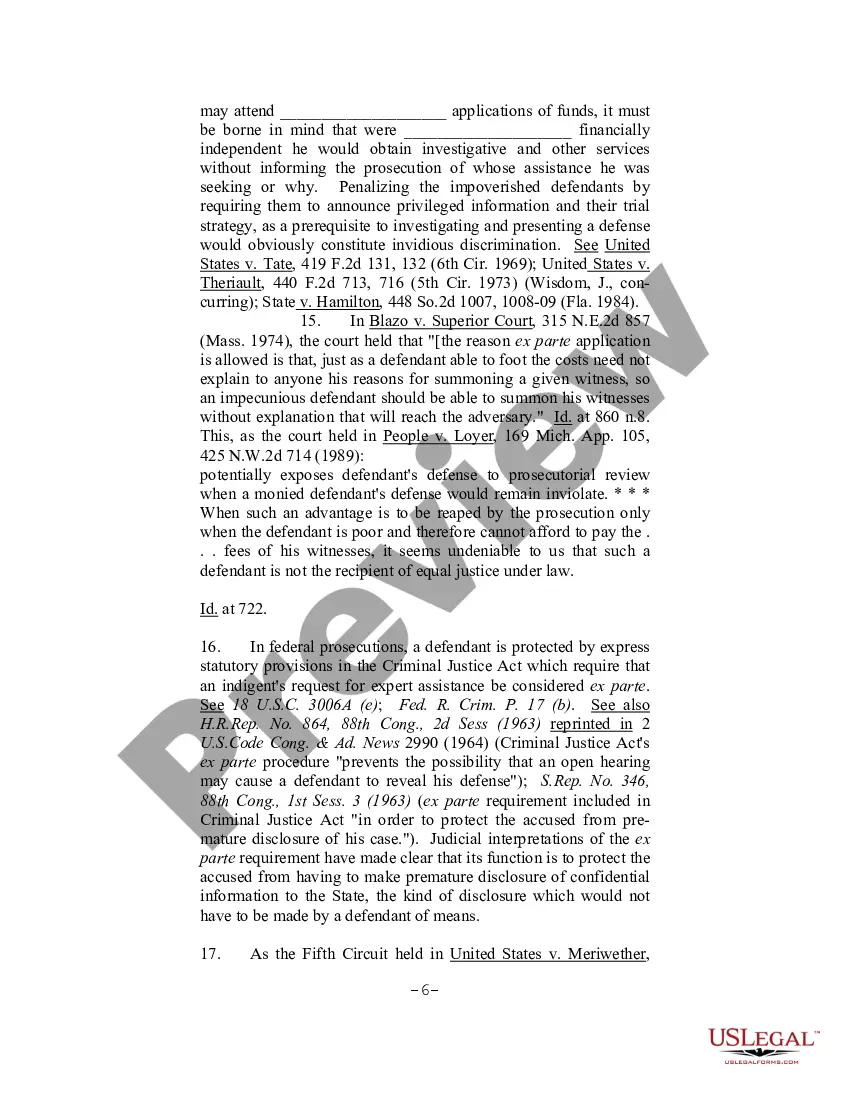
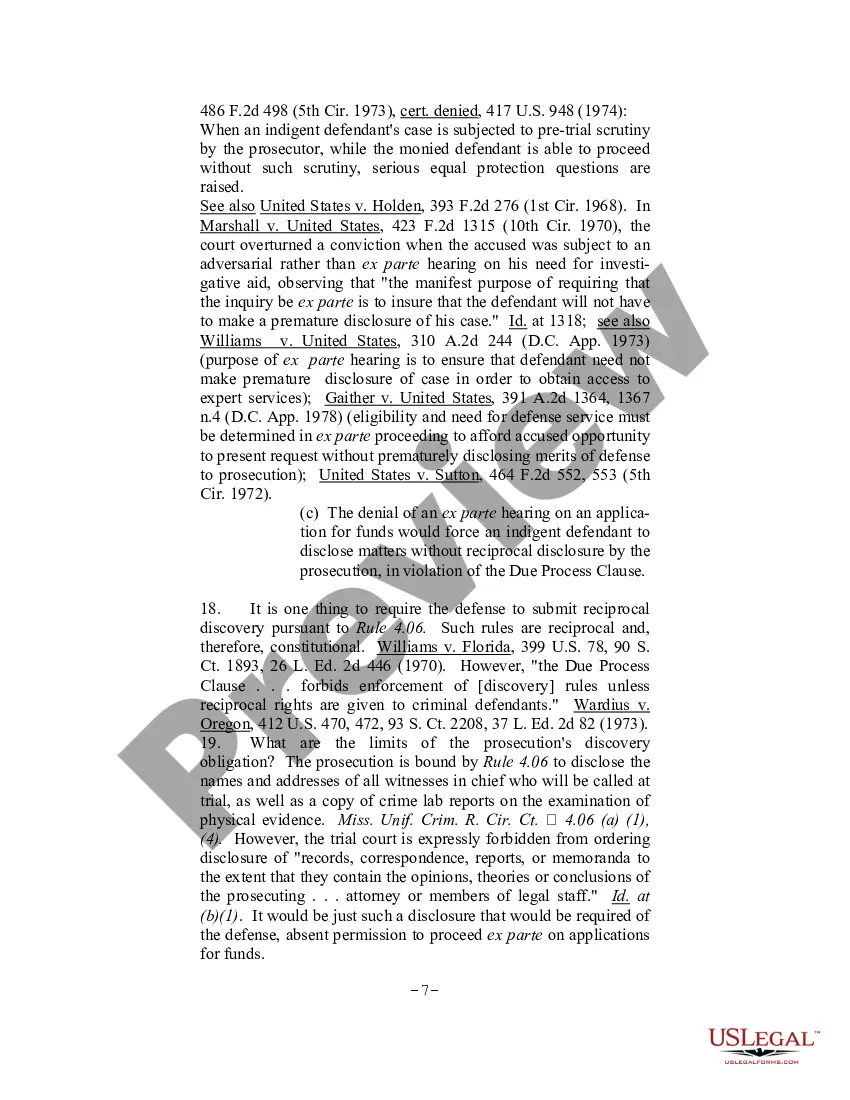
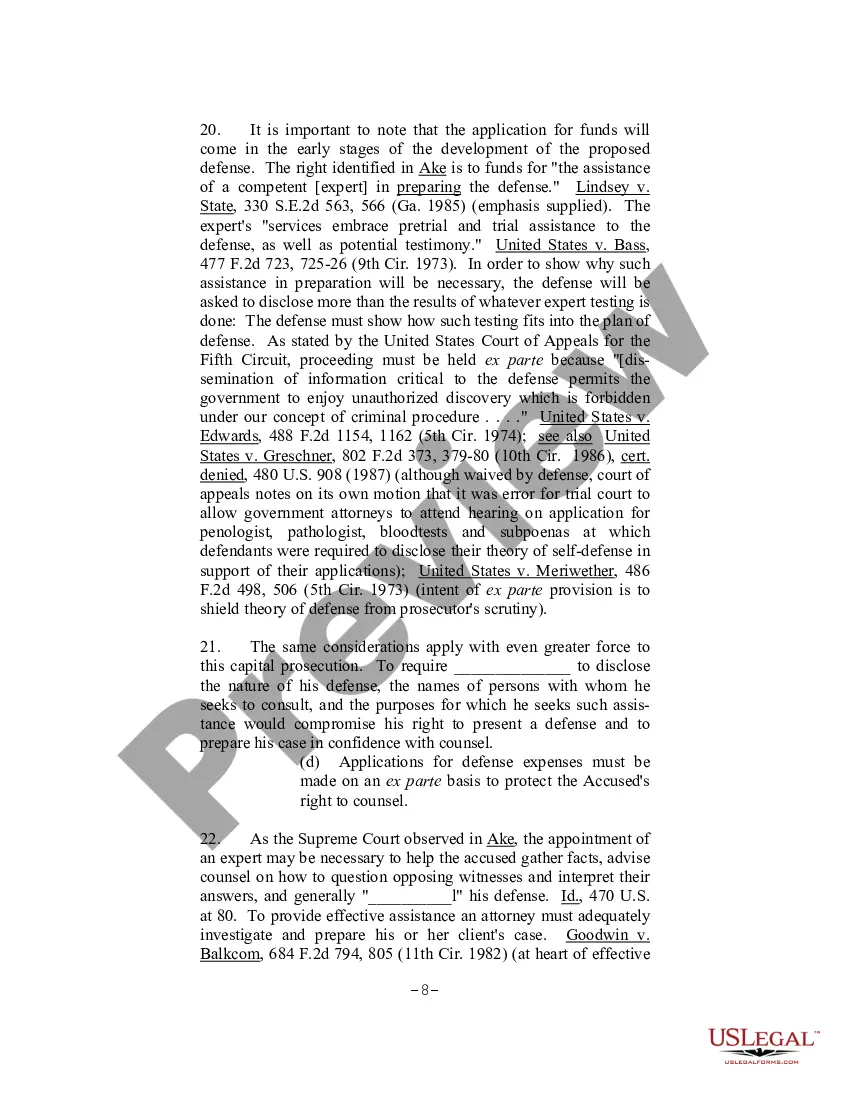
Washington Motion for Permission to Proceed Ex Parte on Applications for Funds
Description
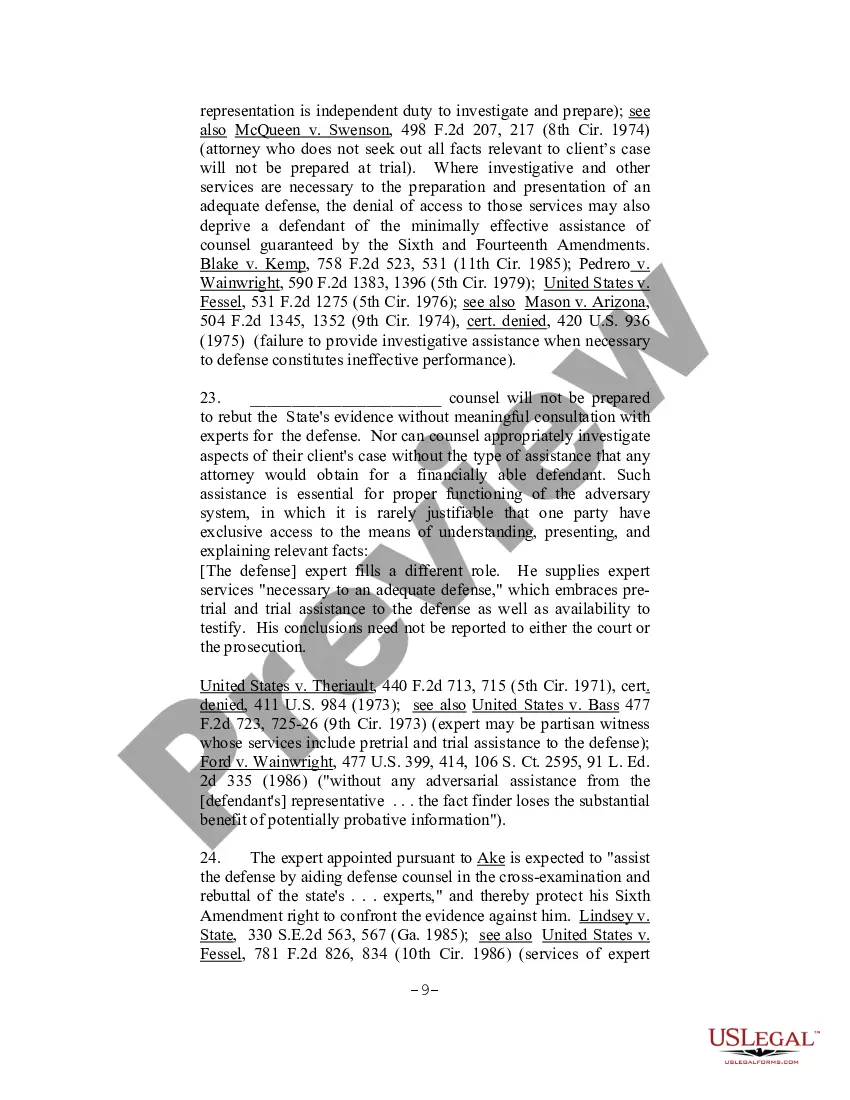
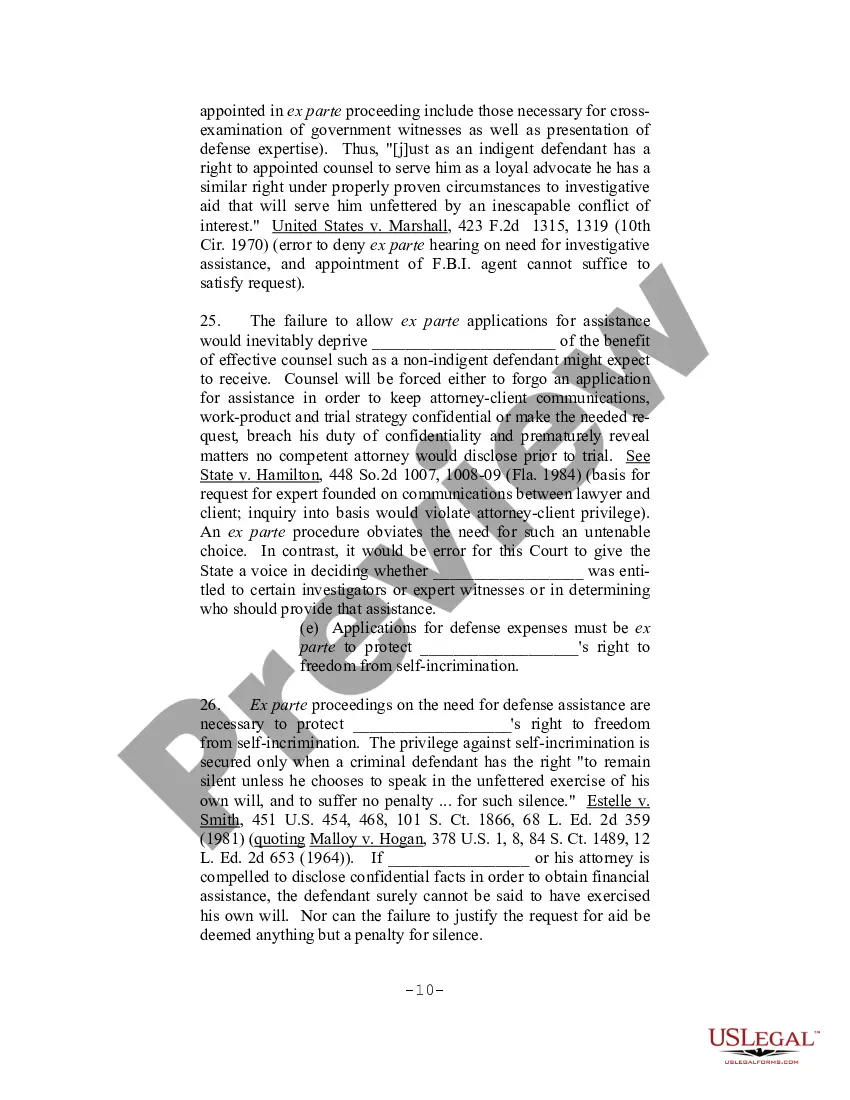

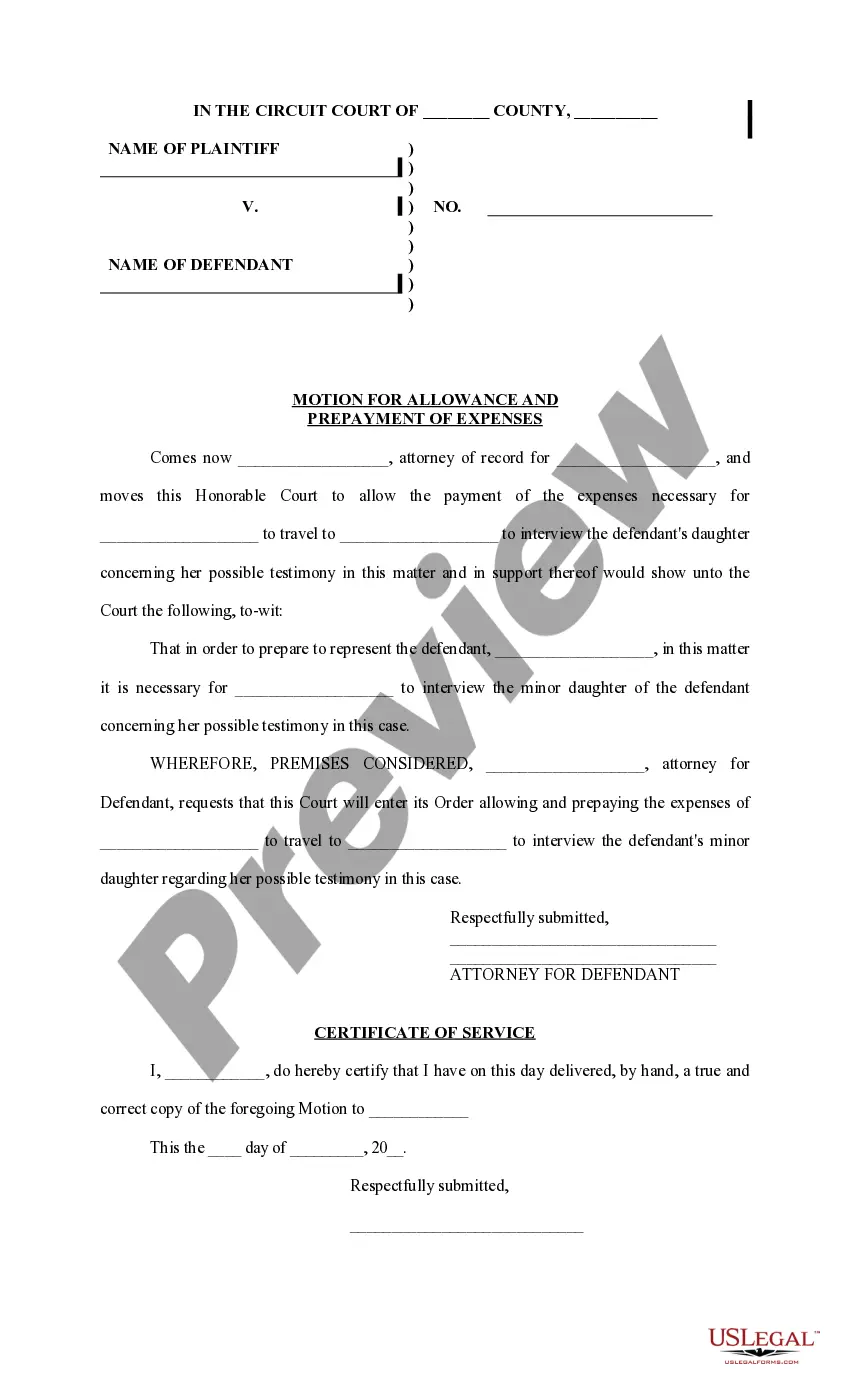
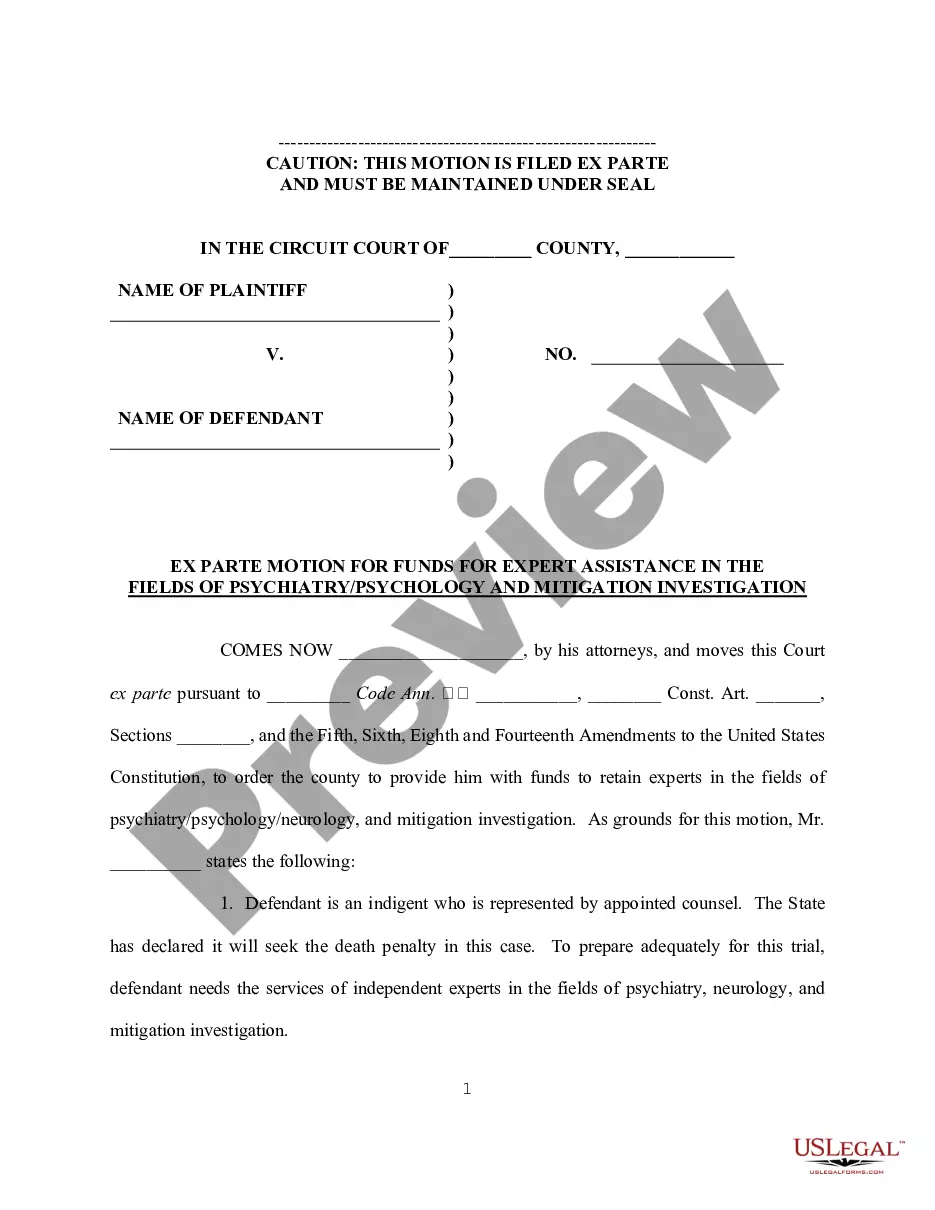
Get your form ready online
Our built-in tools help you complete, sign, share, and store your documents in one place.
Make edits, fill in missing information, and update formatting in US Legal Forms—just like you would in MS Word.
Download a copy, print it, send it by email, or mail it via USPS—whatever works best for your next step.
Sign and collect signatures with our SignNow integration. Send to multiple recipients, set reminders, and more. Go Premium to unlock E-Sign.
If this form requires notarization, complete it online through a secure video call—no need to meet a notary in person or wait for an appointment.
We protect your documents and personal data by following strict security and privacy standards.

Make edits, fill in missing information, and update formatting in US Legal Forms—just like you would in MS Word.

Download a copy, print it, send it by email, or mail it via USPS—whatever works best for your next step.

Sign and collect signatures with our SignNow integration. Send to multiple recipients, set reminders, and more. Go Premium to unlock E-Sign.

If this form requires notarization, complete it online through a secure video call—no need to meet a notary in person or wait for an appointment.

We protect your documents and personal data by following strict security and privacy standards.
Looking for another form?
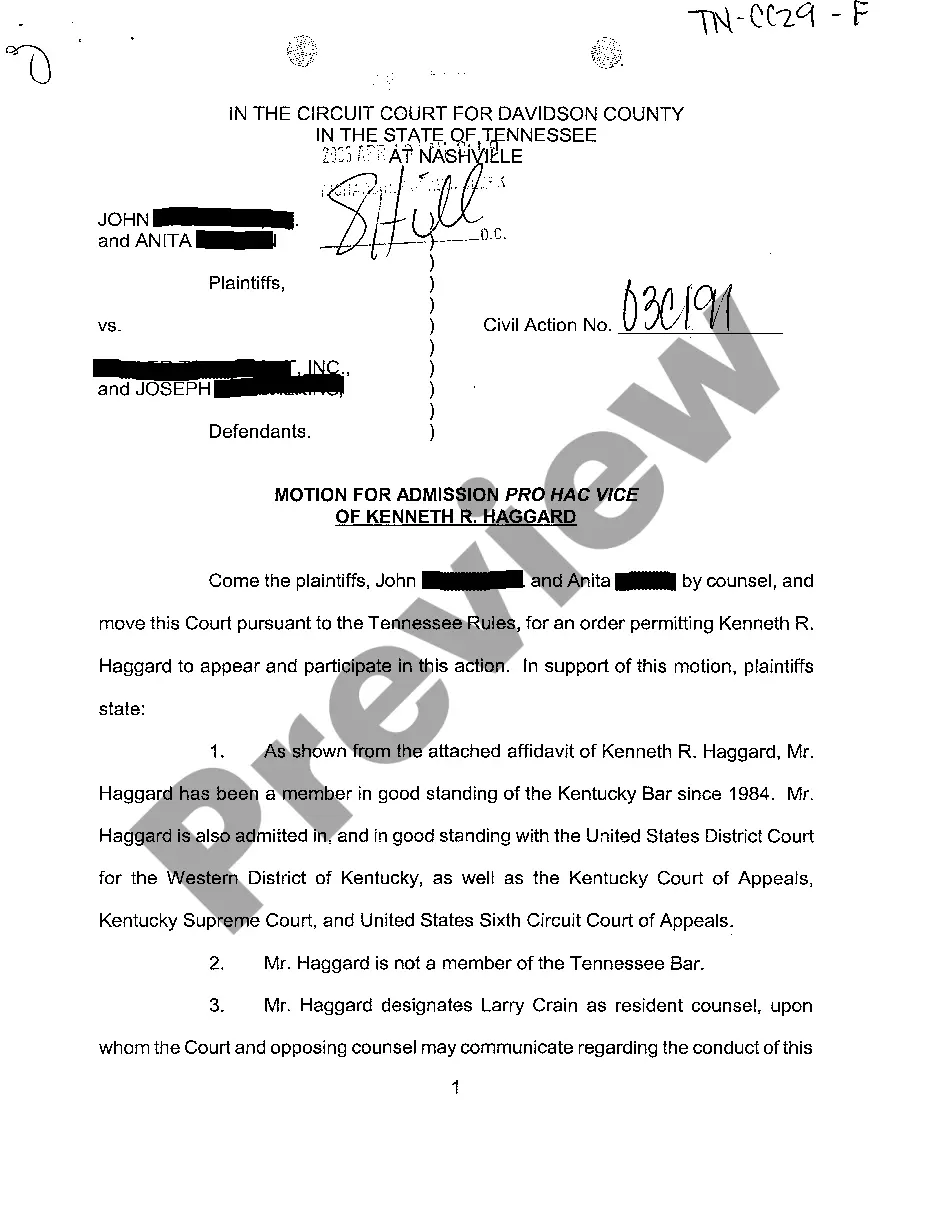

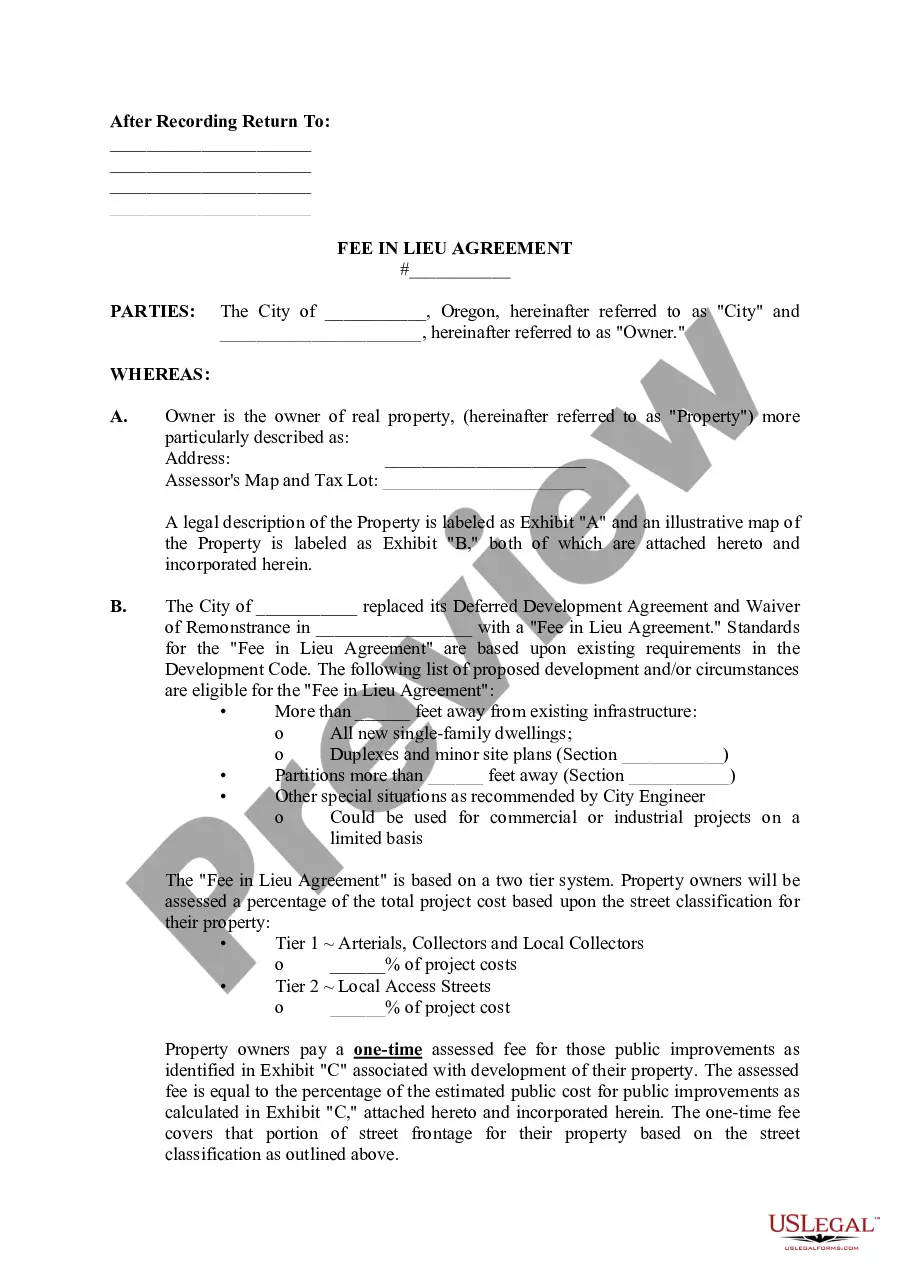
How to fill out Motion For Permission To Proceed Ex Parte On Applications For Funds?
Have you ever been in a situation where you need documentation for either business or personal purposes almost every day.
There are numerous legal document templates available online, but finding forms you can rely on isn’t simple.
US Legal Forms offers thousands of form templates, such as the Washington Motion for Permission to Proceed Ex Parte on Applications for Funds, designed to meet state and federal requirements.
Select the pricing plan you want, fill in the required information to create your account, and pay for the order using your PayPal or credit card.
Choose a convenient file format and download your copy. Access all the document templates you have purchased in the My documents menu. You can download another copy of the Washington Motion for Permission to Proceed Ex Parte on Applications for Funds anytime if needed. Just select the required form to download or print the document template.
- If you are already familiar with the US Legal Forms website and have an account, just Log In.
- Then, you can download the Washington Motion for Permission to Proceed Ex Parte on Applications for Funds template.
- If you do not have an account and wish to start using US Legal Forms, follow these steps.
- Locate the form you need and ensure it is for the correct city/state.
- Use the Preview button to review the document.
- Read the description to confirm that you have chosen the correct form.
- If the form isn’t what you’re looking for, use the Search section to find the form that fits your needs and requirements.
- Once you find the right form, click Get now.
Form popularity
FAQ
Latin term meaning "by or for one party." The term refers to an attorney's communication with: A judge or arbitrator without notice to, and outside the presence of, the other parties.
If You Have Been Noticed of an Ex Parte Hearing You are not required to file a Response to the Ex Parte request. However, you may submit a response along with valid proof of service to the moving party via the Court's dropbox by a.m. on the scheduled ex parte hearing date.
Some examples of ex parte orders are orders that: Prevent the other party from taking a child out of the country or state. Prevent the other party from destroying property. Prevent the other party from removing assets in a divorce proceeding.
The term also refers to legal proceedings that are conducted without notice to, and outside the presence of, other parties affected by the proceeding.
In Person or by Mail A completed Ex Parte cover sheet. Proposed order(s) Supporting documents. A check or money order for payment of services, payable to King County Superior Court Clerk (in-person submissions may be paid by cash or credit card)
An Ex Parte Application is used for one party to ask the Court for an order without providing the other party(ies) the usual amount of notice or opportunity to write an opposition.