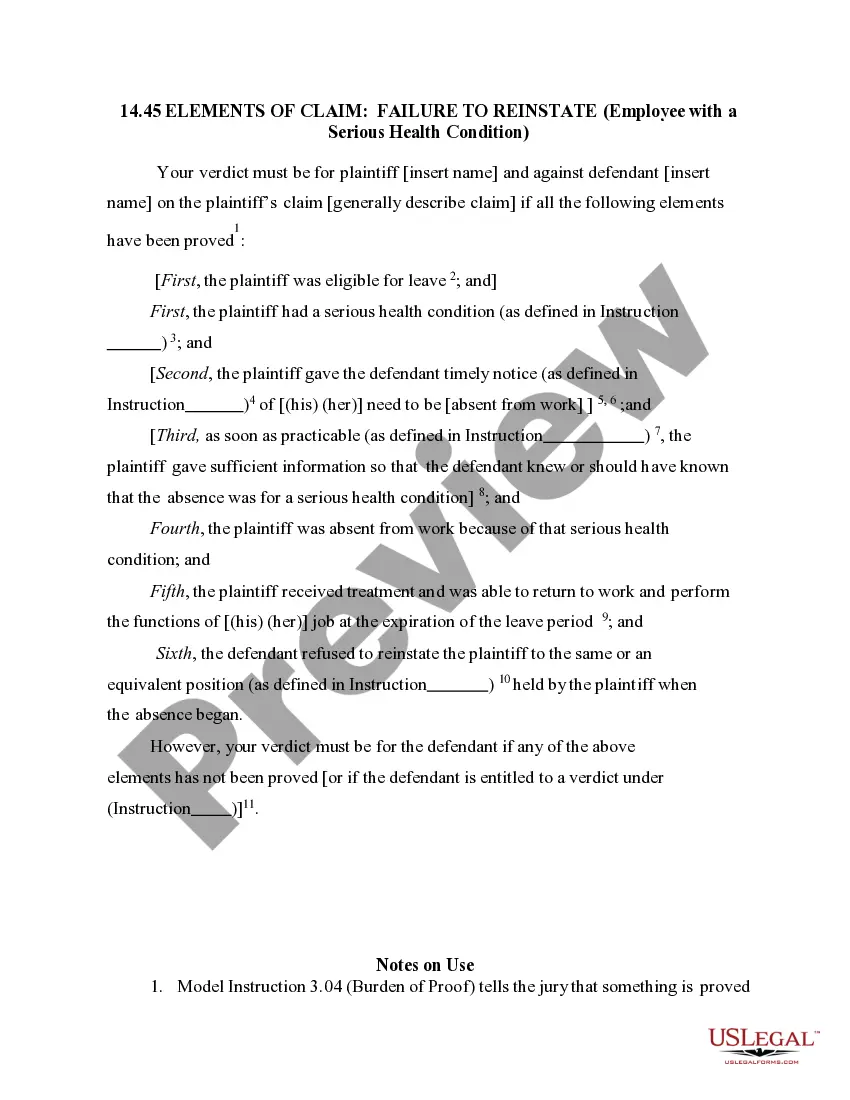
Washington Demand for Notice of Aggravating and for Disclosure of Evidence Supporting Mitigating Circumstances
Description
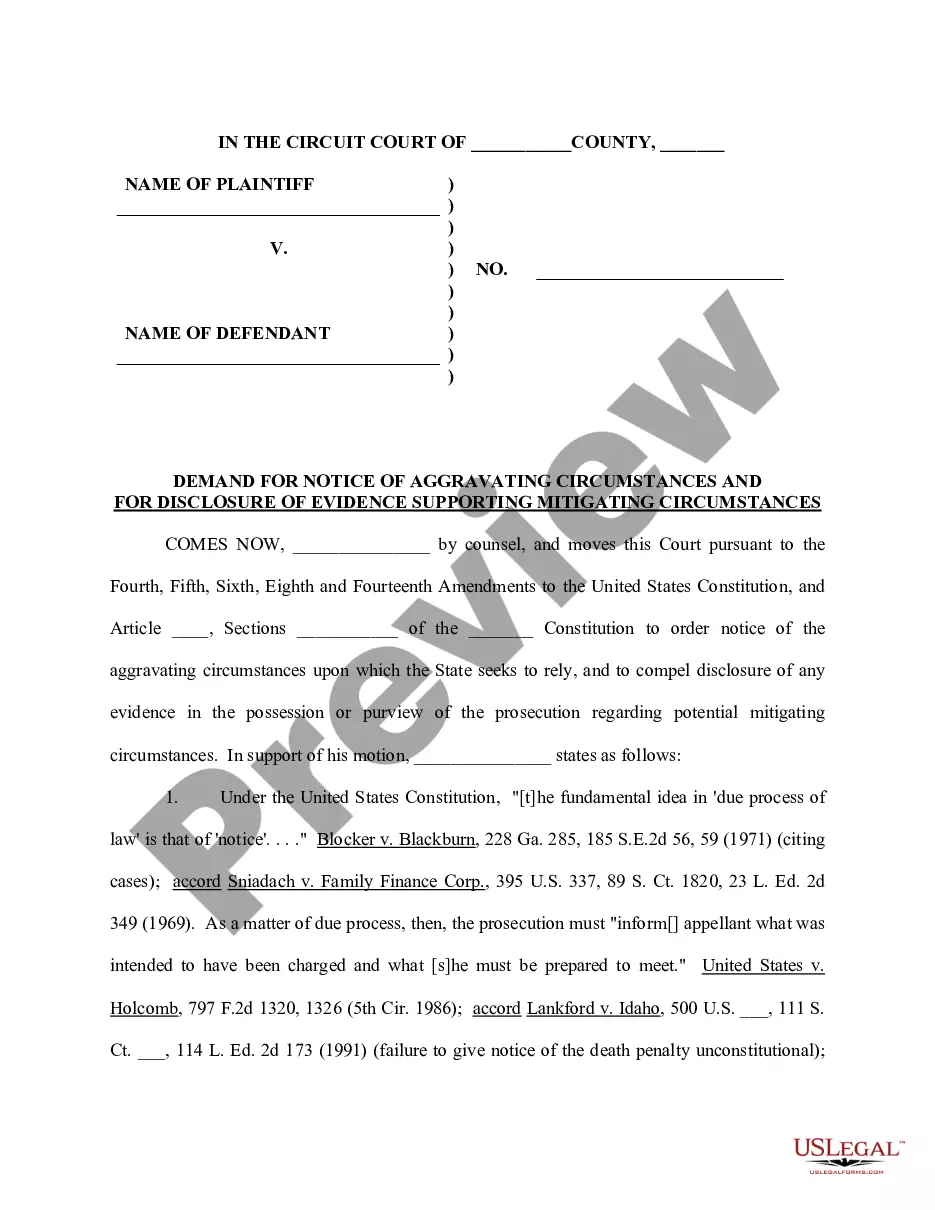
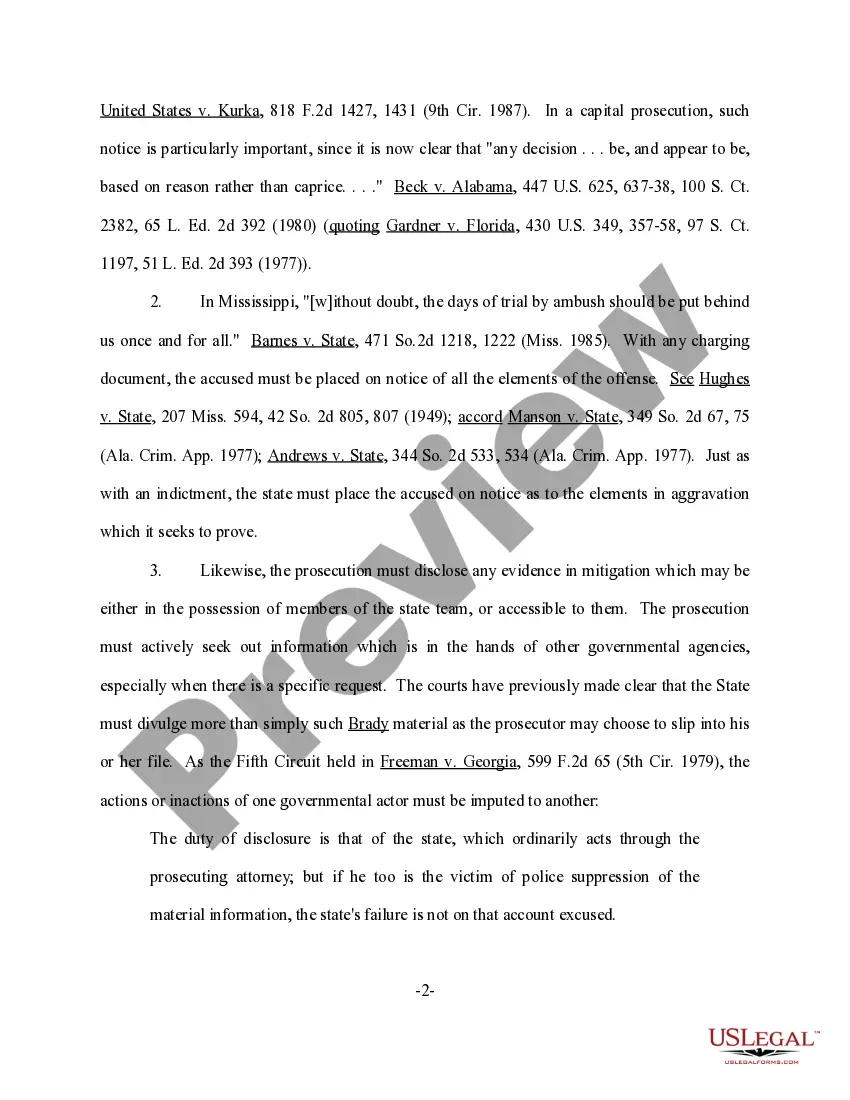
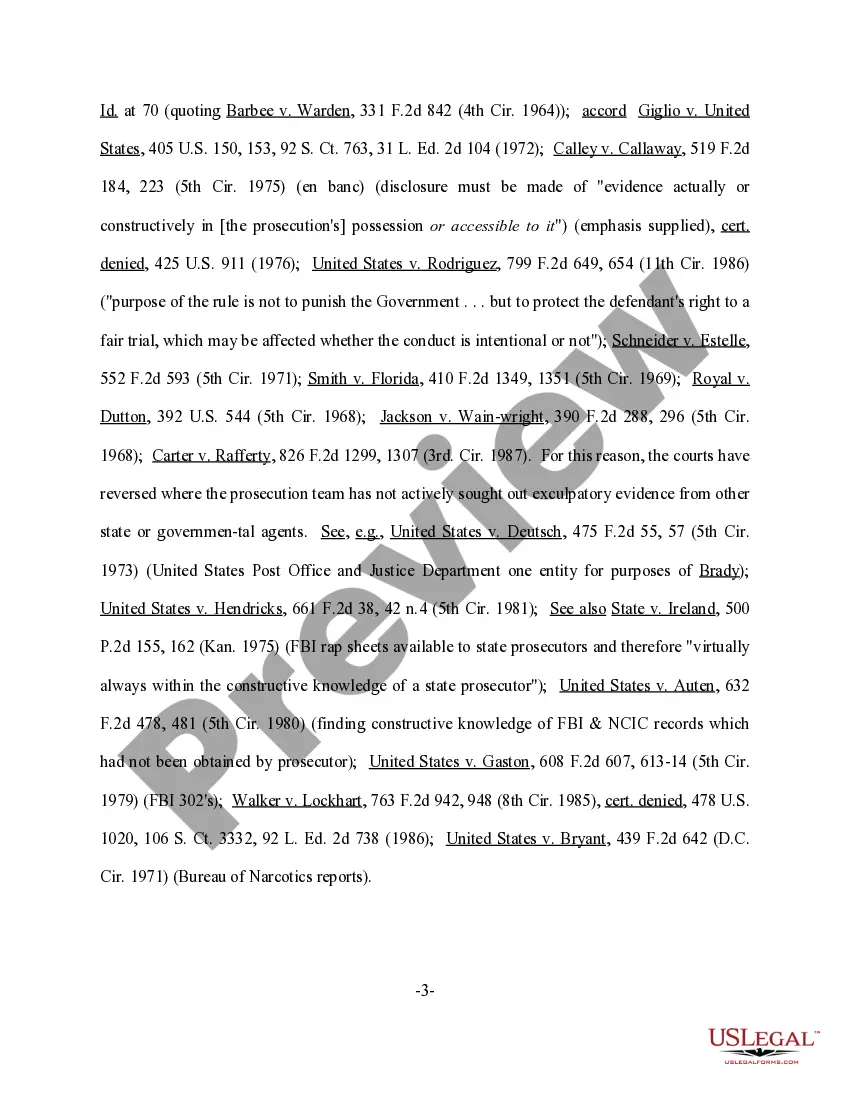
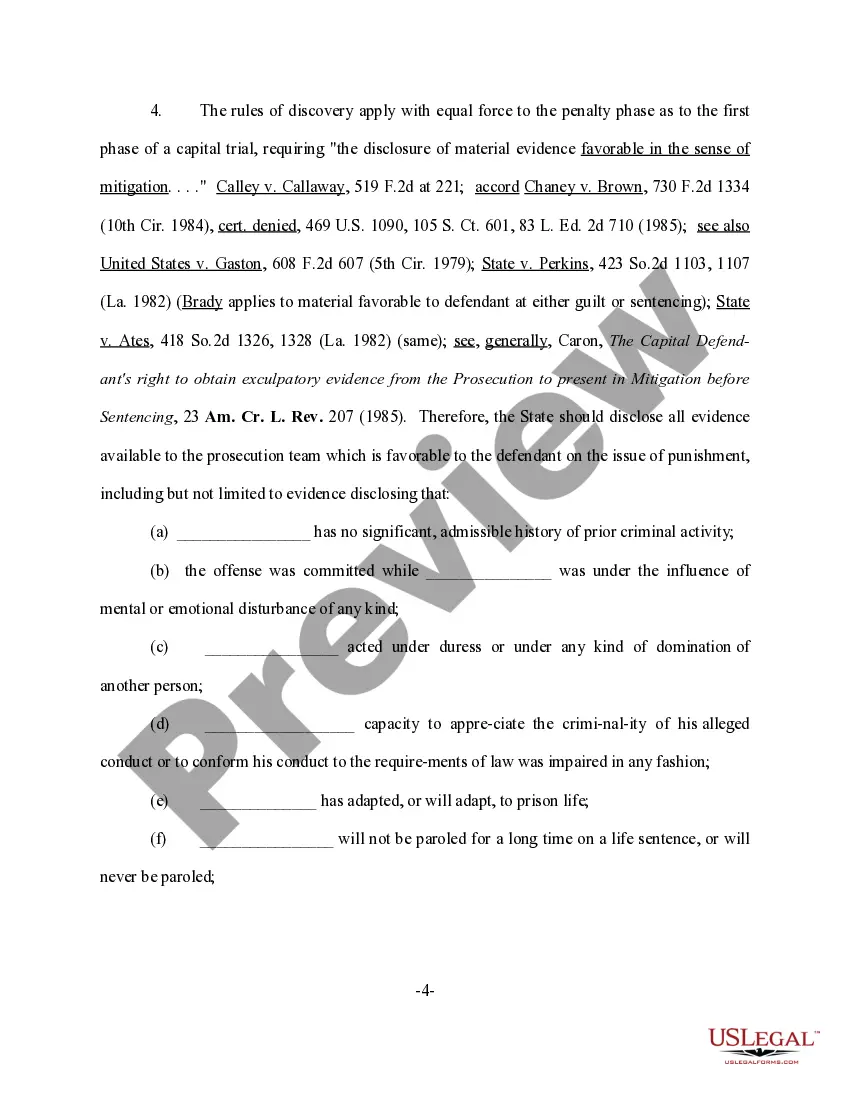
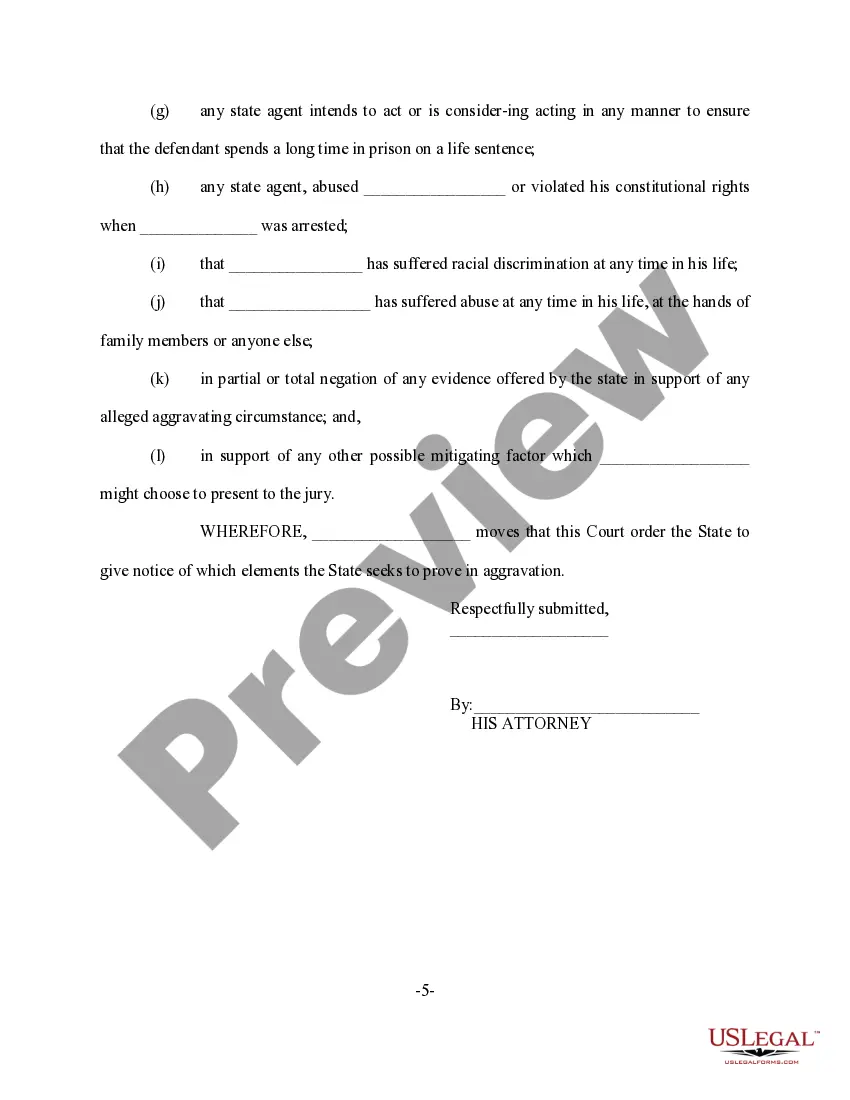
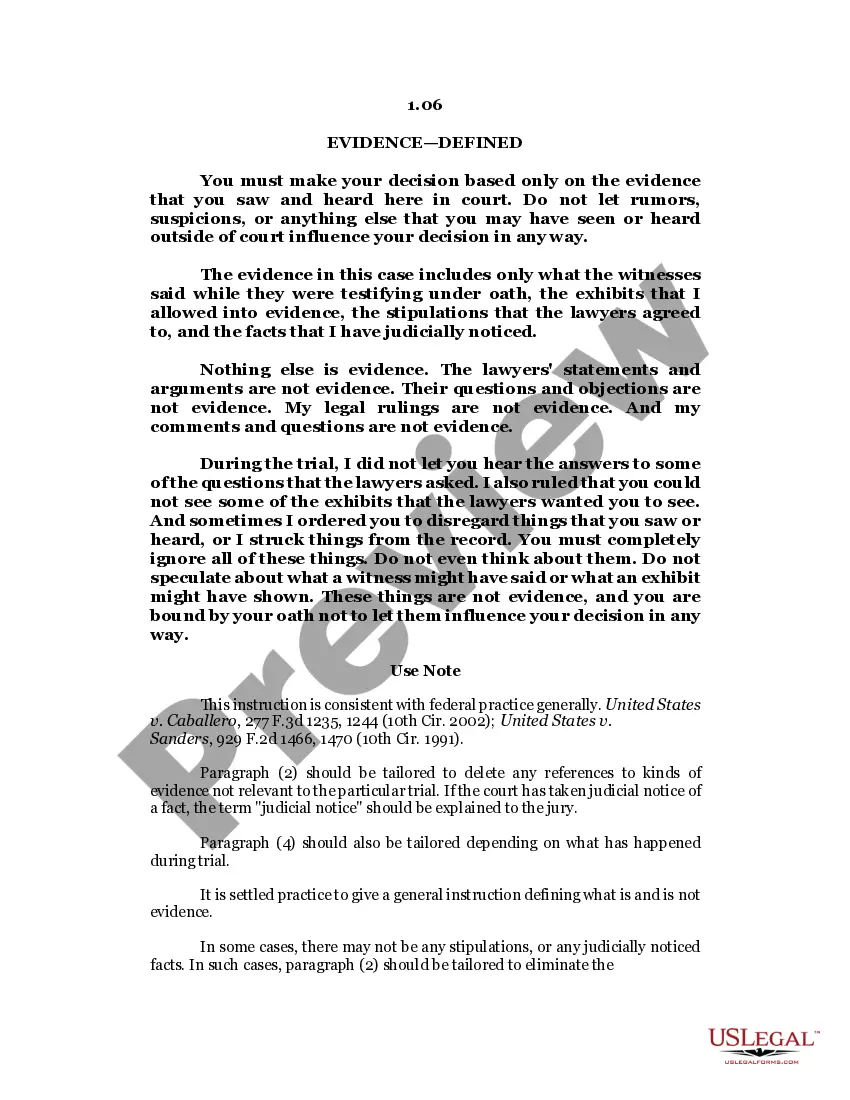
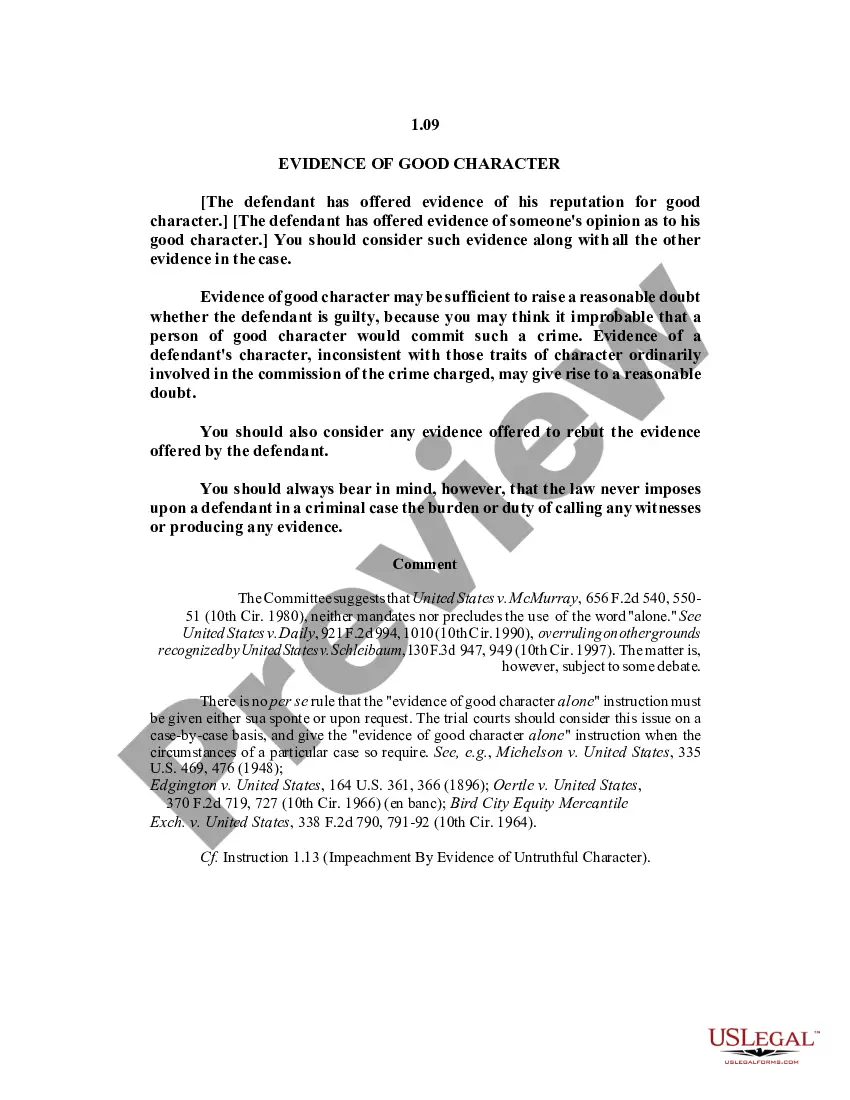
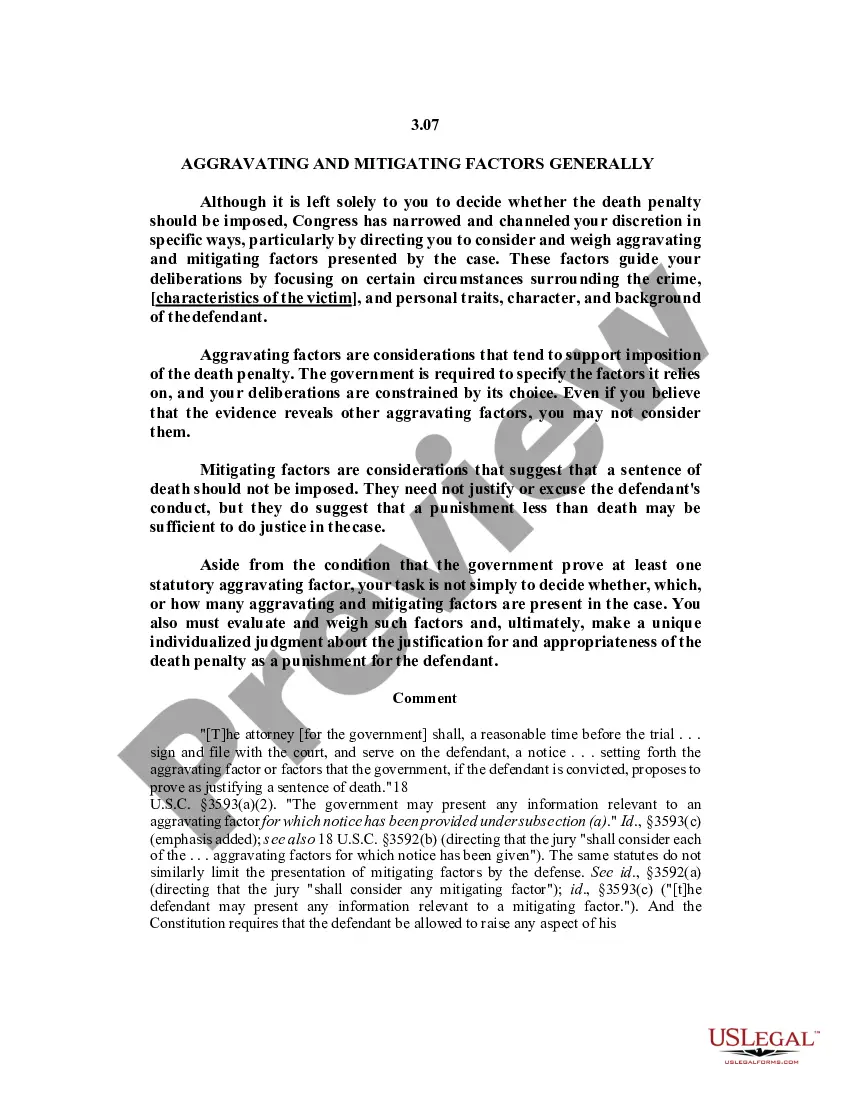
How to fill out Demand For Notice Of Aggravating And For Disclosure Of Evidence Supporting Mitigating Circumstances?
US Legal Forms - one of the largest collections of legal documents in the United States - offers a variety of legal document templates that you can download or create. By using the website, you can access thousands of forms for business and personal needs, organized by categories, states, or keywords. You can obtain the latest versions of forms like the Washington Demand for Notice of Aggravating and for Disclosure of Evidence Supporting Mitigating Circumstances in moments.
If you already have a membership, Log In and download the Washington Demand for Notice of Aggravating and for Disclosure of Evidence Supporting Mitigating Circumstances from the US Legal Forms library. The Download button will appear on each form you view. You can access all previously downloaded forms in the My documents section of your account.
To use US Legal Forms for the first time, here are simple steps to get you started: Ensure you have chosen the correct form for your specific city/state. Click on the Review button to examine the form’s details. Read the form summary to make sure you have selected the appropriate form. If the form does not meet your requirements, utilize the Search field at the top of the screen to find one that does. If you are satisfied with the form, confirm your choice by clicking the Buy now button. Then, select the pricing plan you prefer and provide your details to register for an account. Process the transaction. Use your credit card or PayPal account to complete the transaction. Choose the format and download the form to your device. Make modifications. Fill in, alter, and print and sign the downloaded Washington Demand for Notice of Aggravating and for Disclosure of Evidence Supporting Mitigating Circumstances. Each template you add to your account has no expiration date and is yours indefinitely. Therefore, if you wish to download or print another copy, simply go to the My documents section and click on the form you need.
- Access the Washington Demand for Notice of Aggravating and for Disclosure of Evidence Supporting Mitigating Circumstances with US Legal Forms, the most comprehensive library of legal document templates.
- Utilize thousands of professional and state-specific templates that fulfill your business or personal requirements and needs.
Form popularity
FAQ
An aggravated sentence is one that is higher than the default. An excellent example of this is if someone attempts to stab another person with a knife during a fight. The individual is convicted of assault with a deadly weapon. Therefore, a sentence of two, three, or four years is possible.
Common mitigating factors include: Lack of a prior criminal record. Minor role in the offense; Culpability of the victim; Past circumstances, such as abuse that resulted in criminal activity;
Mitigating circumstances might include a significant short-term illness or injury, a long-term or recurring medical or mental health condition, the death or illness of a close family member, acute stress from personal or financial issues, absence for public service (e.g. jury service), or technical issues during an ...
A mitigating circumstance is a factor that lessens the severity of an act or the actor's culpability for the action. Mitigating circumstances can be found in both criminal and civil cases and may be used to justify a reduction in the severity of the punishment or damages.
Occasionally, students do not meet the good academic standing standards for reasons beyond their control or because of "mitigating circumstances" such as serious family problems or extended illness.
Mitigating (or extenuating) circumstances are factors that tend to lessen the severity of a crime or its punishment by making the defendant's conduct understandable or less blameworthy. Mitigating circumstances might include a defendant's young age, mental illness or addiction, or minor role in the crime.