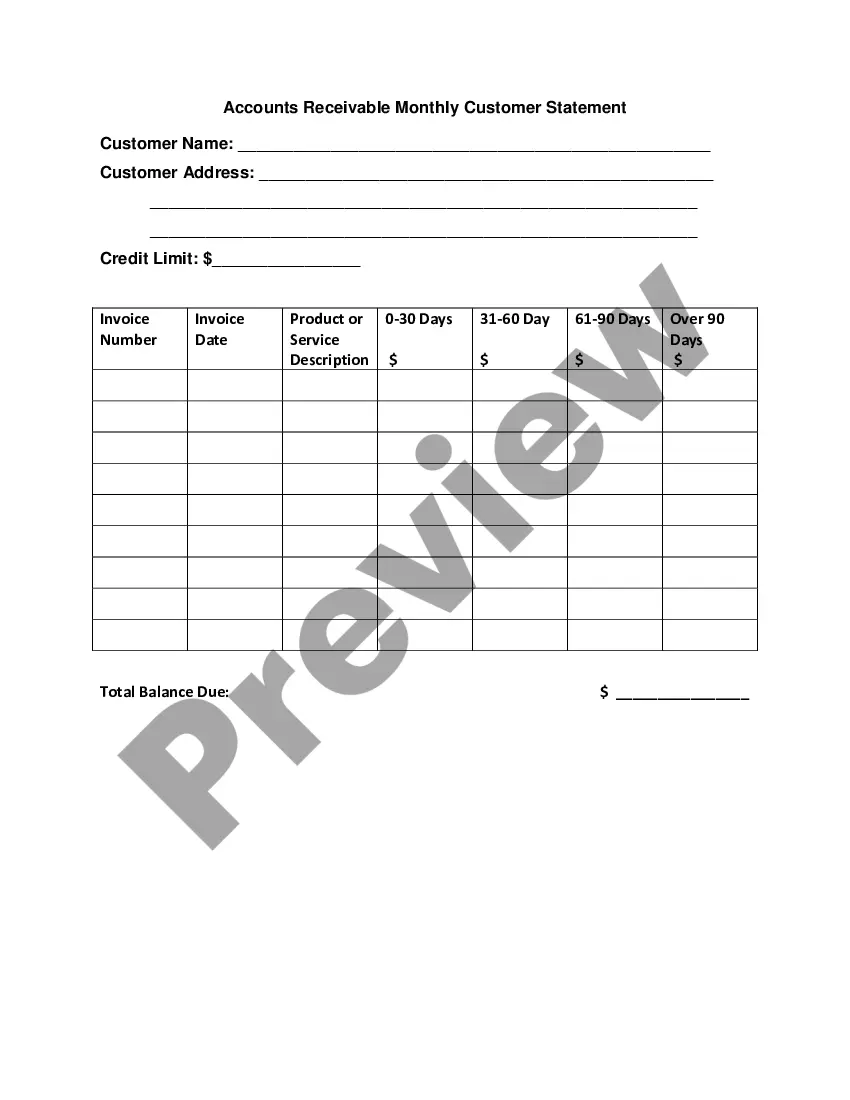
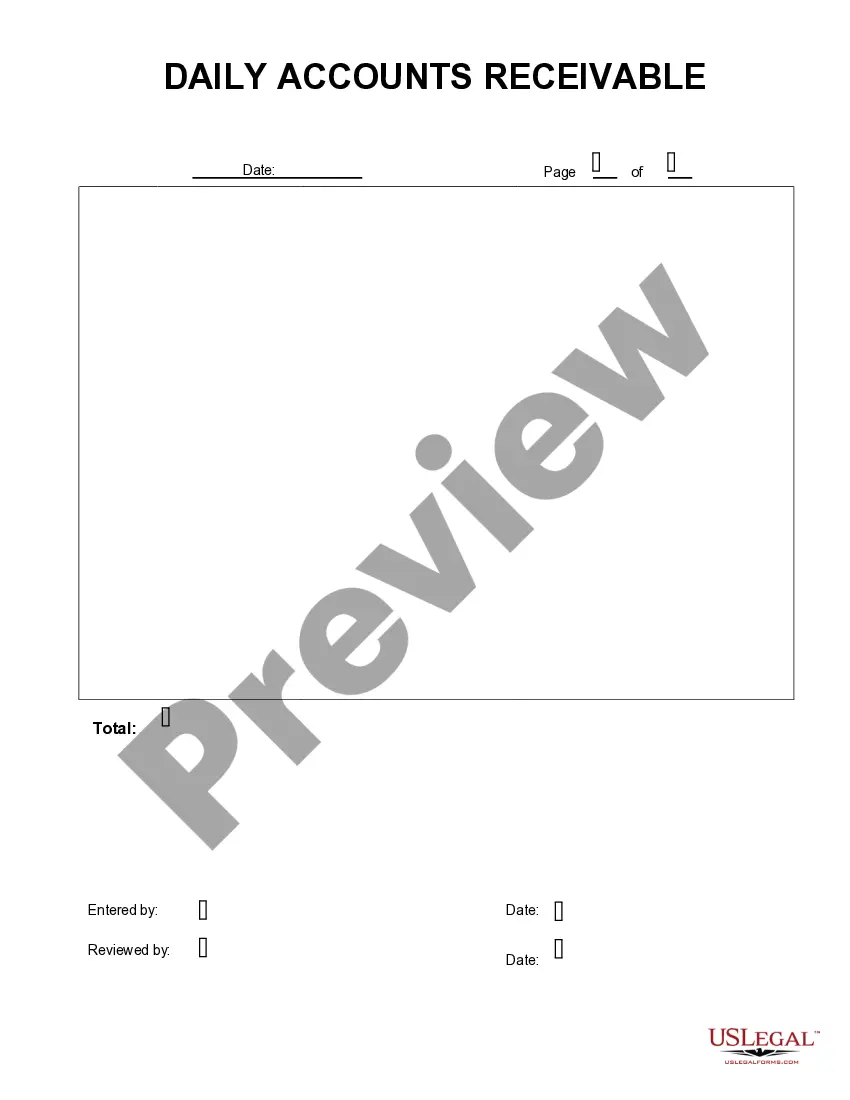
Washington Accounts Receivable Monthly Customer Statement
Description


Get your form ready online
Our built-in tools help you complete, sign, share, and store your documents in one place.
Make edits, fill in missing information, and update formatting in US Legal Forms—just like you would in MS Word.
Download a copy, print it, send it by email, or mail it via USPS—whatever works best for your next step.
Sign and collect signatures with our SignNow integration. Send to multiple recipients, set reminders, and more. Go Premium to unlock E-Sign.
If this form requires notarization, complete it online through a secure video call—no need to meet a notary in person or wait for an appointment.
We protect your documents and personal data by following strict security and privacy standards.

Make edits, fill in missing information, and update formatting in US Legal Forms—just like you would in MS Word.

Download a copy, print it, send it by email, or mail it via USPS—whatever works best for your next step.

Sign and collect signatures with our SignNow integration. Send to multiple recipients, set reminders, and more. Go Premium to unlock E-Sign.

If this form requires notarization, complete it online through a secure video call—no need to meet a notary in person or wait for an appointment.

We protect your documents and personal data by following strict security and privacy standards.
Looking for another form?

How to fill out Accounts Receivable Monthly Customer Statement?
Selecting the appropriate legal document format can be a challenge. Of course, there are numerous templates available online, but how do you find the legal form you need? Utilize the US Legal Forms website. The service offers thousands of templates, including the Washington Accounts Receivable Monthly Customer Statement, suitable for both business and personal needs. All forms are verified by professionals and comply with federal and state regulations.
If you are already registered, Log In to your account and click the Download button to obtain the Washington Accounts Receivable Monthly Customer Statement. Use your account to browse through the legal forms you may have purchased previously. Visit the My documents section of your account to download another copy of the document you need.
If you are a new user of US Legal Forms, here are simple steps you can follow: First, ensure you have selected the correct form for your jurisdiction. You can review the form using the Preview button and read the form details to ensure it is right for you. If the form does not meet your requirements, use the Search box to find the appropriate form. Once you are confident that the form is suitable, click the Order now button to acquire the form. Choose the pricing plan you prefer and enter the required information. Create your account and complete the purchase using your PayPal account or credit card. Select the document format and download the legal document template to your device. Complete, edit, print, and sign the acquired Washington Accounts Receivable Monthly Customer Statement.
Take advantage of the extensive resources available at US Legal Forms to simplify your legal document needs.
- US Legal Forms has the largest collection of legal forms from which you can find various document templates.
- Utilize the service to download properly crafted paperwork that conforms to state requirements.
- Explore thousands of legal templates tailored for different purposes.
- Access forms that are checked for accuracy and compliance by experts.
- Ensure you choose the right document format for your needs.
- Easily navigate through your account to manage previous orders.
Form popularity
FAQ
To record an accounts receivable transaction, first, identify the sale made on credit. Then, create an invoice that details the transaction, including the amount owed and the customer's information. Next, enter this invoice into your accounting system, ensuring that it reflects in both your revenue and accounts receivable accounts. Utilizing a comprehensive tool like the Washington Accounts Receivable Monthly Customer Statement can simplify this process, providing clarity and organization in managing your accounts.
An account statement for accounts receivable is a document that details all transactions related to a customer's account. It includes invoices, payments, and any credits applied over a specific period. By regularly reviewing the Washington Accounts Receivable Monthly Customer Statement, businesses can ensure accuracy in their records and effectively communicate with customers about their outstanding balances.
The 10 rule for accounts receivable suggests that 80% of your revenue typically comes from 20% of your customers. This principle helps businesses focus their collections efforts on the most valuable clients. By keeping tabs on your Washington Accounts Receivable Monthly Customer Statement, you can identify which customers contribute most to your revenue and prioritize your collection strategies accordingly.
To forecast accounts receivable monthly, start by analyzing historical sales data and payment trends. Consider factors such as seasonal fluctuations and customer behavior to make informed predictions. Utilizing a Washington Accounts Receivable Monthly Customer Statement can enhance your forecasting accuracy by providing insights into regular payment patterns and outstanding debts.
You can find reports related to customers' accounts receivable in your accounting software or financial management system. Many platforms offer built-in reporting features that generate the Washington Accounts Receivable Monthly Customer Statement and other essential documents. If you need a comprehensive view of customer balances and payment histories, consider utilizing US Legal Forms for customizable solutions that fit your needs.
Accounts receivable statements are print, file, email, or fax reports showing amounts owed by AR account holders. They are typically prepared for billing purposes.
The Accounts Receivables Statements are documents that itemize all invoices, payments, and credits created during a specific time period, and whose intention is to remind the account holder of their account status. Statements can be mailed, emailed, faxed, or previewed.
Trade receivables is the amount that customers owe to a business when buying a product or service on credit. It is a key line item in the balance sheet and is listed under the current assets section due to its short conversion time into cash.
Accounts receivable are found on a firm's balance sheet. Because they represent funds owed to the company, they are booked as an asset.
Traditionally, the accounts receivable cycle begins when a customer makes a purchase for a product or service, and ends once any outstanding payment has been collected. The step-by-step process taken to record and collect the debt is what's known as an accounts receivable workflow or A/R process.