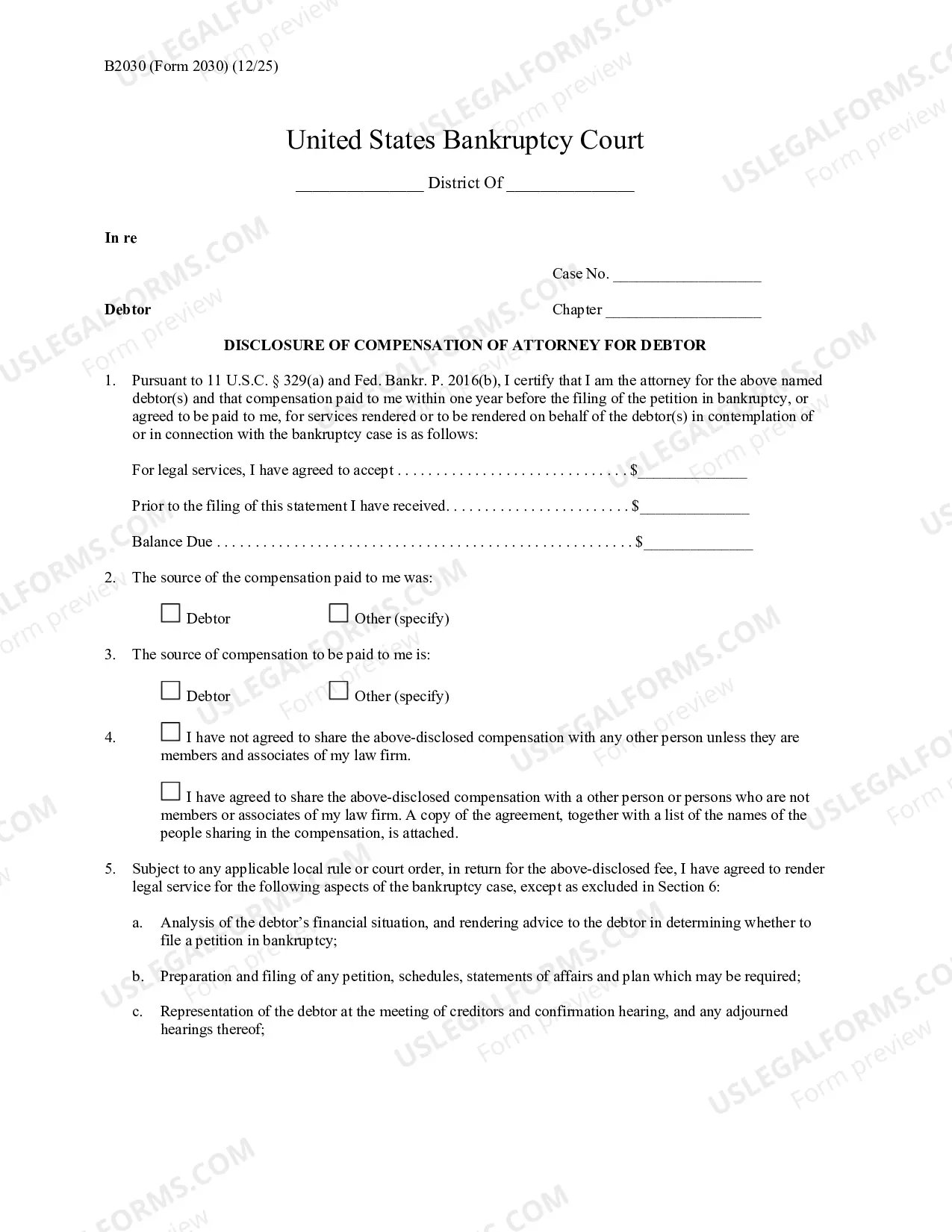
Washington Notice of Assignment to Living Trust
What is this form?
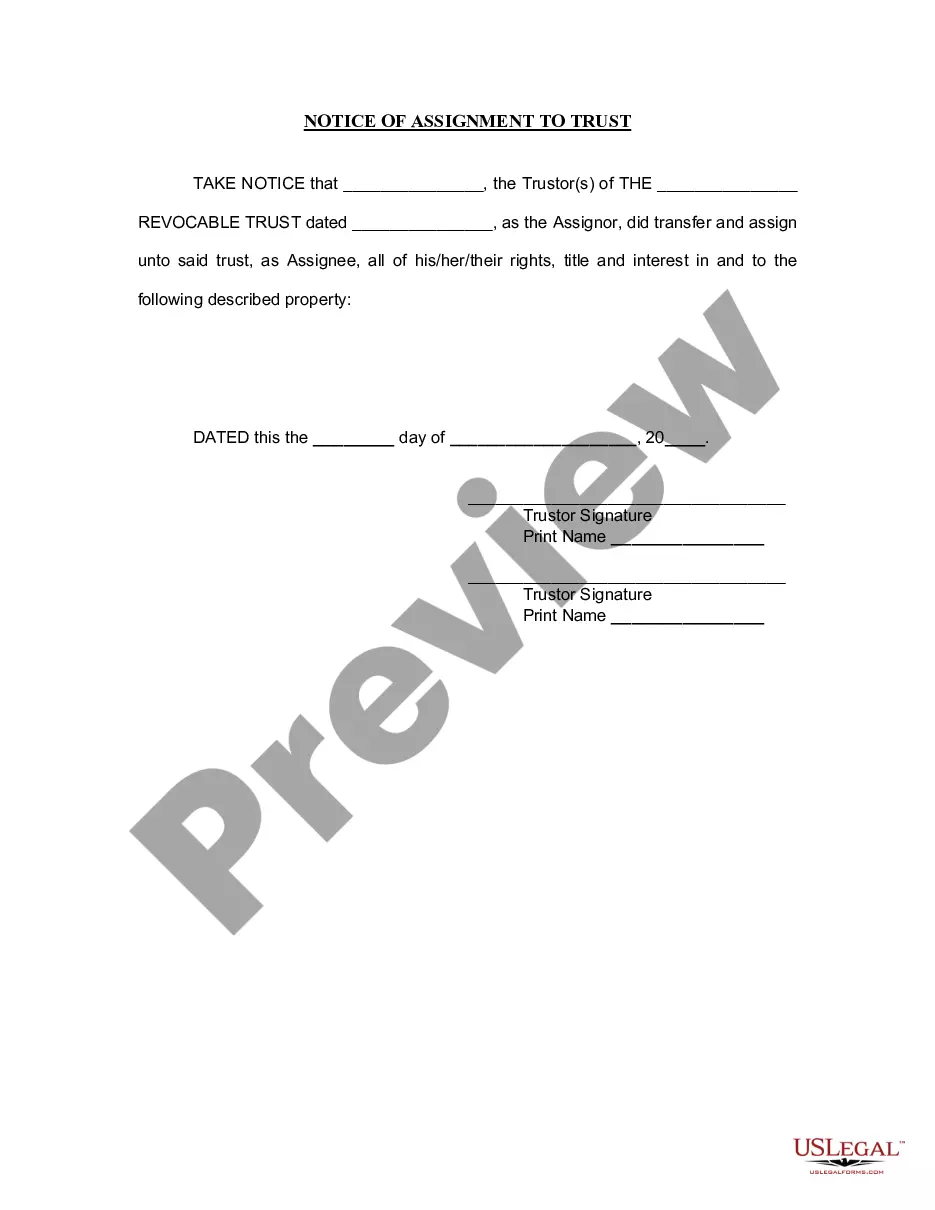
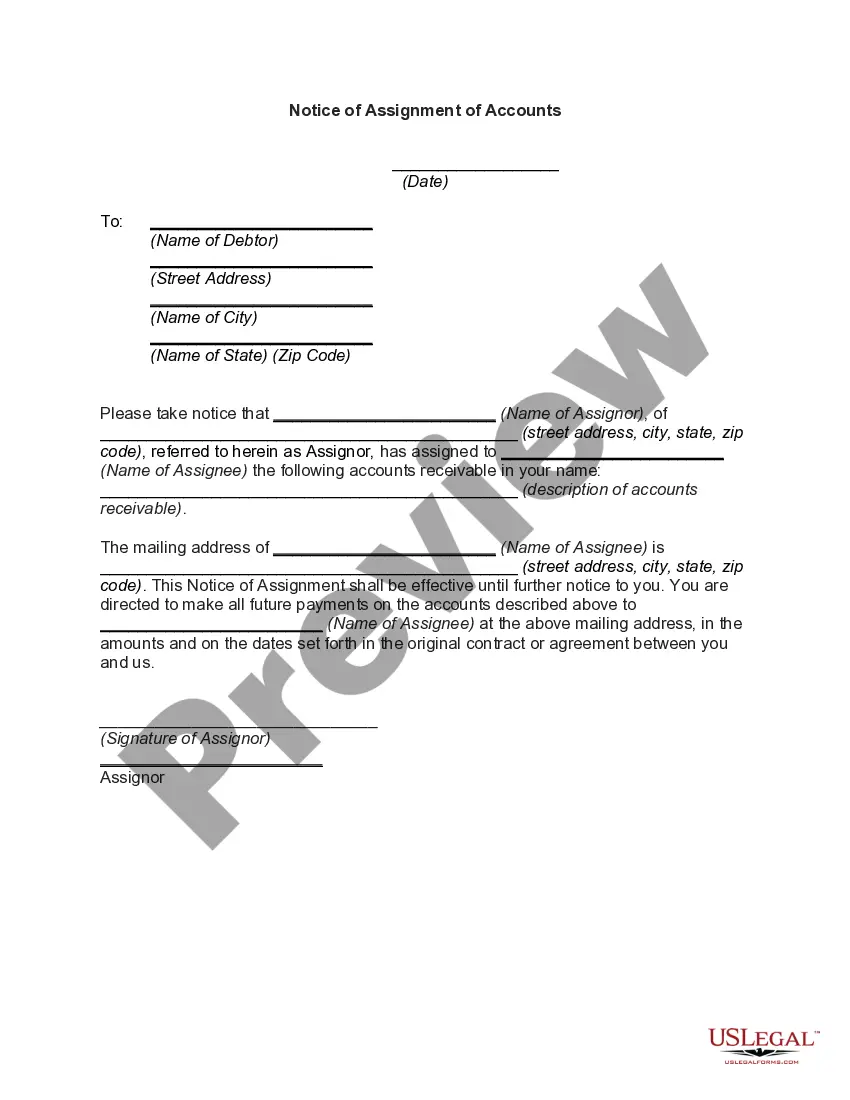
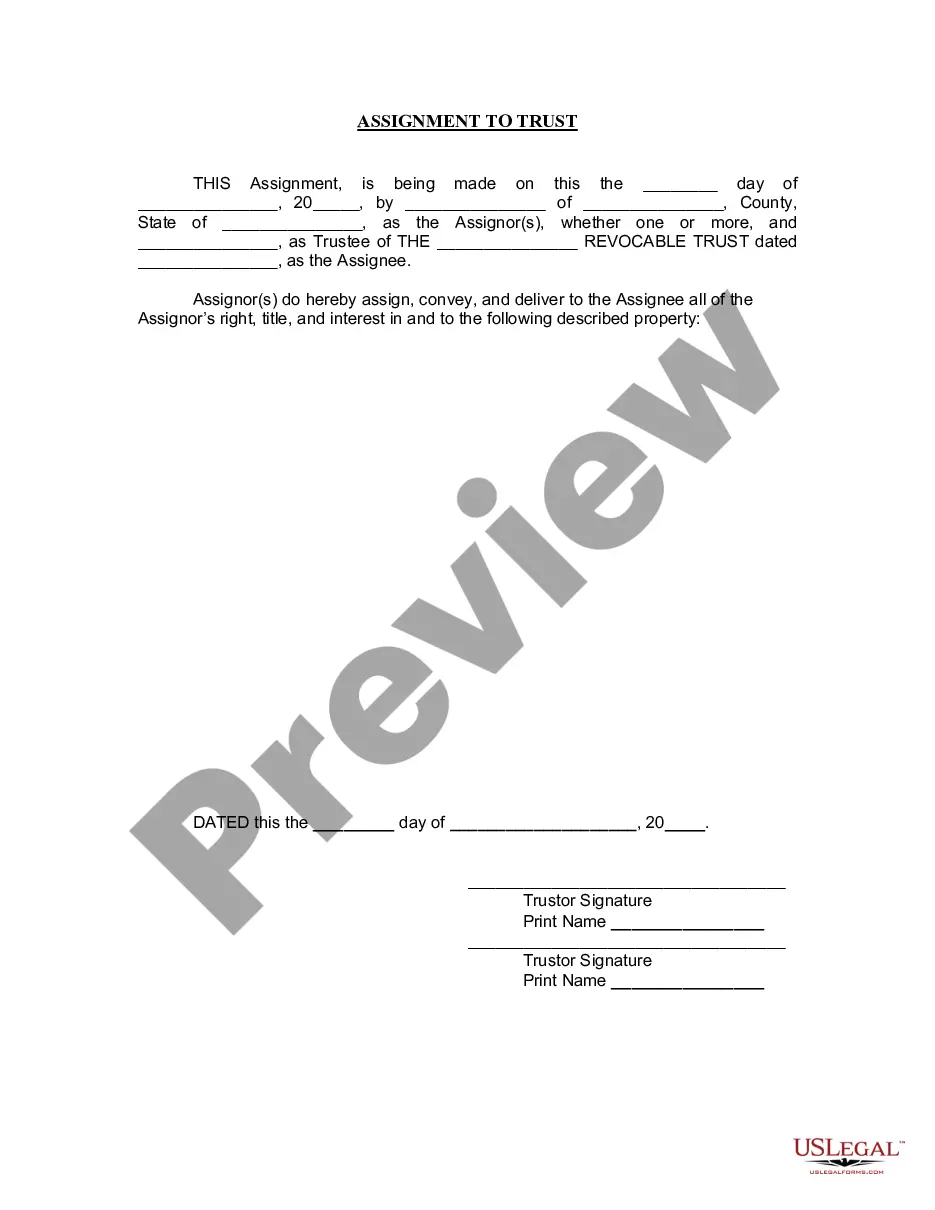
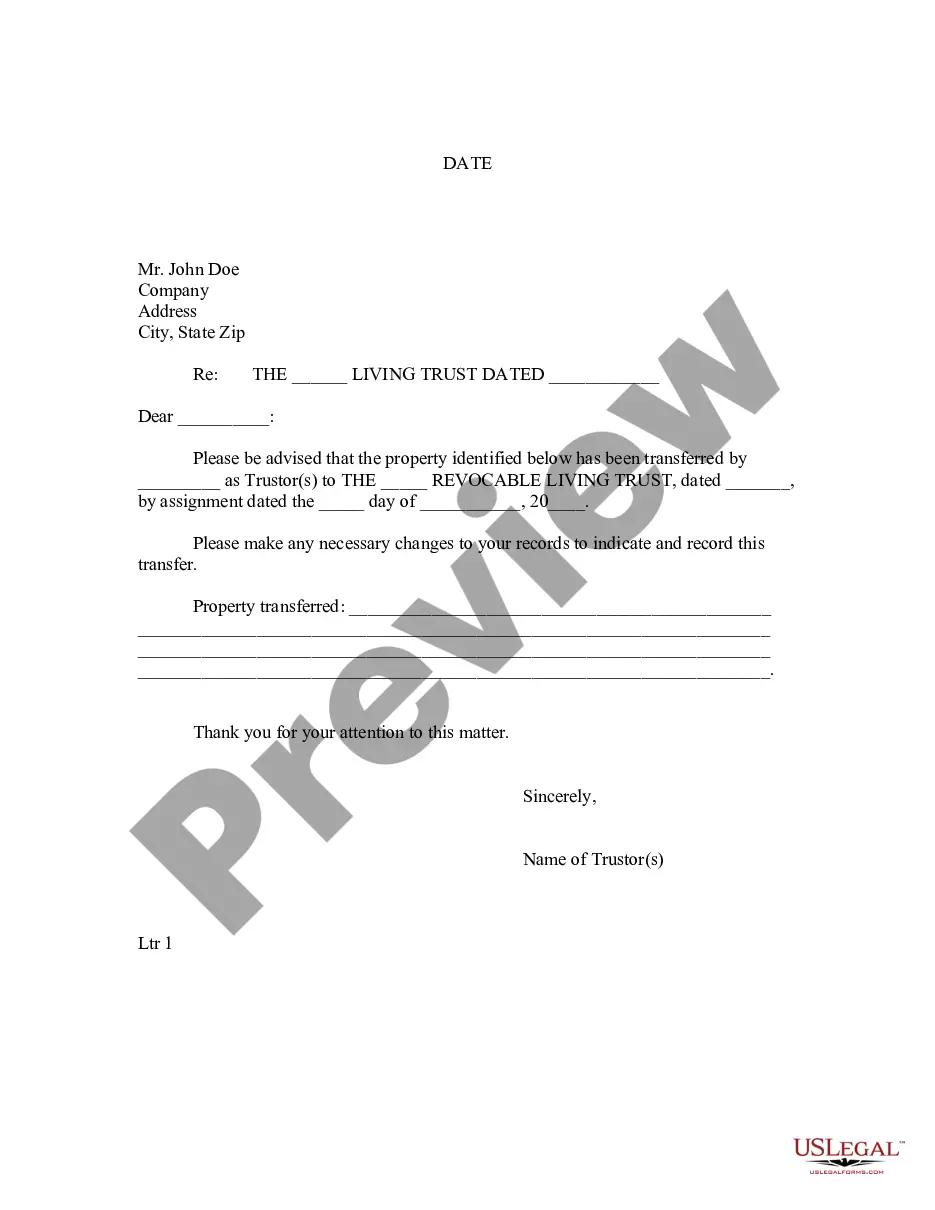
The Notice of Assignment to Living Trust is a legal document that indicates a transfer of rights, title, and interest in specific property to a living trust during the trustor's lifetime. This form is distinct from a basic assignment document as it specifically acknowledges the assets being placed in a revocable trust for estate planning purposes, ensuring the transfer is legally recognized and facilitated according to applicable laws.
Main sections of this form
- Identifying the Trustor(s) of the living trust.
- Details of the revocable trust, including its date.
- Description of the property being assigned to the trust.
- Signature of the trustor(s) to confirm the transfer.
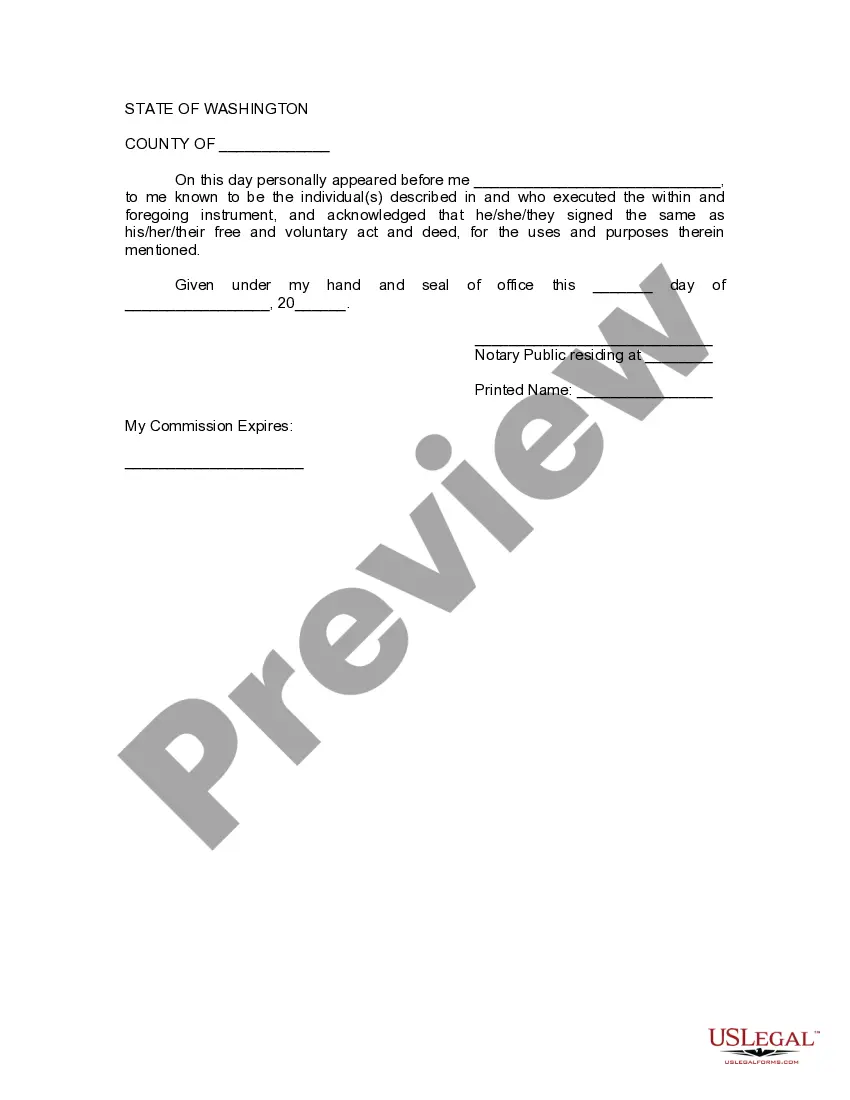
- Notarization section to validate the document's authenticity.
Situations where this form applies
This form should be used when a trustor wishes to formally document the transfer of specific assets to a living trust. It is commonly used in estate planning to ensure that the assigned assets are included in the trust, which can help in avoiding probate and managing the distribution of assets according to the trustor's wishes upon their passing.
Who needs this form
- Individuals establishing a living trust to manage their assets.
- Trustors who have transferred property into a trust.
- Persons engaging in estate planning seeking to clarify asset ownership within the trust structure.
Instructions for completing this form
- Identify the trustor(s) by filling in their names.
- Provide the name and date of the revocable trust.
- Clearly describe the property being assigned to the trust.
- Have the trustor(s) sign the document to affirm the transfer.
- Complete the notary section to validate the document.
Does this document require notarization?
This form must be notarized to be legally valid. US Legal Forms provides secure online notarization powered by Notarize, allowing you to complete the process through a verified video call.
Get your form ready online
Our built-in tools help you complete, sign, share, and store your documents in one place.
Make edits, fill in missing information, and update formatting in US Legal Forms—just like you would in MS Word.
Download a copy, print it, send it by email, or mail it via USPS—whatever works best for your next step.
Sign and collect signatures with our SignNow integration. Send to multiple recipients, set reminders, and more. Go Premium to unlock E-Sign.
If this form requires notarization, complete it online through a secure video call—no need to meet a notary in person or wait for an appointment.
We protect your documents and personal data by following strict security and privacy standards.

Make edits, fill in missing information, and update formatting in US Legal Forms—just like you would in MS Word.

Download a copy, print it, send it by email, or mail it via USPS—whatever works best for your next step.

Sign and collect signatures with our SignNow integration. Send to multiple recipients, set reminders, and more. Go Premium to unlock E-Sign.

If this form requires notarization, complete it online through a secure video call—no need to meet a notary in person or wait for an appointment.

We protect your documents and personal data by following strict security and privacy standards.
Mistakes to watch out for
- Falling to provide a complete and clear property description.
- Not having the document notarized when required.
- Leaving out the trustor(s) signatures, which invalidates the transfer.
Why use this form online
- Convenient access to legal forms at any time.
- Editable templates allow for easy customization to fit individual needs.
- Instant downloads for immediate use without waiting for shipping.
Looking for another form?

Form popularity
FAQ
Trusts Are Not Public Record. Most states require a last will and testament to be filed with the appropriate state court when the person dies. When this happens, the will becomes a public record for anyone to read. However, trusts aren't recorded.
The trust in no way protects your assets, so that reasoning is simply false. You should put your vehicles into your trust in order to avoid probate. Only those assets held by the trust will avoid probate.
Qualified retirement accounts 401ks, IRAs, 403(b)s, qualified annuities. Health saving accounts (HSAs) Medical saving accounts (MSAs) Uniform Transfers to Minors (UTMAs) Uniform Gifts to Minors (UGMAs) Life insurance. Motor vehicles.
Usually, a trust prohibits beneficiaries from assigning their interest in the trust before distribution. The anti-assignment provision protects undistributed trust assets from claims by a beneficiary's creditors.
Houses and other real estate (even if they're mortgaged) stock, bond, and other security accounts held by brokerages (but think about naming a TOD beneficiary instead) small business interests (stock in a closely held corporation, partnership interests, or limited liability company shares)
Paperwork. Setting up a living trust isn't difficult or expensive, but it requires some paperwork. Record Keeping. After a revocable living trust is created, little day-to-day record keeping is required. Transfer Taxes. Difficulty Refinancing Trust Property. No Cutoff of Creditors' Claims.
Determine the Current Title and Vesting to Your Property. Prepare a Deed. Be Aware of Your Lender and Title Insurance. Prepare a Preliminary Change of Ownership Report. Execute Your Deed. Record Your Deed. Wait for the Deed to be Returned. Keep the Property in the Trust.
1Determine the Current Title and Vesting to Your Property.2Prepare a Deed.3Be Aware of Your Lender and Title Insurance.4Prepare a Preliminary Change of Ownership Report.5Execute Your Deed.6Record Your Deed.7Wait for the Deed to be Returned.8Keep the Property in the Trust.
When Should You Put a Bank Account into a Trust?More specifically, you can hold up to $166,250 of real or personal property outside a trust and avoid full probate in California. However, if you have more than $166,250 in a bank account, you should consider transferring it into your trust.