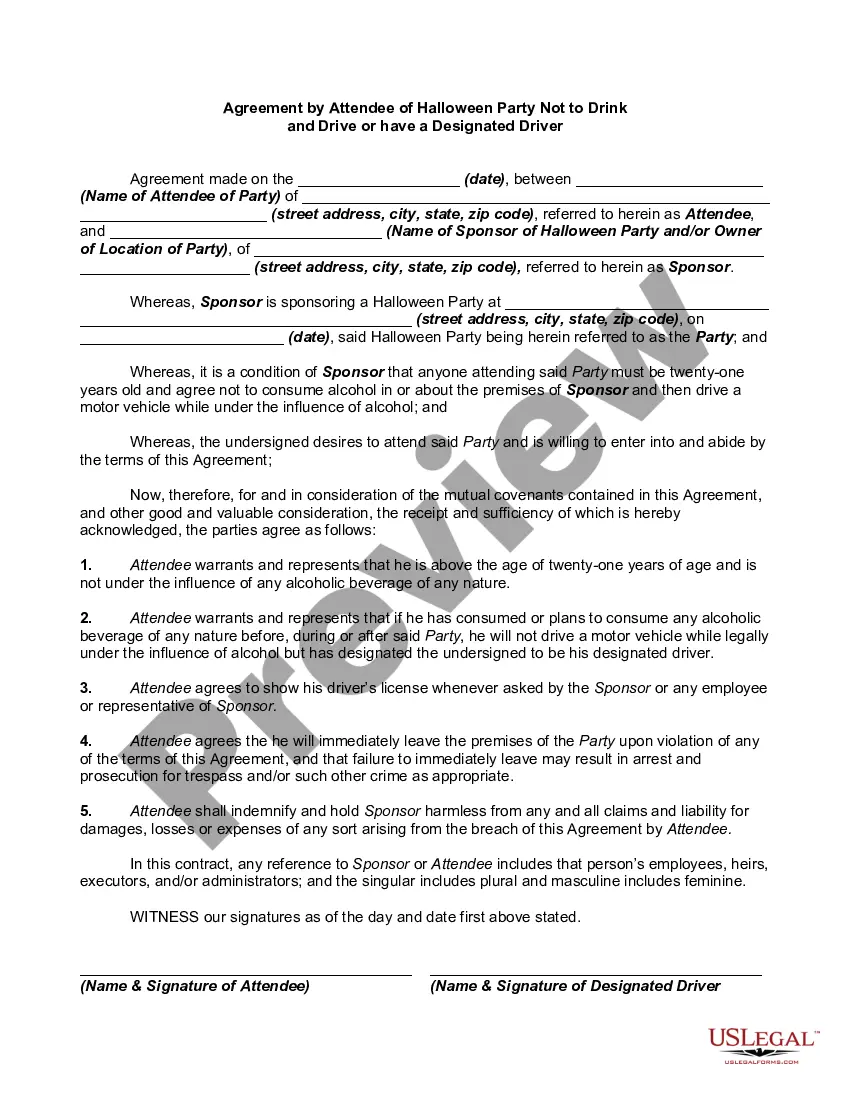
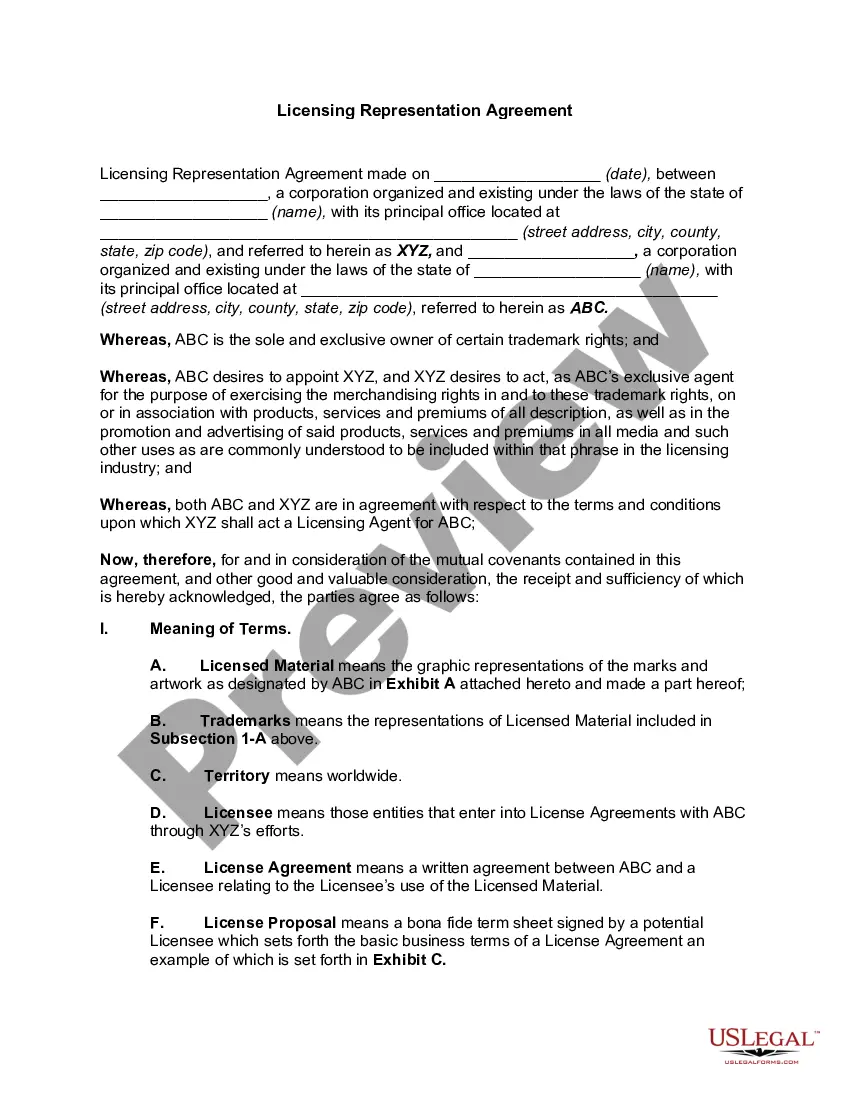
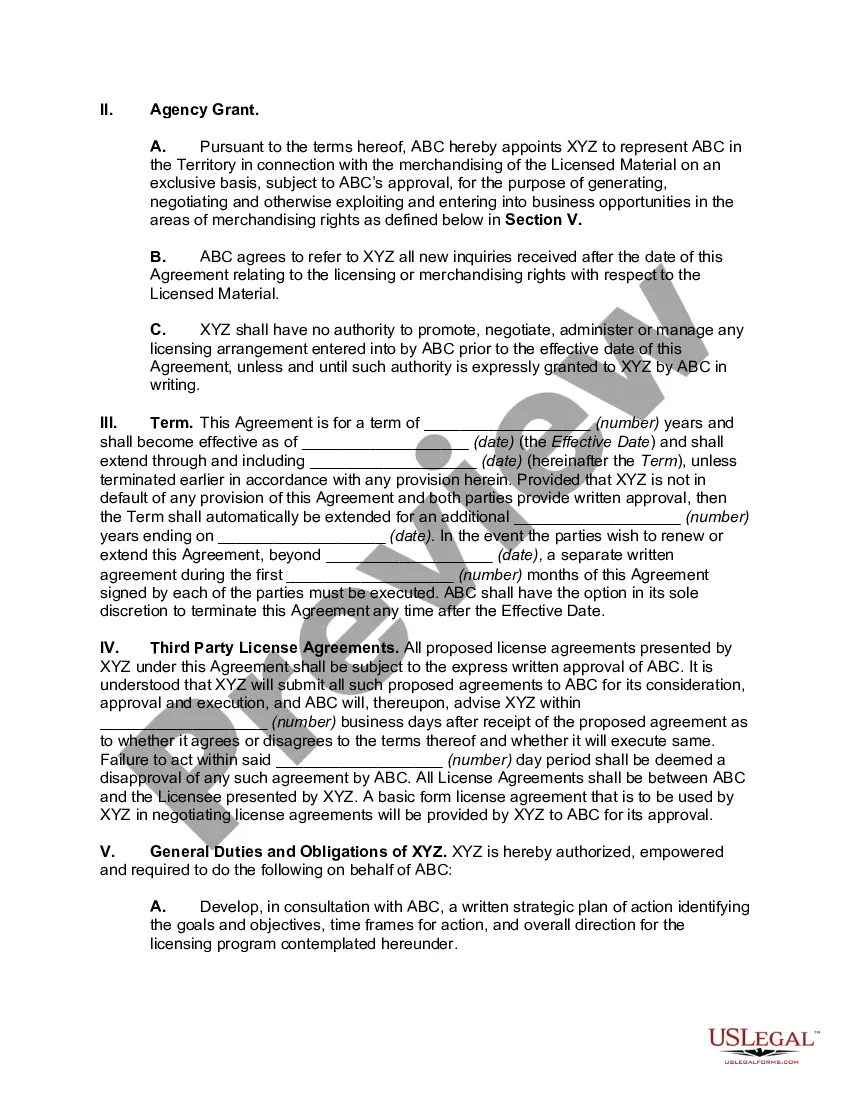
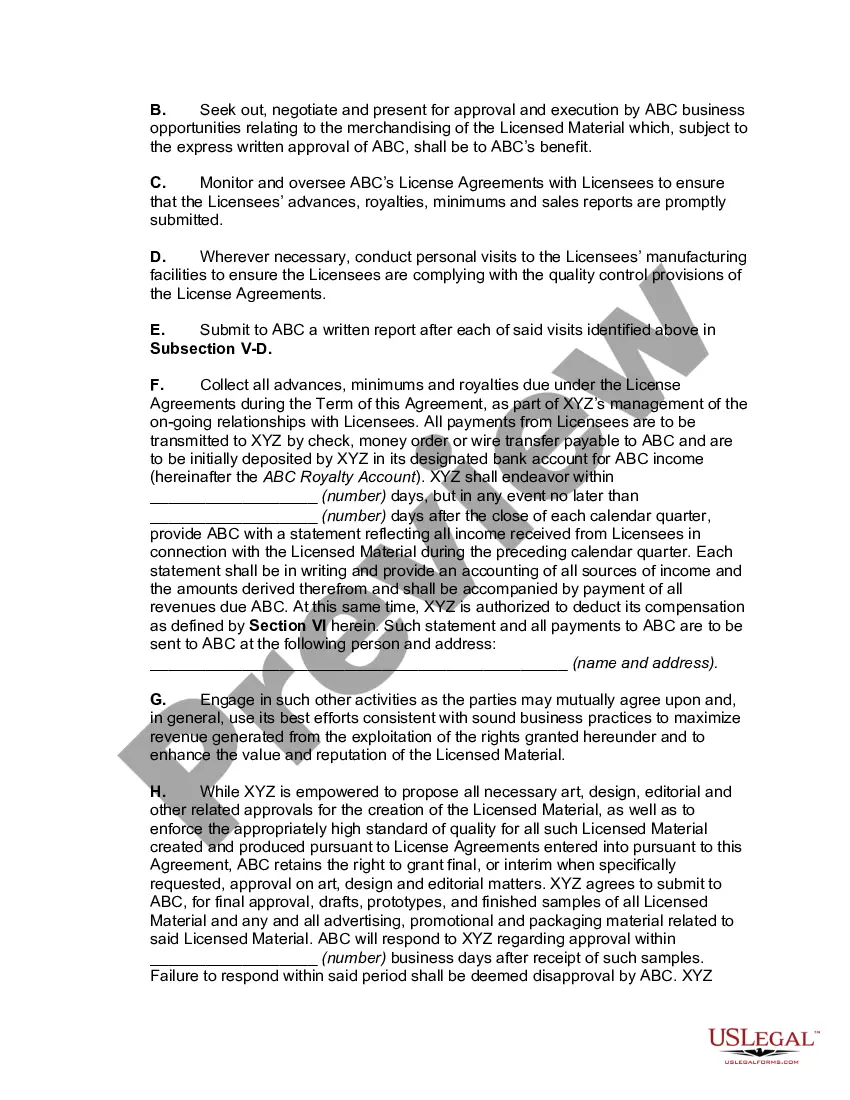
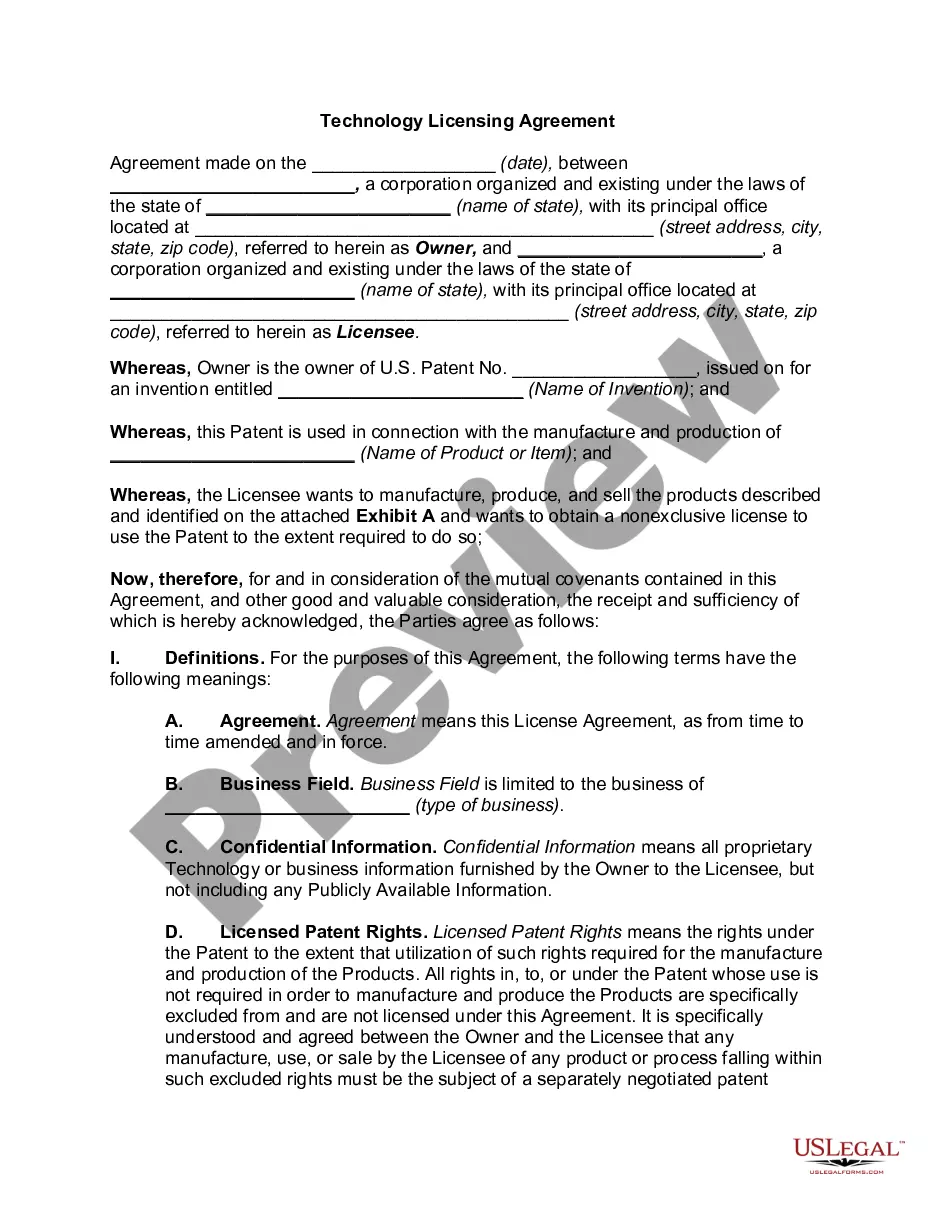
Vermont Licensing Representation Agreement
Description
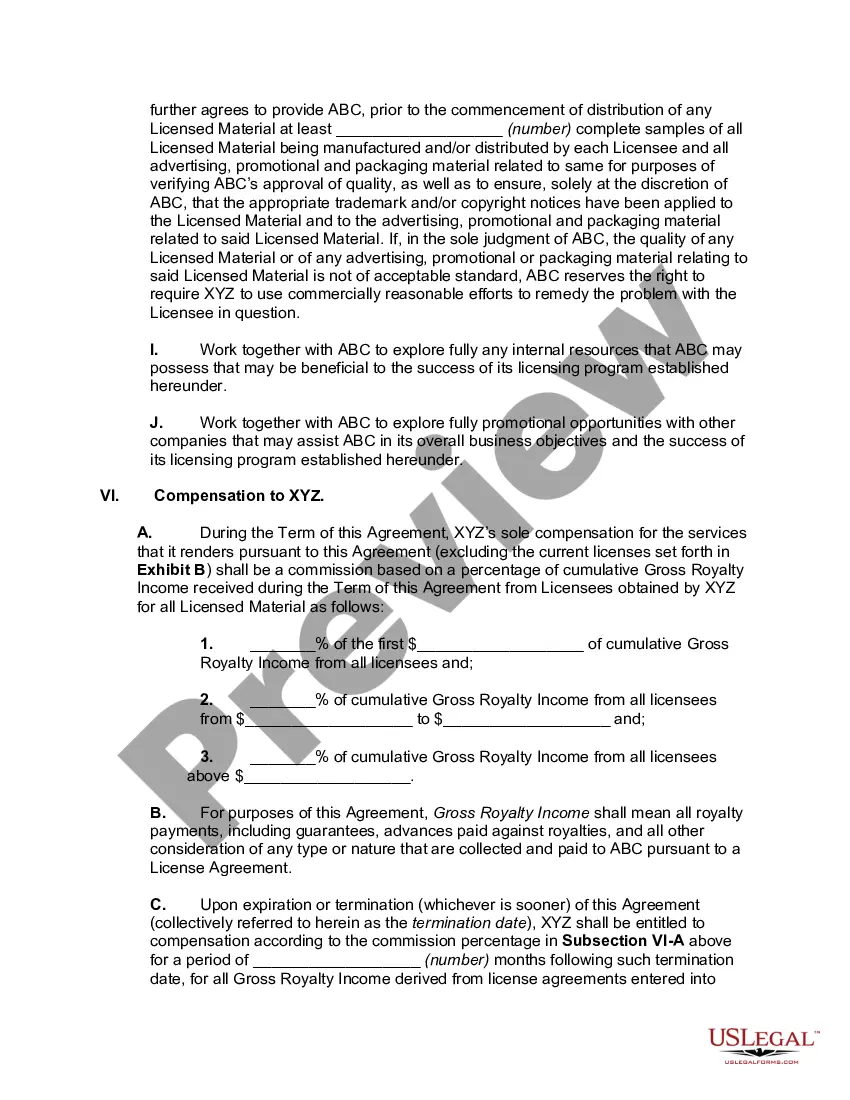
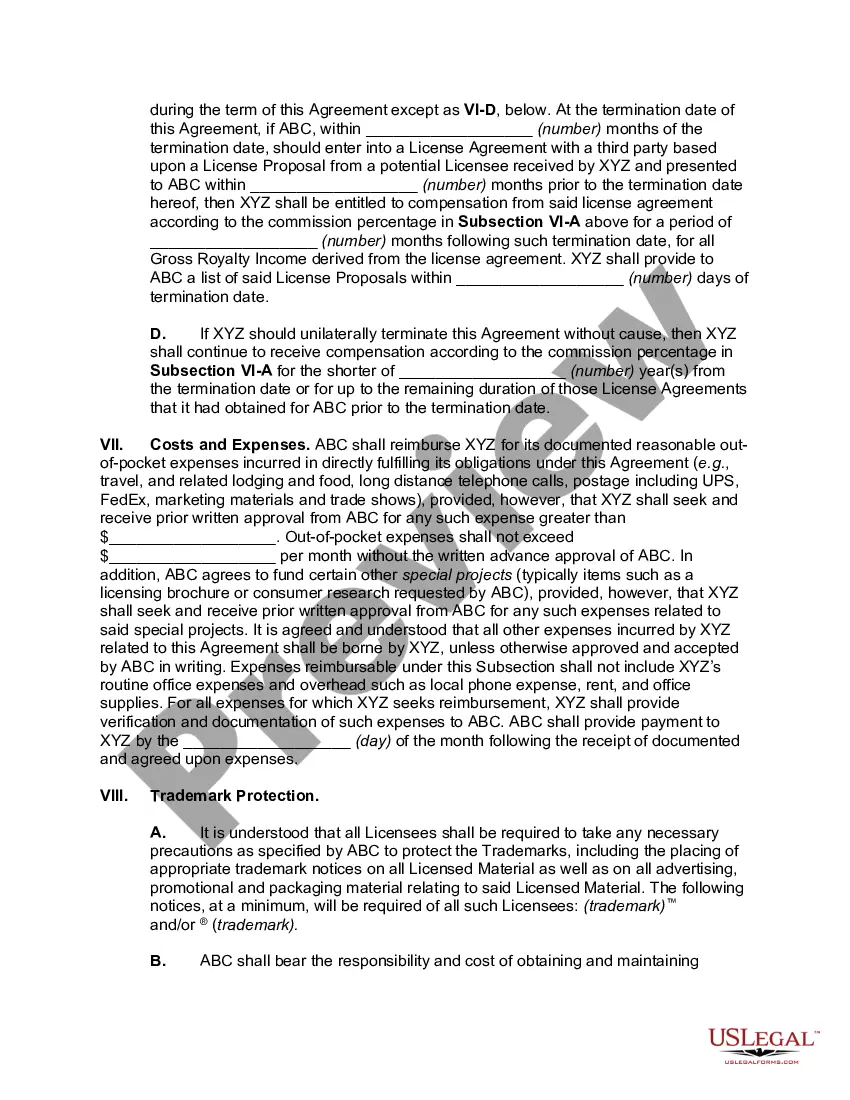
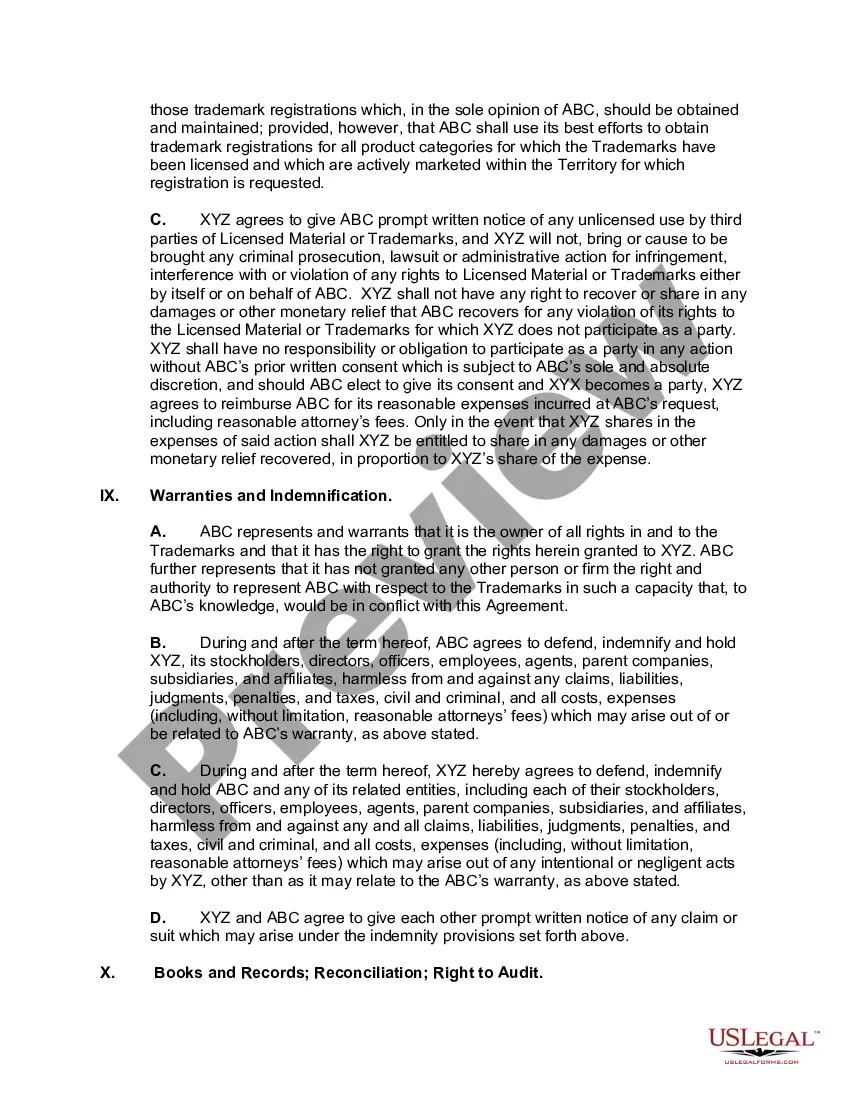
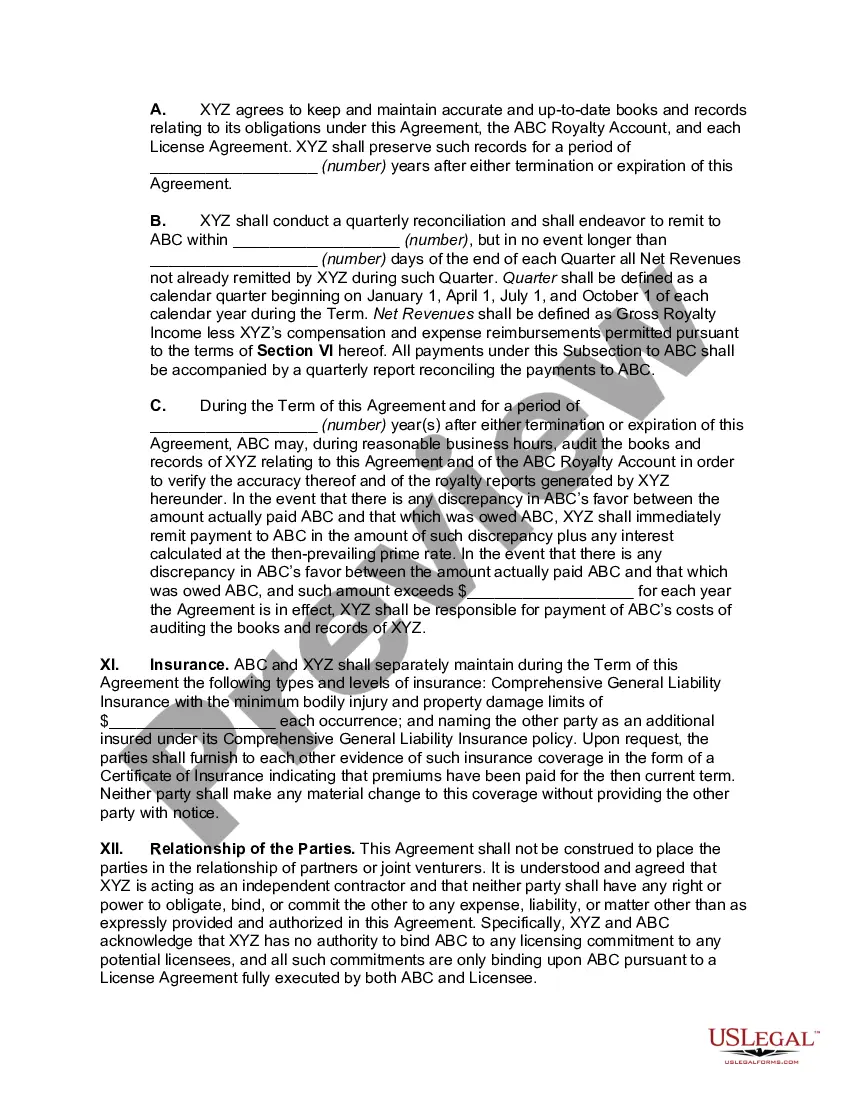
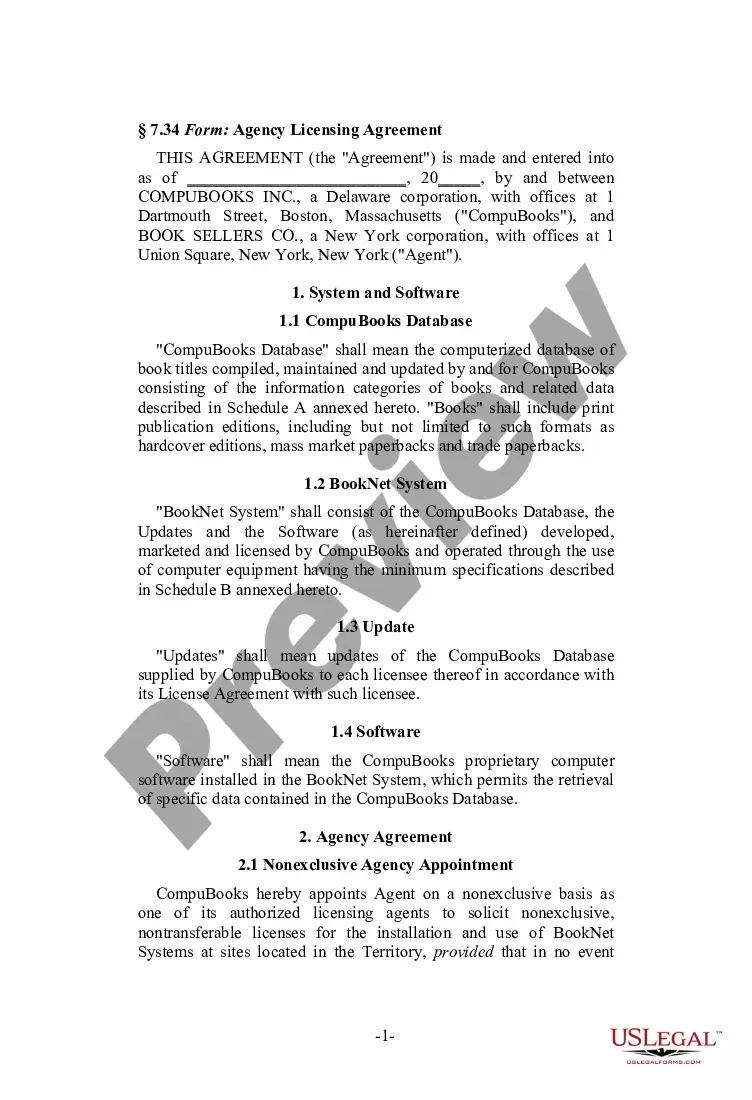
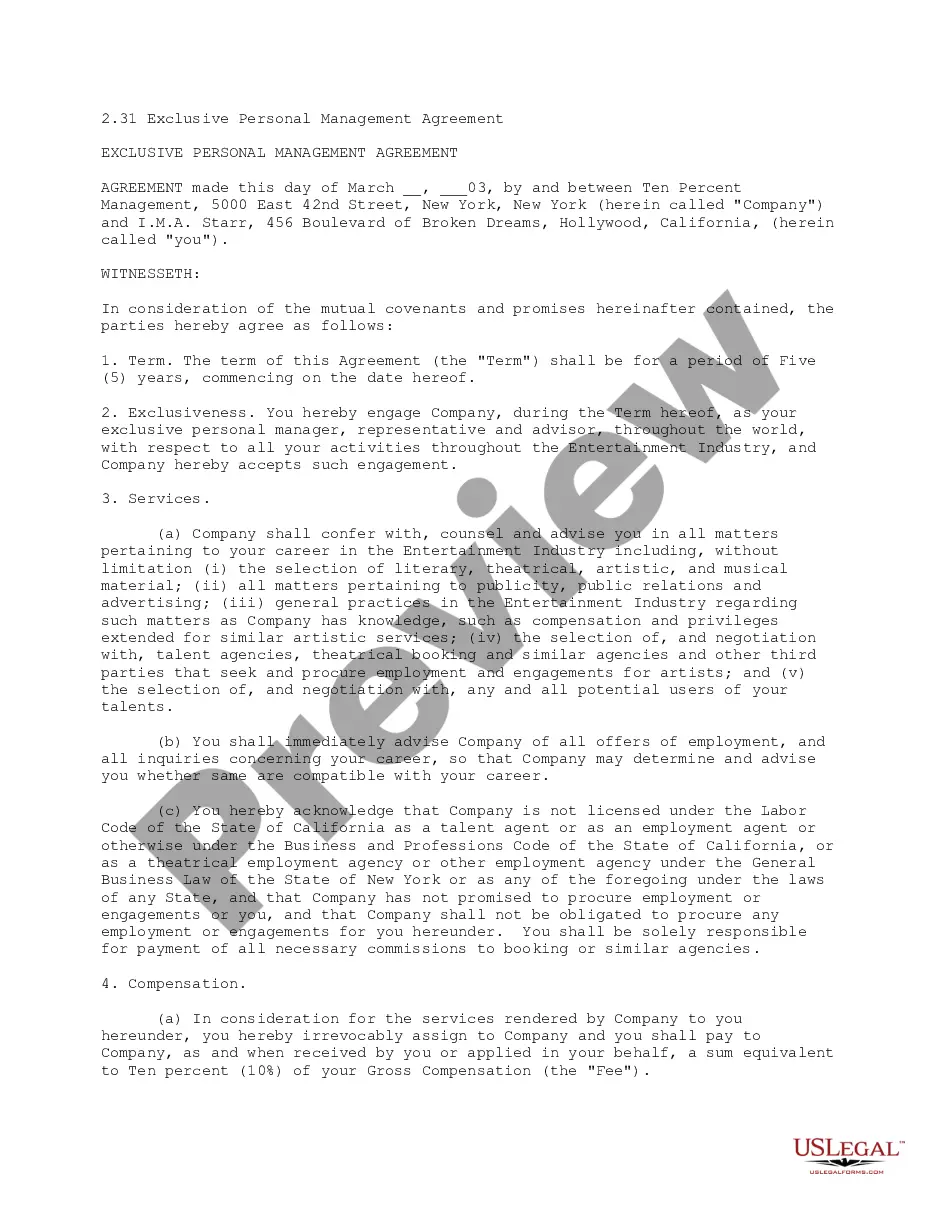
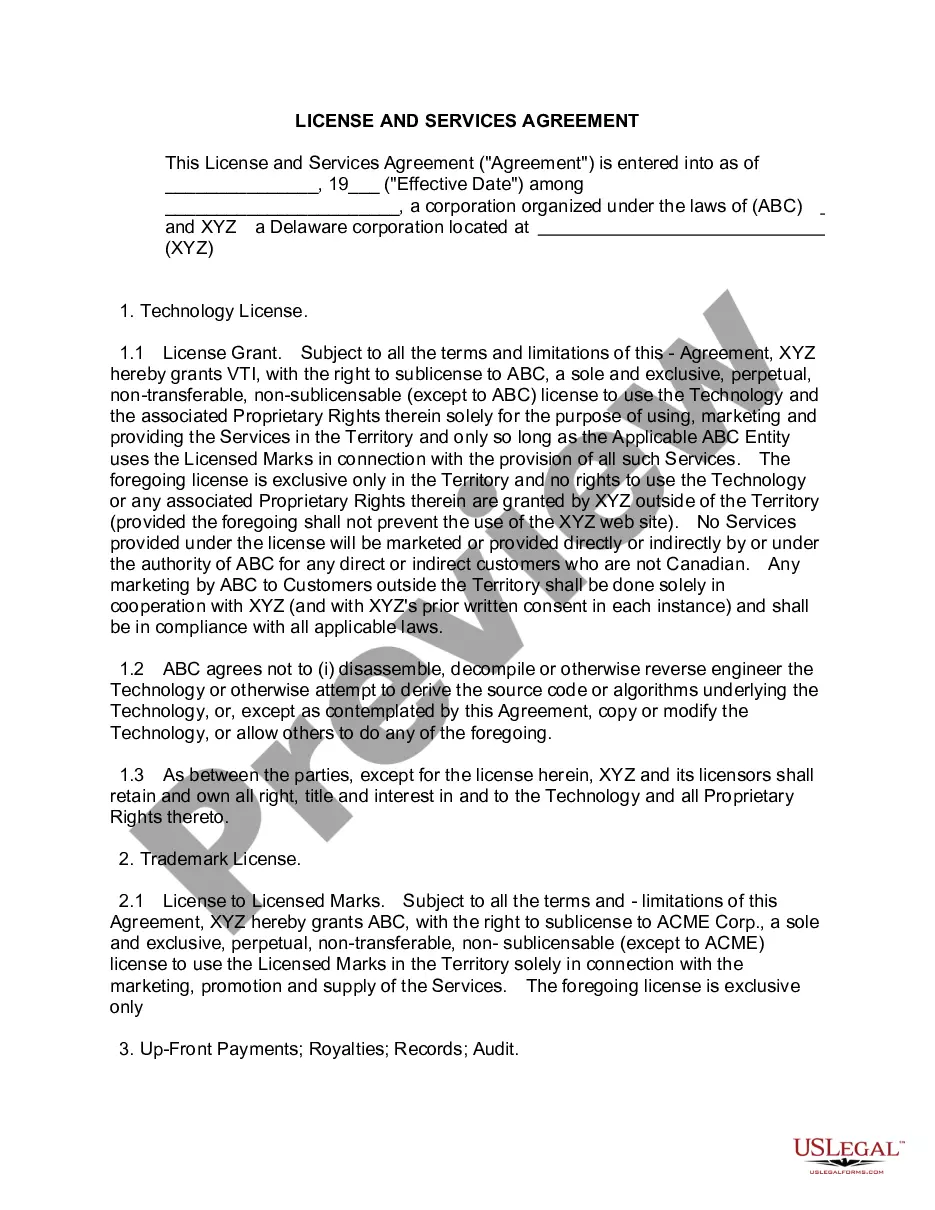
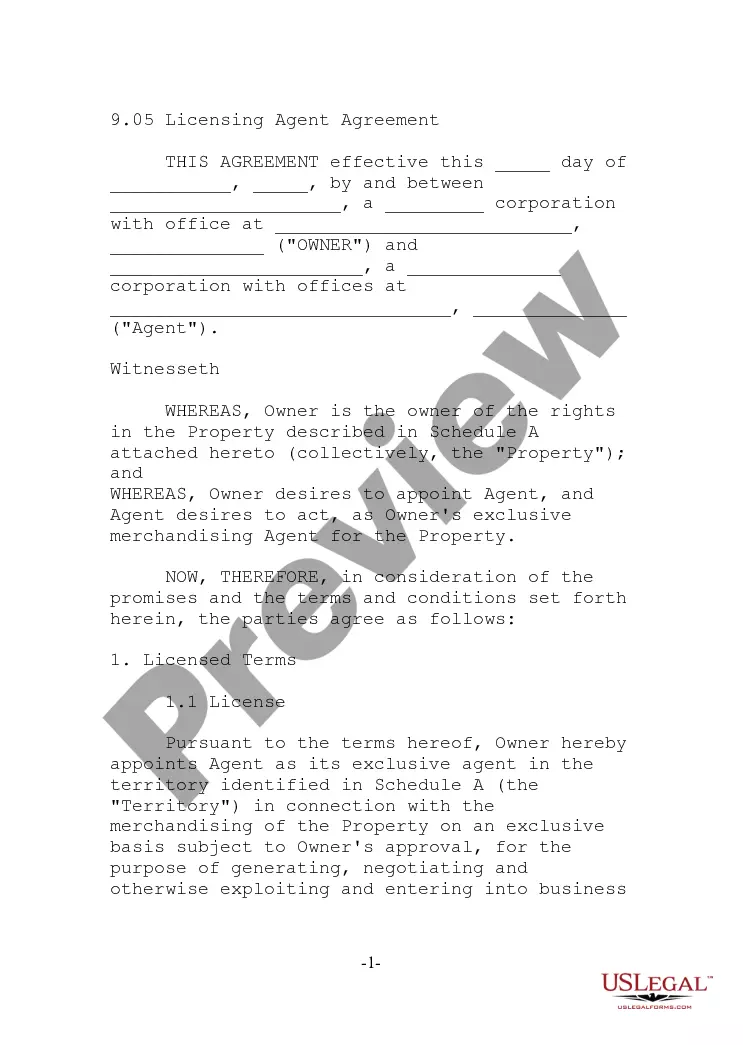
Get your form ready online
Our built-in tools help you complete, sign, share, and store your documents in one place.
Make edits, fill in missing information, and update formatting in US Legal Forms—just like you would in MS Word.
Download a copy, print it, send it by email, or mail it via USPS—whatever works best for your next step.
Sign and collect signatures with our SignNow integration. Send to multiple recipients, set reminders, and more. Go Premium to unlock E-Sign.
If this form requires notarization, complete it online through a secure video call—no need to meet a notary in person or wait for an appointment.
We protect your documents and personal data by following strict security and privacy standards.

Make edits, fill in missing information, and update formatting in US Legal Forms—just like you would in MS Word.

Download a copy, print it, send it by email, or mail it via USPS—whatever works best for your next step.

Sign and collect signatures with our SignNow integration. Send to multiple recipients, set reminders, and more. Go Premium to unlock E-Sign.

If this form requires notarization, complete it online through a secure video call—no need to meet a notary in person or wait for an appointment.

We protect your documents and personal data by following strict security and privacy standards.
Looking for another form?






How to fill out Licensing Representation Agreement?
Have you ever found yourself in a situation where you require documents for either business or personal reasons almost daily.
There is a multitude of legal document templates available online, but locating reliable versions can be challenging.
US Legal Forms offers an extensive selection of form templates, such as the Vermont Licensing Representation Agreement, designed to meet both state and federal requirements.
If you find the correct form, simply click Purchase now.
Select your desired pricing plan, fill in the required information to create your account, and place your order using your PayPal or credit card.
- If you are already familiar with the US Legal Forms website and have an account, simply Log In.
- Once logged in, you can download the Vermont Licensing Representation Agreement template.
- If you do not have an account and wish to start using US Legal Forms, follow these steps.
- Find the form you need and ensure it is for the correct city/region.
- Use the Preview button to view the form.
- Check the description to confirm you have selected the right document.
- If the form is not what you are looking for, use the Search field to find the form that meets your needs.
Form popularity
FAQ
Net listing is a prohibited practice.
Dual agency occurs when a buyer and seller let a single real estate agent (or two agents from the same brokerage) represent them in a transaction. Dual agency is illegal in eight states: Alaska, Colorado, Florida, Kansas, Maryland, Oklahoma, Texas and Vermont.
To protect your finances and ensure you are selling or buying at the best possible price, it is probably best to avoid dual agency. Buyers or sellers may be inclined to work with a dual agent because they want to obtain confidential information about the person buying or selling the home.
The federal government and individual states set disclosure requirements. The major disclosures required involve lead paint, asbestos, wetlands, and floodplain disclosures.
Dual agency occurs when a buyer and seller let a single real estate agent (or two agents from the same brokerage) represent them in a transaction. Dual agency is illegal in eight states: Alaska, Colorado, Florida, Kansas, Maryland, Oklahoma, Texas and Vermont.
How to Get Your Vermont Insurance LicenseComplete an Insurance Exam Prep Course.Pass Your Vermont Licensing Exam.Apply for a Vermont Insurance License.Plan to Complete Required Insurance Continuing Education (CE) Credits.
While Vermont does not have a comprehensive disclosure law as in most states, there are various regulations for you, as a home seller, to keep in mind; and you might decide to choose to fill out a disclosure form regardless.
There is no legal requirement to hire a real estate agent in the search for a home in Vermont. In fact, buyers have the right to refuse to be represented by an agent. While buyers are not required to hire an agent, many do to help with the process.
There is no explicit law requiring disclosure of death on a property in Vermont. There is, however, a clause that states that facts a licensee reasonably believes may directly impact the future use or value of the property.
In general, a disclosure document is supposed to provide details about a property's condition that might negatively affect its value. Sellers who willfully conceal information can be sued and potentially convicted of a crime. Selling a property "As Is" will usually not exempt a seller from disclosures.