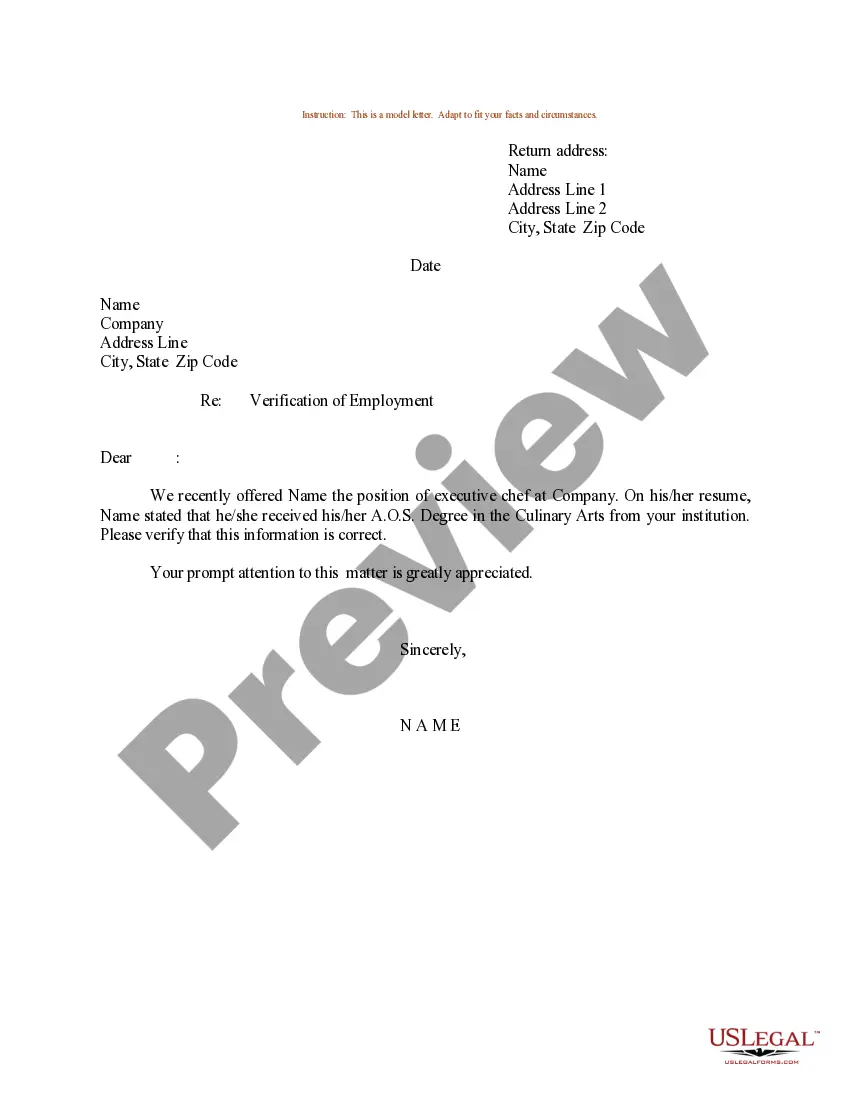
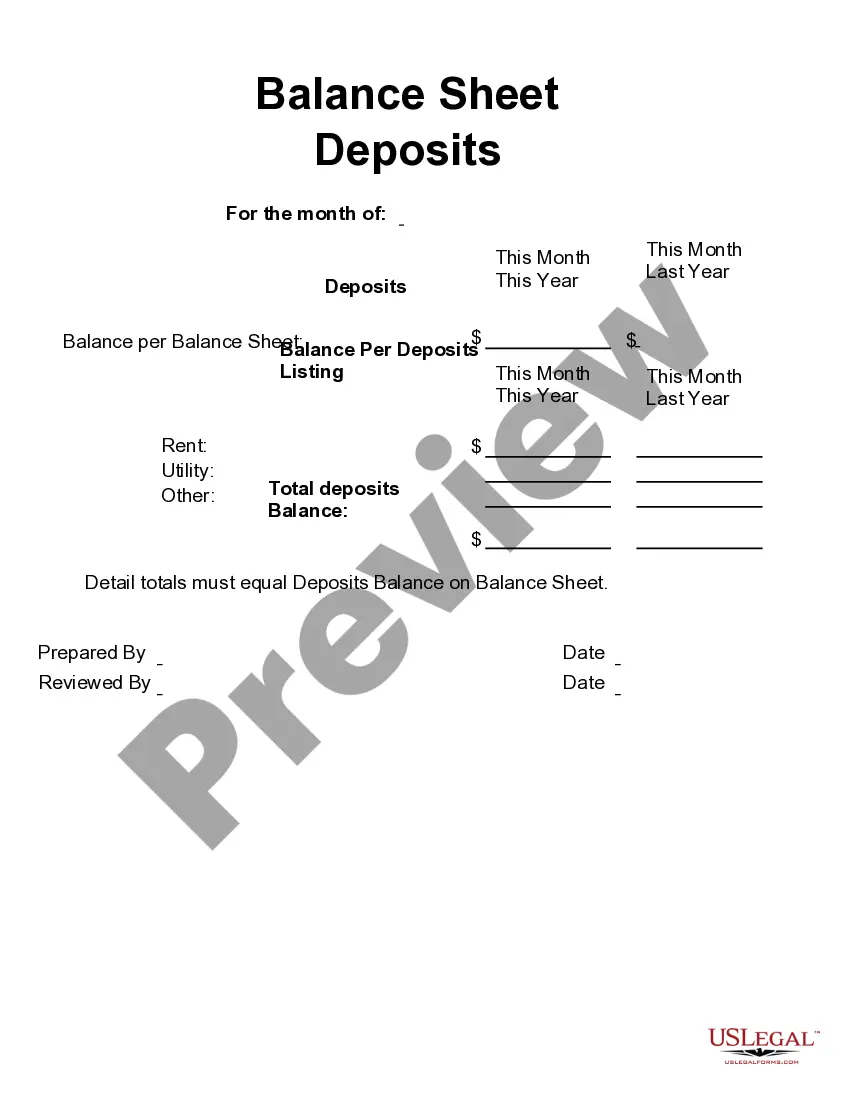
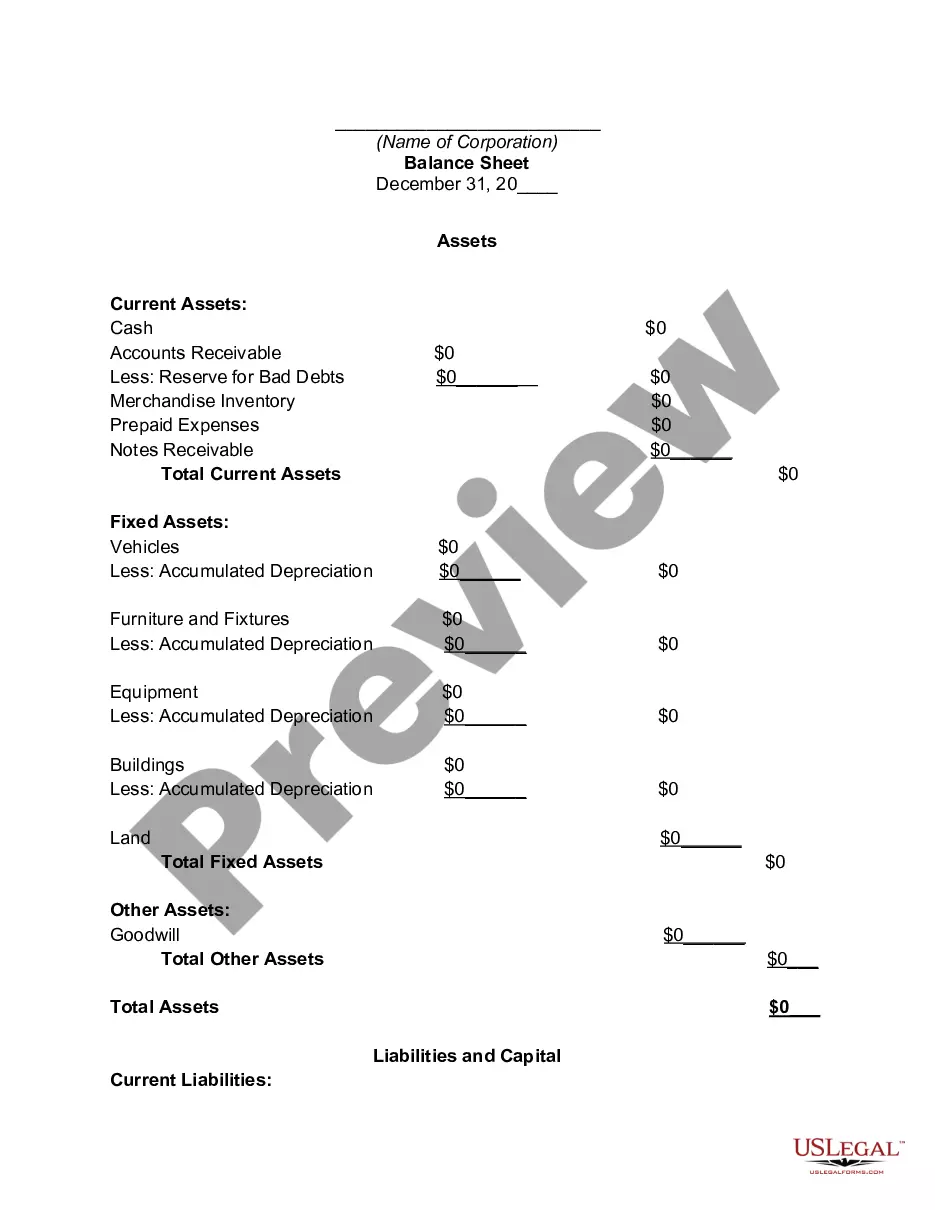
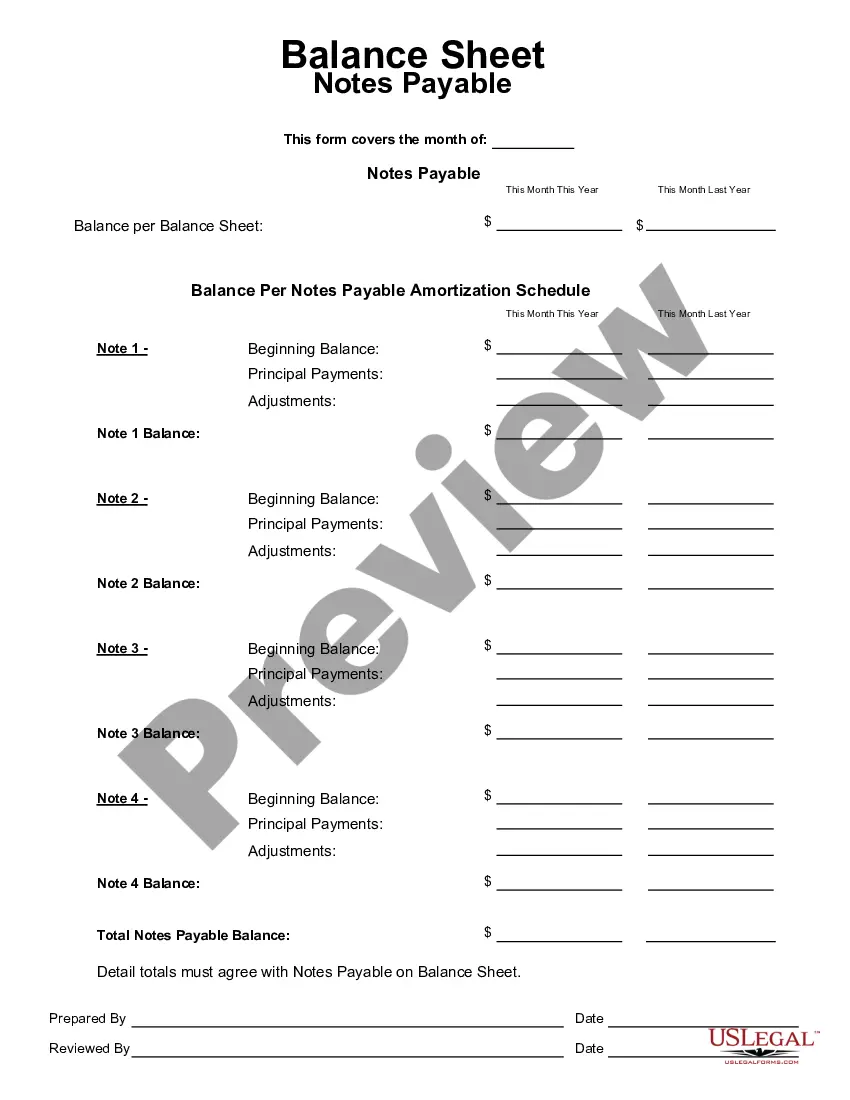
This form is a business type form that is formatted to allow you to complete the form using Adobe Acrobat or Word. The word files have been formatted to allow completion by entry into fields. Some of the forms under this category are rather simple while others are more complex. The formatting is worth the small cost.
Vermont Balance Sheet Deposits
Category:
State:
Multi-State
Control #:
US-122-AZ
Format:
Word;
PDF;
Rich Text
Instant download
Description
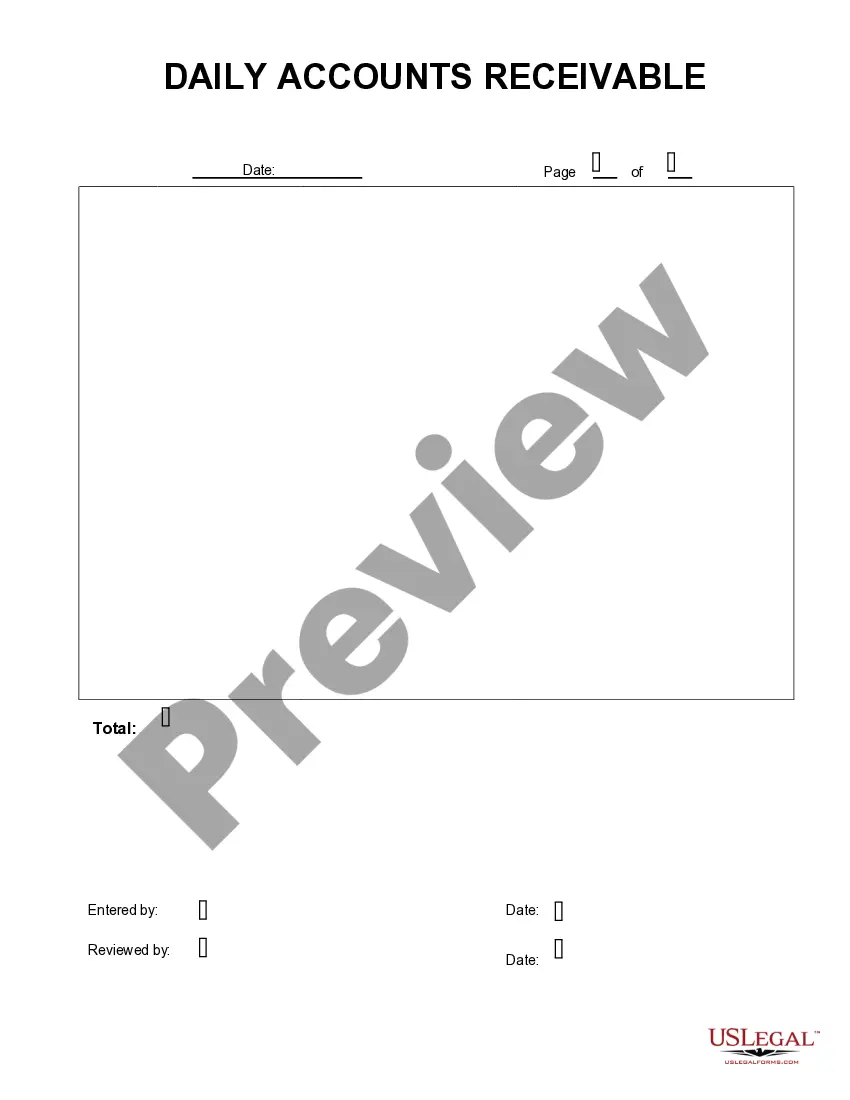
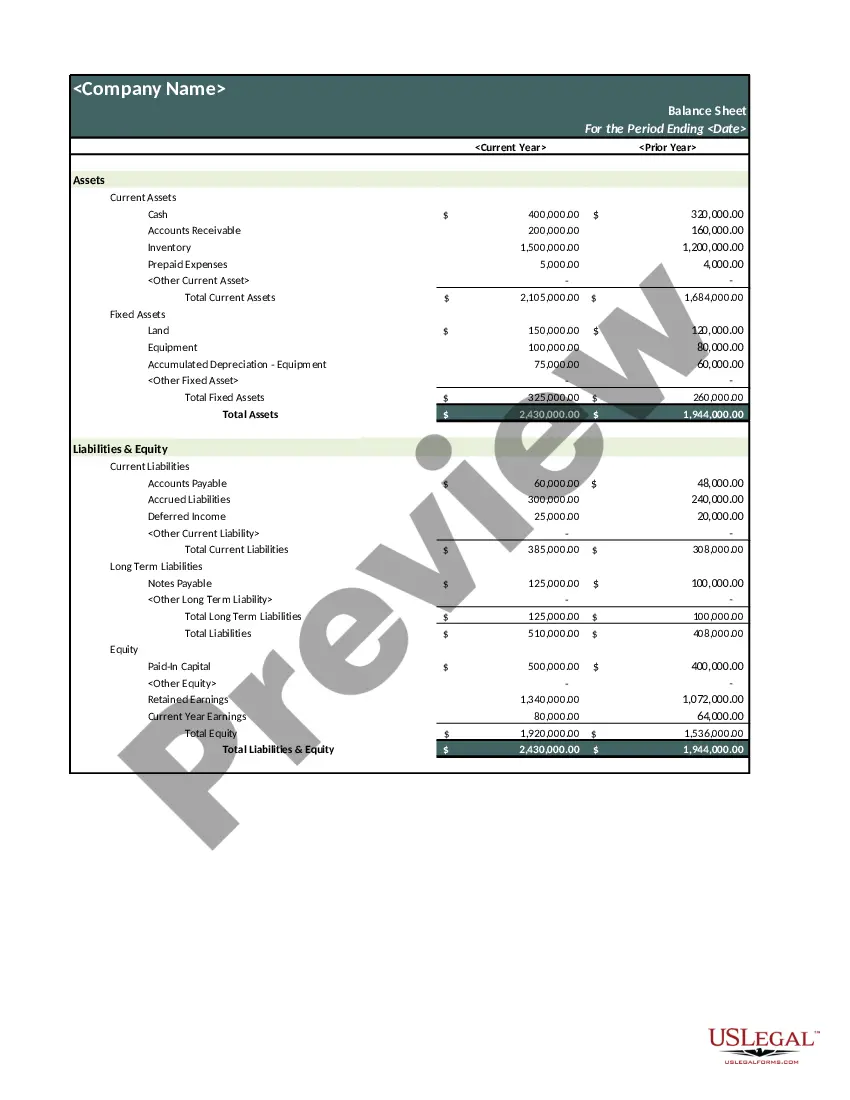
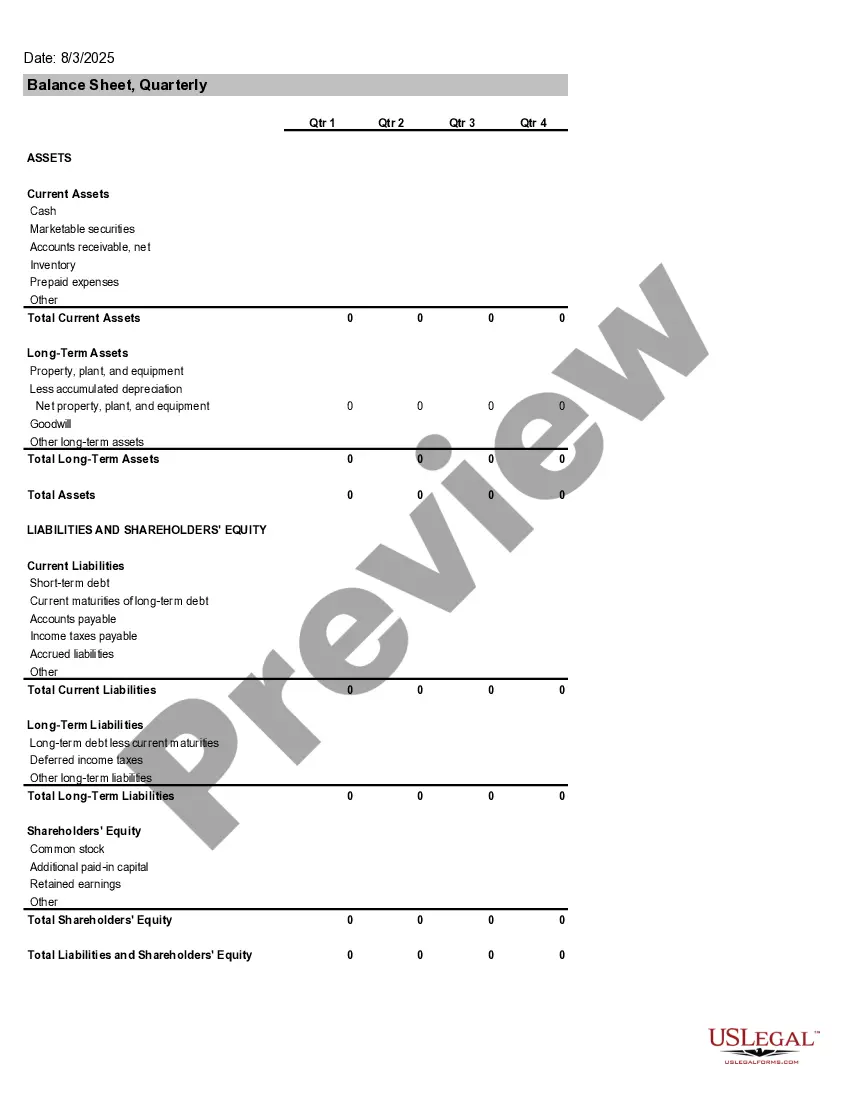
Get your form ready online
Our built-in tools help you complete, sign, share, and store your documents in one place.
Built-in online Word editor
Make edits, fill in missing information, and update formatting in US Legal Forms—just like you would in MS Word.
Export easily
Download a copy, print it, send it by email, or mail it via USPS—whatever works best for your next step.
E-sign your document
Sign and collect signatures with our SignNow integration. Send to multiple recipients, set reminders, and more. Go Premium to unlock E-Sign.
Notarize online 24/7
If this form requires notarization, complete it online through a secure video call—no need to meet a notary in person or wait for an appointment.
Store your document securely
We protect your documents and personal data by following strict security and privacy standards.

Make edits, fill in missing information, and update formatting in US Legal Forms—just like you would in MS Word.

Download a copy, print it, send it by email, or mail it via USPS—whatever works best for your next step.

Sign and collect signatures with our SignNow integration. Send to multiple recipients, set reminders, and more. Go Premium to unlock E-Sign.

If this form requires notarization, complete it online through a secure video call—no need to meet a notary in person or wait for an appointment.

We protect your documents and personal data by following strict security and privacy standards.
Looking for another form?




How to fill out Balance Sheet Deposits?
Are you in a situation where you frequently require documentation for either corporate or personal activities.
There are numerous legal document templates accessible online, but locating reliable ones can be challenging.
US Legal Forms offers thousands of form templates, such as the Vermont Balance Sheet Deposits, designed to comply with state and federal regulations.
Choose the pricing plan you want, fill in the required information to create your account, and pay for your order using PayPal or a credit card.
Select a convenient file format and download your version.
- If you are already familiar with the US Legal Forms site and have an account, simply Log In.
- Then, you can download the Vermont Balance Sheet Deposits template.
- If you do not have an account and wish to start using US Legal Forms, follow these steps.
- Obtain the form you need and ensure it is for the correct city/region.
- Utilize the Preview feature to review the form.
- Read the description to confirm you have chosen the correct form.
- If the form does not match your requirements, use the Search area to find the form that meets your needs.
- Once you find the right form, click on Buy now.
Form popularity
FAQ
In the context of the bank's balance sheet, deposits are classified as liabilities. This classification represents the bank's obligation to safeguard and return funds to depositors. However, from a depositor's perspective, these deposits are considered assets. Grasping the dual nature of Vermont Balance Sheet Deposits is essential for both bankers and customers alike. Legal resources on the US Legal Forms platform can help clarify these concepts further.
The three crucial elements in all financial analyses include:Liquidity: ability to meet the obligations of liquid funds.Solvency: credit quality and adequacy of the bank's own resources (indebtedness).Profitability: ability to generate income/profit from allocated capital.
Deposits as Liabilities When a company collects a security deposit from a customer, the amount appears on its balance sheet as a liability.
The volume of business of a bank is included in its balance sheet for both assets (lending) and liabilities (customer deposits or other financial instruments)....DefaultNon-performing loans / Customer loans.Non-performing loans / (Customer loans + collaterals)Provisions / Average total assets.
Deposits is a current liability account in the general ledger, in which is stored the amount of funds paid by customers in advance of a product or service delivery.
A customer deposit is usually classified as a current liability, since the company typically provides services or goods within one year of the deposit being made. If the deposit is for a longer-term project that will not be resolved within one year, it could instead be classified as a long-term liability.
Cash and cash equivalents under the current assets section of a balance sheet represent the amount of money the company has in the bank, whether in the form of cash, savings bonds, certificates of deposit, or money invested in money market funds. It tells you how much money is available to the business immediately.
A fixed deposit may be a current or non-current asset for accounting purposes. Fixed deposits invested in banks for less than one year are current assets. Fixed deposits invested in banks for longer than one year are non-current assets. A current asset is any asset that will provide an economic benefit within one year.
What are the principal accounts that appear on a bank's balance sheet (Report of Condition)? The principal asset items on a bank's Report of Condition are loans, investments in marketable securities, cash, and miscellaneous assets.
Calling a Toll-Free NumberCall 1800-270-3333 to check your account Balance.Dial 1800 1800-270-3355 to check your Mini statement.You can call 1800-270-3377 to get Account Statement.You can call 1800-270-3344 for mobile banking.