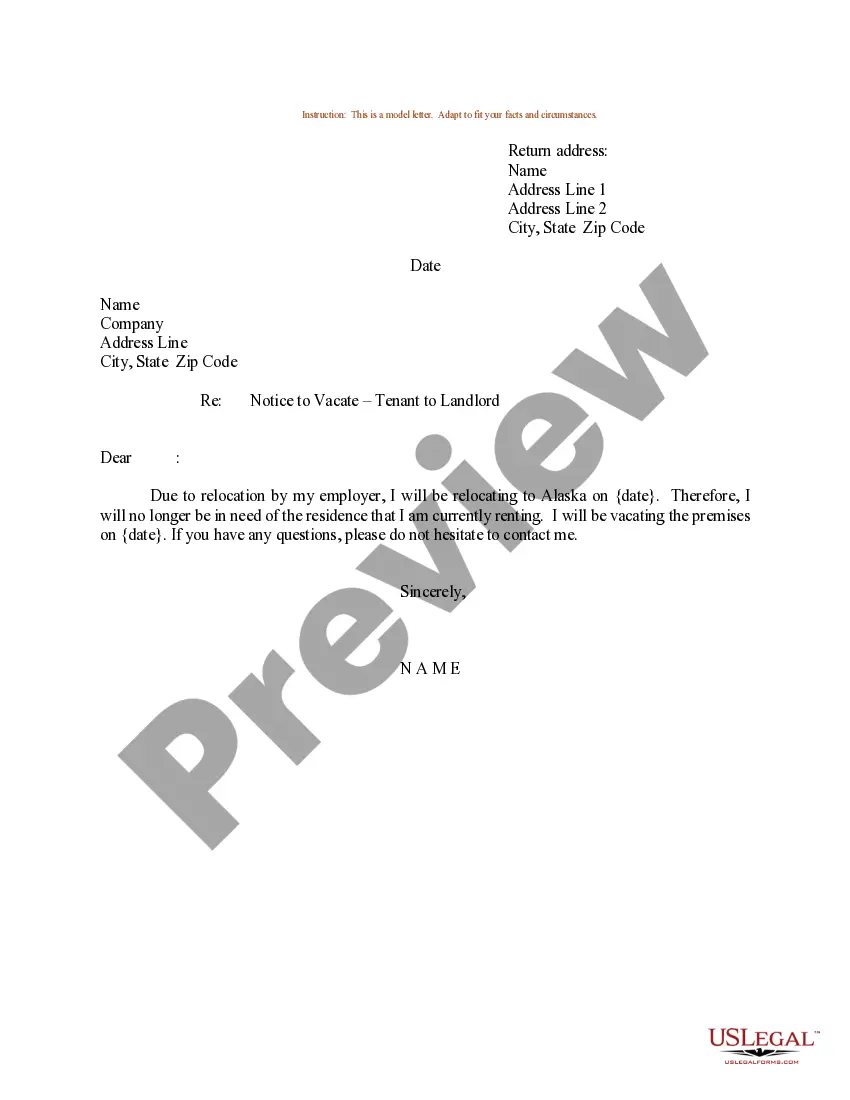
Vermont Notice to Vacate for Holding Over
Description
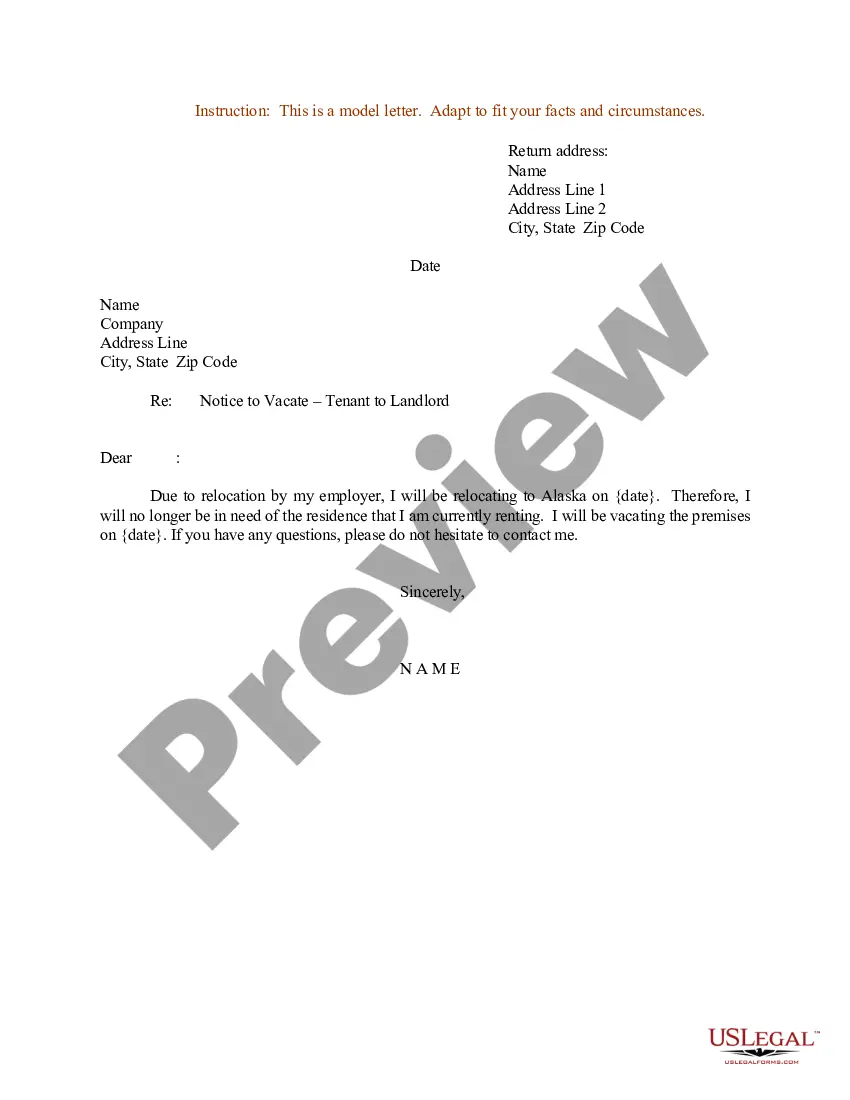
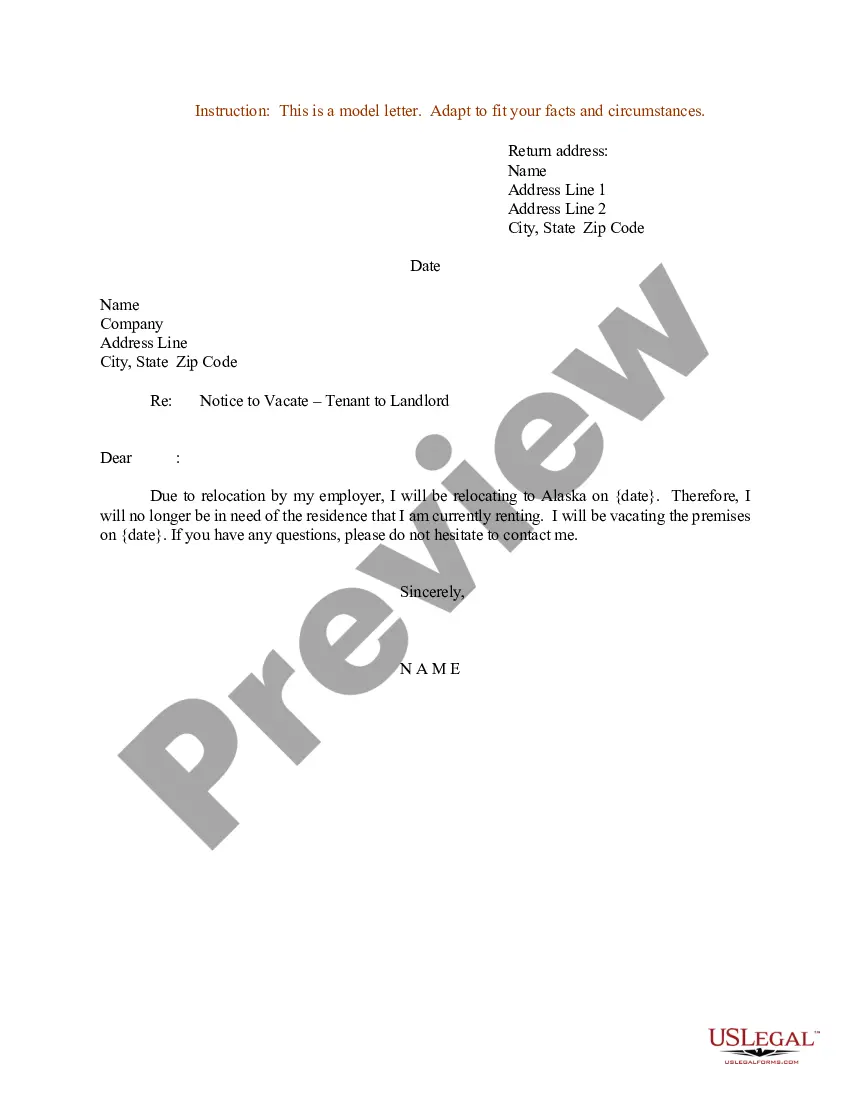
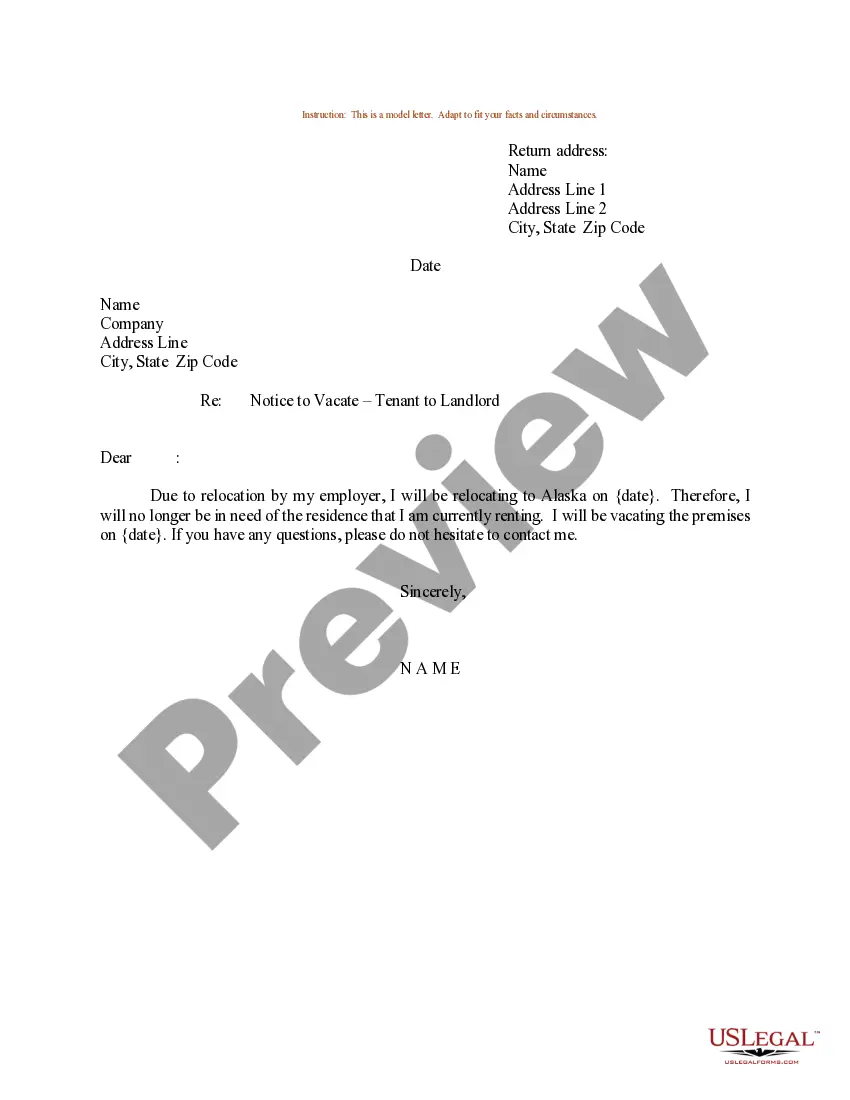
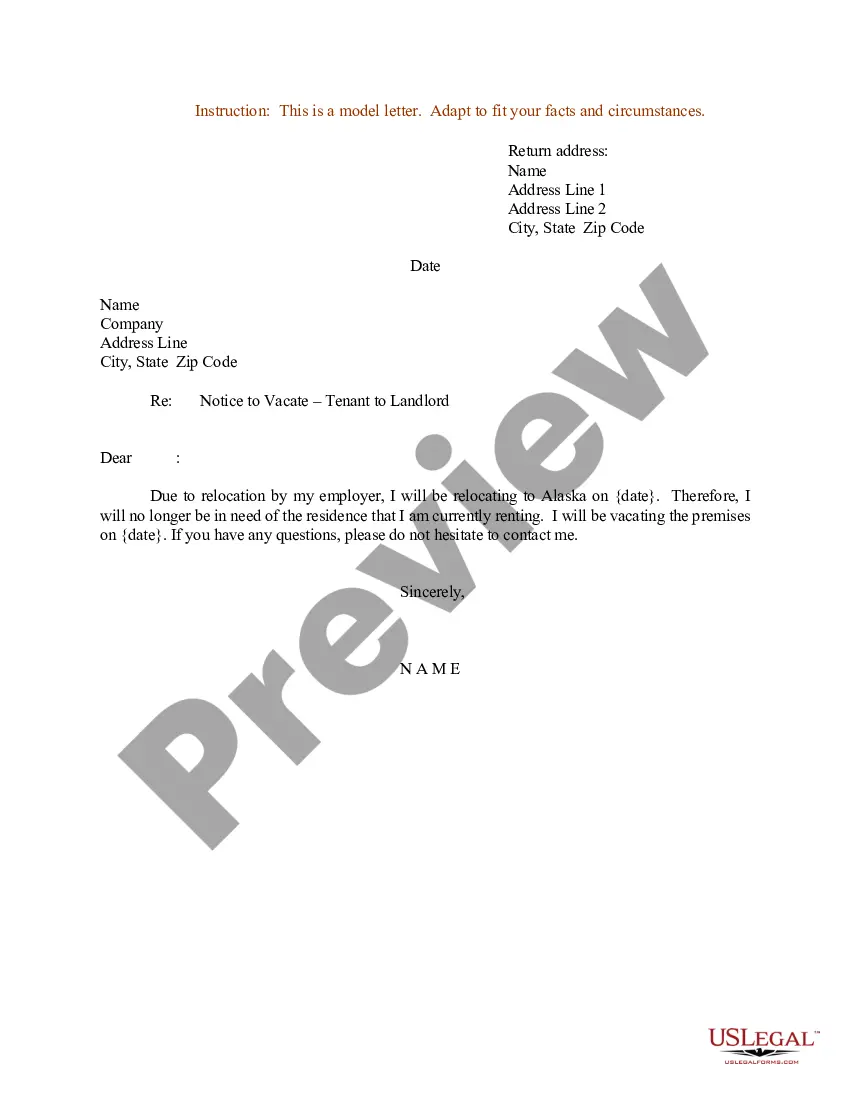
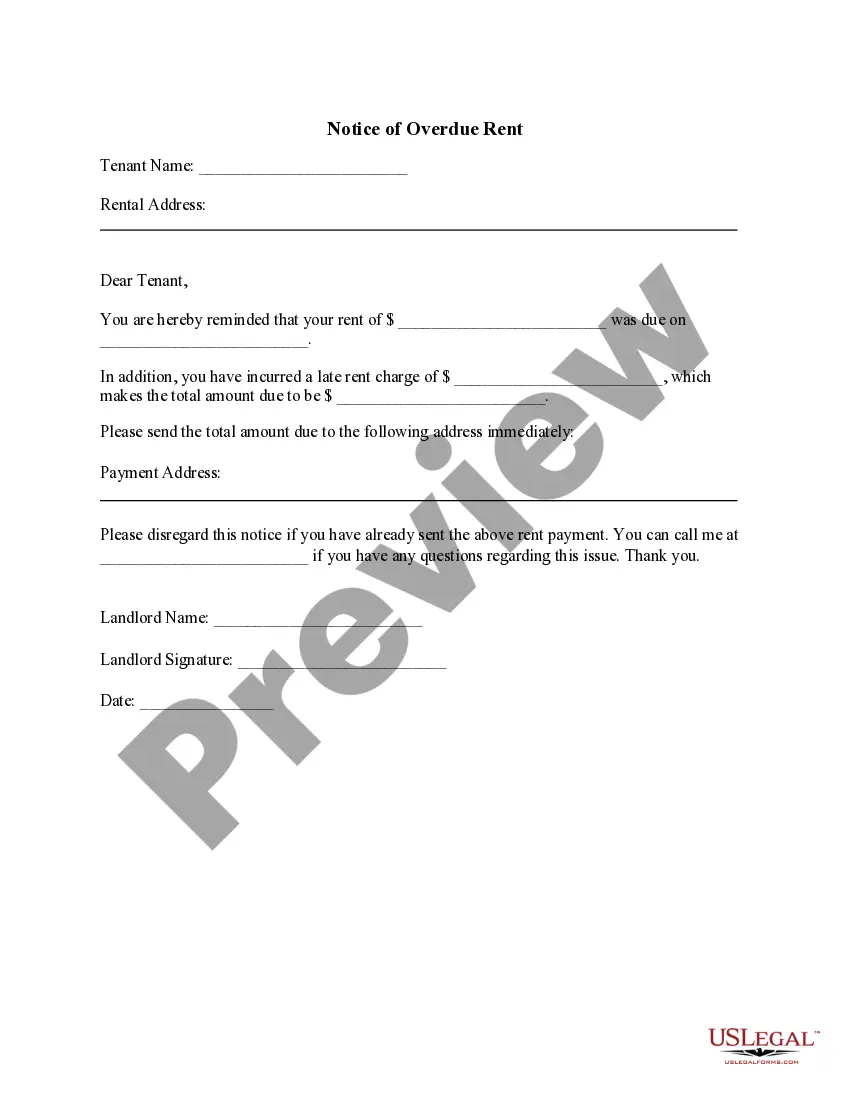
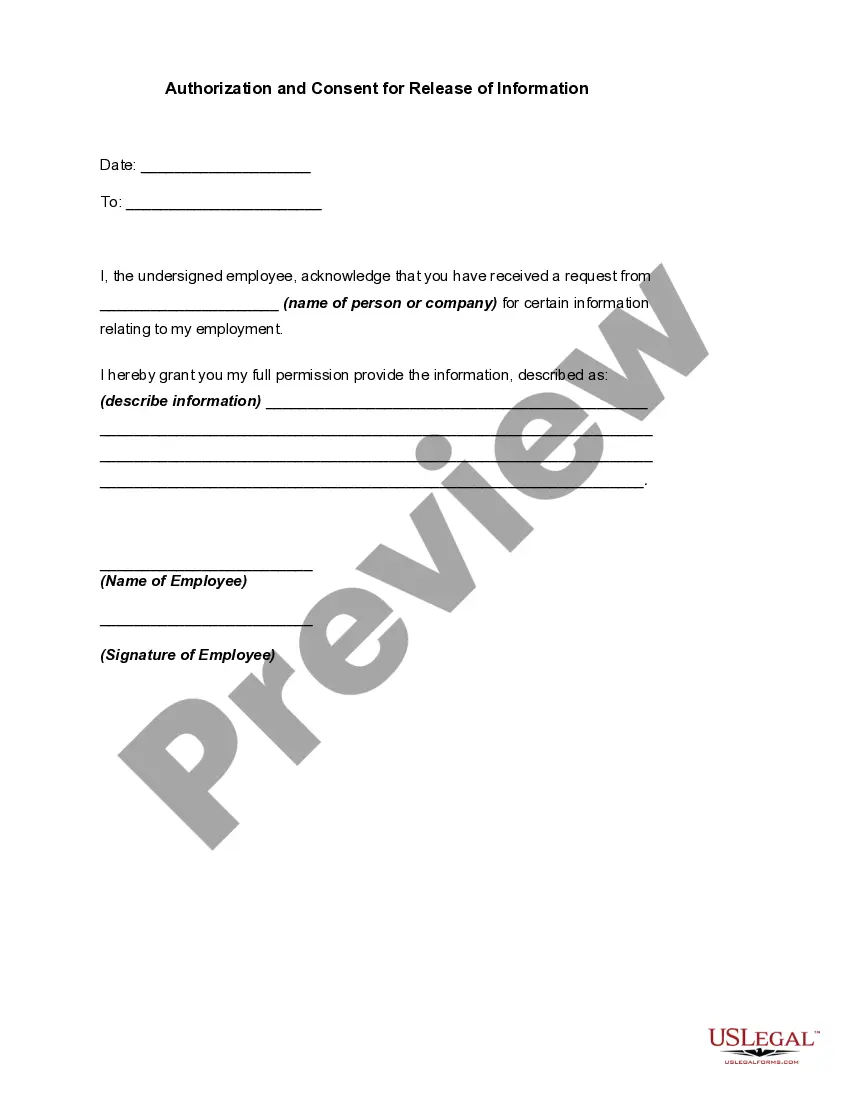
How to fill out Notice To Vacate For Holding Over?
Are you presently within a position that requires documents for various organizational or personal purposes nearly every day.
There are numerous reliable file templates available online, but finding ones you can trust is challenging.
US Legal Forms offers a wide array of form templates, such as the Vermont Notice to Vacate for Holding Over, that are designed to comply with state and federal requirements.
If you locate the proper form, click Buy now.
Choose the pricing plan you prefer, enter the required information to create your account, and pay for the transaction using your PayPal or Visa or Mastercard.
- If you are already aware of the US Legal Forms website and possess an account, simply Log In.
- Then, you can download the Vermont Notice to Vacate for Holding Over template.
- If you do not have an account and want to start using US Legal Forms, follow these steps.
- Select the form you need and ensure it is suitable for your specific city/county.
- Use the Preview button to review the form.
- Check the details to make sure you have chosen the correct form.
- If the form is not what you are seeking, use the Search section to find the form that fits your needs.
Form popularity
FAQ
Legally, a holdover refers to a situation where a tenant remains in possession of a rental property after the lease term has expired. This occurs without the landlord's consent or without entering into a new lease agreement. A Vermont Notice to Vacate for Holding Over is typically required to begin the eviction process. Understanding this definition is essential for both landlords and tenants to manage their rights and responsibilities effectively.
Holdover tenants retain certain rights even after their lease has expired. They may be entitled to a formal notice, such as a Vermont Notice to Vacate for Holding Over, before a landlord can initiate eviction proceedings. Additionally, they can challenge the eviction in court, which may delay the process. It is crucial for landlords to navigate these rights carefully to maintain compliance with the law.
The timeline for evicting a holdover tenant can vary significantly based on the local laws and the specifics of the case. Generally, after serving a Vermont Notice to Vacate for Holding Over, landlords may face a waiting period before they can file for eviction in court. This process can range from a few weeks to several months, depending on court schedules and tenant responsiveness. Being informed about the expected timeline can help landlords plan accordingly.
A tenant holding over case refers to a situation where a tenant continues to occupy a rental unit after their lease has expired. In this context, landlords may be required to serve a Vermont Notice to Vacate for Holding Over to formalize the eviction process. This notice informs the tenant that they must vacate the property or face legal action. Understanding this process is vital for landlords to enforce their rights and ensure a smooth transition.
Email can be considered a written notice to vacate, but this largely depends on local laws and lease agreements. For the notice to be legally valid, it’s advisable to check whether email notifications meet jurisdictional standards outlined in the Vermont Notice to Vacate for Holding Over. Always ensure that there is a clear record of the communication for future reference.
A notice to vacate is a formal request for a tenant to leave a property, while an eviction letter often follows if the tenant fails to comply. The notice to vacate generally informs tenants of their required actions under the Vermont Notice to Vacate for Holding Over, whereas an eviction letter may initiate legal proceedings. Understanding this difference can aid both landlords and tenants in navigating their rights.
An eviction hold off form is a document that a landlord and tenant use to temporarily suspend an eviction process. It details the agreed-upon terms under which the eviction will be delayed, often allowing tenants time to address outstanding issues. Familiarizing yourself with the Vermont Notice to Vacate for Holding Over can provide insights on how this form operates within legal frameworks.
A hold over eviction can take several weeks to months, depending on the complexity of the case and the tenant's response. The timeline may be affected by local regulations and the specific circumstances involved. To gain a clearer understanding, reviewing guidelines such as those provided by the Vermont Notice to Vacate for Holding Over is beneficial.
Yes, you can write your own notice to vacate, provided you follow the legal requirements. Utilizing resources like the Vermont Notice to Vacate for Holding Over can help you ensure that your notice contains all necessary information. Making sure it meets local legal standards will help streamline the process and avoid complications.
An eviction holdoff agreement is a temporary solution that allows tenants to stay in the property while they work on resolving their housing issue. This agreement typically outlines specific terms and conditions under which the eviction process is paused. It's recommended to refer to the Vermont Notice to Vacate for Holding Over for guidance on how such agreements work and the legal implications involved.