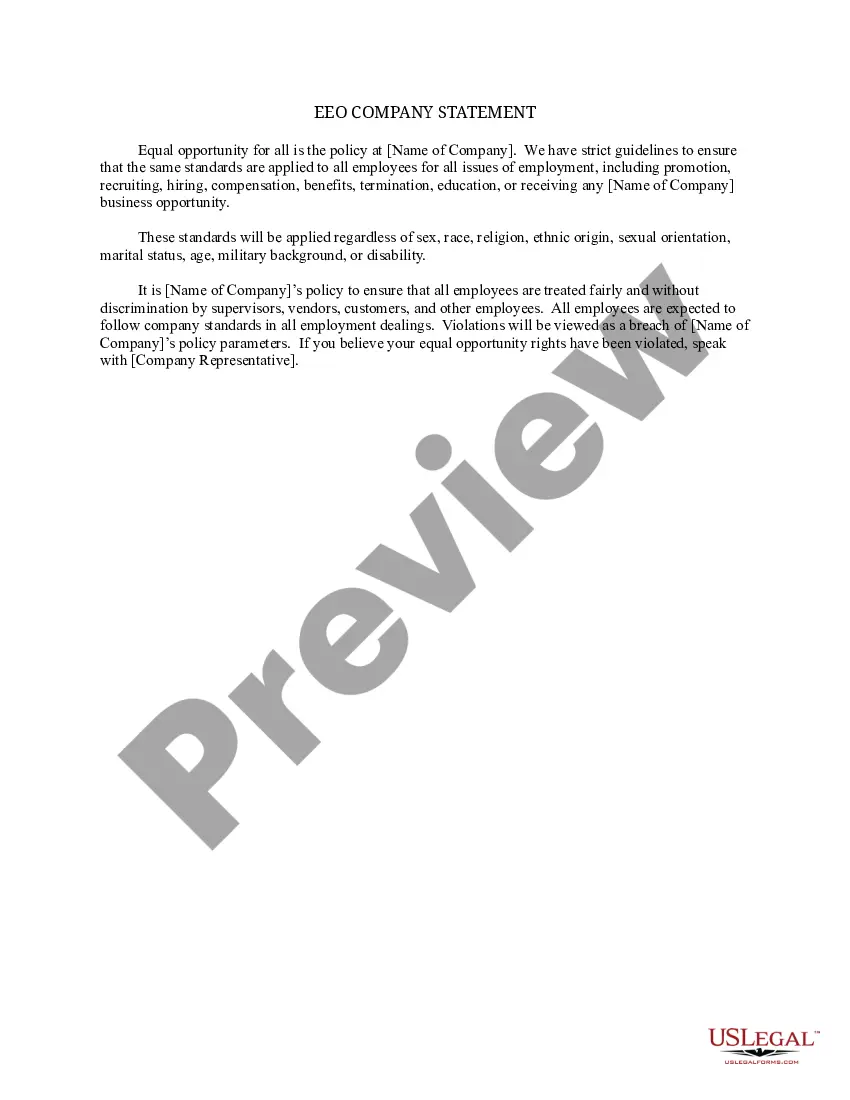
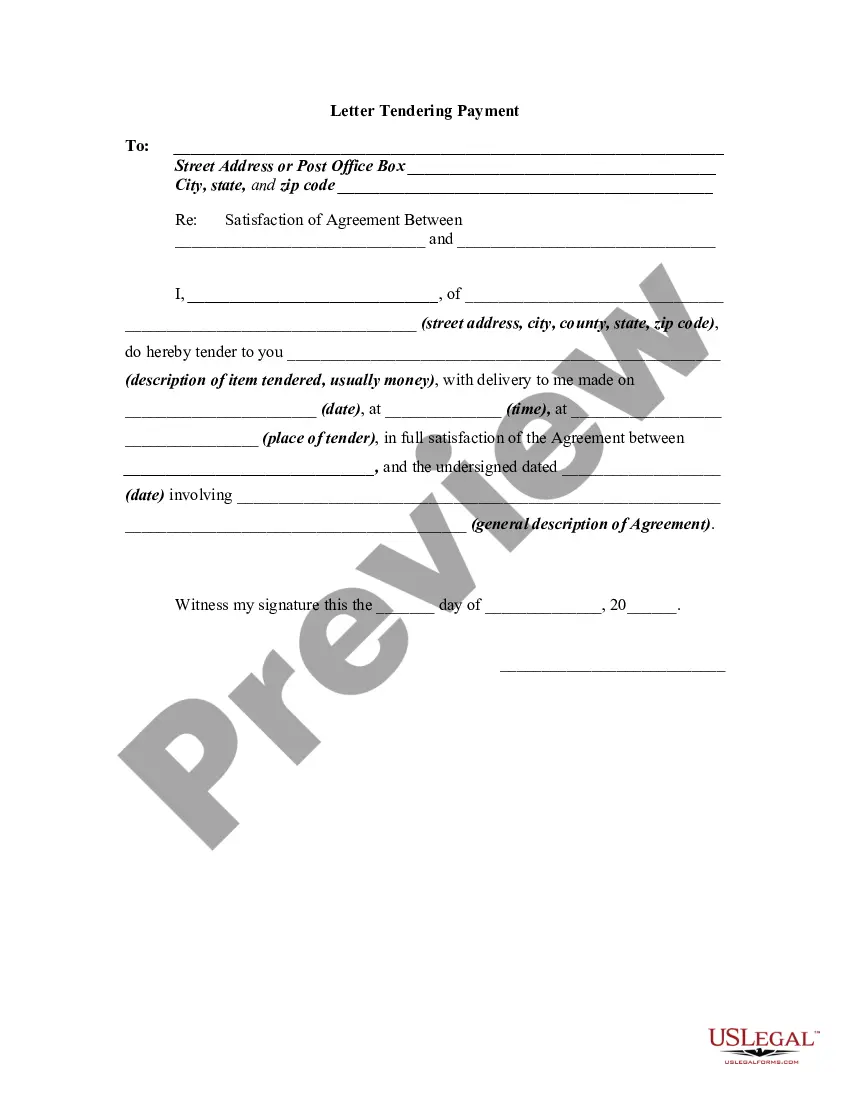
Vermont Letter Tendering Payment
Description
Get your form ready online
Our built-in tools help you complete, sign, share, and store your documents in one place.
Make edits, fill in missing information, and update formatting in US Legal Forms—just like you would in MS Word.
Download a copy, print it, send it by email, or mail it via USPS—whatever works best for your next step.
Sign and collect signatures with our SignNow integration. Send to multiple recipients, set reminders, and more. Go Premium to unlock E-Sign.
If this form requires notarization, complete it online through a secure video call—no need to meet a notary in person or wait for an appointment.
We protect your documents and personal data by following strict security and privacy standards.

Make edits, fill in missing information, and update formatting in US Legal Forms—just like you would in MS Word.

Download a copy, print it, send it by email, or mail it via USPS—whatever works best for your next step.

Sign and collect signatures with our SignNow integration. Send to multiple recipients, set reminders, and more. Go Premium to unlock E-Sign.

If this form requires notarization, complete it online through a secure video call—no need to meet a notary in person or wait for an appointment.

We protect your documents and personal data by following strict security and privacy standards.
Looking for another form?




How to fill out Letter Tendering Payment?
Locating the appropriate legal document template can be a challenge.
Certainly, there is a multitude of templates accessible online, but how do you identify the legal form you require? Utilize the US Legal Forms site.
The service provides thousands of templates, such as the Vermont Letter Tendering Payment, suitable for business and personal purposes. All templates are reviewed by professionals and comply with state and federal regulations.
If the form does not meet your requirements, use the Search field to find the appropriate form.
- If you are already registered, Log In to your account and click the Acquire button to locate the Vermont Letter Tendering Payment.
- Use your account to search through the legal forms you have purchased previously.
- Visit the My documents section of your account to obtain another copy of the document you need.
- If you are a new user of US Legal Forms, here are simple instructions to follow.
- First, verify that you have selected the correct form for your area/region.
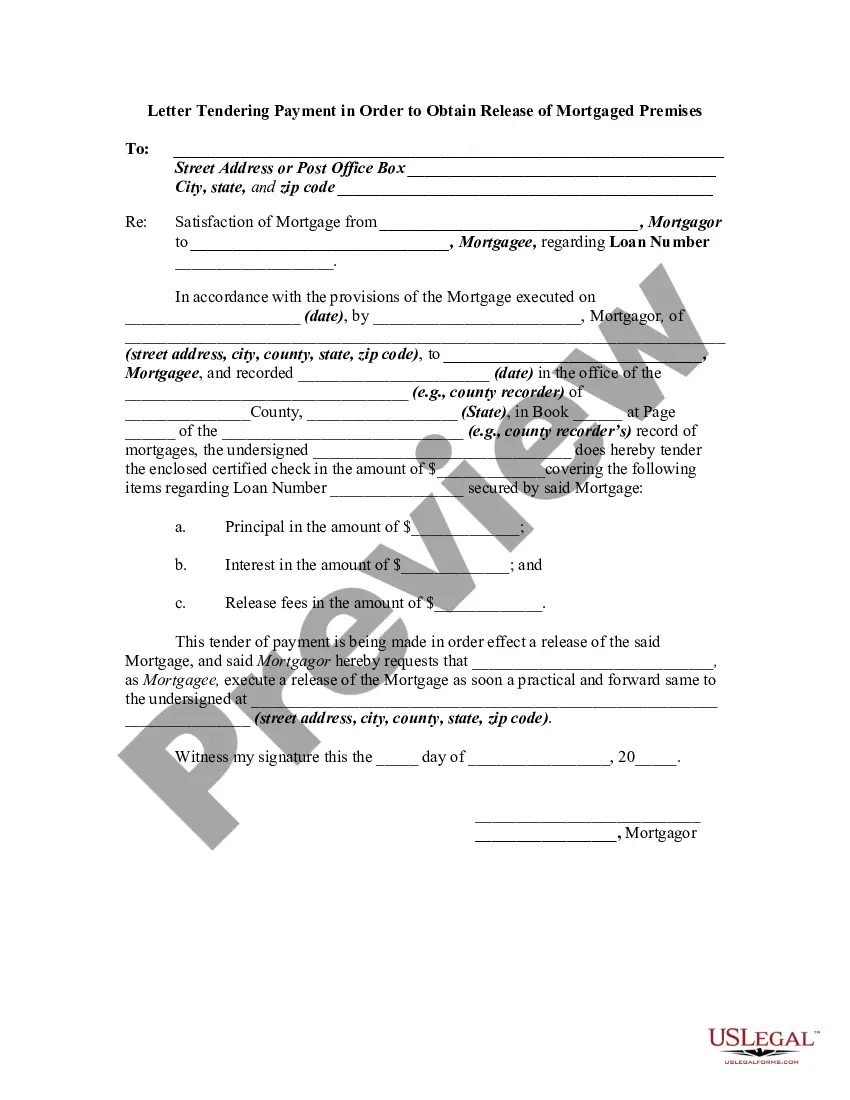
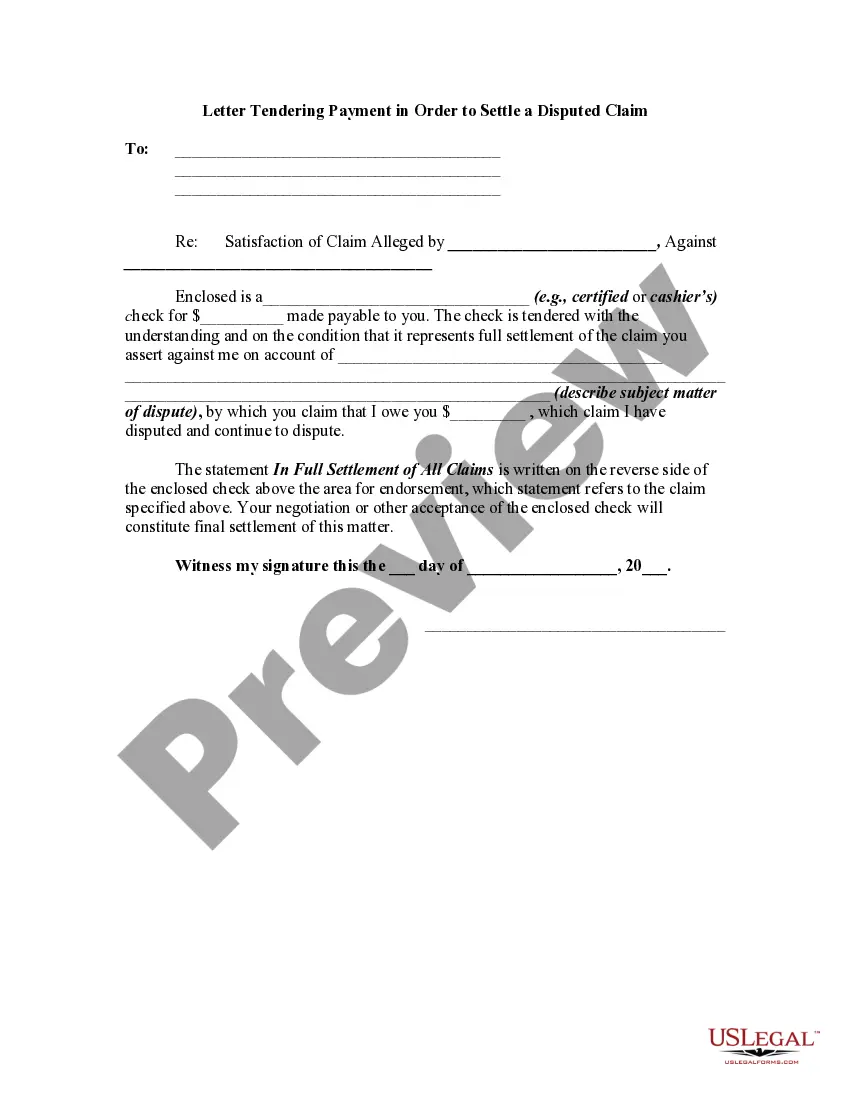
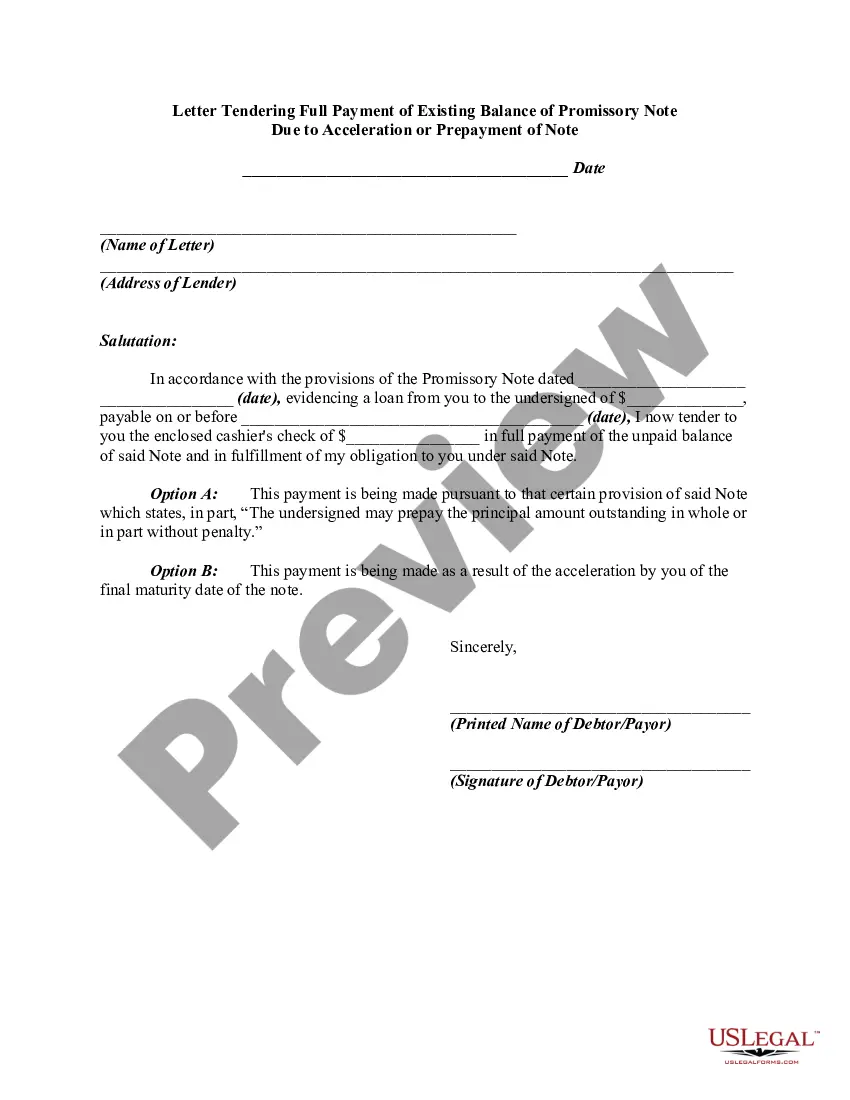
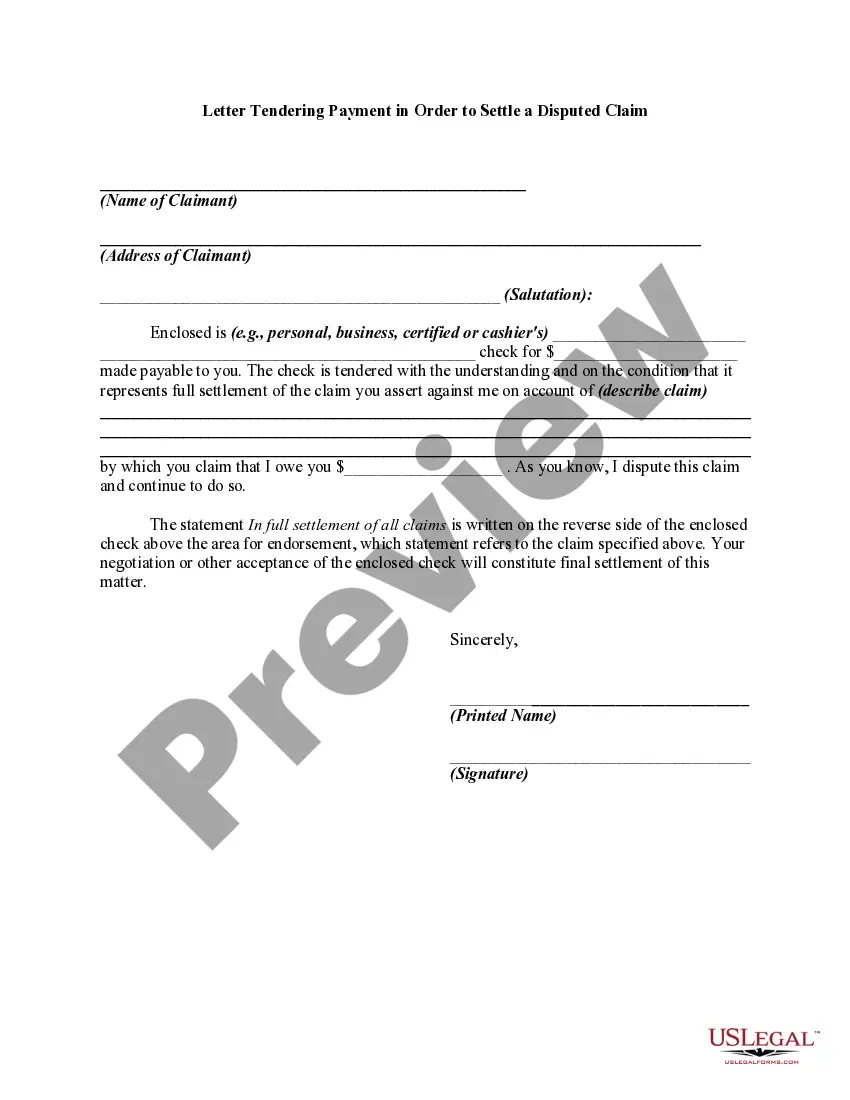
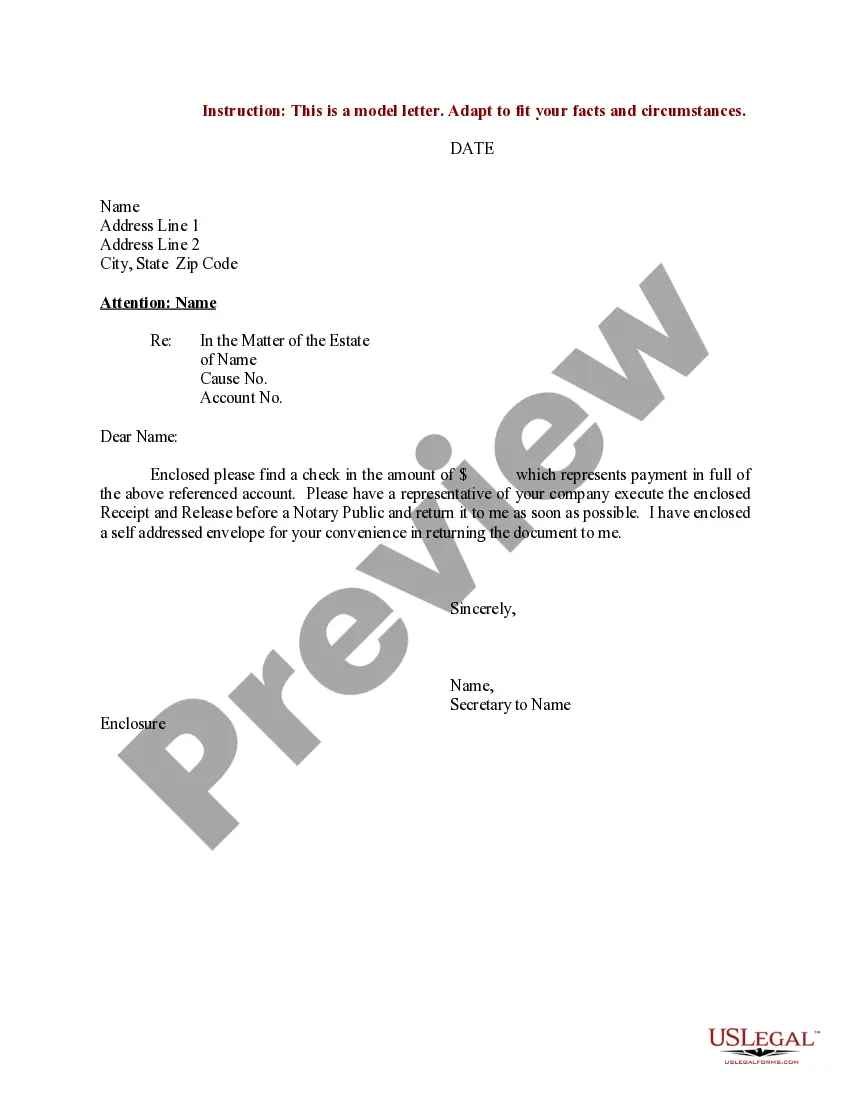
- You can review the form using the Preview button and read the form description to confirm this is indeed the right one for you.
Form popularity
FAQ
Calculating the after-tax income from a $50,000 annual salary in Vermont can fluctuate based on various deductions and tax rates. Generally, taxpayers in Vermont can expect to take home around $37,500 to $40,000 after state and federal taxes. Understanding the implications of Vermont Letter Tendering Payment is essential for planning your finances. For precise calculations, use online tax calculators or consult with a tax advisor.
Filing Vermont state taxes is a straightforward process that you can complete online or by mail. You will need to gather all relevant documents, including income statements and deductions, to ensure accuracy in your Vermont Letter Tendering Payment. Online platforms can simplify the process, offering resources tailored to Vermont taxpayers. If you need assistance, consider platforms like US Legal Forms, which provide templates and guidance for seamless filing.
To contact Vermont state taxes, you can reach out via their official website or call their taxpayer assistance number. This approach helps you access information regarding Vermont Letter Tendering Payment and any other tax-related inquiries you may have. The staff is generally helpful and can guide you through your specific needs. Always keep your tax information ready for a smoother interaction.
The 183 day rule in Vermont refers to the taxation of individuals based on their residency status. If you reside in Vermont for more than half the year, you likely qualify as a resident for tax purposes, which can affect your Vermont Letter Tendering Payment. Understanding this rule is crucial for managing your tax obligations effectively. Be sure to check governmental resources for specific details relating to your circumstances.
The Form 111 in Vermont is an essential document related to Vermont Letter Tendering Payment. This form is often used for various tax and payment situations, ensuring compliance with state requirements. If you need to submit payments or respond to a tax notice, it's vital to understand its function. For more precise guidance, consider consulting tax professionals or resources available through Vermont's state tax website.
Act 250 is a comprehensive land use law in Vermont that oversees development projects to ensure they meet specific criteria for environmental and community impact. Although it primarily concerns land use, it does intersect with financial aspects, including payment obligations. Understanding its implications on projects can aid in navigating the Vermont Letter Tendering Payment, ensuring compliance alongside meeting project goals.
The United States Prompt Payment Act is a federal law that ensures timely payments to contractors and subcontractors working on government contracts. It establishes rules for payment timelines, helping to reduce disputes and foster a reliable business environment. Knowing this act can enhance your understanding of Vermont Letter Tendering Payment, as it complements state laws concerning prompt payment.
The standard payment clause is a contractual provision that specifies when and how payments will be made between parties involved in an agreement. This clause often outlines timelines and conditions for payment, promoting fairness. This is especially relevant to Vermont Letter Tendering Payment, as it provides the necessary framework for understanding payment practices in construction contracts.
Statute 4467 in Vermont outlines the rules for the payment of contractors and subcontractors when it comes to public projects. This statute ensures that payments are made promptly, promoting fairness and transparency in construction contracts. Understanding this statute is crucial, especially when considering the Vermont Letter Tendering Payment process, as it delineates the responsibilities of all parties involved.