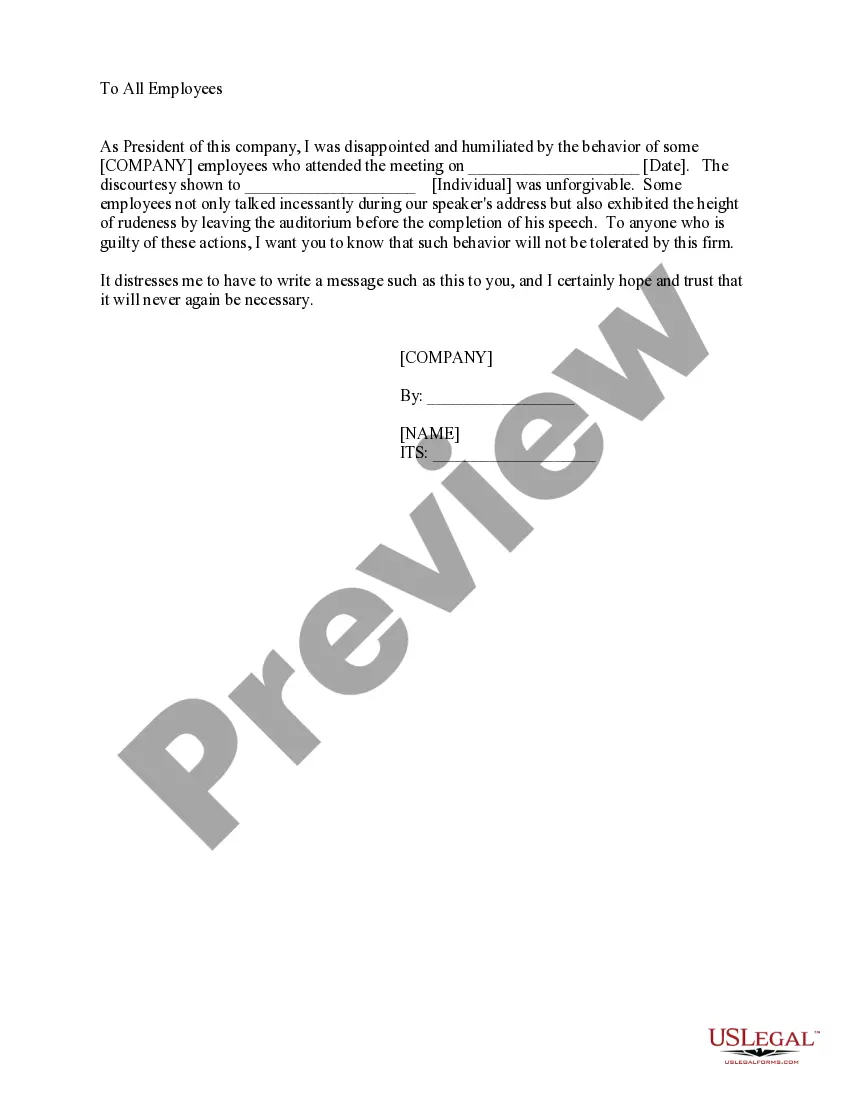
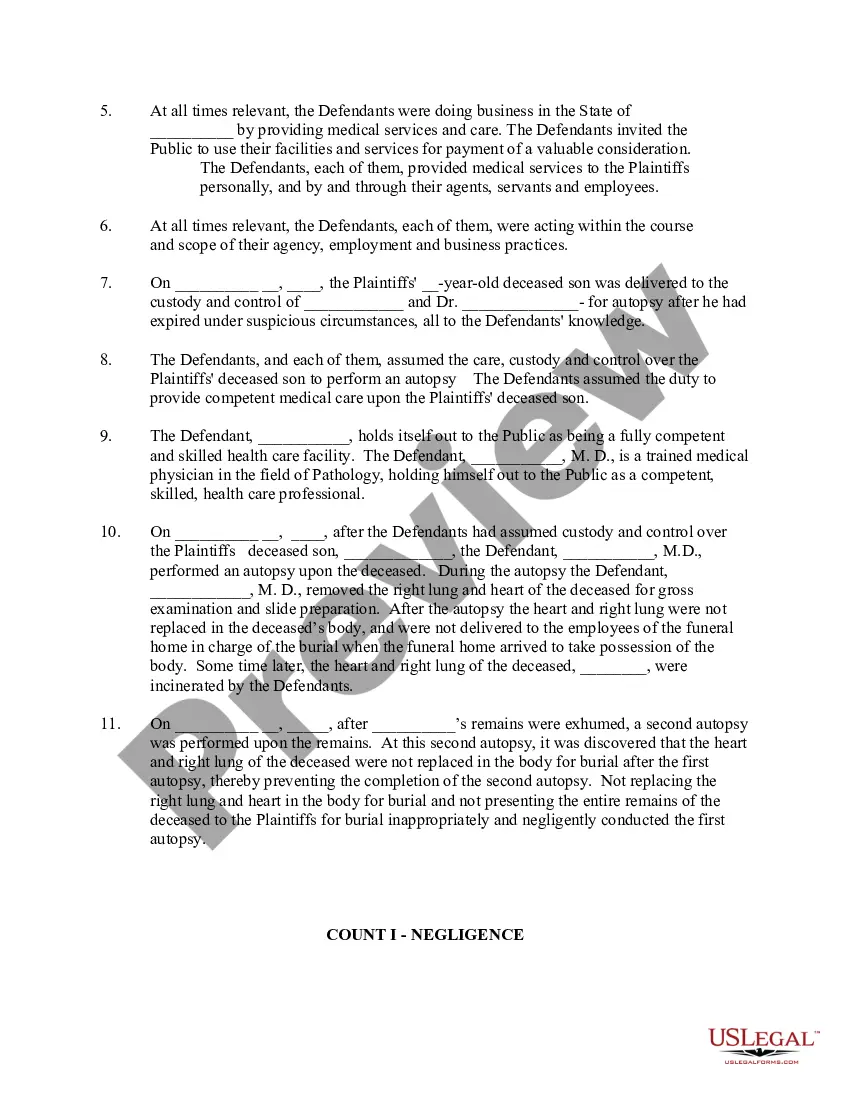
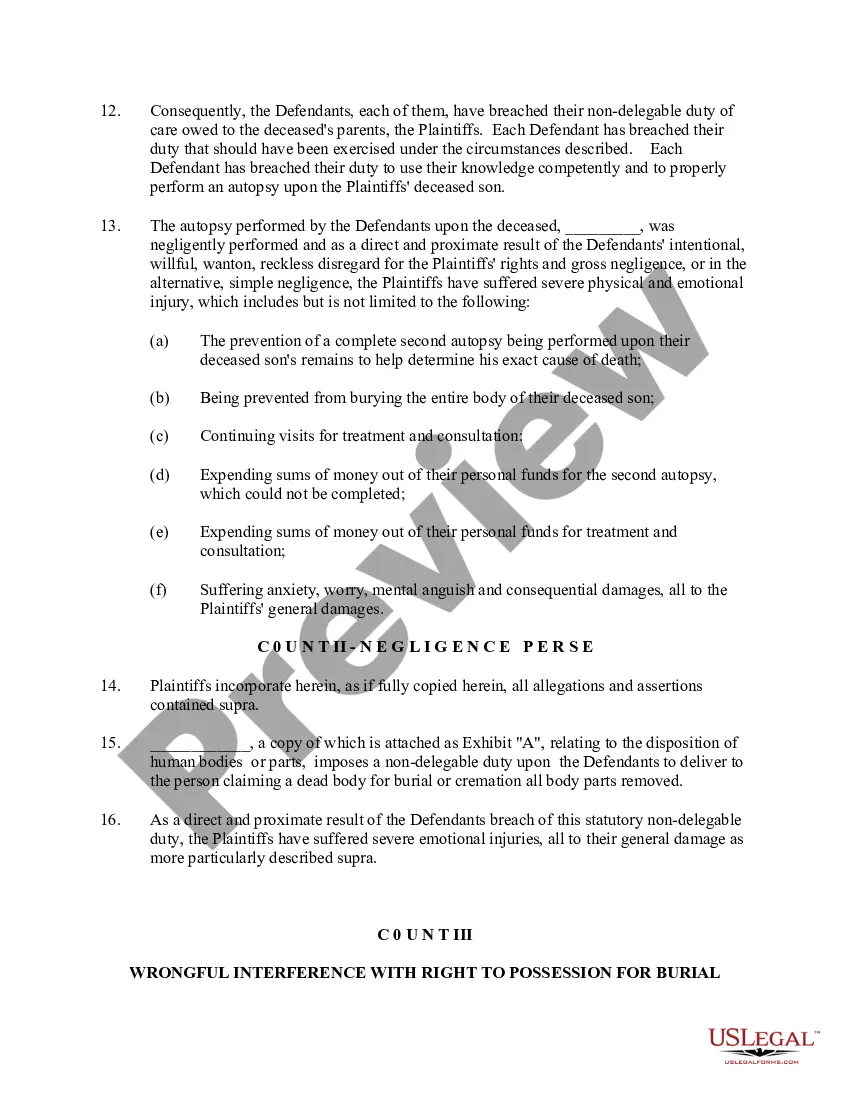
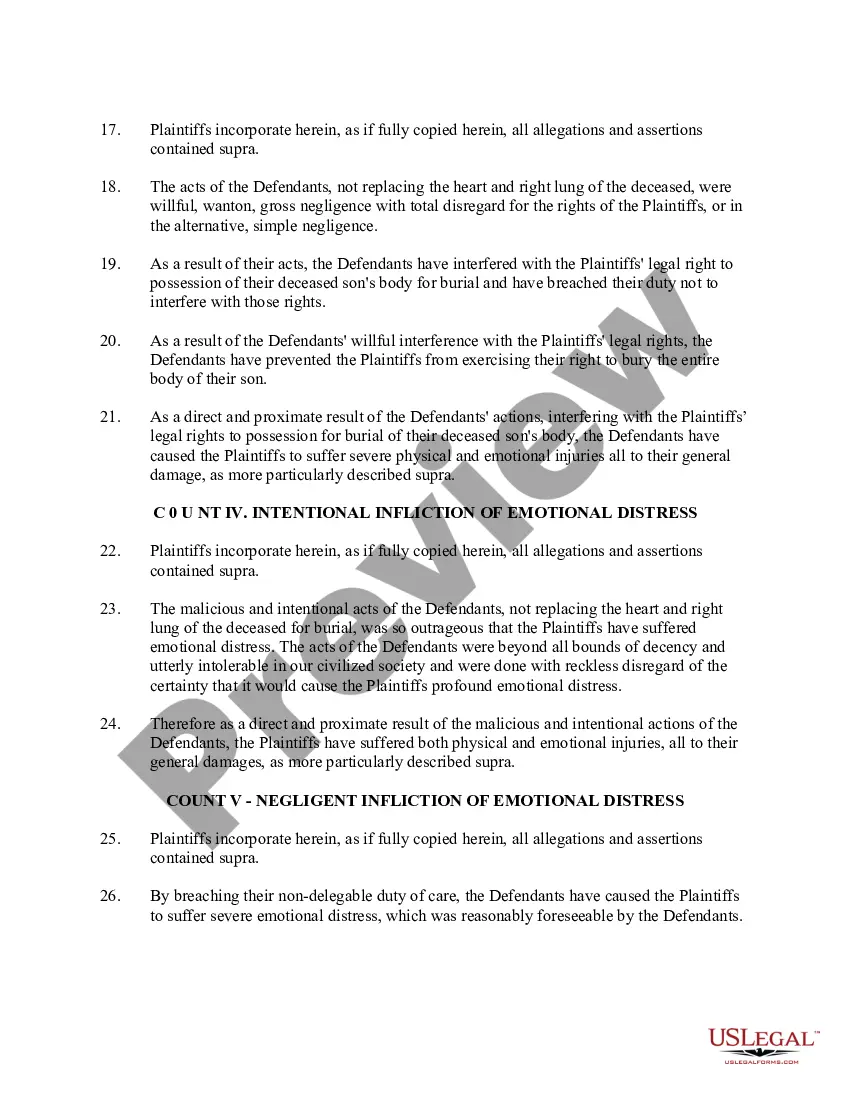
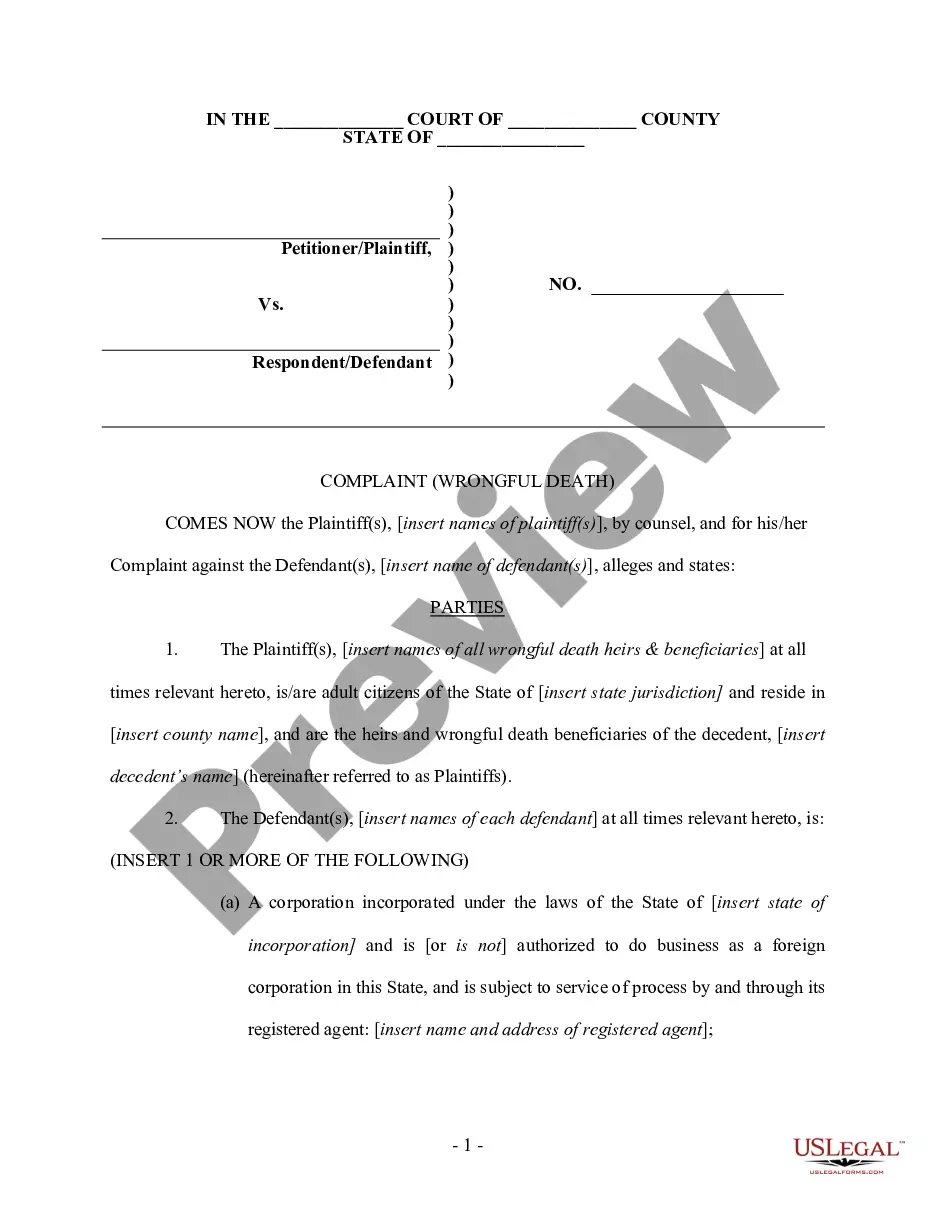
This is a Complaint pleading for use in litigation of the title matter. Adapt this form to comply with your facts and circumstances, and with your specific state law. Not recommended for use by non-attorneys.
Vermont Complaint For Wrongful Interference With Right To Possession For Burial
Category:
State:
Multi-State
Control #:
US-000303
Format:
Word;
Rich Text
Instant download
Description
Free preview


Get your form ready online
Our built-in tools help you complete, sign, share, and store your documents in one place.
Built-in online Word editor
Make edits, fill in missing information, and update formatting in US Legal Forms—just like you would in MS Word.
Export easily
Download a copy, print it, send it by email, or mail it via USPS—whatever works best for your next step.
E-sign your document
Sign and collect signatures with our SignNow integration. Send to multiple recipients, set reminders, and more. Go Premium to unlock E-Sign.
Notarize online 24/7
If this form requires notarization, complete it online through a secure video call—no need to meet a notary in person or wait for an appointment.
Store your document securely
We protect your documents and personal data by following strict security and privacy standards.

Make edits, fill in missing information, and update formatting in US Legal Forms—just like you would in MS Word.

Download a copy, print it, send it by email, or mail it via USPS—whatever works best for your next step.

Sign and collect signatures with our SignNow integration. Send to multiple recipients, set reminders, and more. Go Premium to unlock E-Sign.

If this form requires notarization, complete it online through a secure video call—no need to meet a notary in person or wait for an appointment.

We protect your documents and personal data by following strict security and privacy standards.
Looking for another form?
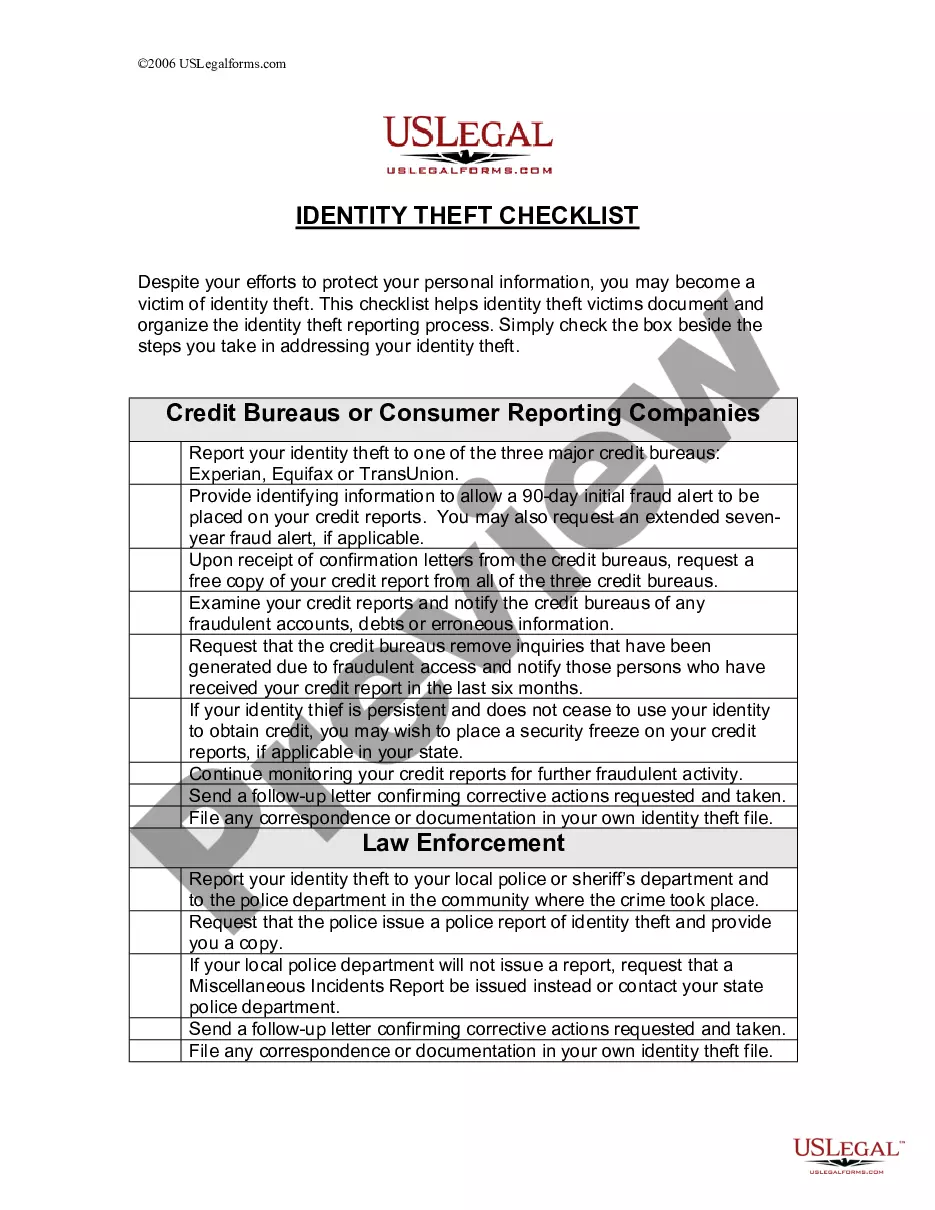

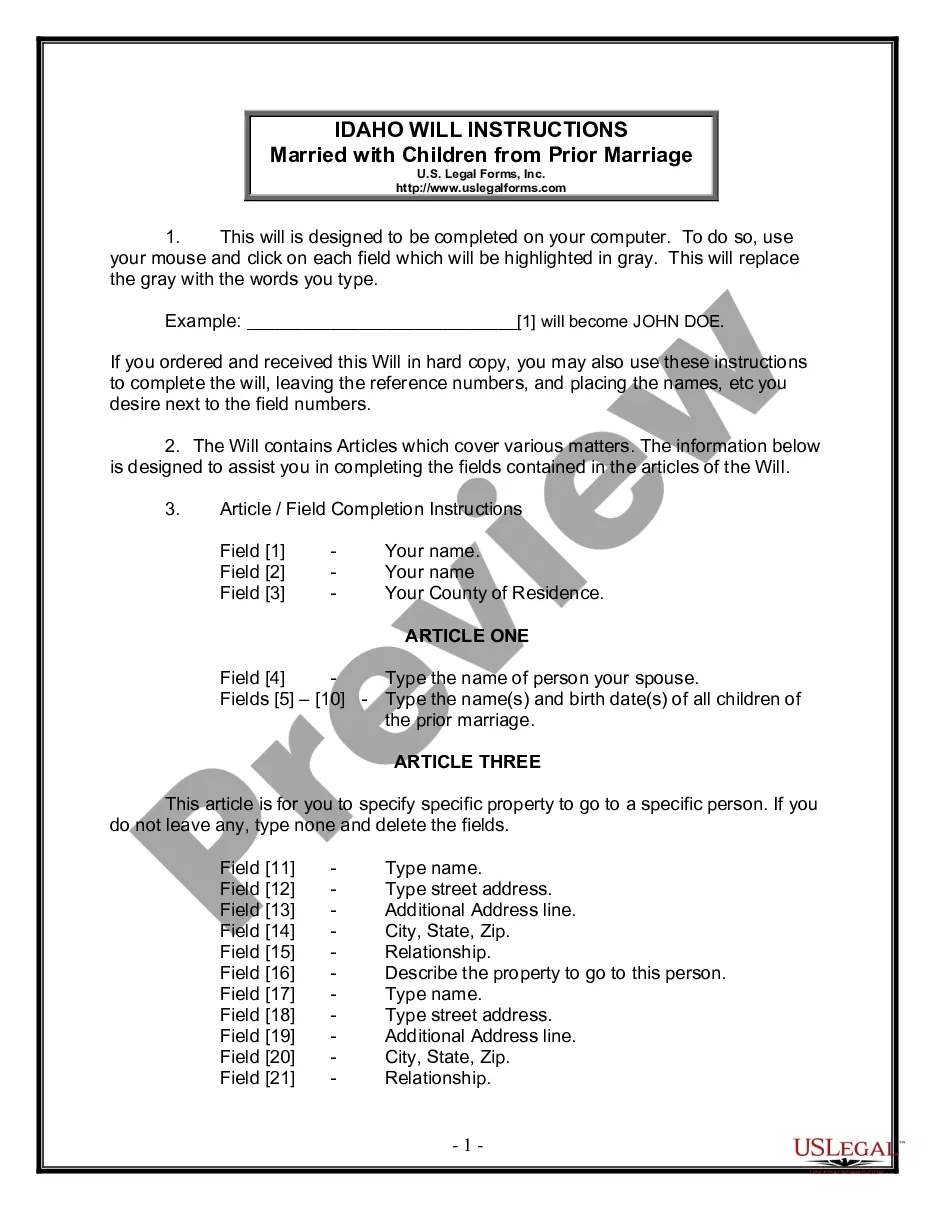
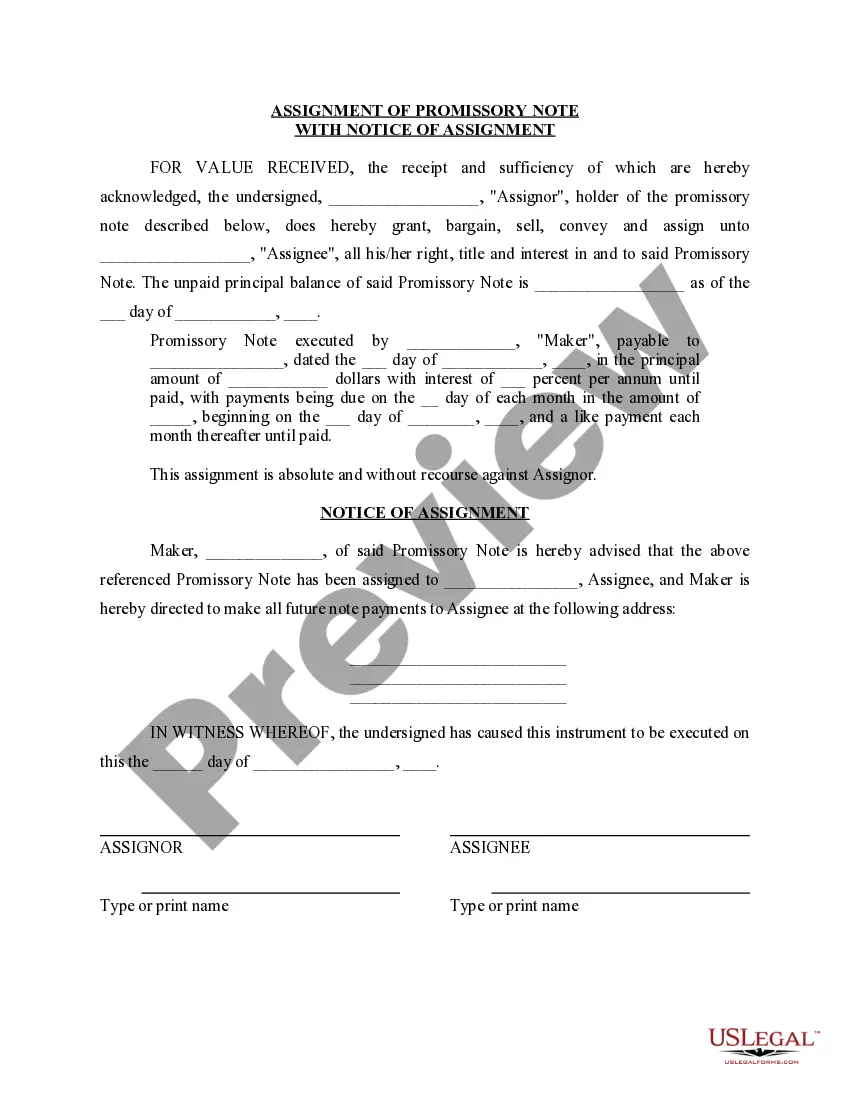


How to fill out Complaint For Wrongful Interference With Right To Possession For Burial?
Selecting the appropriate legal document template might present a challenge. Naturally, there are numerous designs accessible online, but how can you find the legal form you need? Utilize the US Legal Forms website. The service offers thousands of templates, including the Vermont Complaint For Wrongful Interference With Right To Possession For Burial, which can be utilized for business and personal needs. All forms are reviewed by experts and meet federal and state regulations.
If you are already registered, Log In to your account and click the Download button to obtain the Vermont Complaint For Wrongful Interference With Right To Possession For Burial. Use your account to view the legal forms you have previously ordered. Visit the My documents section of your account and download another copy of the document you need.
If you are a new user of US Legal Forms, here are simple instructions you can follow: First, ensure you have selected the correct form for your area/county. You can review the document using the Review option and check the form details to confirm it is suitable for you. If the form does not meet your needs, use the Search field to locate the appropriate form. Once you are certain that the form is acceptable, click the Buy now button to purchase the form. Choose the pricing plan you prefer and enter the required information. Create your account and pay for your order using your PayPal account or credit card. Select the file format and download the legal document template to your device. Finally, complete, revise, print, and sign the received Vermont Complaint For Wrongful Interference With Right To Possession For Burial.
- US Legal Forms is the largest repository of legal forms where you can find a variety of document templates.
- Utilize the service to acquire professionally crafted documents that comply with state regulations.
- Access numerous layouts for different legal needs.
- Benefit from expert-reviewed forms that meet legal standards.
- Manage your documents and orders conveniently through your account.
- Easily search for the forms that fit your specific requirements.
Form popularity
FAQ
The wrongful death statute in Vermont states that only the personal representative of the deceased person's estate is allowed to file a wrongful death lawsuit. If the deceased person died without a will or trust, the court appoints a representative, typically one of the surviving family members.
Defamation is when one person makes a materially harmful false statement of fact about another person, business, or entity. Vermont's defamation laws mirror federal slander and libel standards.
IIED differs from negligent infliction of emotional distress (NIED) in that the infliction of emotional distress was intentional or outrageous, compared to NIED, which is emotional distress caused typically by accident or unintentional carelessness.
Murder, arson causing death, kidnapping, and aggravated sexual assault, sexual assault, human trafficking, aggravated human trafficking, and manslaughter have no statute of limitations in Vermont. Many child sexual offenses have no statute of limitation or carry a 40-year period of limitations.
Sanders, 14 So. 148 (1893). The "impact rule" required that before a plaintiff could recover damages for emotional distress caused by the negligence of another, the emotional distress suffered must flow from physical injuries the plaintiff sustained in an impact.
The tort of intentional infliction of emotional distress has four elements: (1) the defendant must act intentionally or recklessly; (2) the defendant's conduct must be extreme and outrageous; and (3) the conduct must be the cause (4) of severe emotional distress. Hyatt, 943 S.W. 2d at 297.
?One who, without a privilege to do so, intentionally causes severe emotional distress to another is liable (a) for such emotional distress, and (b) for bodily harm resulting from it.? RESTATEMENT OF THE LAW: 1948 SUPPLEMENT § 46 (AM.
IIED occurs when a person, through extreme or outrageous behavior intentionally (or recklessly) causes severe emotional distress, mental trauma and/or bodily harm to another. There need not be bodily harm to establish this tort.