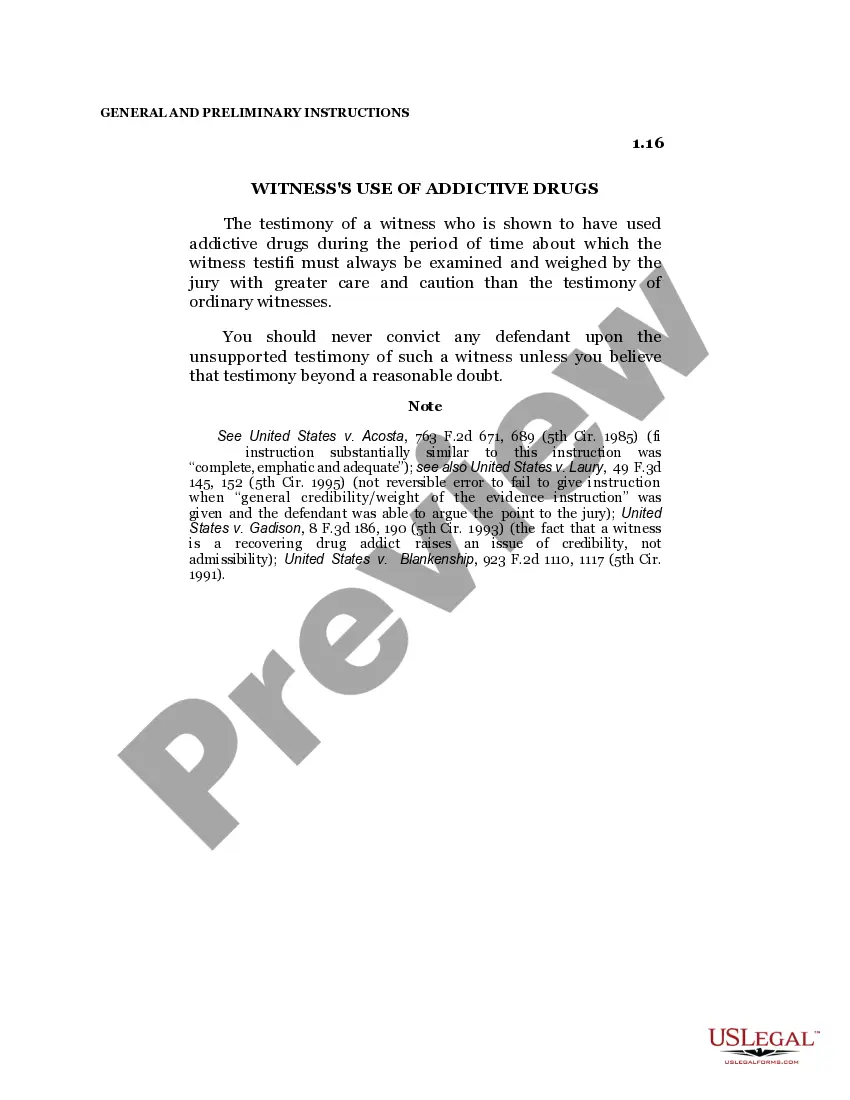
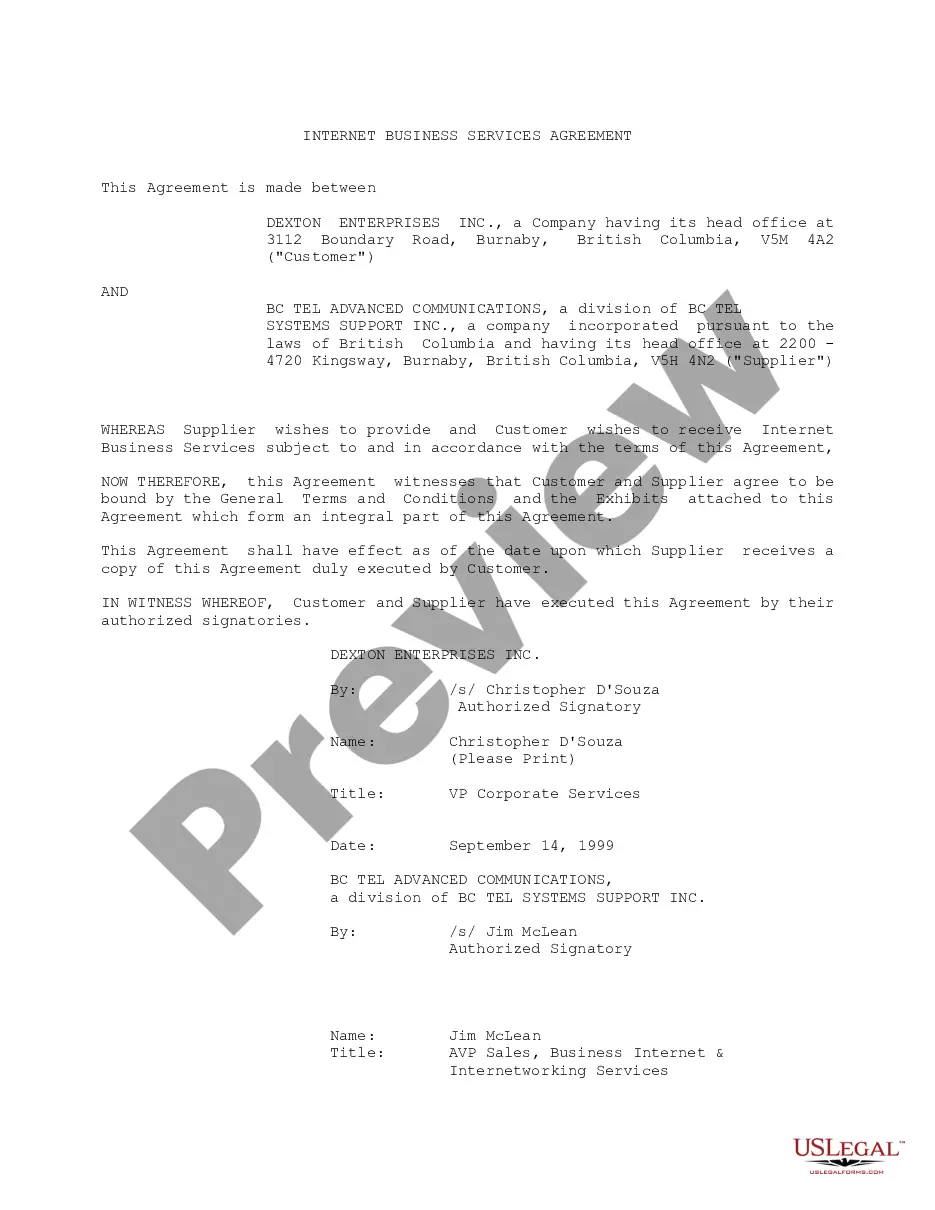
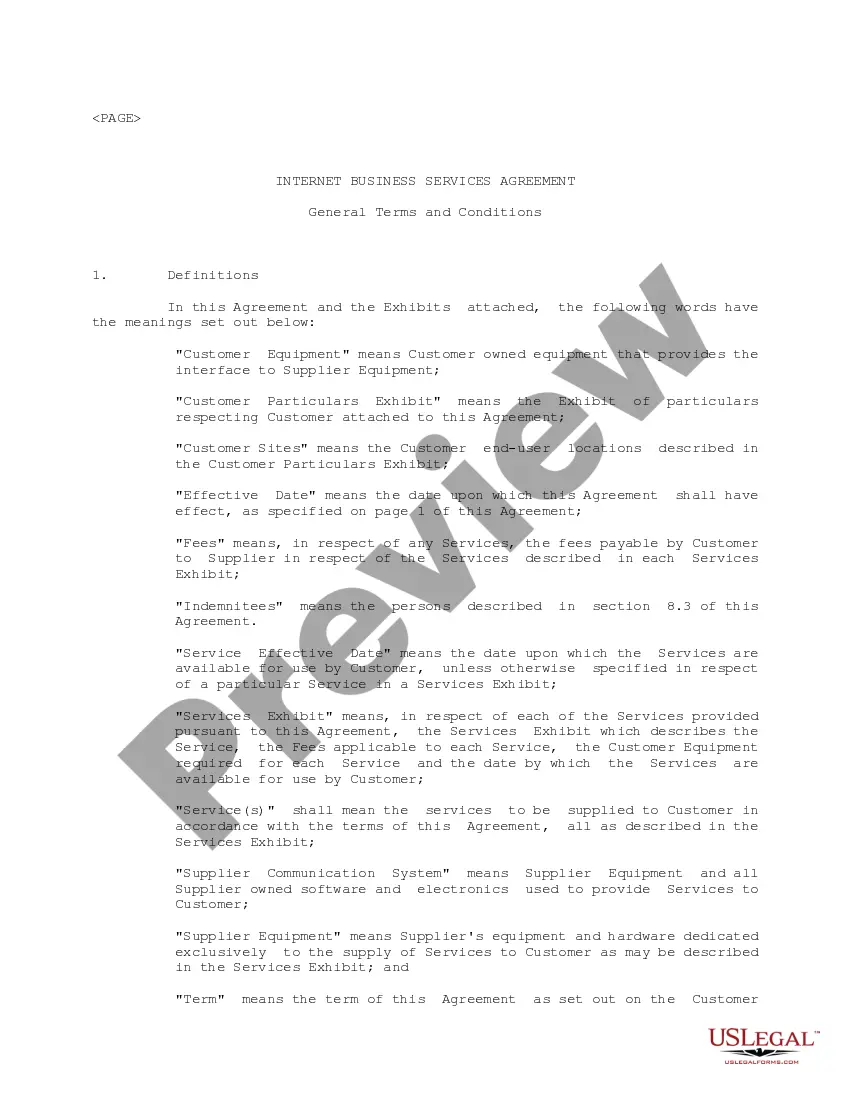
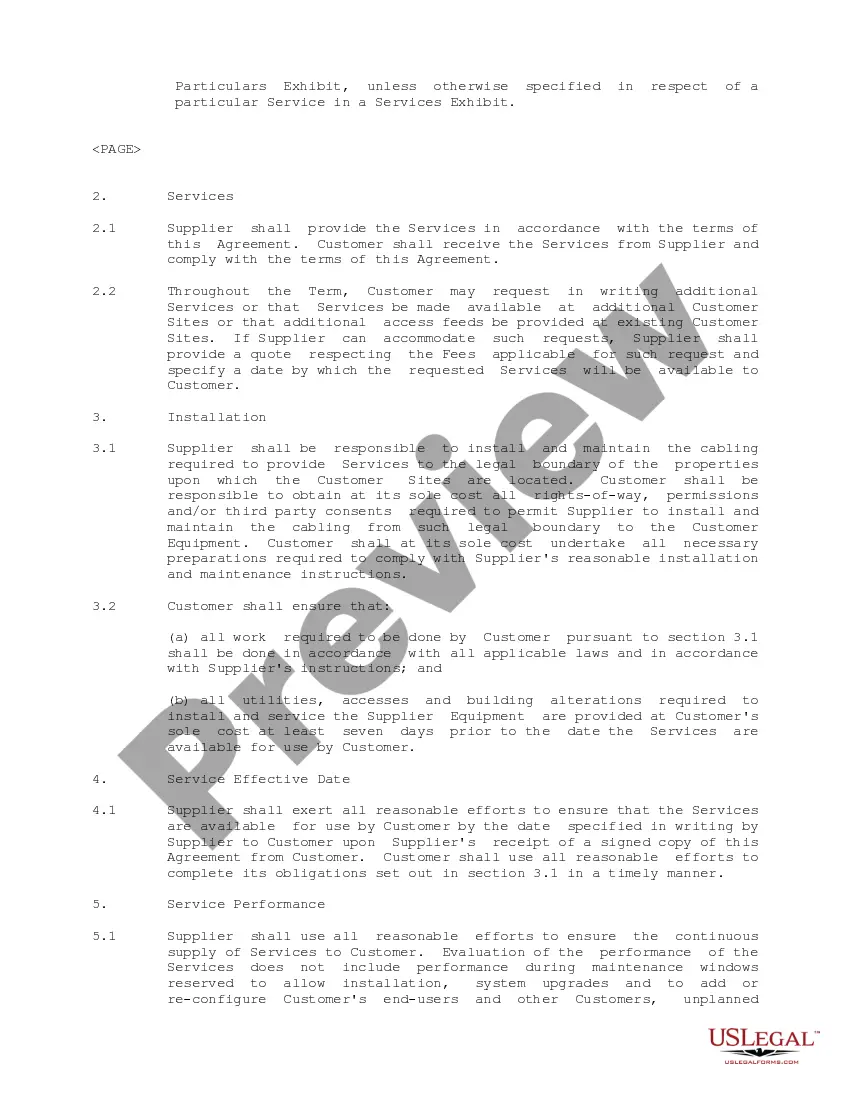
Virgin Islands Internet Business Services Agreement
Description

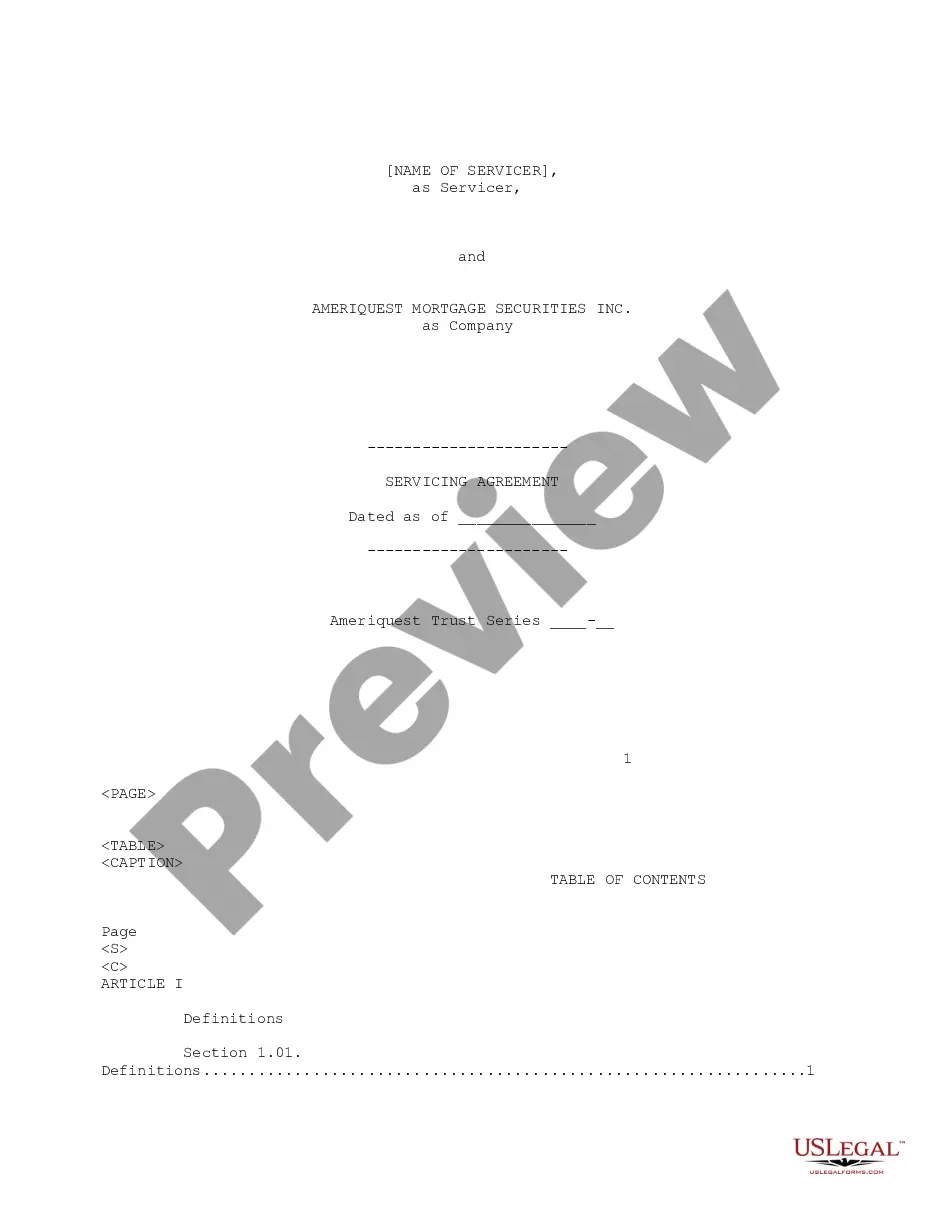
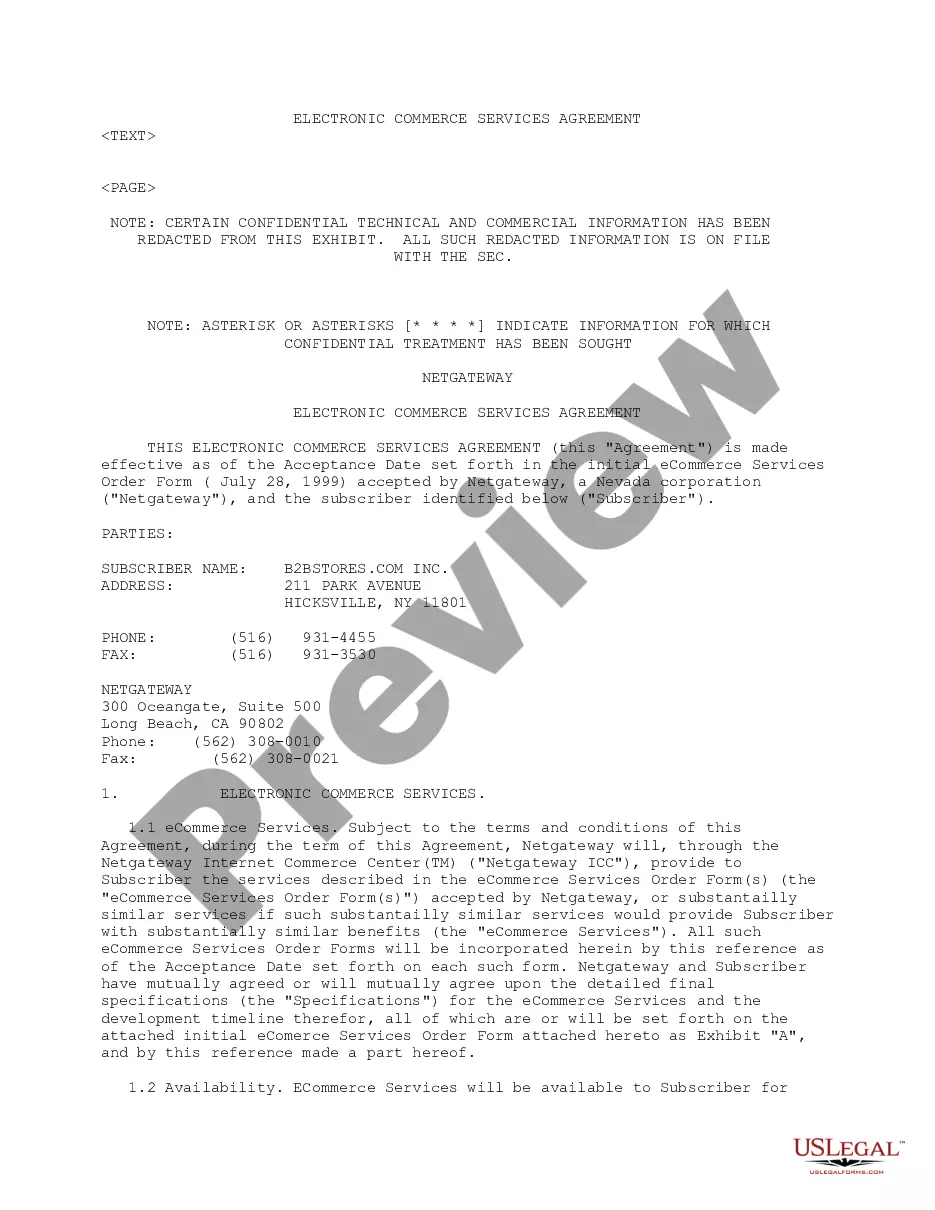
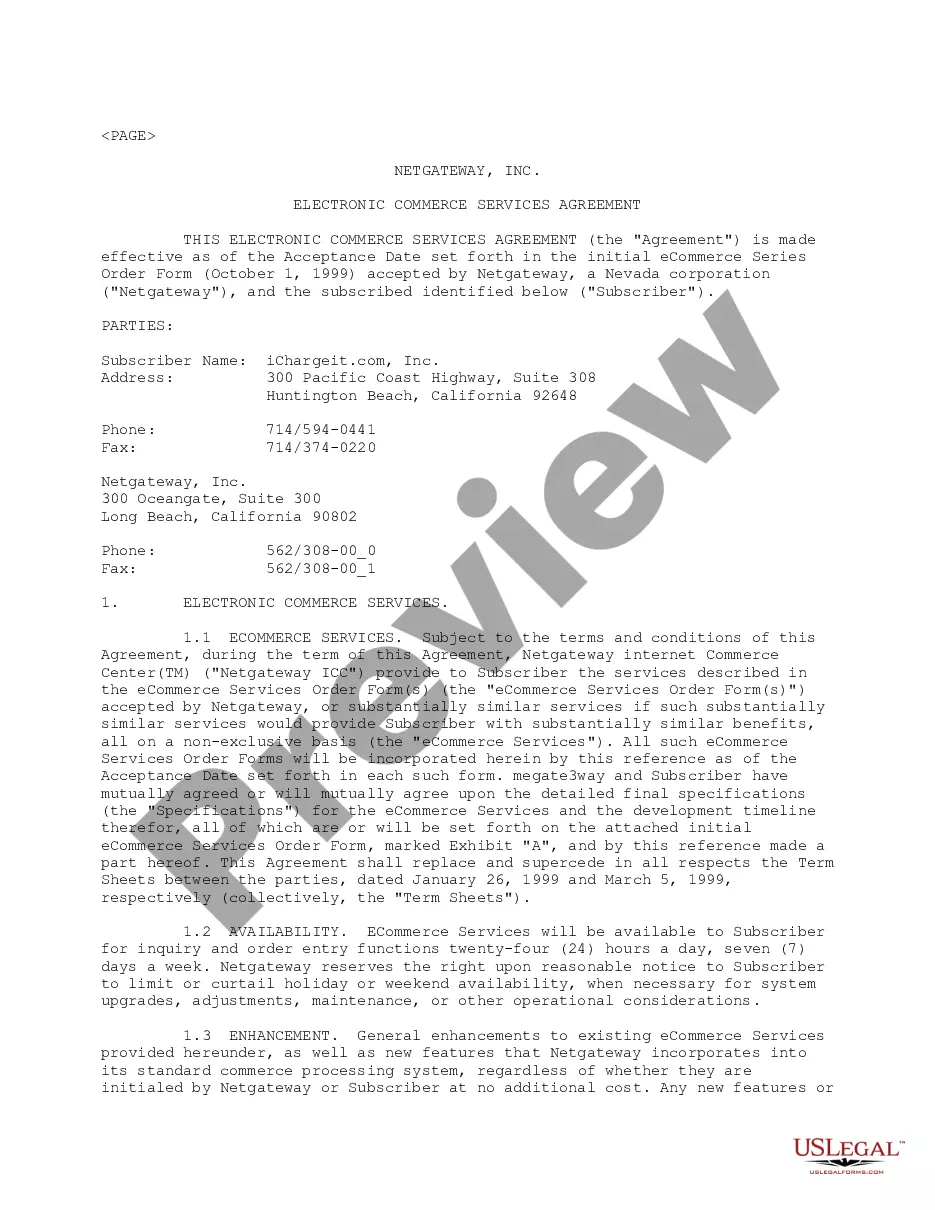
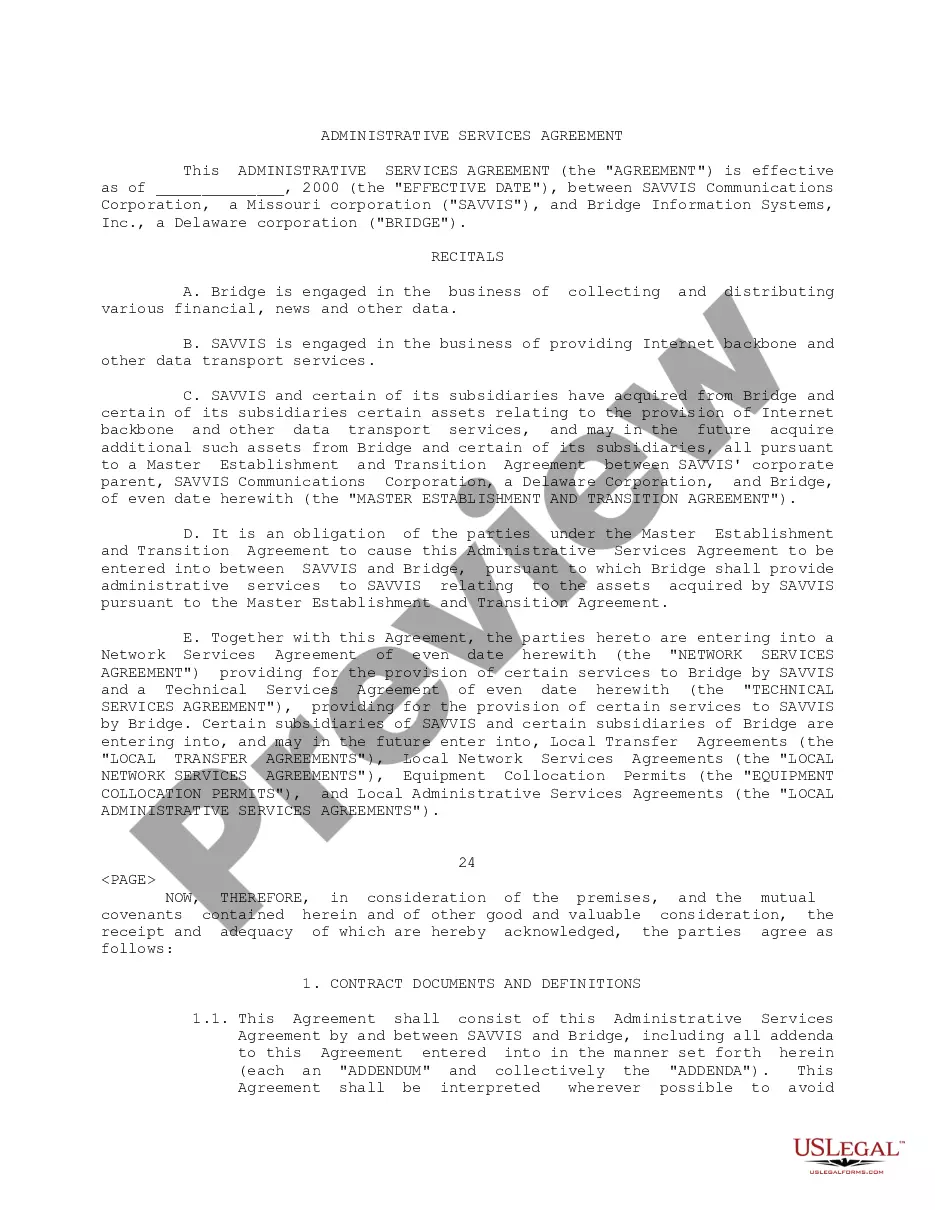
Get your form ready online
Our built-in tools help you complete, sign, share, and store your documents in one place.
Make edits, fill in missing information, and update formatting in US Legal Forms—just like you would in MS Word.
Download a copy, print it, send it by email, or mail it via USPS—whatever works best for your next step.
Sign and collect signatures with our SignNow integration. Send to multiple recipients, set reminders, and more. Go Premium to unlock E-Sign.
If this form requires notarization, complete it online through a secure video call—no need to meet a notary in person or wait for an appointment.
We protect your documents and personal data by following strict security and privacy standards.

Make edits, fill in missing information, and update formatting in US Legal Forms—just like you would in MS Word.

Download a copy, print it, send it by email, or mail it via USPS—whatever works best for your next step.

Sign and collect signatures with our SignNow integration. Send to multiple recipients, set reminders, and more. Go Premium to unlock E-Sign.

If this form requires notarization, complete it online through a secure video call—no need to meet a notary in person or wait for an appointment.

We protect your documents and personal data by following strict security and privacy standards.
Looking for another form?


How to fill out Internet Business Services Agreement?
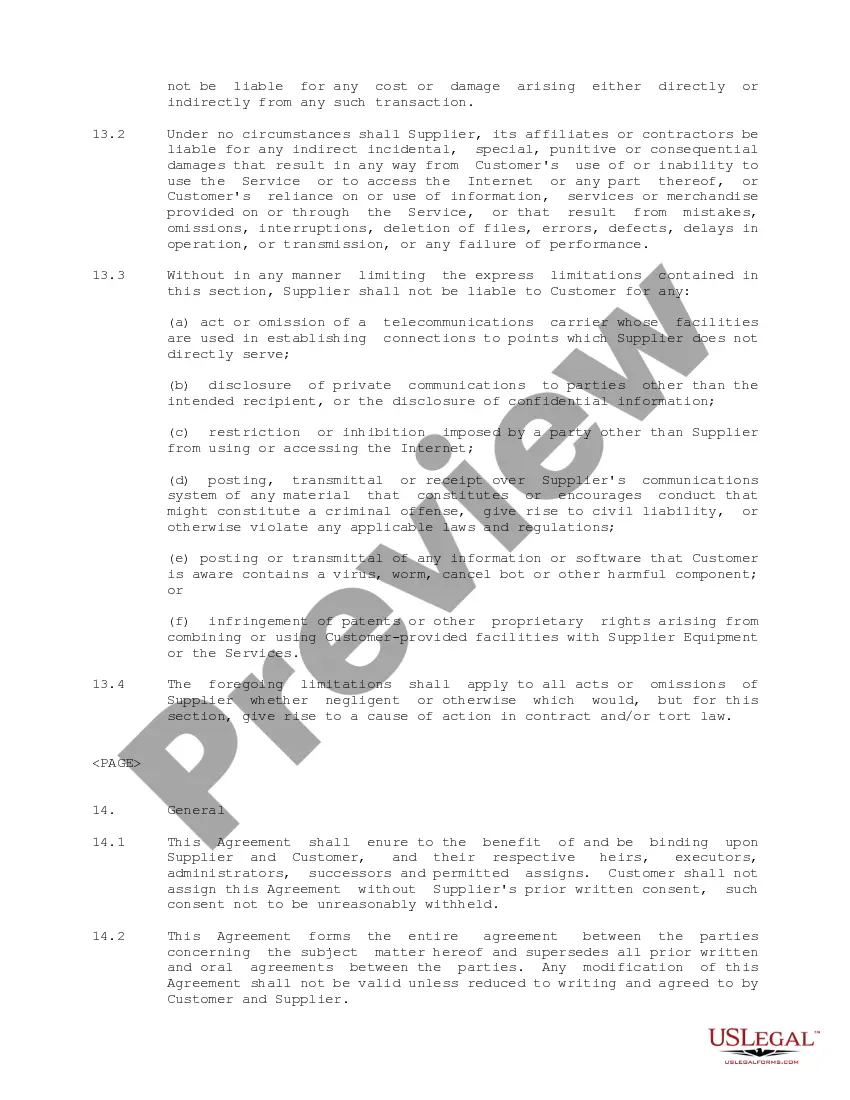
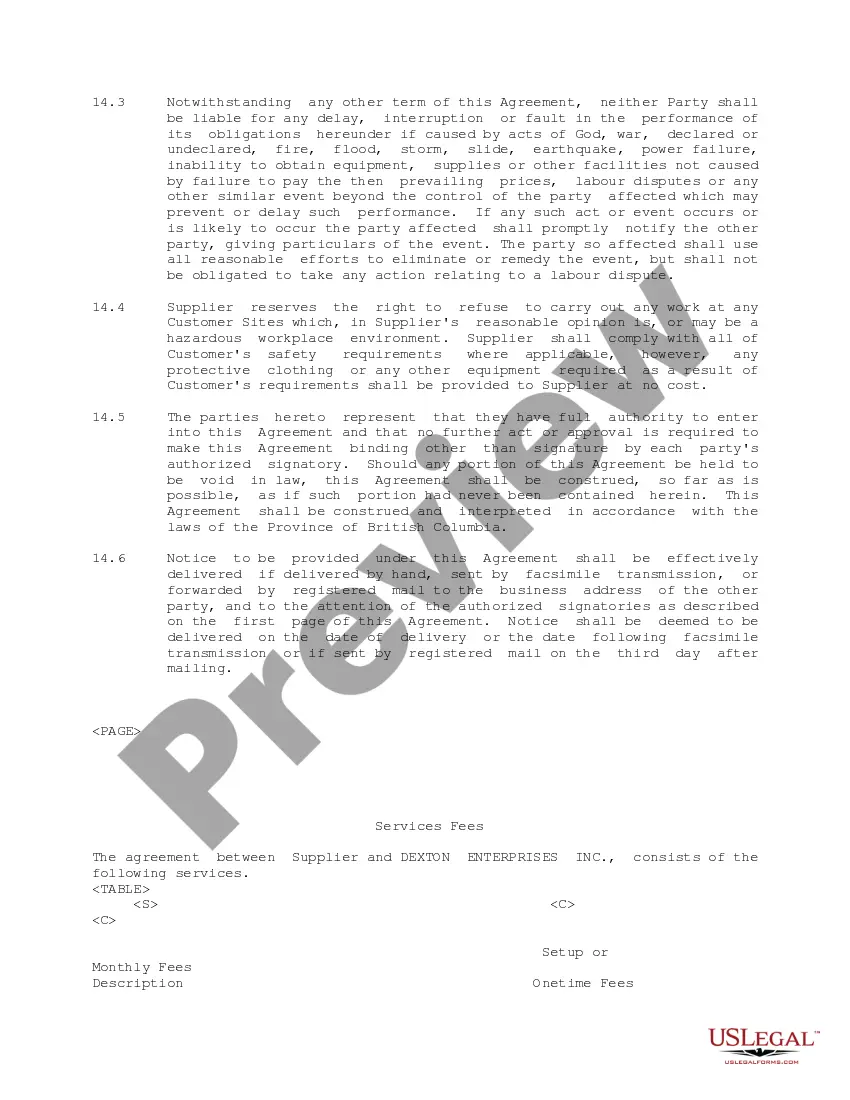
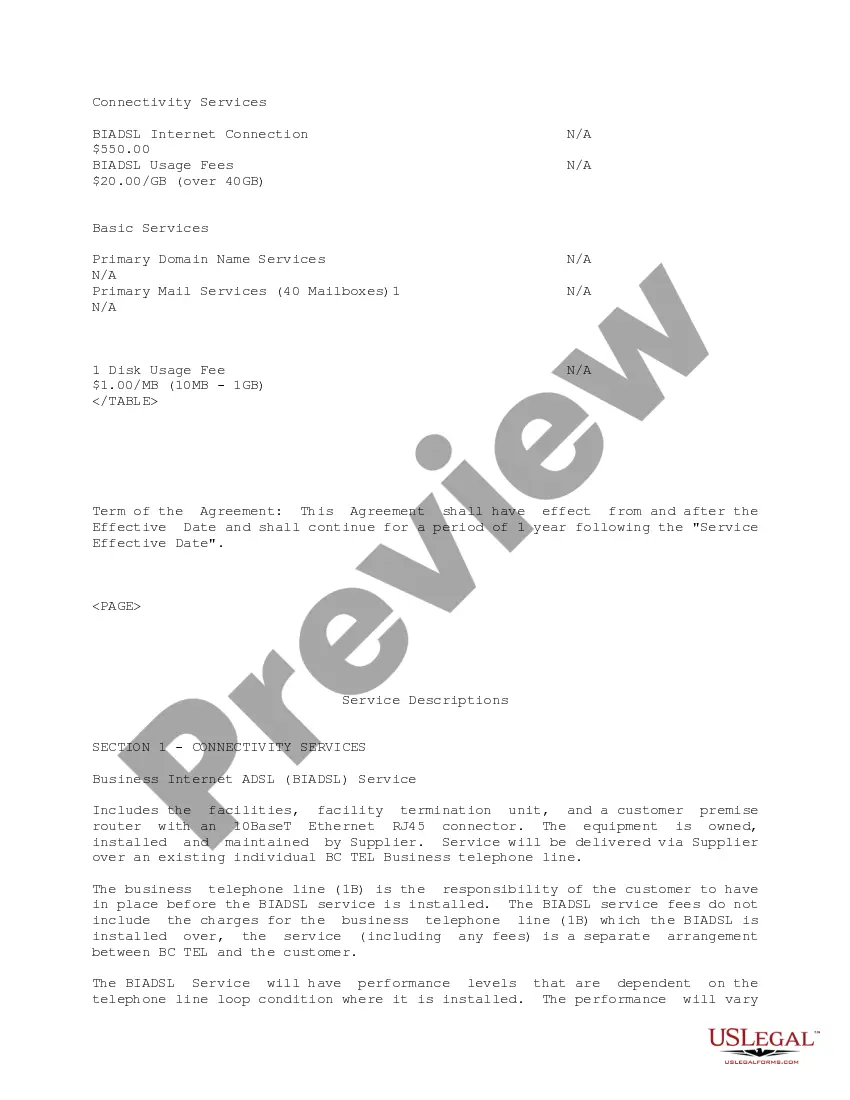
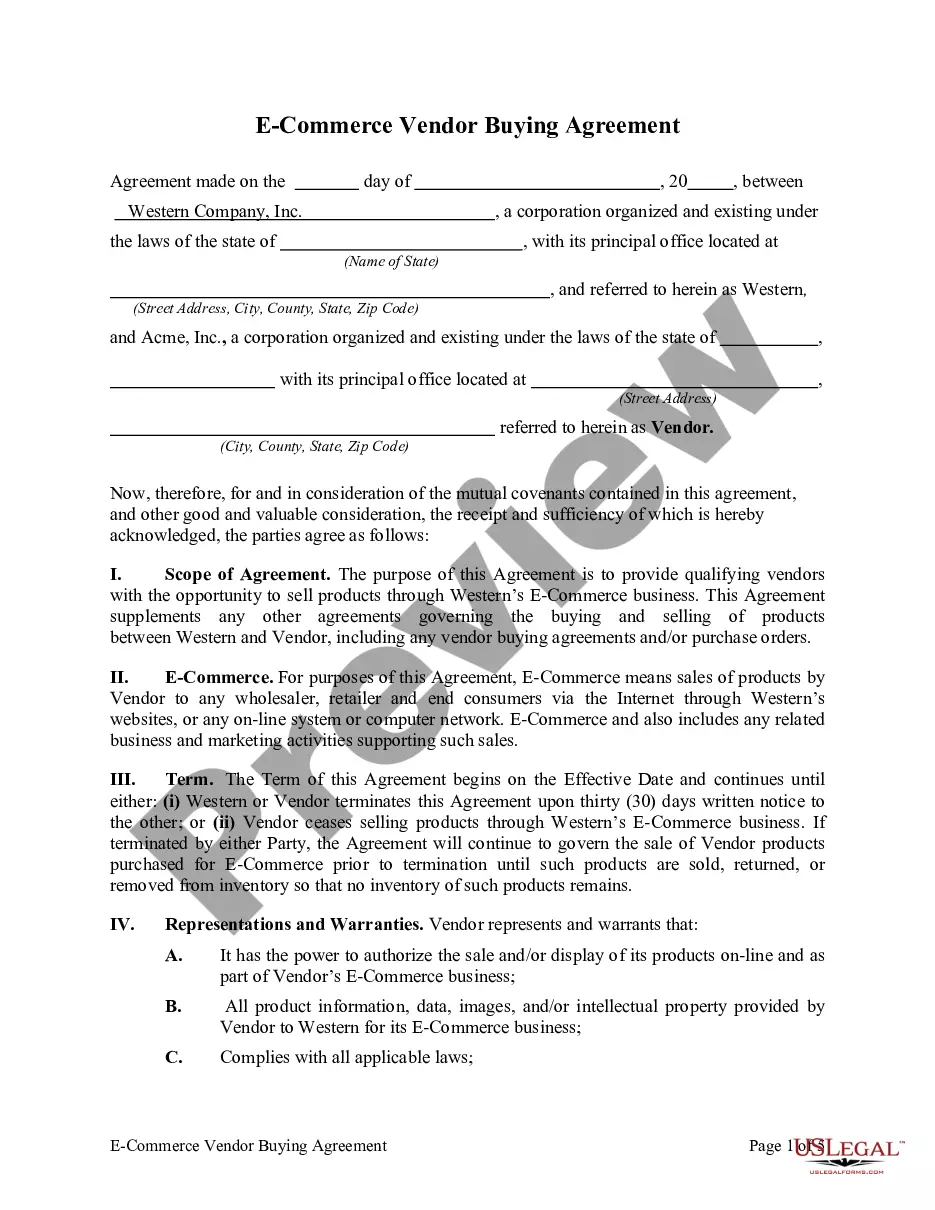
Finding the right lawful papers design can be a battle. Of course, there are a lot of templates accessible on the Internet, but how do you get the lawful type you need? Take advantage of the US Legal Forms web site. The support offers 1000s of templates, including the Virgin Islands Internet Business Services Agreement, that you can use for organization and personal requirements. Each of the varieties are checked by professionals and fulfill federal and state specifications.
Should you be previously registered, log in to your bank account and click the Obtain button to have the Virgin Islands Internet Business Services Agreement. Make use of your bank account to search through the lawful varieties you have acquired previously. Go to the My Forms tab of the bank account and get one more version of your papers you need.
Should you be a brand new consumer of US Legal Forms, here are basic recommendations so that you can follow:
- First, be sure you have chosen the appropriate type to your metropolis/region. You can look over the form utilizing the Review button and browse the form outline to guarantee it is the best for you.
- If the type fails to fulfill your preferences, make use of the Seach area to discover the appropriate type.
- Once you are certain the form is acceptable, select the Get now button to have the type.
- Select the pricing program you would like and type in the necessary details. Make your bank account and buy the transaction making use of your PayPal bank account or charge card.
- Pick the submit format and download the lawful papers design to your device.
- Complete, revise and produce and sign the received Virgin Islands Internet Business Services Agreement.
US Legal Forms will be the most significant library of lawful varieties that you can find various papers templates. Take advantage of the service to download professionally-manufactured paperwork that follow condition specifications.
Form popularity
FAQ
Step-by-Step Guide To Writing Your Terms and Conditions Step One: Determine what laws apply to your business. Step Two: Make an outline. Step Three: Pick all clauses relevant to your business. Step Four: Start writing using clear, straightforward language. Step Five: Link to other necessary legal and website policies.
How To Write Terms and Conditions ? Step by Step Write the Introduction. ... Draft the Terms of Service. ... Create an Acknowledgment Statement. ... Limit Your Liability. ... List Who Owns Intellectual Property Rights. ... Generate a Privacy Policy. ... Spell Out What Happens for Non-Compliance. ... Add a Signature and Dateline for Both Parties.
A Terms and Conditions agreement acts as a legal contract between you (the company) and the user. It's where you maintain your rights to exclude users from your app in the event that they abuse your website/app, set out the rules for using your service and note other important details and disclaimers.
What should Terms and Conditions include? The goods and services you're selling. The price of your goods and services includes information about price increases if you sell an ongoing service. How and when the consumer must pay for their product or service. Any penalties applied for overdue payments.
Your website terms and conditions should cover: ownership and copyright of the website's content. acceptable and unacceptable use of the website and content. registration, password and security procedures. availability of the website. use of cookies. links to other websites.
However, every Terms and Conditions agreement should have, at minimum, the following clauses: A brief introduction. The effective date. Jurisdiction/governing law. Link to your Privacy Policy. Contact information. Limitation of liability and disclaimer of warranties. Rules of conduct. User restrictions.