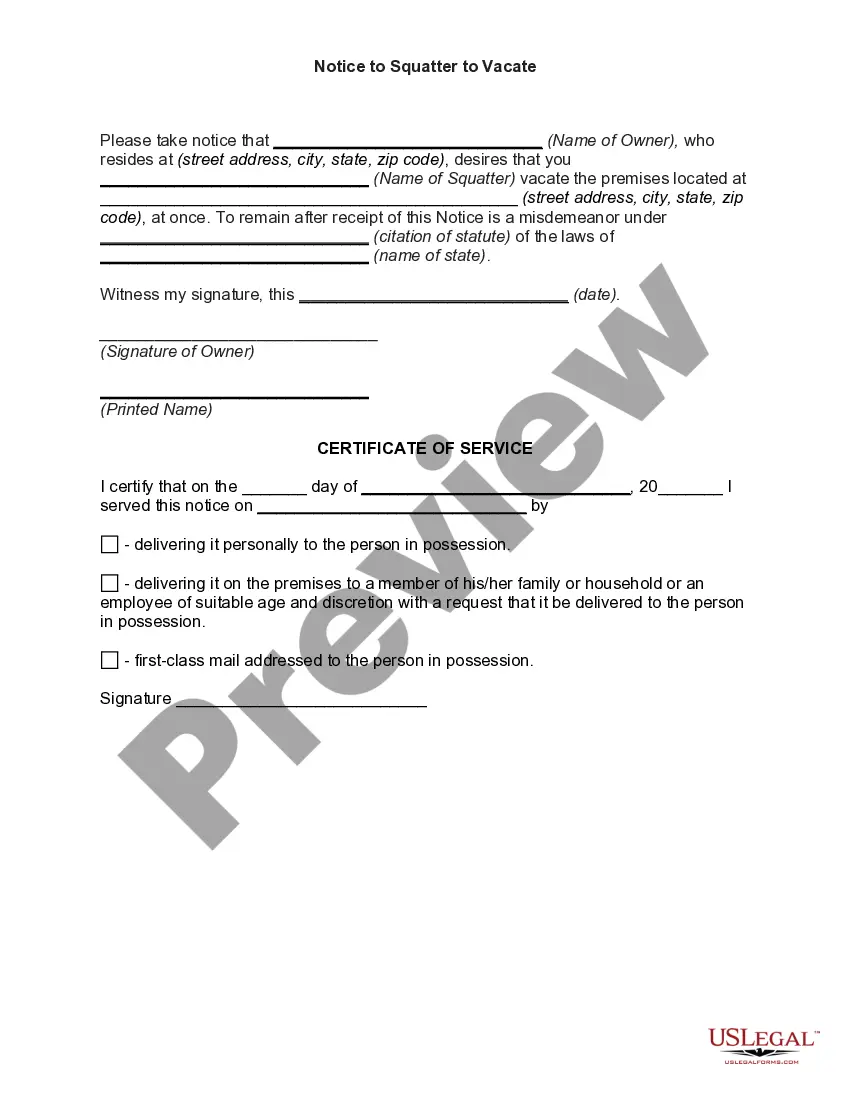
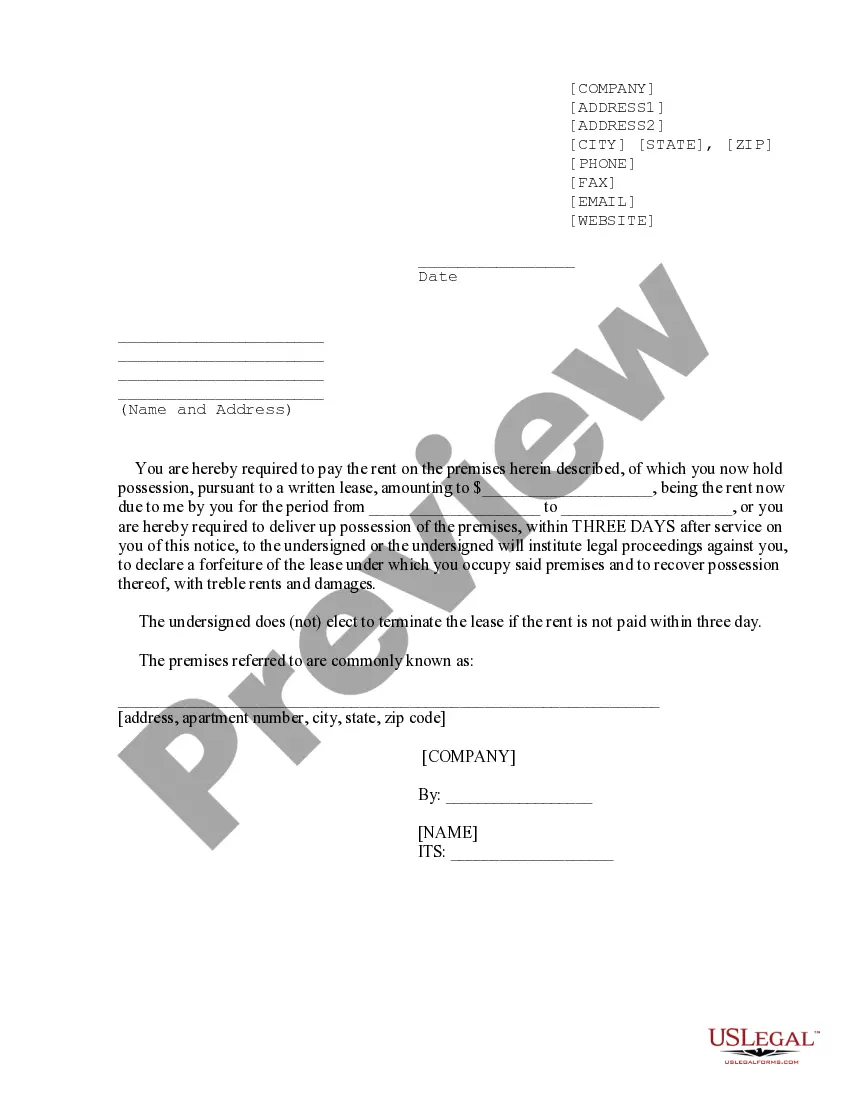
Virgin Islands Notice to Pay Rent
Description
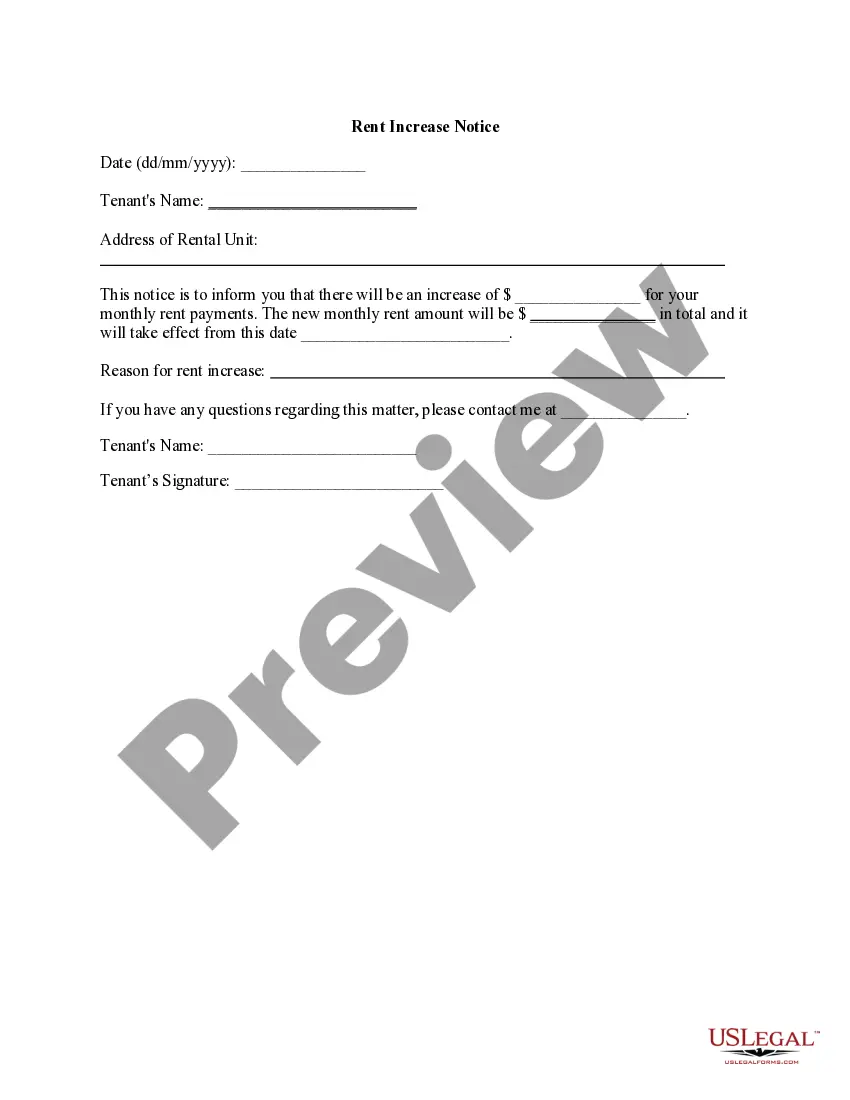
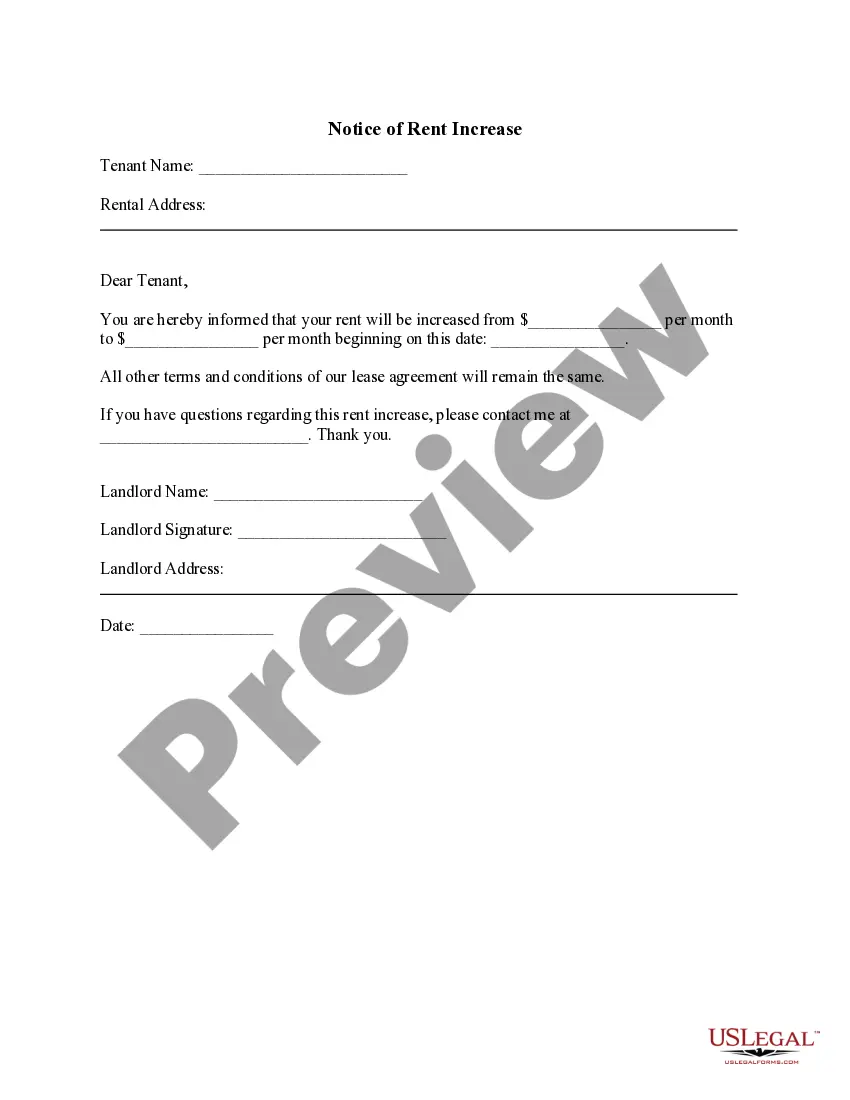
Get your form ready online
Our built-in tools help you complete, sign, share, and store your documents in one place.
Make edits, fill in missing information, and update formatting in US Legal Forms—just like you would in MS Word.
Download a copy, print it, send it by email, or mail it via USPS—whatever works best for your next step.
Sign and collect signatures with our SignNow integration. Send to multiple recipients, set reminders, and more. Go Premium to unlock E-Sign.
If this form requires notarization, complete it online through a secure video call—no need to meet a notary in person or wait for an appointment.
We protect your documents and personal data by following strict security and privacy standards.

Make edits, fill in missing information, and update formatting in US Legal Forms—just like you would in MS Word.

Download a copy, print it, send it by email, or mail it via USPS—whatever works best for your next step.

Sign and collect signatures with our SignNow integration. Send to multiple recipients, set reminders, and more. Go Premium to unlock E-Sign.

If this form requires notarization, complete it online through a secure video call—no need to meet a notary in person or wait for an appointment.

We protect your documents and personal data by following strict security and privacy standards.
Looking for another form?

How to fill out Notice To Pay Rent?
You can spend hours online looking for the legal format that meets the federal and state requirements you need.
US Legal Forms offers thousands of legal documents that can be evaluated by professionals.
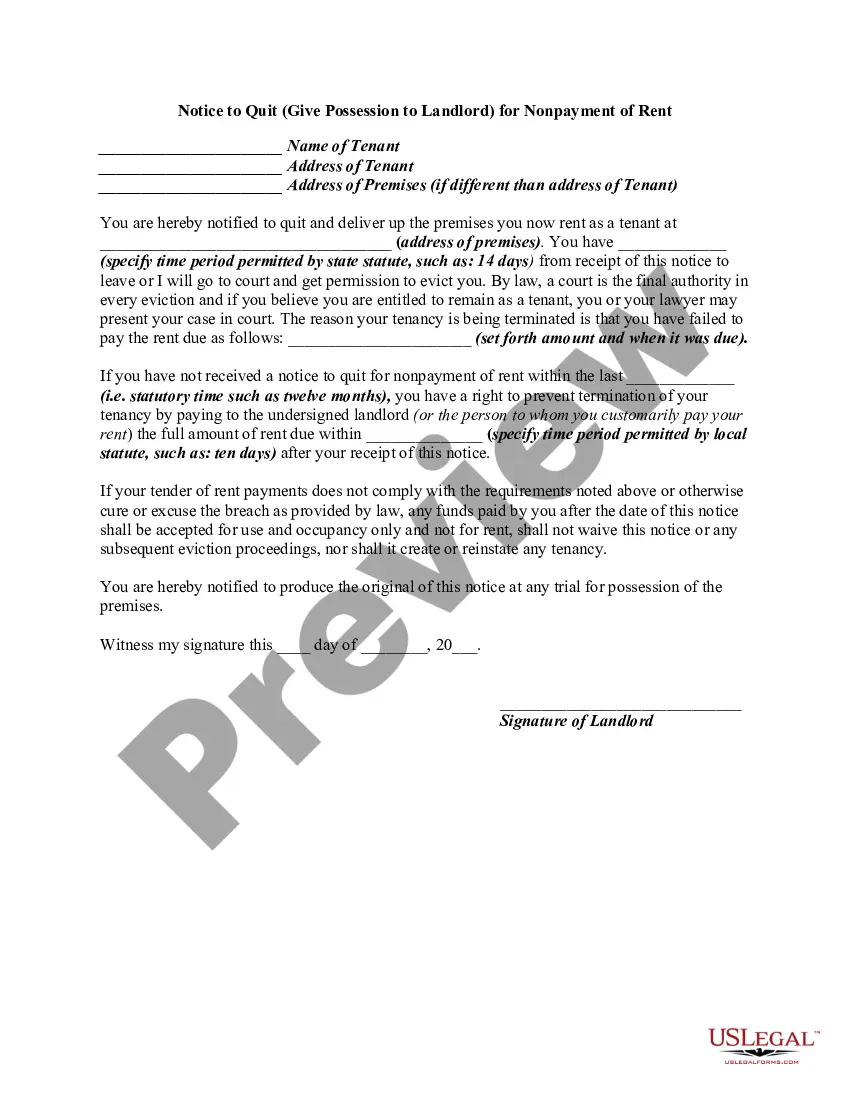
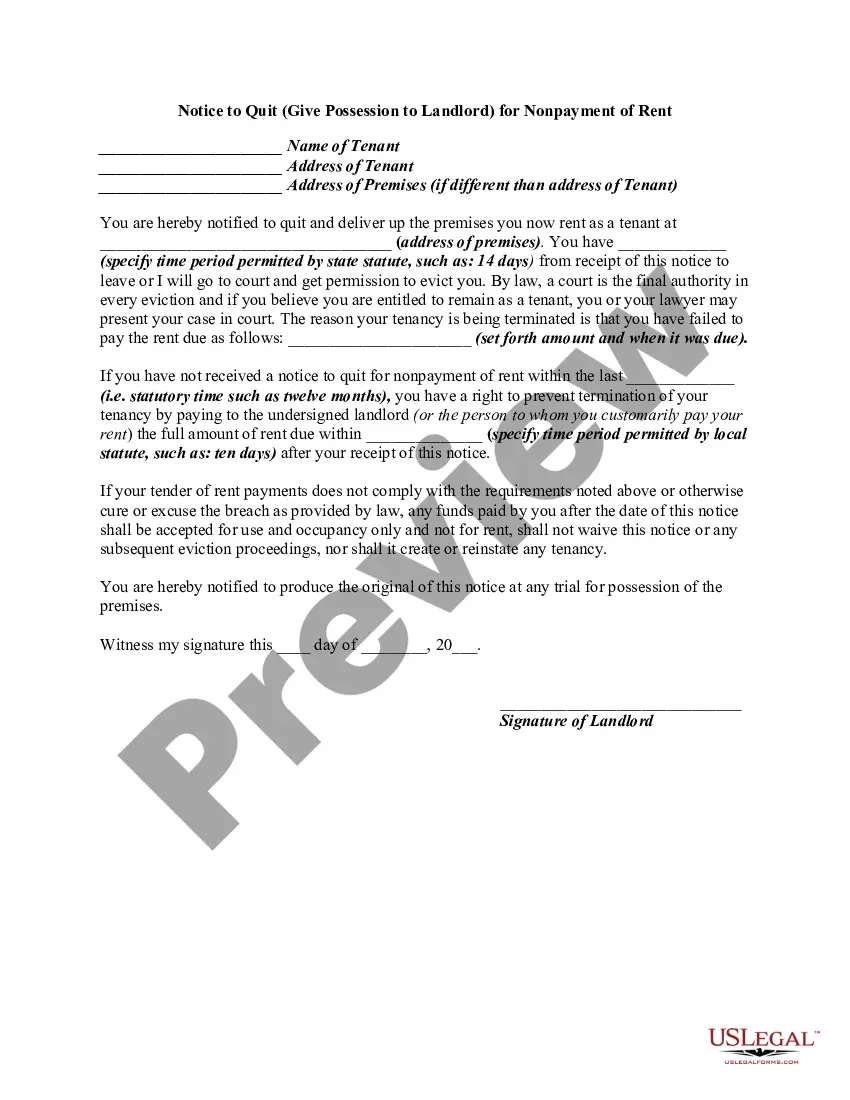
It is easy to obtain or print the Virgin Islands Notice to Pay Rent from my service.
If available, utilize the Preview button to view the format as well.
- If you already possess a US Legal Forms account, you can sign in and then click the Acquire button.
- Then, you can complete, modify, print, or sign the Virgin Islands Notice to Pay Rent.
- Every legal document you purchase is yours indefinitely.
- To get another copy of any purchased form, visit the My documents tab and click the respective button.
- If this is your first time using the US Legal Forms website, follow the simple instructions below.
- Firstly, ensure you have selected the correct format for your chosen state/city.
- Review the document description to confirm you have selected the right form.
Form popularity
FAQ
In Virginia, a landlord must provide a tenant with a written notice to pay rent before initiating an eviction process. This notice typically requires a period of five days, allowing the tenant the opportunity to pay overdue rent. It is essential to understand the local laws regarding eviction, as improper notice can delay the process. For those needing guidance, the US Legal platform offers resources and templates, including a Virgin Islands Notice to Pay Rent, to streamline the eviction process.
A 14-day notice to remedy rent is a formal notification to a tenant, informing them of a rental payment issue that needs resolution. This notice gives the tenant 14 days to pay the overdue rent or rectify any lease violations. In the context of a Virgin Islands Notice to Pay Rent, it serves as a crucial reminder for tenants to take corrective action before facing further legal repercussions. Utilizing templates from uslegalforms can simplify creating this notice, ensuring compliance with local laws.
In the Virgin Islands, the notice period for rent can depend on the lease agreement. Typically, you should provide at least a 5-day notice if the tenant fails to pay rent. However, when using a Virgin Islands Notice to Pay Rent, it's essential to confirm the specific requirements for your situation to avoid any the legal issues. Consulting a legal expert or uslegalforms can also ensure you follow the right procedures.
To write a quick notice to a tenant, start by clearly stating the purpose of the notice, such as a Virgin Islands Notice to Pay Rent. Include pertinent details like the tenant's name, the property address, and the amount of rent owed. Make sure to specify a deadline for payment and any potential consequences for not meeting that deadline. This approach provides clarity and helps maintain professionalism.
A notice of eviction is a formal document that informs a tenant that their landlord intends to terminate their rental agreement. In the Virgin Islands, this notice often follows the Virgin Islands Notice to Pay Rent, which gives tenants an opportunity to rectify their payment issues. The eviction notice outlines the reasons for eviction and typically provides a specific timeframe for the tenant to vacate the property. Being aware of the notice can help tenants address the situation effectively and seek appropriate legal guidance.
In the Virgin Islands, the minimum time a landlord can evict a tenant primarily depends on the reason for eviction. Generally, if a tenant fails to pay rent, they must receive a Virgin Islands Notice to Pay Rent, giving them a minimum of five days to settle the amount owed. If the tenant does not pay within this period, the landlord may proceed with legal action to begin eviction. It's crucial for tenants to understand their rights and act promptly upon receiving a notice to avoid potential eviction.
How do I evict a tenant who doesn't pay rent?Call up the occupant.Send a breach of contract letter if there is a default.You can send an intention to cancel the lease agreement.If the notice is absconded, seek legal assistance.
Once a notice to quit expires, there is no longer a landlord and tenancy relationship. By law, even though he is no longer regarded as a tenant to the landlord, the tenant is still expected to pay the rent he owes to the landlord whether he has been given a notice to quit or not.
On average, an eviction process takes about 15 days if there are no valid defenses to the eviction action. An eviction occurs when a tenant has breached the terms of the tenancy in some material way, or has refused to move out once the rental agreement has expired. An eviction is different from an ejectment.
In Virginia, landlords can evict tenants for a lease violation. The landlord must give tenants a 30-Day Notice to Comply, which provides them with 21 days to fix the issue. Should the tenant be unable to resolve the issue within 21 days, the tenant has the remaining 9 days to vacate the rental property.