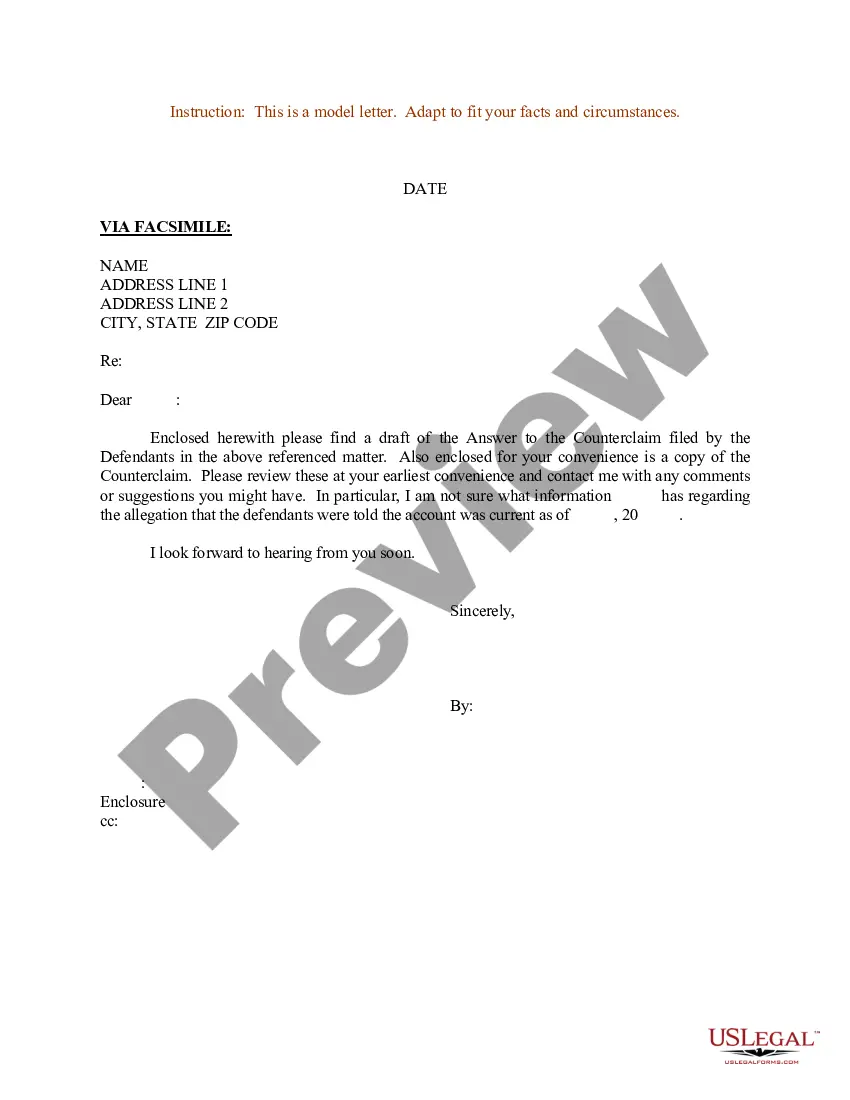
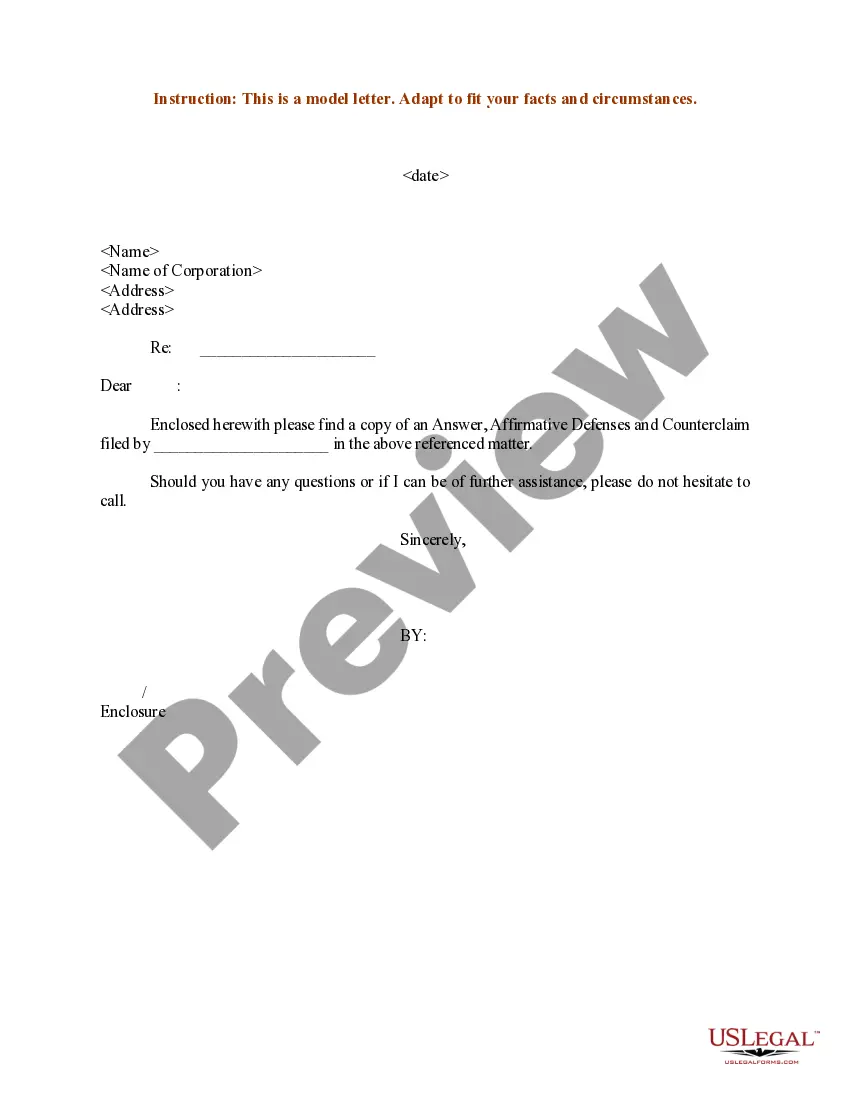
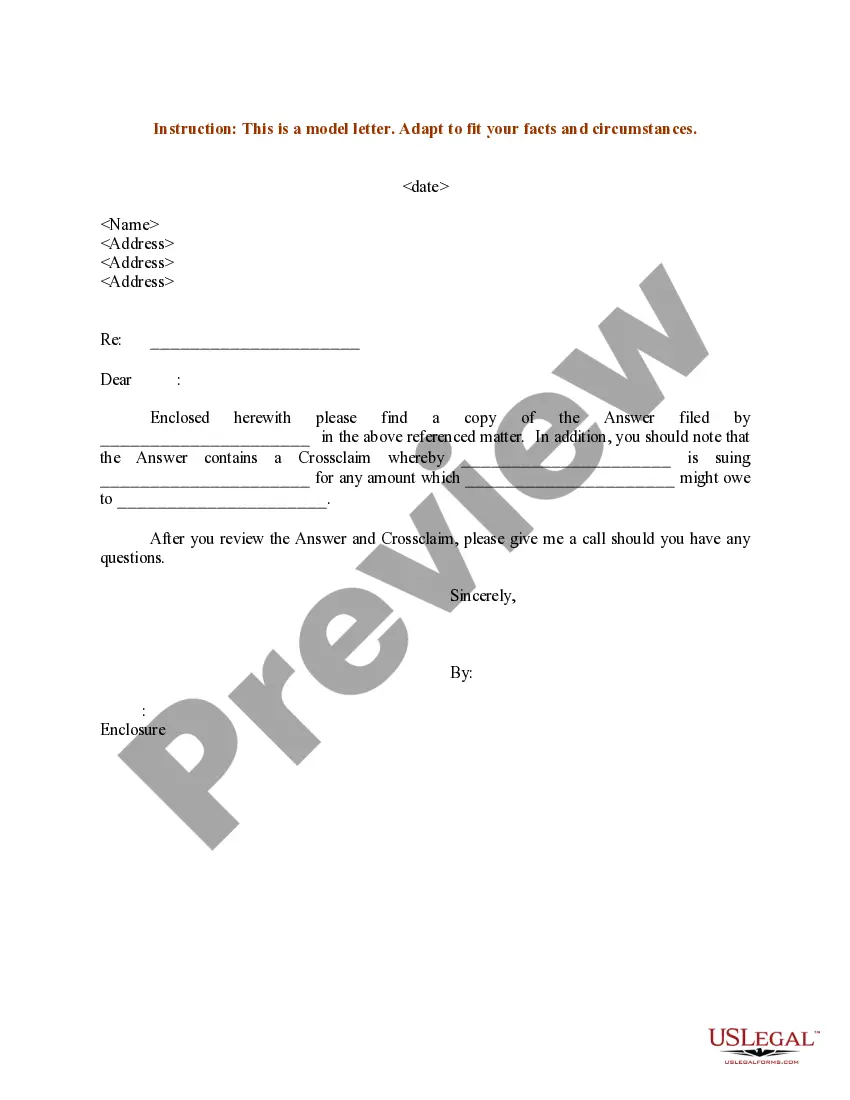
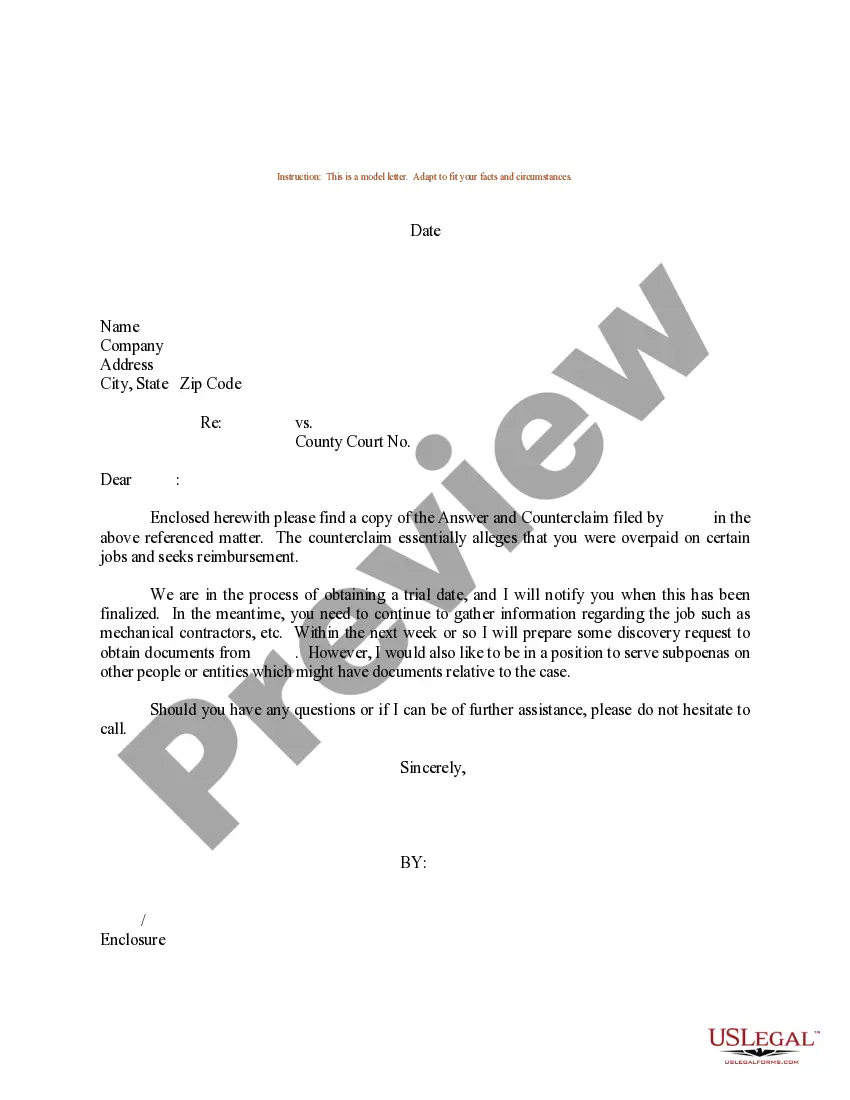
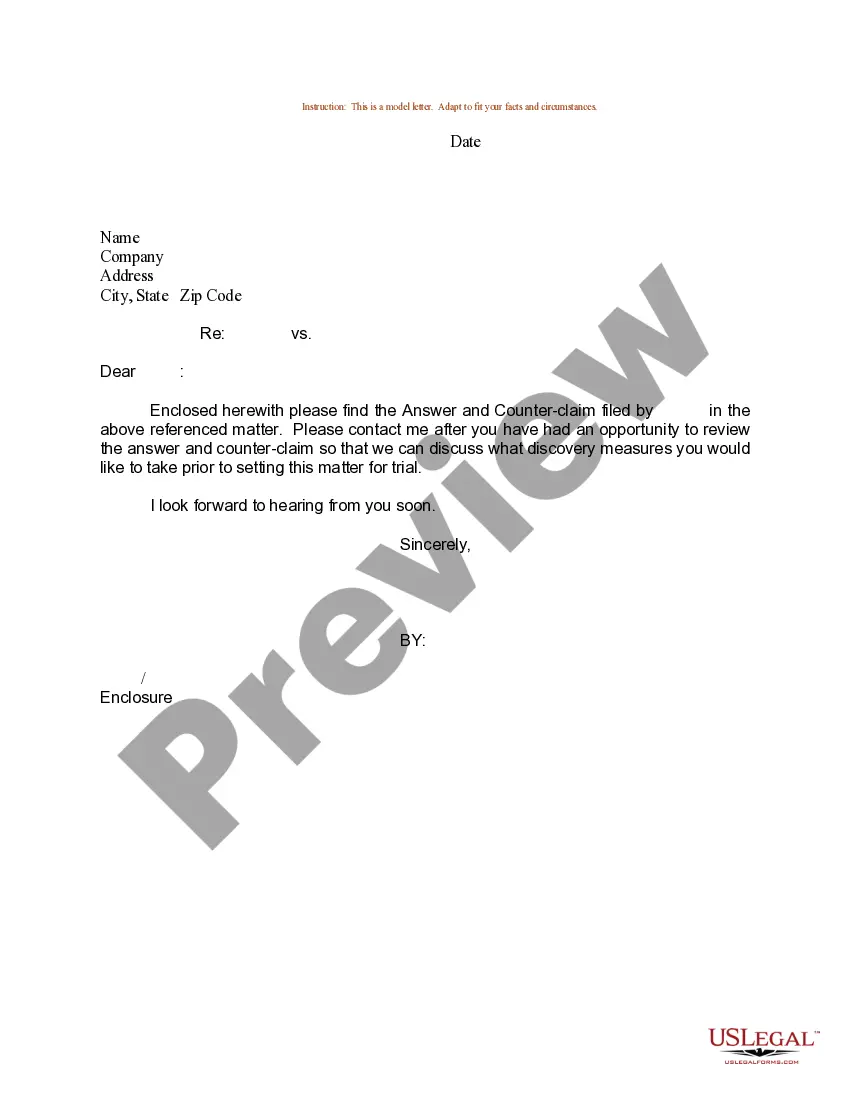
Virginia Sample Letter regarding Answer to a Counterclaim
Description

Get your form ready online
Our built-in tools help you complete, sign, share, and store your documents in one place.
Make edits, fill in missing information, and update formatting in US Legal Forms—just like you would in MS Word.
Download a copy, print it, send it by email, or mail it via USPS—whatever works best for your next step.
Sign and collect signatures with our SignNow integration. Send to multiple recipients, set reminders, and more. Go Premium to unlock E-Sign.
If this form requires notarization, complete it online through a secure video call—no need to meet a notary in person or wait for an appointment.
We protect your documents and personal data by following strict security and privacy standards.

Make edits, fill in missing information, and update formatting in US Legal Forms—just like you would in MS Word.

Download a copy, print it, send it by email, or mail it via USPS—whatever works best for your next step.

Sign and collect signatures with our SignNow integration. Send to multiple recipients, set reminders, and more. Go Premium to unlock E-Sign.

If this form requires notarization, complete it online through a secure video call—no need to meet a notary in person or wait for an appointment.

We protect your documents and personal data by following strict security and privacy standards.
Looking for another form?
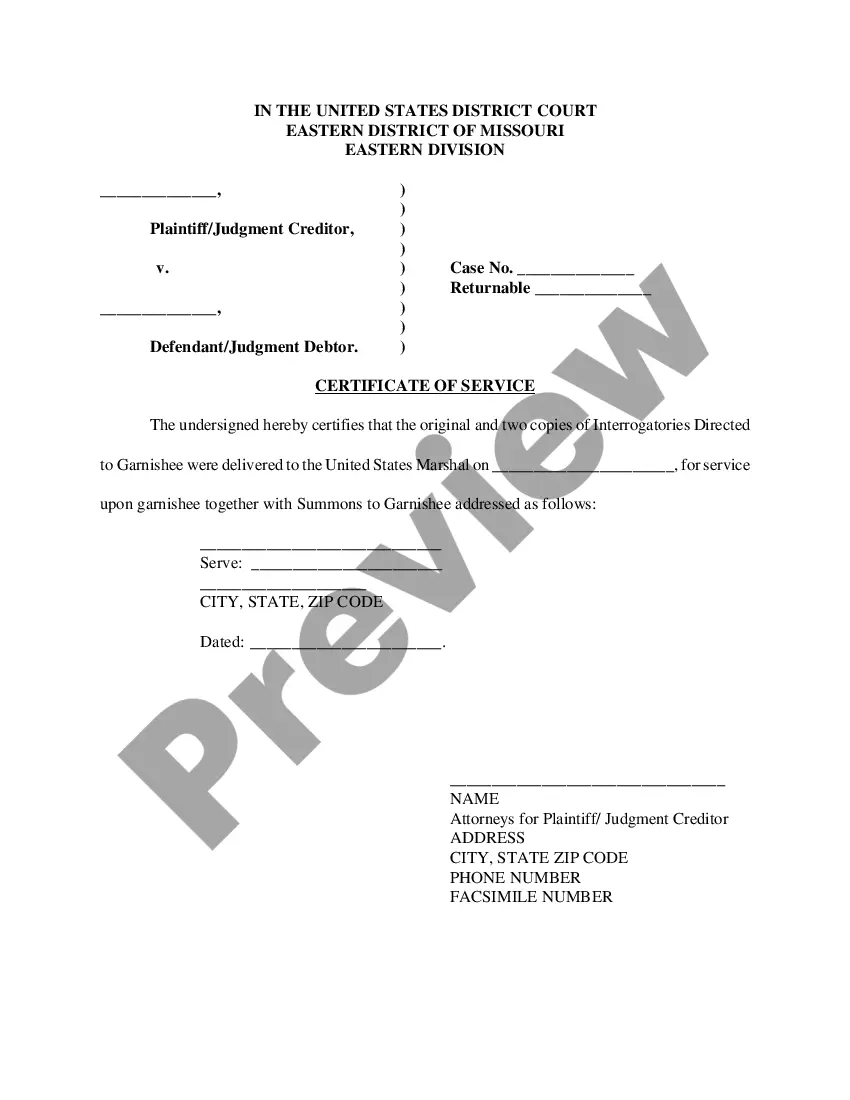



How to fill out Sample Letter Regarding Answer To A Counterclaim?
Locating the appropriate legal document format might pose a challenge. Naturally, there are numerous templates accessible online, but how can you acquire the specific legal type you require? Utilize the US Legal Forms website. The platform offers a vast array of templates, including the Virginia Sample Letter concerning Response to a Counterclaim, suitable for both business and personal needs. Each of the documents is verified by professionals and complies with state and federal regulations.
If you are already registered, Log In to your account and press the Download button to obtain the Virginia Sample Letter concerning Response to a Counterclaim. Use your account to search through the legal documents you have previously ordered. Navigate to the My documents section of your account and obtain another copy of the document you require.
If you are a new user of US Legal Forms, here are simple instructions for you to follow: First, ensure you have selected the correct document for your city/state. You can browse the form using the Preview button and read the form description to confirm this is indeed suitable for you. If the document does not meet your requirements, utilize the Search field to find the appropriate form. Once you are confident that the form is correct, click the Buy now button to acquire the document. Choose the pricing plan you prefer and enter the necessary information. Create your account and pay for the order using your PayPal account or credit card. Select the file format and download the legal document to your device. Complete, modify, print, and sign the received Virginia Sample Letter concerning Response to a Counterclaim.
Take advantage of this resource to streamline your legal document needs.
- US Legal Forms is the largest repository of legal documents where you can find a variety of file templates.
- Utilize the service to obtain professionally crafted papers that adhere to state regulations.
- Templates are vetted by experts to ensure compliance.
- The platform provides templates for both personal and business use.
- Easy navigation through the account to access previously ordered documents.
- Quick search functionality to find specific forms.
Form popularity
FAQ
When drafting an answer, one must: (1) follow the local, state, and federal court rules; (2) research the legal claims in the adversary's complaint; (3) respond to the adversary's factual allegations; and (4) assert affirmative defenses, counterclaims, cross-claims, or third-party claims, if applicable.
A pleading must state as a counterclaim any claim that-at the time of its service-the pleader has against an opposing party if the claim: (A) arises out of the transaction or occurrence that is the subject matter of the opposing party's claim; and (B) does not require adding another party over whom the court cannot ...
If the defendant believes that the plaintiff is the one who breached, the defendant can file a counterclaim against the plaintiff. Practically, this will look a lot like the original complaint the plaintiff filed, listing out the allegations, specific legal claims, and a demand for monetary relief.
For each paragraph in the complaint, state whether: the defendant admits the allegations in that paragraph; denies the allegations; lacks sufficient knowledge to admit or deny the allegations; or admits certain allegations but denies, or lacks sufficient knowledge to admit or deny, the rest.
You should respond to the counterclaim as though it were a Statement of Claim and you were drafting a Defence: respond to every paragraph ? you can do this paragraph by paragraph if necessary; deny any allegations of fact that you do not admit ? you will be deemed to admit facts that you forget to plead to; and.
How to respond to customer complaints Read the entire complaint. ... Apologize for any inconvenience. ... Explain what may have caused the issue. ... Propose an actionable, detailed solution. ... Explain how you can improve the customer's experience in the future. ... Offer an incentive. ... Encourage customer response.
The Legal Ombudsman's Top tips for responding to complaints 1 Keep it simple. Avoid jargon, pretentious language and using legal / technical terms. ... 2 Be timely. ... 3 Take it seriously. ... 4 Acknowledge stress or inconvenience caused. ... 5 Don't be afraid to apologise. ... 6 Appreciate feedback. ... 7 Be clear.
When writing a customer complaint response, consider following these steps: Read the entire complaint. ... Apologize for any inconvenience. ... Explain what may have caused the issue. ... Propose an actionable, detailed solution. ... Explain how you can improve the customer's experience in the future. ... Offer an incentive.
Your response should cover every paragraph in the complaint and whether you admit or deny each point raised. If you can't remember whether part of the complaint is correct, it may be safer to deny it and avoid relying on your memory. For each point that you admit or deny, include a brief reason why.
Counterclaim. The defendant may file a counterclaim, which asserts that the plaintiff has injured the defendant in some way, and should pay damages. ("You're suing me? Well then, I'm suing you.") It may be filed separately or as part of the answer.