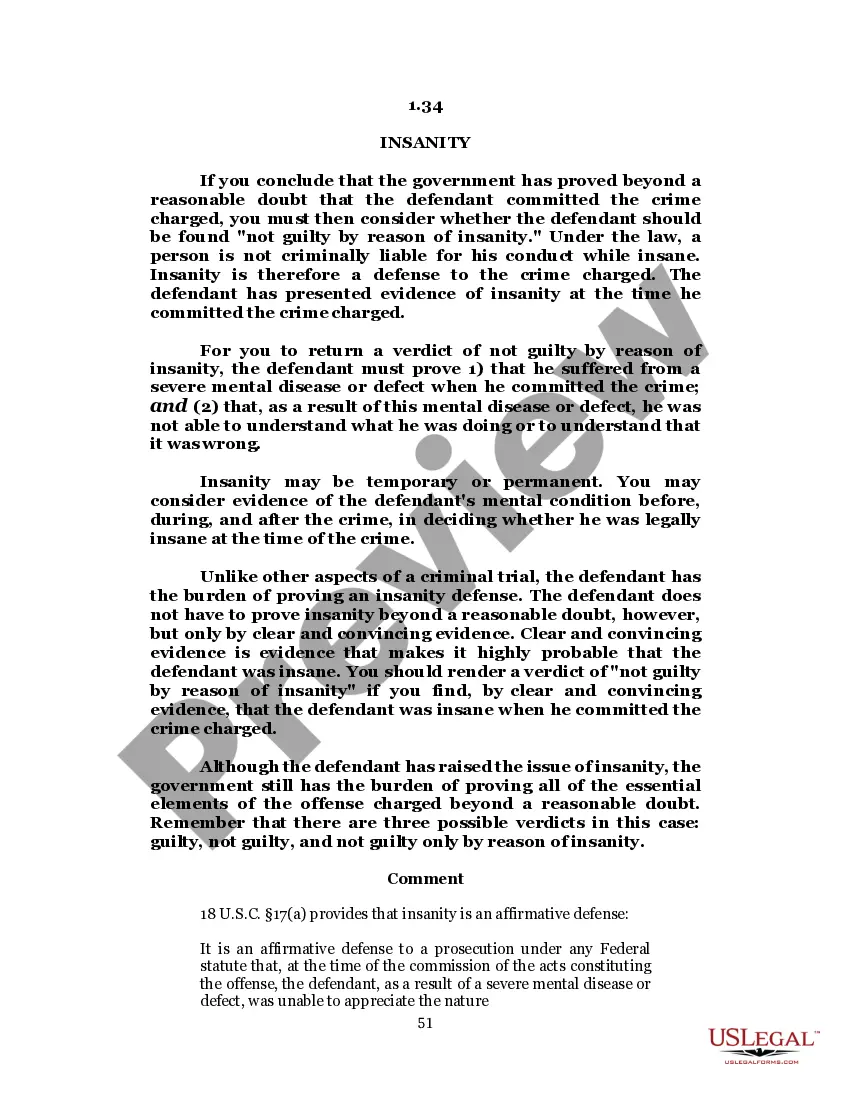
Virginia Sample Letter for Alleged Payments Due from Defendant
Description
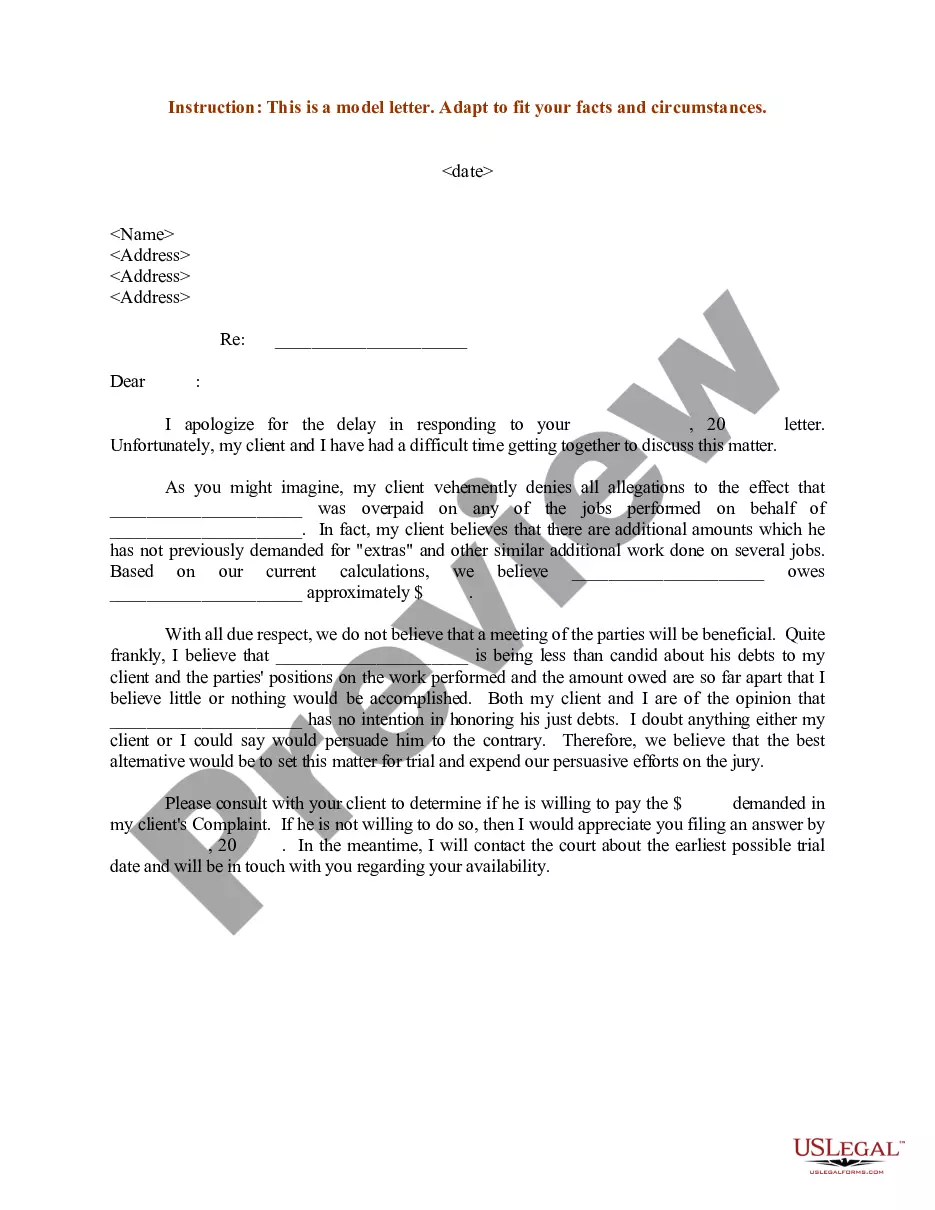
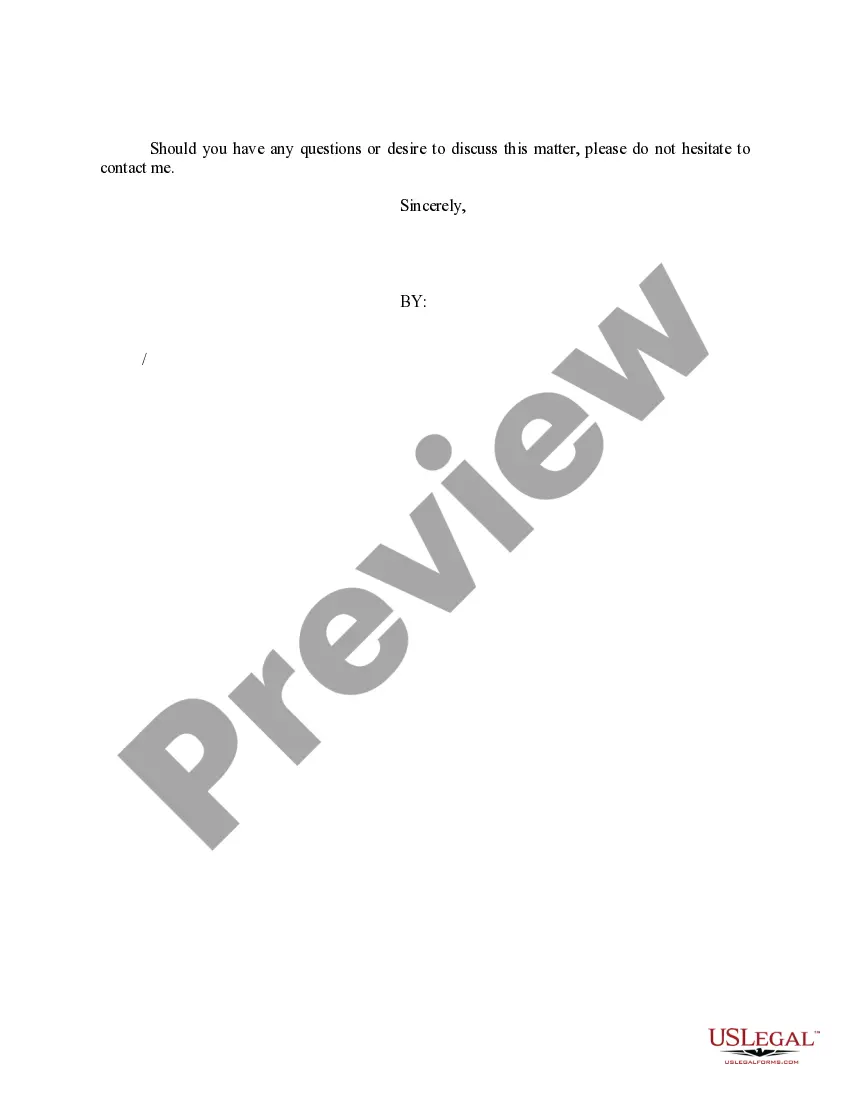
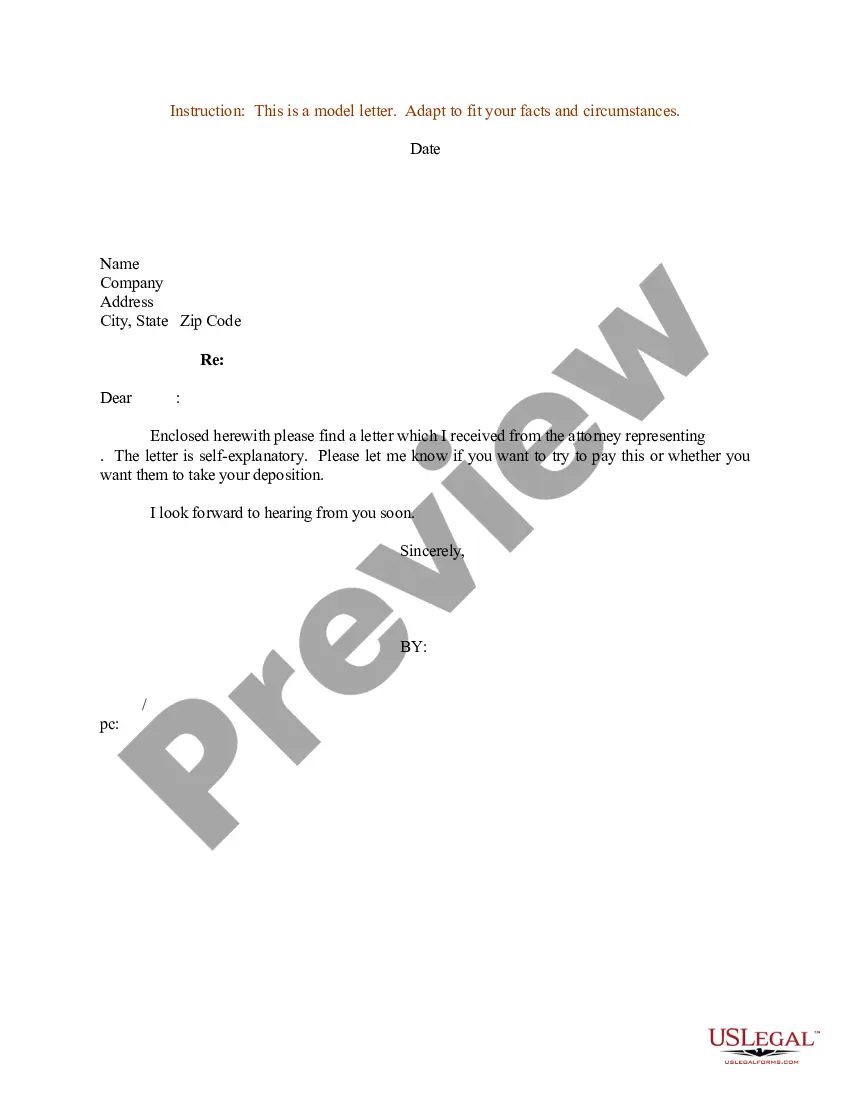
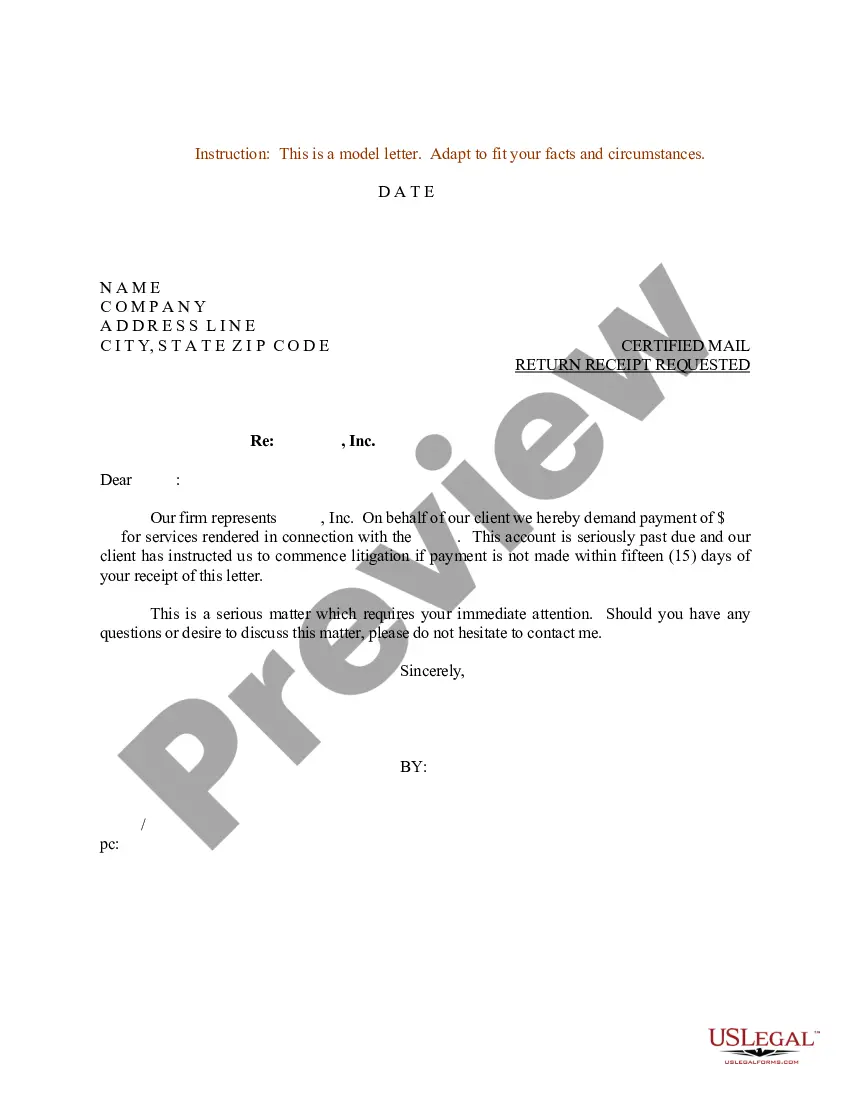
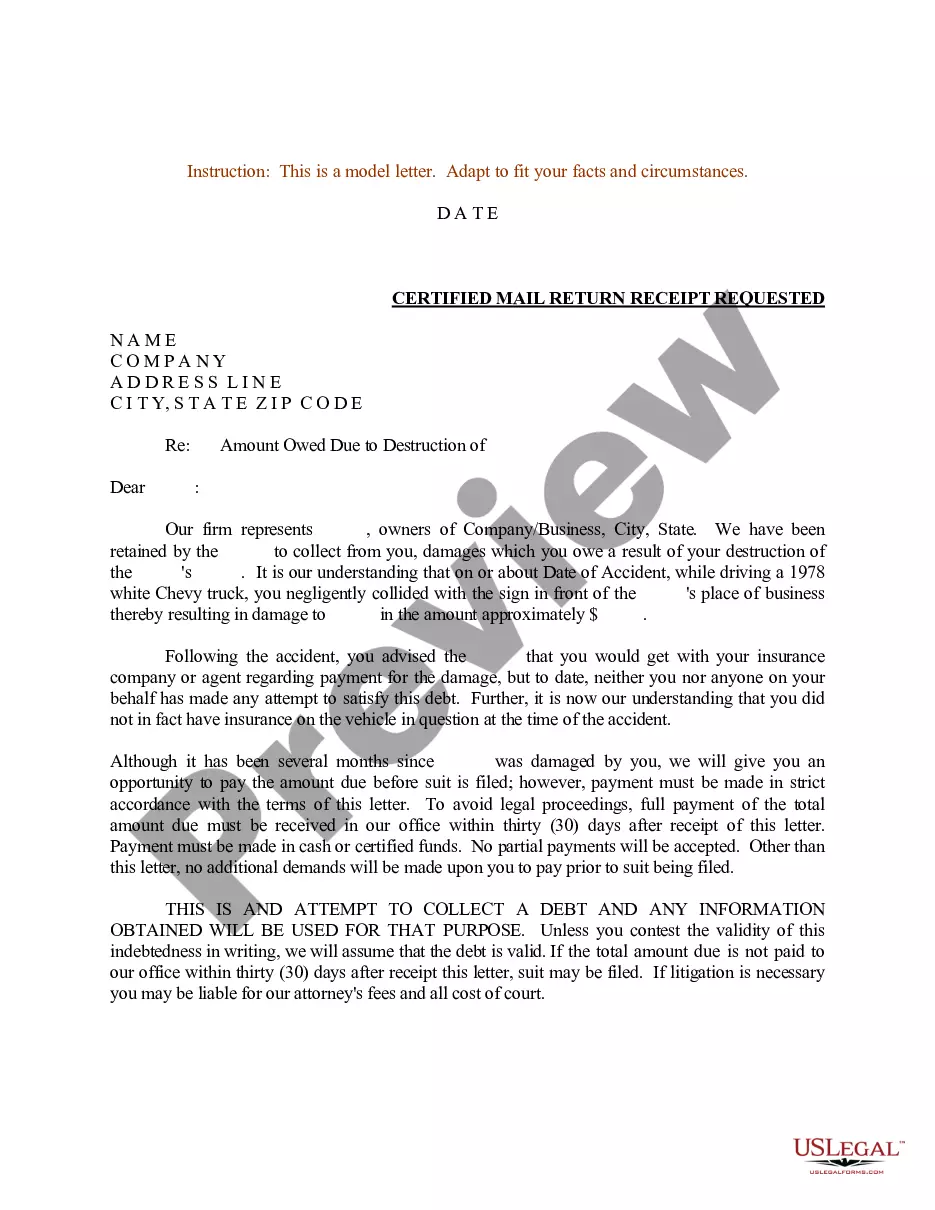
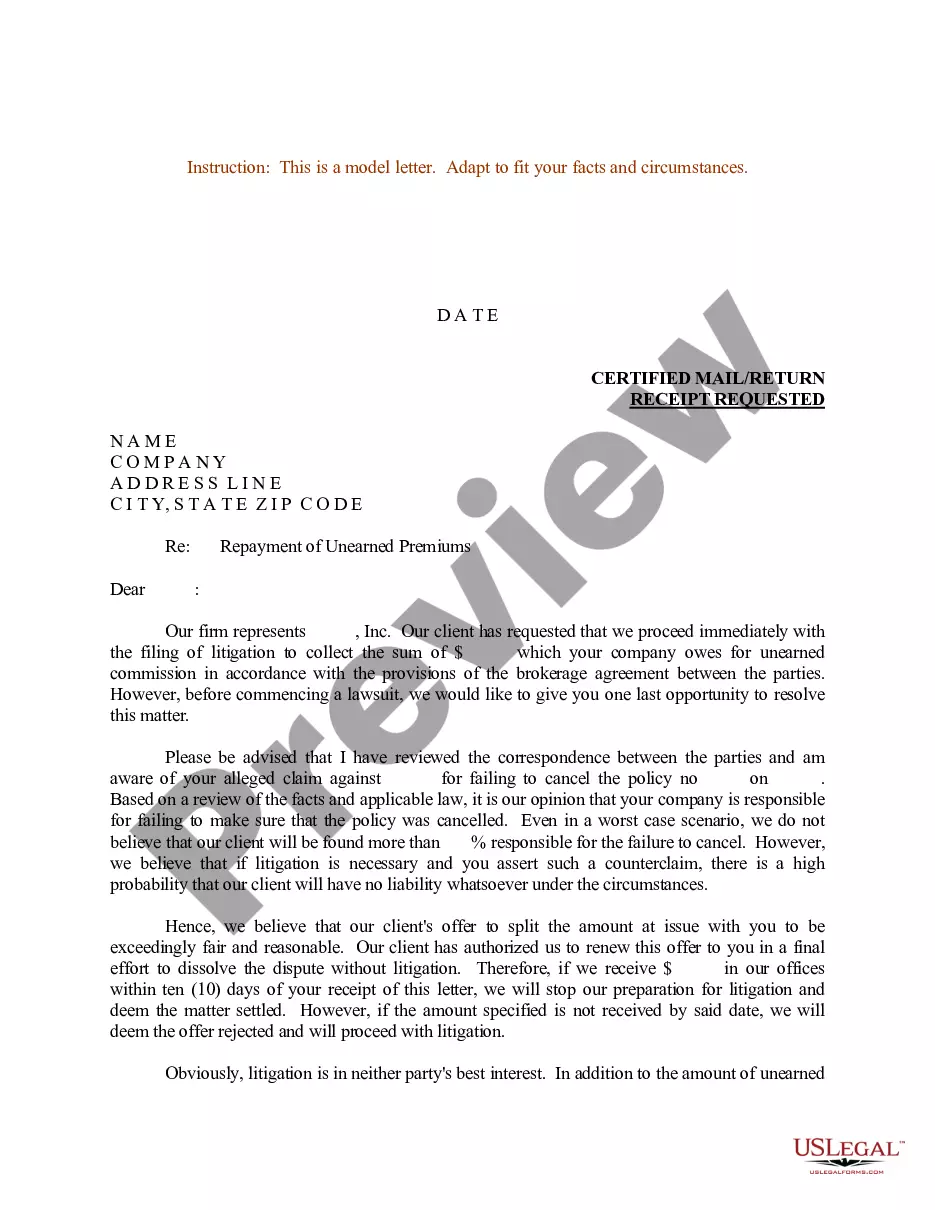
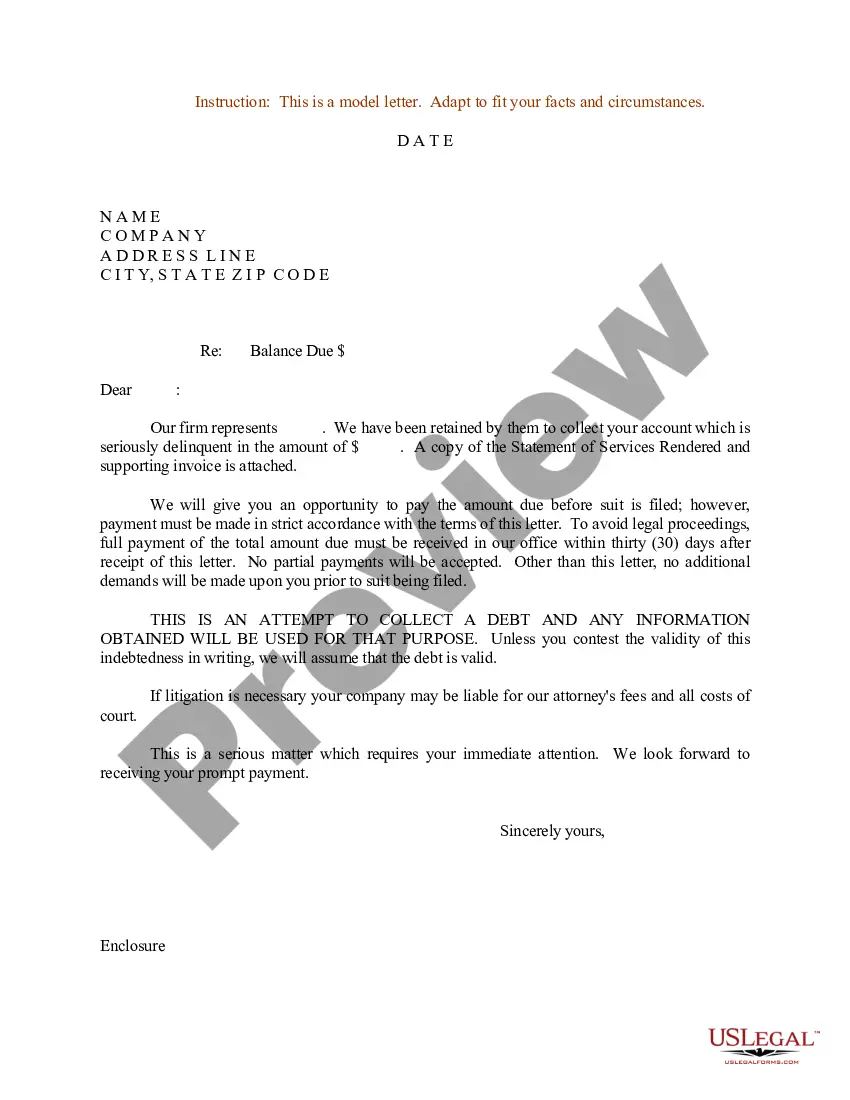
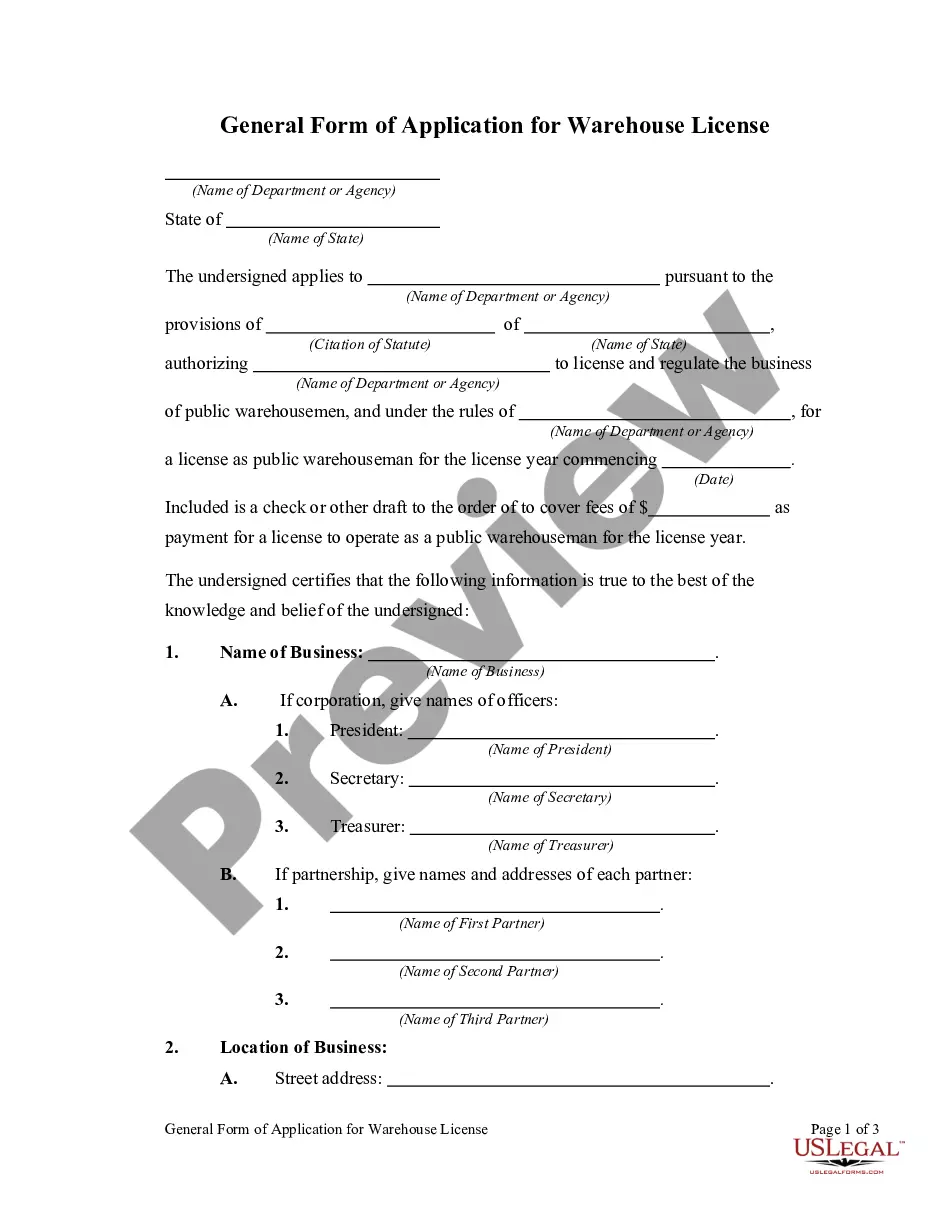
How to fill out Sample Letter For Alleged Payments Due From Defendant?
You can spend several hours online searching for the valid document template that meets the state and federal requirements you need.
US Legal Forms provides thousands of legal forms that have been vetted by professionals.
It is easy to download or print the Virginia Sample Letter for Alleged Payments Due from Defendant from our service.
If available, use the Review button to examine the document template as well. If you wish to obtain another version of the form, use the Search field to find the template that suits your needs and requirements. Once you have located the template you want, click Buy Now to proceed. Choose the pricing plan you desire, enter your credentials, and register for an account on US Legal Forms. Complete the transaction. You can use your credit card or PayPal account to purchase the legal form. Select the format of the document and download it to your device. Make edits to your document if necessary. You can complete, modify, sign, and print the Virginia Sample Letter for Alleged Payments Due from Defendant. Download and print thousands of document templates using the US Legal Forms site, which offers the largest selection of legal forms. Utilize professional and state-specific templates to address your business or personal needs.
- If you have a US Legal Forms account, you can Log In and click the Download button.
- After that, you can complete, modify, print, or sign the Virginia Sample Letter for Alleged Payments Due from Defendant.
- Each legal document template you purchase is yours permanently.
- To obtain another copy of any purchased form, visit the My documents tab and click the respective button.
- If you are using the US Legal Forms website for the first time, follow the simple instructions below.
- First, ensure you have selected the correct document template for the region/city of your choice.
- Read the form description to confirm you have chosen the right form.
Form popularity
FAQ
This is called a Demand Letter. This is a step you must take before filing a small claims court case. If you ask for the money and the other side pays you, you won't need to go to court.
Frequently Asked Questions (FAQ) Type your letter. ... Concisely review the main facts. ... Be polite. ... Write with your goal in mind. ... Ask for exactly what you want. ... Set a deadline. ... End the letter by stating you will promptly pursue legal remedies if the other party does not meet your demand. Make and keep copies.
An intent to sue letter should have the addresses of both parties, a detailed description of the dispute, the settlement demand (e.g., payment amount, cease and desist, repair damages, etc.), the sender's contact information, and the deadline for the proposed settlement.
Dear Mr. Don Johnson, This letter of intent to sue shall serve as a formal notice that Albert Smith intends to commence a lawsuit against you due to the following: Unauthorized removal of hedges and fencing located at the rear of his home at 123 Ave., Capital City.
After you file your lawsuit, you have to let the defendant know that you are suing them. Usually, the defendant knows about the case a long time before it starts.
Pursuant to [STATUTE / CONTRACTUAL PROVISION], you are hereby given notice that [CLIENT] intends to commence a lawsuit against you for [AMOUNT OF DAMAGES OR EQUITABLE RELIEF] due to [DESCRIBE CONDUCT OR INCIDENT THAT SERVES AS THE BASIS FOR THE LAWSUIT].
It can be considered illegal or not, depending on the situation. Threatening to sue someone with a civil lawsuit is not a problem, but it can be subjected to illegal harassment if it is meaningless. An empty threat with a lawsuit is considered illegal when the person suing does not hold anything against the person.
You're potentially threatening legal action, not threatening the person themselves. While the dispute of payment may have become personal, a demand letter is meant to encourage a desirable resolution. The use of threatening or insulting language may embolden the owner into not paying when they otherwise would have.
If you want to respond to a legal threat, you may be able to do it yourself, or you may prefer to have a lawyer write a response. Use your best judgment as to what you think is best. If the person has no valid claim against you, don't be afraid to tell them that their claim is not valid.
An intent to sue letter should have the addresses of both parties, a detailed description of the dispute, the settlement demand (e.g., payment amount, cease and desist, repair damages, etc.), the sender's contact information, and the deadline for the proposed settlement.