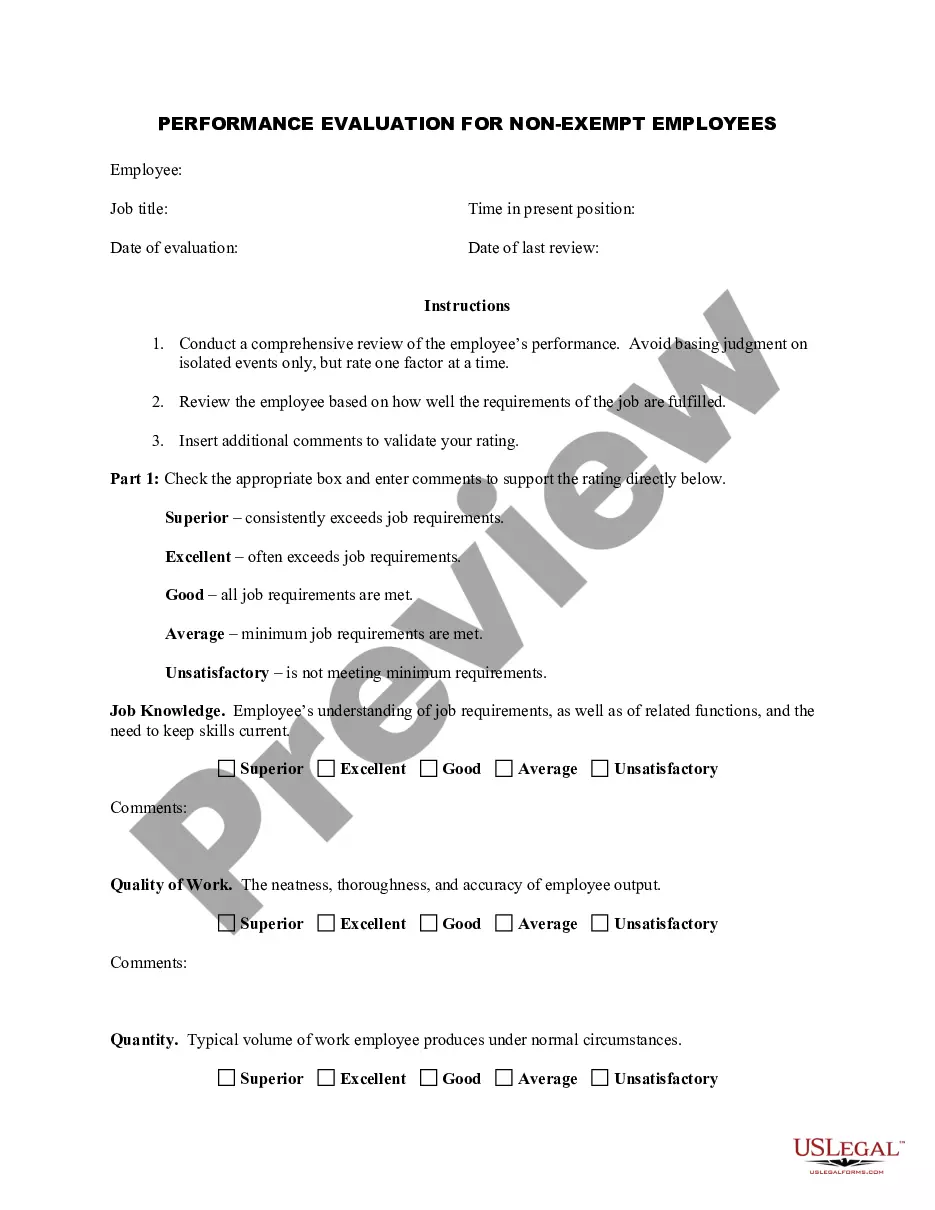
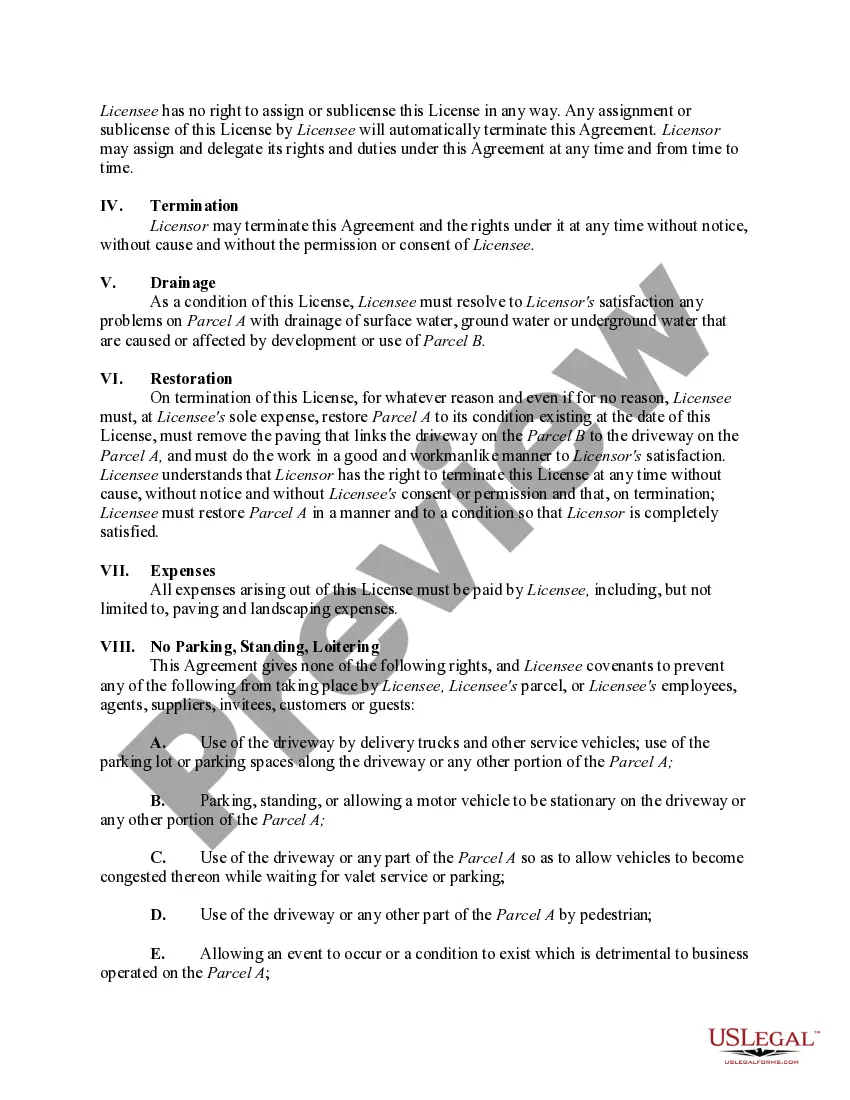
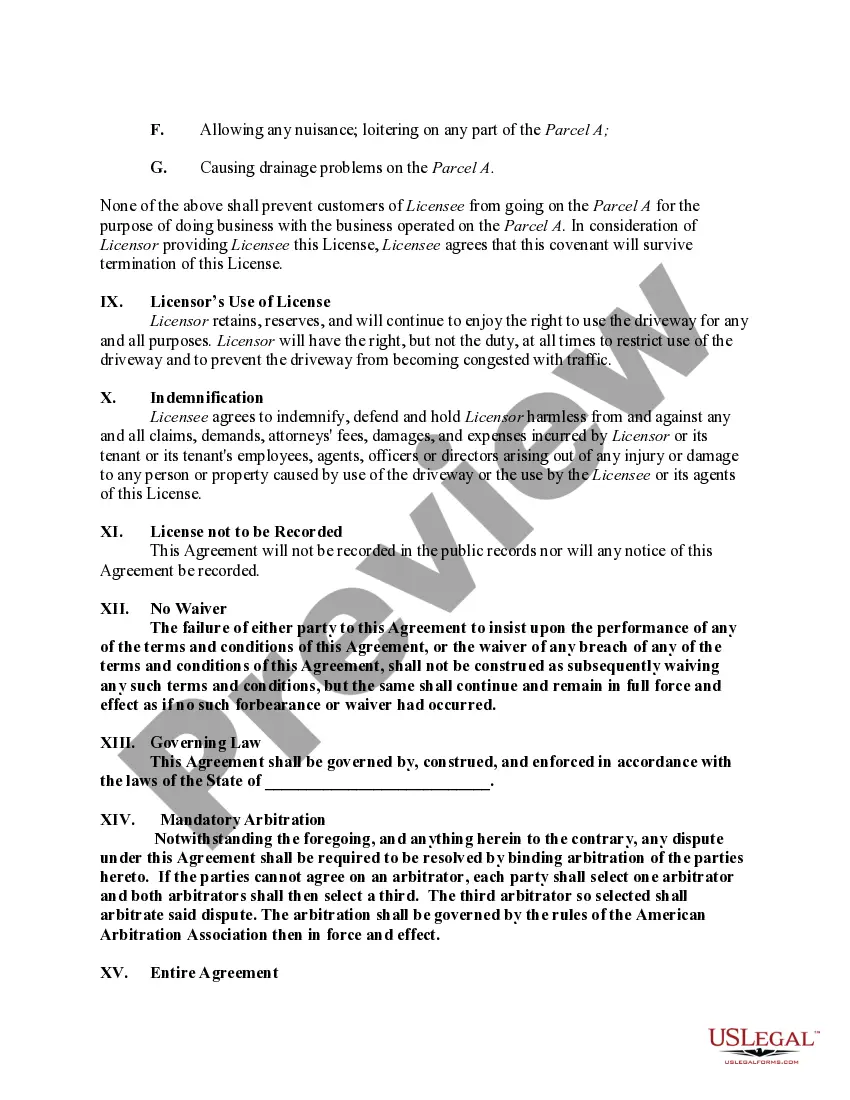
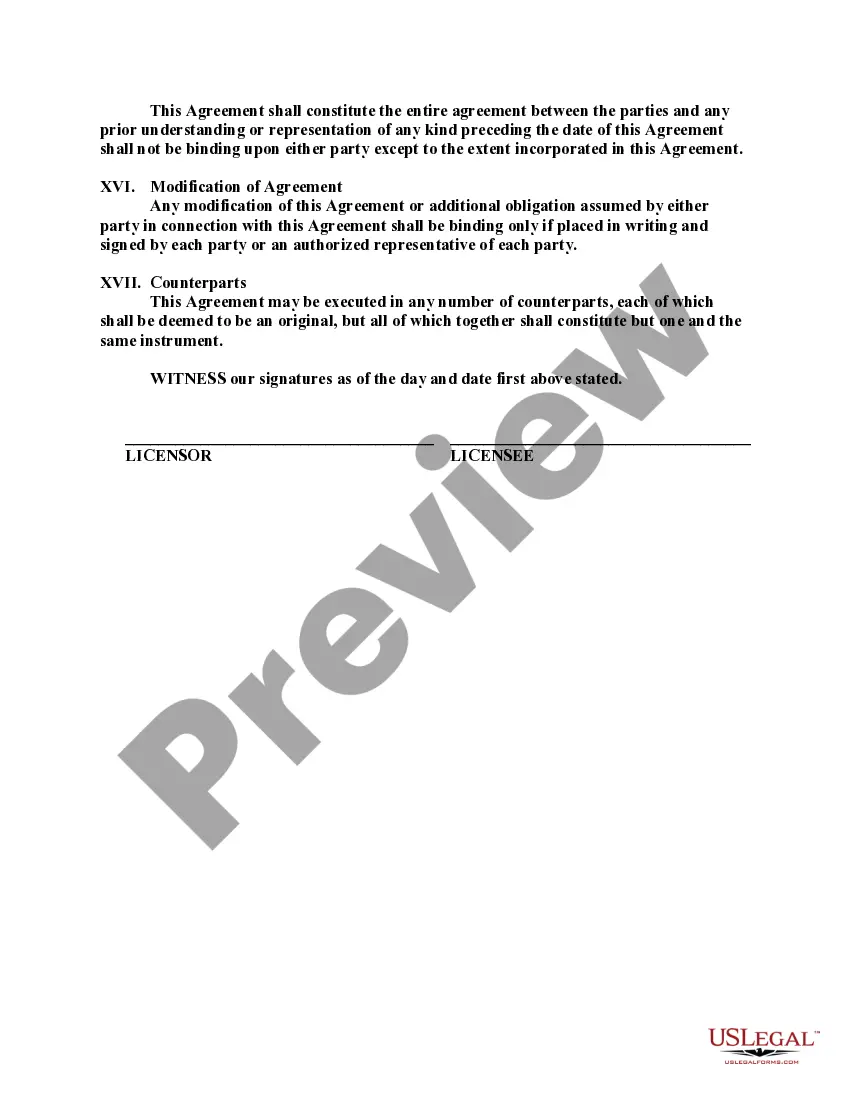
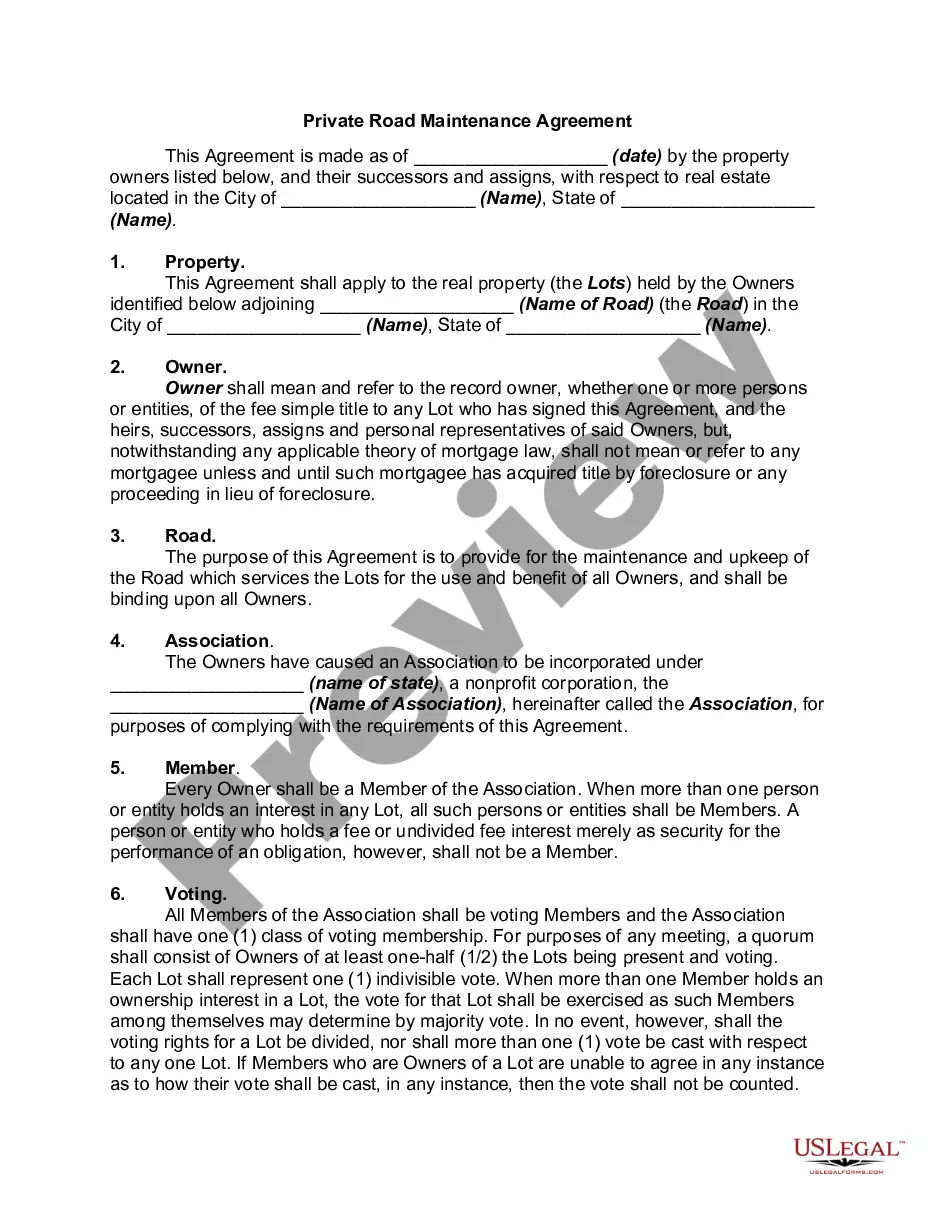
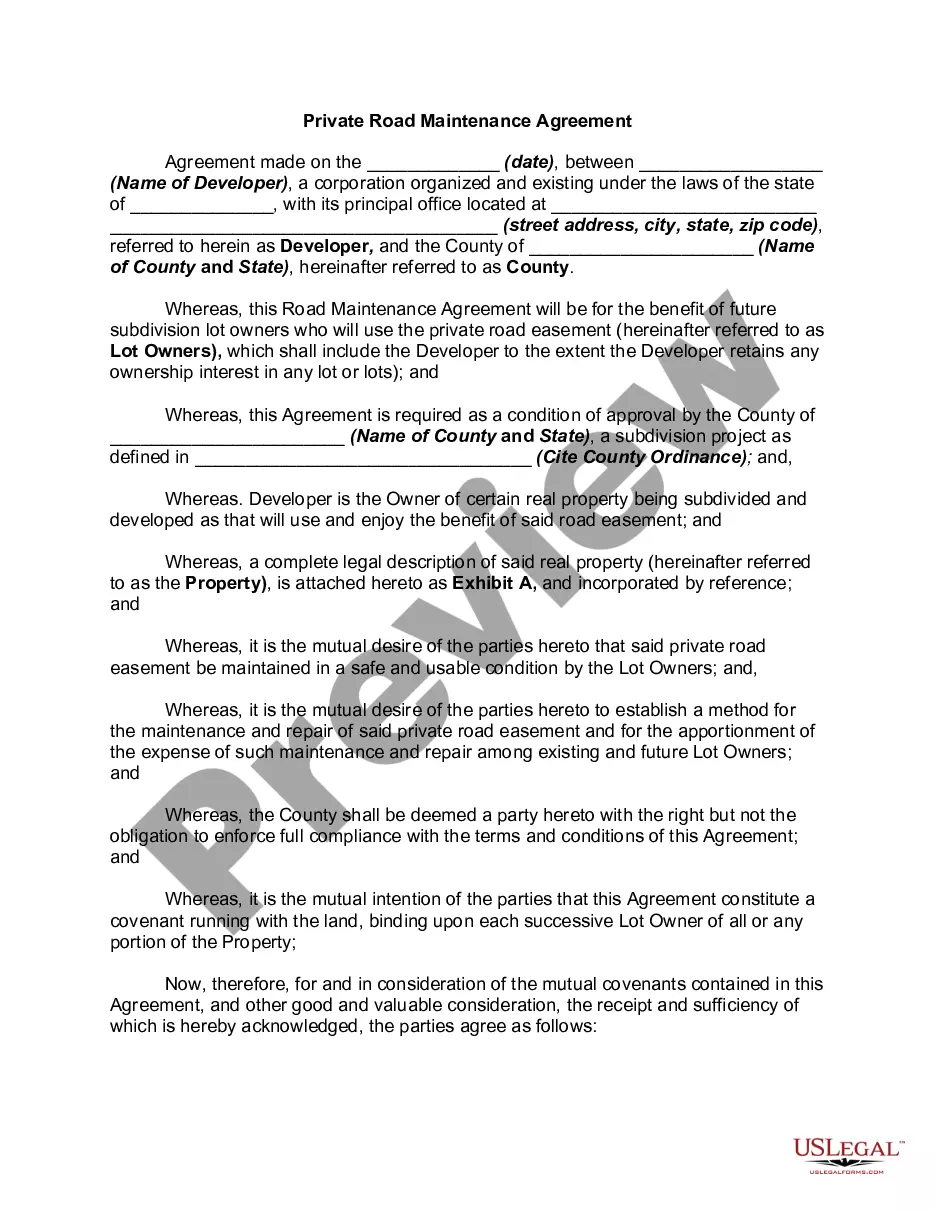
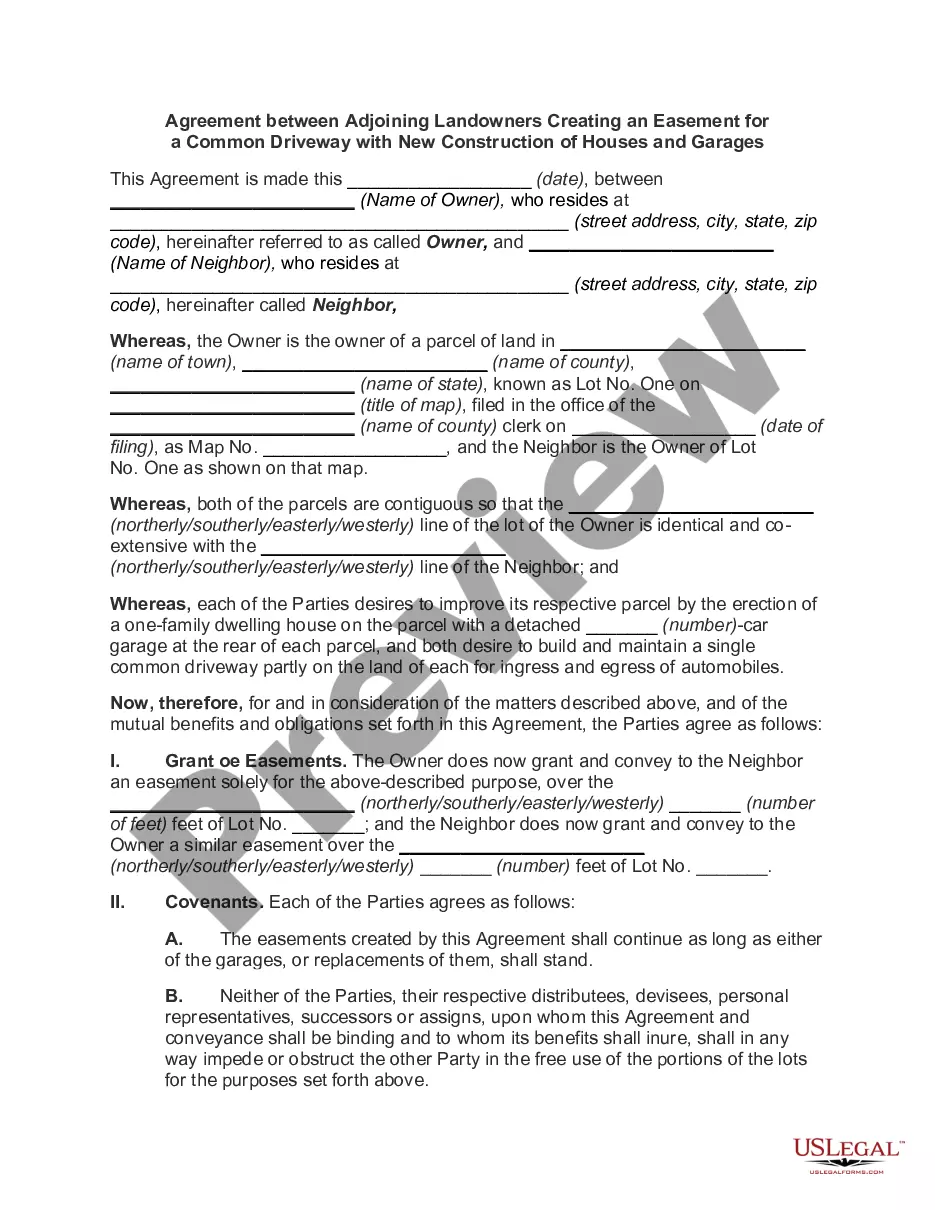
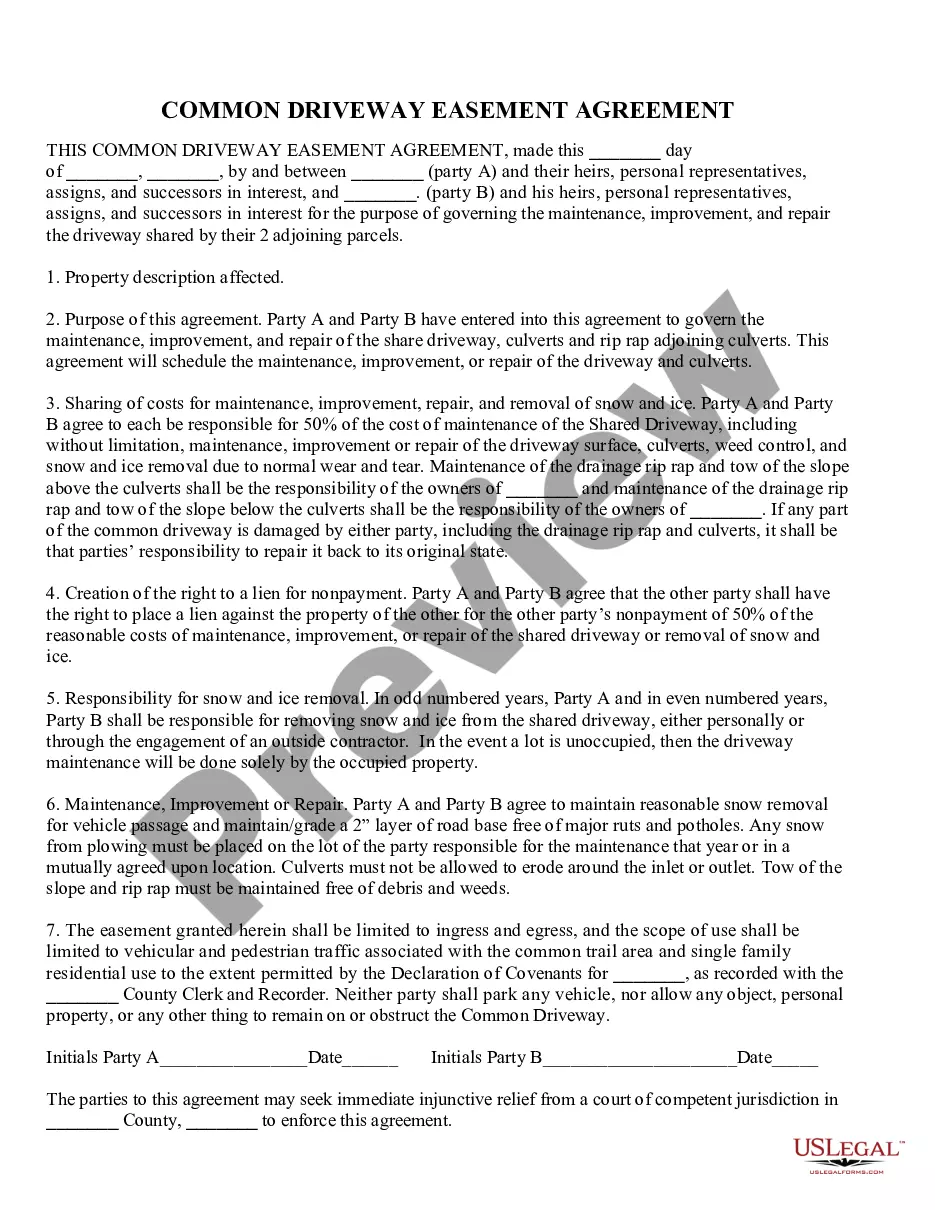
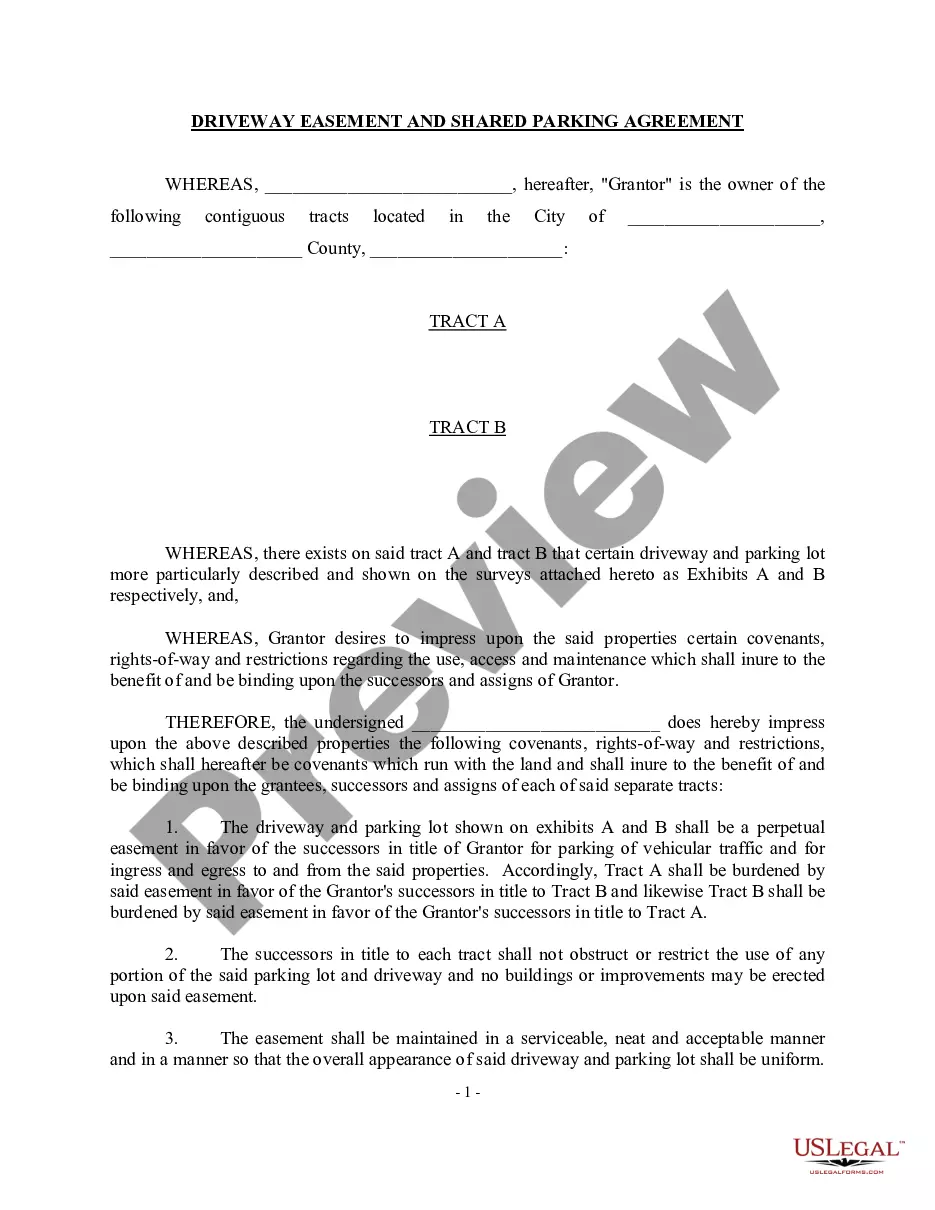
In this form, a licensor grants to a licensee a nonexclusive license for the customers and employees of licensee to drive motor vehicles on the driveway and to allow the licensee to pave and landscape certain property.
Virginia Driveway License Agreement
Instant download
Description
Free preview
Get your form ready online
Our built-in tools help you complete, sign, share, and store your documents in one place.
Built-in online Word editor
Make edits, fill in missing information, and update formatting in US Legal Forms—just like you would in MS Word.
Export easily
Download a copy, print it, send it by email, or mail it via USPS—whatever works best for your next step.
E-sign your document
Sign and collect signatures with our SignNow integration. Send to multiple recipients, set reminders, and more. Go Premium to unlock E-Sign.
Notarize online 24/7
If this form requires notarization, complete it online through a secure video call—no need to meet a notary in person or wait for an appointment.
Store your document securely
We protect your documents and personal data by following strict security and privacy standards.

Make edits, fill in missing information, and update formatting in US Legal Forms—just like you would in MS Word.

Download a copy, print it, send it by email, or mail it via USPS—whatever works best for your next step.

Sign and collect signatures with our SignNow integration. Send to multiple recipients, set reminders, and more. Go Premium to unlock E-Sign.

If this form requires notarization, complete it online through a secure video call—no need to meet a notary in person or wait for an appointment.

We protect your documents and personal data by following strict security and privacy standards.
Looking for another form?




How to fill out Driveway License Agreement?
If you need to fully download or print official document templates, utilize US Legal Forms, the largest collection of official forms available online.
Take advantage of the website's straightforward and user-friendly search feature to find the documents you need.
A variety of templates for business and personal purposes are categorized by groups and states, or keywords. Use US Legal Forms to acquire the Virginia Driveway License Agreement in just a few clicks.
Every legal document template you purchase is yours permanently. You will have access to all forms you saved in your account. Visit the My documents section and select a form to print or download again.
Stay competitive and download and print the Virginia Driveway License Agreement with US Legal Forms. There are countless professional and state-specific forms available for your business or personal needs.
- If you are an existing US Legal Forms user, Log In to your account and click the Download button to retrieve the Virginia Driveway License Agreement.
- You can also access previously saved forms under the My documents tab in your account.
- If you are using US Legal Forms for the first time, follow these steps.
- Step 1. Ensure you have selected the form for the correct area/land.
- Step 2. Use the Preview option to review the form's content. Be sure to read the description.
- Step 3. If you are not satisfied with the form, use the Search field at the top of the screen to find other types in the legal form template.
- Step 4. Once you have identified the form you want, click the Buy now button. Choose your preferred payment method and enter your information to register for an account.
- Step 5. Process the payment. You can use a credit card or a PayPal account to complete the transaction.
- Step 6. Choose the format of the legal form and download it to your device.
- Step 7. Fill out, modify, and print or sign the Virginia Driveway License Agreement.
Form popularity
FAQ
A right of way permit in Virginia is an official authorization that allows individuals or companies to utilize public land for various purposes, such as building a driveway or installing utilities. Obtaining the right permits is crucial for compliance with local regulations and avoiding fines. When looking to establish a driveway, a Virginia Driveway License Agreement often requires a right of way permit to ensure that the construction aligns with municipal codes and doesn't interfere with public access. Always consult with local authorities or platforms like US Legal Forms to understand the requirements.
In Virginia, a utility right of way refers to a designated area where utility companies can install, maintain, or repair their infrastructure. This can include power lines, sewer lines, or water pipes. Understanding the utility right of way is important for homeowners, especially when considering a Virginia Driveway License Agreement, as these agreements often involve the placement of driveways near or within these zones. Knowing the regulations can help prevent legal issues and ensure safe access to your property.
In Virginia, the distance a driveway can be from the property line varies depending on local zoning regulations. Generally, you'll need to maintain a distance of at least a few feet to ensure safety and proper drainage. For clarification and compliance, consider getting a Virginia Driveway License Agreement, which provides guidance on property line regulations.
Yes, extending your driveway in Virginia usually requires a permit. This is necessary to evaluate the impact on drainage, traffic, and safety. By obtaining a Virginia Driveway License Agreement, you can ensure that your extension project aligns with local regulations and meets all necessary requirements.
Without a permit in Virginia, homeowners can generally perform minor repairs and maintenance work. This may include basic landscaping or minor interior upgrades. However, for any significant alterations, like adding a new driveway, you should obtain a Virginia Driveway License Agreement to stay compliant.
Yes, in Virginia, you typically need a permit for driveway installation or major modifications. This requirement helps ensure safety and adherence to local regulations. Securing a Virginia Driveway License Agreement can simplify your driveway project and ensure you meet all legal standards.
In Virginia, various construction and remodeling projects require a permit. This includes any work that alters the structure or use of the property, such as adding a garage or extending a driveway. Ensure compliance and streamline your process by securing a Virginia Driveway License Agreement for your driveway needs.
In Virginia, failing to obtain a building permit may lead to fines and legal penalties. Additionally, your construction could be deemed illegal, which might require you to dismantle any completed work. To avoid these complications, consider obtaining a Virginia Driveway License Agreement if you plan to construct or modify a driveway.
Acquiring a low voltage license in Virginia involves submitting an application to the Department of Professional and Occupational Regulation (DPOR). Applicants must demonstrate relevant knowledge and pass the required examinations. Tools like UsLegalForms can assist you in navigating the process and ensuring that your Virginia Driveway License Agreement and other relevant licenses are managed properly.
The distance you can build from your property line in Virginia varies based on local zoning ordinances and the type of structure. Most areas require a setback of several feet to maintain privacy and safety. It is vital to check these regulations beforehand, especially if planning a driveway, potentially necessitating a Virginia Driveway License Agreement.