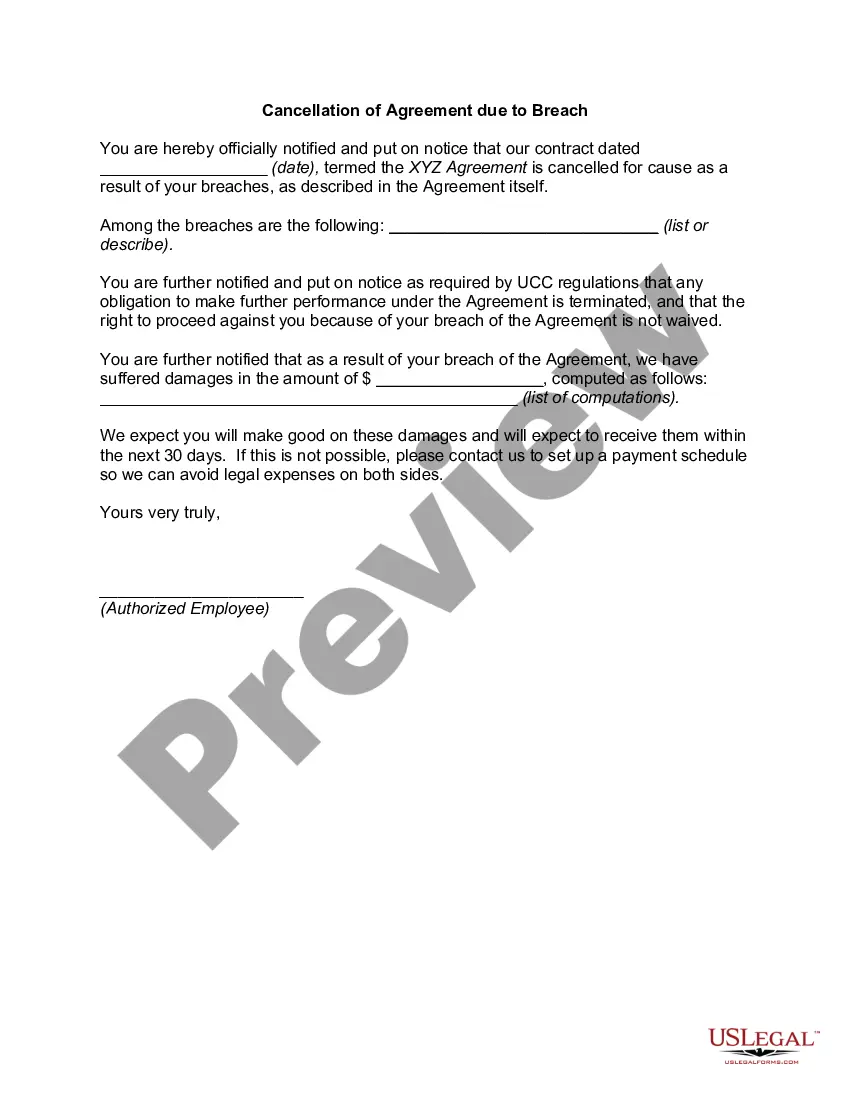
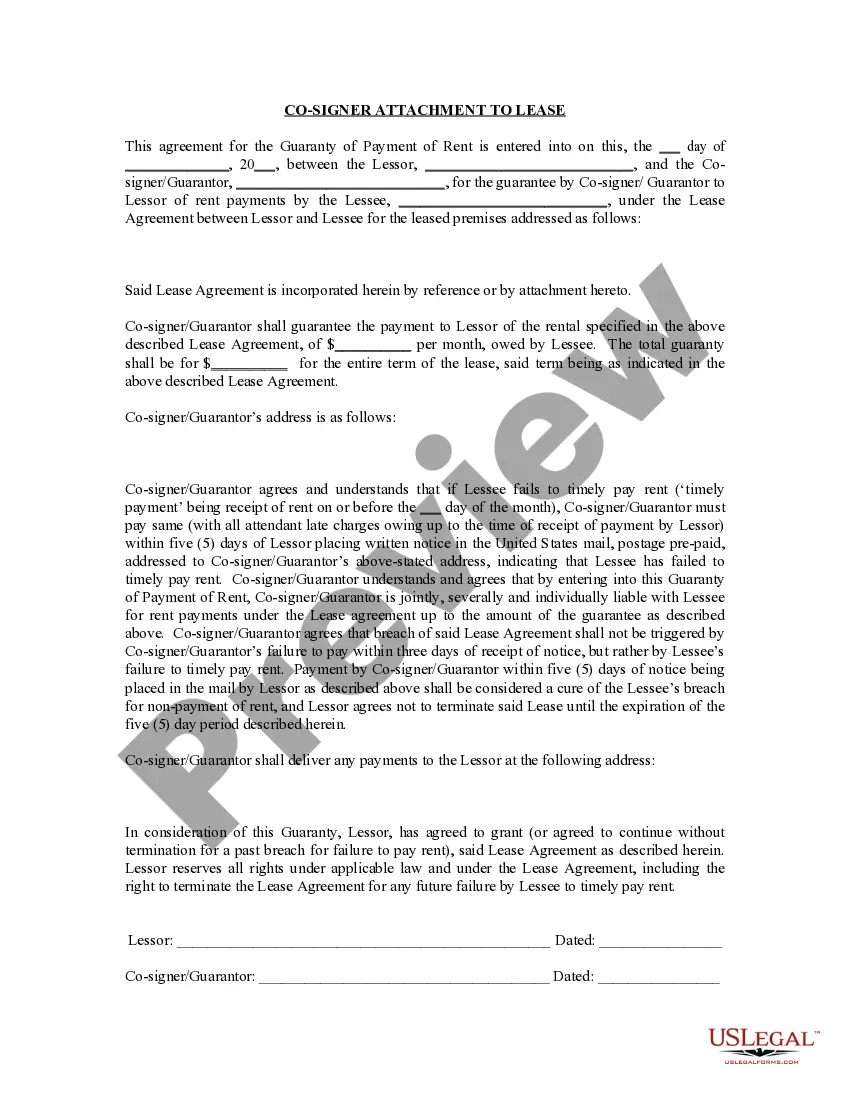
Virginia Guaranty Attachment to Lease for Guarantor or Cosigner
Understanding this form
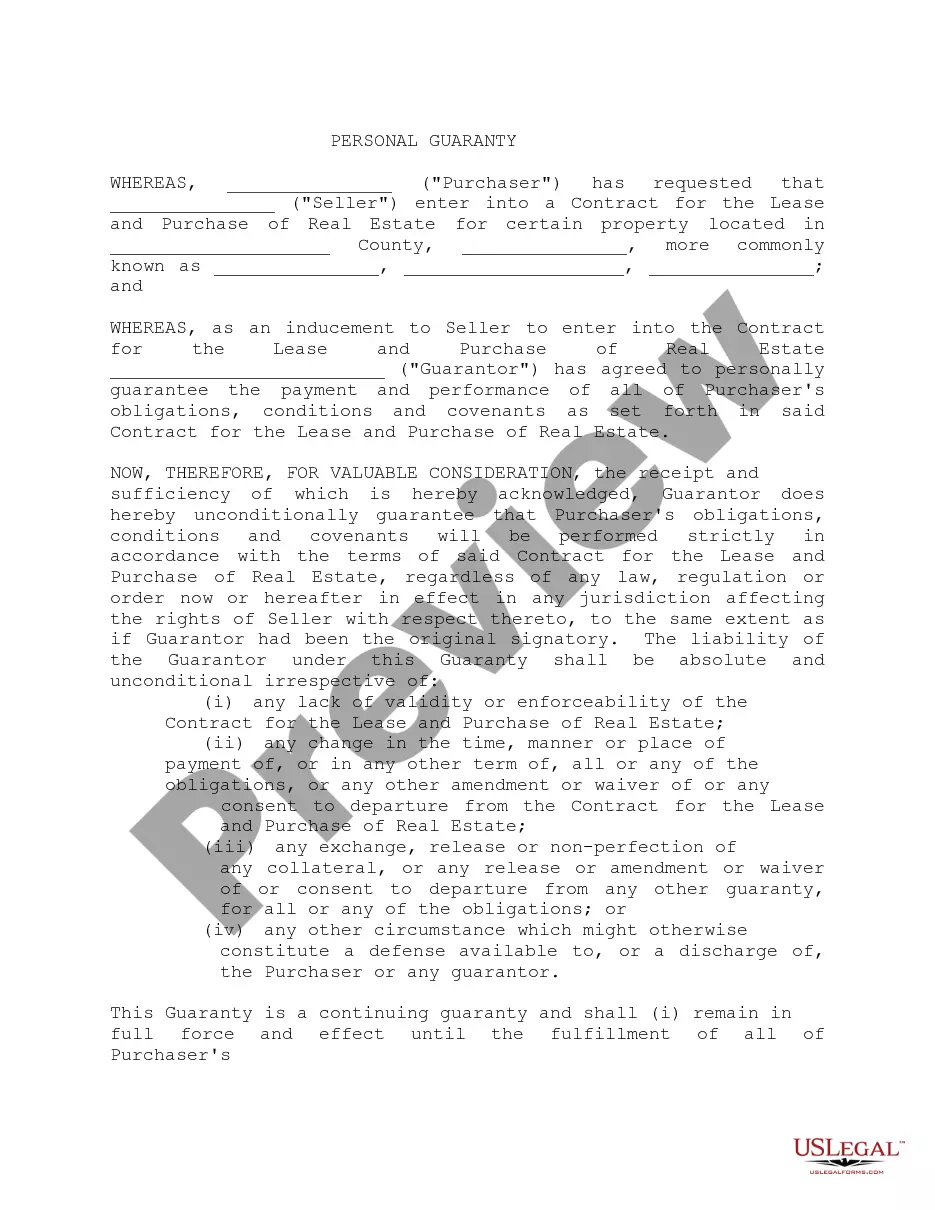
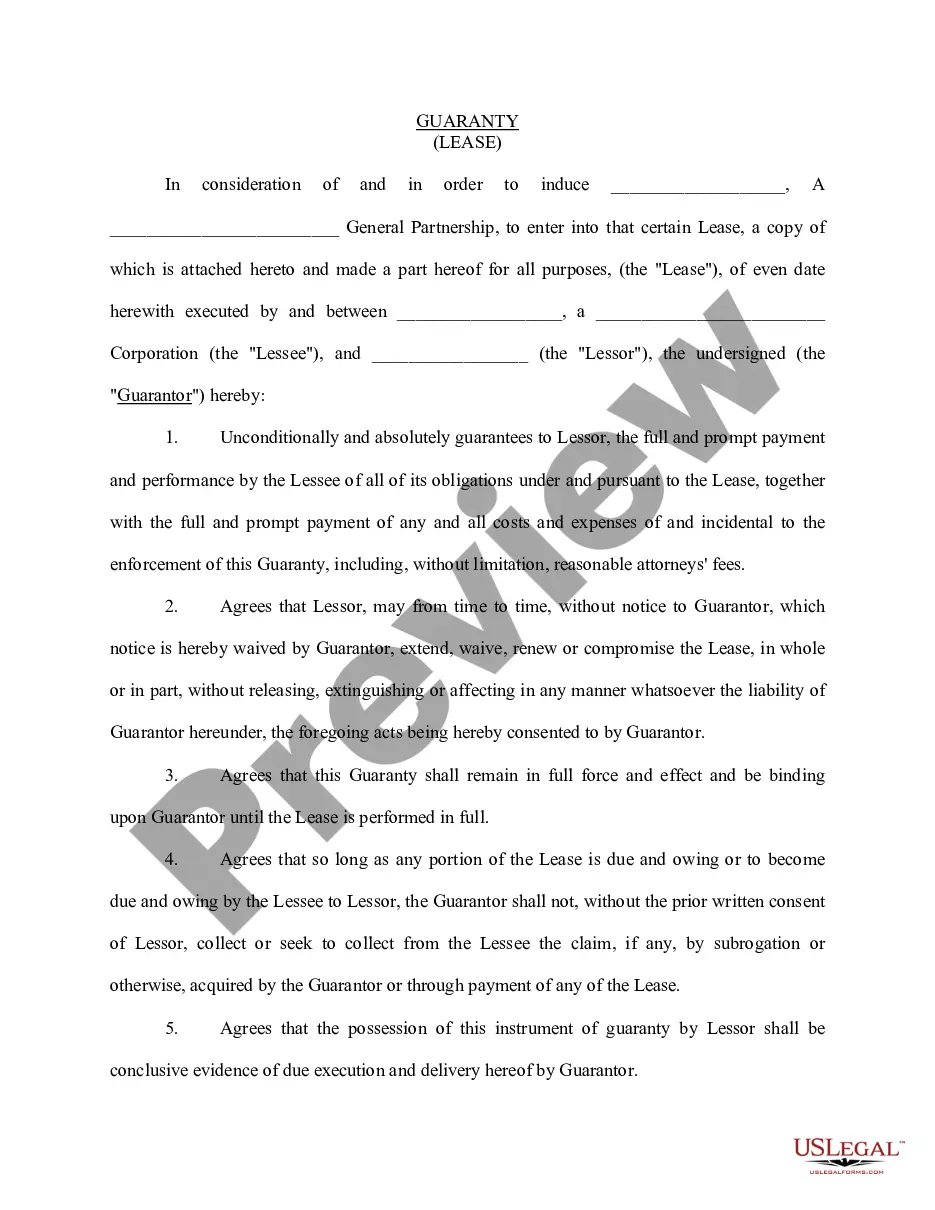
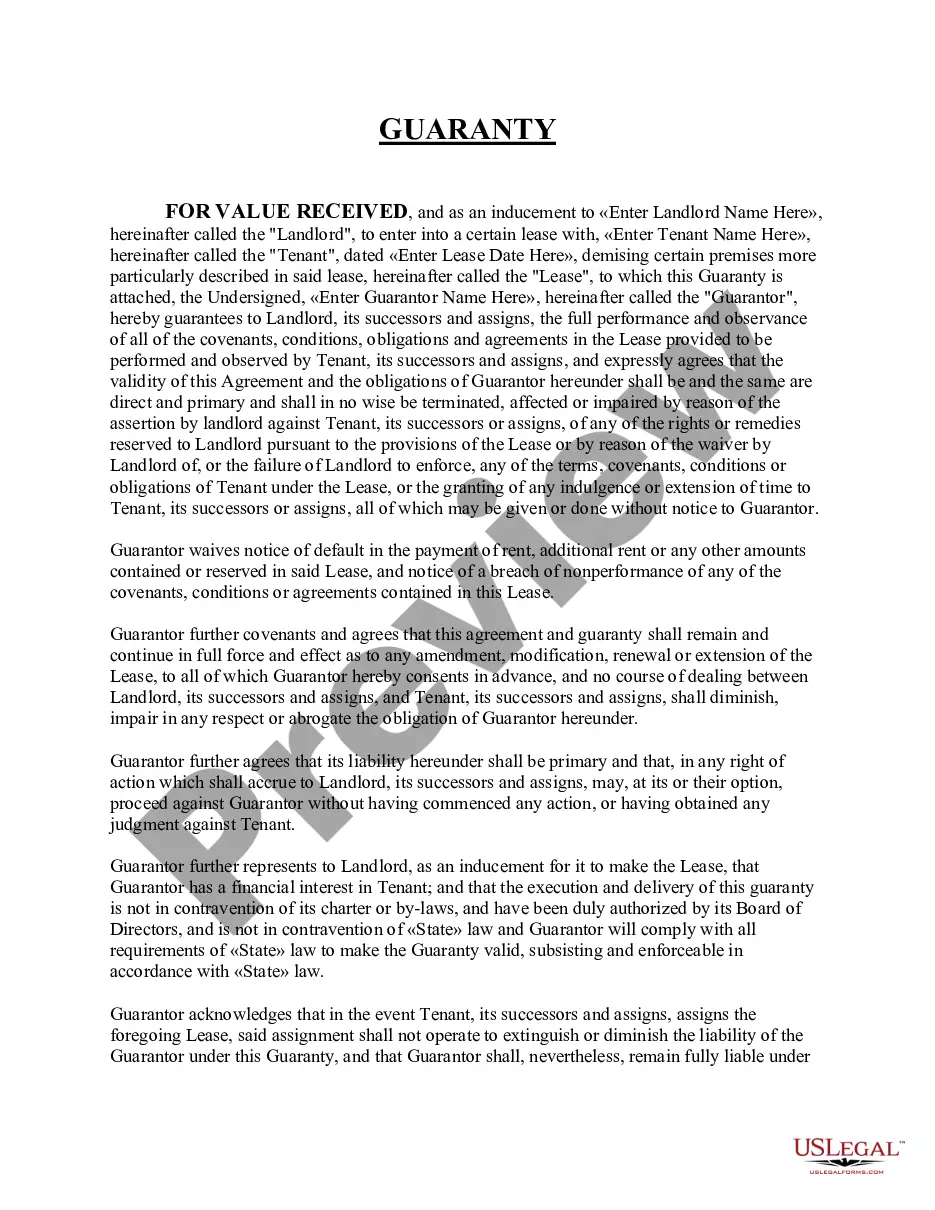
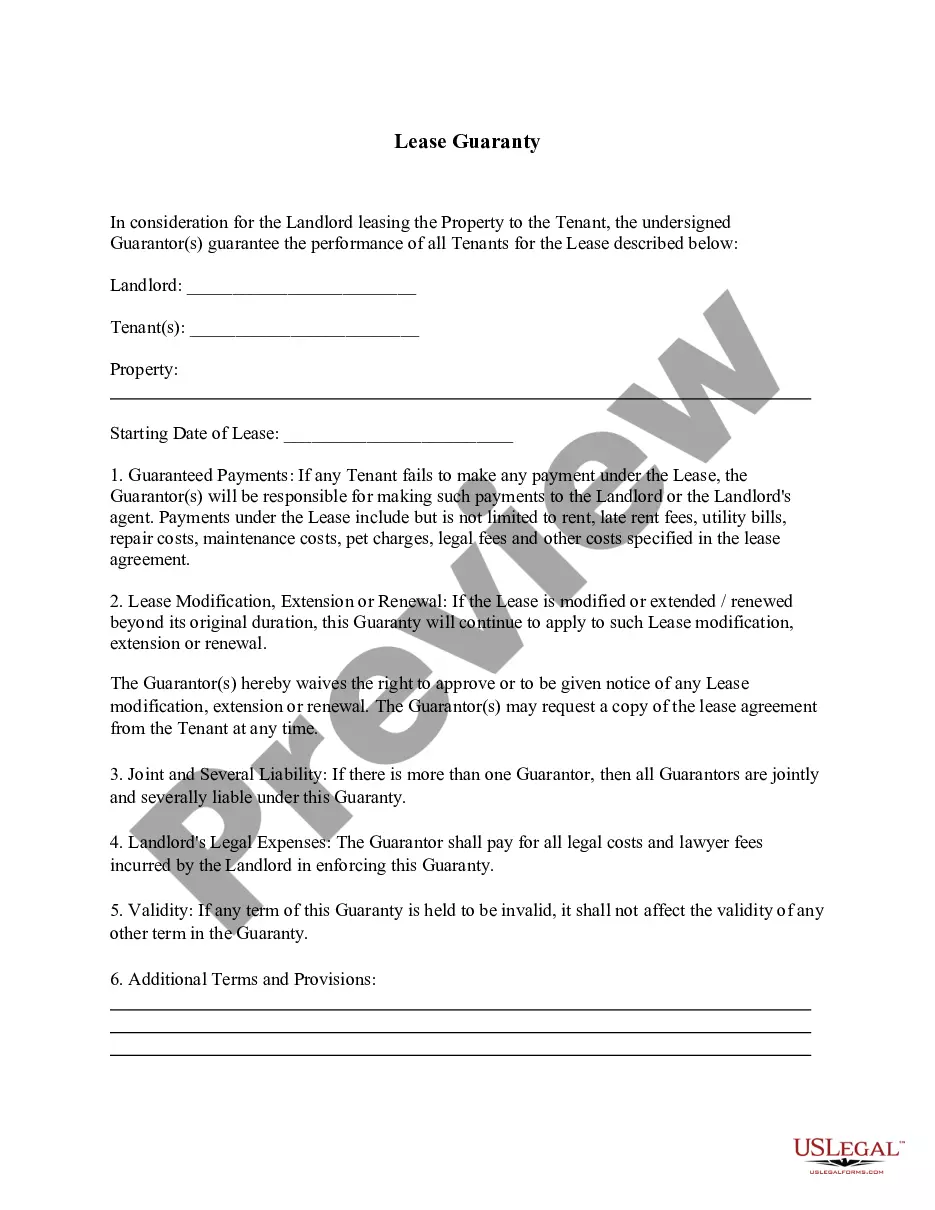
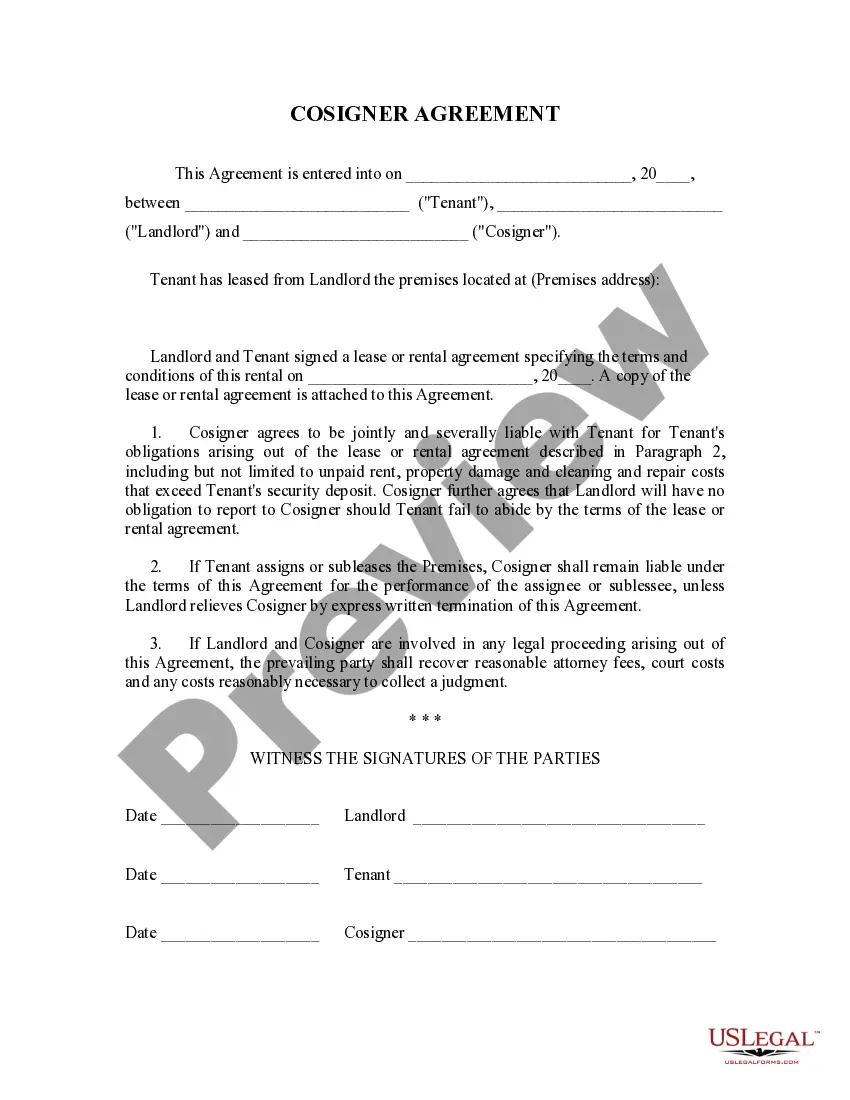
The Guaranty Attachment to Lease for Guarantor or Cosigner is a legal document that enables a third party to co-sign a lease agreement. This form ensures that the co-signer, known as the guarantor, commits to paying the rent if the primary tenant fails to do so. Unlike a standard lease agreement, this form specifically identifies the responsibilities of the guarantor regarding rent payment, offering additional security to landlords.
What’s included in this form
- Guarantor's name and address
- Lessors' name and address
- Date of the agreement
- Guarantor's signature and date
When this form is needed
This form is typically used when a tenant is unable to qualify for a lease on their own due to insufficient credit history, income, or rental history. It is beneficial in situations where a tenant's financial stability is uncertain, giving landlords reassurance through the guarantor's commitment to covering any unpaid rent. It may also be used in shared living situations where multiple tenants are involved.
Intended users of this form
- Tenants who have a limited credit history or low credit scores
- Parents or relatives willing to guarantee a lease for a young tenant
- Anyone renting a property who requires additional financial assurance for their landlord
Instructions for completing this form
- Identify the parties: Clearly list the names of the tenant(s) and the guarantor.
- Specify the property: Include details such as the address of the rental property.
- Enter the dates: Note the effective date of the guaranty.
- Obtain signatures: Ensure the guarantor signs and dates the document to validate their agreement.
Notarization guidance
This form does not typically require notarization to be legally valid. However, some jurisdictions or document types may still require it. US Legal Forms provides secure online notarization powered by Notarize, available 24/7 for added convenience.
Get your form ready online
Our built-in tools help you complete, sign, share, and store your documents in one place.
Make edits, fill in missing information, and update formatting in US Legal Forms—just like you would in MS Word.
Download a copy, print it, send it by email, or mail it via USPS—whatever works best for your next step.
Sign and collect signatures with our SignNow integration. Send to multiple recipients, set reminders, and more. Go Premium to unlock E-Sign.
If this form requires notarization, complete it online through a secure video call—no need to meet a notary in person or wait for an appointment.
We protect your documents and personal data by following strict security and privacy standards.

Make edits, fill in missing information, and update formatting in US Legal Forms—just like you would in MS Word.

Download a copy, print it, send it by email, or mail it via USPS—whatever works best for your next step.

Sign and collect signatures with our SignNow integration. Send to multiple recipients, set reminders, and more. Go Premium to unlock E-Sign.

If this form requires notarization, complete it online through a secure video call—no need to meet a notary in person or wait for an appointment.

We protect your documents and personal data by following strict security and privacy standards.
Common mistakes to avoid
- Failing to include all necessary signatures, especially from the guarantor.
- Leaving out the property address, which can lead to confusion.
- Not dating the document, which is essential for legal purposes.
Benefits of using this form online
- Convenience: Access and download the form anytime from your home.
- Editability: Tailor the document to your specific needs before printing.
- Reliability: Legal forms are drafted by licensed attorneys ensuring they meet legal standards.
Main things to remember
- The form secures a guarantor's commitment to pay rent on behalf of a tenant.
- It is useful for tenants with less favorable financial profiles.
- Complete all required fields and signatures to ensure validity.
Looking for another form?
Form popularity
FAQ
A guaranty of lease is a covenant by the guarantor to be responsible for the obligations of the tenant.In these examples, a selective landlord would not enter into the lease without the tenant offering a creditworthy guarantor.
A lease guaranty is a separate contract under which a third party guarantor agrees to meet the obligations of the Tenant to the Landlord.If the Tenant fails to pay rent, the Landlord can recover the arrears from the guarantor, usually before seeking damages from Tenant.
The guarantor signs the lease with the tenant and stands as reassurance to the property manager or landlord that rent will be paid if you (the tenant) default on payment. A guarantor is not always necessary, but there are circumstances when renters rely on them to be approved for an apartment.
A guarantor is an individual who signs a loan or lease document in addition to the primary borrower.When a guarantor signs the agreement, she does not have a responsibility to make the payments unless the primary borrower no longer can afford to do so.
Co-signers have equal responsibility for payment of monthly rental costs, while a guarantor is generally sought for payment only when the primary signer is unable to make the rental payment.
While a co-signer is responsible for the rent at the moment it is due, a guarantor only has to pay once the person on the agreement fails to do so. A guarantor won't have any right to live in the apartment "because you are only going to be liable for anything if the tenant stops paying," says Cohen.
Does being a guarantor affect my credit rating? Providing the borrower keeps up with their repayments your credit score won't be affected. However, should they fail to make their payments and the loan/mortgage falls into default, it will be added to your credit report.
Lenders have their own rules and guidelines, but usually guarantors will: be over 21 years old. have a good credit history. have a separate bank account to the borrower you may be able to guarantee a loan for a spouse or partner, but only if you have separate bank accounts.
Note that the guarantor must always see and approve the tenancy agreement before he signs this is not a problem if the guarantee is part of the tenancy agreement.A guarantor cannot be forced to pay up in respect of a tenancy agreement he has never seen.