Utah Transfer on Death Deed or TOD - Beneficiary Deed for Individual to Married Beneficiaries
What is this form?
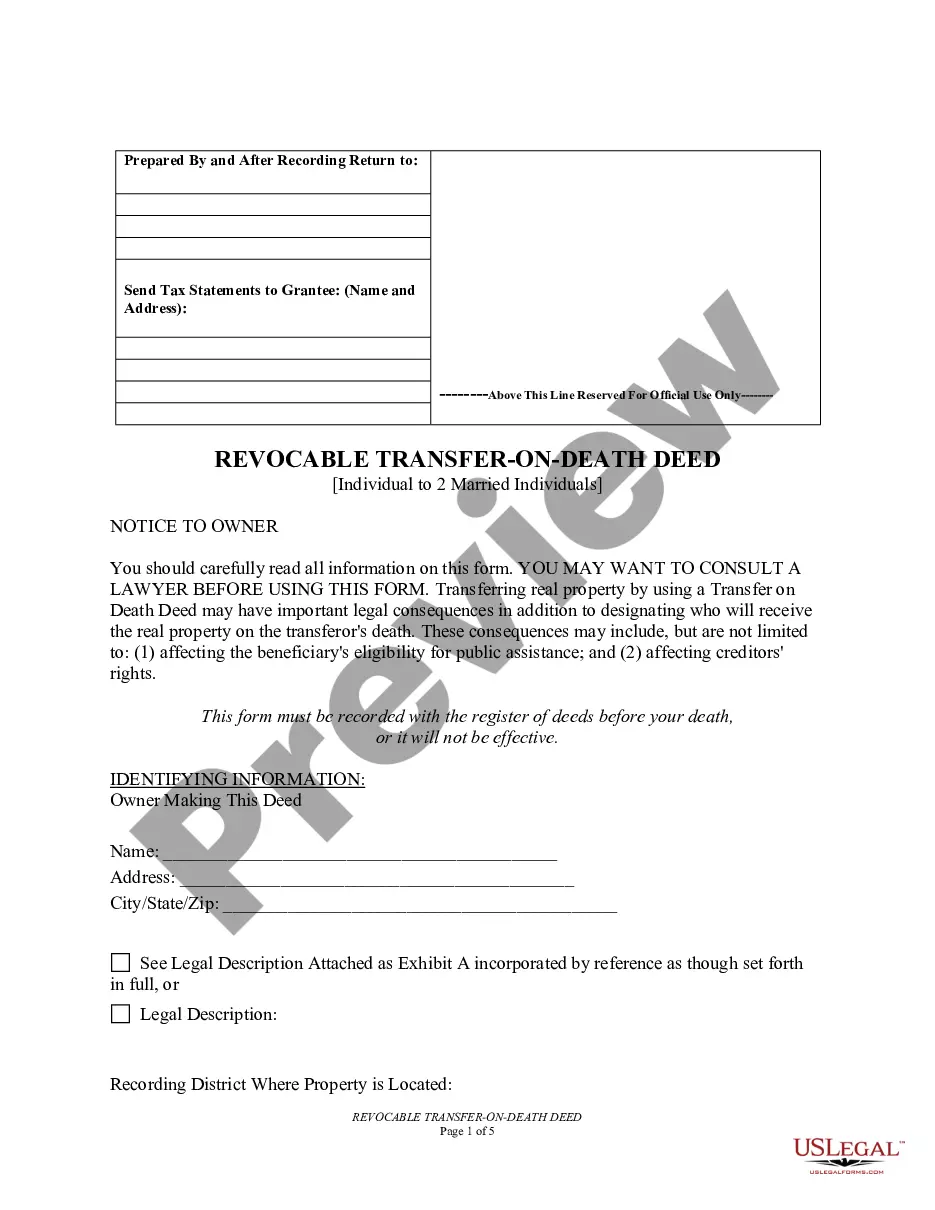
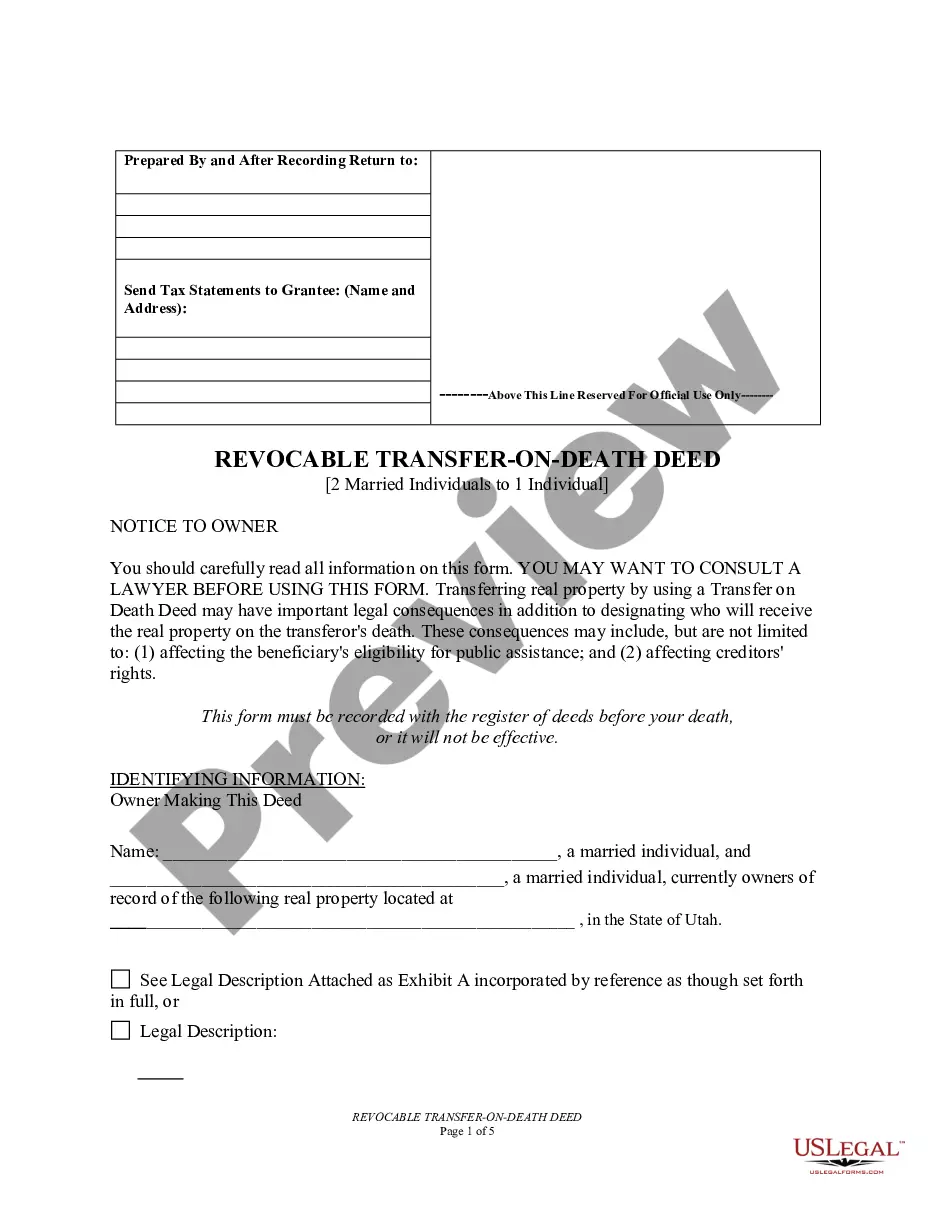
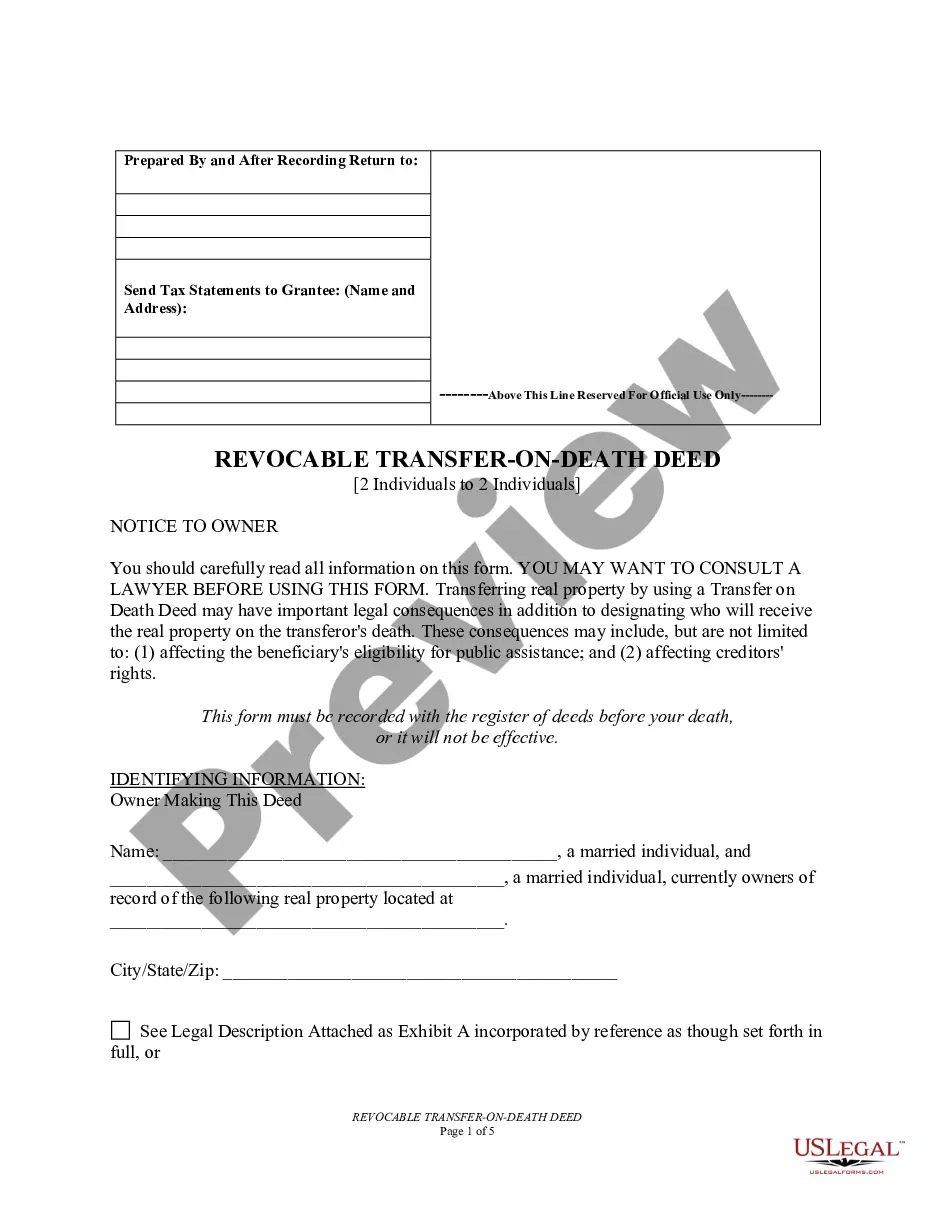
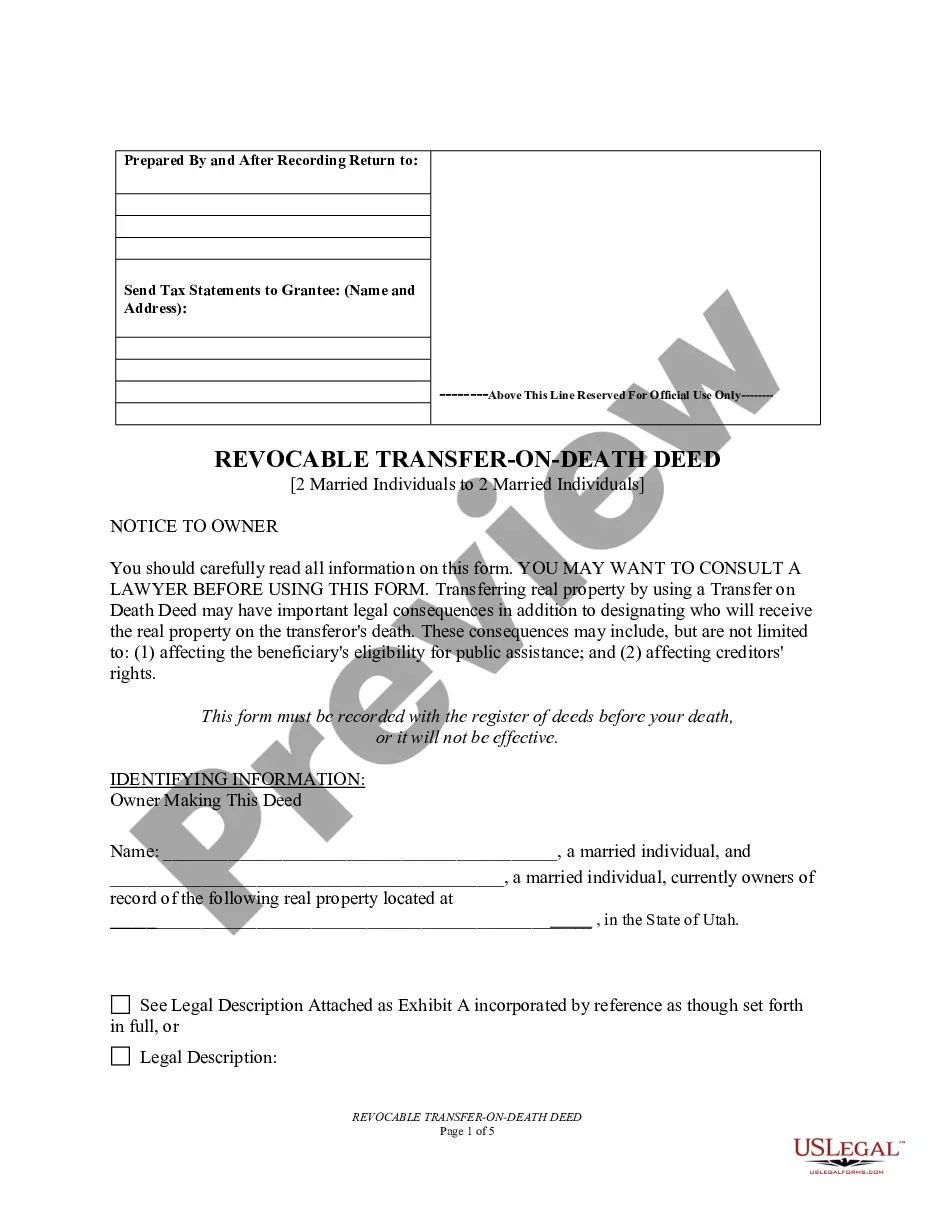
The Transfer on Death Deed (or TOD) is a legal document that allows an individual to transfer the ownership of real property to their designated beneficiaries upon their death. Unlike a traditional deed, this form does not transfer any present ownership interest in the property and can be revoked at any time before the owner's death. This provides flexibility for property owners who want to maintain control over their asset during their lifetime while ensuring a straightforward transfer upon their passing. It is specifically designed for individual property owners wanting to designate married beneficiaries.
What’s included in this form
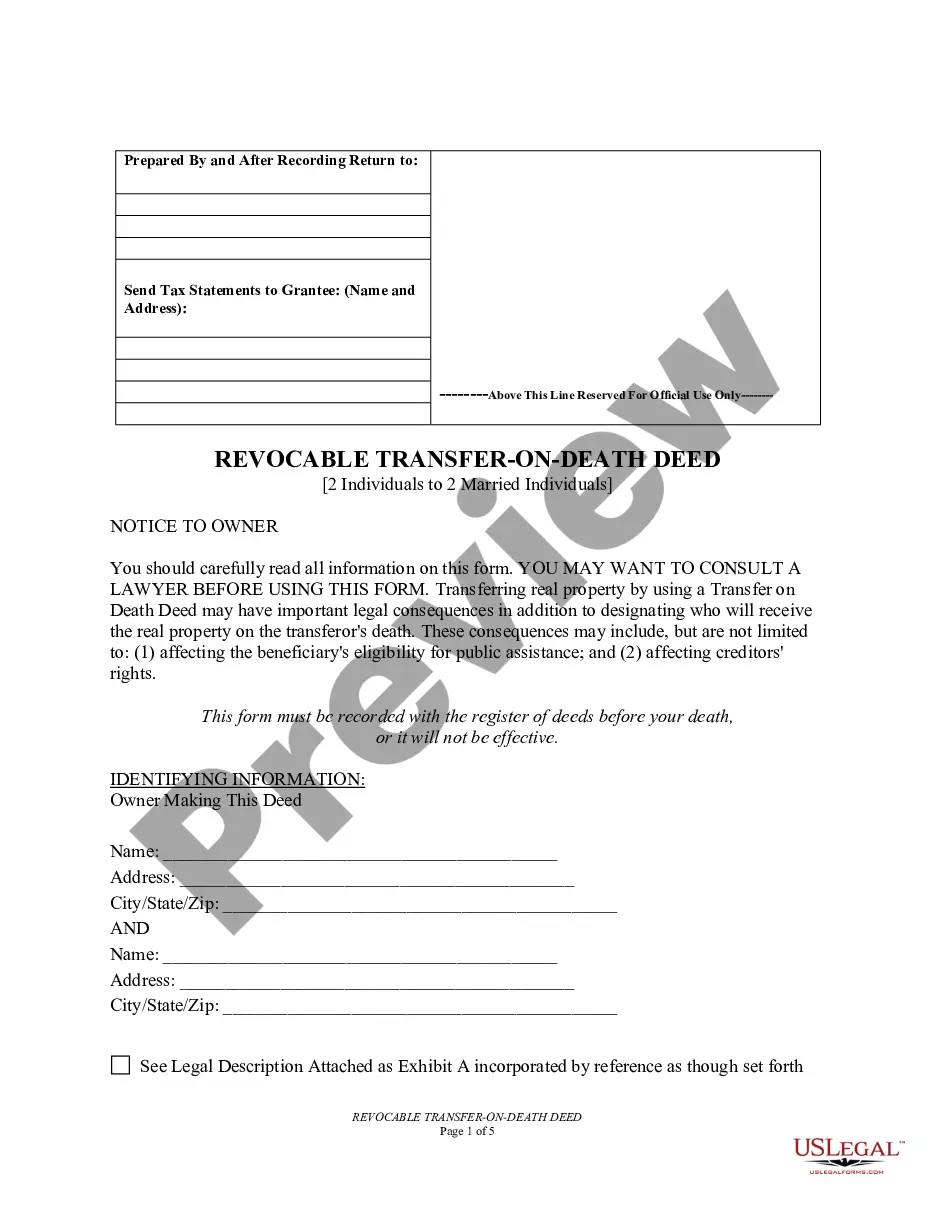
- Identifying information of the property owner, including name and address.
- Legal description of the property being transferred.
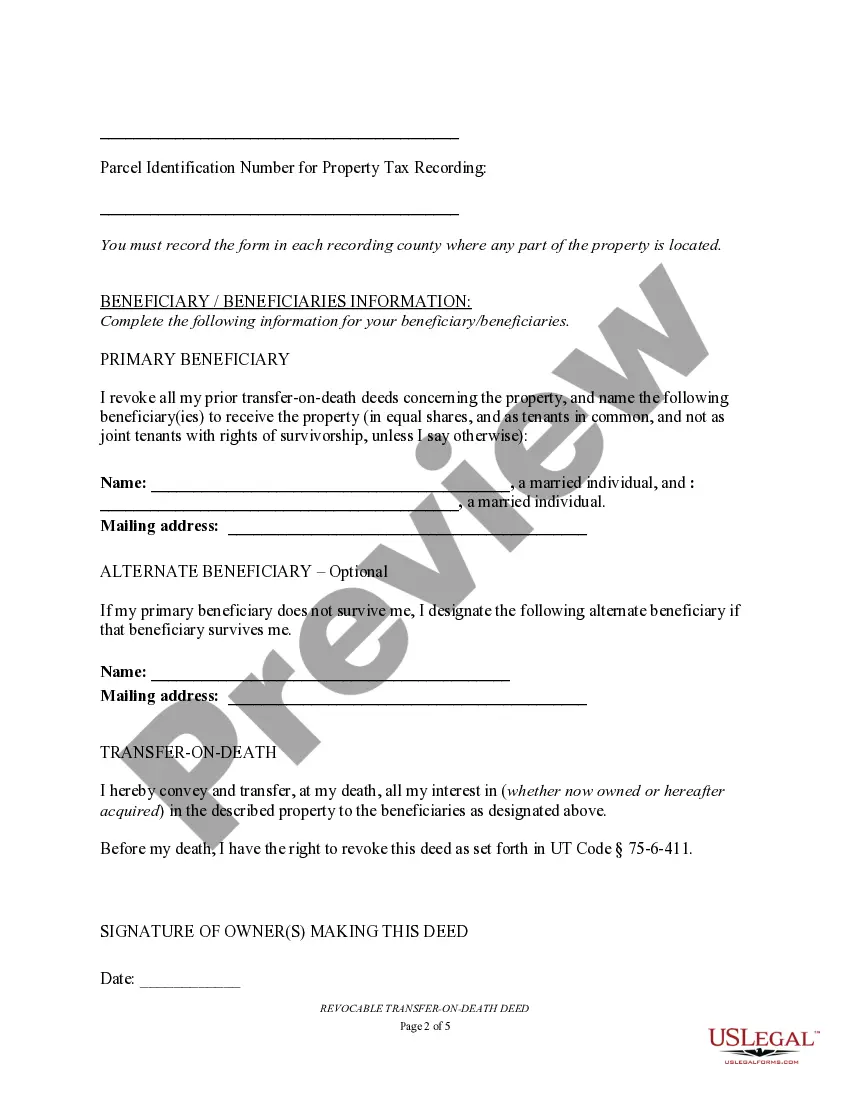
- Designation of primary beneficiaries who will receive the property.
- Optional alternate beneficiary designation if primary beneficiaries do not survive the owner.
- Revocation clause allowing the property owner to change or withdraw the deed at any time before death.
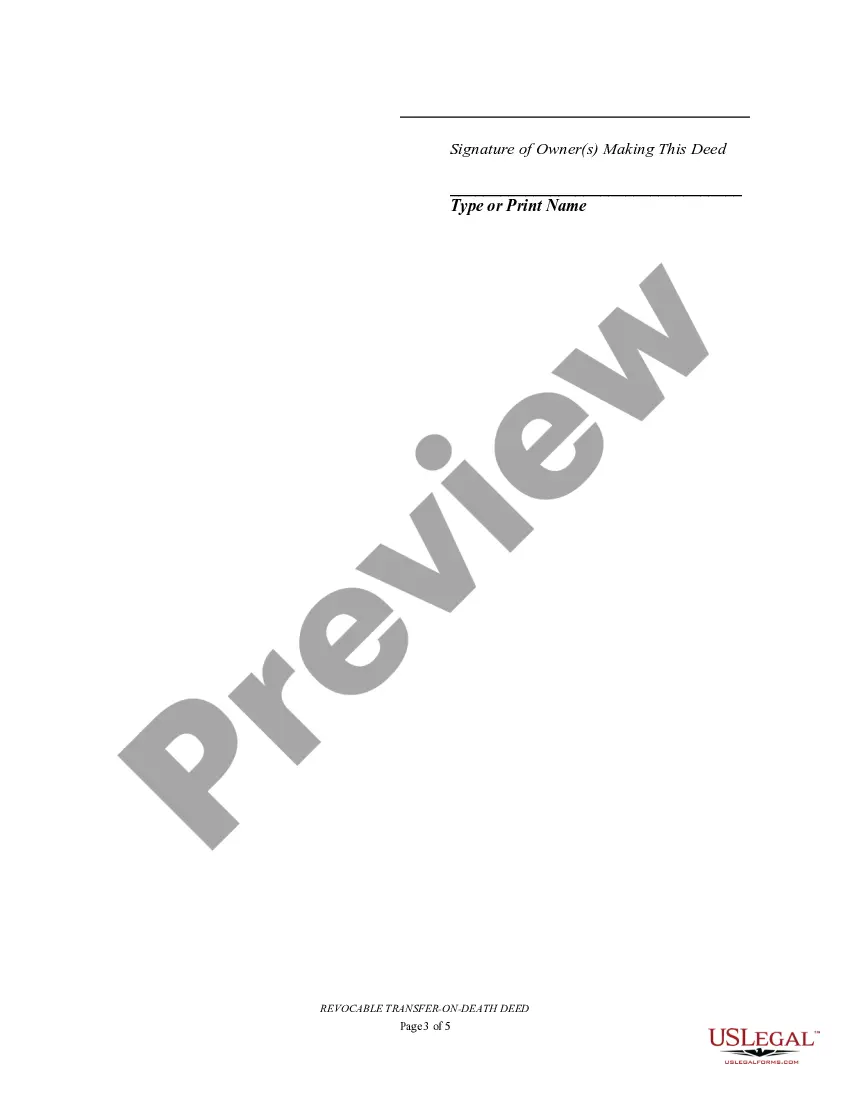
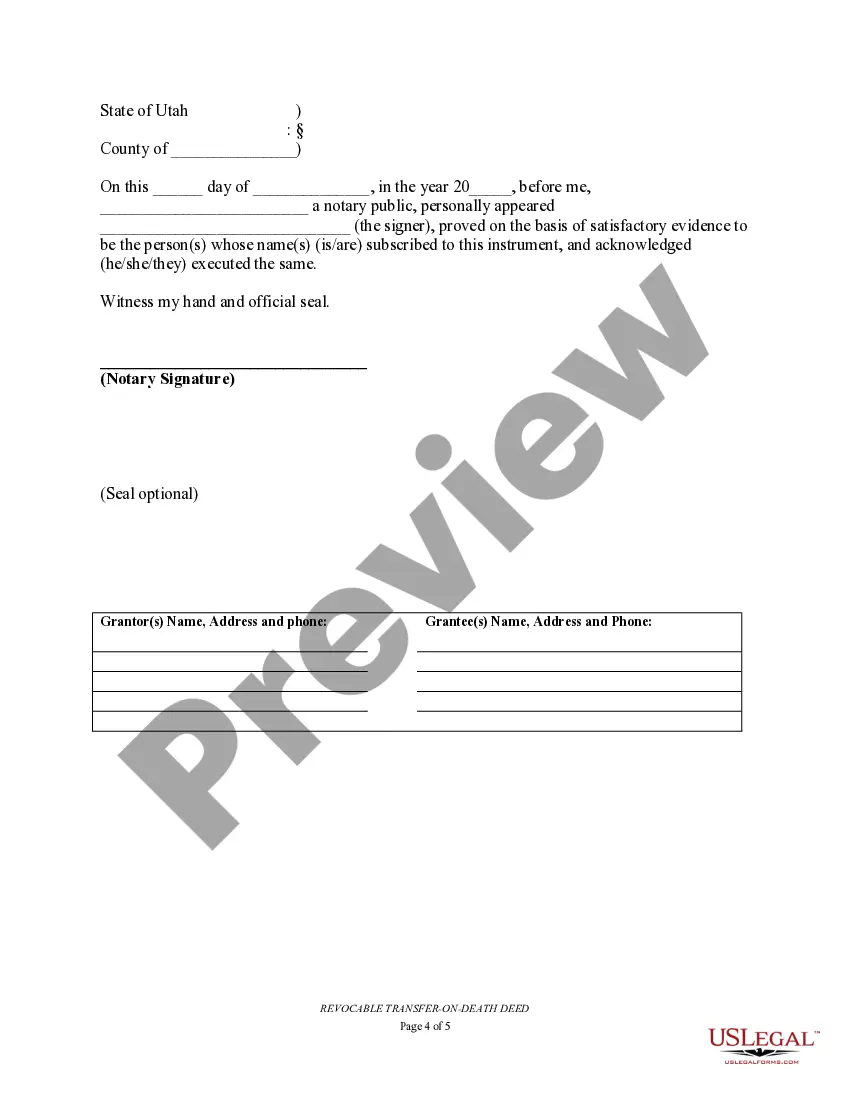
- Signature and notary acknowledgment section to validate the deed.

When this form is needed
This form is used when an individual property owner wishes to ensure that their property is transferred directly to designated beneficiaries after their death. It is particularly useful for individuals who want to avoid probate or simply ensure their property goes to specific loved ones, such as married couples. You might use this form if you wish to clarify your intentions regarding the ownership of your real estate in the event of your passing and if you want to retain the ability to revoke the deed while you are still alive.
Intended users of this form
- Individual property owners who wish to designate beneficiaries for their real estate.
- Those who want to avoid the probate process for their real property.
- Property owners who want to retain full control over their property during their lifetime.
- Individuals who have married beneficiaries they want to designate for property transfer upon death.
How to complete this form
- Identify yourself as the property owner by providing your full name and address.
- Specify the legal description of the property you are transferring.
- List the primary beneficiary or beneficiaries you wish to receive the property after your death.
- Optional: designating an alternate beneficiary ensures your property is transferred if the primary beneficiary does not survive you.
- Sign the deed in the presence of a notary to validate the transfer.
- Record the completed deed with the appropriate county office before your death to ensure its effectiveness.
Does this document require notarization?
Yes, this form must be notarized to be legally valid. This ensures that the identity of the signer is verified and that the deed is executed in compliance with state laws. US Legal Forms offers integrated online notarization services, providing a secure video call with a notary public to finalize your deed without the need for travel.
Get your form ready online
Our built-in tools help you complete, sign, share, and store your documents in one place.
Make edits, fill in missing information, and update formatting in US Legal Forms—just like you would in MS Word.
Download a copy, print it, send it by email, or mail it via USPS—whatever works best for your next step.
Sign and collect signatures with our SignNow integration. Send to multiple recipients, set reminders, and more. Go Premium to unlock E-Sign.
If this form requires notarization, complete it online through a secure video call—no need to meet a notary in person or wait for an appointment.
We protect your documents and personal data by following strict security and privacy standards.

Make edits, fill in missing information, and update formatting in US Legal Forms—just like you would in MS Word.

Download a copy, print it, send it by email, or mail it via USPS—whatever works best for your next step.

Sign and collect signatures with our SignNow integration. Send to multiple recipients, set reminders, and more. Go Premium to unlock E-Sign.

If this form requires notarization, complete it online through a secure video call—no need to meet a notary in person or wait for an appointment.

We protect your documents and personal data by following strict security and privacy standards.
Common mistakes
- Failing to record the deed with the county, which may render it ineffective.
- Not specifying a legal description of the property, leading to confusion over ownership.
- Omitting to name an alternate beneficiary can complicate transfer if the primary beneficiary predeceases the owner.
- Using an outdated or incorrect version of the deed that does not comply with current state laws.