Utah Confidentiality Agreement for Therapists
Description
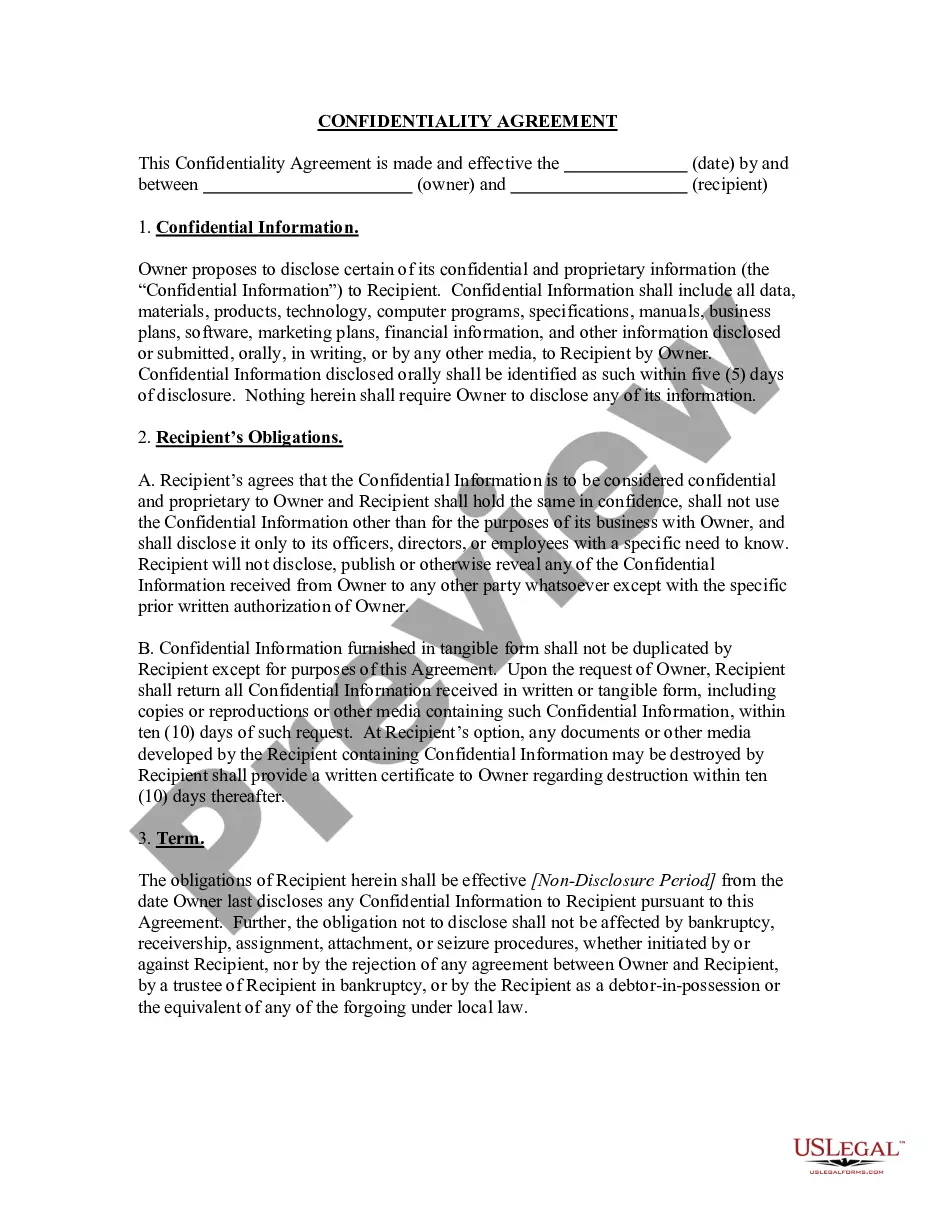
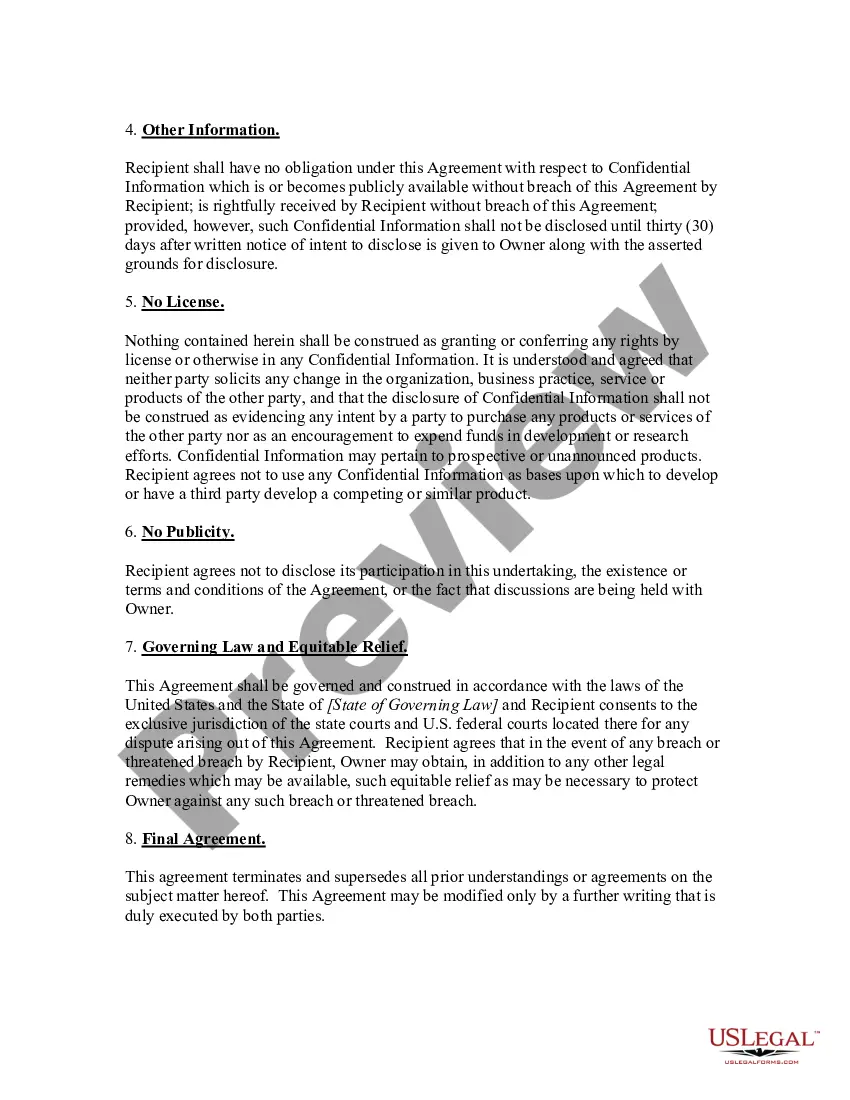
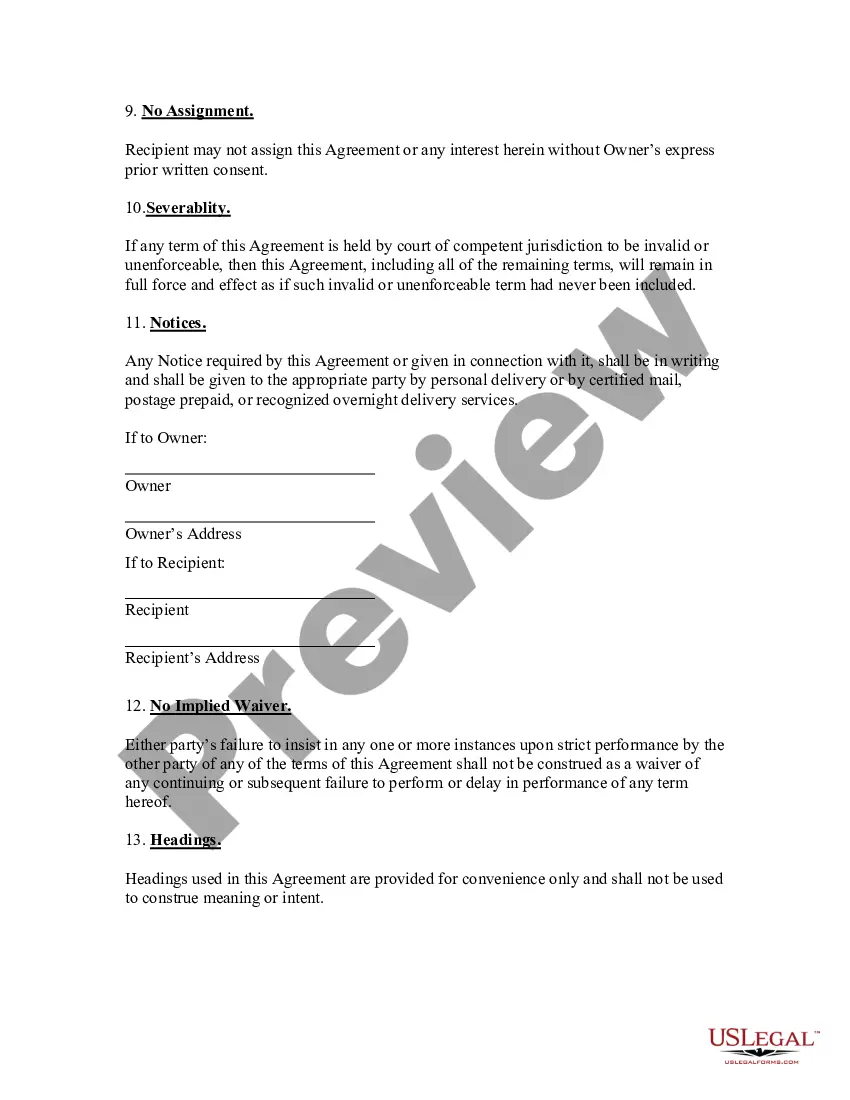
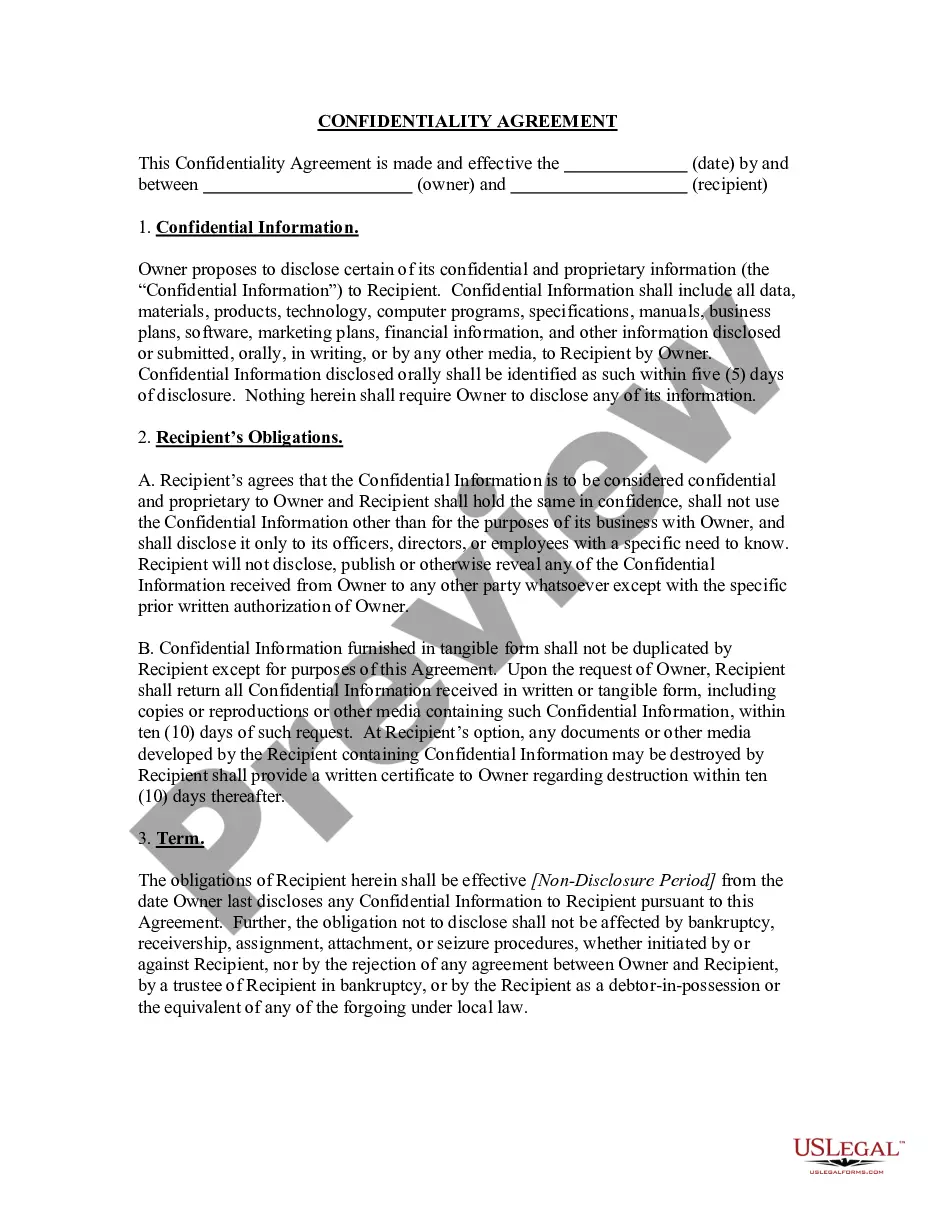
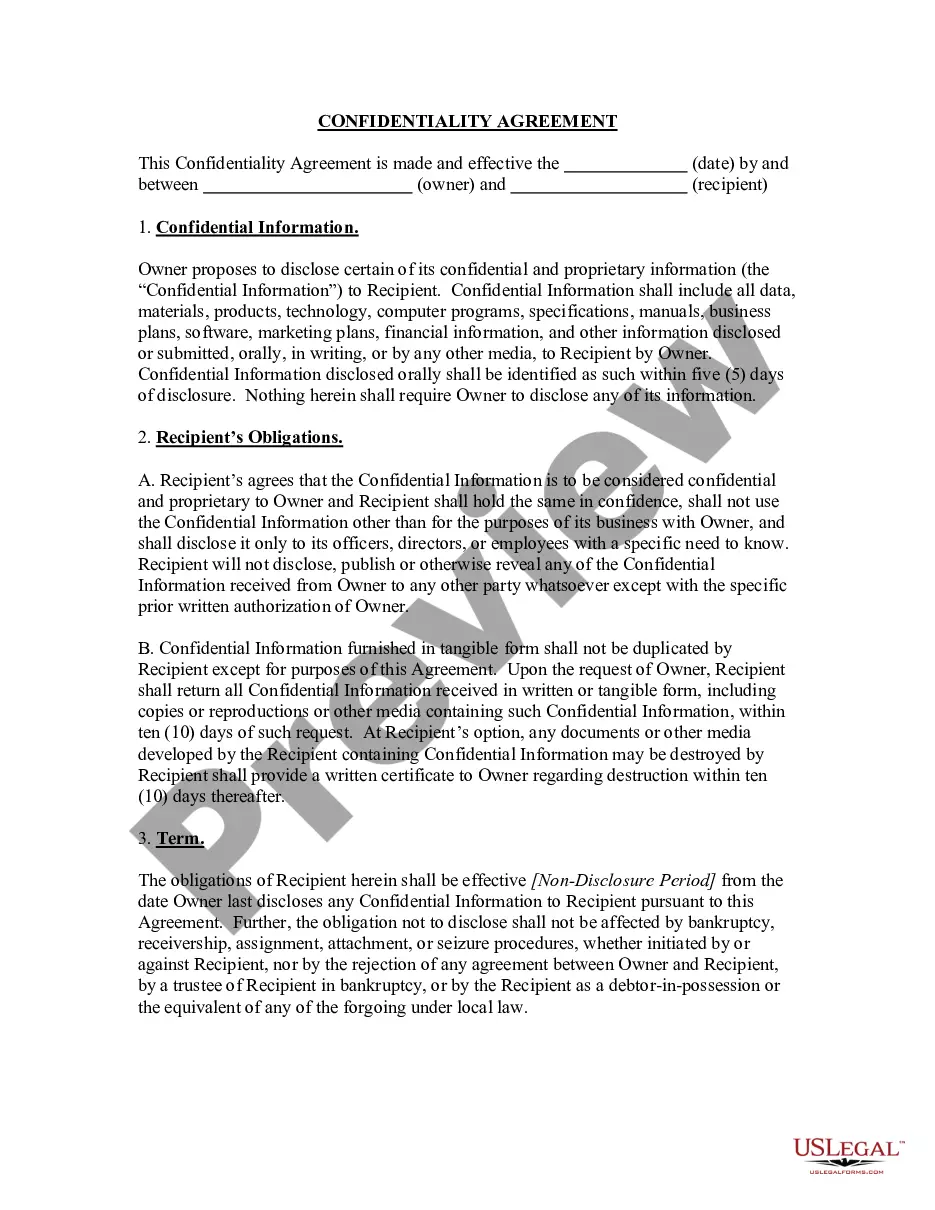
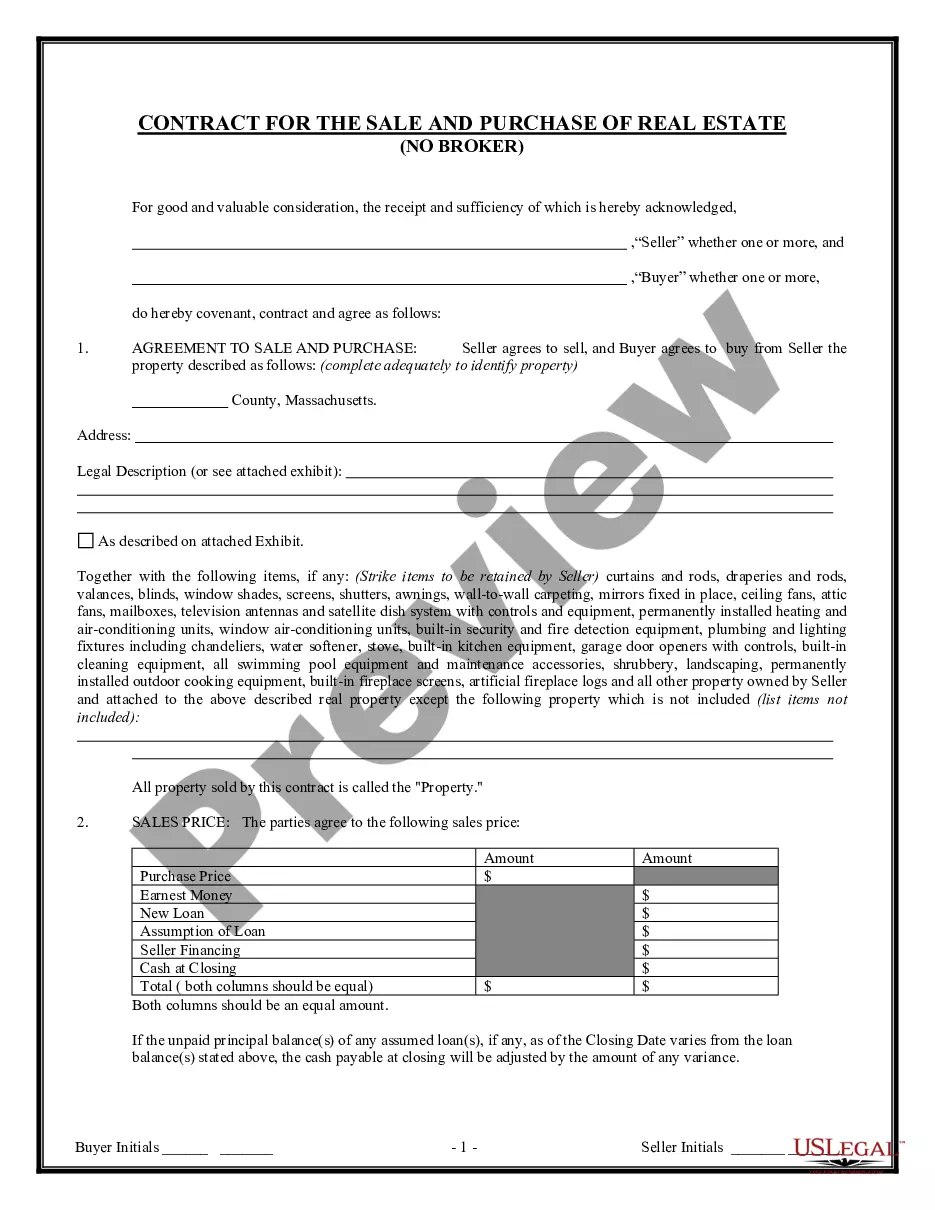





How to fill out Confidentiality Agreement For Therapists?
Have you encountered a situation where you require documents for potential business or personal reasons almost daily.
There are numerous legal document templates available online, yet finding ones you can trust is not simple.
US Legal Forms offers a vast array of template forms, such as the Utah Confidentiality Agreement for Therapists, designed to comply with both state and federal requirements.
Choose a convenient document format and download your copy.
Retrieve all the templates you have purchased in the My documents section. You can access an additional copy of the Utah Confidentiality Agreement for Therapists anytime if needed. Simply navigate to the desired form to download or print the document template.
- If you are already familiar with the US Legal Forms website and possess an account, simply Log In.
- Once logged in, you can download the Utah Confidentiality Agreement for Therapists template.
- If you do not have an account and wish to start using US Legal Forms, follow these instructions.
- 1. Locate the form you need and verify it is for the correct city/region.
- 2. Utilize the Review button to examine the form.
- 3. Check the description to ensure you have chosen the correct template.
- 4. If the form is not what you are looking for, employ the Search field to find the form that meets your needs.
- 5. Once you find the appropriate form, click Buy now.
- 6. Select the pricing plan you wish, input the necessary information to create your account, and complete your purchase using PayPal or a credit card.
Form popularity
FAQ
Mandatory Exceptions To Confidentiality They include reporting child, elder and dependent adult abuse, and the so-called "duty to protect." However, there are other, lesserknown exceptions also required by law.
When to Break ConfidentialityIf the client may be an immediate danger to themself or another. If the client is endangering another who cannot protect themself, as in the case of a child, a person with a disability, or elder abuse. When required to obtain payment for services. As required by state or federal laws.
Breaching Confidentiality.Confidentiality can be broken for the following reasons:Threat to Self.Threat to Others.Suspicion of Abuse.Duty to Warn.
You have the right not to disclose any confidential communications between you and your psychotherapist in a California criminal jury trial; and. You have the right to prevent your therapist from disclosing any such confidential communications.
When the client poses an imminent danger to themselves or others, and breaking confidentiality is necessary to resolve the danger. When the therapist suspects child, elder, or dependent adult abuse. When the client has directed the therapist to share information about their case.
There are a few situations that may require a therapist to break confidentiality: If the client may be an immediate danger to themself or another. If the client is endangering another who cannot protect themself, as in the case of a child, a person with a disability, or elder abuse.
Most of the mandatory exceptions to confidentiality are well known and understood. They include reporting child, elder and dependent adult abuse, and the so-called "duty to protect." However, there are other, lesserknown exceptions also required by law. Each will be presented in turn.
Which Circumstances Are Exempt from Confidentiality?The client is an imminent and violent threat towards themselves or others.There is a billing situation which requires a condoned disclosure.Sharing information is necessary to facilitate client care across multiple providers.More items...?
For example, two employees talking about confidential client information at a public place could inadvertently disclose that information to a passerby. In such a scenario, these individual employees may face breach of confidentiality consequences due to their actions.