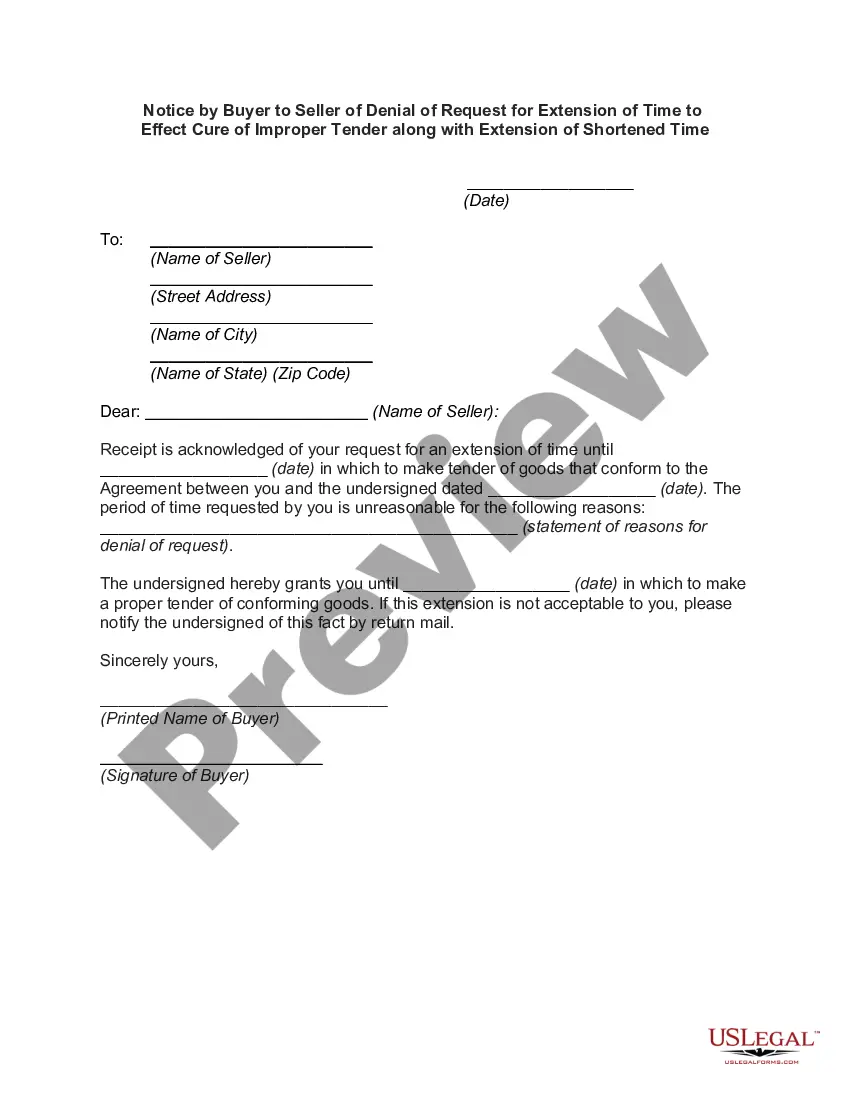
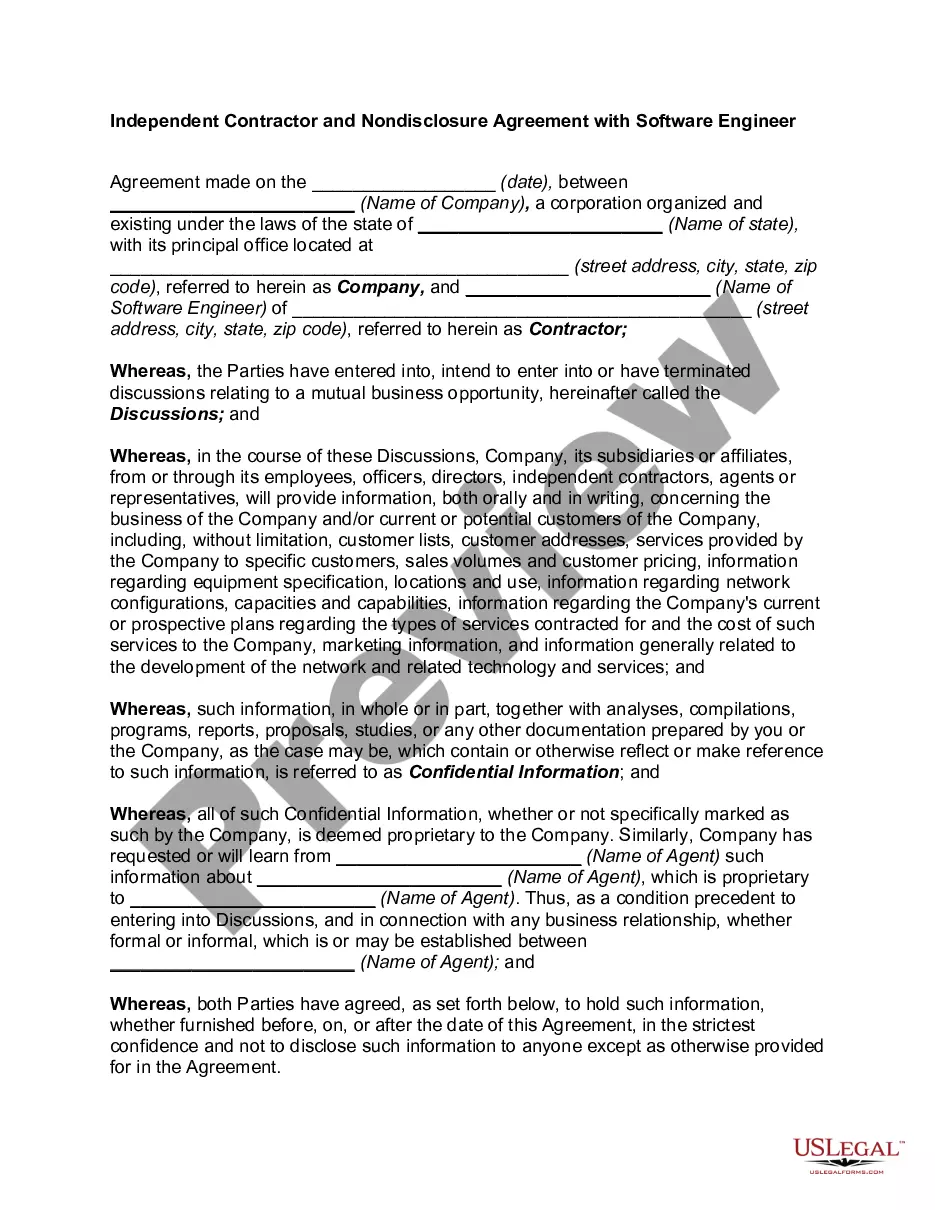
Utah Nondisclosure Agreement Concerning Discussions Regarding Possible Business Contractual Agreement Dealing with Software Development
Description

Get your form ready online
Our built-in tools help you complete, sign, share, and store your documents in one place.
Make edits, fill in missing information, and update formatting in US Legal Forms—just like you would in MS Word.
Download a copy, print it, send it by email, or mail it via USPS—whatever works best for your next step.
Sign and collect signatures with our SignNow integration. Send to multiple recipients, set reminders, and more. Go Premium to unlock E-Sign.
If this form requires notarization, complete it online through a secure video call—no need to meet a notary in person or wait for an appointment.
We protect your documents and personal data by following strict security and privacy standards.

Make edits, fill in missing information, and update formatting in US Legal Forms—just like you would in MS Word.

Download a copy, print it, send it by email, or mail it via USPS—whatever works best for your next step.

Sign and collect signatures with our SignNow integration. Send to multiple recipients, set reminders, and more. Go Premium to unlock E-Sign.

If this form requires notarization, complete it online through a secure video call—no need to meet a notary in person or wait for an appointment.

We protect your documents and personal data by following strict security and privacy standards.
Looking for another form?



How to fill out Nondisclosure Agreement Concerning Discussions Regarding Possible Business Contractual Agreement Dealing With Software Development?
Finding the appropriate legal document template can be a challenge.
Of course, there are many templates accessible online, but how can you find the legal form you require.
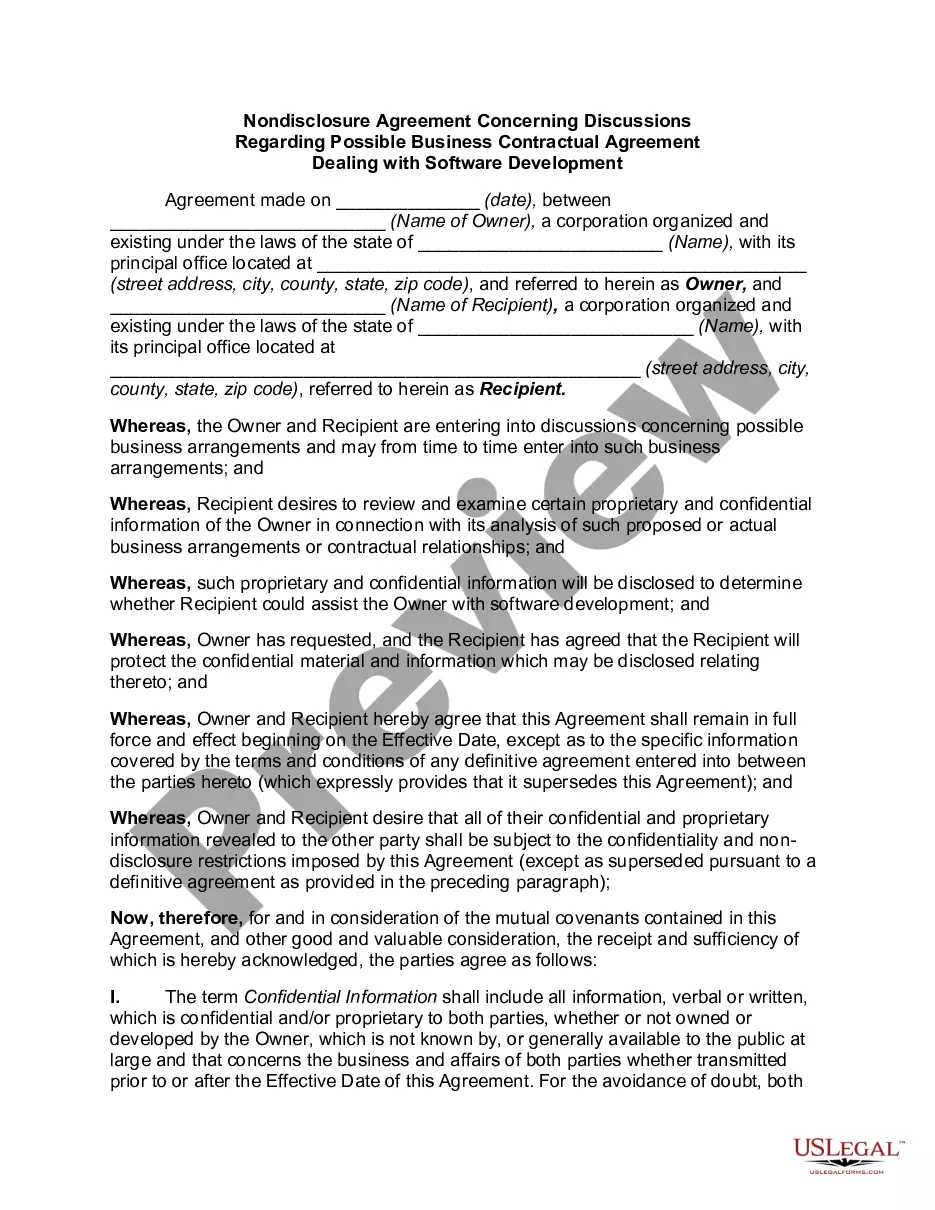
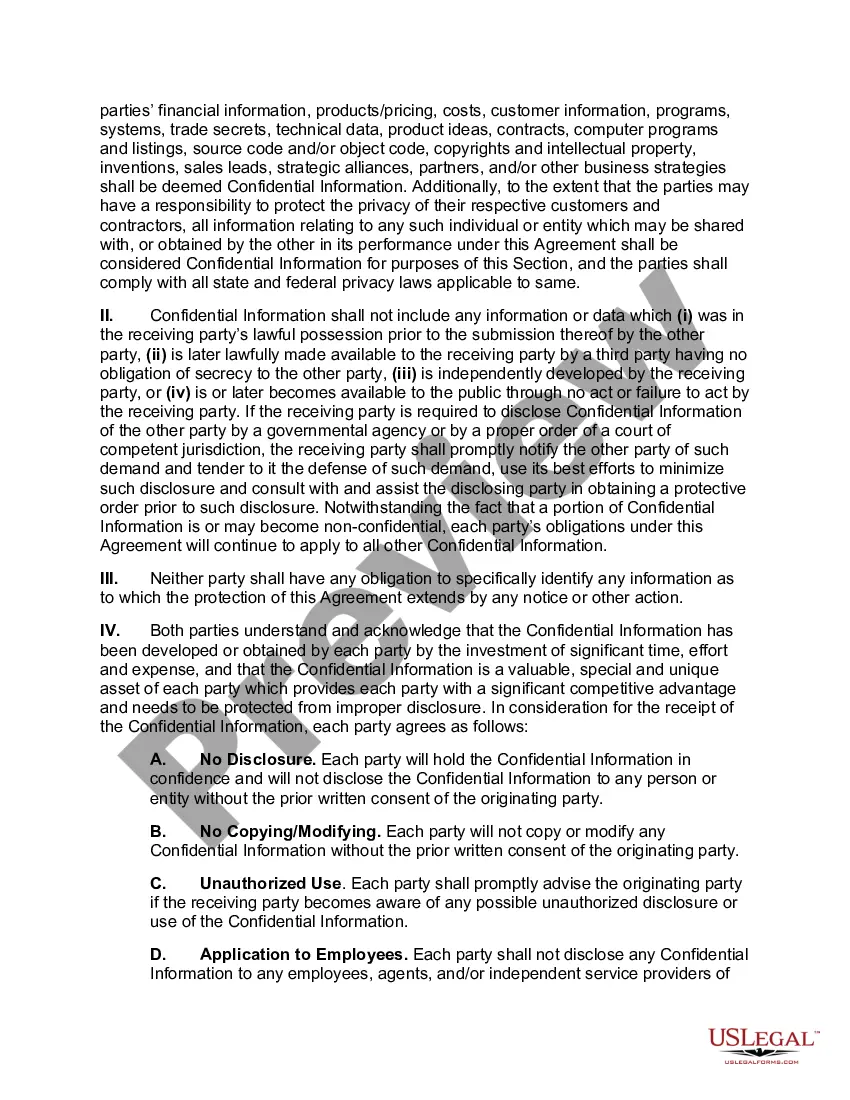
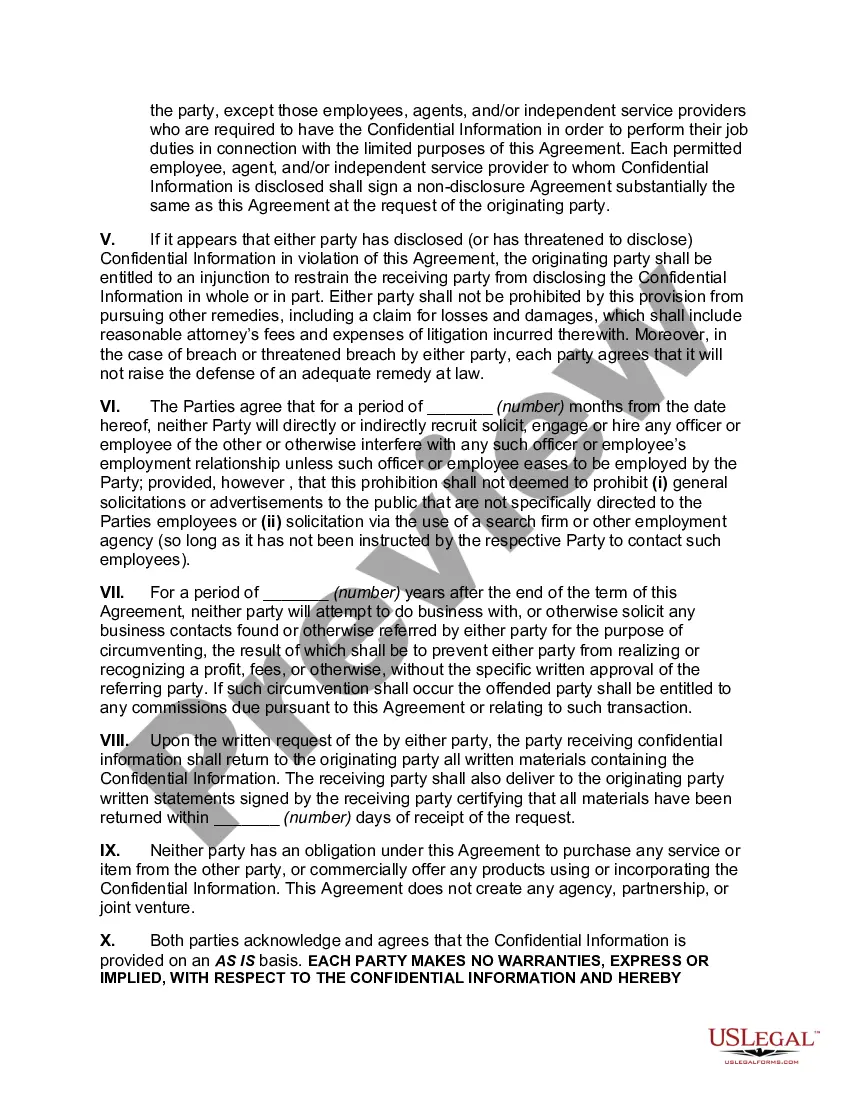
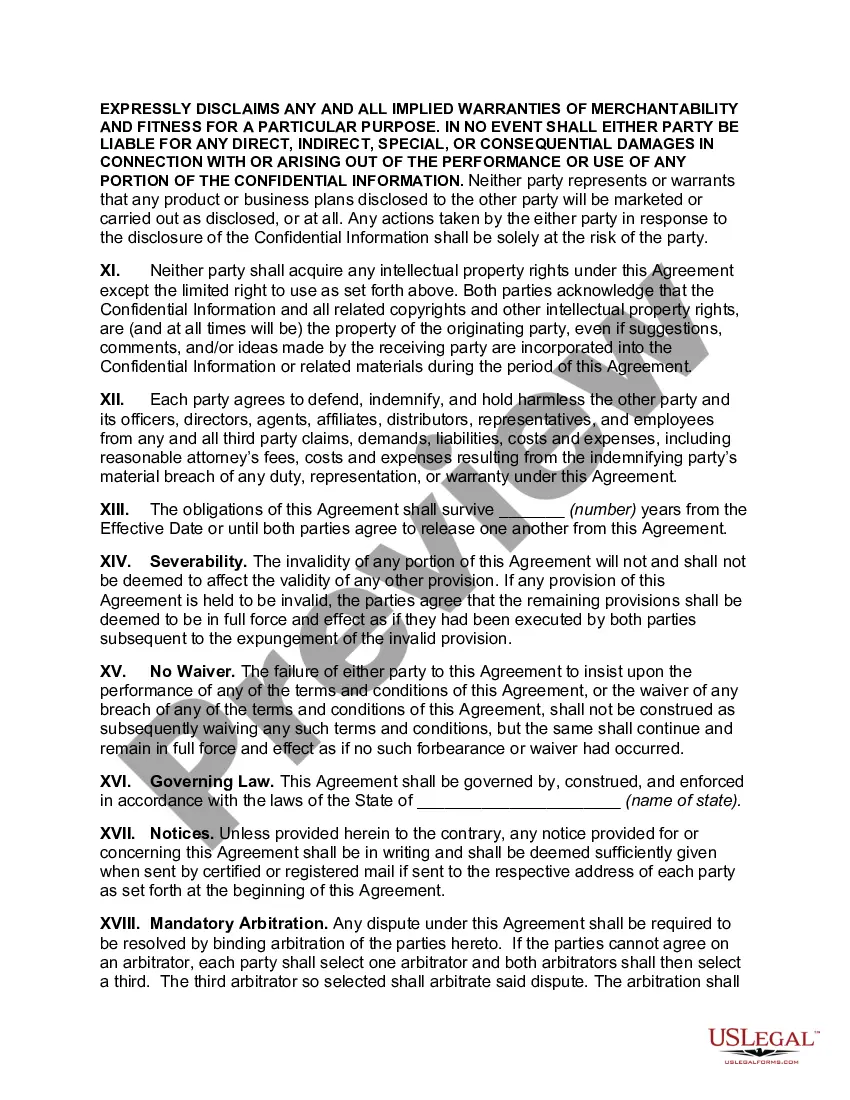
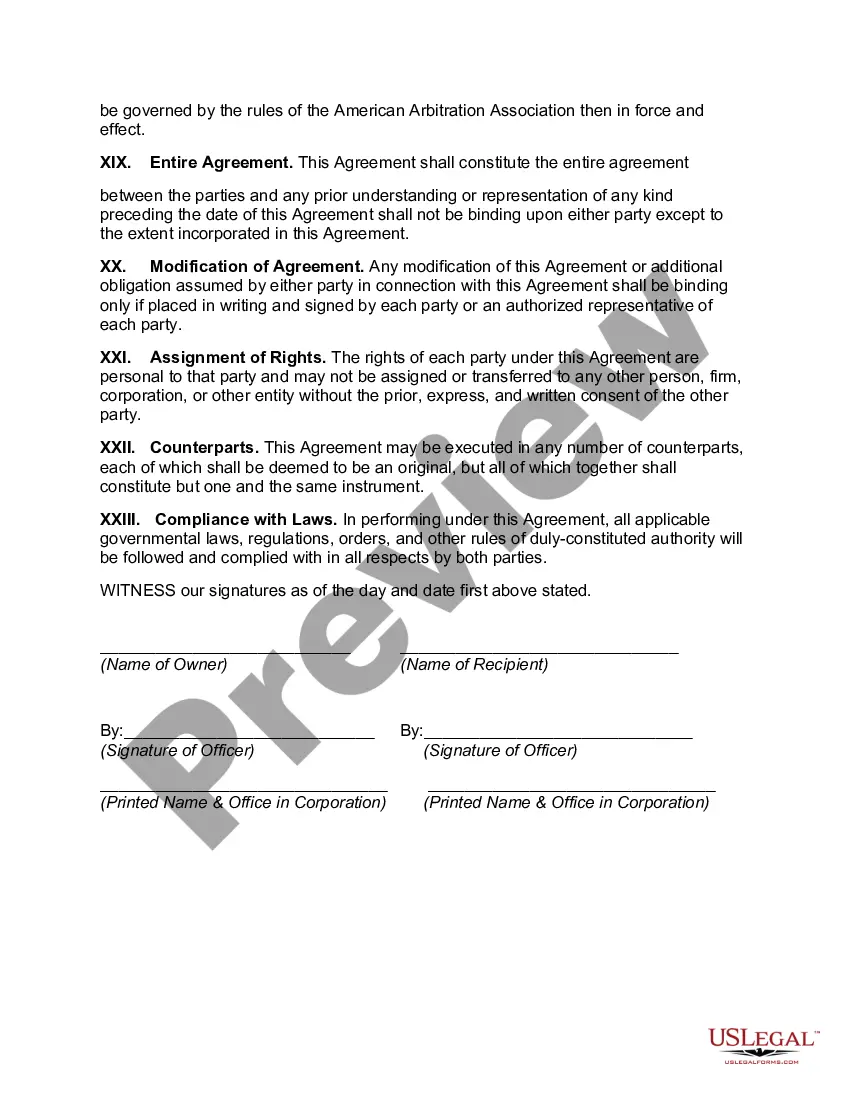
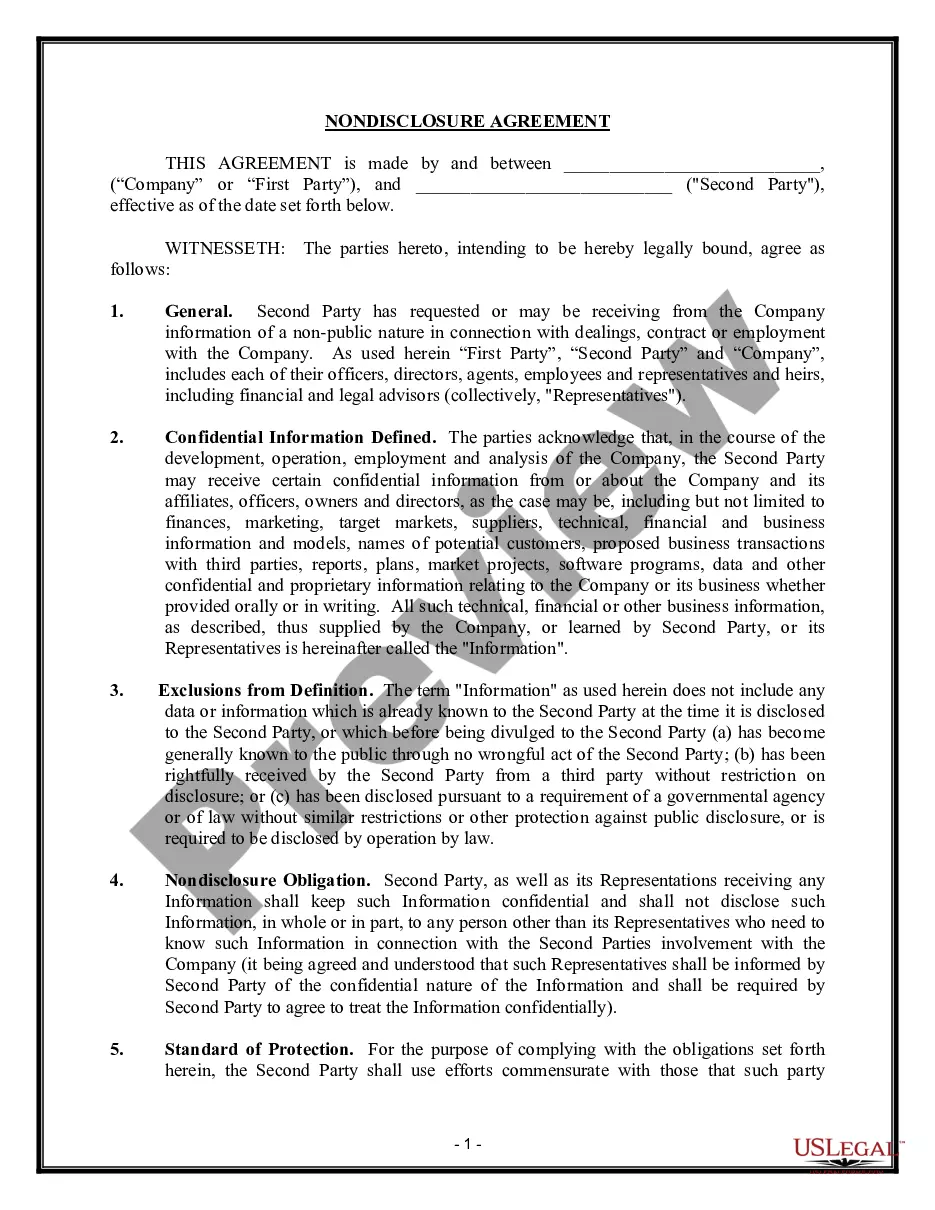
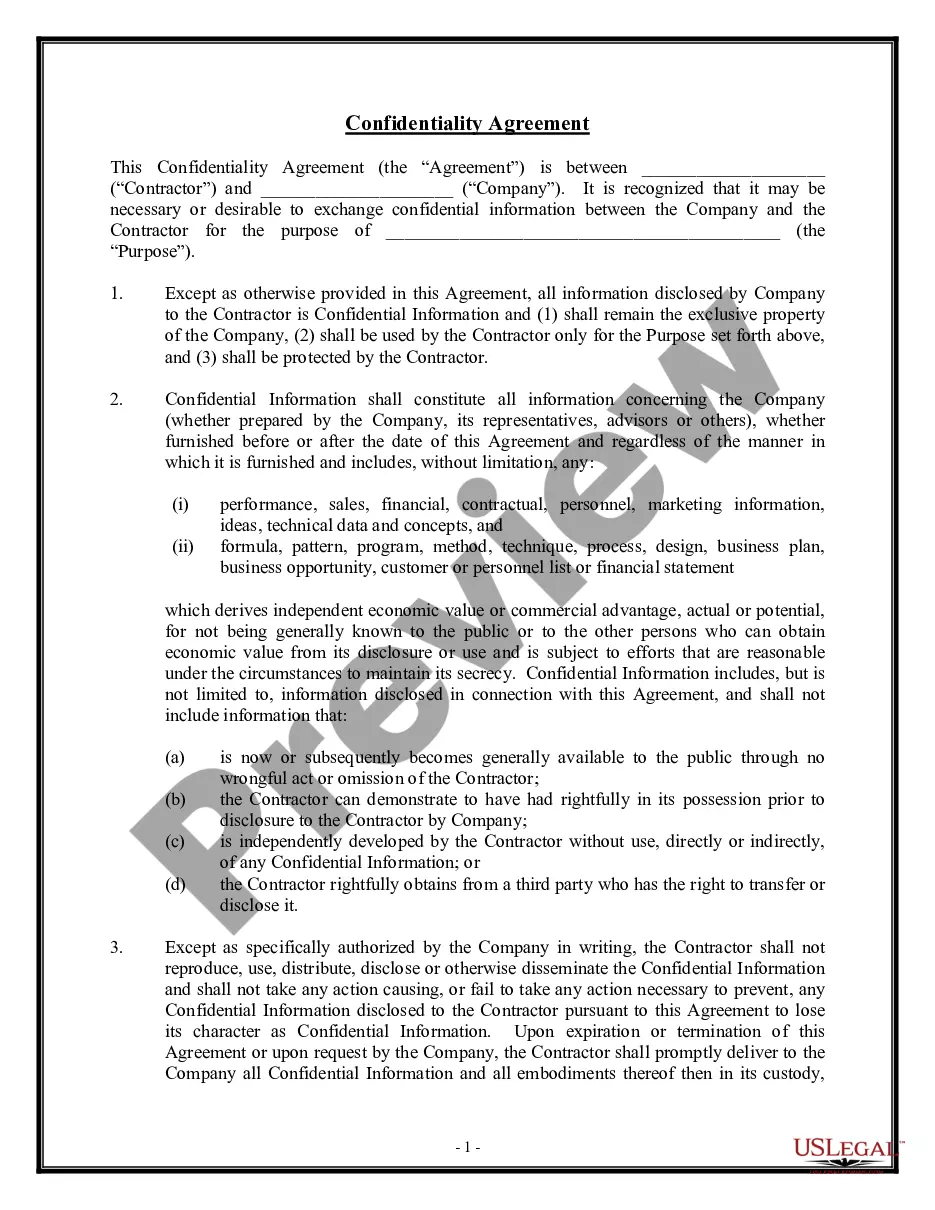
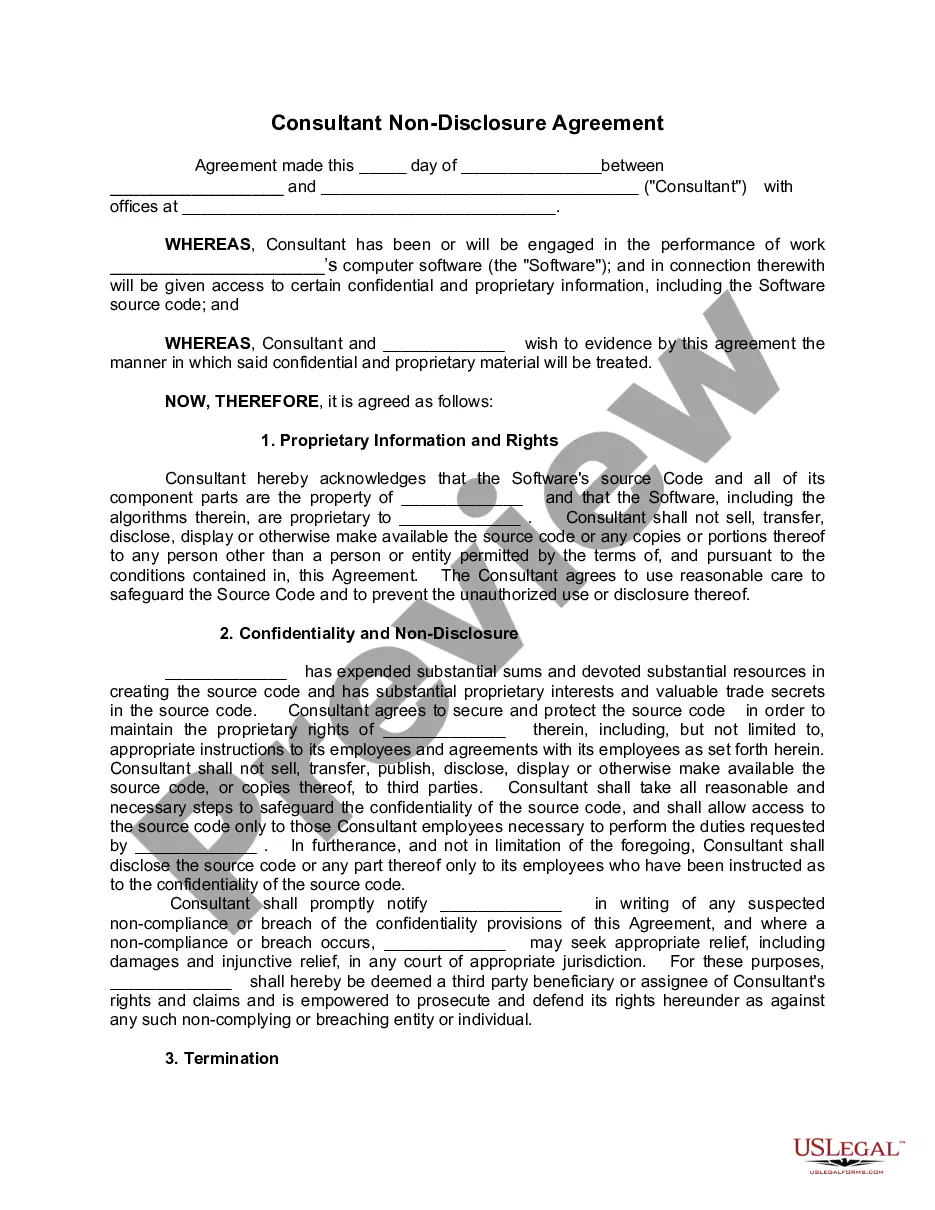
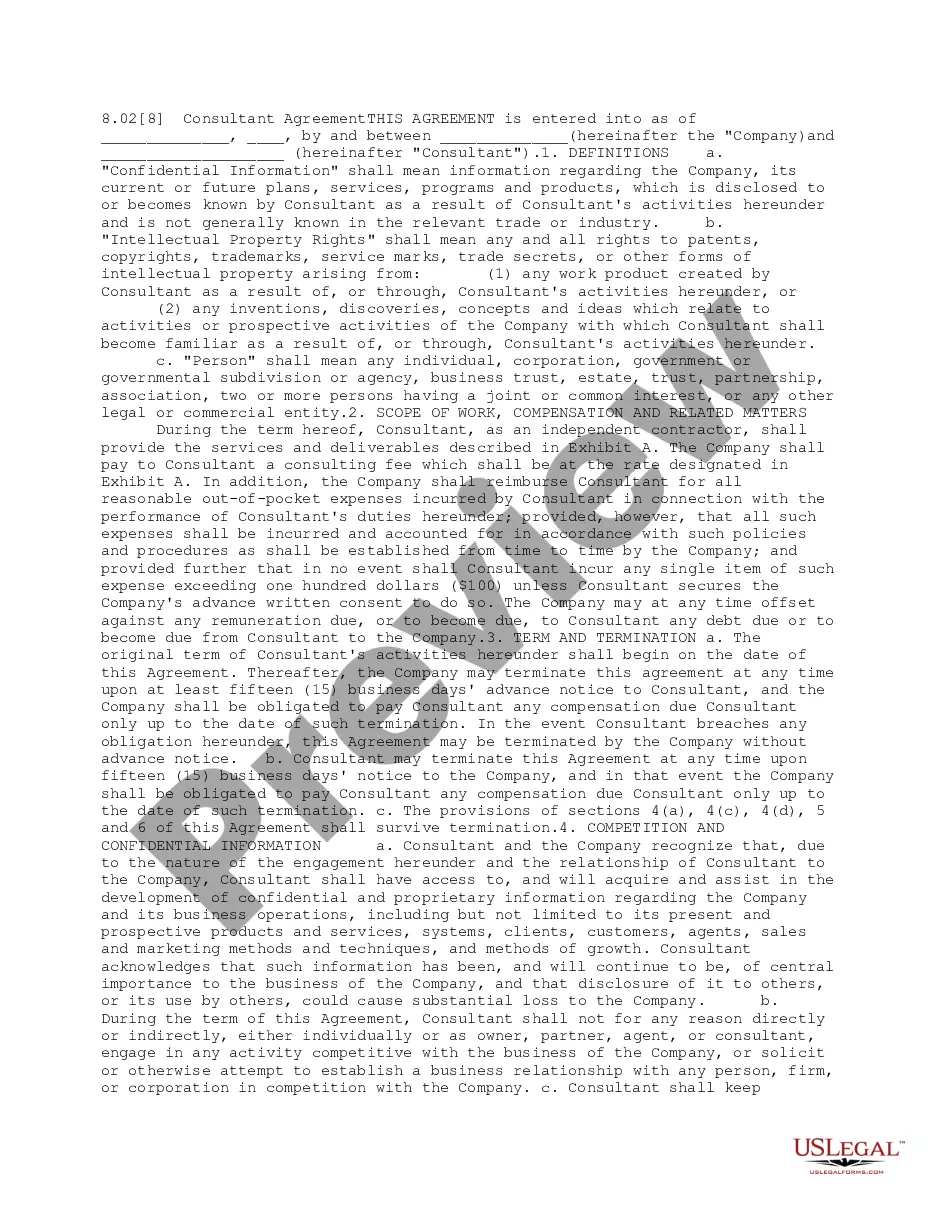
Utilize the US Legal Forms website. This service offers thousands of templates, such as the Utah Nondisclosure Agreement Regarding Conversations About Potential Business Contractual Agreement Related to Software Development, which can be used for corporate and personal purposes.
You can browse through the form using the Preview button and review the form description to confirm that it is suitable for you.
- All the forms are reviewed by experts and comply with federal and state regulations.
- If you are already registered, Log In to your account and click the Obtain button to download the Utah Nondisclosure Agreement Regarding Conversations About Potential Business Contractual Agreement Related to Software Development.
- Use your account to check the legal forms you have previously ordered.
- Visit the My documents tab of your account and retrieve another copy of the document you need.
- If you are a new user of US Legal Forms, here are some easy steps to follow.
- First, ensure you have chosen the correct form for your area/county.
Form popularity
FAQ
What's the purpose of an NDA? The purpose of an NDA is to protect the information one or more parties may exchange. As long as all parties involved sign it, an NDA is a legally binding agreement that prohibits the sharing of sensitive or confidential information with external parties.
The Key Elements of Non-Disclosure AgreementsIdentification of the parties.Definition of what is deemed to be confidential.The scope of the confidentiality obligation by the receiving party.The exclusions from confidential treatment.The term of the agreement.
Protection from disclosure of intellectual property (including trade secrets, proprietary information, and other confidential information) More legal protections and options if another party does infringe on a patent or otherwise use protected information.
The primary use of NDAs is allowing businesses to maintain a competitive advantage in their industry. NDA can prevent proprietary information, such as design models, marketing strategies and customer lists, from being used by former employees, business partners, or competitors.
10 ClausesClause #1: Definition of Confidential Information.Clause #2: The Parties.Clause #3: The Terms and Duration.Clause #4: The Permitted Use of the Information.Clause #5: The Legal Obligation to Disclose.Clause #6: The Return of the Information.Clause #7: The Jurisdiction.Clause #8: The Remedies.More items...?
A nondisclosure agreement (NDA) helps a business protect its trade secrets, among other confidential information. Businesses often maintain valuable and confidential information. This information might include a sales plan, a list of customers, a manufacturing process, or a formula for a soft drink.
NDAs, or non-disclosure agreements, are legally enforceable contracts that create a confidential relationship between a person who has sensitive information and a person who will gain access to that information. A confidential relationship means one or both parties has a duty not to share that information.
Non-disclosure agreements are an important legal framework used to protect sensitive and confidential information from being made available by the recipient of that information. Companies and startups use these documents to ensure that their good ideas won't be stolen by people they are negotiating with.
The purpose of a Non-Disclosure Agreement An NDA creates the legal framework to protect ideas and information from being stolen or shared with competitors or third parties. Breaking an NDA agreement triggers a host of legal ramifications, including lawsuits, financial penalties, and even criminal charges.
The key elements of Non-Disclosure Agreements:Identification of the parties.Definition of what is deemed to be confidential.The scope of the confidentiality obligation by the receiving party.The exclusions from confidential treatment.The term of the agreement.