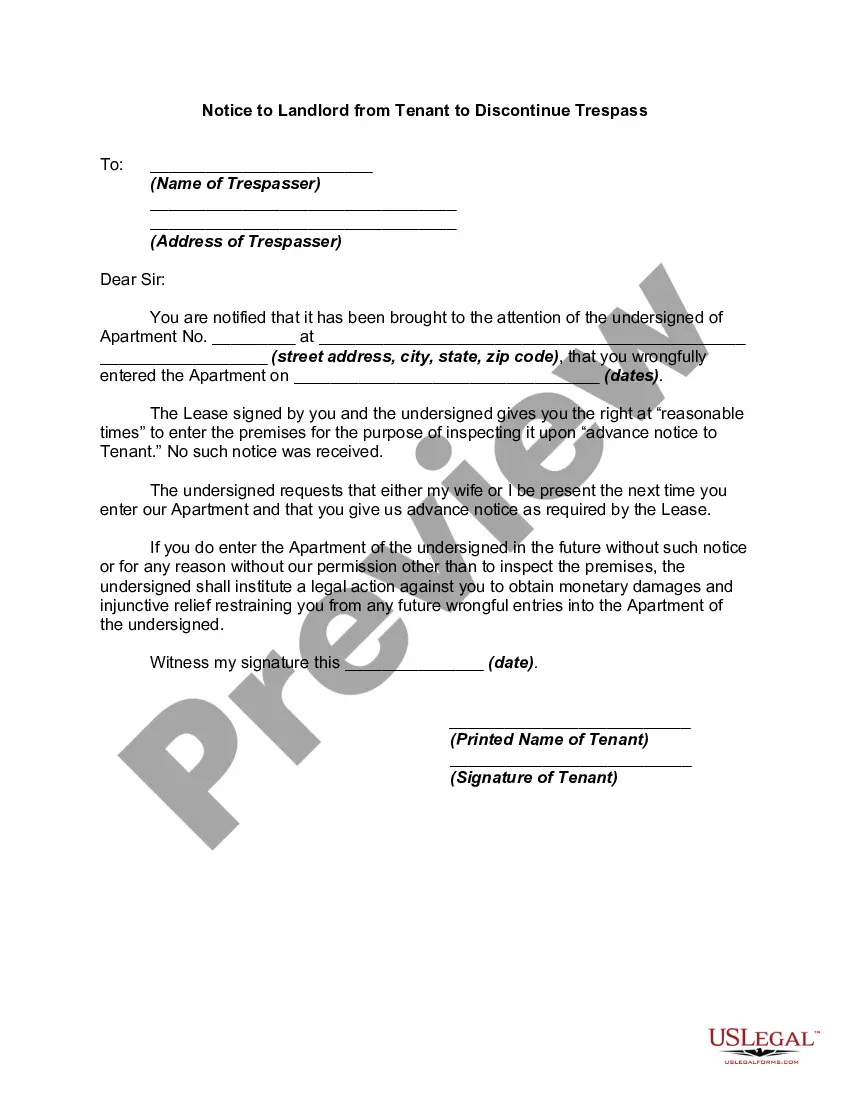
Utah Notice to Landlord from Tenant to Discontinue Trespass
Description
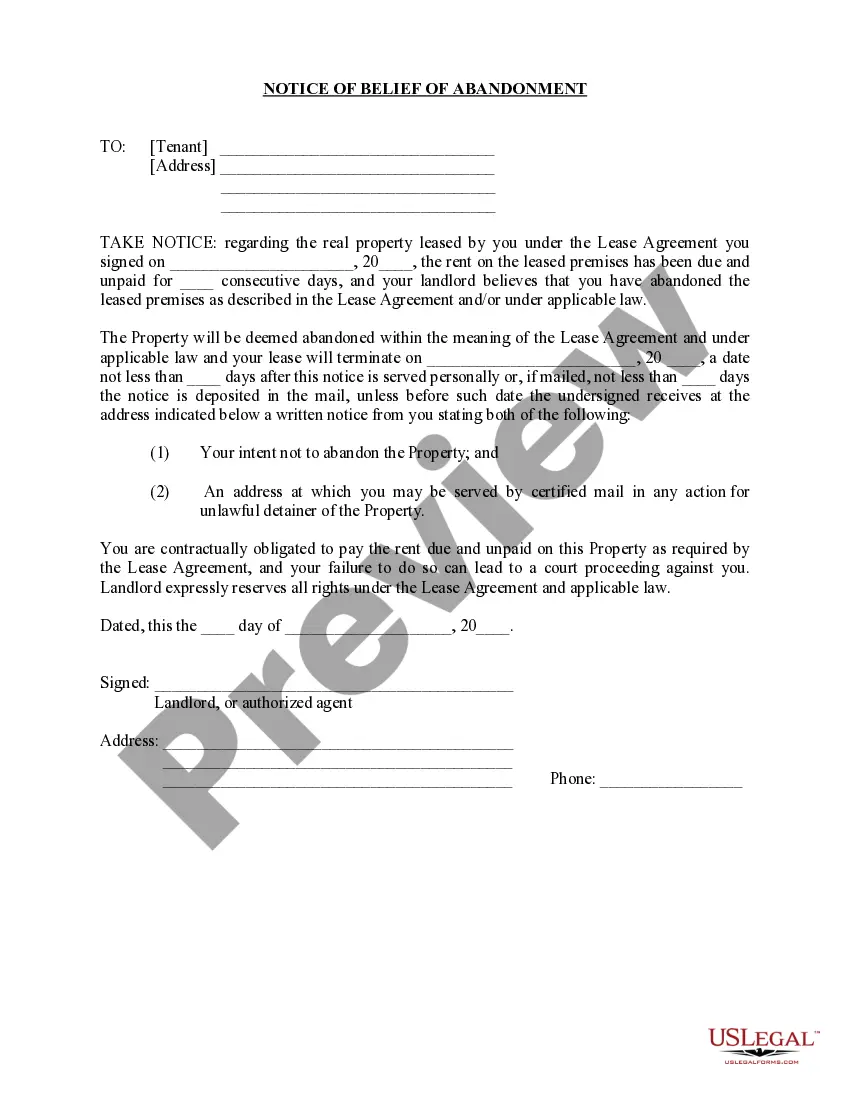

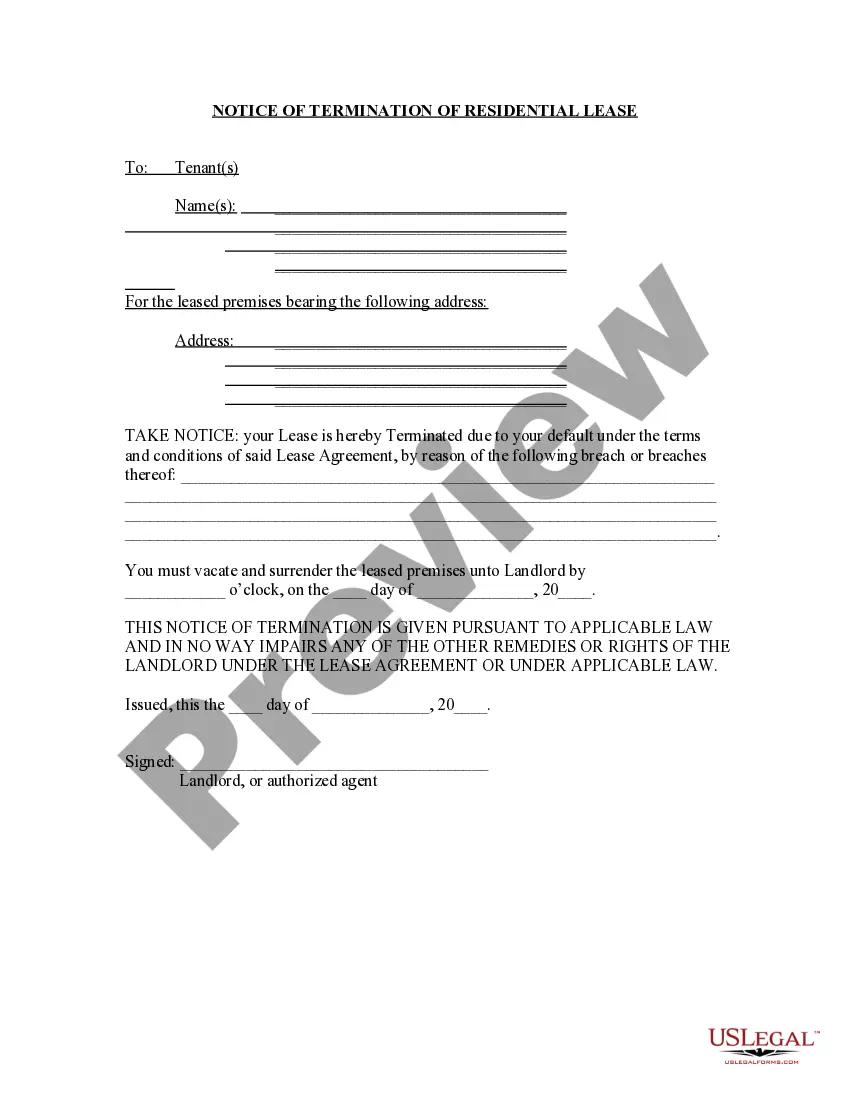
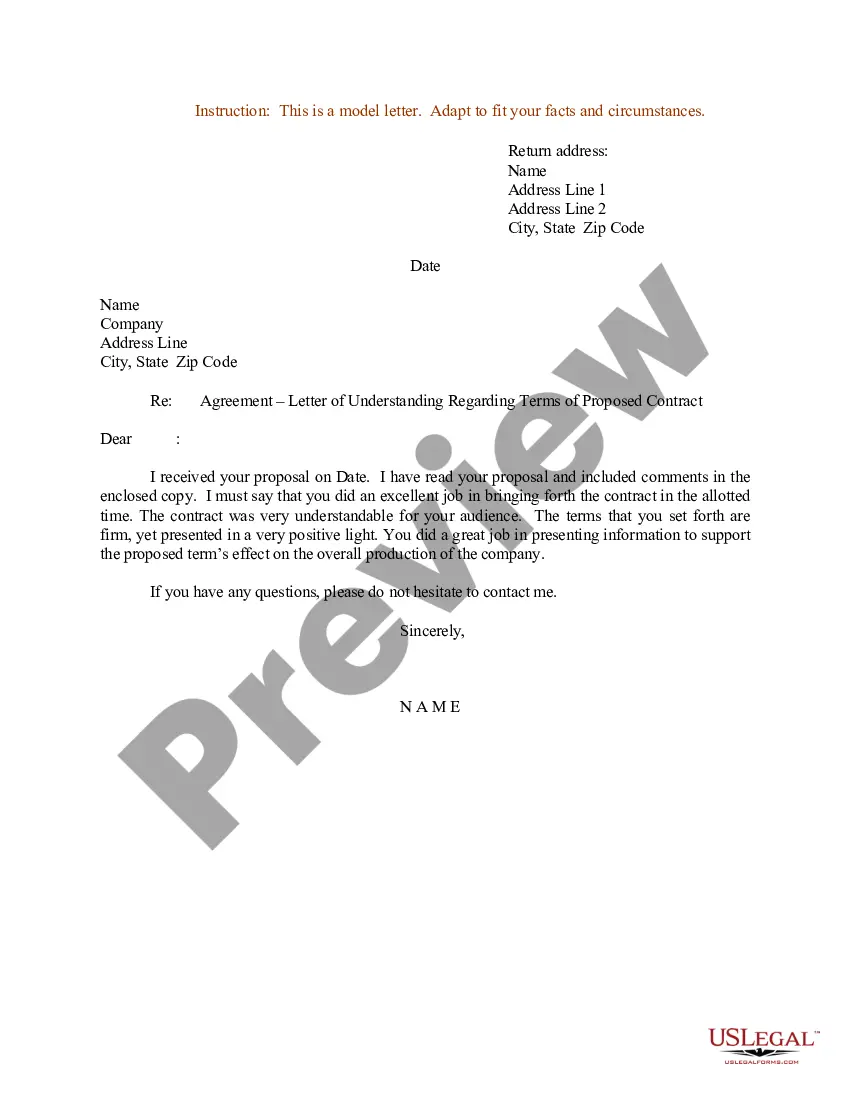
How to fill out Notice To Landlord From Tenant To Discontinue Trespass?
Are you currently in a situation where you require documents for either business or personal purposes almost every day.
There are numerous legal document templates accessible online, but finding ones you can trust is not straightforward.
US Legal Forms offers thousands of template forms, such as the Utah Notice to Landlord from Tenant to Discontinue Trespass, designed to meet state and federal regulations.
Select a convenient file format and download your copy.
Access all the document templates you have purchased in the My documents section. You can retrieve another copy of the Utah Notice to Landlord from Tenant to Discontinue Trespass whenever needed by clicking the relevant form to download or print the document template.
- If you are already familiar with the US Legal Forms website and have an account, simply Log In.
- Then, you can download the Utah Notice to Landlord from Tenant to Discontinue Trespass template.
- If you do not have an account and wish to start using US Legal Forms, follow these instructions.
- 1. Find the form you need and ensure it corresponds with your specific city/state.
- 2. Use the Preview button to check the form.
- 3. Review the description to confirm you have selected the correct form.
- 4. If the form is not what you need, utilize the Lookup field to find the form that meets your requirements.
- 5. Once you identify the correct form, click Buy now.
- 6. Choose the pricing plan you prefer, fill in the necessary details to set up your account, and complete the order using your PayPal or credit card.
Form popularity
FAQ
No, a notice to vacate is not the same as eviction. A notice to vacate is a formal request for the tenant to leave the property, while eviction is the legal process to remove a tenant from the premises. Tenants can respond to a notice with a Utah Notice to Landlord from Tenant to Discontinue Trespass, especially if they disagree with the notice's basis.
A 3-day notice to vacate for nuisance in Utah instructs a tenant to leave the property due to behavior that disrupts others’ peace, safety, or health. This could include loud parties, illegal activities, or other disruptive actions. It's important for tenants to understand their rights and utilize a Utah Notice to Landlord from Tenant to Discontinue Trespass if they face unjust accusations.
In Utah, a landlord may issue an eviction notice requiring tenants to vacate within three days if there is a serious breach, such as non-payment of rent or criminal activity. However, typical eviction processes generally take longer due to legal requirements. Tenants can respond effectively by using a Utah Notice to Landlord from Tenant to Discontinue Trespass if they believe the eviction is unwarranted.
A breach of quiet enjoyment in Utah occurs when landlords interfere with a tenant's reasonable use and enjoyment of the property. This can include excessive noise, unwarranted entry, or failure to address significant maintenance issues. If a tenant feels this breach has occurred, they should document incidents and consider sending a Utah Notice to Landlord from Tenant to Discontinue Trespass.
In Utah, the notice period required depends on the lease agreement and the reason for the notice. Generally, landlords must provide at least 30 days' notice for lease termination without cause. For issues related to trespass, using a Utah Notice to Landlord from Tenant to Discontinue Trespass helps safeguard tenants’ rights and clarify intentions.
Yes, a tenant can trespass a landlord in certain situations. If a tenant denies entry to the landlord when they have the legal right to enter, this can be considered trespassing. In cases of continued refusal or obstruction, landlords can use a Utah Notice to Landlord from Tenant to Discontinue Trespass to address the situation formally.
In Utah, a breach of quiet enjoyment occurs when a landlord or external factors disrupt a tenant's peaceful living environment. This may involve issues such as persistent noise, harassment, or inadequate security. Understanding these rights is vital, and using a Utah Notice to Landlord from Tenant to Discontinue Trespass can clarify your position when these violations happen.
Violations of the covenant of quiet enjoyment may include unauthorized entry by the landlord, failure to address significant repairs, or allowing disruptive behavior from neighbors. These actions prevent tenants from fully enjoying their premises. If you face such issues, consider issuing a Utah Notice to Landlord from Tenant to Discontinue Trespass to formally address the situation.
The most common action landlords take is filing for eviction when a tenant breaches their lease agreement. This often happens after attempts to resolve the issue through communication have failed. For tenants, knowing how to properly issue a Utah Notice to Landlord from Tenant to Discontinue Trespass can help address disputes before they escalate to eviction.
Quiet enjoyment refers to a tenant's right to use their rented space without interference from the landlord or other parties. In contrast, a nuisance occurs when there are disturbances, such as noise or unsafe conditions, that negatively impact a tenant’s ability to enjoy their home. Understanding these concepts is crucial when you need to send a Utah Notice to Landlord from Tenant to Discontinue Trespass due to a nuisance.