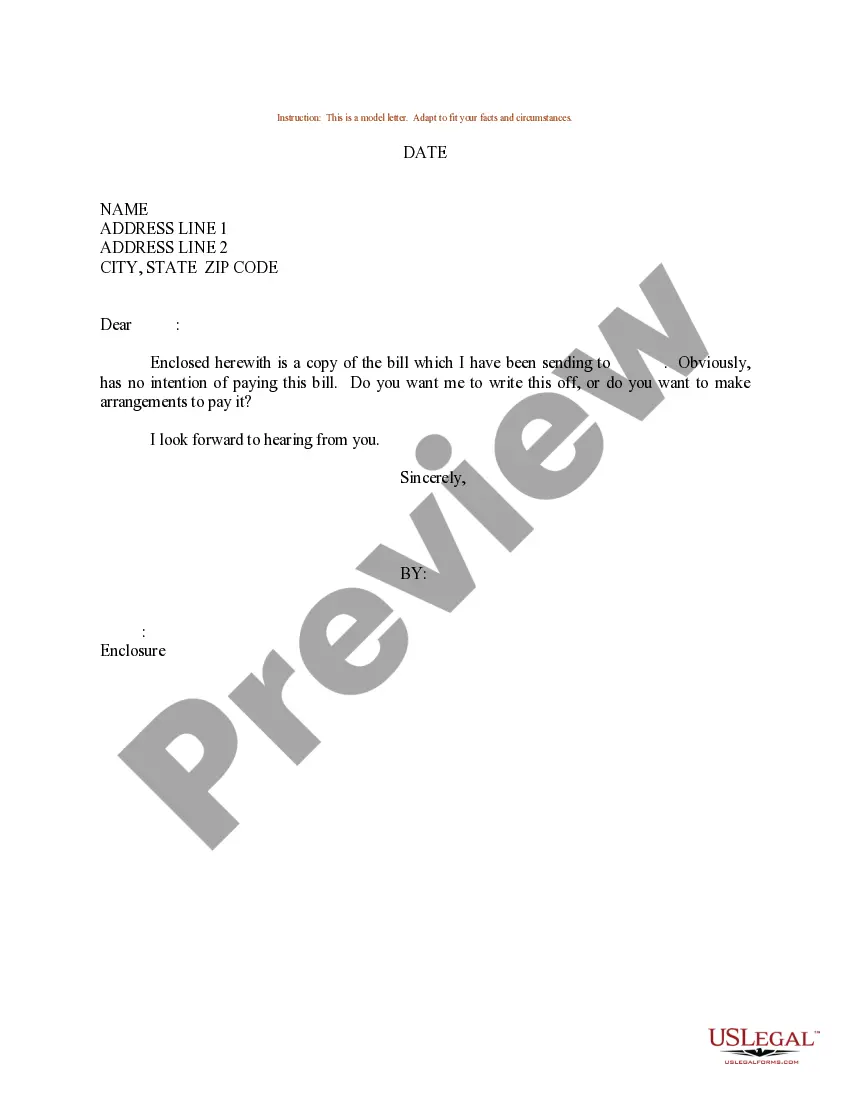
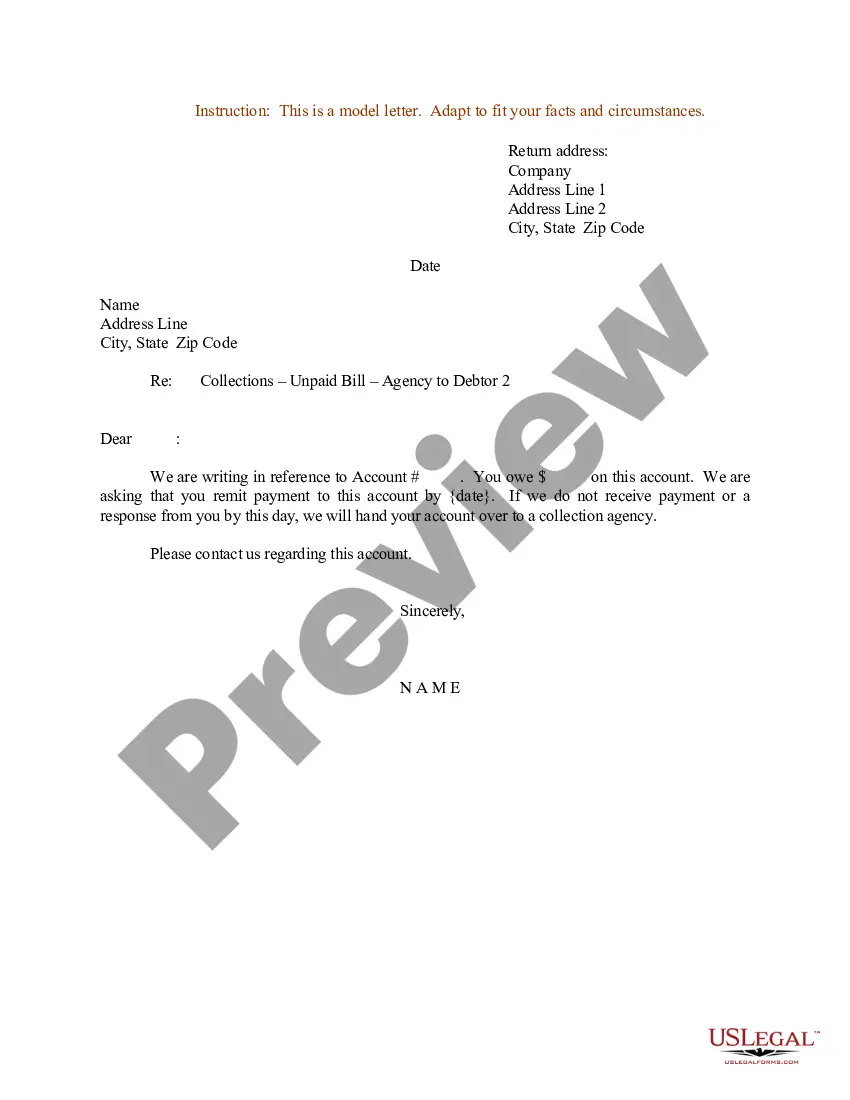
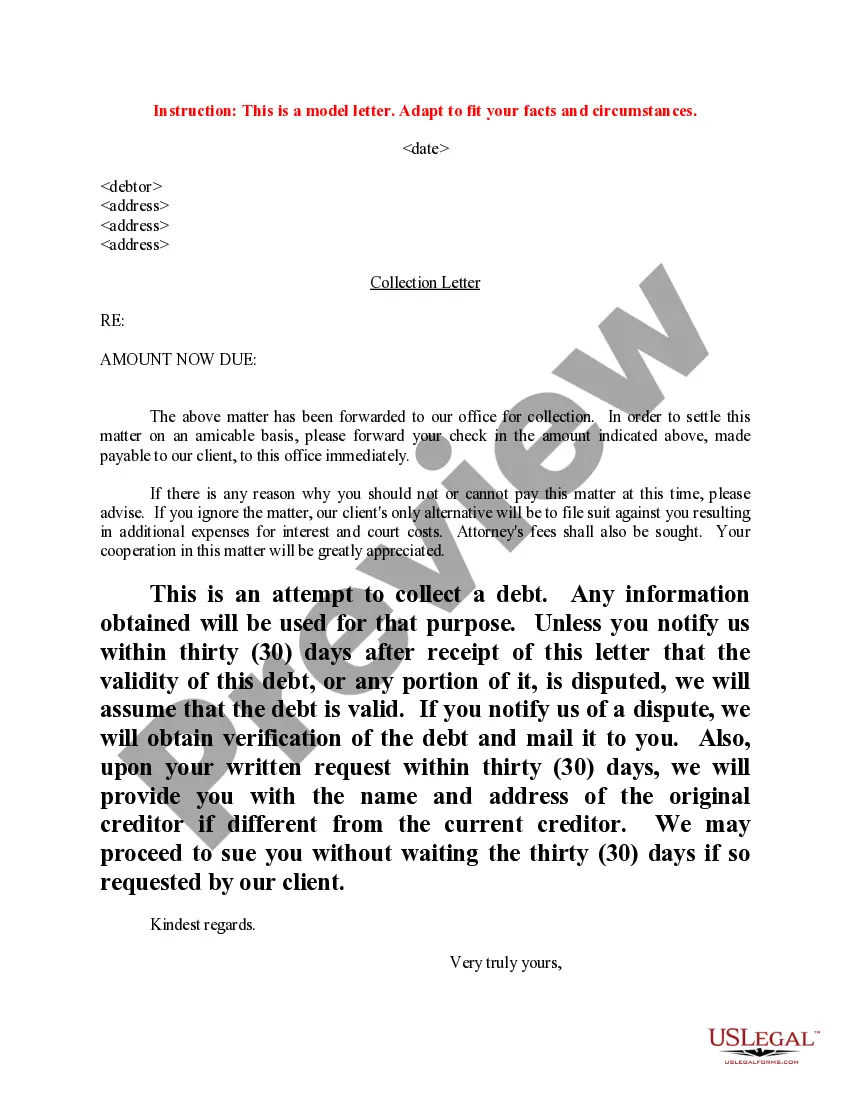
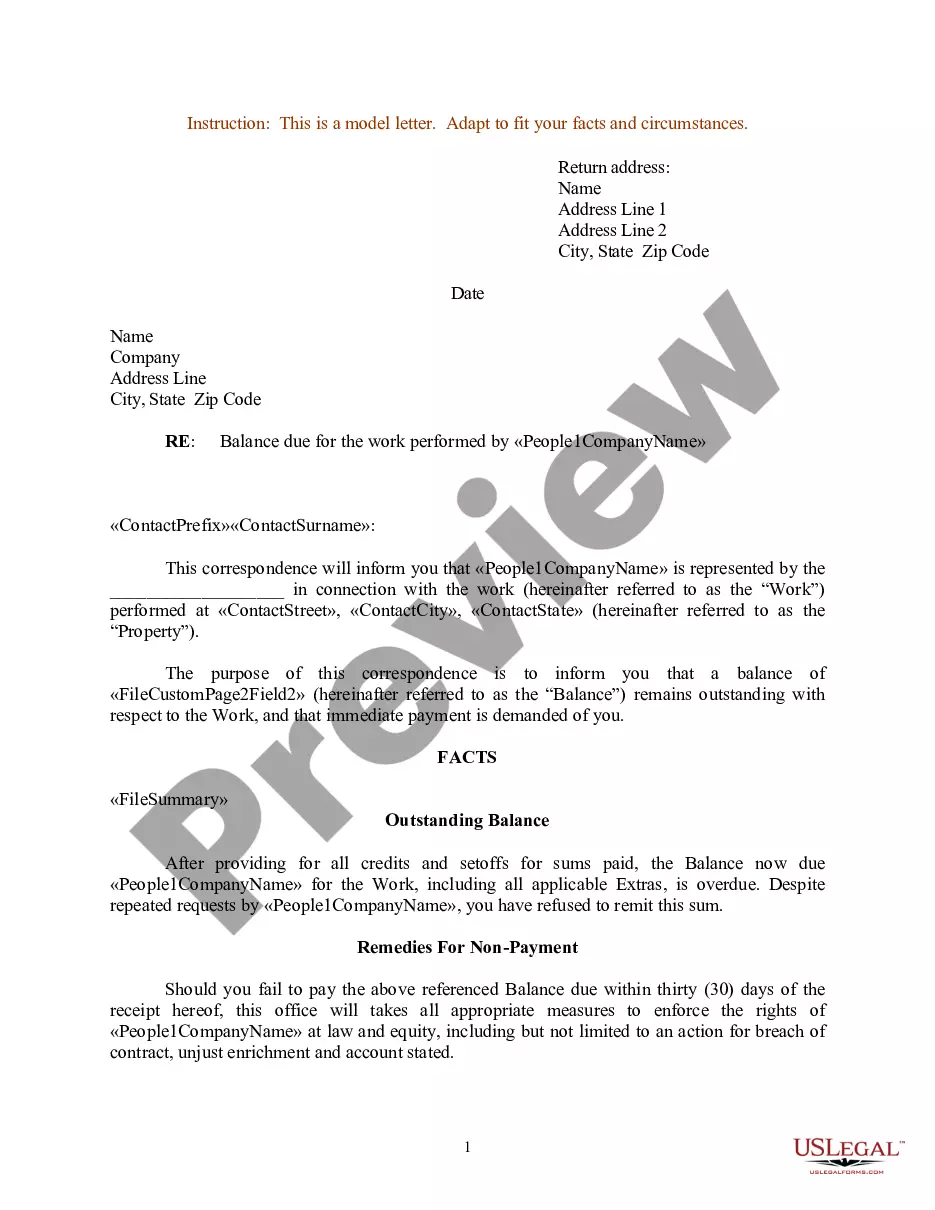
Utah Sample Letter regarding Bill
Description
Get your form ready online
Our built-in tools help you complete, sign, share, and store your documents in one place.
Make edits, fill in missing information, and update formatting in US Legal Forms—just like you would in MS Word.
Download a copy, print it, send it by email, or mail it via USPS—whatever works best for your next step.
Sign and collect signatures with our SignNow integration. Send to multiple recipients, set reminders, and more. Go Premium to unlock E-Sign.
If this form requires notarization, complete it online through a secure video call—no need to meet a notary in person or wait for an appointment.
We protect your documents and personal data by following strict security and privacy standards.

Make edits, fill in missing information, and update formatting in US Legal Forms—just like you would in MS Word.

Download a copy, print it, send it by email, or mail it via USPS—whatever works best for your next step.

Sign and collect signatures with our SignNow integration. Send to multiple recipients, set reminders, and more. Go Premium to unlock E-Sign.

If this form requires notarization, complete it online through a secure video call—no need to meet a notary in person or wait for an appointment.

We protect your documents and personal data by following strict security and privacy standards.
Looking for another form?

How to fill out Sample Letter Regarding Bill?
US Legal Forms - one of the biggest collections of legal documents in the USA - offers a variety of legal document templates that you can download or print. While navigating the website, you can discover thousands of templates for business and personal purposes, organized by types, states, or keywords. You can find the latest templates like the Utah Sample Letter regarding Bill within moments.
If you already have a membership, Log In and download the Utah Sample Letter regarding Bill from the US Legal Forms library. The Download option will appear on every form you view. You can access all previously downloaded templates in the My documents section of your account.
If you want to use US Legal Forms for the first time, here are simple steps to get started: Ensure you have selected the correct form for your area/county. Click the Preview option to review the form's content. Check the form details to confirm you have chosen the right document. If the form doesn’t meet your needs, utilize the Search bar at the top of the screen to find one that does. When you are satisfied with the document, confirm your choice by clicking the Buy now button. Then, select the payment plan you prefer and provide your details to create an account. Complete the transaction. Use your Visa or Mastercard or PayPal account to finalize the transaction. Choose the format and download the form to your device. Make modifications. Fill out, edit, print, and sign the downloaded Utah Sample Letter regarding Bill. Every template you add to your account has no expiration date and is yours permanently. So, if you wish to download or print another copy, simply go to the My documents section and click on the form you need.
- Access the Utah Sample Letter regarding Bill with US Legal Forms, one of the most extensive collections of legal document templates.
- Utilize thousands of professional and state-specific templates that meet your business or personal needs and requirements.
Form popularity
FAQ
Each bill must tell the legislative body what action is to be taken, precisely and clearly. This might involve section adding, repealing, or amending General Statutes, uncodified law, or sections of local acts or municipal charters. In General. The effective date section should be the last section of a bill.
A bill to create a new law can be introduced in either chamber of Congress by a senator or representative who sponsors it. Once a bill is introduced, it is assigned to a committee whose members will research, discuss, and make changes to the bill. The bill is then put before that chamber to be voted on.
The idea is submitted to the Office of Legislative Research and General Counsel, a nonpartisan legislative staff office, in the form of a bill request. The assigned bill drafting attorney reviews existing law, researches the issues, and prepares the bill in proper technical form. The bill is given a number.
A bill should be written so that each individual thing the bill is doing will be its own section. You may also need a section on how the bill will be funded. If your bill requires money, you will want to state how much money will be spent and from where the money will come.
For any piece of legislation, here is a general checklist of things to make sure you do: The Date of Submission should be the day you submit the bill. ... In the Author Line, name all individuals involved in writing the bill and their office. ... Title the Bill (in bold and italics) with what you want the bill to do.
STRUCTURE OF A BILL Captions. Every bill begins with a brief statement, known as the caption, that describes what the bill proposes to do. ... SECTIONS and Sections. Bills are divided into SECTIONS. ... Articles. Bills may also be divided into ARTICLES with SECTIONS and Sec. ... Line and Page. ... Editing Features.