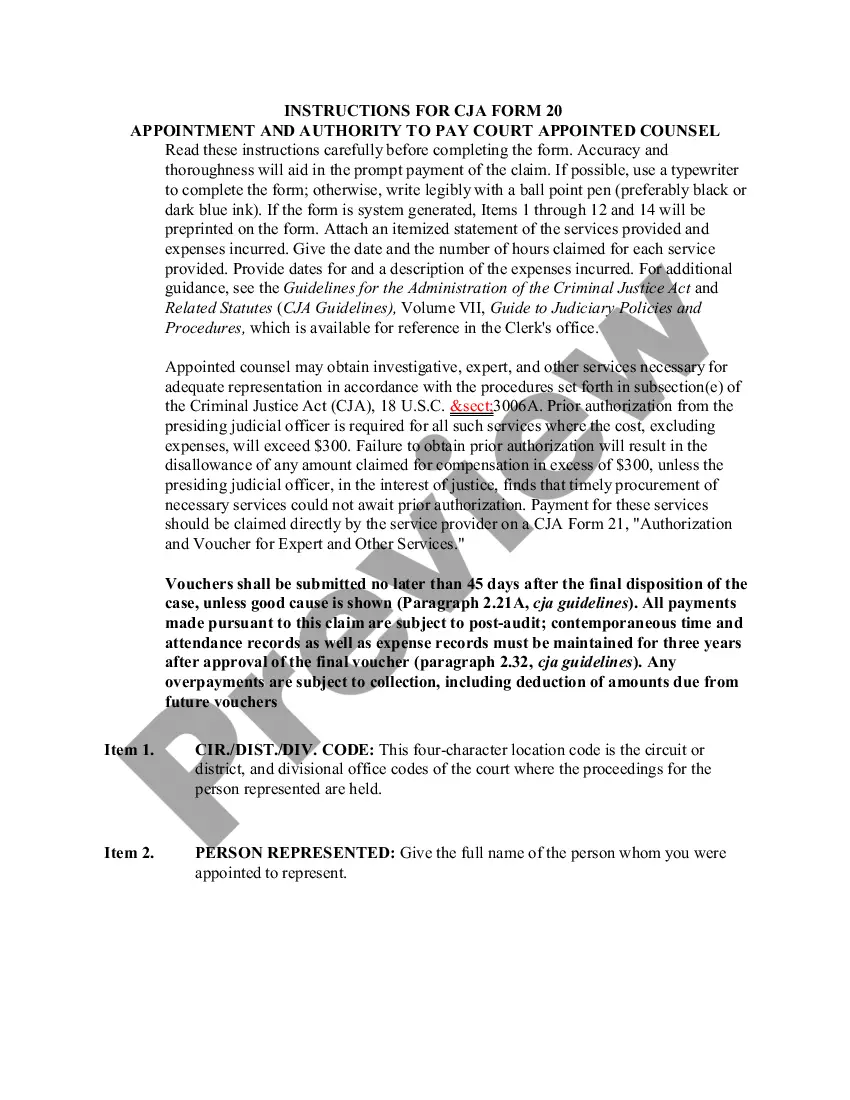
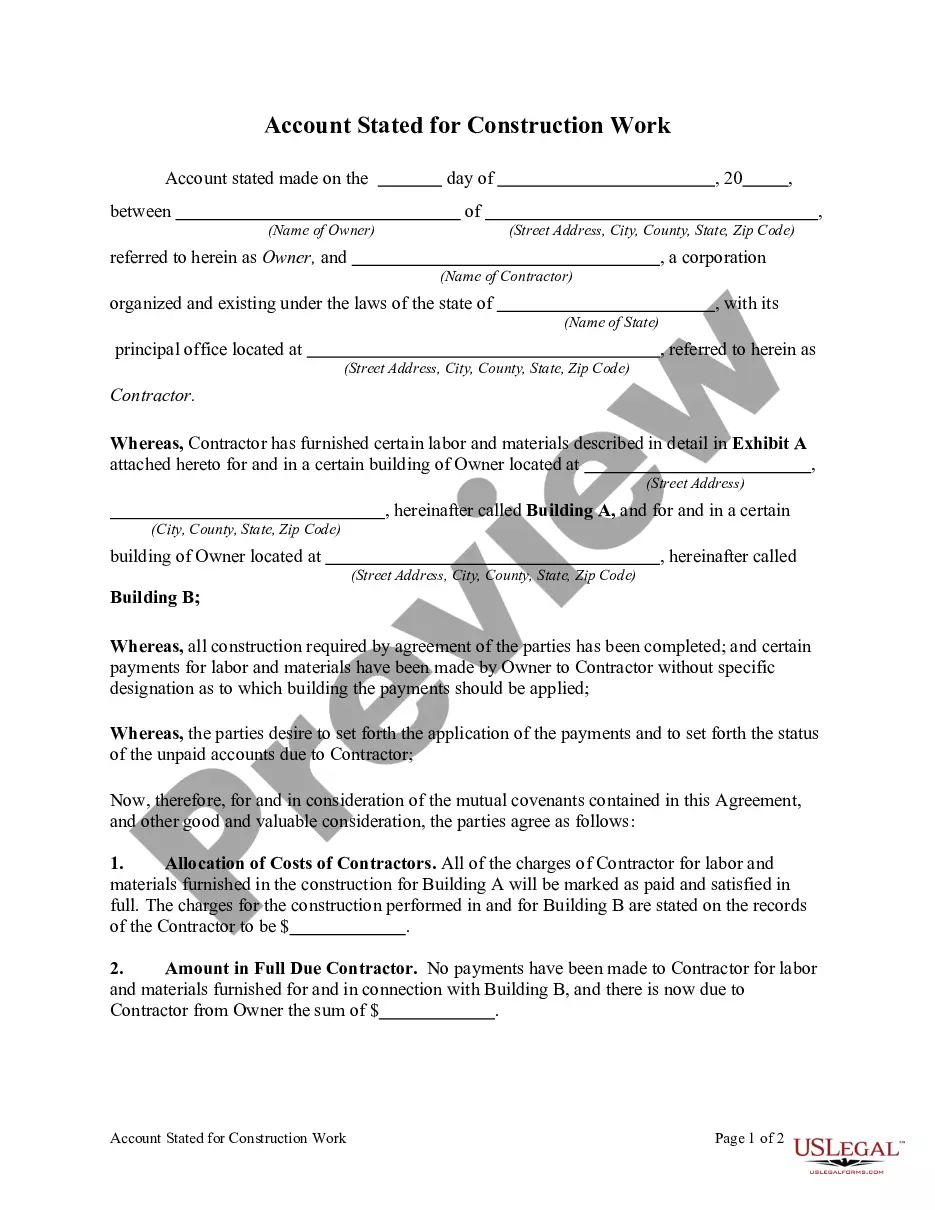
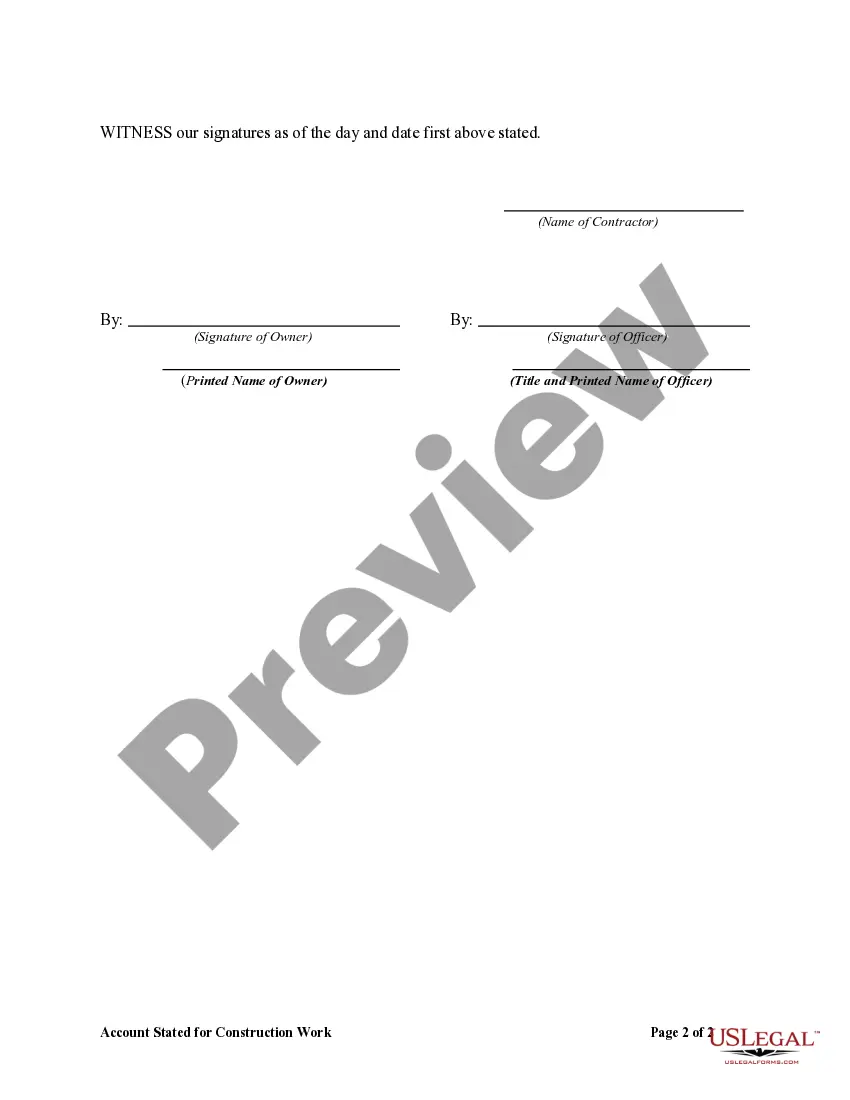
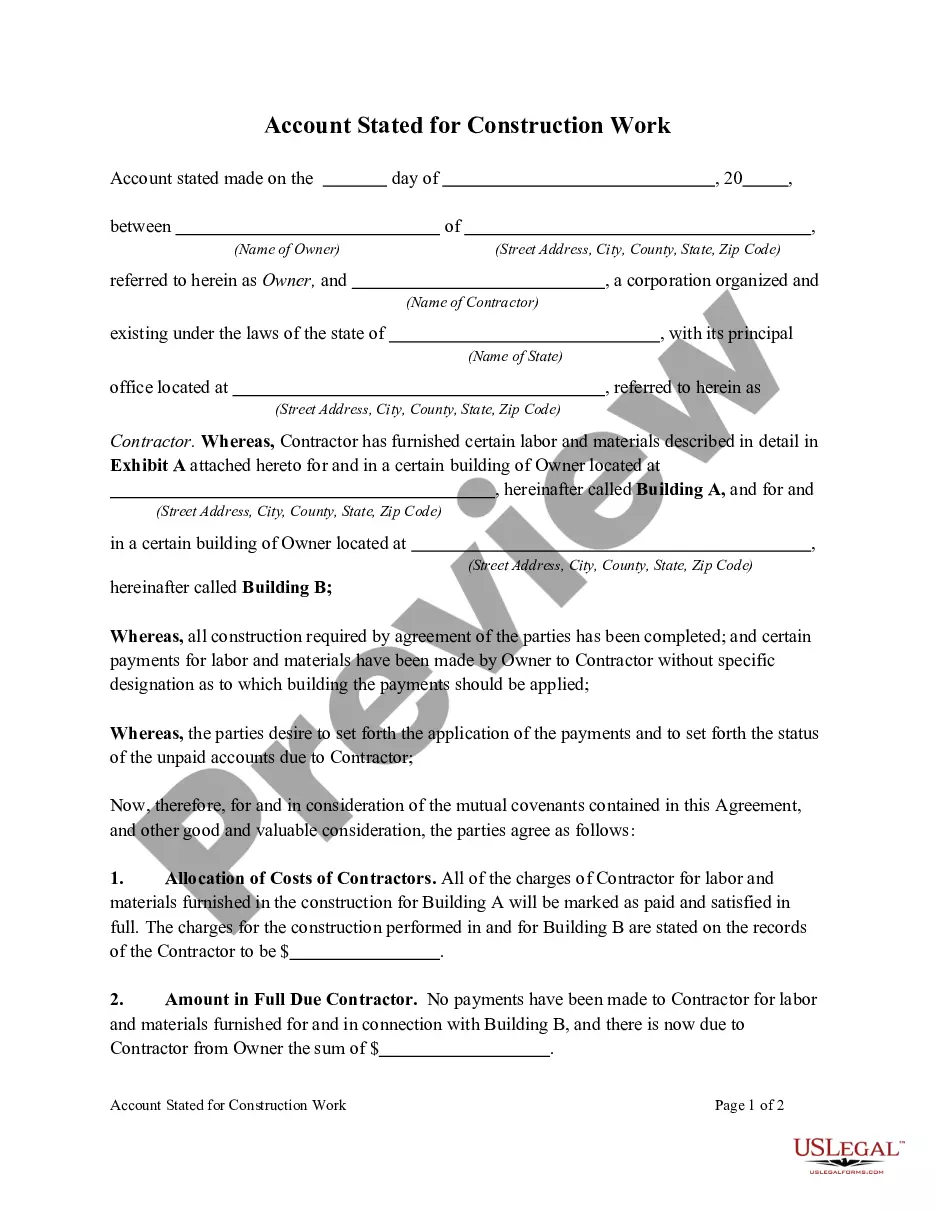
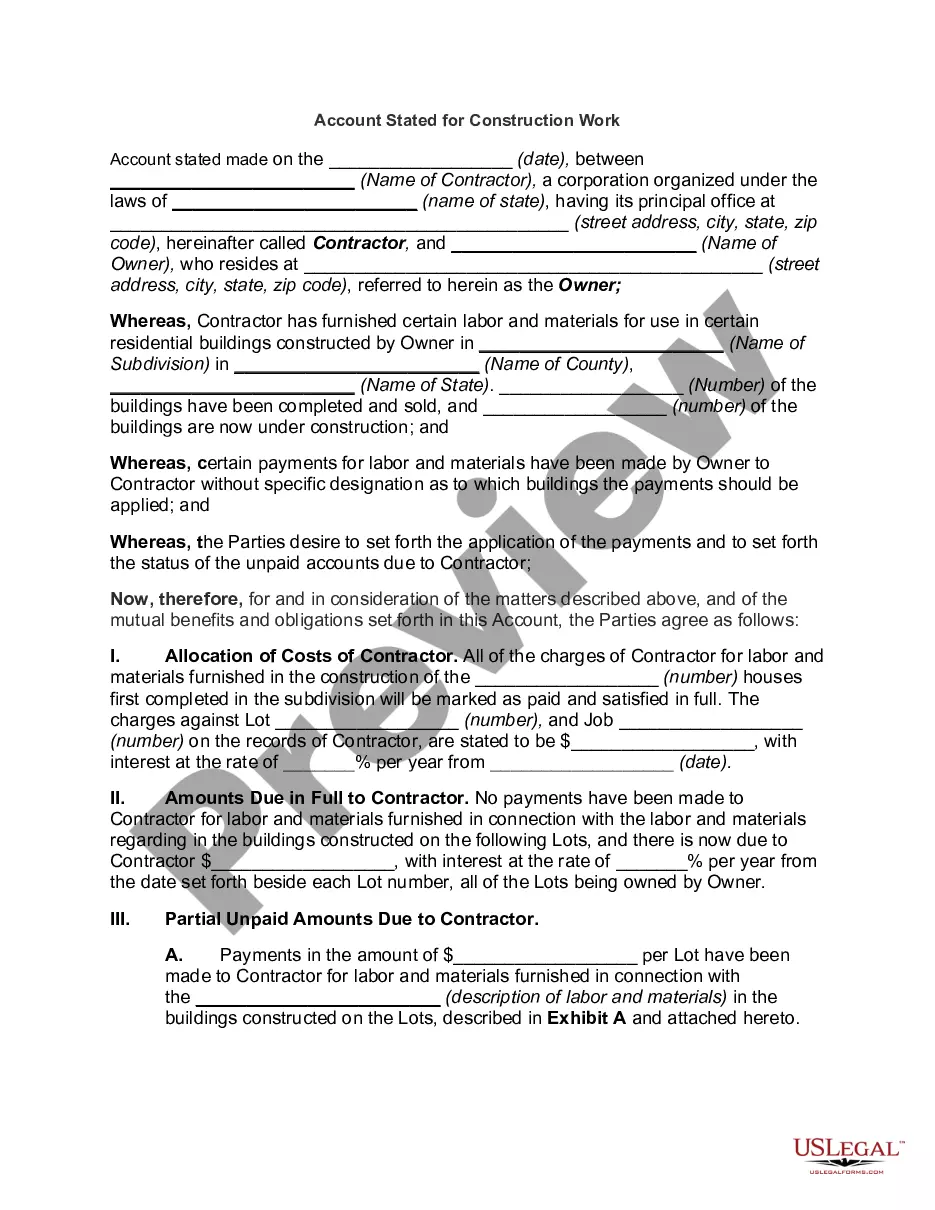
Utah Account Stated for Construction Work
Description
Get your form ready online
Our built-in tools help you complete, sign, share, and store your documents in one place.
Make edits, fill in missing information, and update formatting in US Legal Forms—just like you would in MS Word.
Download a copy, print it, send it by email, or mail it via USPS—whatever works best for your next step.
Sign and collect signatures with our SignNow integration. Send to multiple recipients, set reminders, and more. Go Premium to unlock E-Sign.
If this form requires notarization, complete it online through a secure video call—no need to meet a notary in person or wait for an appointment.
We protect your documents and personal data by following strict security and privacy standards.

Make edits, fill in missing information, and update formatting in US Legal Forms—just like you would in MS Word.

Download a copy, print it, send it by email, or mail it via USPS—whatever works best for your next step.

Sign and collect signatures with our SignNow integration. Send to multiple recipients, set reminders, and more. Go Premium to unlock E-Sign.

If this form requires notarization, complete it online through a secure video call—no need to meet a notary in person or wait for an appointment.

We protect your documents and personal data by following strict security and privacy standards.
Looking for another form?






How to fill out Account Stated For Construction Work?
US Legal Forms - one of the largest collections of legal documents in the United States - offers a vast array of legal form templates that you can download or print.
On the website, you can access thousands of forms for business and personal use, organized by categories, states, or keywords. You can find the latest versions of forms such as the Utah Account Stated for Construction Work in moments.
If you already hold a subscription, Log In and retrieve the Utah Account Stated for Construction Work from the US Legal Forms library. The Download button will be visible on every form you view. You can access all previously downloaded forms in the My documents section of your account.
Process the purchase. Utilize a credit card or PayPal account to complete the transaction.
Select the format and download the form to your device. Make modifications. Fill out, edit, print, and sign the downloaded Utah Account Stated for Construction Work. Each template you save in your account has no expiration date and is yours indefinitely. Therefore, to download or print another copy, simply navigate to the My documents section and click on the form you need. Access the Utah Account Stated for Construction Work with US Legal Forms, the most extensive library of legal document templates. Utilize thousands of professional and state-specific templates that align with your business or personal needs and requirements.
- To use US Legal Forms for the first time, here are simple steps to guide you.
- Ensure you have selected the correct form for your city/state.
- Click on the Preview button to review the form's content.
- Check the form summary to confirm that you have chosen the right form.
- If the form does not meet your needs, use the Search field at the top of the screen to find one that does.
- If you are satisfied with the form, confirm your selection by clicking the Buy now button.
- Next, select the pricing plan you prefer and provide your details to register for an account.
Form popularity
FAQ
Utah Retainage Private Projects FAQs Maximum retainage is 5% of the total construction project price. Retainage by parties other than the owner is also limited to 5%. Summary of Utah Retainage requirements and laws for Utah construction projects including free forms, FAQs, resources and more.
A construction retention payment (also called retainage) is the amount of money held back until the project is complete. Retainage is usually a percentage of the total project cost. It typically sits at 5% or 10%.
Pursuant to Utah Code § 13-8-5, Utah's retainage statute, the total retention proceeds withheld from a project may not exceed 5 percent of the total contract price.
The Statute of Repose: (3)(a) An action by or against a provider based in contract or warranty shall be commenced within six years of the date of completion of the improvement or abandonment of construction.
Retention is an amount of money withheld from a contractor until a job is complete. This normally is 5-10% of the contract's sum. It acts as a kind of security deposit: if defects are left by the contractor that they fail to remedy, the money is rightfully retained by the employer to fix those defects.
What is SCR? Connecting owners and their money with the people working on their projects. Providing a comprehensive list of who is working on each construction project in Utah.
In fact, Utah Code §78B?4?513 provides that ?an action for defective design or construction may be brought only by a person in privity of contract with the original contractor, architect, engineer, or the real estate developer? (emphasis added), but that ?[n]othing in this section precludes a person from assigning a ...
Retainage is usually between 5 and 10% of each progress payment. The retainage on a construction project is determined by the parties' construction contract, which stipulates that a portion of each progress payment be withheld.