Utah Answer and Plaintiff's Complaint
Description


How to fill out Utah Answer And Plaintiff's Complaint?
Among lots of paid and free templates that you can get on the net, you can't be certain about their reliability. For example, who created them or if they’re qualified enough to take care of the thing you need these people to. Keep relaxed and use US Legal Forms! Locate Utah Answer and Plaintiff's Complaint samples created by skilled attorneys and avoid the high-priced and time-consuming process of looking for an attorney and then paying them to draft a document for you that you can find on your own.
If you already have a subscription, log in to your account and find the Download button next to the file you are looking for. You'll also be able to access all of your earlier saved samples in the My Forms menu.
If you are utilizing our service the very first time, follow the tips listed below to get your Utah Answer and Plaintiff's Complaint with ease:
- Make certain that the file you discover applies in the state where you live.
- Look at the file by reading the description for using the Preview function.
- Click Buy Now to start the ordering procedure or look for another sample using the Search field located in the header.
- Select a pricing plan and create an account.
- Pay for the subscription with your credit/debit/debit/credit card or Paypal.
- Download the form in the wanted format.
When you’ve signed up and bought your subscription, you may use your Utah Answer and Plaintiff's Complaint as many times as you need or for as long as it stays active where you live. Edit it in your preferred online or offline editor, fill it out, sign it, and print it. Do far more for less with US Legal Forms!
Form popularity
FAQ
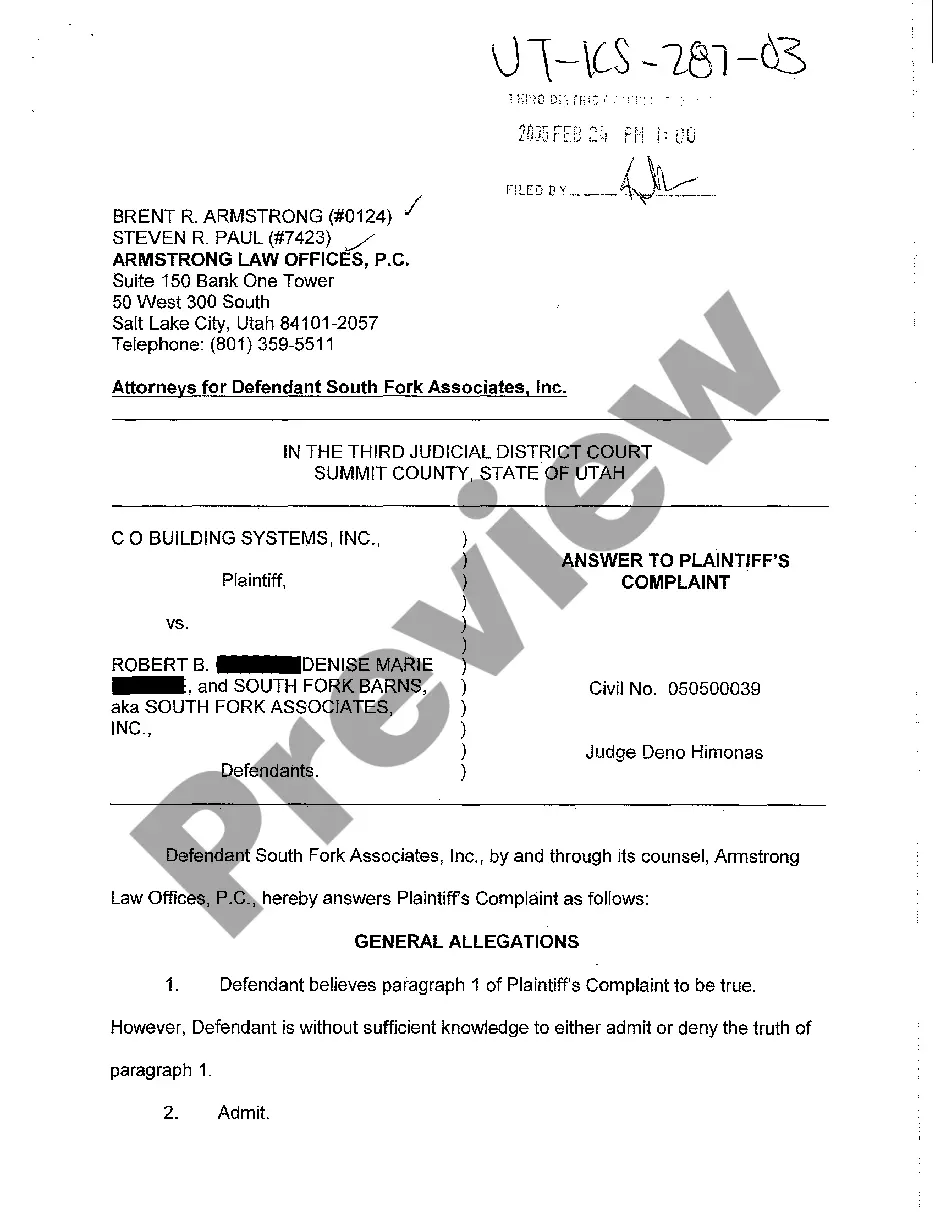
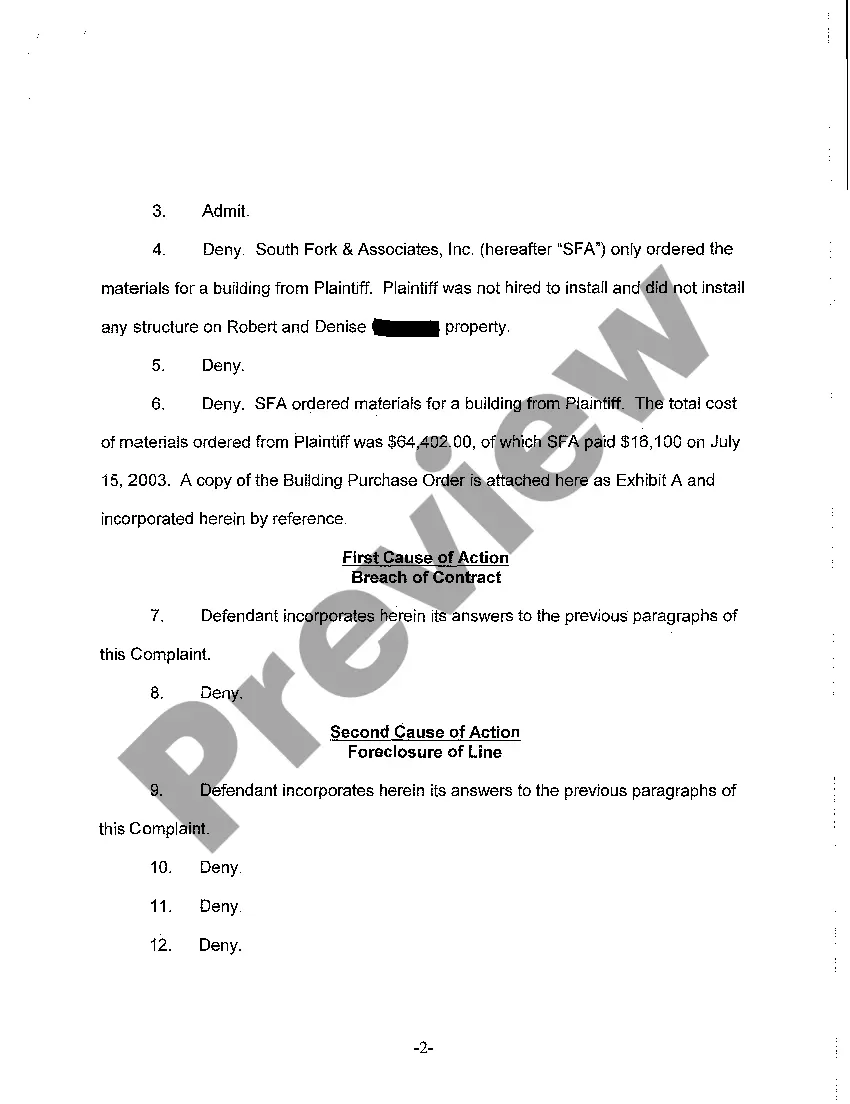
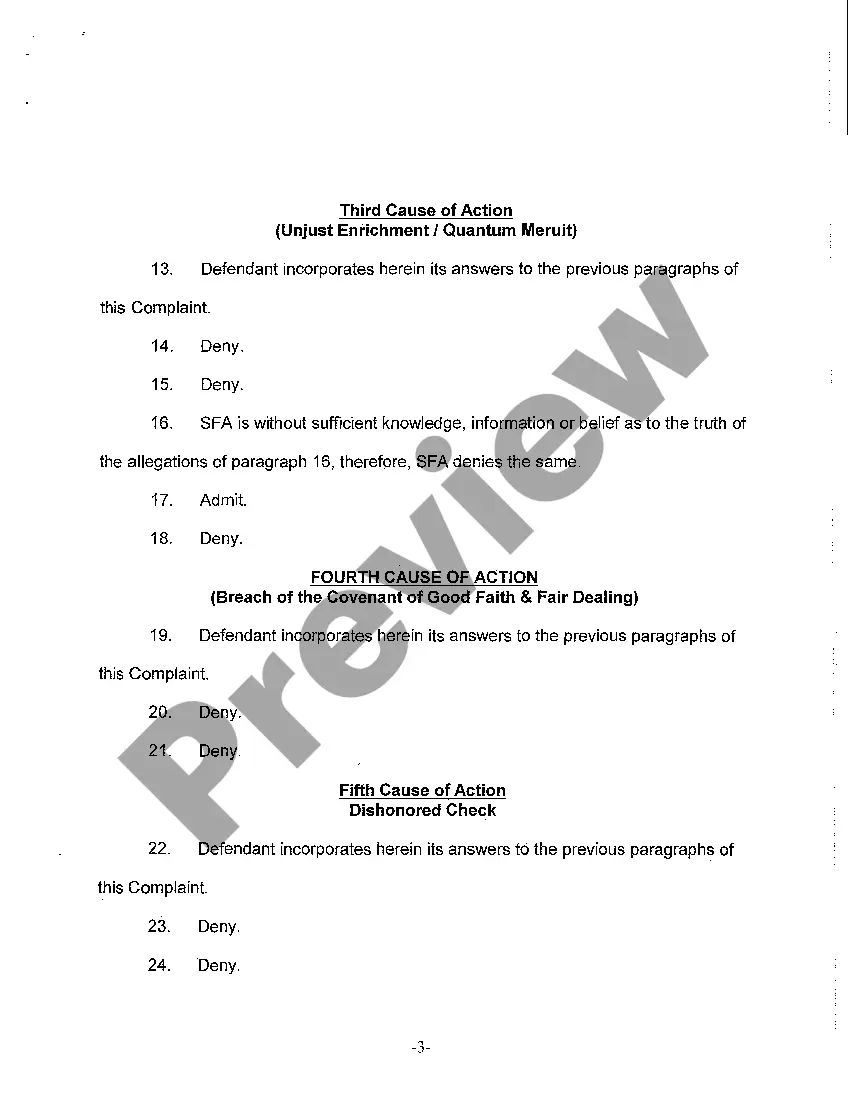
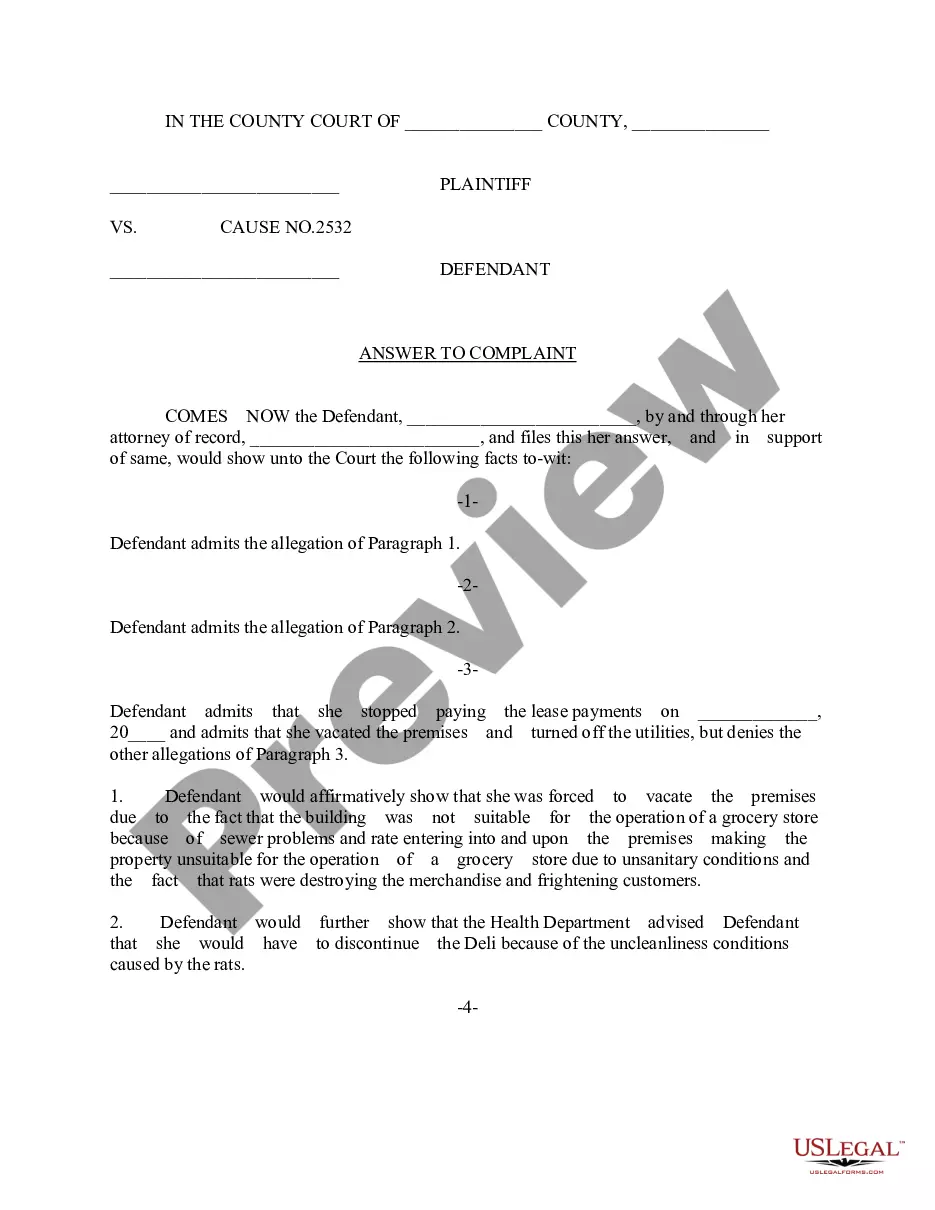
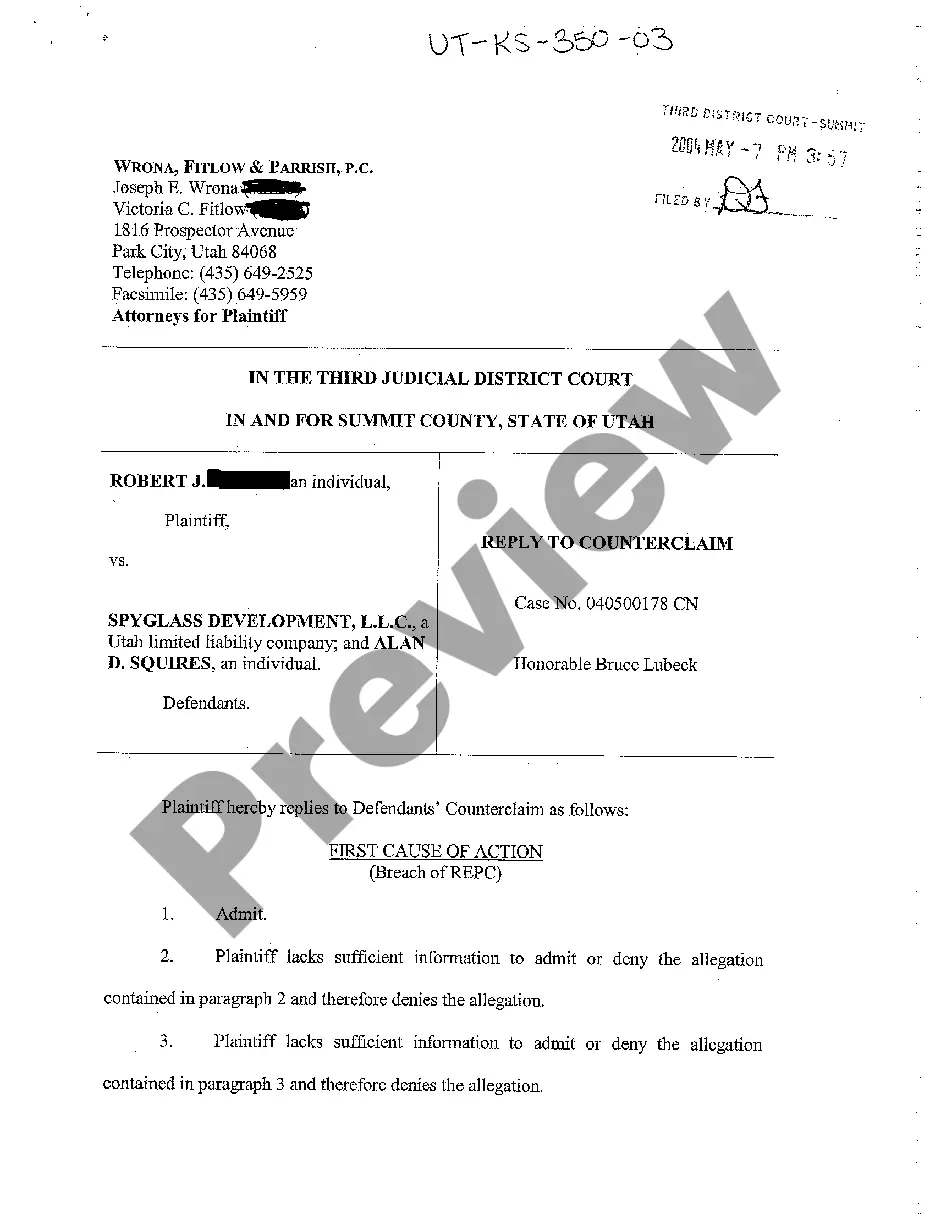
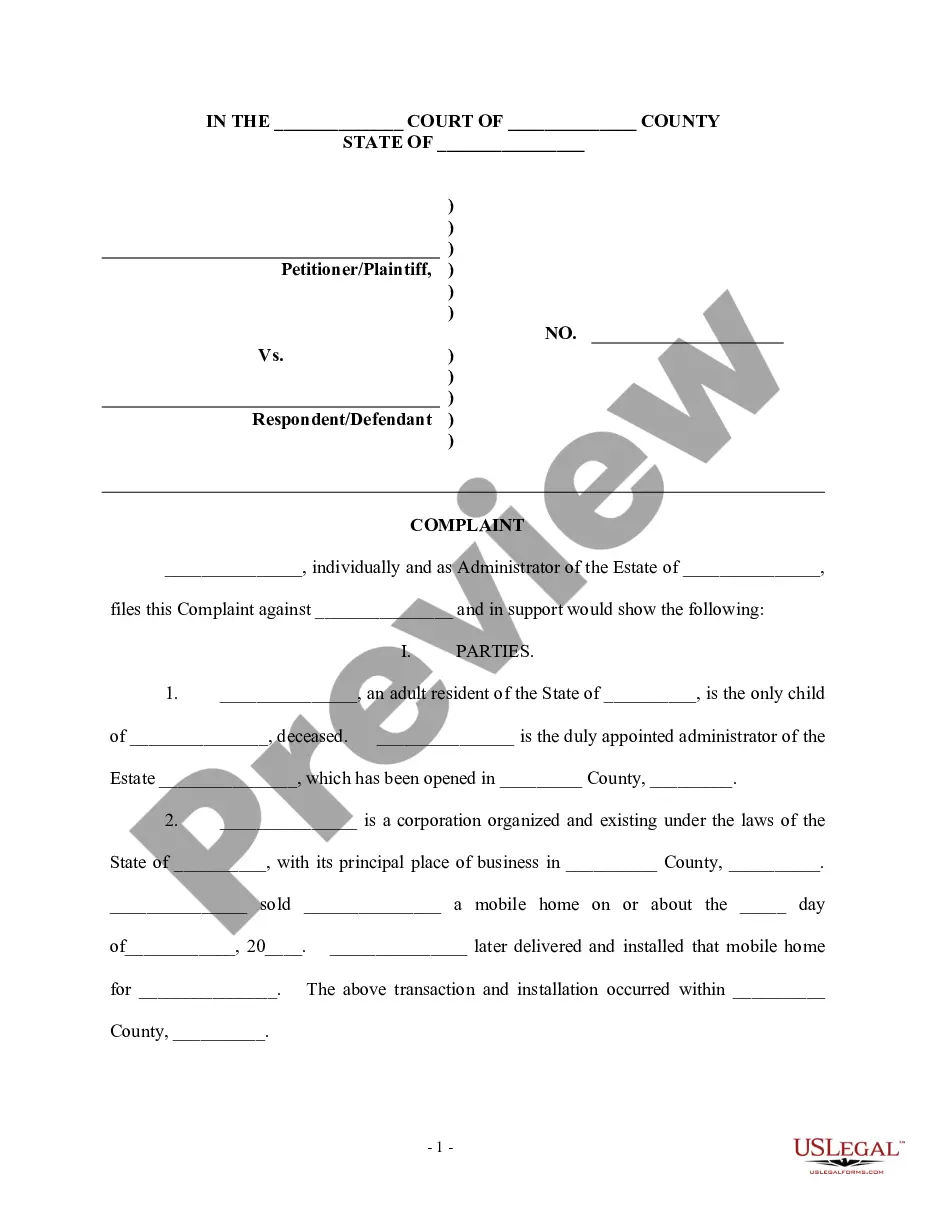
Pull the header information from the plaintiff's petition. Title your Answer Answer to Plaintiff's Petition/Complaint. Center this title and make it bold. Introduce yourself. Admit, deny, or claim that you lack sufficient knowledge to admit or deny each of the plaintiff's numbered allegations.
There is no obligation to respond to alleged affirmative defenses....they can be contested at trial or summary judgment.
Provide the name of the court at the top of the Answer. You can find the information on the summons. List the name of the plaintiff on the left side. Write the case number on the right side of the Answer. Address the Judge and discuss your side of the case. Ask the judge to dismiss the case.
Negotiate with the plaintiff to try and come to an agreement about settling the matter. You may be able to agree that the statement of claim is withdrawn. This means there will be no judgment against you. 200b200bPay the full amount owed and notify the court by filing a document called a notice of payment.
The plaintiff must give you responses to your request for admissions within 30 days. You do not need to do anything if you do not get a response. The plaintiff has 30 days to deny or object to the statements.
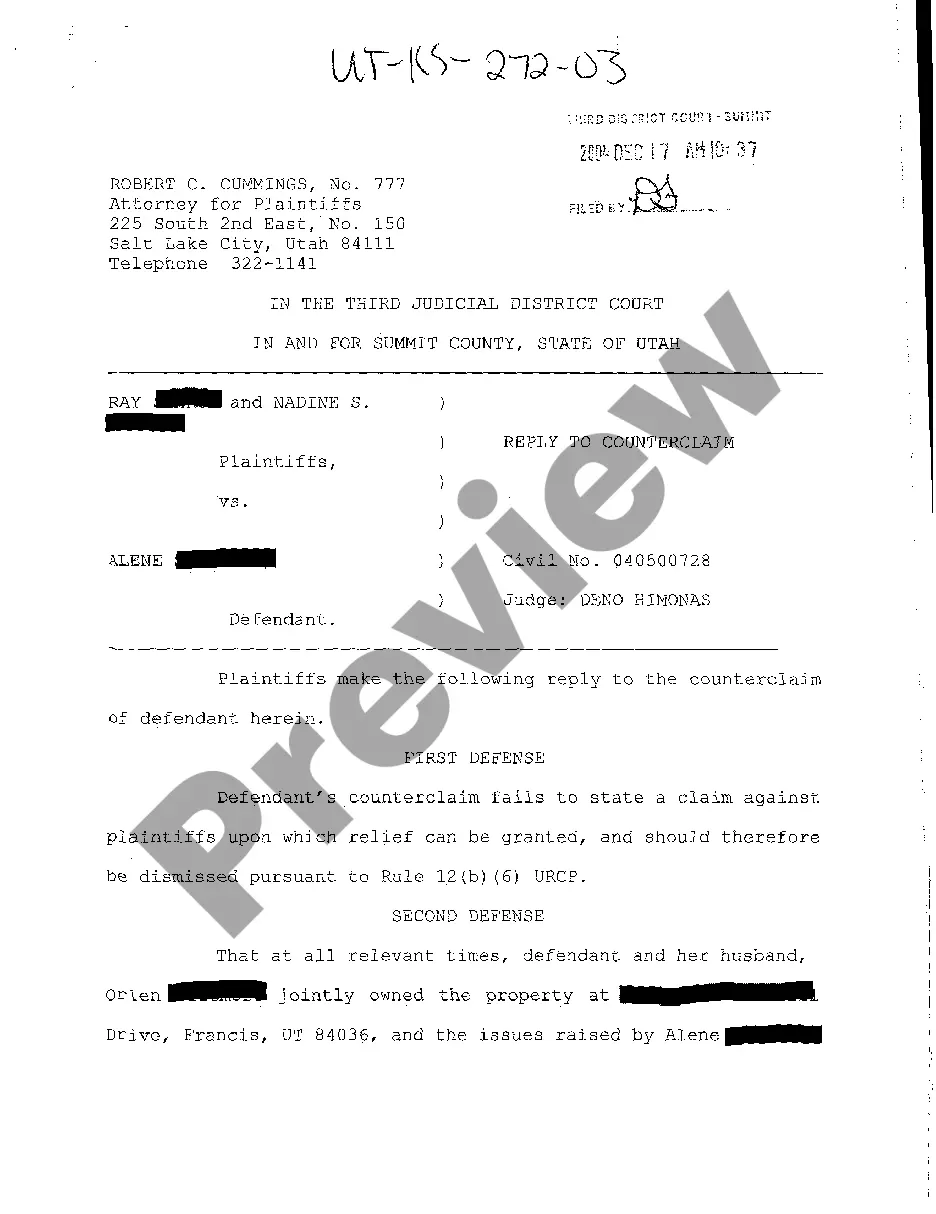
Each court has different rules about how long you have to respond to this motion, but usually you will have at least two or three weeks to file an opposition to the defendant's motion to dismiss.
Failure to Respond: If a defendant fails to answer the complaint or file a motion to dismiss within the time limit set forth in the summons, the defendant is in default. The plaintiff can ask the court clerk to make a note of that fact in the file, a procedure called entry of default.
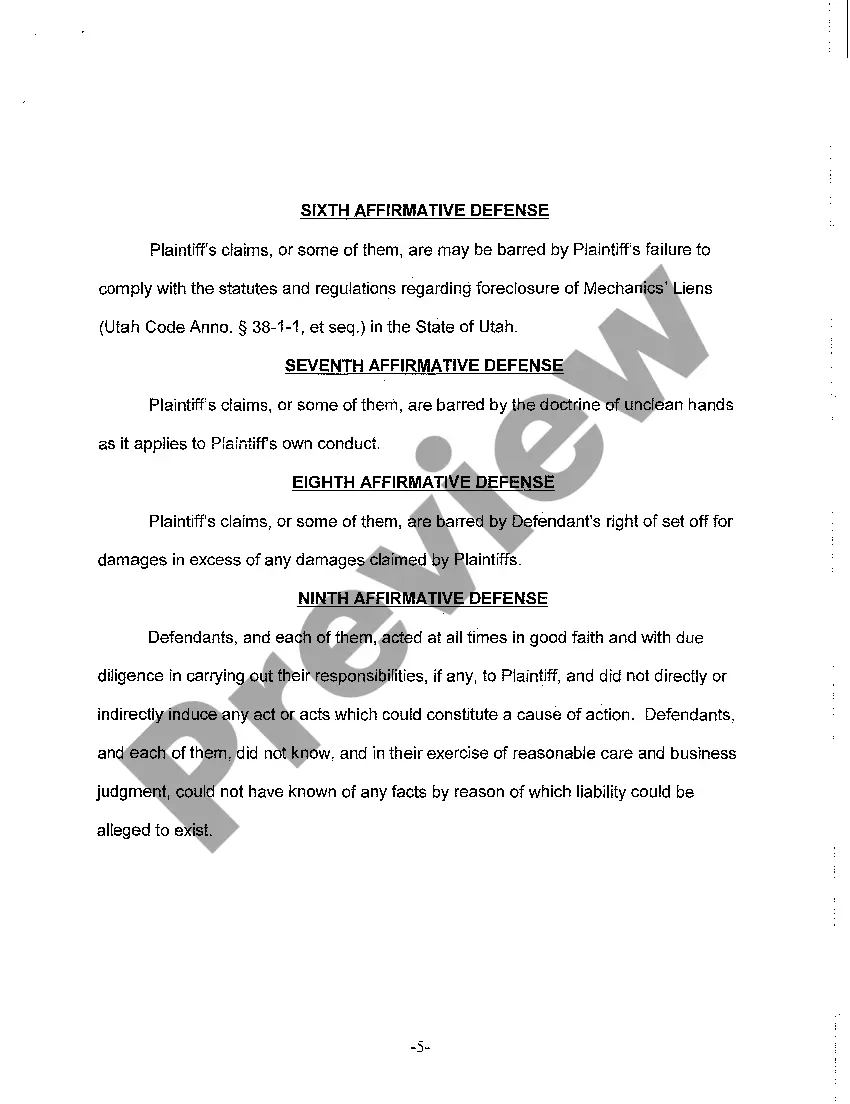
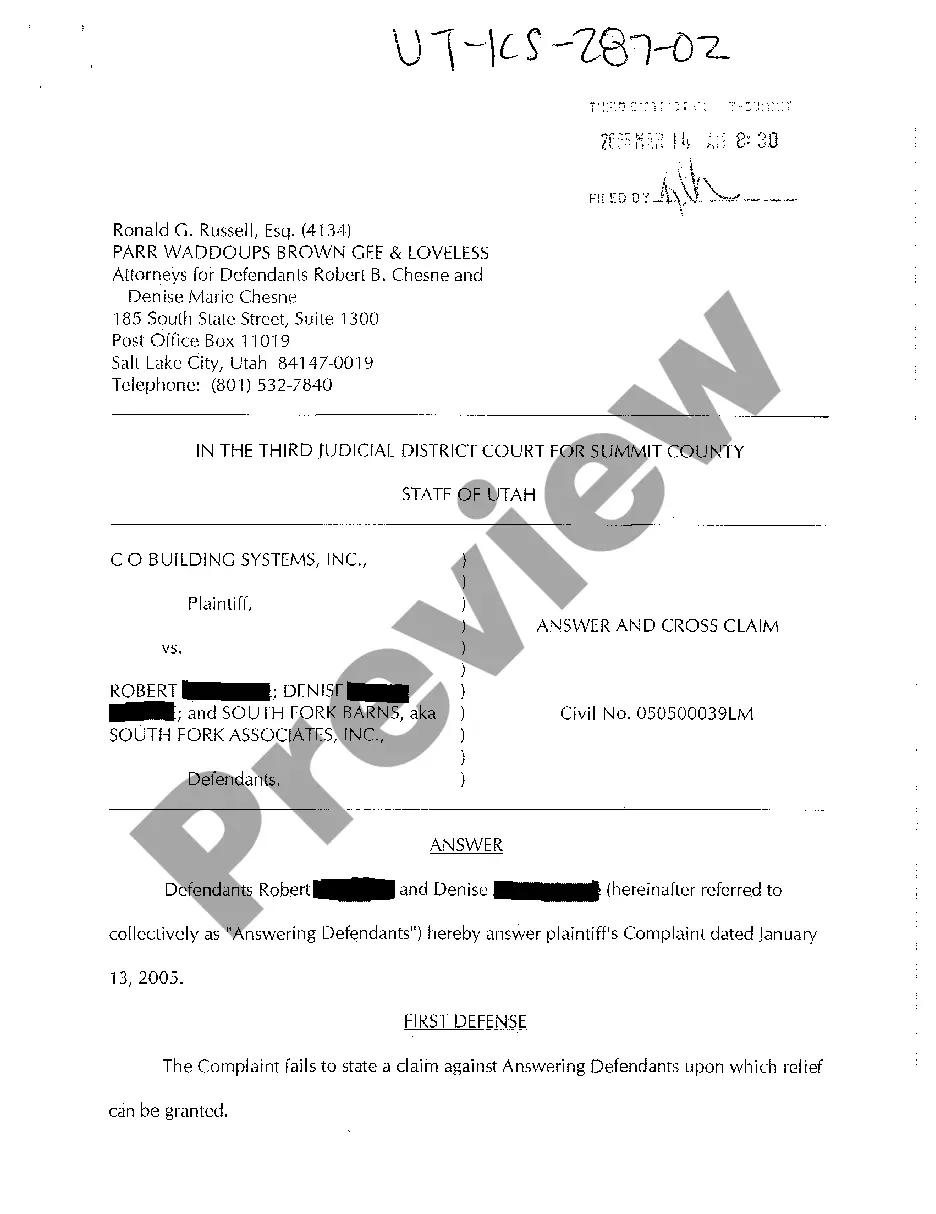
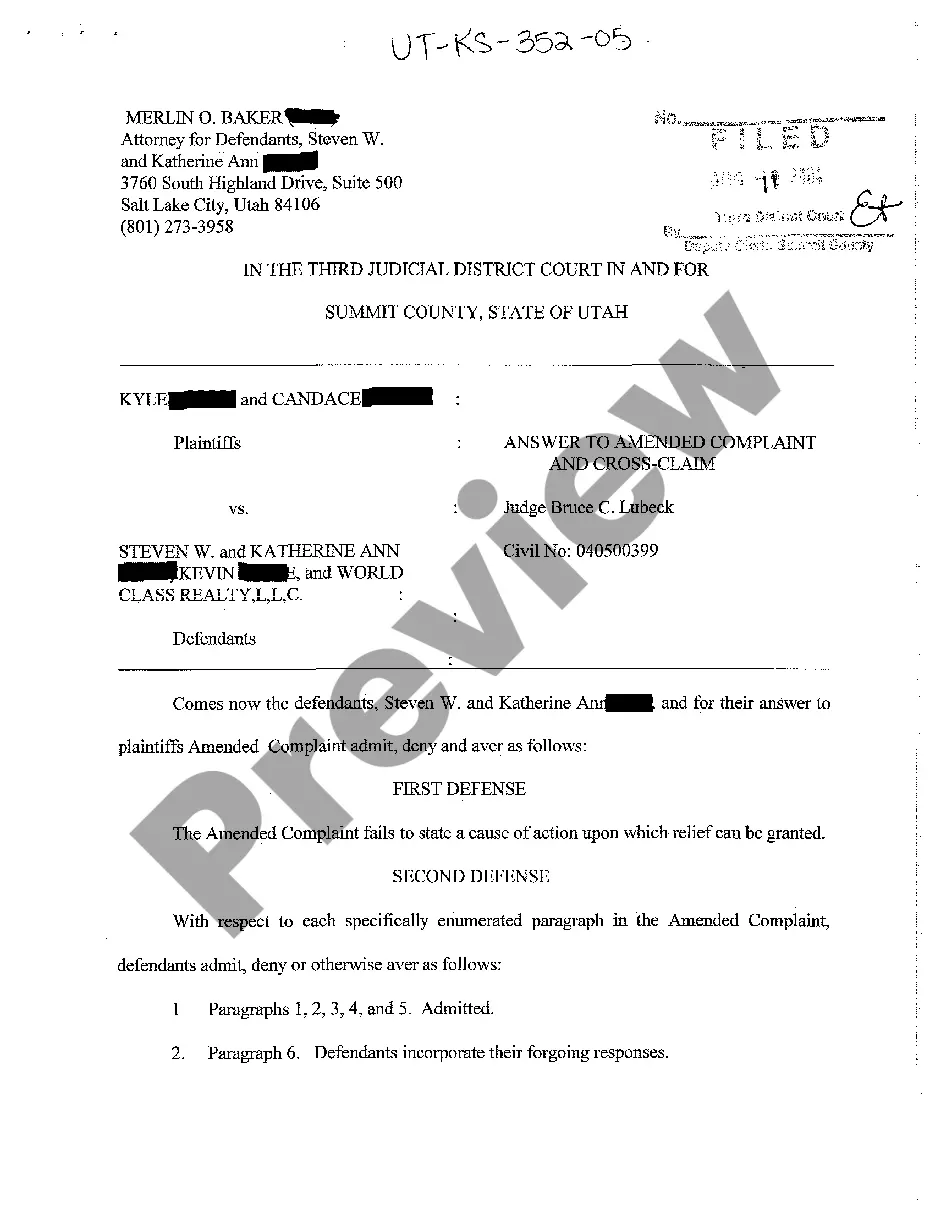
A defendant may respond in an answer that admits or denies each of the plaintiff's allegations in the complaint. The answer will list defenses and counter-claims or cross-claims against the plaintiff or other defendants. The answer will state whether the defendant wants a jury trial. The case will then continue.
Read the summons and make sure you know the date you must answer by. Read the complaint carefully. Write your answer. Sign and date the answer. Make copies for the plaintiff and yourself. Mail a copy to the plaintiff. File your answer with the court by the date on the summons.