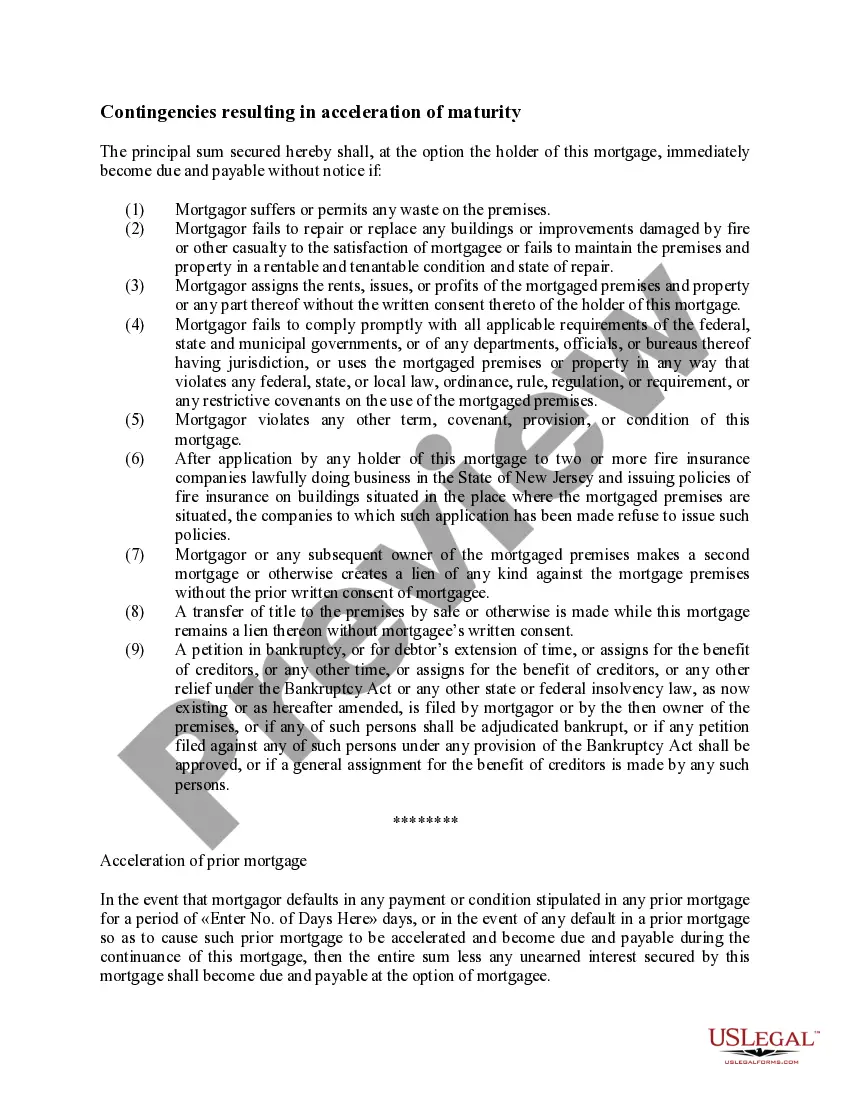
Contingencies resulting in acceleration of maturity
Overview of this form
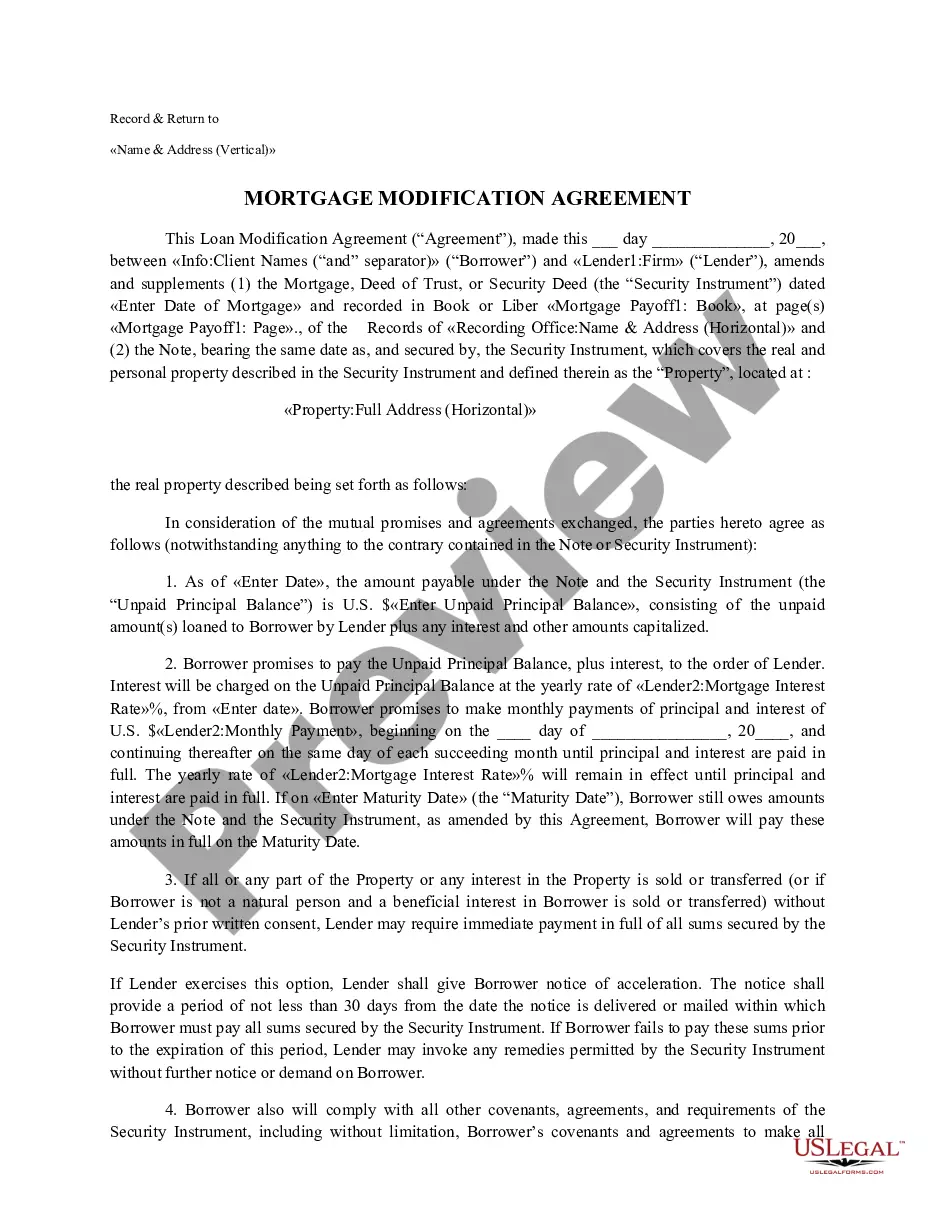
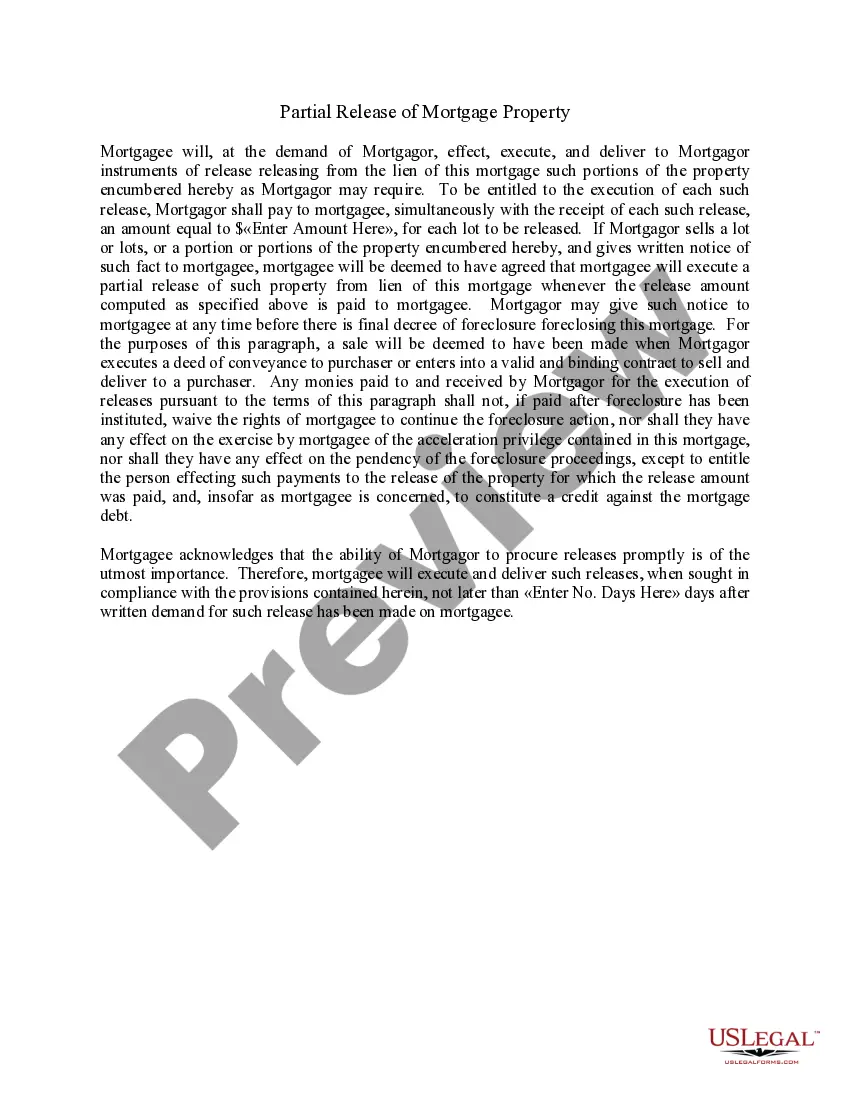
This form is designed to delineate contingencies resulting in acceleration of maturity within a mortgage agreement. It outlines specific scenarios under which the mortgage can be called due and payable, differentiating it from standard mortgage agreements by including comprehensive boilerplate clauses tailored for various circumstances. This form aids both lenders and borrowers in understanding the implications of default or violations within the mortgage terms.
Key components of this form
- Recourse for waste on the property and failure to maintain it.
- Clauses related to non-compliance with government regulations.
- Conditions under which rents and profits can be assigned.
- Provisions for transfer of title and creation of additional liens.
- Implications of bankruptcy filings on mortgage obligations.
- Acceleration terms linked to defaults in prior mortgages.
Situations where this form applies
This form is necessary when entering into a mortgage agreement that requires the terms for acceleration upon certain contingities. It is especially relevant if you anticipate potential risks that could lead to non-compliance, such as budgeting for property maintenance or understanding the repercussions of a failure to abide by local laws. Moreover, this form helps clarify the consequences of bankruptcy or financial issues affecting the mortgagor.
Who this form is for
- Lenders seeking to protect their interests in a mortgage agreement.
- Borrowers wanting clarity on the terms that could lead to loan acceleration.
- Real estate professionals involved in drafting or reviewing mortgage agreements.
- Individuals looking to secure financing while understanding their obligations regarding property maintenance and legality.
How to prepare this document
- Identify the parties involved in the mortgage agreement, including the mortgagor and mortgagee.
- Specify the property details, including the address and legal description of the premises.
- Fill in any necessary dates and other critical terms relevant to the mortgage.
- Review the specific contingencies to understand obligations and potential defaults.
- Ensure all parties sign where required to make the form legally binding.
Does this form need to be notarized?
This form does not typically require notarization unless specified by local law. However, certain jurisdictions may require additional verification of signatures or documents, so it's advisable to check local requirements before filing.
Get your form ready online
Our built-in tools help you complete, sign, share, and store your documents in one place.
Make edits, fill in missing information, and update formatting in US Legal Forms—just like you would in MS Word.
Download a copy, print it, send it by email, or mail it via USPS—whatever works best for your next step.
Sign and collect signatures with our SignNow integration. Send to multiple recipients, set reminders, and more. Go Premium to unlock E-Sign.
If this form requires notarization, complete it online through a secure video call—no need to meet a notary in person or wait for an appointment.
We protect your documents and personal data by following strict security and privacy standards.

Make edits, fill in missing information, and update formatting in US Legal Forms—just like you would in MS Word.

Download a copy, print it, send it by email, or mail it via USPS—whatever works best for your next step.

Sign and collect signatures with our SignNow integration. Send to multiple recipients, set reminders, and more. Go Premium to unlock E-Sign.

If this form requires notarization, complete it online through a secure video call—no need to meet a notary in person or wait for an appointment.

We protect your documents and personal data by following strict security and privacy standards.
Avoid these common issues
- Failing to clearly define the property being mortgaged.
- Not including all required signatures from the involved parties.
- Overlooking the need for compliance with local laws and regulations.
- Neglecting to specify critical deadlines for repairs or compliance actions.
Benefits of completing this form online
- Convenient access to reliable legal documents tailored for your needs.
- Edit and customize the form to fit your specific circumstances.
- Secure downloads that allow for easy storage and retrieval.
- Drafted by licensed attorneys, ensuring compliance with legal standards.
Looking for another form?
Form popularity
FAQ
An accelerated clause is typically invoked when the borrower materially breaches the loan agreement. For example, mortgages generally have an acceleration clause that is triggered if the borrower misses too many payments. Acceleration clauses most often appear in commercial mortgages and residential mortgages.
Definition: Declaration by a lender that the outstanding principal is due and payable immediately, together with the interest due, following non-compliance with loan covenants.
For example, assume a borrower with a five year mortgage loan fails to make a payment in the third year. The terms of the loan include an acceleration clause which states the borrower must repay the remaining balance if one payment is missed.
When drafted properly, rent acceleration clauses are enforceable if a tenant/debtor defaults on a monthly payment and fails to cure its default within a de ned period. The law allows businesses to contractually agree to a rent acceleration clause as a liquidated (certain) damages provision.
There are exceptions to this clause's enforcement, including death, divorce and other mortgage situations. An acceleration clause also invokes the borrower to repay their loan balance in full, but as a penalty for violating the loan's terms.
What is an acceleration clause? An acceleration clause in real estate is a provision in the loan documents that allows the lender to demand full and immediate repayment of the outstanding mortgage balance (in addition to any accrued interest since the most recent payment) when a borrower breaches the loan agreement.
Acceleration Clause Explained An acceleration clause in mortgage gives the lender a right to demand full repayment of the unpaid borrowed sum if the borrower has failed to fulfill certain conditions of the contract. As such, these provisions protect the interests of lenders by reducing lending risks.
Acceleration clauses are contract provisions allowing a financial lender to speed up the repayment of your mortgage if you don't meet specific conditions. These are known as triggers in real estate offers. A triggering event allows the lender to invoke immediate payoff.