Short Sale Seller Advisory Information
Understanding this form
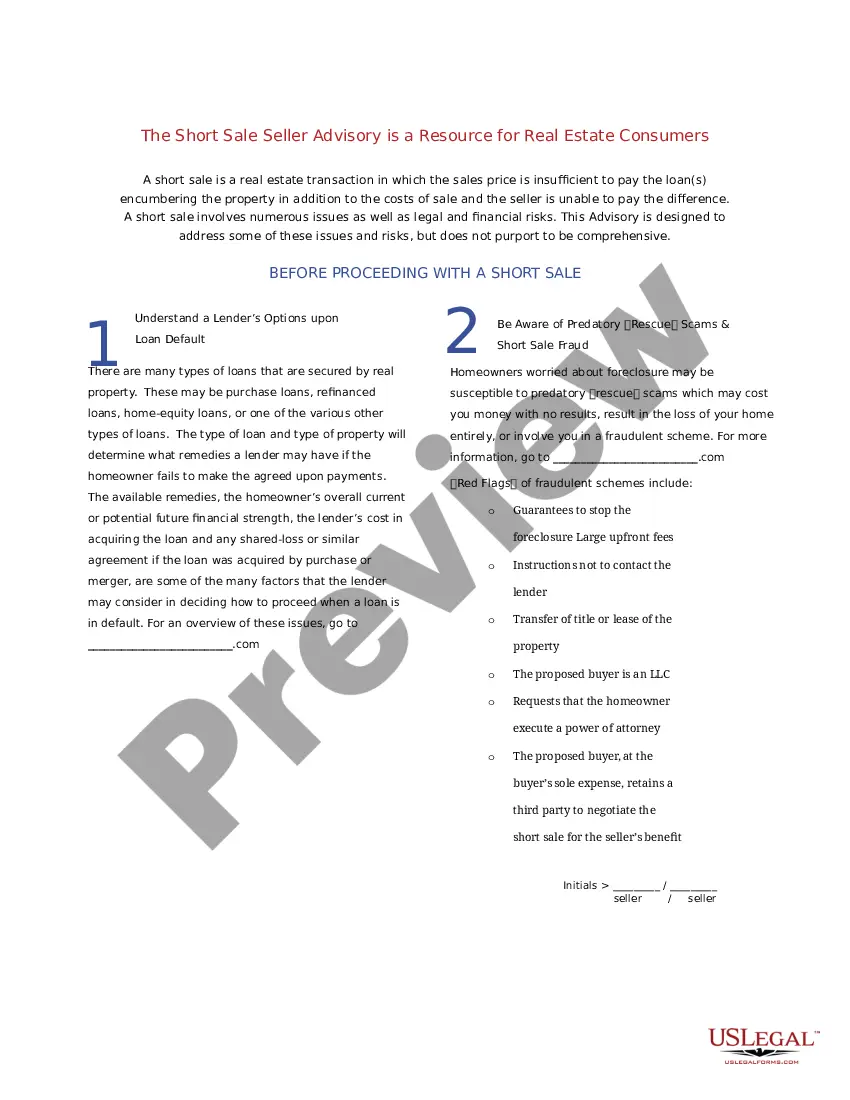
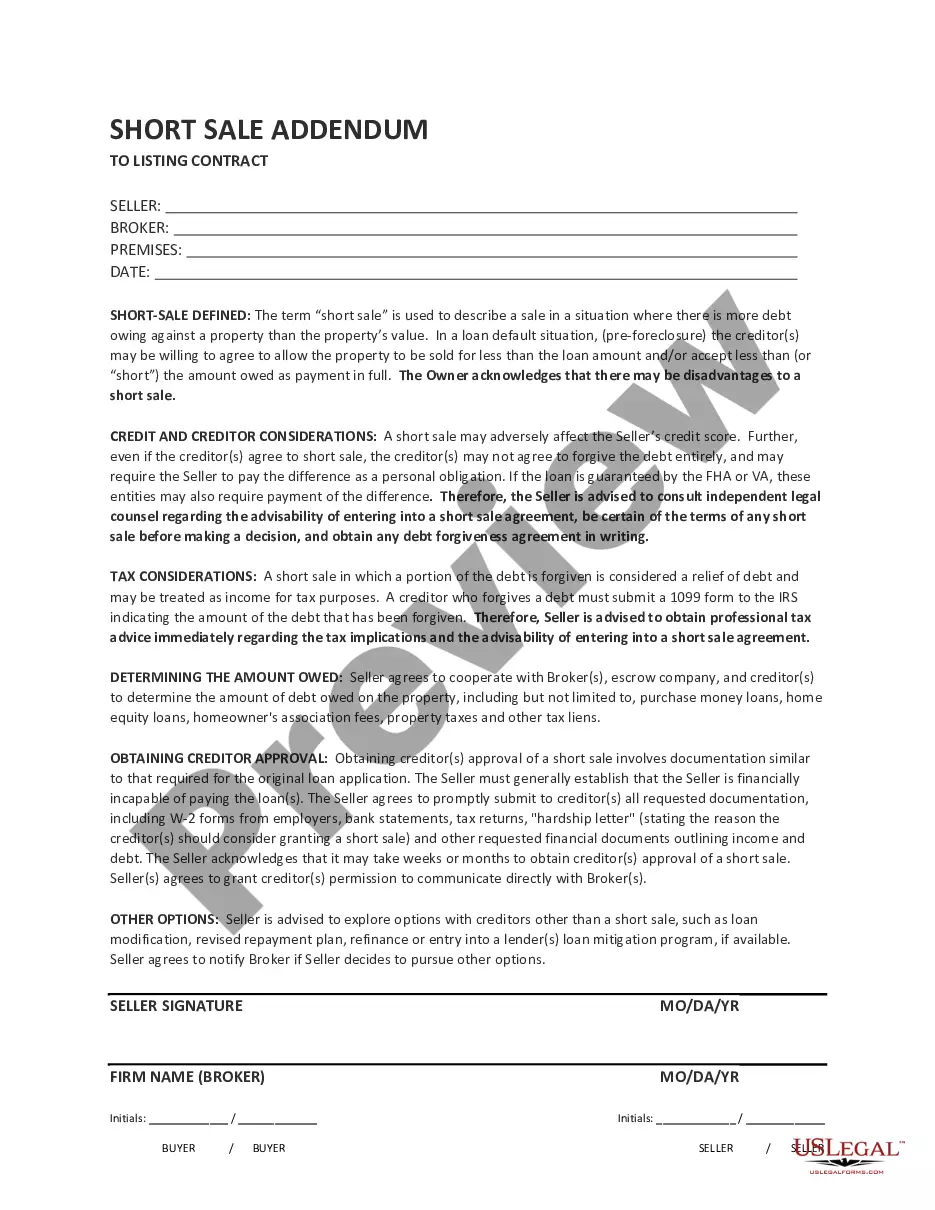
The Short Sale Seller Advisory Information is a comprehensive resource designed to guide homeowners through the complexities of a short sale process. This advisory outlines essential considerations, risks, and options available to sellers when their property is under threat of foreclosure. It differs from standard real estate forms by focusing specifically on the unique legal and financial implications associated with short sales.
Form components explained
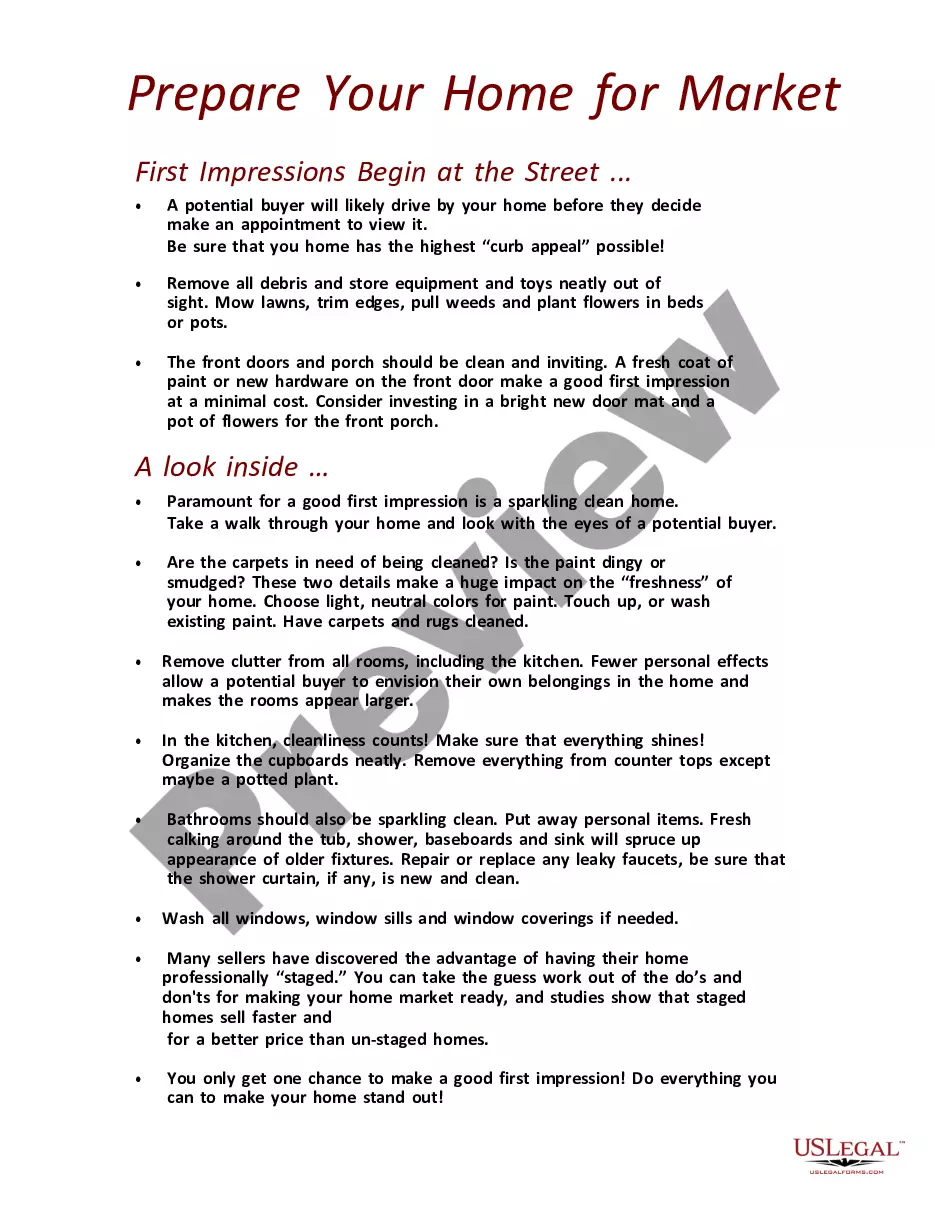
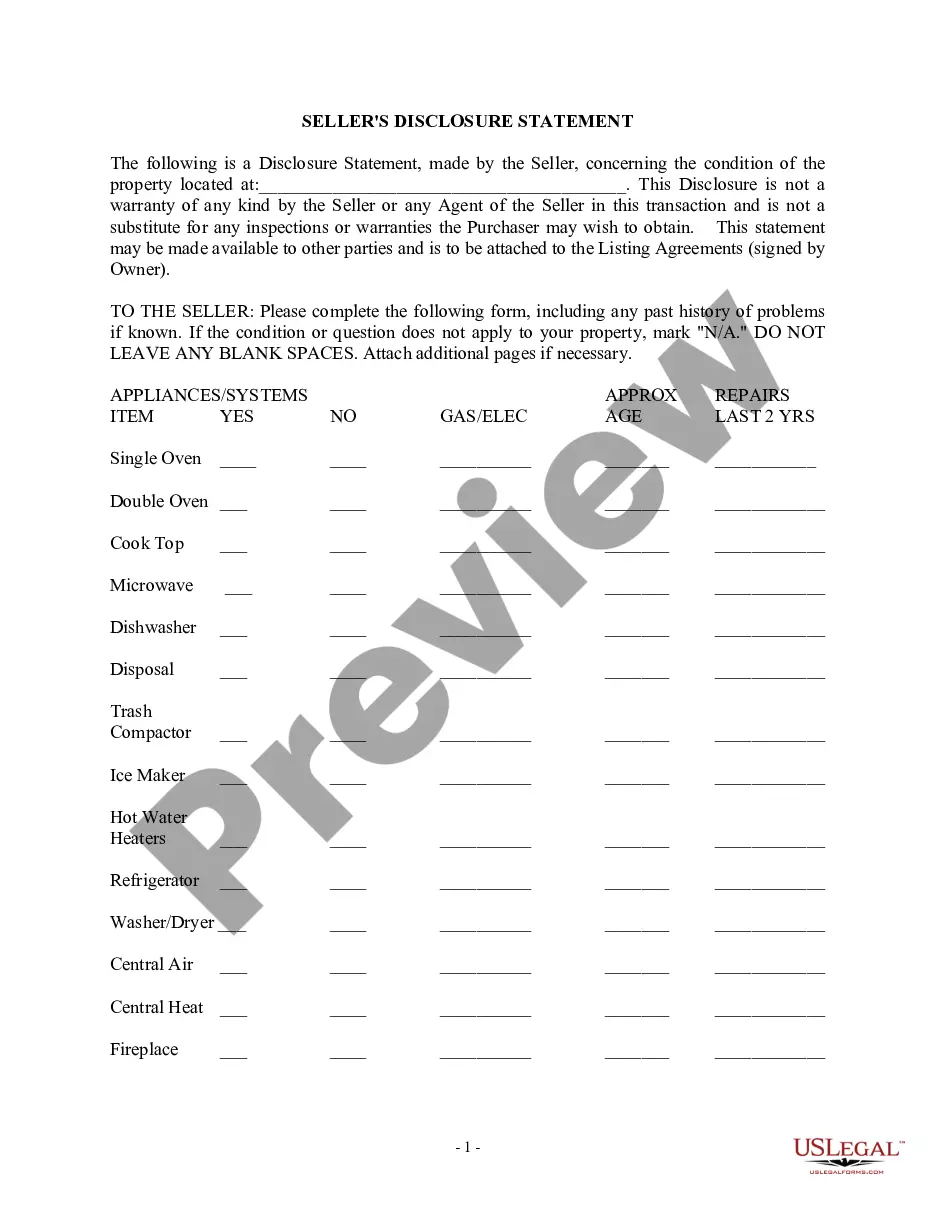
- Preparation tips for making your home market-ready.
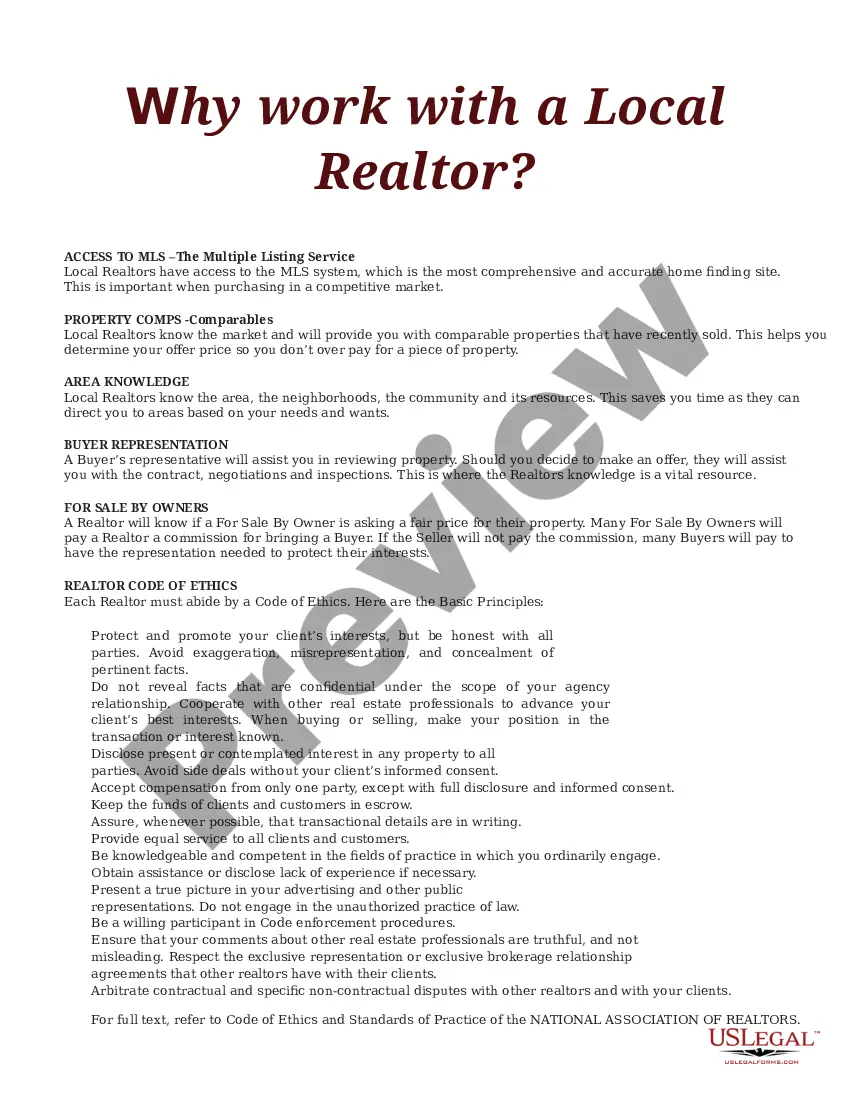
- Guidelines on working with local realtors and their benefits.
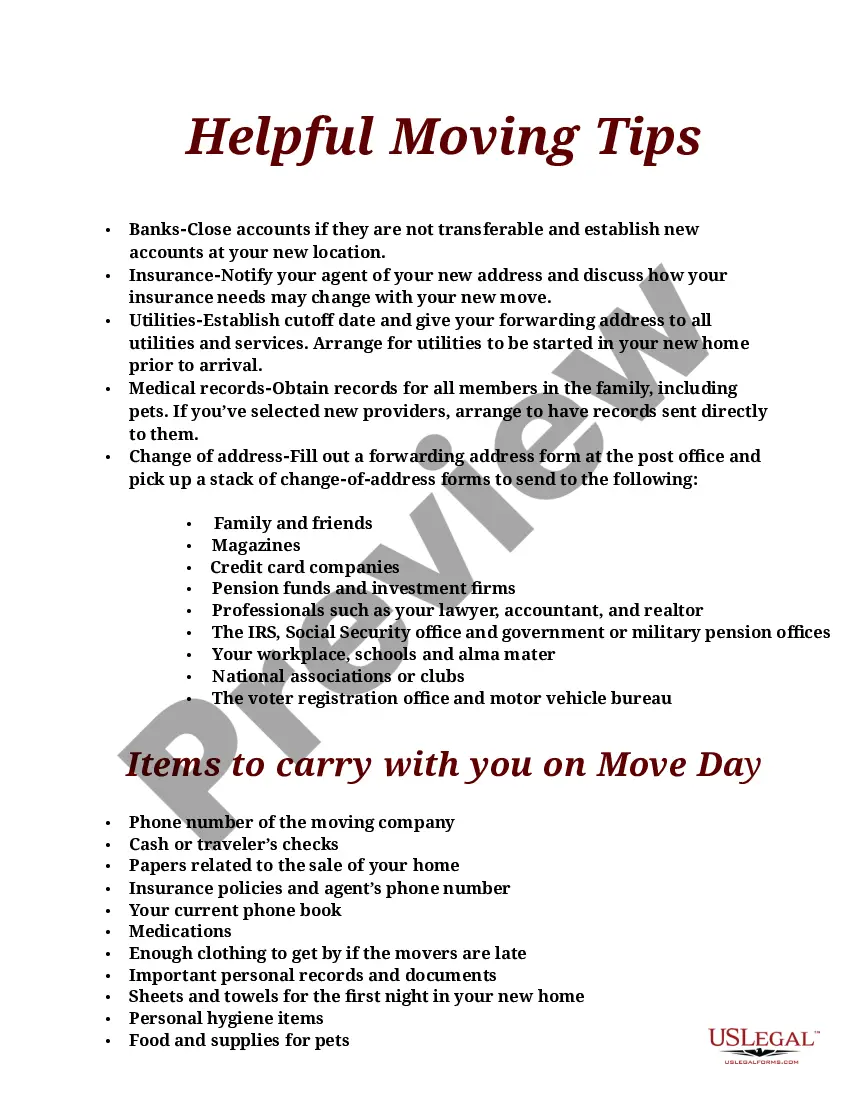
- Helpful moving tips to ease your transition.
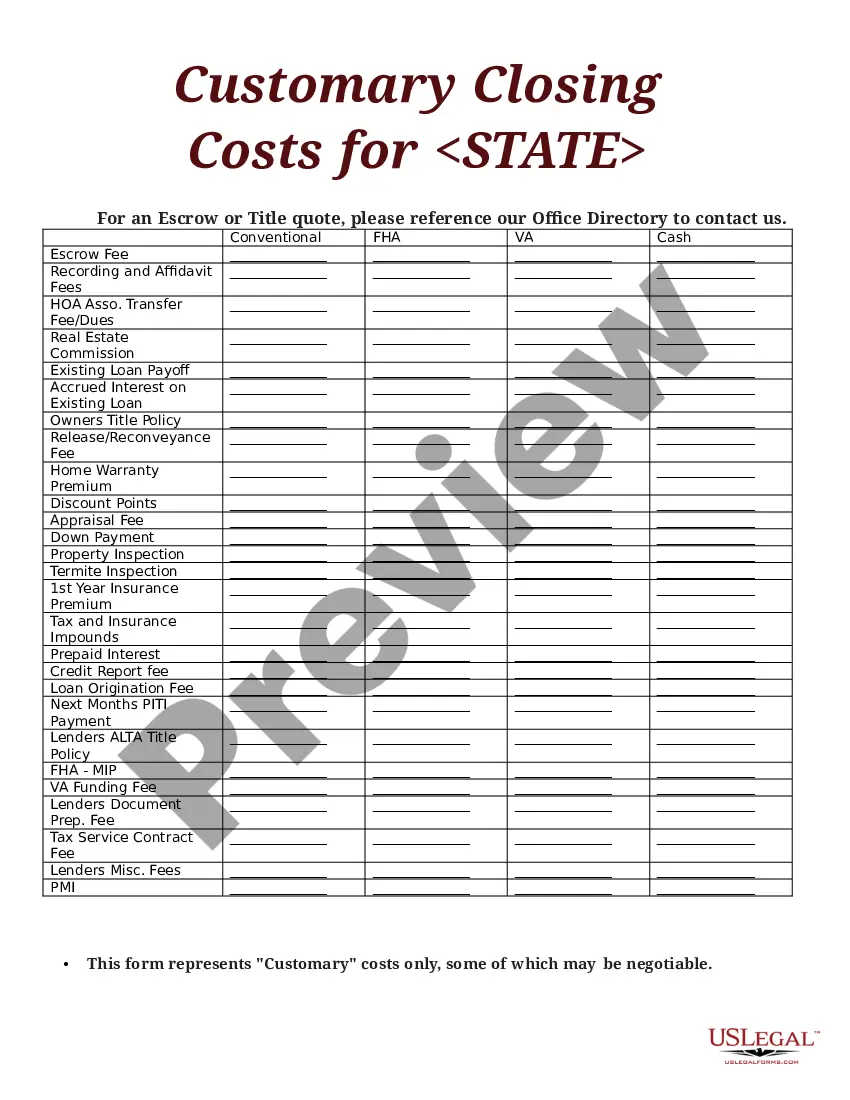
- Customary closing costs and how they vary by loan type.
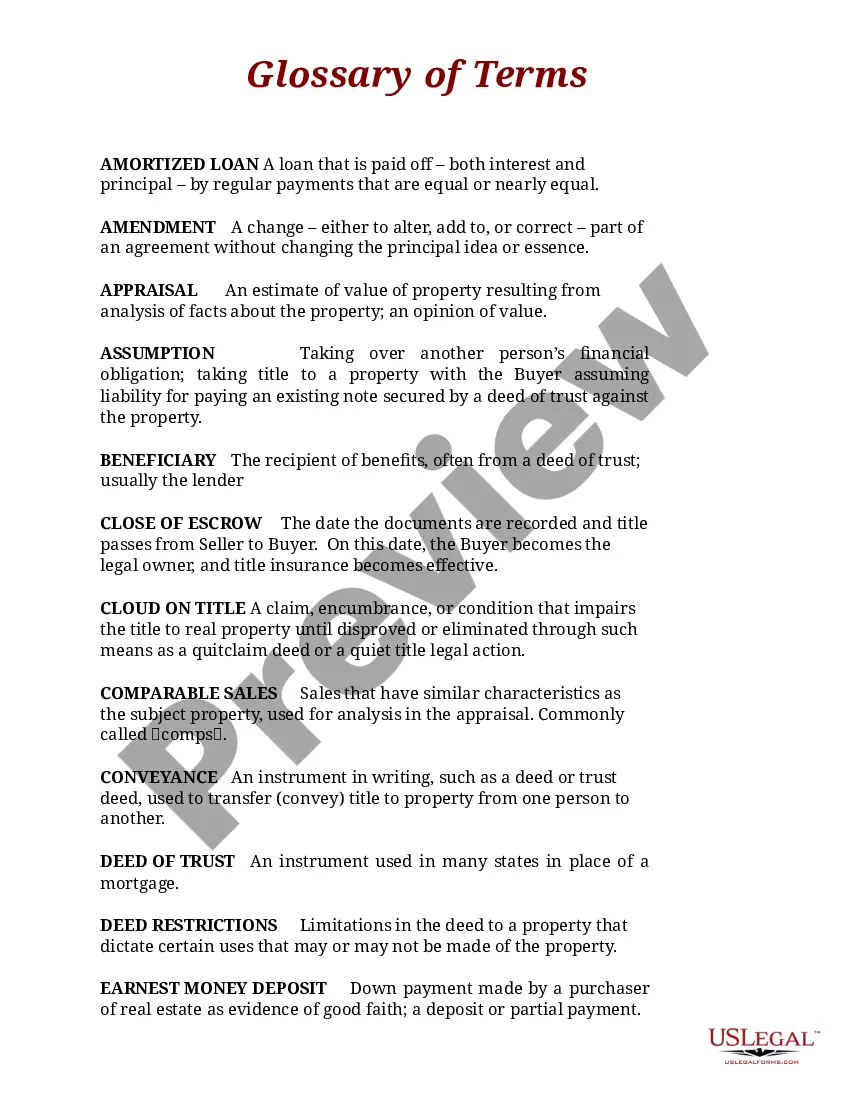
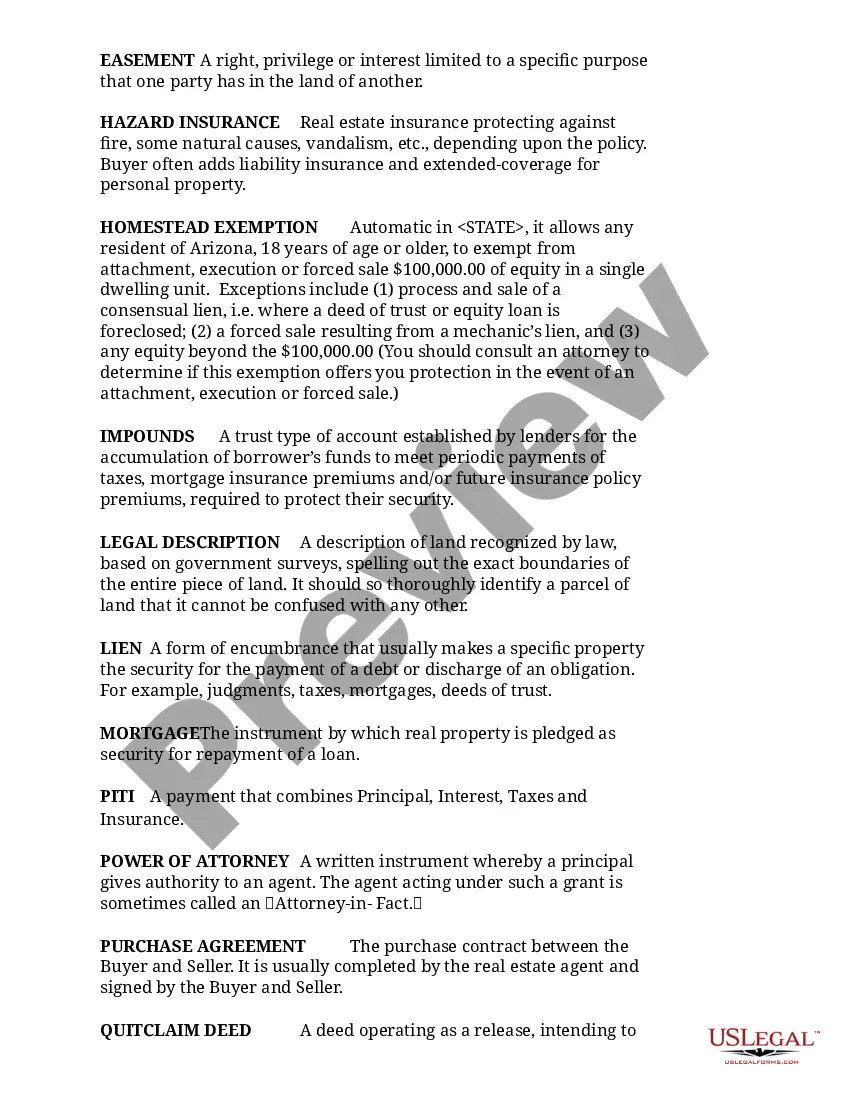
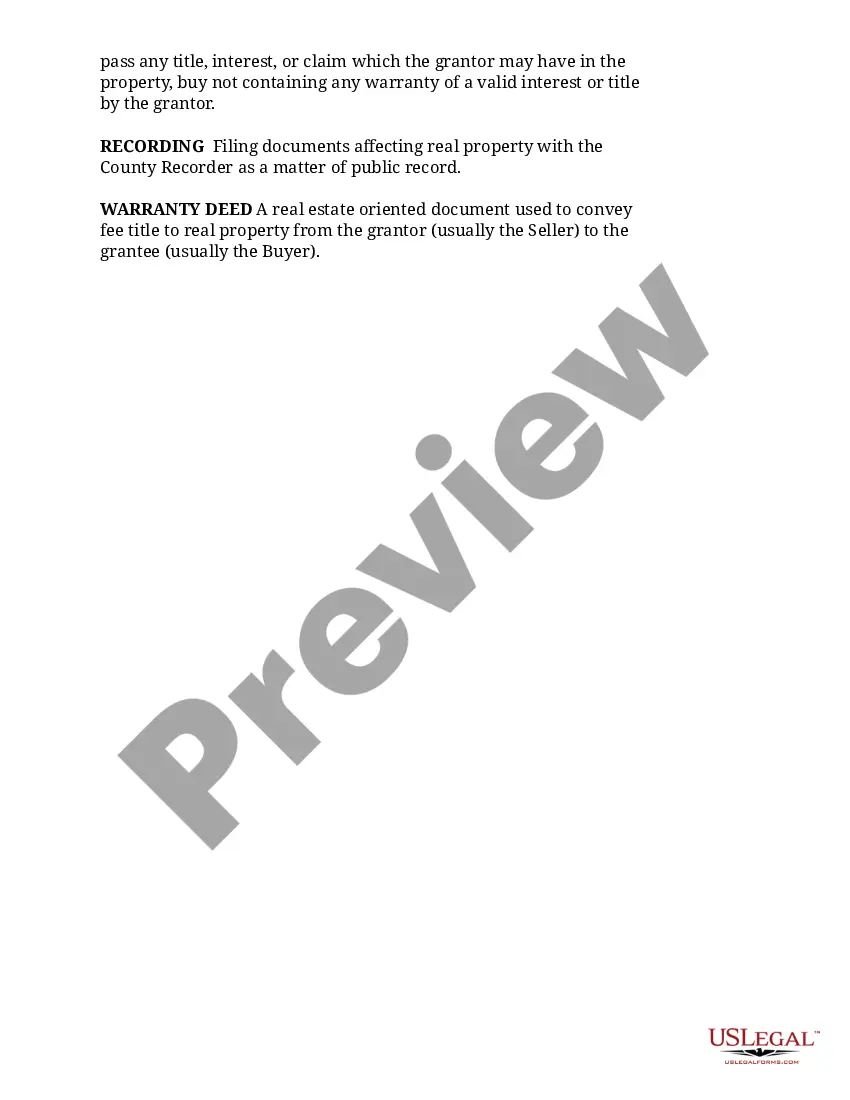
- Glossary of real estate terms for clarity.
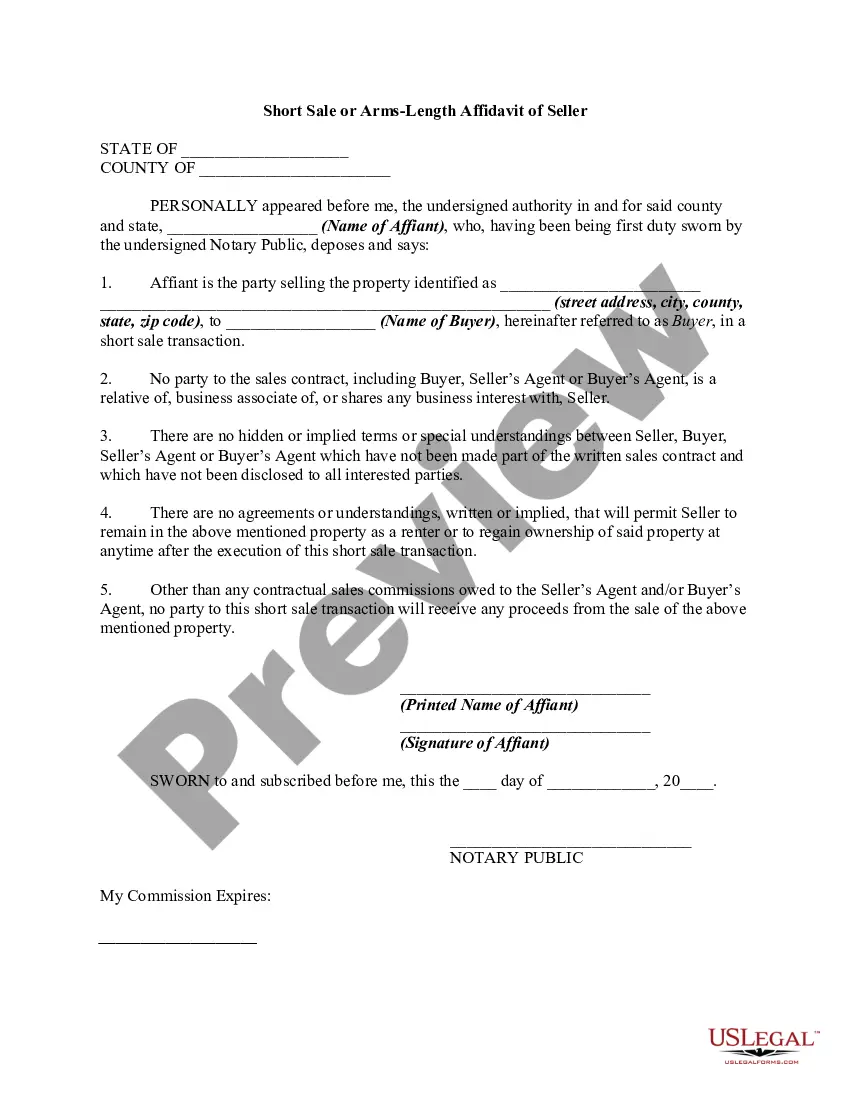
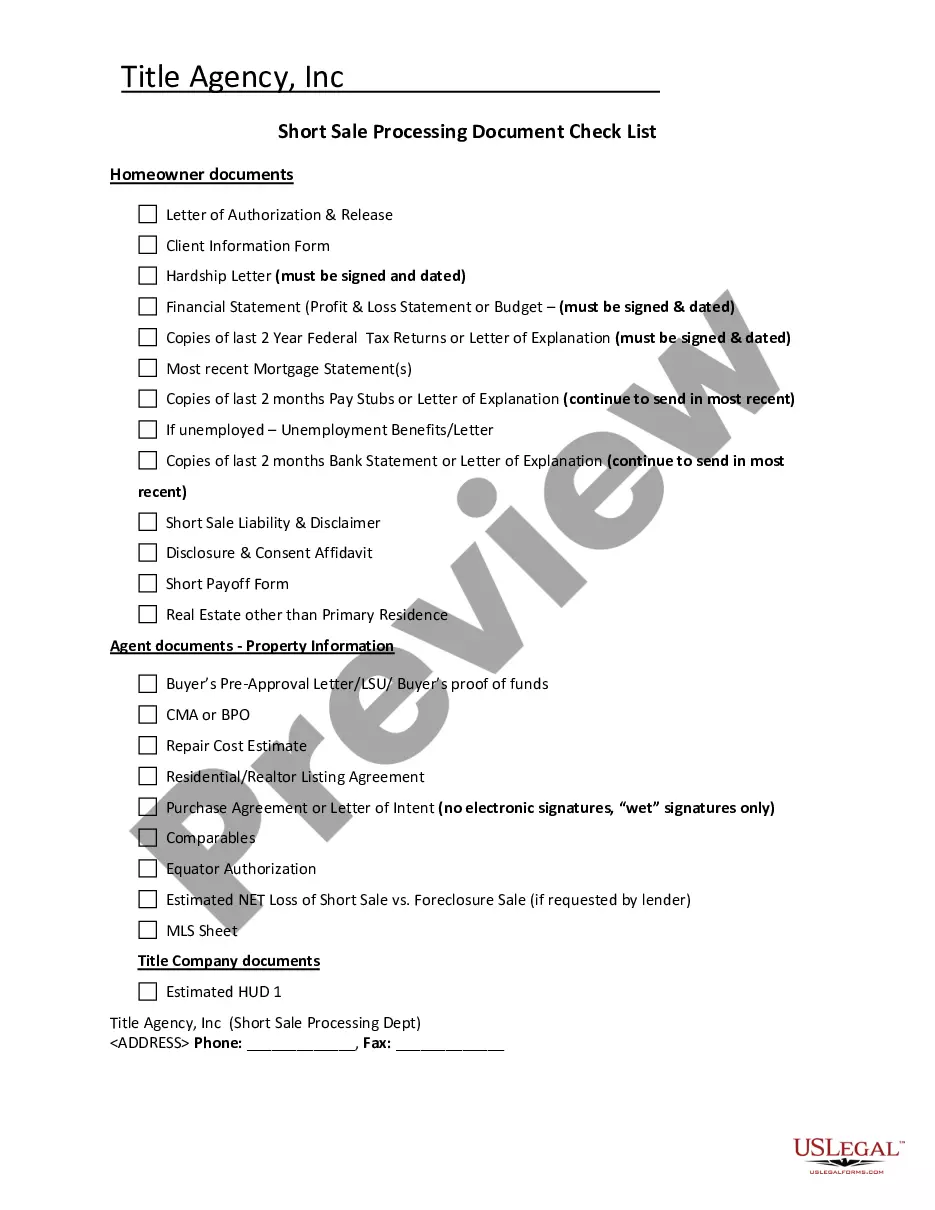
- Detailed explanation of short sale processes and requirements.



When to use this form
This advisory should be utilized when you are considering a short sale of your property, especially if you are facing financial difficulties that prevent you from covering your mortgage payments. It is critical to understand your options, potential legal risks, and the overall impact of selling your home for less than the mortgage balance.
Who needs this form
- Homeowners facing potential foreclosure unable to pay their mortgage.
- Real estate sellers considering options to sell their home quickly.
- Individuals seeking guidance on navigating the short sale process.
- Homeowners looking for comprehensive information on their legal and financial rights.
How to prepare this document
- Read through each section of the advisory carefully to fully understand the implications of a short sale.
- Identify your propertyâs current market value through an appraisal or real estate professional.
- Document your financial situation to establish your inability to meet mortgage payments.
- Consult with a qualified real estate agent experienced in short sales for effective negotiation.
- Sign and date the advisory acknowledging your understanding of all terms and conditions outlined.
Is notarization required?
This form does not typically require notarization unless specified by local law. However, it is recommended to check with an attorney or local real estate authority to ensure compliance with any specific requirements in your state.
Get your form ready online
Our built-in tools help you complete, sign, share, and store your documents in one place.
Make edits, fill in missing information, and update formatting in US Legal Forms—just like you would in MS Word.
Download a copy, print it, send it by email, or mail it via USPS—whatever works best for your next step.
Sign and collect signatures with our SignNow integration. Send to multiple recipients, set reminders, and more. Go Premium to unlock E-Sign.
If this form requires notarization, complete it online through a secure video call—no need to meet a notary in person or wait for an appointment.
We protect your documents and personal data by following strict security and privacy standards.

Make edits, fill in missing information, and update formatting in US Legal Forms—just like you would in MS Word.

Download a copy, print it, send it by email, or mail it via USPS—whatever works best for your next step.

Sign and collect signatures with our SignNow integration. Send to multiple recipients, set reminders, and more. Go Premium to unlock E-Sign.

If this form requires notarization, complete it online through a secure video call—no need to meet a notary in person or wait for an appointment.

We protect your documents and personal data by following strict security and privacy standards.
Typical mistakes to avoid
- Failing to seek professional advice or legal counsel before proceeding with a short sale.
- Not understanding the implications of a short sale on your credit score.
- Overlooking necessary documentation required for lender approval.
- Rushing the process without proper valuation of the property.
Benefits of using this form online
- Convenient access to essential information about short sales from anywhere.
- Ability to download and edit the form as needed to fit your specific circumstances.
- Reliable resources drafted by licensed attorneys, ensuring legal accuracy.
- Time-saving compared to traditional methods of gathering similar information.
Legal use & context
- This document serves as a guideline for homeowners pursuing a short sale, providing crucial information on potential legal outcomes.
- It helps to clarify the responsibilities and expectations of both the seller and the lender throughout the short sale process.
- Consultation with legal professionals is advised to ensure all aspects of the short sale are legally sound and enforceable.
Looking for another form?
Form popularity
FAQ
Short sellers are wagering that the stock they are short selling will drop in price. If the stock does drop after the short sale, the short seller buys it back at a lower price and returns it to the lender. The difference between the sell price and the buy price is the short seller's profit.
An NY short sale is the sale of real property where the amount of proceeds from the sale isn't enough to cover the amount of a mortgage or other debt on the property. This leaves the bank or other lender holding outstanding debt from the sale, but prevents a foreclosure action.
Can You Negotiate A Short Sale? It is entirely possible to negotiate a short sale, but doing so can be a time-consuming process. Instead of negotiating with the seller alone, as is the case with most traditional sales, short sale negotiations must be approved by the lender, too.
The lender receives all proceeds from the sale of the property and releases the original homeowner from their mortgage loan?even though the full mortgage balance was not paid off by the proceeds.
In a short sale, a seller will decide to submit a financial package, seeking a lender's approval to sell the property for less than the amount they owe on it. Therefore, the seller enters into this process voluntarily, which is not the case for foreclosures.
For a regular home sale, the seller would use the proceeds to pay off the original loan. In a short sale, the home sells for less than the seller owes, so the lender won't get all their money back. As a result, the original lender must agree to the sale. The seller must prove they have no other option.
It's best to strike a balance between what's a good deal for you and what's reasonable for the lender. A price that's 5% to 10% below market value is typically a good number to put on the table. Venturing further down could be dangerous territory.