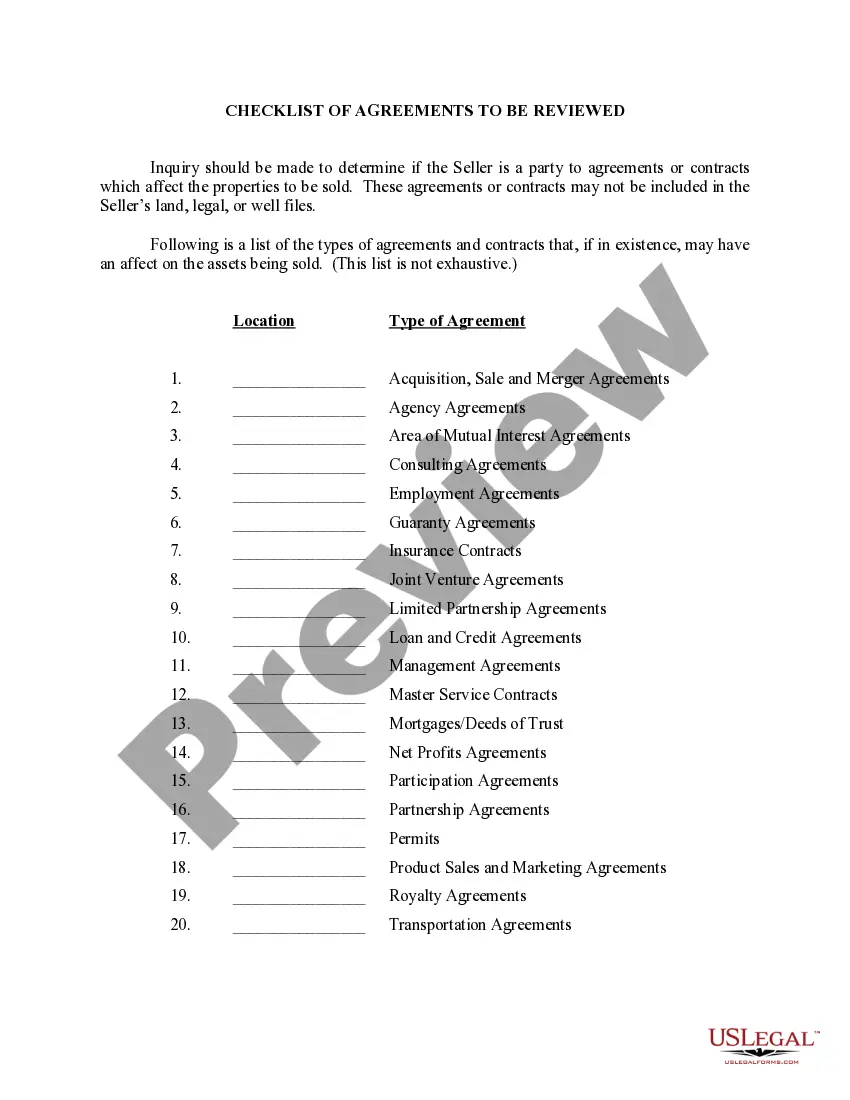
Checklist of Agreements to Be Reviewed
Understanding this form
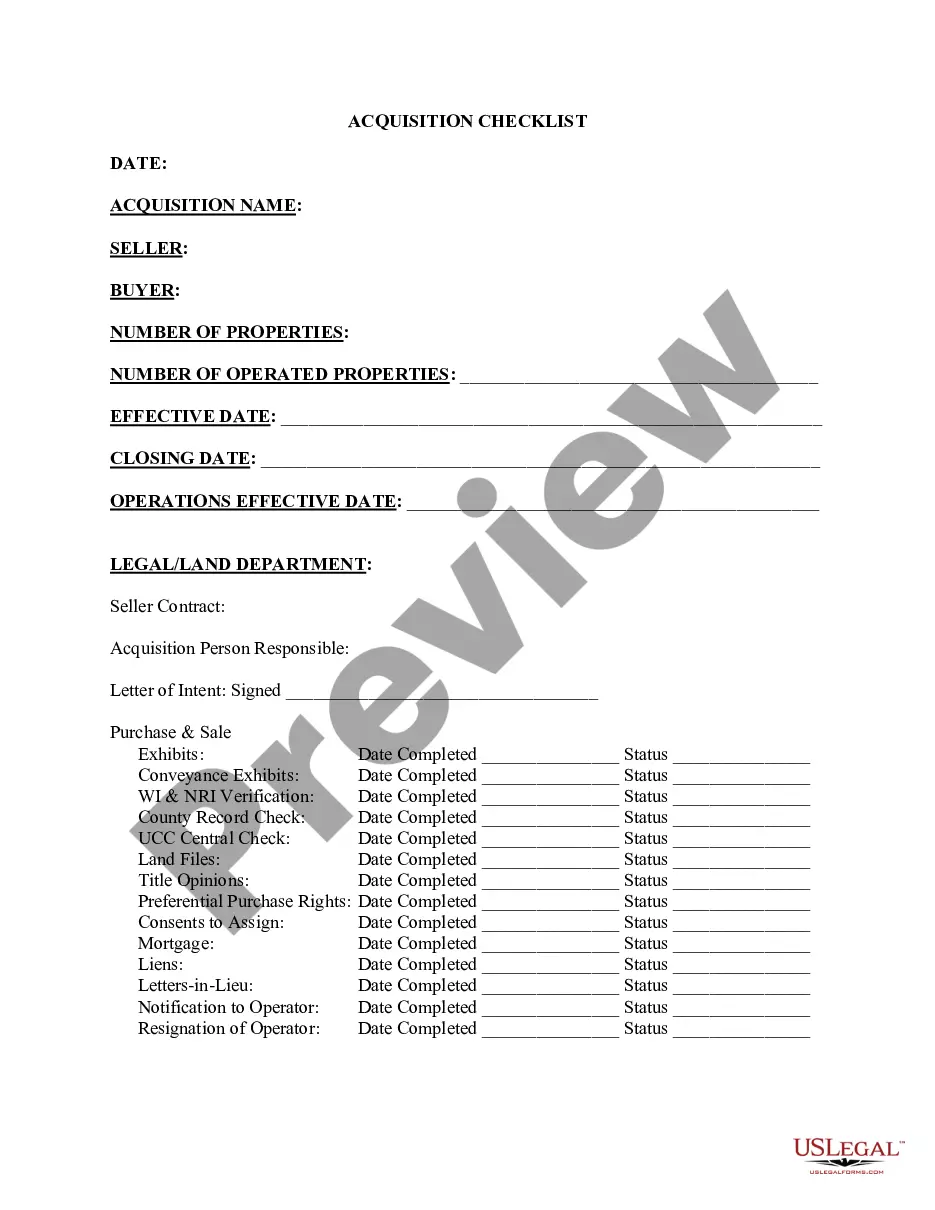
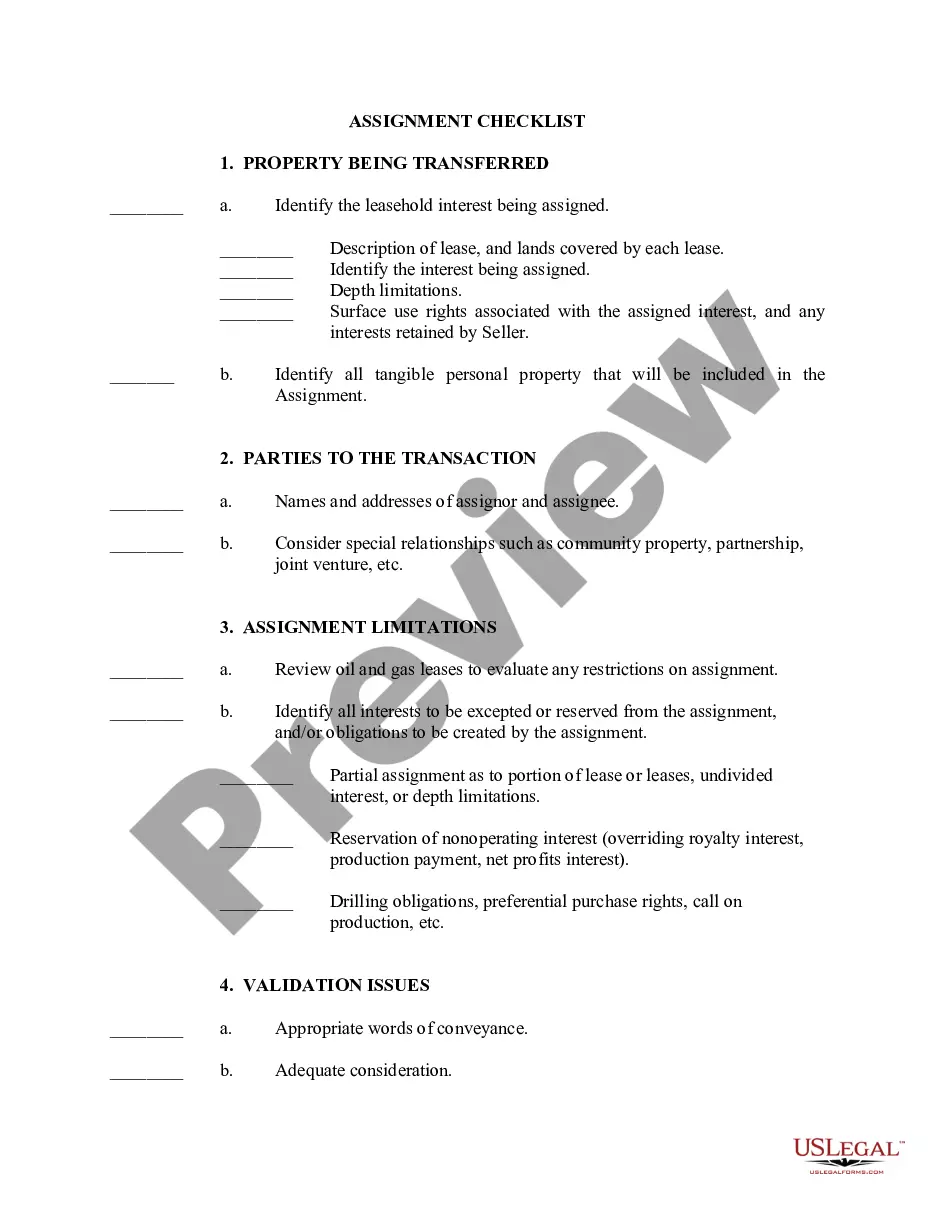
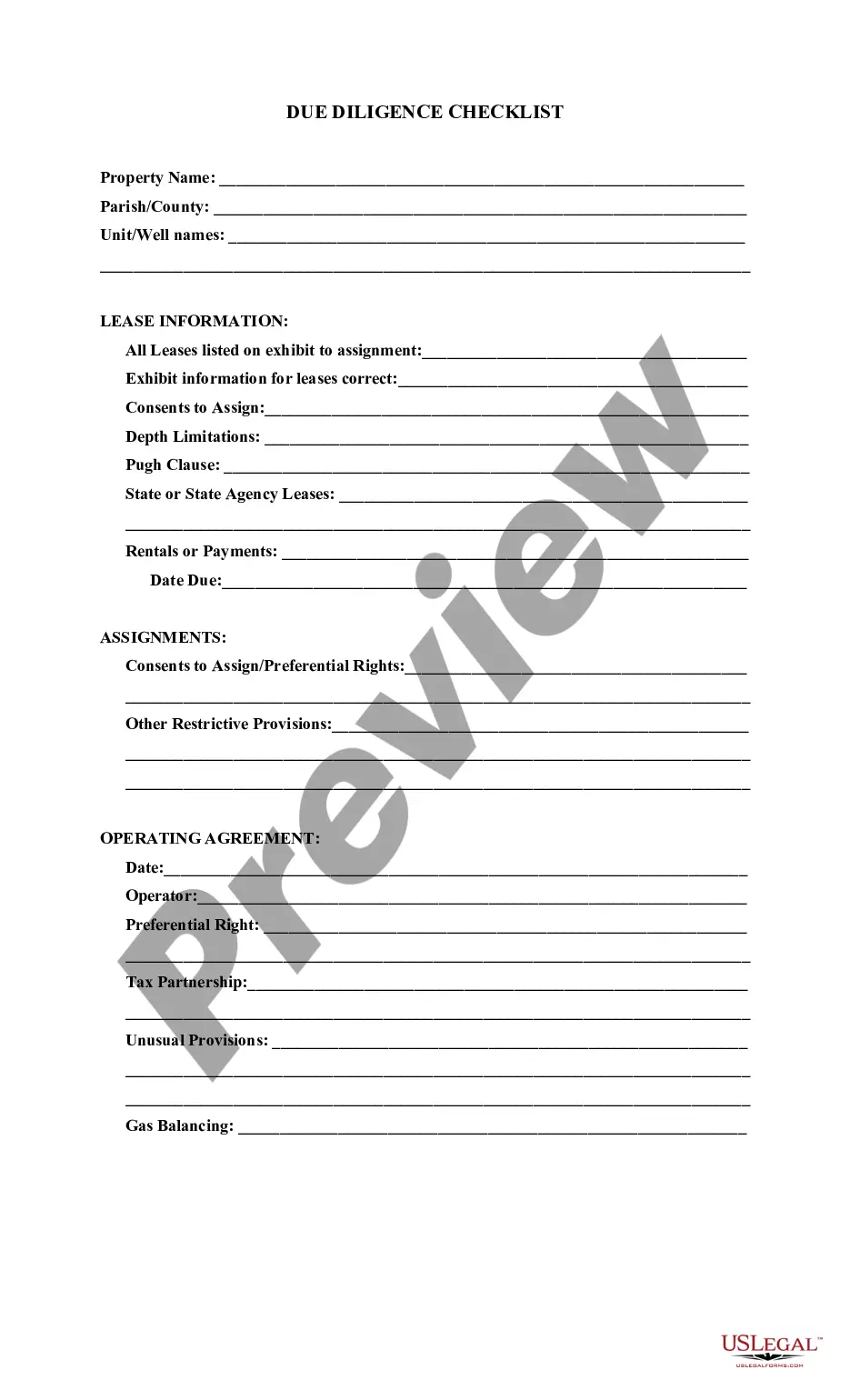
The checklist of agreements to be reviewed is an essential document used during acquisition transactions. Its primary purpose is to help parties identify any agreements and contracts tied to the properties being sold, which may not be found in standard legal files. This checklist distinguishes itself from other legal forms by focusing specifically on agreements that can impact the assets involved in a sale.
Main sections of this form
- Inquiry for potential agreements affecting the properties being sold
- Types of agreements to consider, including acquisition and merger agreements
- Employment and agency agreements relevant to the seller
- Financial agreements, such as mortgages and credit agreements
- Permits and other essential documents that may influence the transaction
Situations where this form applies
This form is necessary when engaging in an acquisition transaction where a seller owns property. It ensures that all potential agreements that could affect the transaction are identified and reviewed, reducing the risk of overlooking critical legal obligations or liabilities.
Who should use this form
This checklist is ideally suited for:
- Buyers involved in property acquisitions
- Sellers preparing for a transaction to ensure compliance
- Attorneys representing clients in real estate and acquisition transactions
- Financial advisors assisting clients with due diligence
How to prepare this document
- Identify the seller and the properties involved in the sale.
- Review the list of agreements and contracts to check if any apply to the seller.
- Document any identified agreements along with their relevant details.
- Consult legal professionals if uncertain about specific agreements.
- Complete all sections ensuring comprehensive information to guide the review process.
Notarization guidance
This form does not typically require notarization unless specified by local law. However, it is always advisable to check local regulations to ensure compliance with any additional requirements.
Get your form ready online
Our built-in tools help you complete, sign, share, and store your documents in one place.
Make edits, fill in missing information, and update formatting in US Legal Forms—just like you would in MS Word.
Download a copy, print it, send it by email, or mail it via USPS—whatever works best for your next step.
Sign and collect signatures with our SignNow integration. Send to multiple recipients, set reminders, and more. Go Premium to unlock E-Sign.
If this form requires notarization, complete it online through a secure video call—no need to meet a notary in person or wait for an appointment.
We protect your documents and personal data by following strict security and privacy standards.

Make edits, fill in missing information, and update formatting in US Legal Forms—just like you would in MS Word.

Download a copy, print it, send it by email, or mail it via USPS—whatever works best for your next step.

Sign and collect signatures with our SignNow integration. Send to multiple recipients, set reminders, and more. Go Premium to unlock E-Sign.

If this form requires notarization, complete it online through a secure video call—no need to meet a notary in person or wait for an appointment.

We protect your documents and personal data by following strict security and privacy standards.
Common mistakes
- Failing to identify all relevant agreements linked to the property.
- Not consulting with legal professionals when necessary.
- Overlooking informal agreements that may still affect the transaction.
Benefits of completing this form online
- Easy access to a downloadable format that can be tailored to your needs.
- Edit and update the checklist as new agreements are identified.
- Reliable source of legal templates drafted by licensed attorneys.
Legal use & context
- Helps ensure compliance with due diligence requirements in acquisitions.
- Identifies potential liabilities that could arise from existing agreements.
- Facilitates smoother negotiations by clarifying the seller's commitments.
Key takeaways
- The checklist is crucial for identifying agreements during property acquisitions.
- Consult legal professionals to ensure all necessary agreements are reviewed.
- This form is adaptable for use across various U.S. states.
Looking for another form?
Form popularity
FAQ
A contracting process is a series of tasks and activities, defined differently by each individual company.A contracting approach is determined based on the situation and contract documents are prepared. This may include specifications, terms and conditions, or requirements.
Contract review is a thinking process-a rational analysis. This process includes: clarifying of contract related facts, measure of the feasibility of contract, and forecast of contract risks.Contract review and control of legal risk show the relationships between means and purpose, as well as form and substance.
Step 1: Make sure you understand what you expect and want out of the contract. Step 2: Review the contract's action sections to make sure the deal terms are properly documented. Step 3: Read the rest of the contract (all of it) to make sure everything else aligns with your expectations (see the checklist below).
Negotiate the process. Set benchmarks and deadlines. Try a shut-down move. Take a break. Bring in a trusted third party. Change the line-up. Set up a contingent contract.
Key Clauses & Terms. Every line in a contract is important and needs to be reviewed closely, but some clauses and terms are clearly more significant than others. Termination & Renewal Terms. Clear, Unambiguous Language. No Blank Spaces. Default Terms. Important Dates & Deadlines.
Get it in writing. Keep it simple. Deal with the right person. Identify each party correctly. Spell out all of the details. Specify payment obligations. Agree on circumstances that terminate the contract. Agree on a way to resolve disputes.
Execute your agreement with signatures of official representatives from your business and your client. Include dates so that your final agreement is valid and enforceable. If there are any last-minute changes to your contract, make them by hand and add initials from both parties.
Fixed price contracts. With a fixed price contract the buyer (that's you) doesn't take on much risk.Cost-reimbursable contracts. With a cost-reimbursable contract you pay the vendor for the actual cost of the work.Time and materials contracts.