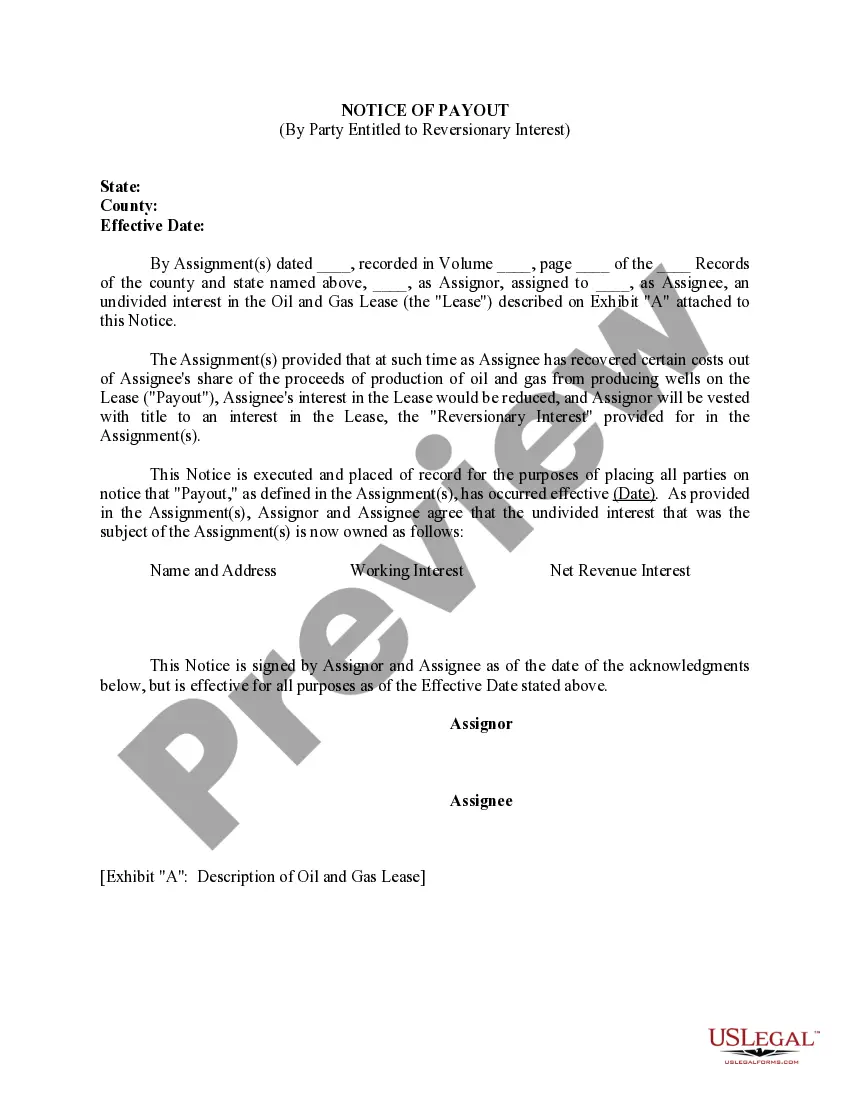
This form is used when Assignee has recovered certain costs out of Assignee's share of the proceeds of production of oil and gas from producing wells on the Lease, and Assignee's interest in the Lease is reduced. Assignor will be vested with title to an interest in the Lease, the "Reversionary Interest".
Notice of Payout by Party Entitled to Reversionary Interest
Category:
State:
Multi-State
Control #:
US-OG-354
Format:
Word;
Rich Text
Instant download
Description
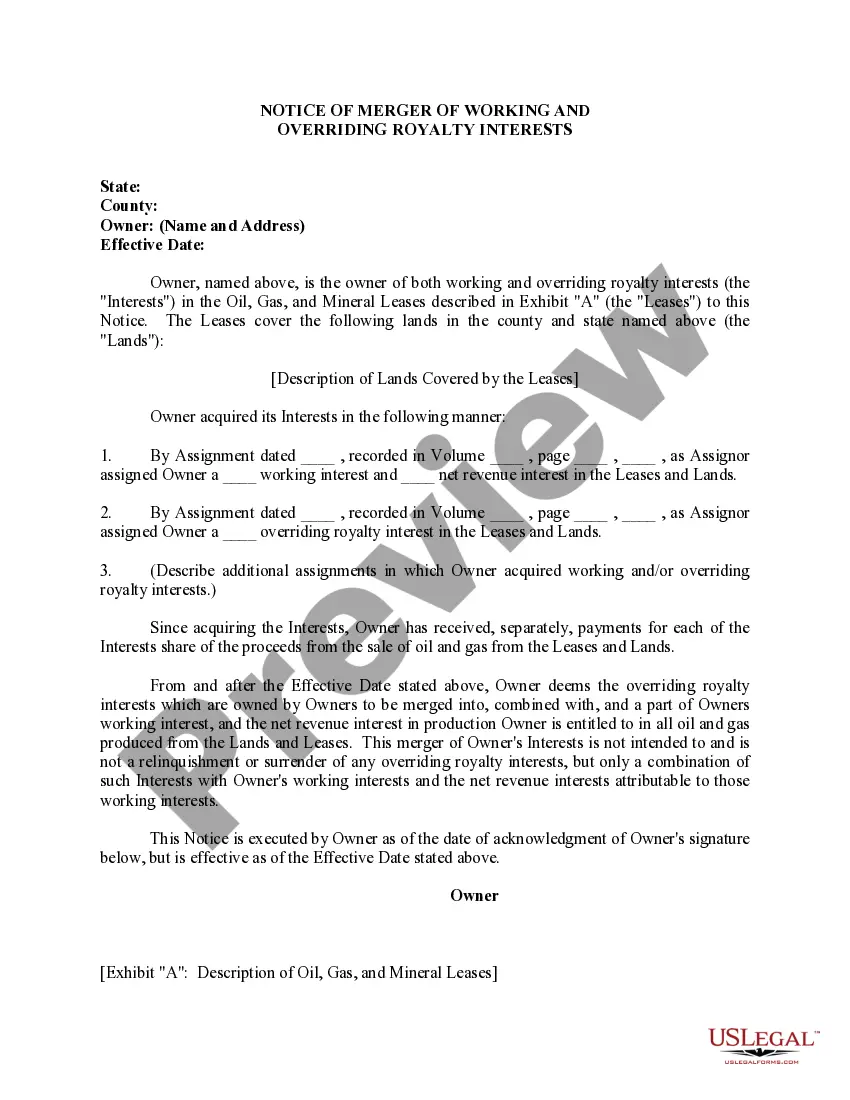
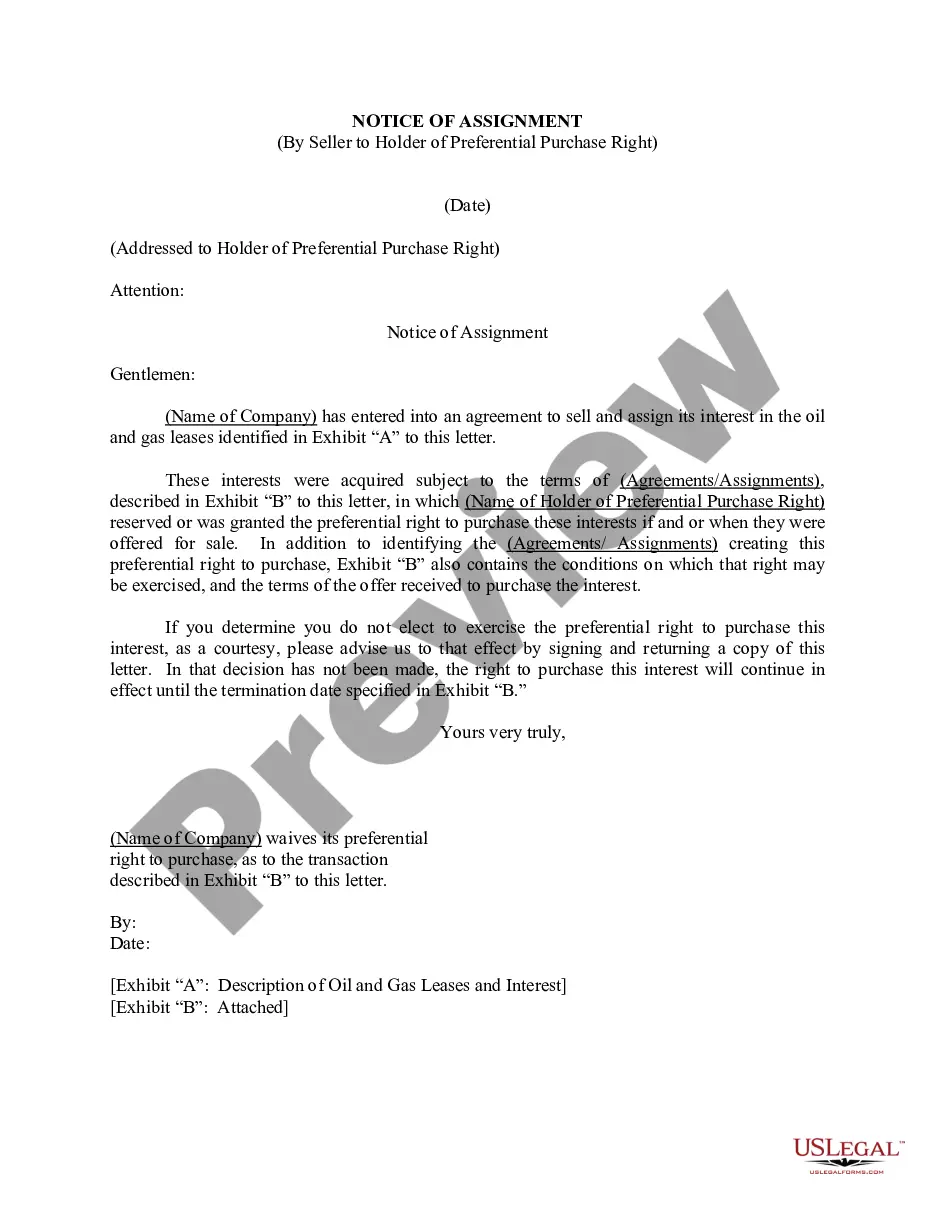
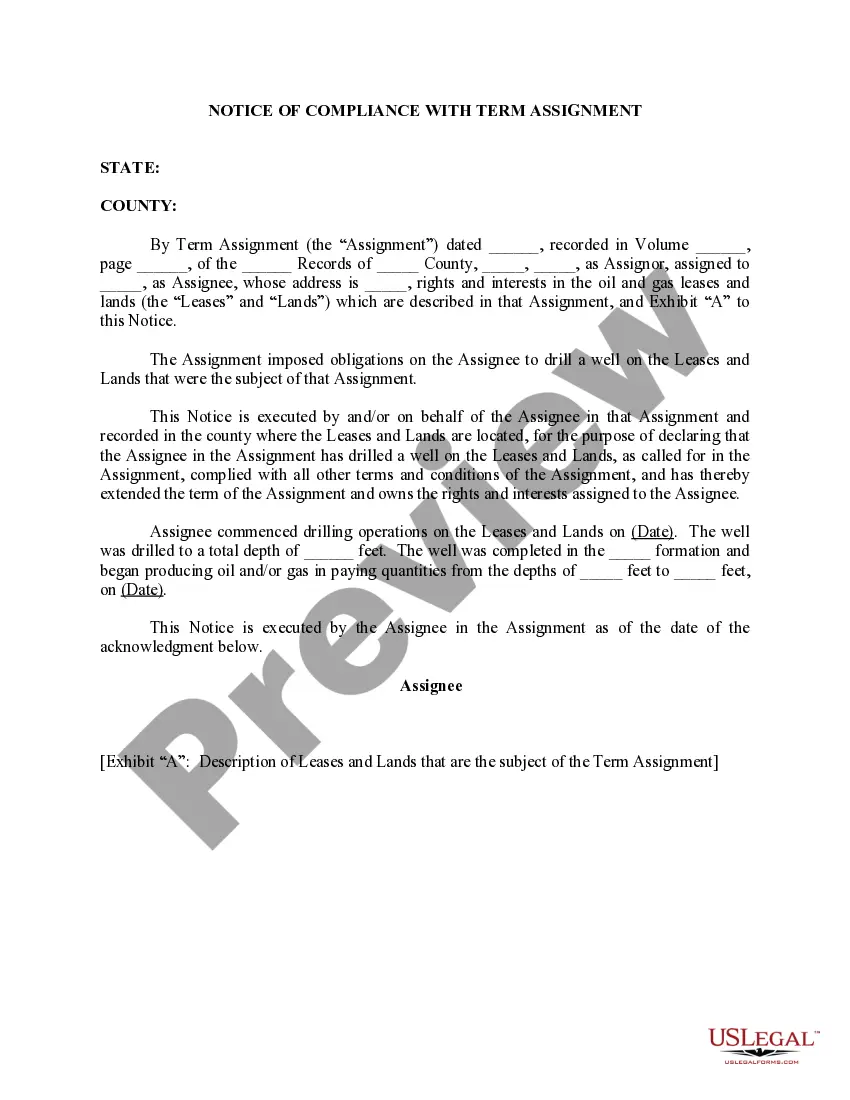
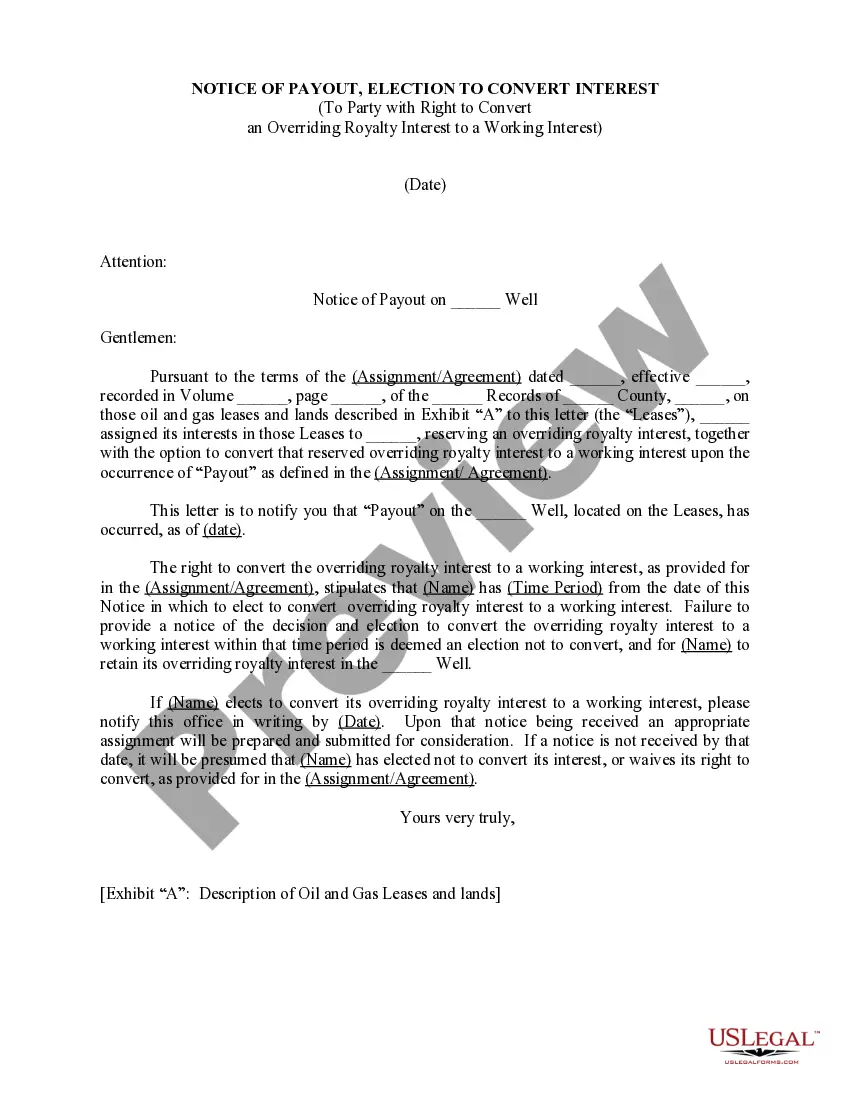
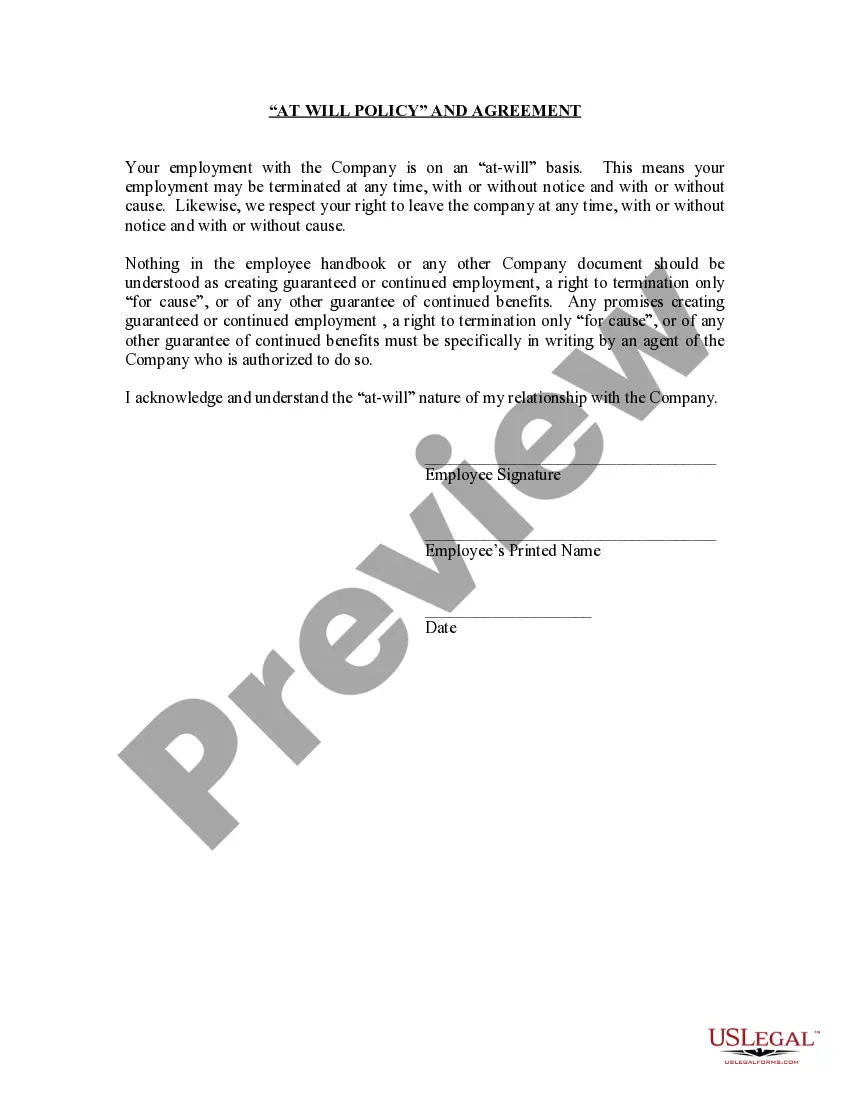
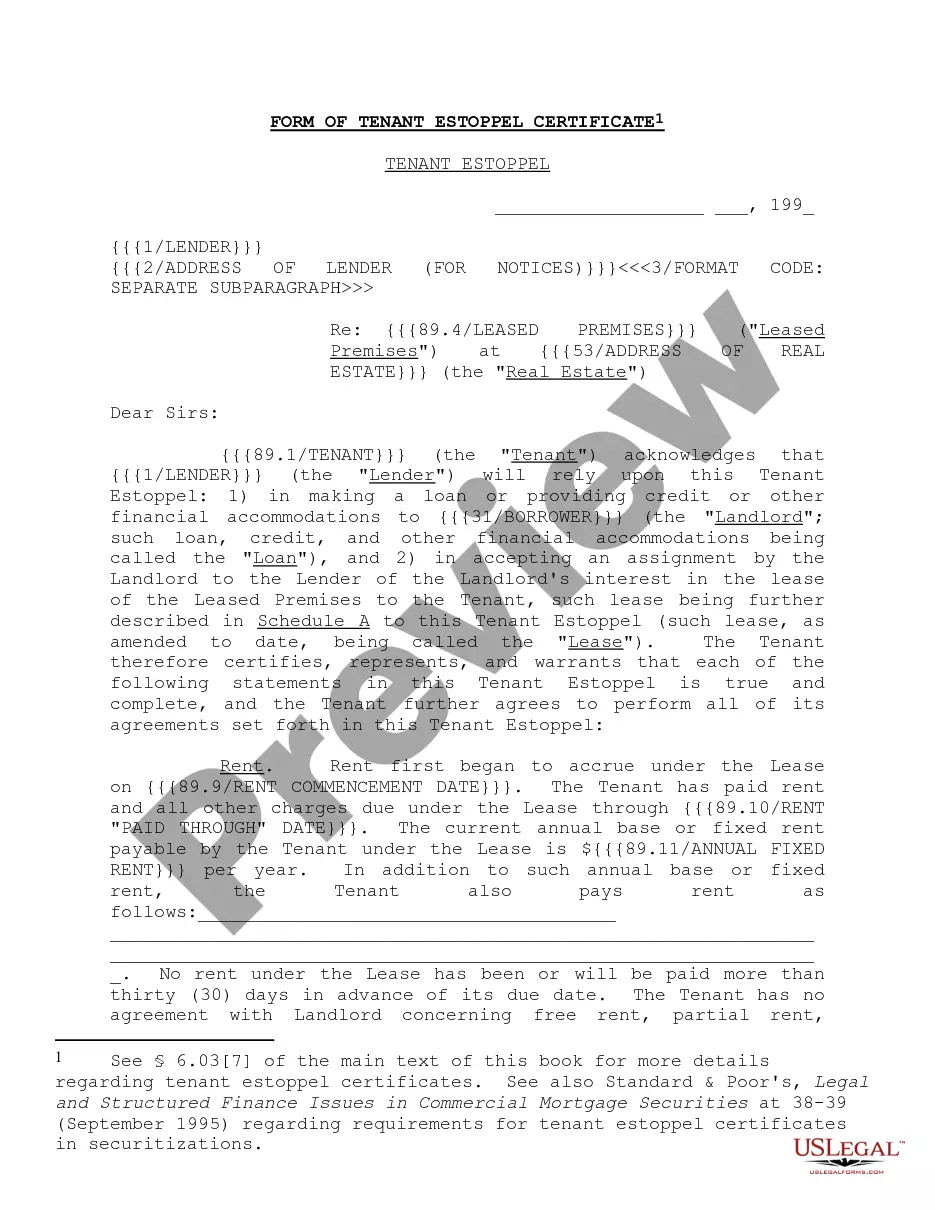
How to fill out Notice Of Payout By Party Entitled To Reversionary Interest?
When it comes to drafting a legal document, it’s better to leave it to the experts. However, that doesn't mean you yourself can’t find a sample to use. That doesn't mean you yourself can not get a template to use, nevertheless. Download Notice of Payout by Party Entitled to Reversionary Interest right from the US Legal Forms web site. It provides a wide variety of professionally drafted and lawyer-approved forms and samples.
For full access to 85,000 legal and tax forms, users just have to sign up and choose a subscription. As soon as you are registered with an account, log in, search for a certain document template, and save it to My Forms or download it to your gadget.
To make things less difficult, we’ve included an 8-step how-to guide for finding and downloading Notice of Payout by Party Entitled to Reversionary Interest fast:
- Be sure the document meets all the necessary state requirements.
- If possible preview it and read the description prior to buying it.
- Press Buy Now.
- Choose the suitable subscription to meet your needs.
- Make your account.
- Pay via PayPal or by debit/visa or mastercard.
- Select a preferred format if a few options are available (e.g., PDF or Word).
- Download the document.
After the Notice of Payout by Party Entitled to Reversionary Interest is downloaded you can complete, print out and sign it in almost any editor or by hand. Get professionally drafted state-relevant files within a matter of minutes in a preferable format with US Legal Forms!
Form popularity
FAQ
A landowner who is concerned about the future use of his land can donate or sell the land on a conditional rather than absolute basis. A reversionary interest is created by a deed that reserves to the grantor a future ownership right upon the occurrence of some condition.
Reversion, in Anglo-American law, interest held by a prior owner in property given to another, which, upon the happening of some future event, will return to that prior owner. A reversion is itself specific property, and it can be sold or disposed of as property by the reversion owner.
A reversion in property law is a future interest that is retained by the grantor after the conveyance of an estate of a lesser quantum that he has (such as the owner of a fee simple granting a life estate or a leasehold estate).The testator may retain the reversion in the estate or give it to another individual.
Reversionary Interest is an amount of money that is calculated, which reflects what a Freeholder should receive now, rather than having to wait until a lease expires to have the property (and ALL its value) returned to his ownership.
A reversion occurs when a property owner makes an effective transfer of property to another but retains some future right to the property.Sara's ownership interest during Shane's life, and her right or the right of her heirs to take back the property upon Shane's death, are called reversionary interests.
: of, relating to, constituting, or involving especially a legal reversion.
The lessor typically retains a reversion interest in the property which will mature after the lease expires. A common example of this transaction is the leasing of an apartment to a tenant for a one-year period.
A landowner who is concerned about the future use of his land can donate or sell the land on a conditional rather than absolute basis. A reversionary interest is created by a deed that reserves to the grantor a future ownership right upon the occurrence of some condition.
In property law, the term 'reversion' (returning or reverting something to its previous state) refers to the interest a party to whom a property will revert at the expiry of an agreement has in that property.When a property is rented from a landlord, the property will revert to the landlord at the end of the lease.