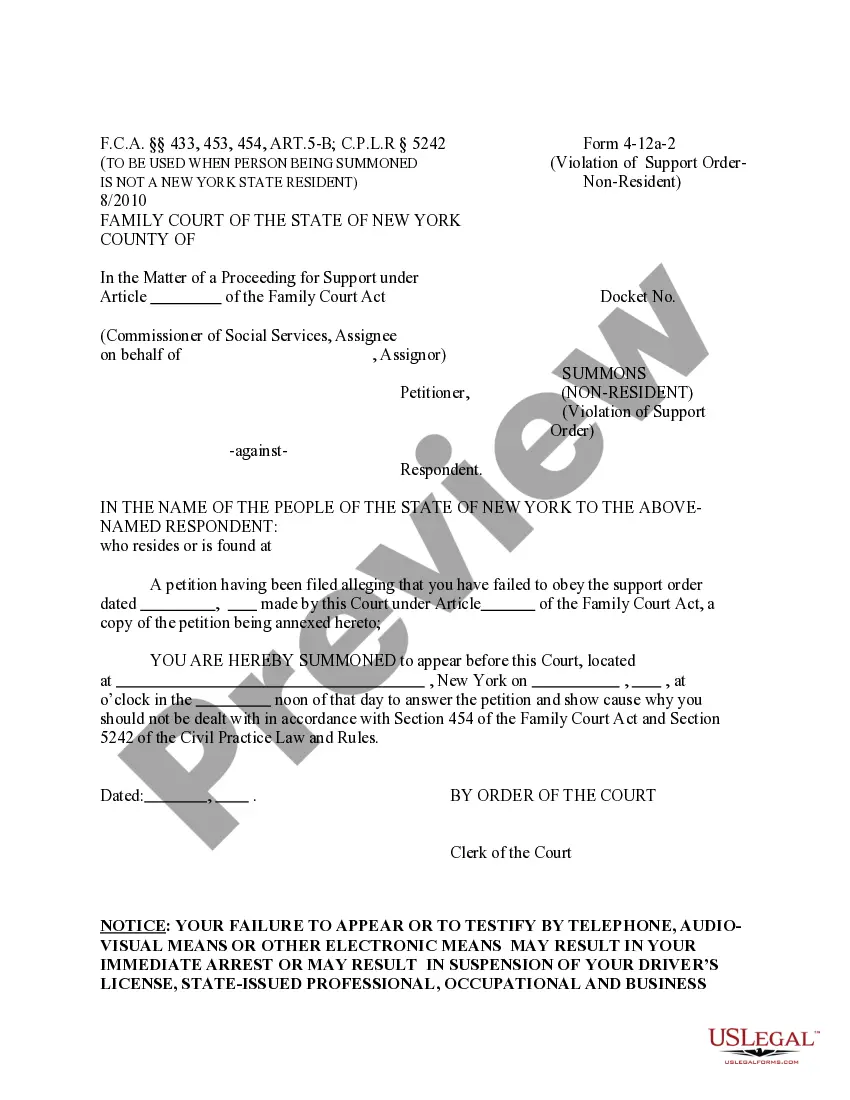
5.10 Affirmative Defenses
About this form
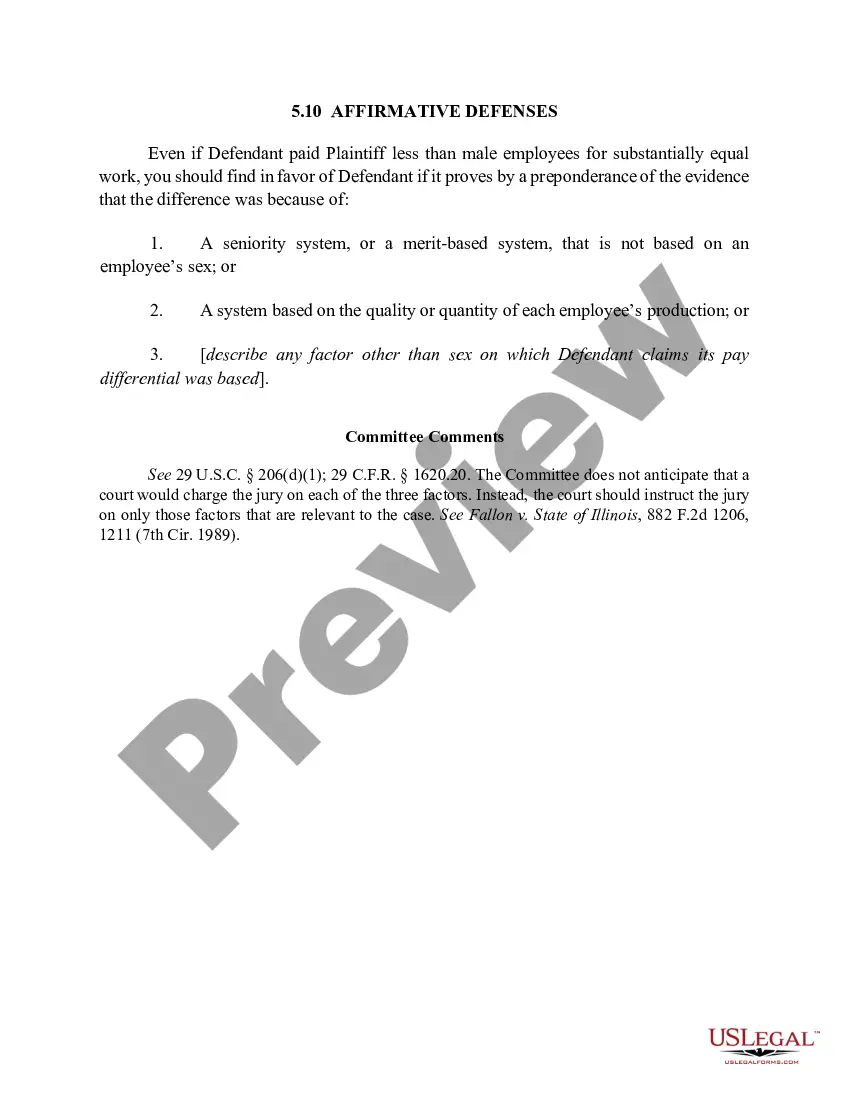
The Affirmative Defenses form provides a legal framework for defendants to assert defenses against claims of wage discrimination under the Equal Pay Act. This form specifically outlines conditions under which a defendant can argue that wage differences are justified by factors other than sex. Understanding this form is essential for parties involved in legal disputes regarding equitable pay, as it helps clarify the obligations and rights of both employees and employers in wage-related cases.
Key parts of this document
- Defendantâs Argument: Conditions under which wage disparities may be legally justified.
- Specific Factors: Potential reasons like seniority, merit-based systems, or production quality.
- Legal References: Citations from relevant laws and guidelines that outline the application of affirmative defenses.
- Instruction to the Jury: Clarifications on how to approach the case based on presented evidence.


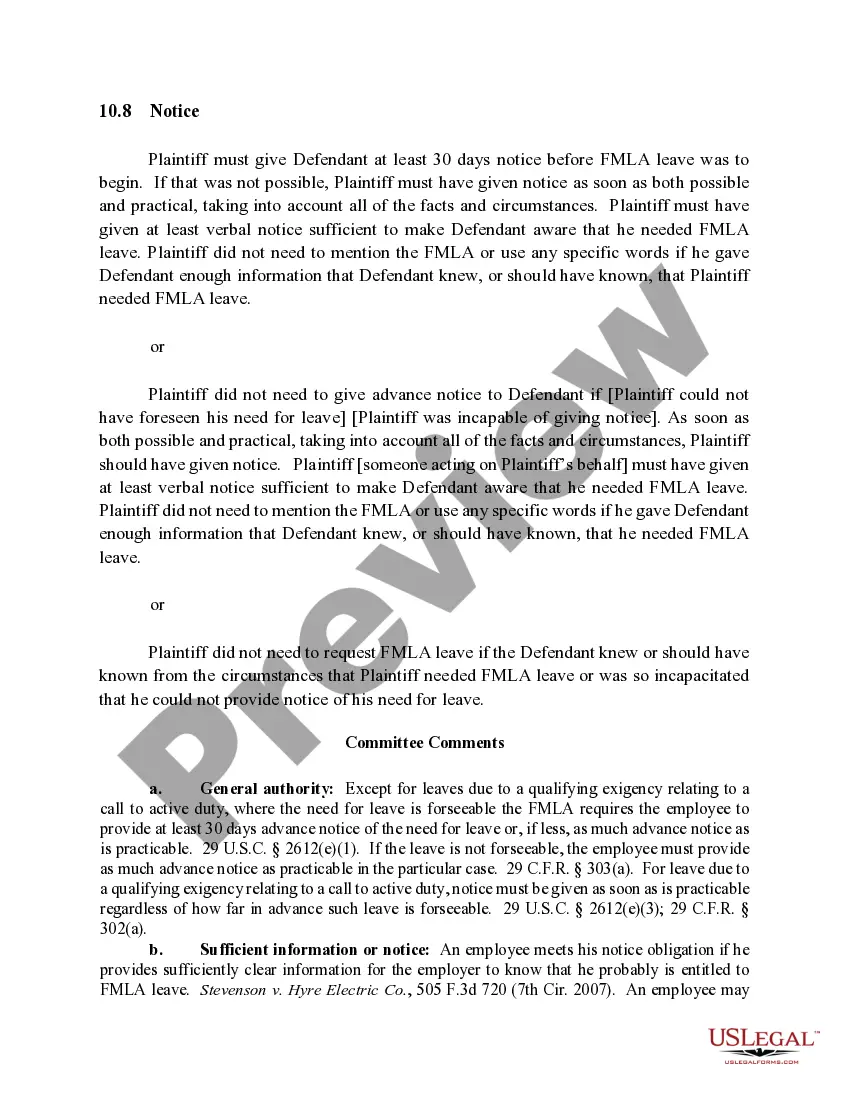
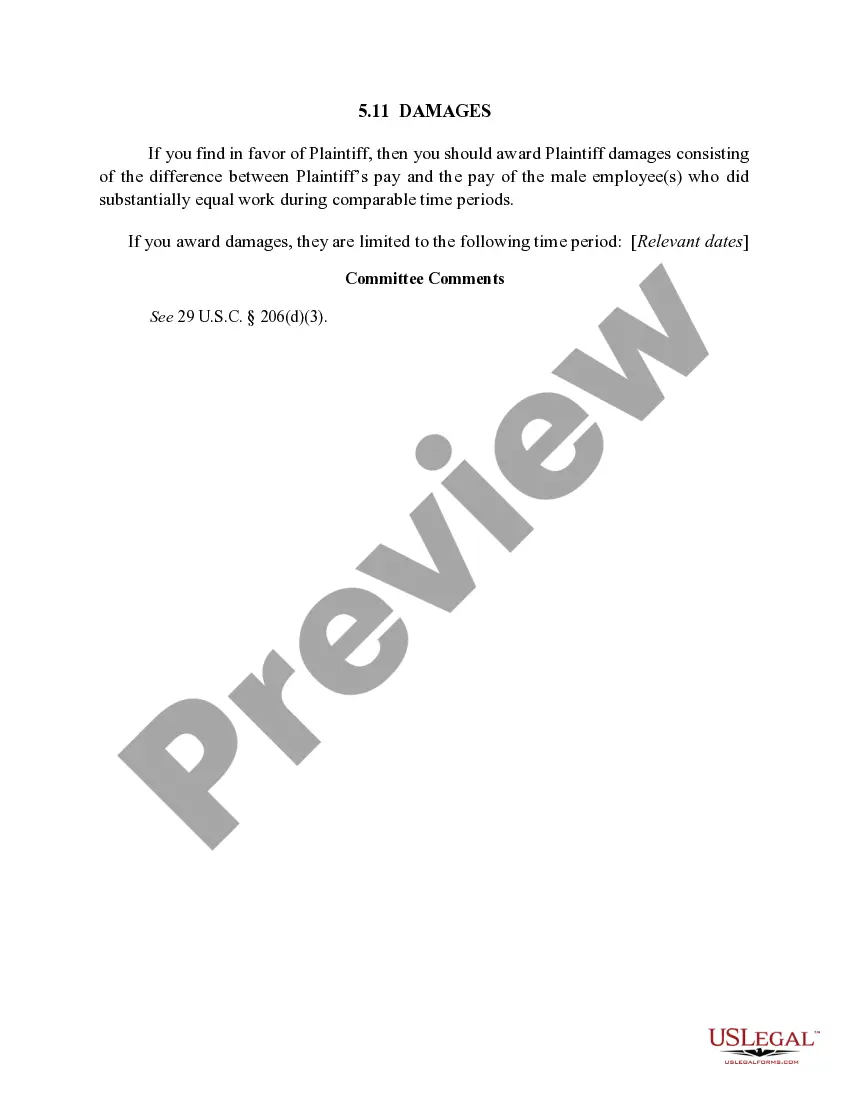
When to use this form
This form is applicable in legal cases where a defendant in a wage discrimination suit needs to present evidence that wage differences are based on legitimate factors other than the employee's sex. It is particularly relevant when responding to claims alleging violations of the Equal Pay Act, allowing defendants to provide their rationale for pay disparities and potentially defend against claims made by employees.
Who needs this form
- Defendants in wage discrimination lawsuits seeking to assert affirmative defenses.
- Employers who need to provide a legal justification for wage discrepancies between male and female employees.
- Legal professionals representing parties in disputes related to wage equity.
Instructions for completing this form
- Identify the parties involved in the case, including the Plaintiff and Defendant.
- Set out any specific factors justifying wage differences that the Defendant intends to assert.
- Gather evidence to support claims related to seniority, merit, or production quality.
- Consult applicable legal statutes to ensure all defenses presented align with federal and state laws.
- Review the form for clarity and accuracy before submission in court.
Notarization requirements for this form
In most cases, this form does not require notarization. However, some jurisdictions or signing circumstances might. US Legal Forms offers online notarization powered by Notarize, accessible 24/7 for a quick, remote process.
Get your form ready online
Our built-in tools help you complete, sign, share, and store your documents in one place.
Make edits, fill in missing information, and update formatting in US Legal Forms—just like you would in MS Word.
Download a copy, print it, send it by email, or mail it via USPS—whatever works best for your next step.
Sign and collect signatures with our SignNow integration. Send to multiple recipients, set reminders, and more. Go Premium to unlock E-Sign.
If this form requires notarization, complete it online through a secure video call—no need to meet a notary in person or wait for an appointment.
We protect your documents and personal data by following strict security and privacy standards.

Make edits, fill in missing information, and update formatting in US Legal Forms—just like you would in MS Word.

Download a copy, print it, send it by email, or mail it via USPS—whatever works best for your next step.

Sign and collect signatures with our SignNow integration. Send to multiple recipients, set reminders, and more. Go Premium to unlock E-Sign.

If this form requires notarization, complete it online through a secure video call—no need to meet a notary in person or wait for an appointment.

We protect your documents and personal data by following strict security and privacy standards.
Avoid these common issues
- Failing to provide adequate evidence supporting the affirmative defense.
- Not customizing the form to reflect specific case details when needed.
- Overlooking relevant legal citations that may strengthen the argument.
Advantages of online completion
- Convenient access to legally developed templates.
- Easy editing features that allow users to personalize the form for their specific needs.
- Reliability stemming from documents drafted by licensed attorneys, ensuring legal compliance.
Legal use & context
- This form is essential for asserting affirmative defenses in wage discrimination cases.
- It helps clarify statutory requirements under the Equal Pay Act.
- The defenses outlined allow for equitable treatment of wage disparities based on legitimate factors.
Looking for another form?
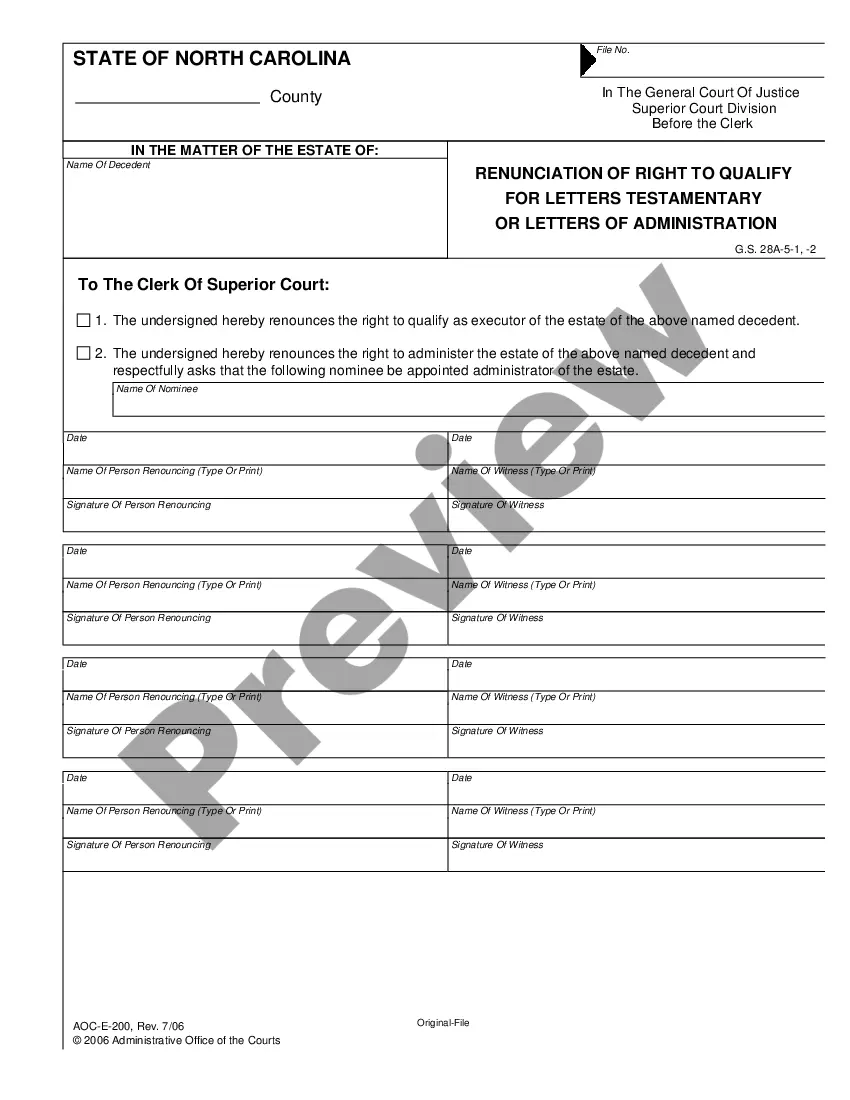
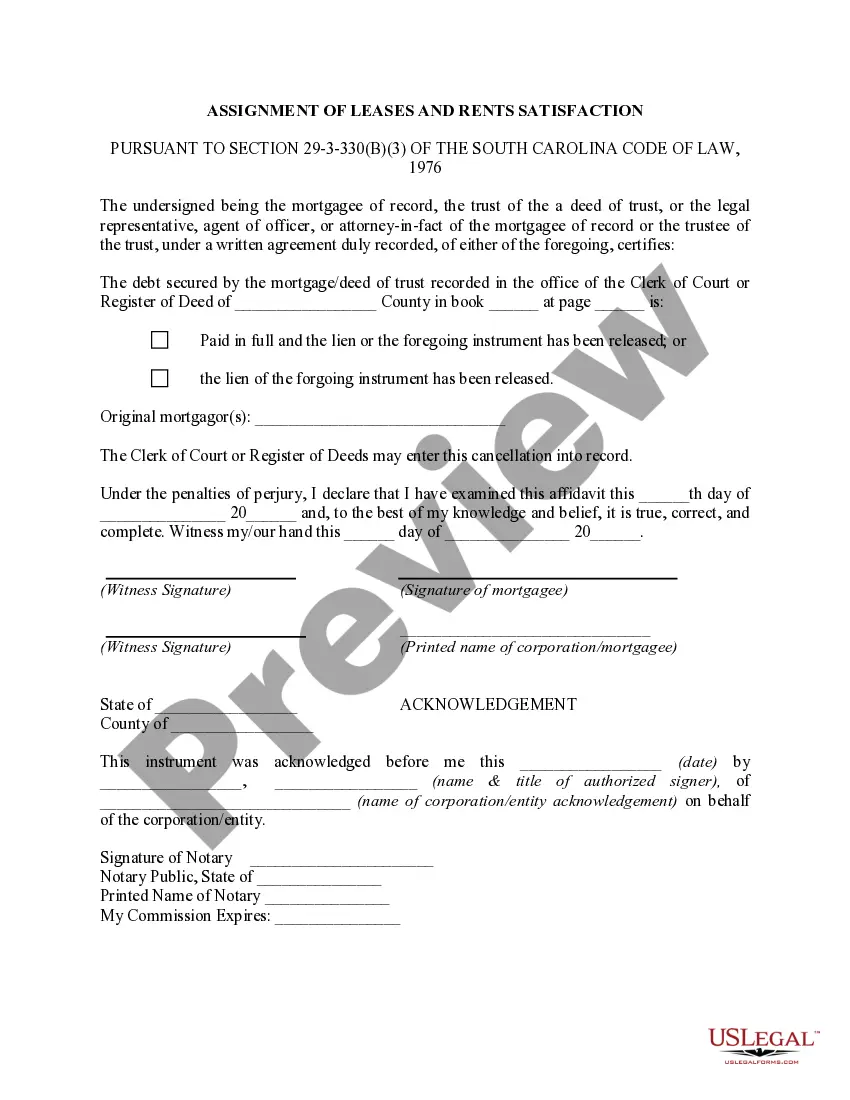
Form popularity
FAQ
When arguing an affirmative defense, a defendant must meet the ?preponderance of the evidence? burden of proof ? a much lower standard. Subsequently, the burden of proof shifts back to the prosecution who must disprove the affirmative defense raised beyond a reasonable doubt.
CPLR 3018(b) contains the following, non-exhaustive list of defenses that should be affirmatively pleaded in an answer: Arbitration and award. Collateral Estoppel. Culpable conduct of the plaintiff under CPLR Article 14-A. Discharge in bankruptcy. Illegality. Fraud. Infancy or other disability of the defendant. Payment.
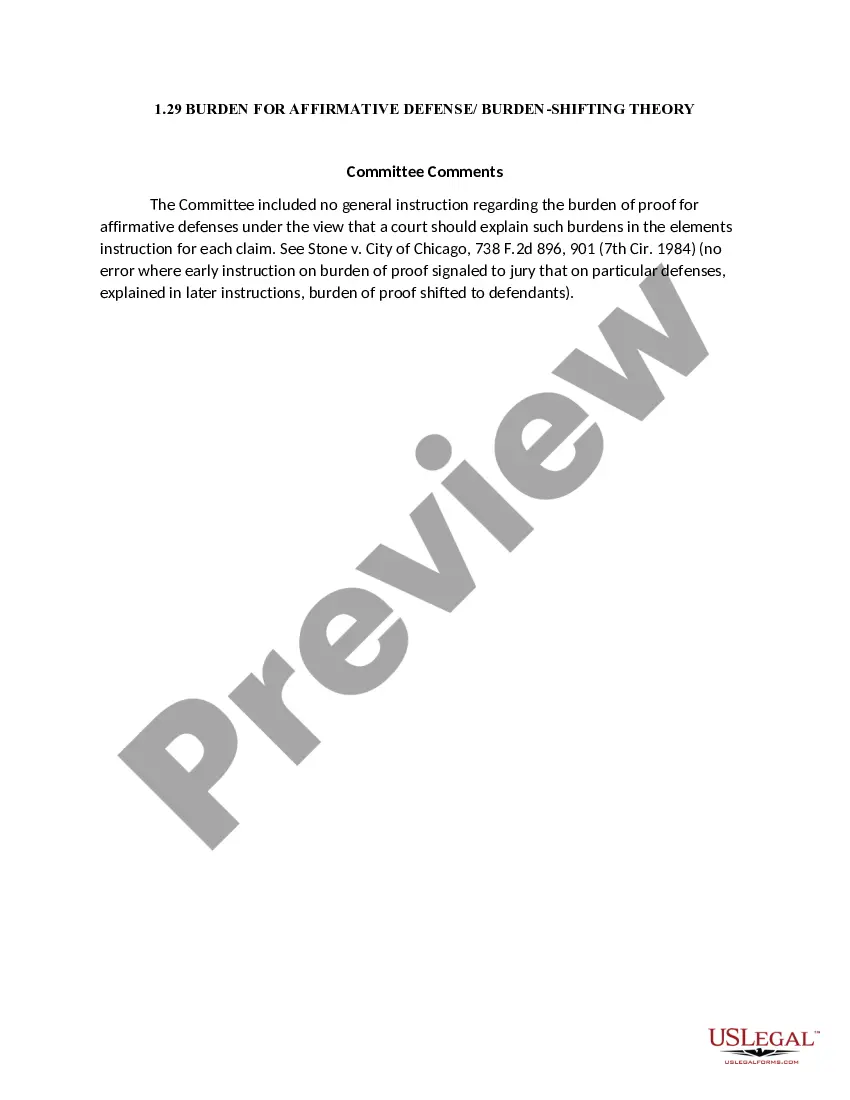
The party raising the affirmative defense has the burden of proof on establishing that it applies. Raising an affirmative defense does not prevent a party from also raising other defenses.
In personal injury law, an affirmative defense is a set of facts, which, if proven by the defendant, mitigates the legal consequences of the defendant's unlawful conduct against the plaintiff. These defenses can be based on the specific facts of the case or can arise from the governing law.
The three burdens of proof for criminal cases are "beyond a reasonable doubt," "probable cause," and "reasonable suspicion."
Self-defense, entrapment, insanity, necessity, and respondeat superior are some examples of affirmative defenses.
A defendant must prove each element of the defense, or it fails. 29 In other words, a defendant has the burden of proving an affirmative defense, just as a plaintiff has the burden of proving a cause of action. Most affirmative defense must be proven by a preponderance of the evidence.