Waiver of Confidentiality
What this document covers
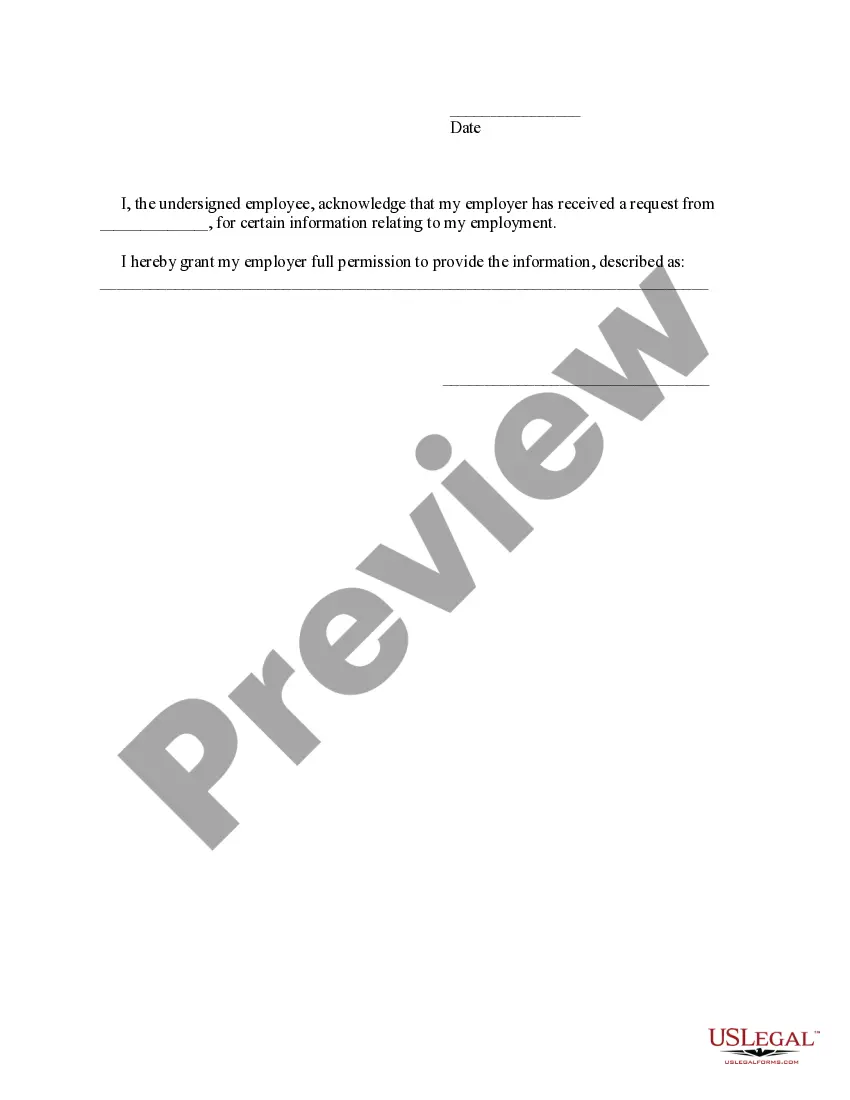
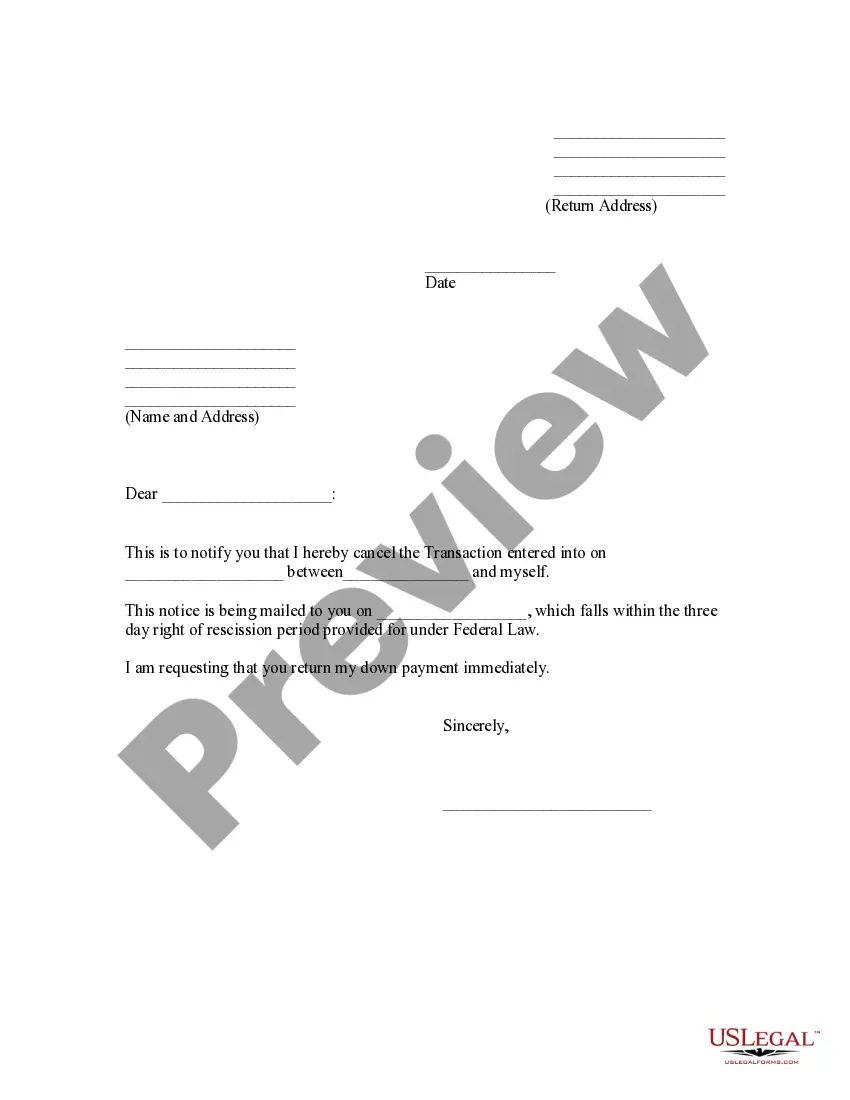
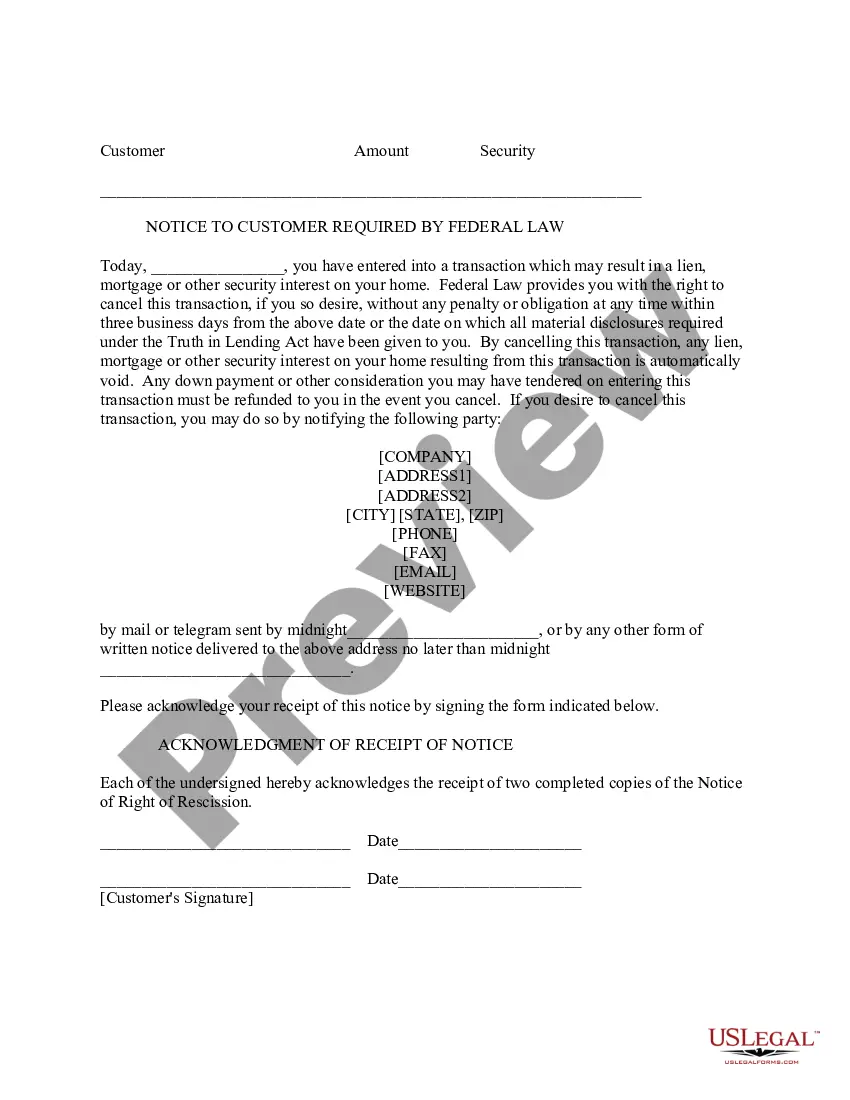
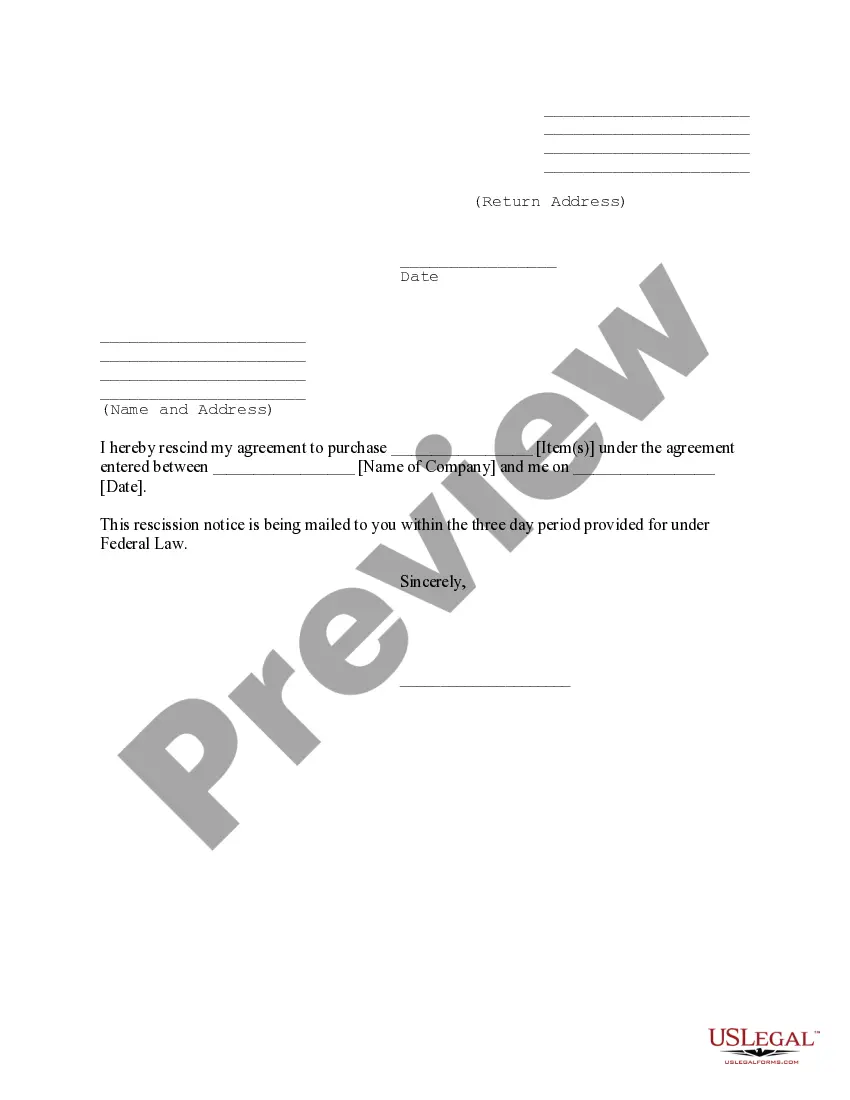
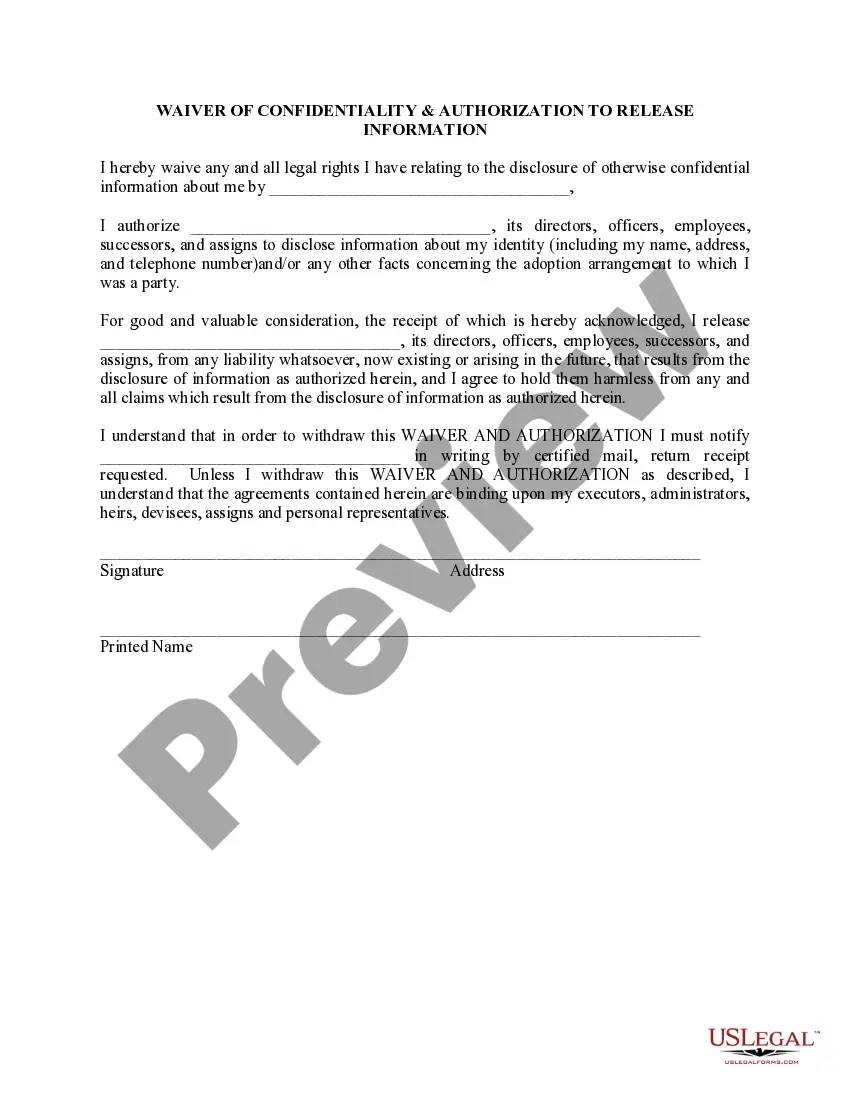
The Waiver of Confidentiality is a legal document that allows an employee to authorize their employer to disclose certain confidential information regarding their employment. This form is vital when an outside party requests details that an employee would typically prefer to keep private. By signing this waiver, the employee relinquishes their right to confidentiality concerning the specified information, making it distinct from other confidentiality agreements which might restrict the sharing of information instead of permitting it.
Key parts of this document
- Employee acknowledgment: A section where the employee confirms their awareness of the information request.
- Requestor information: Space to specify the name of the entity or individual requesting the information.
- Details of information: A section outlining the specific information that can be disclosed.
- Employee signature: This area requires the employee's signature to validate the waiver.
- Date: A field for recording the date when the waiver is signed.
When to use this form
Intended users of this form
- Employees who are asked to release information to third parties.
- Employers who require permission from employees to disclose employment information.
- Individuals involved in legal proceedings where employment-related information is relevant.
How to prepare this document
- Identify the employee and employer details at the beginning of the form.
- Fill in the name of the person or organization requesting the information.
- Clearly specify the type of information that can be disclosed.
- Sign and date the document to finalize the waiver.
- Ensure that all relevant parties receive a copy of the signed form for their records.
Is notarization required?
Notarization is not commonly needed for this form. However, certain documents or local rules may make it necessary. Our notarization service, powered by Notarize, allows you to finalize it securely online anytime, day or night.
Get your form ready online
Our built-in tools help you complete, sign, share, and store your documents in one place.
Make edits, fill in missing information, and update formatting in US Legal Forms—just like you would in MS Word.
Download a copy, print it, send it by email, or mail it via USPS—whatever works best for your next step.
Sign and collect signatures with our SignNow integration. Send to multiple recipients, set reminders, and more. Go Premium to unlock E-Sign.
If this form requires notarization, complete it online through a secure video call—no need to meet a notary in person or wait for an appointment.
We protect your documents and personal data by following strict security and privacy standards.

Make edits, fill in missing information, and update formatting in US Legal Forms—just like you would in MS Word.

Download a copy, print it, send it by email, or mail it via USPS—whatever works best for your next step.

Sign and collect signatures with our SignNow integration. Send to multiple recipients, set reminders, and more. Go Premium to unlock E-Sign.

If this form requires notarization, complete it online through a secure video call—no need to meet a notary in person or wait for an appointment.

We protect your documents and personal data by following strict security and privacy standards.
Common mistakes to avoid
- Failing to specify the exact information to be disclosed.
- Not signing and dating the form, making it invalid.
- Leaving out the name of the requesting party.
Advantages of online completion
- Quick access to legally drafted forms at any time.
- Easy to edit and customize based on individual needs.
- Convenient download options for storage and sharing.
Summary of main points
- The Waiver of Confidentiality allows for the legal release of employment information.
- Ensure all fields are properly filled to avoid invalidation.
- Using this form protects both the employee and employer by providing clear authorization for information disclosure.
Looking for another form?
Form popularity
FAQ
Waiver by communicating with a third party ? Having a third party present when the communication is taking place is a common way to waive attorney-client privilege. Waiver can also occur if privileged information is disclosed to a third party at a later time.
A confidentiality agreement may be contrasted with a waiver of confidentiality, whereby parties involved give up guarantees of confidentiality. Violating a confidentiality agreement can subject that party to potential fines or other legal and reputational repercussions.
Most of the mandatory exceptions to confidentiality are well known and understood. They include reporting child, elder and dependent adult abuse, and the so-called "duty to protect." However, there are other, lesserknown exceptions also required by law. Each will be presented in turn.
One way professional secrecy can be waived is for the client/patient to give clear permission to share the information. For example, if you sign an insurance contract authorizing your insurance company to see your medical records, the insurer can obtain certain information about your state of health.
Exceptions to Obligation of Con?dentiality. Some common exceptions include information that is or becomes public through no act of the recipient, information that was already in the possession of the recipient as of the date of disclosure, and information that is disclosed by court order.
Patients may waive their own right to confidentiality if they file a personal injury claim or lawsuit. Because the alleged breach or medical condition is the focal point of the suit, there's an automatic implied consent moving forward.
A patient's consent to waive his right for confidentiality can be allegedly obtained in writing, orally or by behavior.
Non-disclosure agreements, or NDAs as they are sometimes called, are legally enforceable agreements between parties that are used to ensure that certain information will remain confidential.