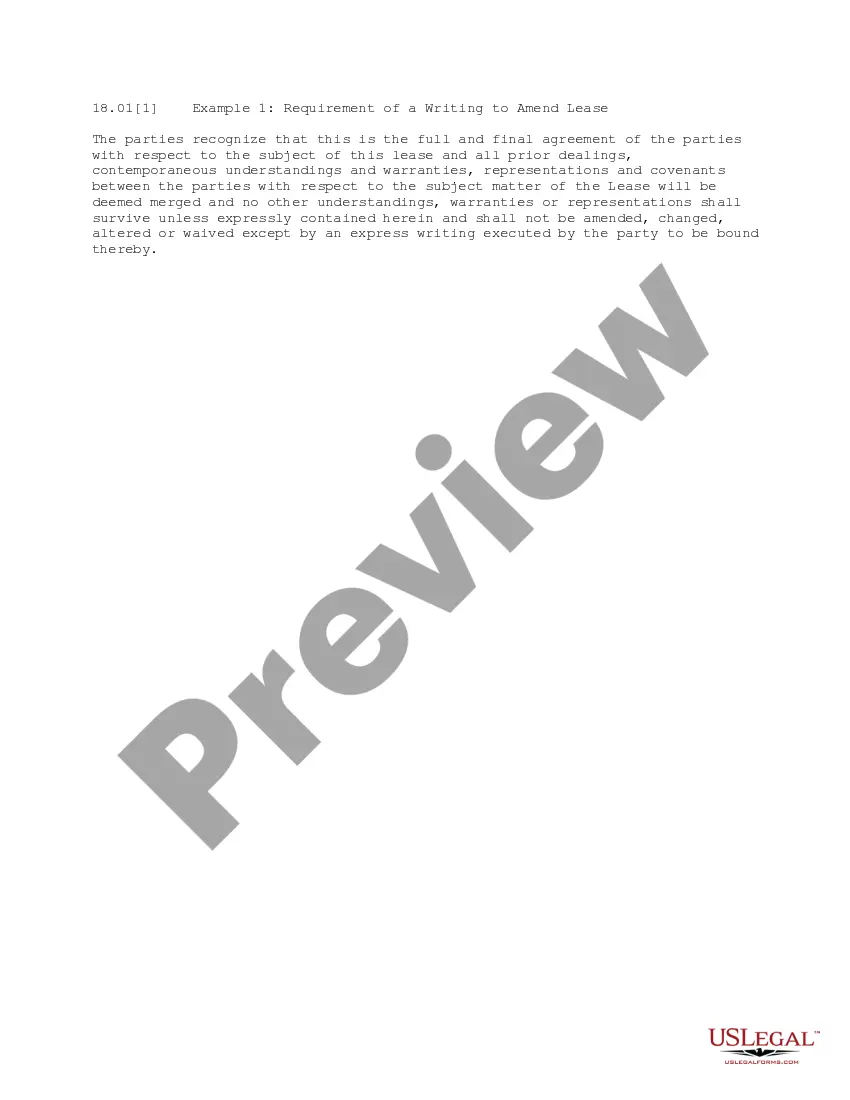
This pamphlet provides an overview on Do Not Resuscitate (DNI) orders. A comparison of DNI and DNR orders is included.
Texas USLegal Pamphlet on Do Not Intubate - DNI
State:
Multi-State
Category:
Control #:
US-PMPH-05
Format:
Word;
Rich Text
57 downloads
Description
Free preview
Get your form ready online
Our built-in tools help you complete, sign, share, and store your documents in one place.
Built-in online Word editor
Make edits, fill in missing information, and update formatting in US Legal Forms—just like you would in MS Word.
Export easily
Download a copy, print it, send it by email, or mail it via USPS—whatever works best for your next step.
E-sign your document
Sign and collect signatures with our SignNow integration. Send to multiple recipients, set reminders, and more. Go Premium to unlock E-Sign.
Notarize online 24/7
If this form requires notarization, complete it online through a secure video call—no need to meet a notary in person or wait for an appointment.
Store your document securely
We protect your documents and personal data by following strict security and privacy standards.

Make edits, fill in missing information, and update formatting in US Legal Forms—just like you would in MS Word.

Download a copy, print it, send it by email, or mail it via USPS—whatever works best for your next step.

Sign and collect signatures with our SignNow integration. Send to multiple recipients, set reminders, and more. Go Premium to unlock E-Sign.

If this form requires notarization, complete it online through a secure video call—no need to meet a notary in person or wait for an appointment.

We protect your documents and personal data by following strict security and privacy standards.
Looking for another form?
How to fill out USLegal Pamphlet On Do Not Intubate - DNI?
If you need to fully, download, or print legal document templates, utilize US Legal Forms, the largest collection of legal forms available online.
Employ the site's straightforward and user-friendly search feature to locate the documents you need.
A range of templates for business and personal purposes are organized by categories and suggestions, or keywords.
Step 3. If you are unhappy with the form, utilize the Search field at the top of the screen to find other versions of the legal form template.
Step 4. Once you have found the form you need, click the Buy now button. Choose the pricing plan you prefer and enter your information to register for the account.
- Use US Legal Forms to locate the Texas USLegal Pamphlet on Do Not Intubate - DNI in a few clicks.
- If you are already a US Legal Forms customer, Log In to your account and click the Obtain button to find the Texas USLegal Pamphlet on Do Not Intubate - DNI.
- You can also access forms you previously saved in the My documents section of your account.
- If you are using US Legal Forms for the first time, follow the instructions below.
- Step 1. Make sure you have selected the form for the correct city/state.
- Step 2. Use the Review option to examine the form's content. Don't forget to read the details.
Form popularity
FAQ
A Do Not Resuscitate (DNR) order does not automatically cover a Do Not Intubate (DNI) order. While both directives express the patient's wishes regarding medical interventions, they serve different purposes. The Texas USLegal Pamphlet on Do Not Intubate - DNI clearly outlines that a DNI specifically addresses the refusal of intubation, while a DNR focuses on not performing CPR. Therefore, it is important to have both documents in place for comprehensive end-of-life care planning.
Yes, DNI stands for do not intubate, which indicates that a patient does not wish to have a breathing tube inserted in case of respiratory failure. This directive is part of the Texas USLegal Pamphlet on Do Not Intubate - DNI, which highlights the importance of understanding your treatment preferences. It's essential to communicate your wishes to your healthcare team to ensure they are respected during medical emergencies. By being informed and prepared, you can make decisions that reflect your values.
Filing a do-not-resuscitate order in Texas involves completing the necessary forms and ensuring they are signed appropriately. The Texas USLegal Pamphlet on Do Not Intubate - DNI outlines the steps to create and file this order effectively. You need to discuss your wishes with your healthcare provider, who will help you understand the implications of your decision. Once completed, the DNR form should be placed in your medical records and shared with your family.
notresuscitate order, commonly known as a DNR, is a legal document in Texas that instructs medical professionals not to perform lifesaving measures such as CPR. This order is part of the Texas USLegal Pamphlet on Do Not Intubate DNI, which provides essential information on advance care planning. It's crucial for individuals to communicate their healthcare wishes clearly to ensure they receive the care that aligns with their preferences. By understanding the DNR process, you can take control of your medical decisions.
A Do Not Intubate order means that chest compressions and cardiac drugs may be used during a patient's care, but that no breathing tube will be placed within the patient.
When you request a Do Not Resuscitate (DNR) order, your doctor may ask you whether or not you also want a Do Not Intubate (DNI) order. The two are separate because you can have trouble breathing before your heartbeat or breathing stops. If your breathing problems continue, your heart or lungs may go into full arrest.
During CPR, airway interventions range from compression-only CPR with or without airway opening, mouth-to-mouth ventilation, mouth-to-mask ventilation, bag-mask ventilation (with or without an oropharyngeal airway) or advanced airways (supraglottic airways (SGAs) and tracheal intubation using direct or video
A patient has the option to be Full Code, DNR (Do Not Resuscitate), DNI (Do Not Intubate) or both DNR and DNI.
A natural reaction to medicine's use of CPR and MV was the advent of advance directives and more specific Do-Not-Resuscitate (DNR) and Do-Not-Intubate (DNI) orders meant to protect a patient's ability to remain autonomous with their end of life decisions.
DNR means that no CPR (chest compressions, cardiac drugs, or placement of a breathing tube) will be performed. A DNI or Do Not Intubate order means that chest compressions and cardiac drugs may be used, but no breathing tube will be placed.