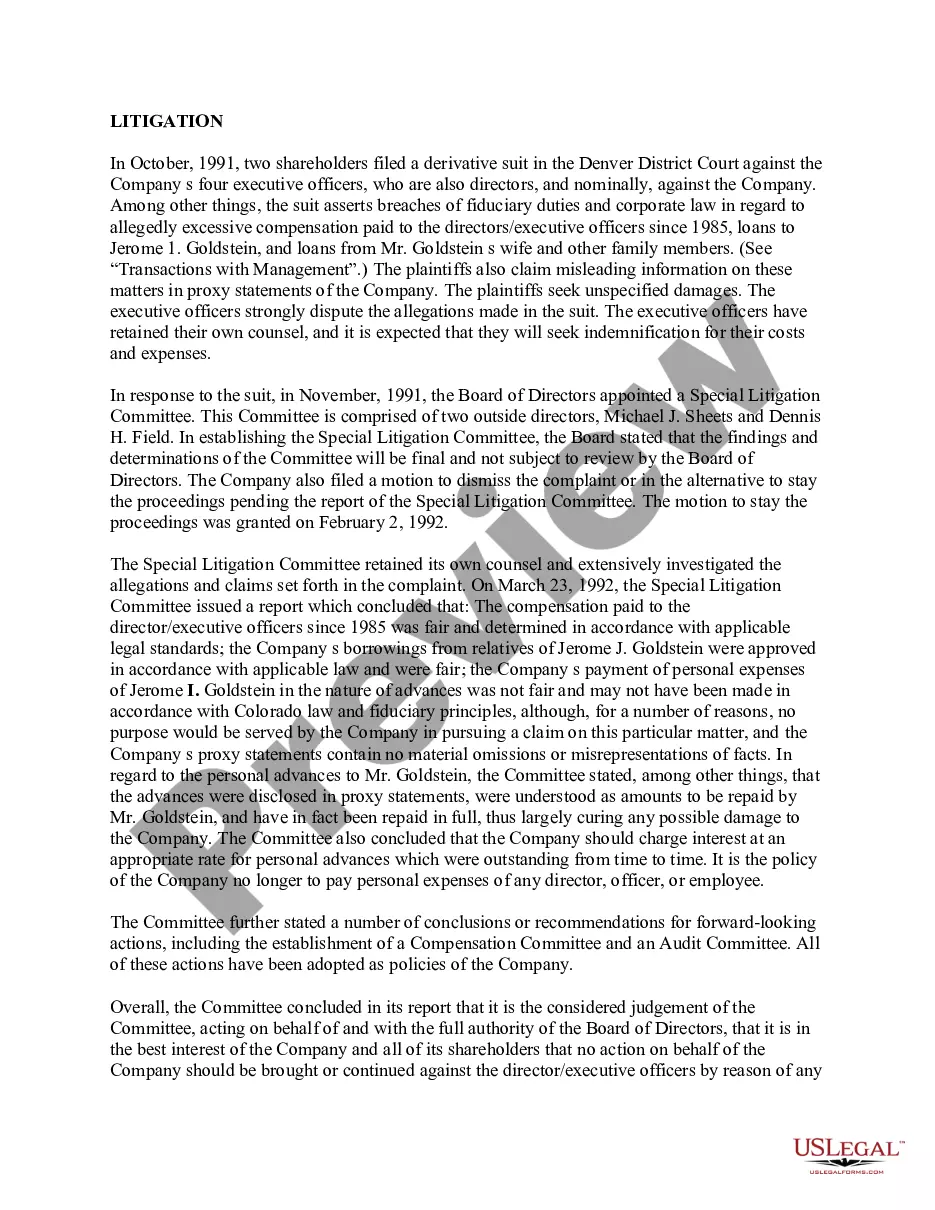
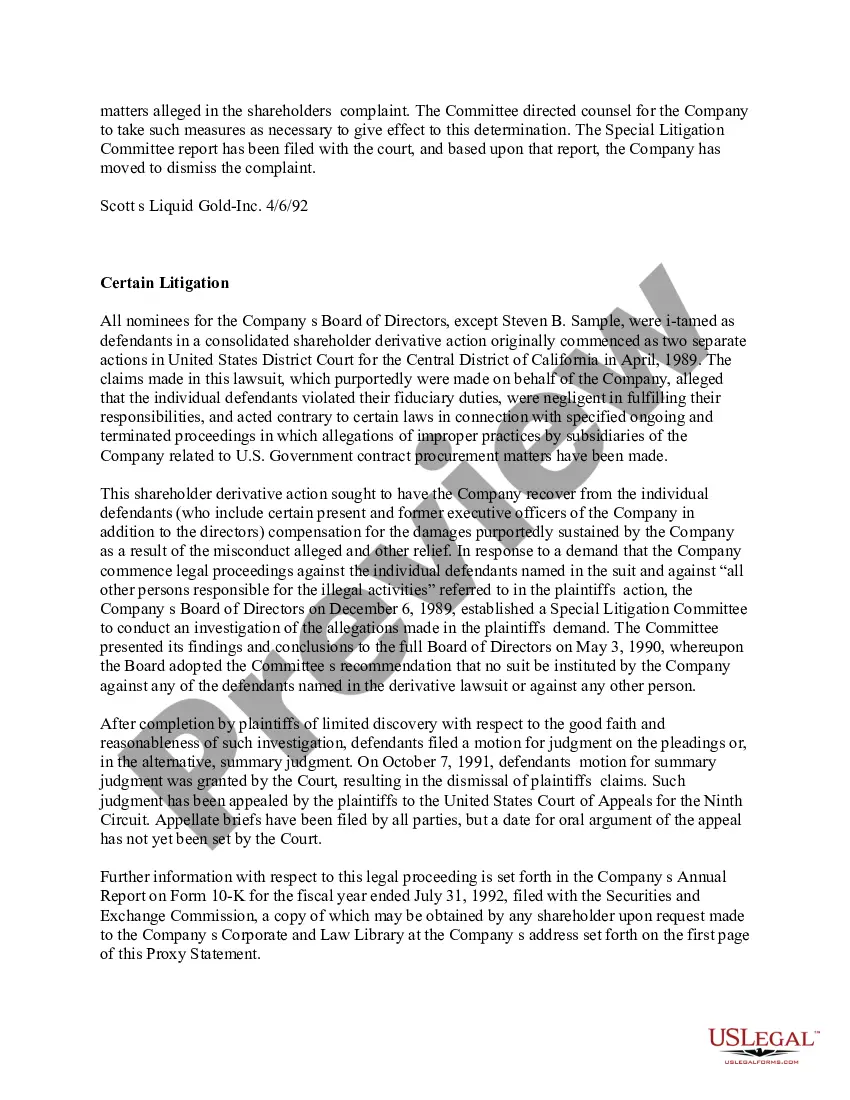
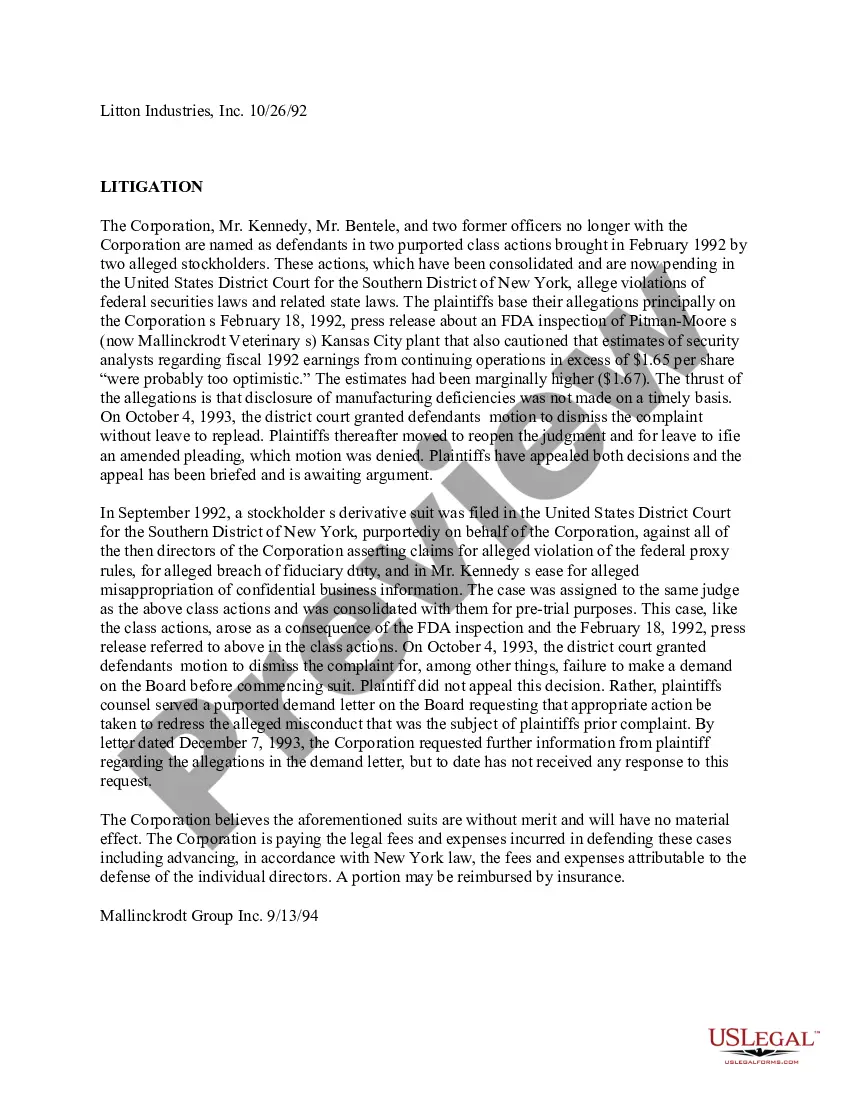
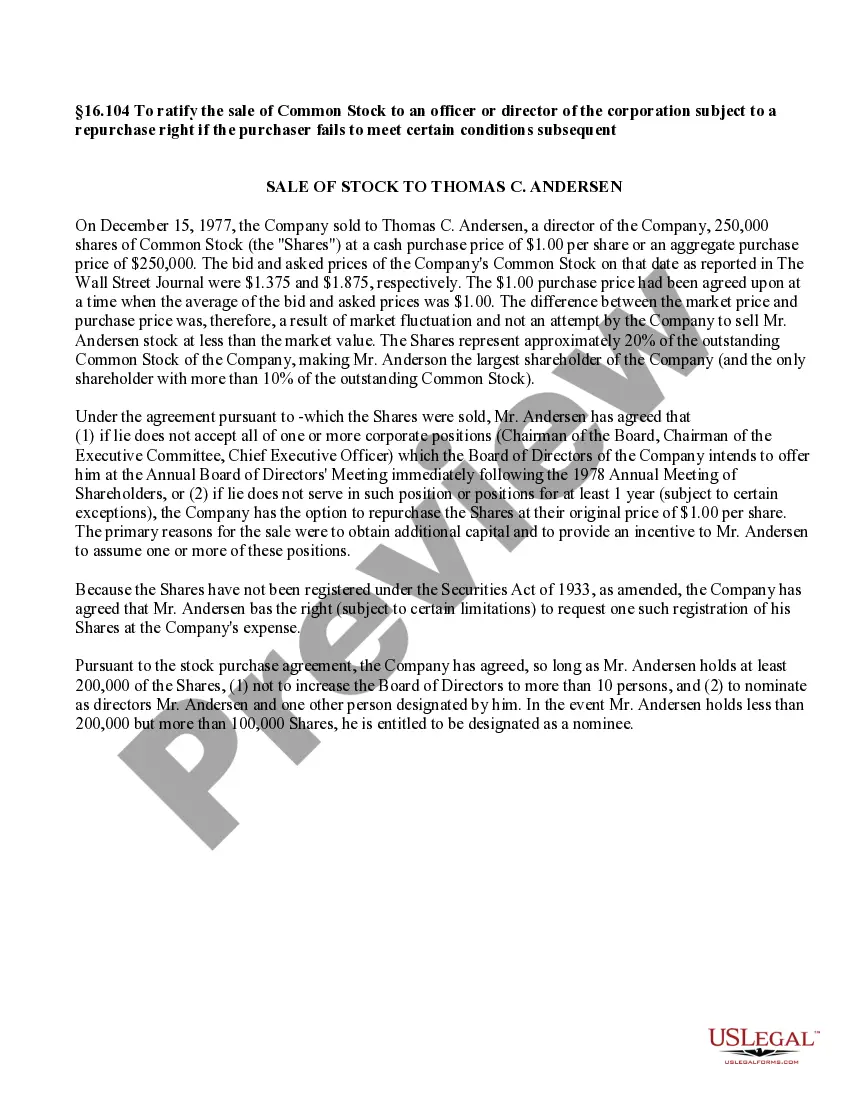
Texas Stockholder derivative actions
Description
Get your form ready online
Our built-in tools help you complete, sign, share, and store your documents in one place.
Make edits, fill in missing information, and update formatting in US Legal Forms—just like you would in MS Word.
Download a copy, print it, send it by email, or mail it via USPS—whatever works best for your next step.
Sign and collect signatures with our SignNow integration. Send to multiple recipients, set reminders, and more. Go Premium to unlock E-Sign.
If this form requires notarization, complete it online through a secure video call—no need to meet a notary in person or wait for an appointment.
We protect your documents and personal data by following strict security and privacy standards.

Make edits, fill in missing information, and update formatting in US Legal Forms—just like you would in MS Word.

Download a copy, print it, send it by email, or mail it via USPS—whatever works best for your next step.

Sign and collect signatures with our SignNow integration. Send to multiple recipients, set reminders, and more. Go Premium to unlock E-Sign.

If this form requires notarization, complete it online through a secure video call—no need to meet a notary in person or wait for an appointment.

We protect your documents and personal data by following strict security and privacy standards.
Looking for another form?





How to fill out Stockholder Derivative Actions?
You may commit hrs online looking for the legitimate record template that meets the state and federal requirements you need. US Legal Forms gives a huge number of legitimate forms that happen to be analyzed by pros. You can easily down load or print out the Texas Stockholder derivative actions from our services.
If you already possess a US Legal Forms account, you can log in and click on the Obtain option. After that, you can total, revise, print out, or indicator the Texas Stockholder derivative actions. Each legitimate record template you buy is the one you have for a long time. To acquire another version for any bought type, visit the My Forms tab and click on the related option.
If you use the US Legal Forms web site the very first time, keep to the simple recommendations below:
- Initially, make sure that you have selected the right record template for that state/metropolis that you pick. Look at the type information to ensure you have picked out the right type. If accessible, use the Preview option to check through the record template at the same time.
- If you wish to locate another version of the type, use the Research area to obtain the template that suits you and requirements.
- After you have discovered the template you would like, simply click Purchase now to carry on.
- Pick the prices plan you would like, type your qualifications, and sign up for a free account on US Legal Forms.
- Total the deal. You may use your credit card or PayPal account to pay for the legitimate type.
- Pick the format of the record and down load it to your product.
- Make alterations to your record if needed. You may total, revise and indicator and print out Texas Stockholder derivative actions.
Obtain and print out a huge number of record layouts using the US Legal Forms Internet site, that provides the most important collection of legitimate forms. Use professional and state-specific layouts to handle your company or specific needs.
Form popularity
FAQ
A shareholder (stockholder) derivative suit is a lawsuit brought by a shareholder or group of shareholders on behalf of the corporation against the corporation's directors, officers, or other third parties who breach their duties. The claim of the suit is not personal but belongs to the corporation.
Examples of successful derivative actions may include lawsuits against directors or officers for mismanagement of funds, failure to divulge material information, or breach of fiduciary duty.
A shareholder (stockholder) derivative suit is a lawsuit brought by a shareholder or group of shareholders on behalf of the corporation against the corporation's directors, officers, or other third parties who breach their duties. The claim of the suit is not personal but belongs to the corporation.
When it comes to protecting their interests ? or the interests of the corporation ? shareholders have unique rights to take legal action. They can file suit either on behalf of the corporation itself, known as a derivative action, or on their own behalf, called a direct action.
What is the difference between a stockholder's derivative suit and a class action? A derivative lawsuit is brought by a shareholder of a corporation for the benefit of the corporation. A shareholder's class action lawsuit is brought by a shareholder for the benefit of themselves and the other shareholders.
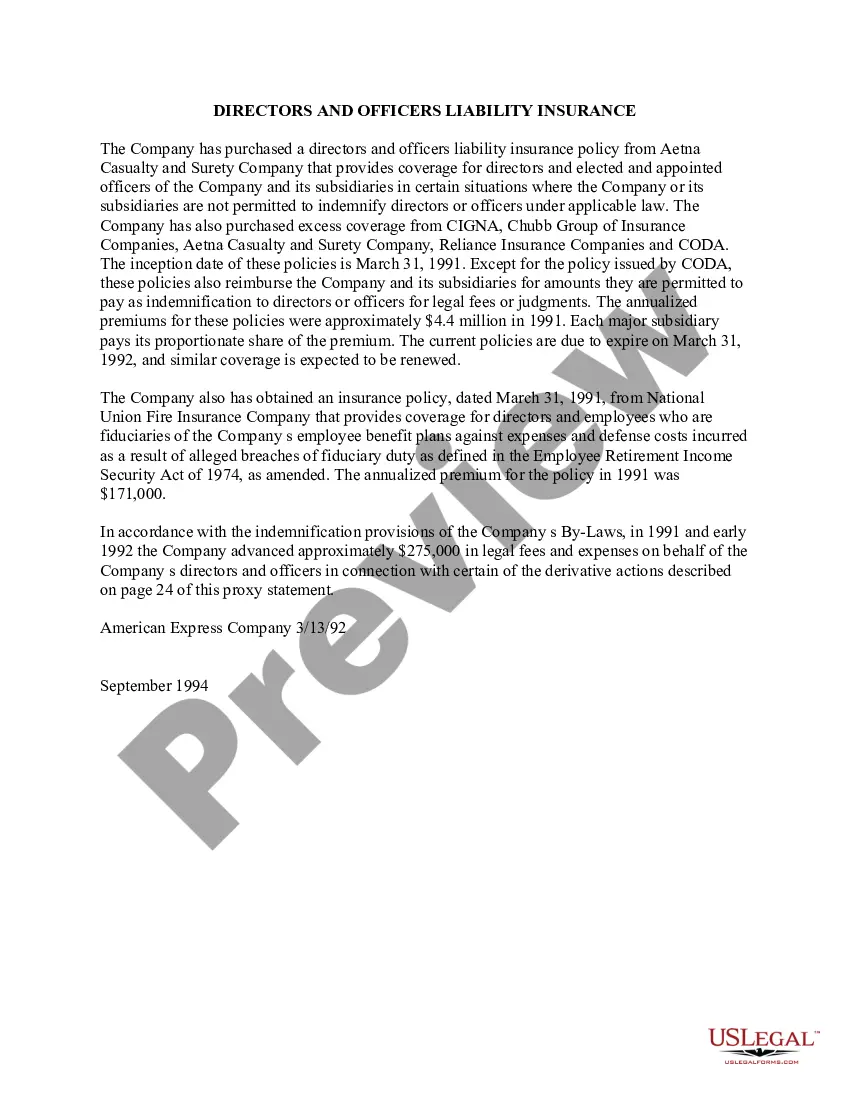
Remedies commonly sought in derivative actions include corporate governance reforms designed to prevent future fiduciary misconduct, the removal of officers or directors whose misconduct injured the corporation, monetary payments to remedy damages incurred by the company, and repayment of funds obtained illegally.
The derivative action is the route by which shareholders, usually minority shareholders, are able to enforce the company's rights where directors have breached their duties (since in these circumstances it is unlikely that the directors, who usually act on behalf of the company, will want to take action).