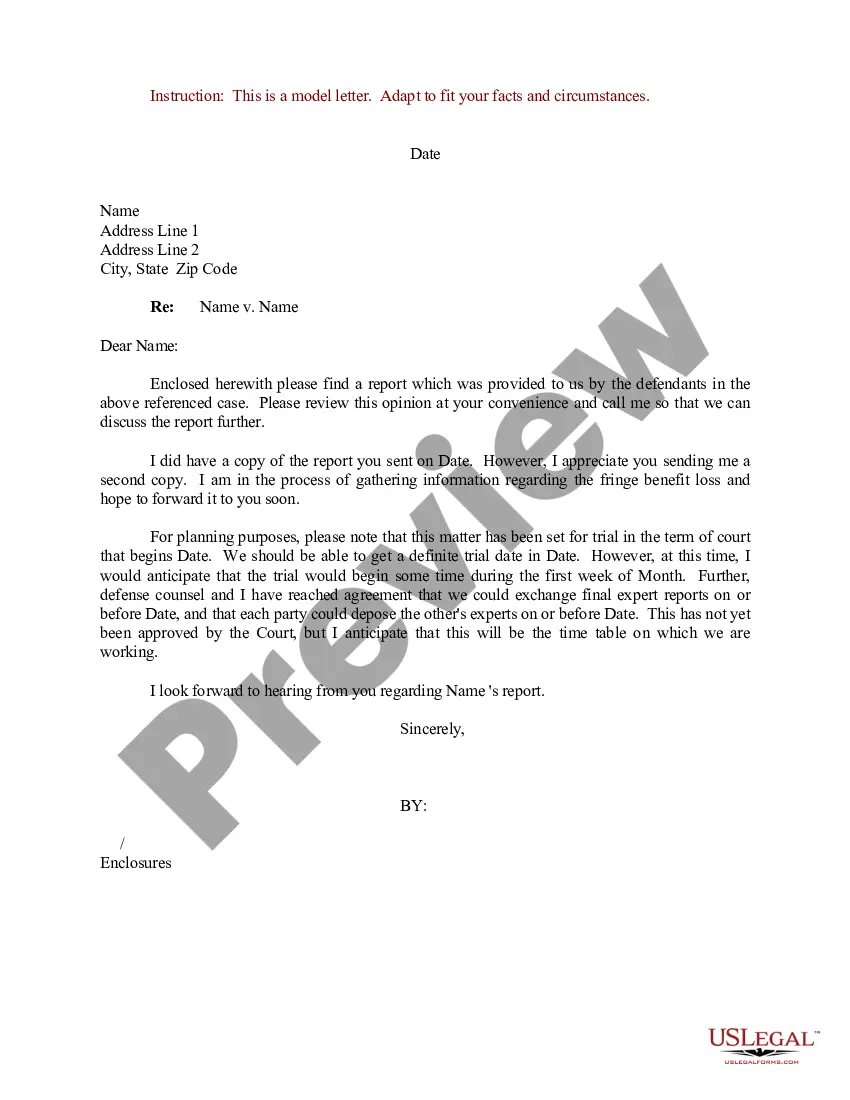
Texas Self-Evaluation
Description
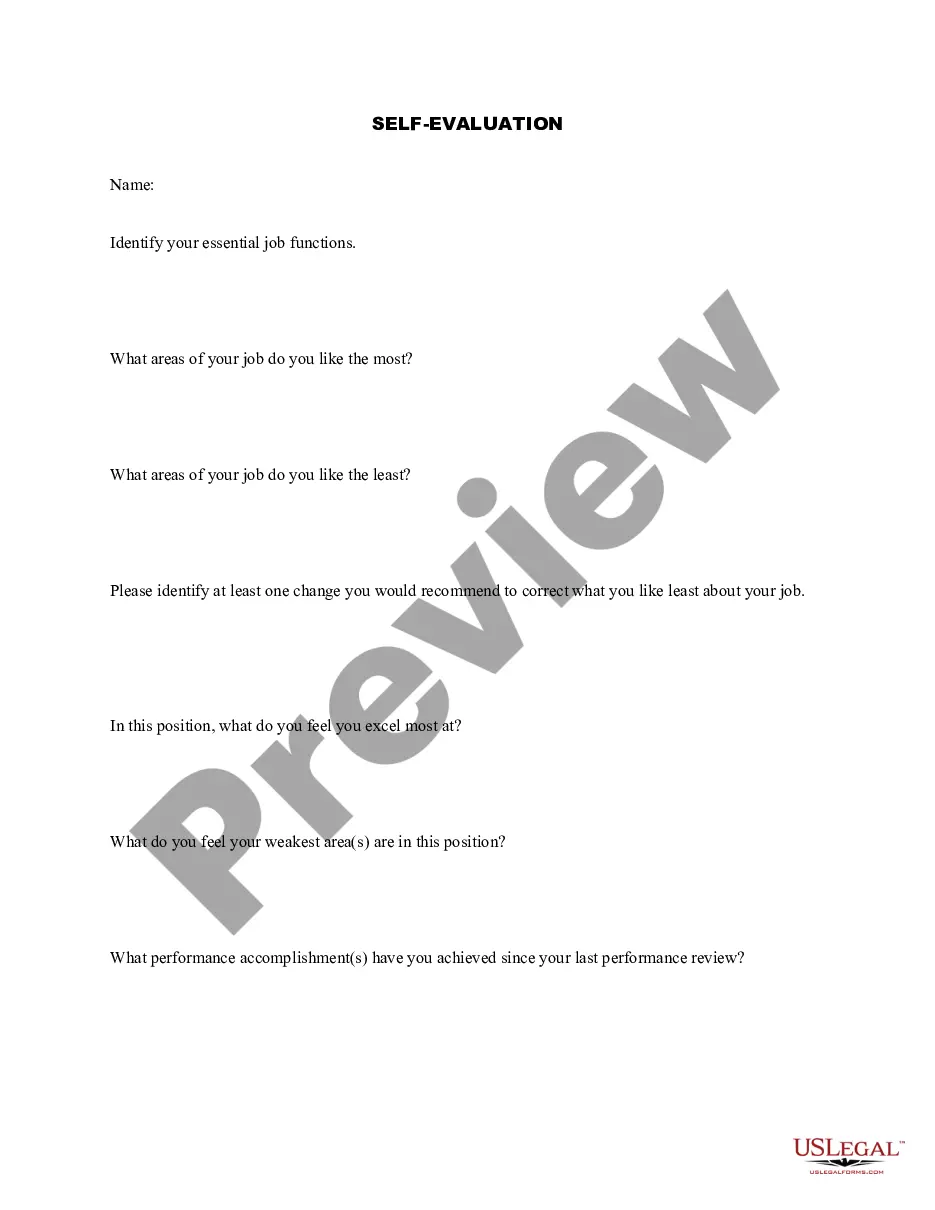
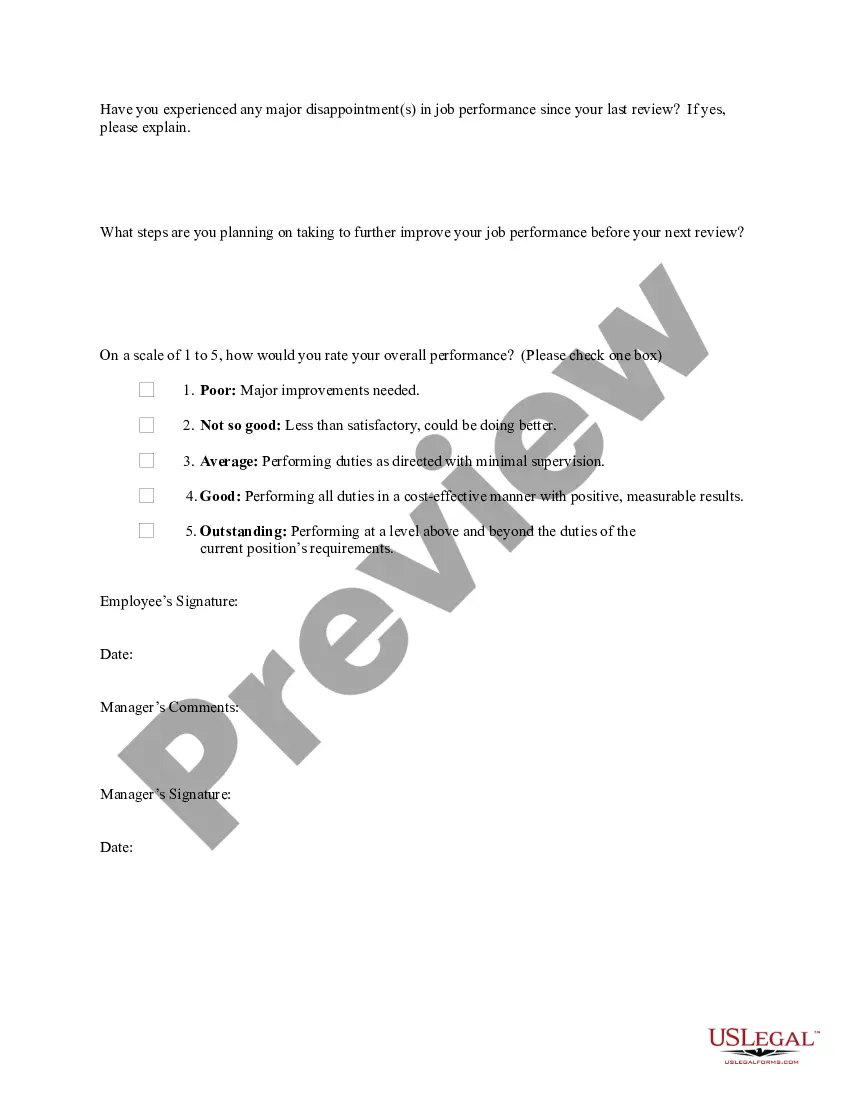
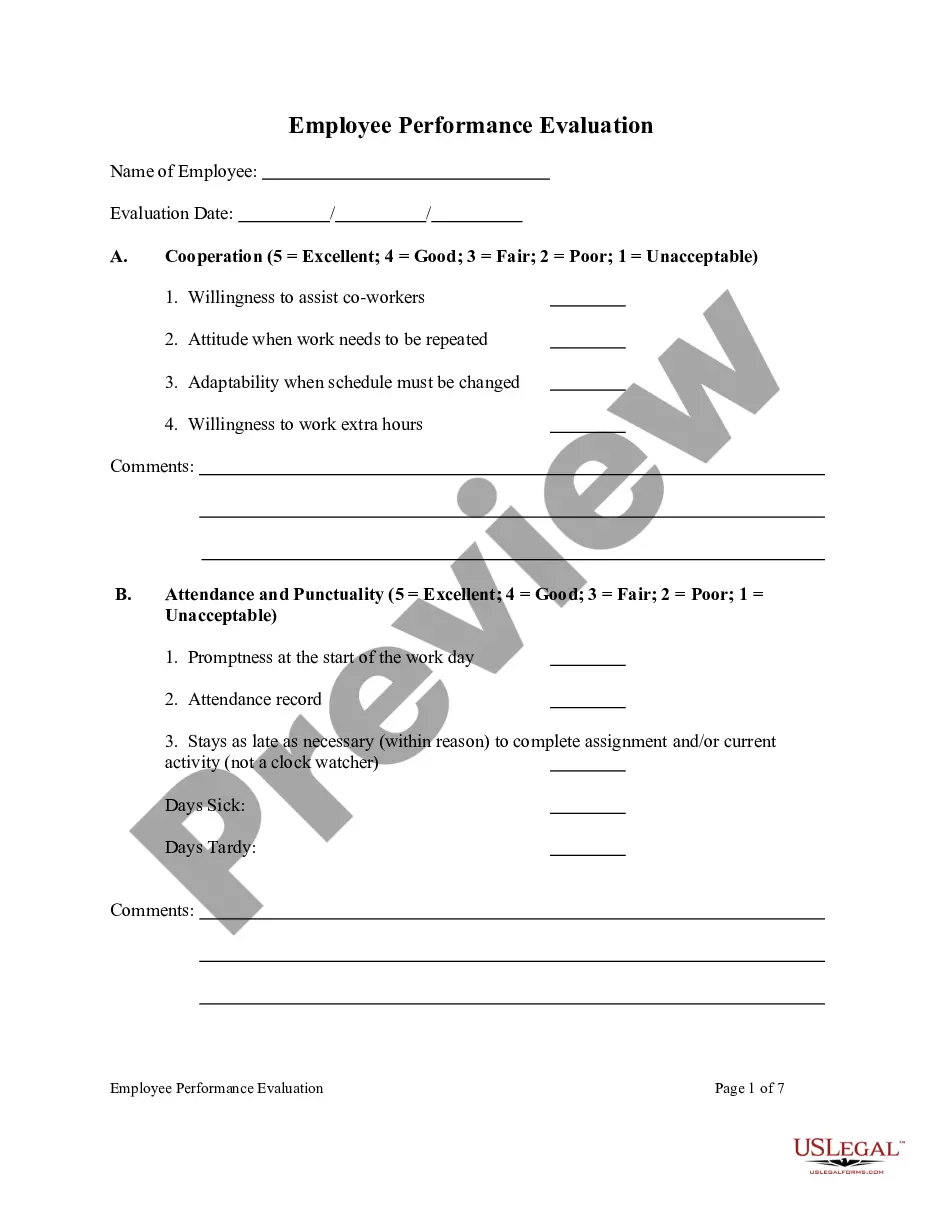
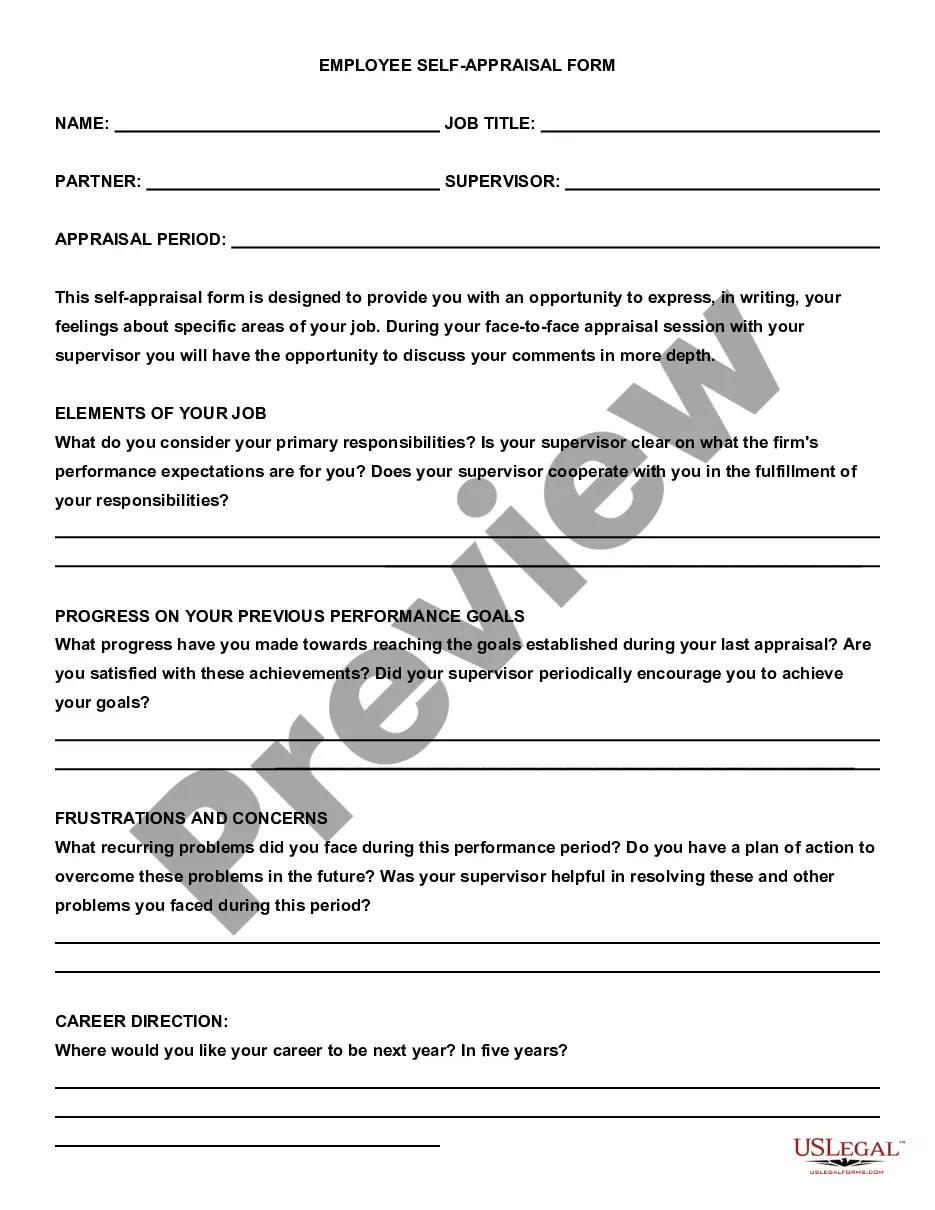
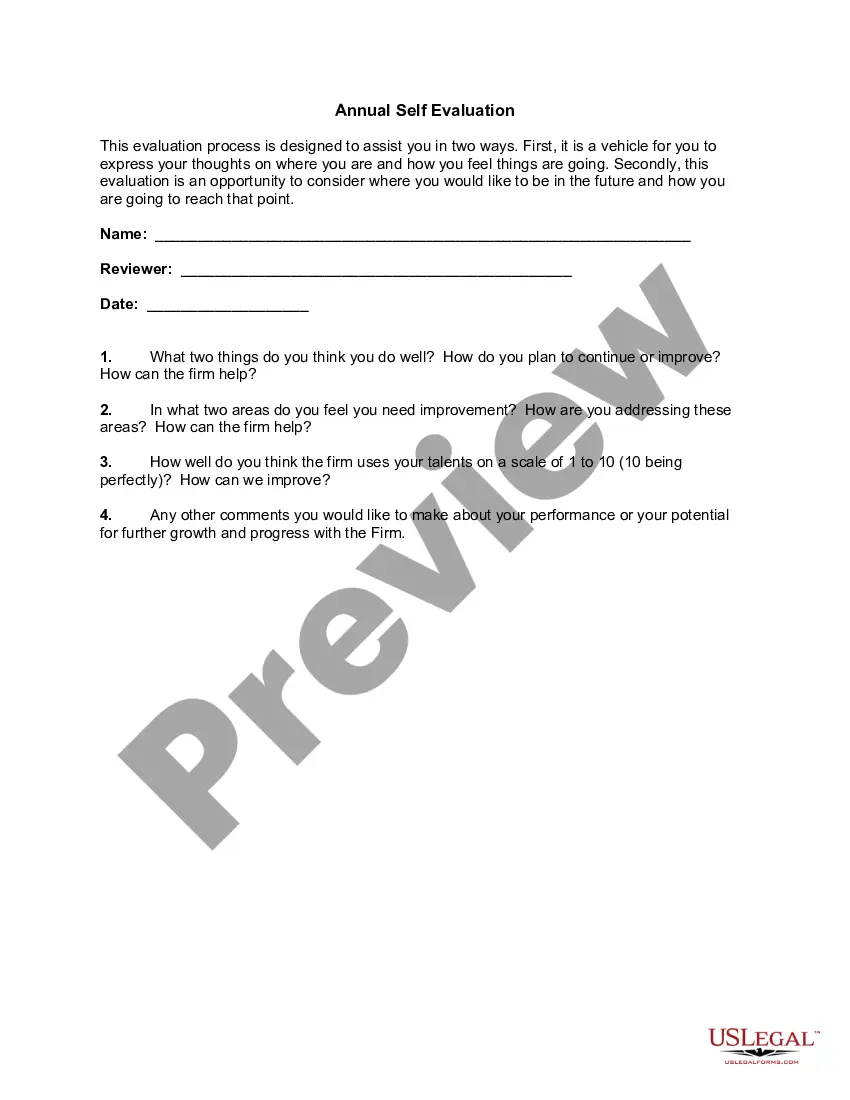
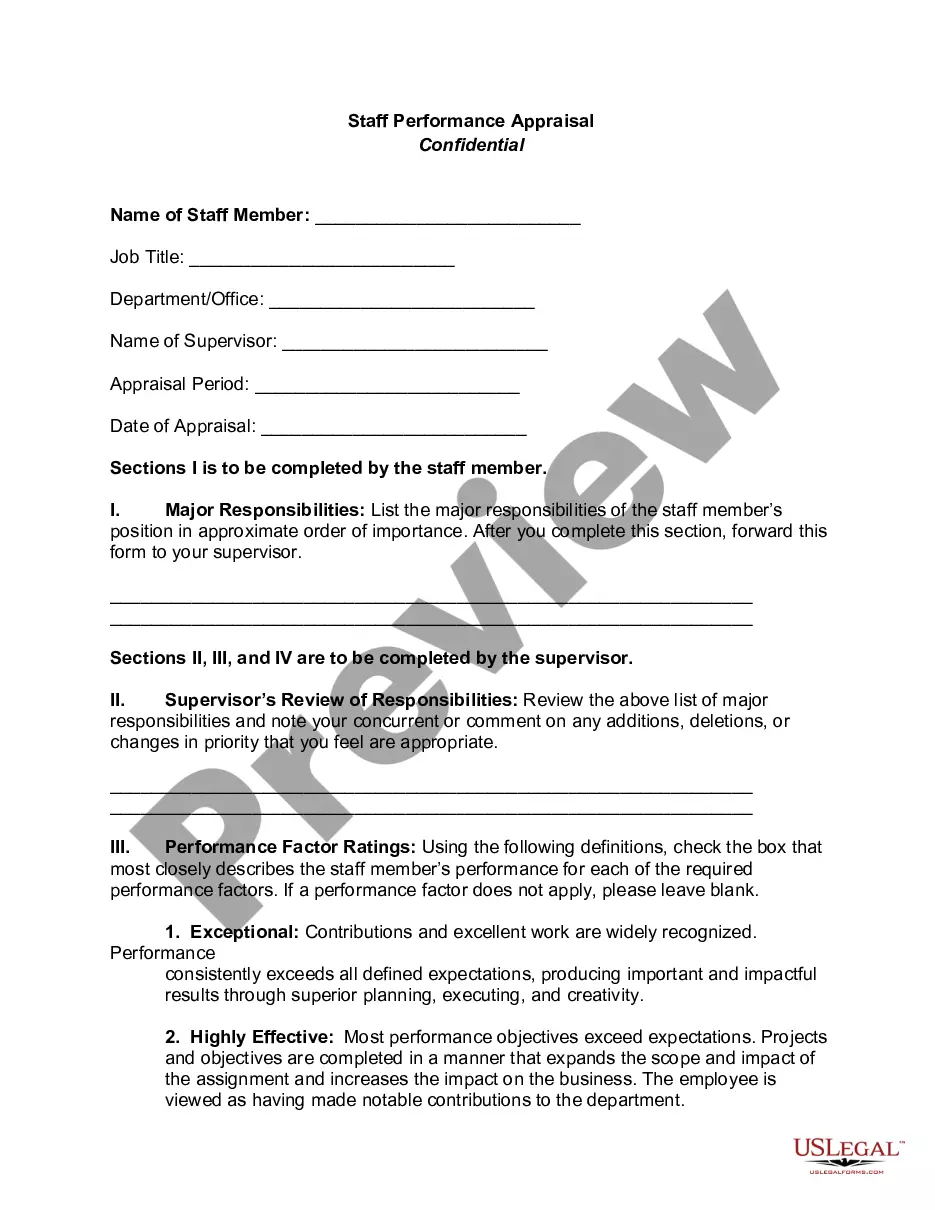
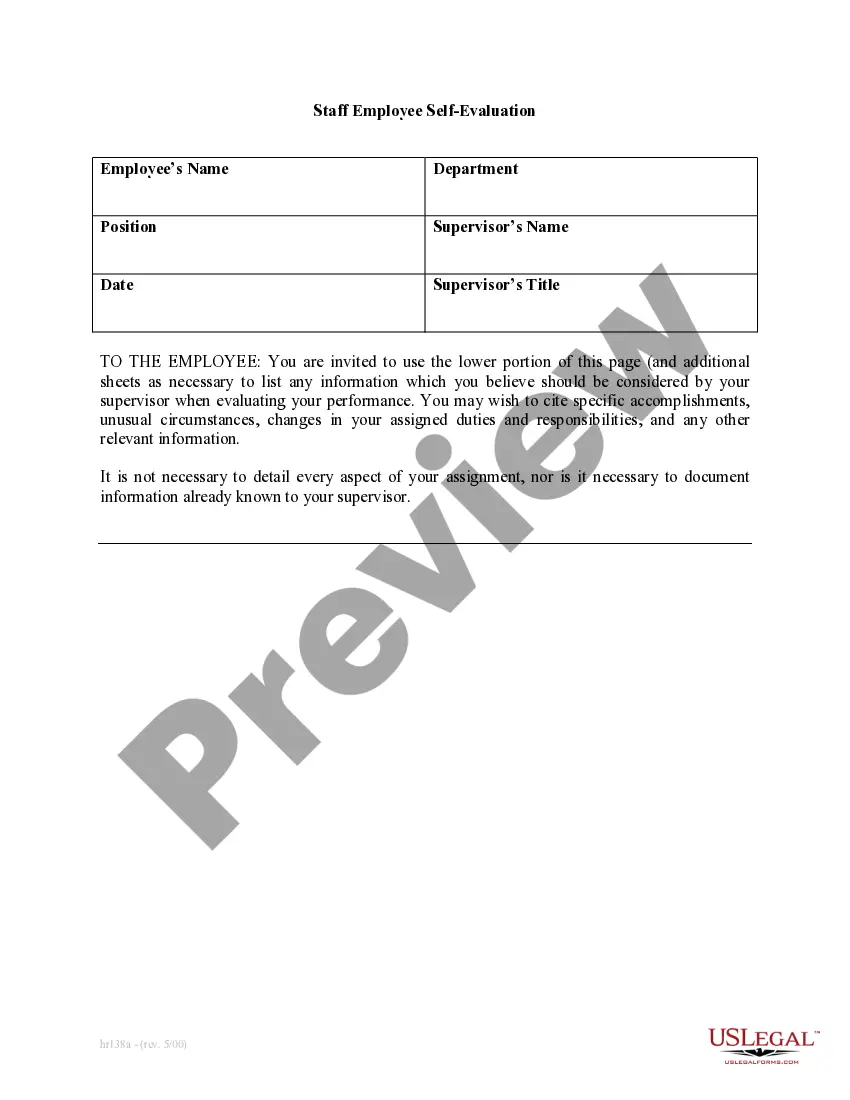
Get your form ready online
Our built-in tools help you complete, sign, share, and store your documents in one place.
Make edits, fill in missing information, and update formatting in US Legal Forms—just like you would in MS Word.
Download a copy, print it, send it by email, or mail it via USPS—whatever works best for your next step.
Sign and collect signatures with our SignNow integration. Send to multiple recipients, set reminders, and more. Go Premium to unlock E-Sign.
If this form requires notarization, complete it online through a secure video call—no need to meet a notary in person or wait for an appointment.
We protect your documents and personal data by following strict security and privacy standards.

Make edits, fill in missing information, and update formatting in US Legal Forms—just like you would in MS Word.

Download a copy, print it, send it by email, or mail it via USPS—whatever works best for your next step.

Sign and collect signatures with our SignNow integration. Send to multiple recipients, set reminders, and more. Go Premium to unlock E-Sign.

If this form requires notarization, complete it online through a secure video call—no need to meet a notary in person or wait for an appointment.

We protect your documents and personal data by following strict security and privacy standards.
Looking for another form?

How to fill out Self-Evaluation?
Are you currently in a situation where you require documents for either professional or personal reasons almost daily.
There are numerous legal document templates available online, but finding reliable ones can be challenging.
US Legal Forms offers thousands of form templates, including the Texas Self-Evaluation, which can be customized to meet state and federal regulations.
Once you find the appropriate form, click Acquire now.
Choose your desired pricing plan, fill out the necessary details to create your account, and pay for your order using PayPal or a credit card. Select a suitable file format and download your copy. Access all the document templates you have purchased from the My documents section. You can download an additional copy of the Texas Self-Evaluation at any time by clicking on the required form to download or print the document template. Utilize US Legal Forms, the most extensive collection of legal forms, to save time and avoid mistakes. The service offers professionally designed legal document templates that can be used for various purposes. Create an account on US Legal Forms and start making your life easier.
- If you are already aware of US Legal Forms website and possess an account, simply Log In.
- Then, you can download the Texas Self-Evaluation template.
- If you do not have an account and wish to start using US Legal Forms, follow these steps.
- Obtain the form you need and confirm it is for your correct area/county.
- Use the Review button to check the form.
- Read the description to ensure you have selected the correct form.
- If the form is not what you are looking for, use the Search field to find the form that suits your needs and requirements.
Form popularity
FAQ
One of the biggest mistakes in a Texas Self-Evaluation is being overly critical or too lenient about your performance. Avoid exaggerating your achievements or downplaying your weaknesses. Another common error is failing to align your goals with organizational objectives. Consistency with company values shows you are a team player.
Self-evaluation is a process of critical evaluation of one's performance, in which explicit criteria are being used to scrutinize and appraise work against a set of agreed upon standards. Self-collected performance results are offered for deliberate evaluation in conferencing or supervision meeting with an assessor.
Employers and managers benefit greatly from employee self-assessment. When an employee self-evaluates, managers are able to gain insights into how employees feel about their work and how they fit into their team. They can get a real sense of how employees view their jobs.
The T-TESS rubric consists of five performance levels that, based on evidence collected during the observation, define where practices are occurring. Performance levels are as follows: Distinguished, Accomplished, Proficient, Developing, and Improvement Needed.
Ultimately, T-TESS is a process that seeks to develop habits of continuous improvement, and the process itself best leads to that outcome when appraisers and teachers focus on evidence-based feedback and professional development decisions based on that feedback through ongoing dialogue and collaboration.
In general, in comparison to their observed skills, when people assess their skills, they tend to display a self-enhancement bias (Gosling et al., 1998) leading them to lack accuracy when judging their own competences and to overestimate themselves.
First, when making self-judgments, people lack crucial categories of information necessary to reach accurate evaluations. Second, although people receive feedback over time that could correct faulty self-assessments, this feedback is often biased, difficult to recognize, or otherwise flawed.
The T-TESS Rubric T-TESS domain and dimension rubrics include specific descriptors of practices and 5 performance levels; Distinguished, Accomplished, Proficient, Developing, and Improvement Needed.
The Texas Teacher Evaluation and Support System (T-TESS) focuses on providing continuous, timely and formative feedback to educators so they can improve their practice.
Self-evaluation research has firmly established that people are not very accurate in evaluating their own abilities or performance. In general, they tend to overestimate their capacities (Dunning et al., 2004, Mabe and West, 1982, Stone, 2000).