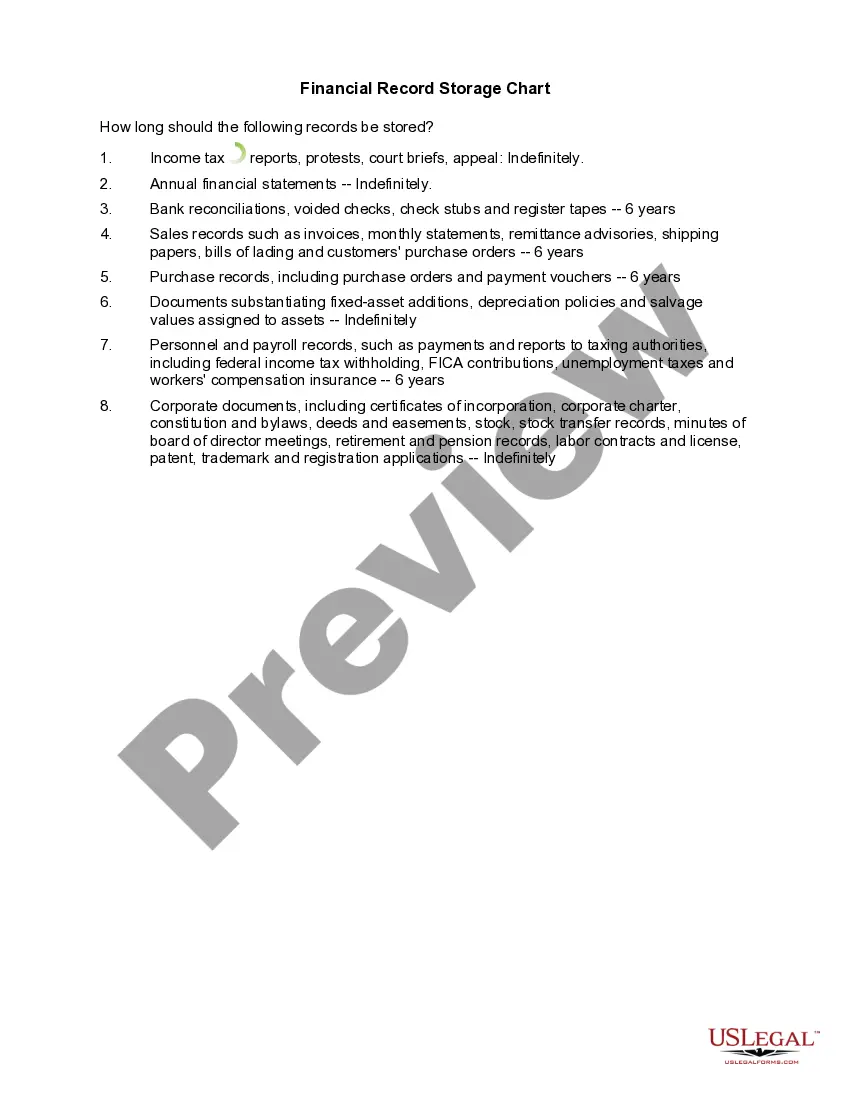
Texas Financial Record Storage Chart
Description
Get your form ready online
Our built-in tools help you complete, sign, share, and store your documents in one place.
Make edits, fill in missing information, and update formatting in US Legal Forms—just like you would in MS Word.
Download a copy, print it, send it by email, or mail it via USPS—whatever works best for your next step.
Sign and collect signatures with our SignNow integration. Send to multiple recipients, set reminders, and more. Go Premium to unlock E-Sign.
If this form requires notarization, complete it online through a secure video call—no need to meet a notary in person or wait for an appointment.
We protect your documents and personal data by following strict security and privacy standards.

Make edits, fill in missing information, and update formatting in US Legal Forms—just like you would in MS Word.

Download a copy, print it, send it by email, or mail it via USPS—whatever works best for your next step.

Sign and collect signatures with our SignNow integration. Send to multiple recipients, set reminders, and more. Go Premium to unlock E-Sign.

If this form requires notarization, complete it online through a secure video call—no need to meet a notary in person or wait for an appointment.

We protect your documents and personal data by following strict security and privacy standards.
Looking for another form?

How to fill out Financial Record Storage Chart?
US Legal Forms - one of the largest collections of legal documents in the United States - provides a variety of legal form templates that you can download or print.
By using the website, you can access thousands of forms for business and personal purposes, organized by categories, states, or keywords. You can find the latest versions of forms like the Texas Financial Record Storage Chart in just minutes.
If you have a monthly subscription, Log In and download the Texas Financial Record Storage Chart from the US Legal Forms library. The Download option will be visible on every form you view. You have access to all previously downloaded forms from the My documents section of your account.
Select the format and download the form to your device.
Make modifications. Complete, edit, print, and sign the downloaded Texas Financial Record Storage Chart. Each template you added to your account has no expiration date and belongs to you indefinitely. So, if you wish to download or print another copy, simply go to the My documents section and click on the form you need.
- Ensure you have chosen the correct form for your city/region. Select the Preview option to examine the content of the form.
- Review the form description to make sure you have selected the right one.
- If the form doesn't meet your needs, use the Search field at the top of the screen to find one that does.
- If you are satisfied with the form, confirm your choice by clicking the Download now button.
- Then, select your preferred payment plan and provide your details to register for an account.
- Process the payment. Use a credit card or PayPal account to complete the transaction.
Form popularity
FAQ
The IRS does not automatically destroy tax records after seven years. Instead, they recommend retaining tax documents for seven years in case of audits or reviews. Following the Texas Financial Record Storage Chart helps you manage these documents effectively. By keeping these records organized, you are better equipped to respond to any queries from the IRS.
Records that typically need to be kept for seven years include income tax returns, W-2 forms, and other tax-related documents. These records support your financial history and are valuable in case of audits. Utilizing the Texas Financial Record Storage Chart can assist you in identifying additional documents that fall under this retention period. This ensures you're fully prepared for any inquiries regarding your finances.
A 7 year retention policy is a strategy that determines how long various records should be stored, especially for financial and legal purposes. This policy is essential for businesses and individuals to maintain compliance and organization. The Texas Financial Record Storage Chart outlines this policy, helping you to understand which documents require long-term storage. Implementing such policies enhances your record-keeping efficiency.
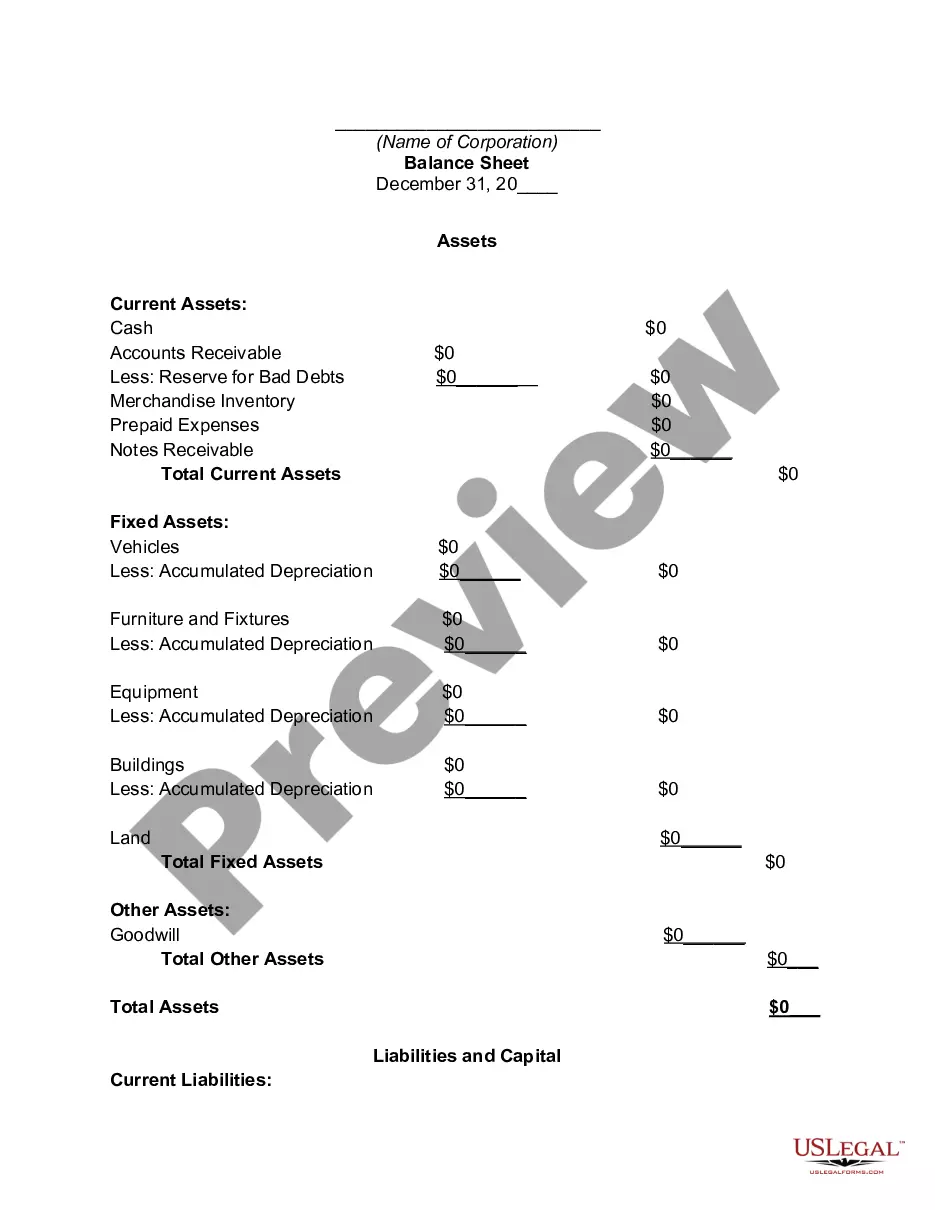
Personal records that typically need to be kept for seven years include tax returns, bank statements, and documents related to property ownership. Keeping these records is crucial for accurate financial history and tax audits. By following the Texas Financial Record Storage Chart, you can effectively manage these important documents. This proactive approach protects you against potential issues in the future.
A retention schedule outlines how long various types of records should be kept and when they can be disposed of. It provides specific timeframes for different categories of documents, ensuring compliance with legal and regulatory standards. By incorporating the Texas Financial Record Storage Chart into your processes, you can easily follow these guidelines. This helps to mitigate risks associated with record retention.
The Texas Commission on Environmental Quality (TCEQ) requires that specific records be retained for a duration of at least three years. However, certain documents, such as hazardous waste manifests, must be kept for longer, depending on the type of record. Utilizing the Texas Financial Record Storage Chart can provide clarity on how long to retain each type of document. This ensures that you meet state regulations and maintain a well-organized record-keeping system.
The 7 year retention rule is a guideline that suggests keeping certain documents and records for a minimum of seven years. This rule primarily applies to financial records, tax documents, and legal agreements. By adhering to the Texas Financial Record Storage Chart, you ensure compliance with state and federal requirements. Maintaining these records helps you in case of audits or disputes.
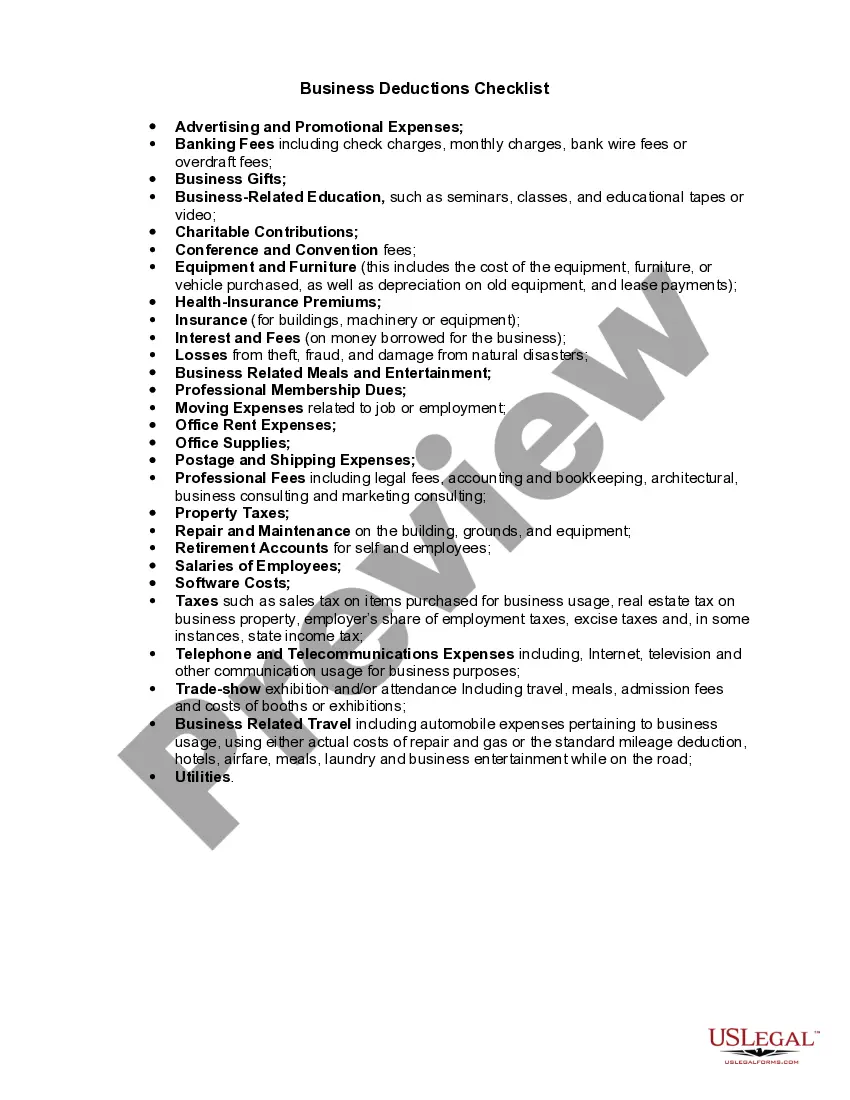
Business records such as tax documents, accounting records, and contracts should typically be kept for seven years. This duration helps protect your business in case of litigation or audits. By consulting the Texas Financial Record Storage Chart, you gain insight into the specific types of business records that require this retention period, making compliance easier.
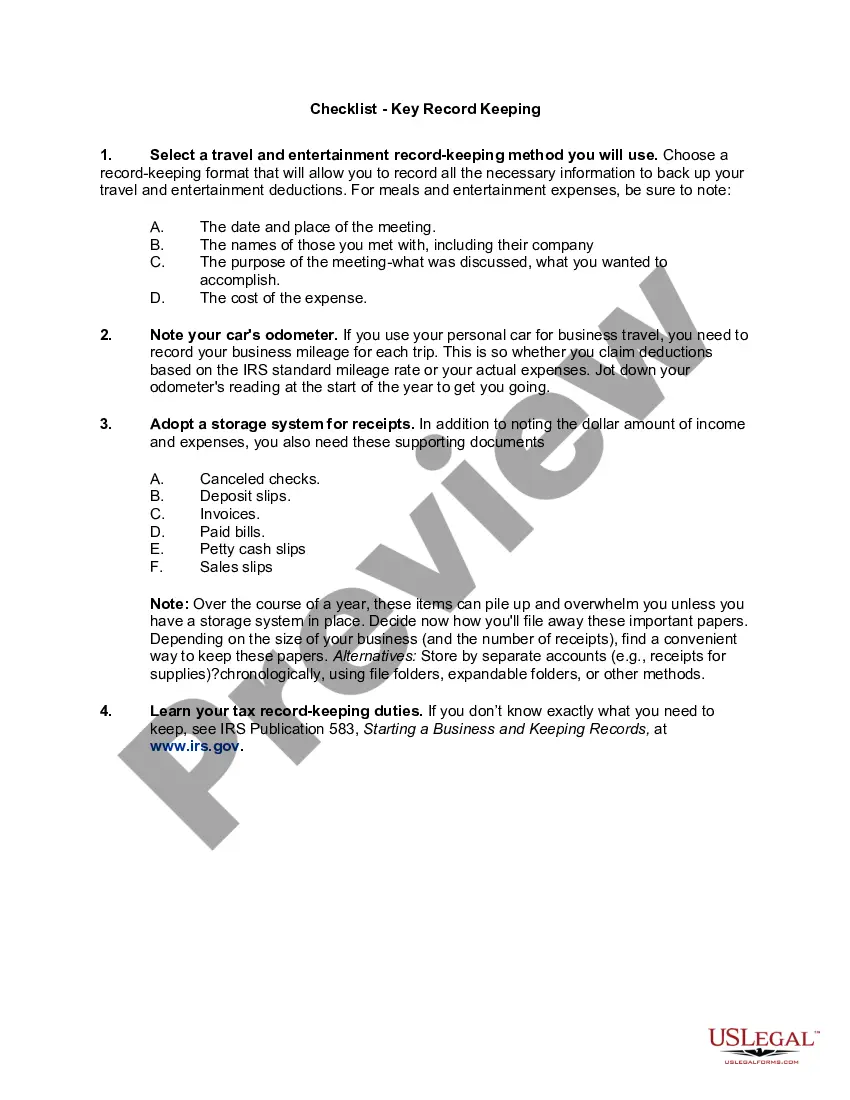
You should keep records such as tax returns, supporting documentation, and certain business records for at least seven years. This timeframe is recommended to cover any audits or disputes that may arise. Refer to the Texas Financial Record Storage Chart for a comprehensive list of documents that fall into this category, ensuring you are compliant with storage requirements.
In Texas, you should maintain employee files for a minimum of four years after termination. This timeline helps ensure compliance with federal and state employment laws. The Texas Financial Record Storage Chart can provide more specific retention guidelines based on the type of employee records you keep, ensuring you remain compliant.