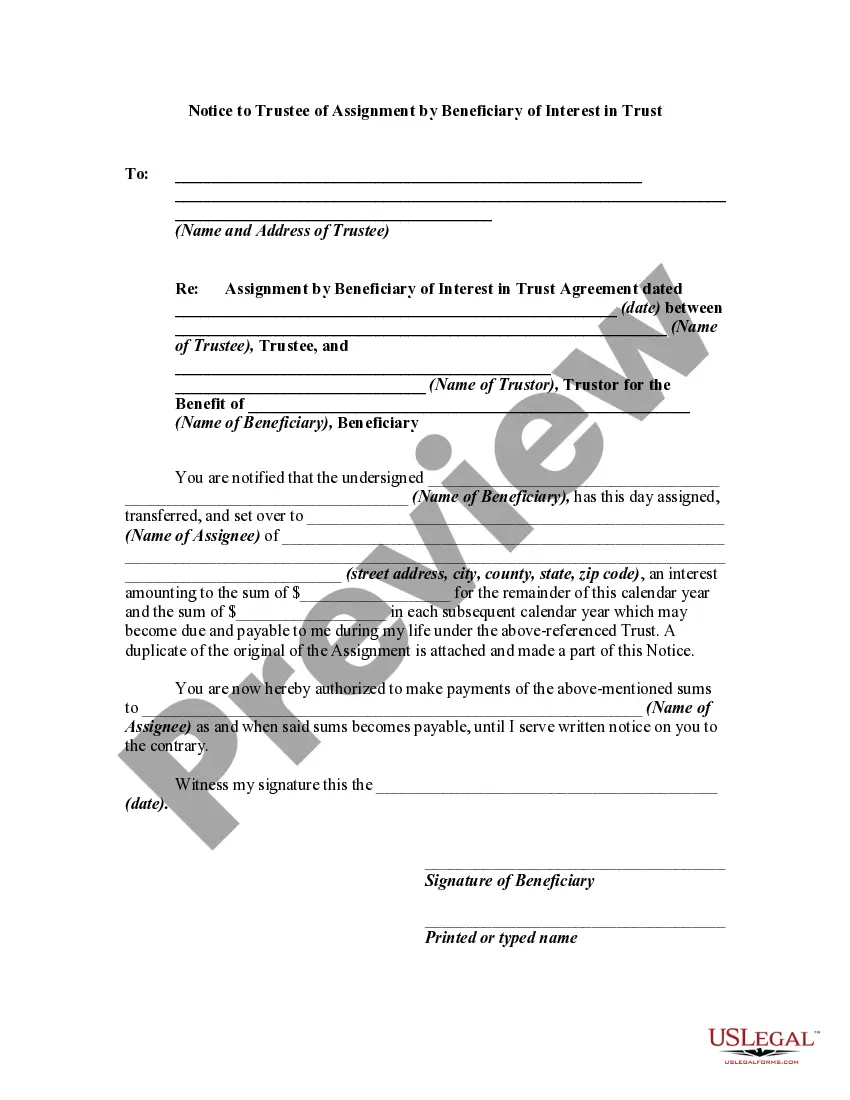
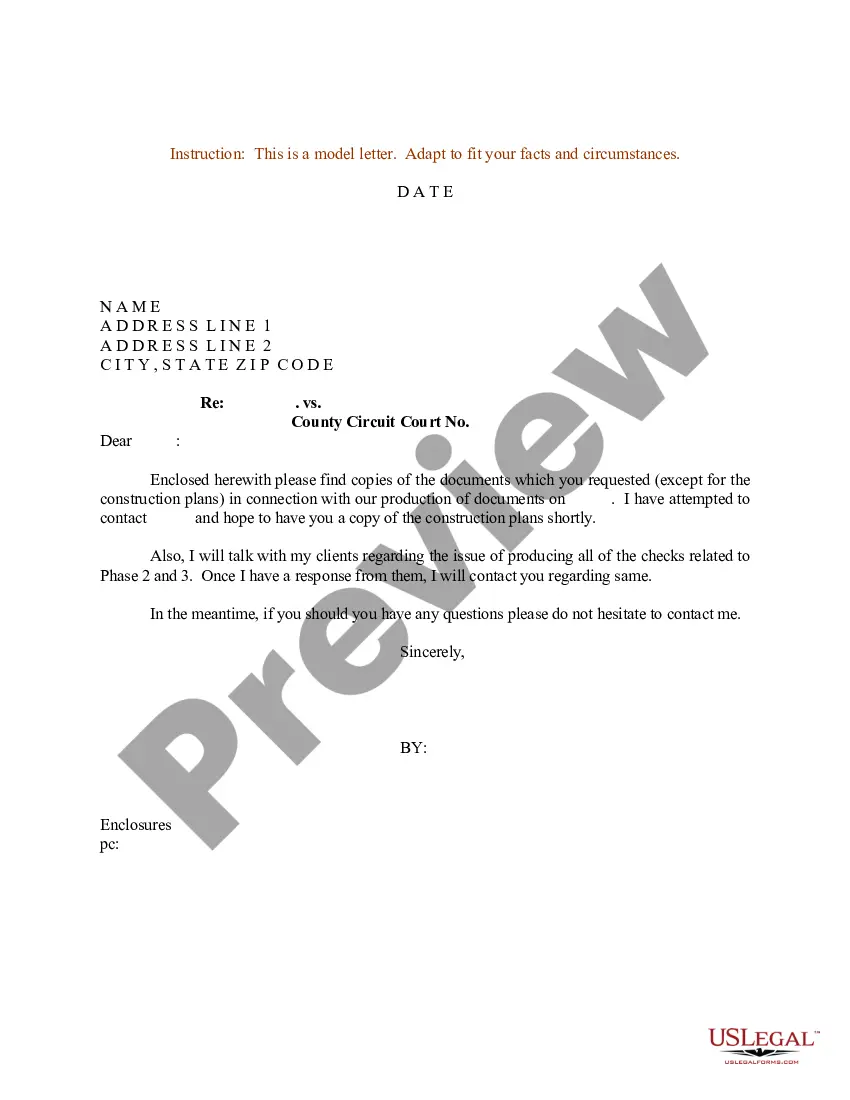
Texas Sample Letter for Production of Documents
Description
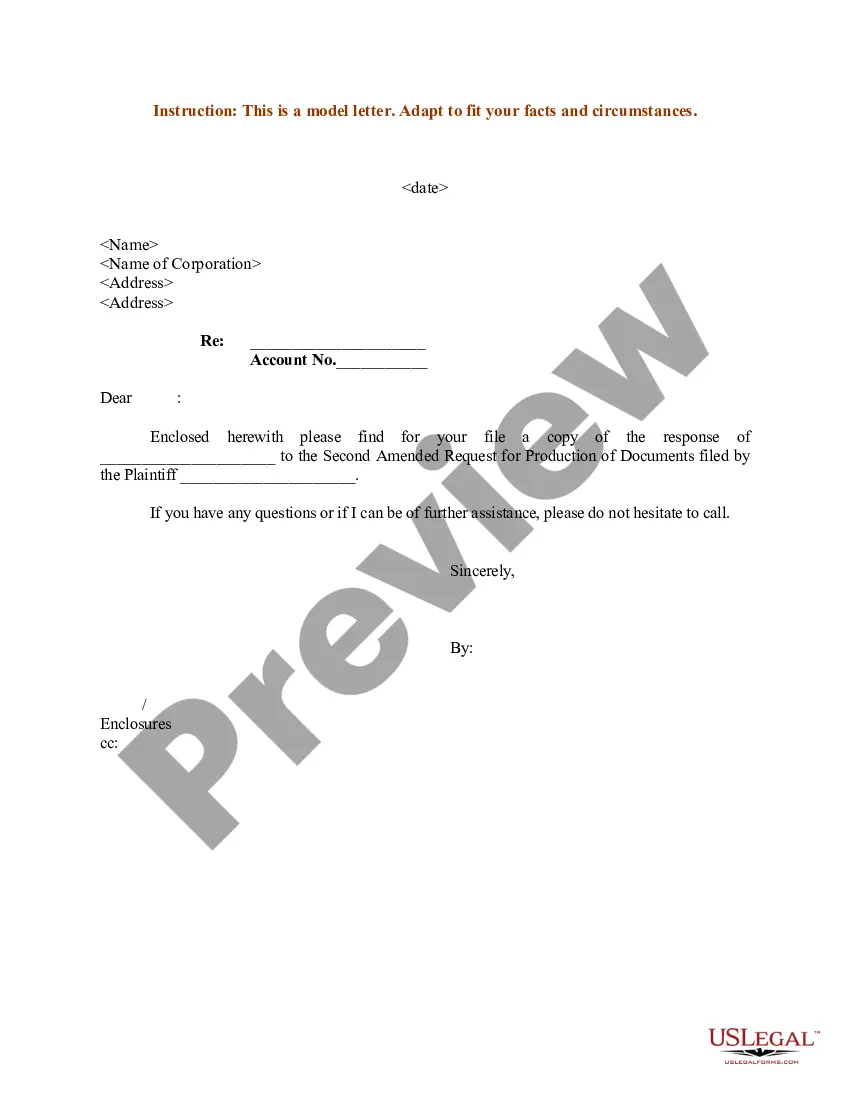
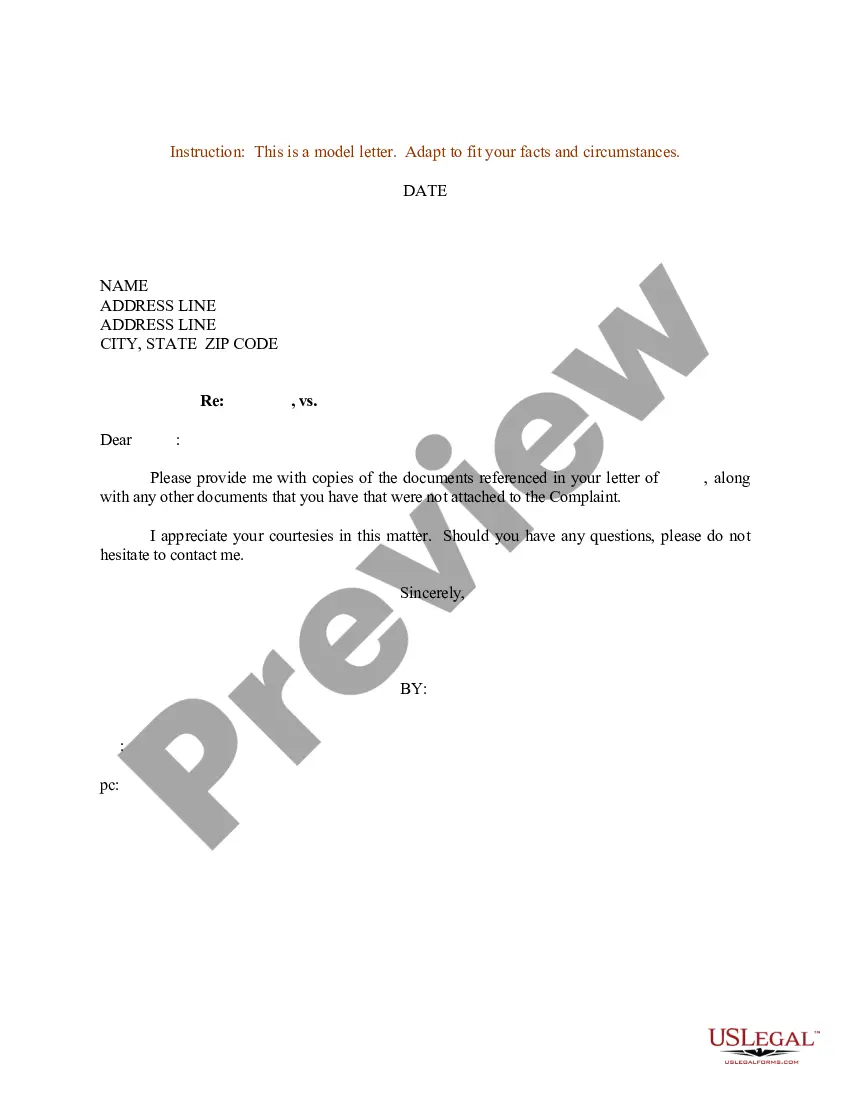
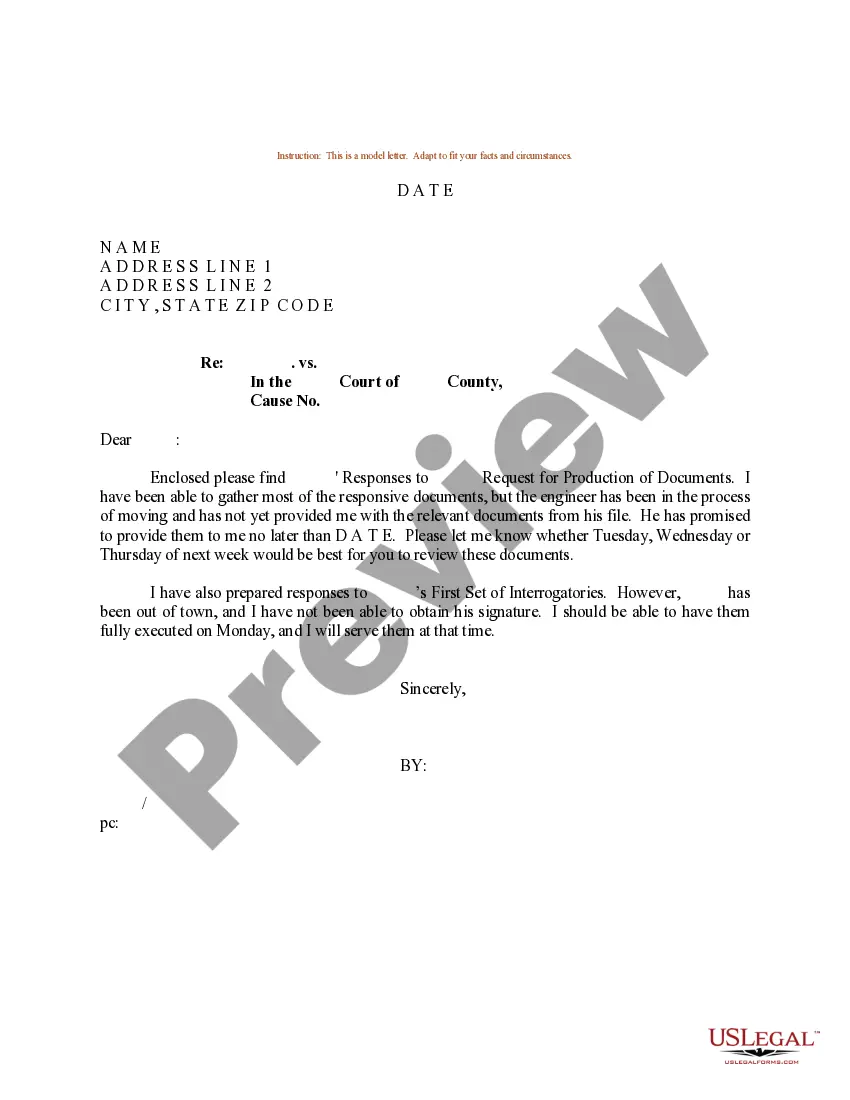
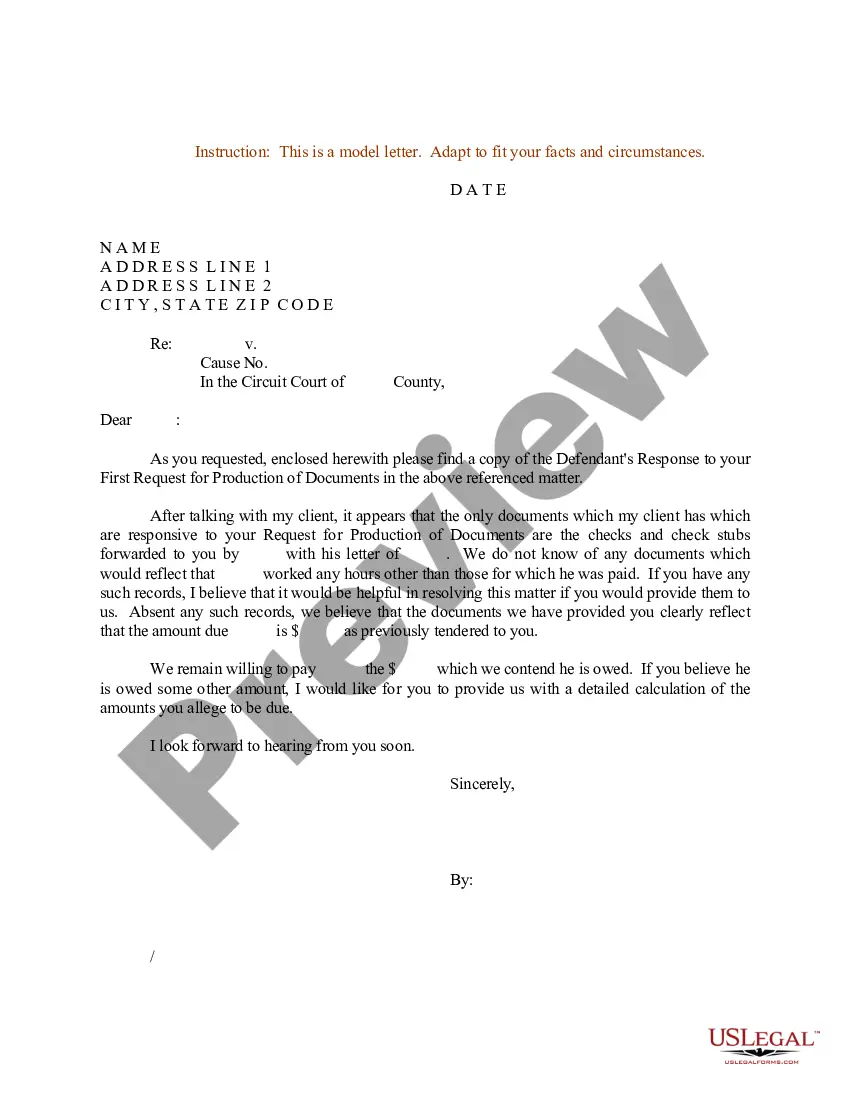
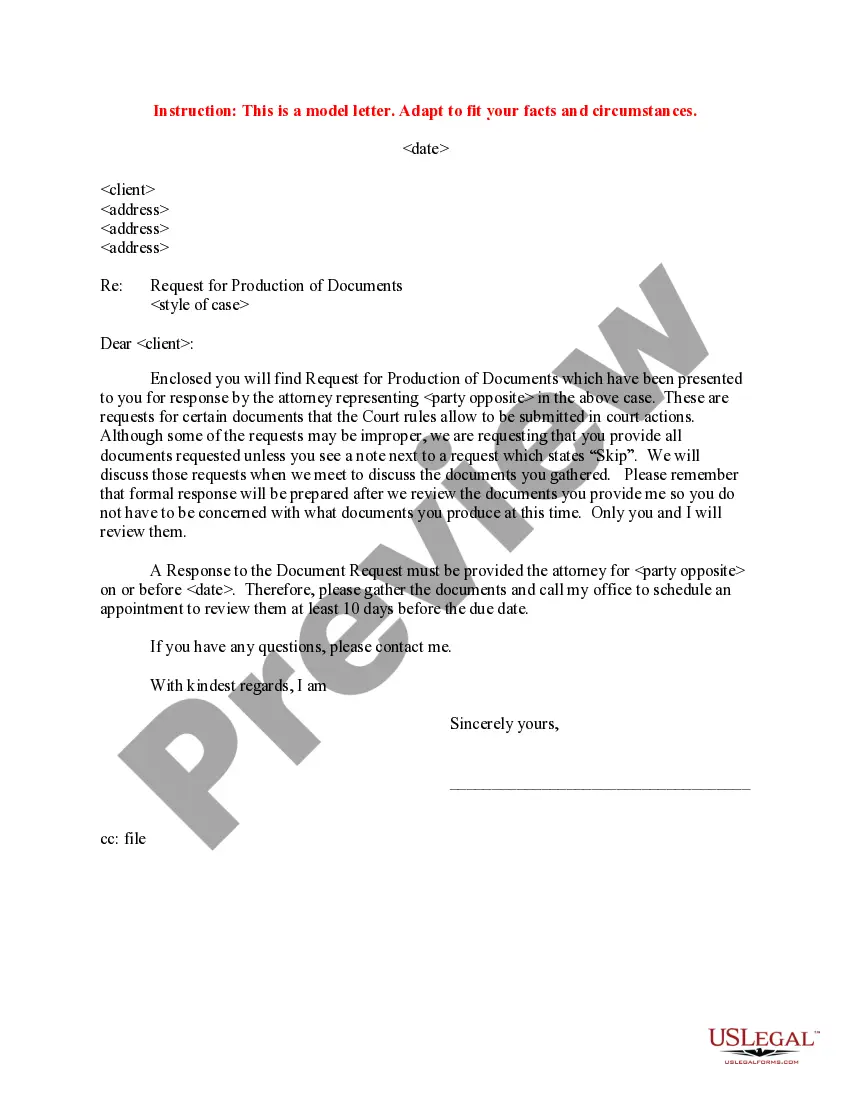

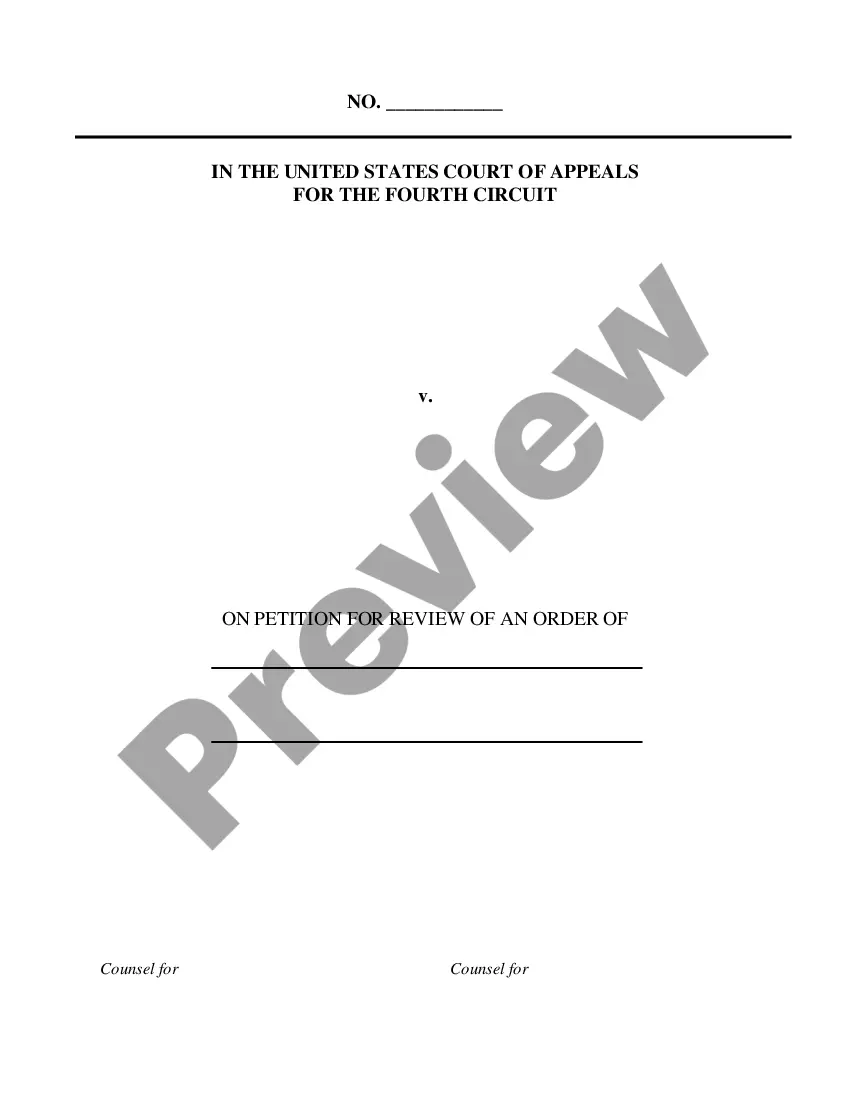




How to fill out Sample Letter For Production Of Documents?
Choosing the right legal file design can be quite a struggle. Naturally, there are tons of web templates available on the Internet, but how would you discover the legal type you need? Make use of the US Legal Forms site. The service gives a large number of web templates, for example the Texas Sample Letter for Production of Documents, which can be used for company and personal requires. Every one of the forms are inspected by pros and satisfy state and federal needs.
If you are previously listed, log in to your bank account and then click the Acquire option to find the Texas Sample Letter for Production of Documents. Make use of your bank account to check through the legal forms you may have acquired earlier. Check out the My Forms tab of your respective bank account and have another copy of your file you need.
If you are a new end user of US Legal Forms, listed below are basic instructions so that you can comply with:
- First, make certain you have selected the proper type for the city/area. You can check out the form using the Review option and look at the form information to make sure this is the best for you.
- In case the type will not satisfy your preferences, take advantage of the Seach field to obtain the correct type.
- Once you are positive that the form is suitable, select the Buy now option to find the type.
- Choose the prices program you would like and type in the needed info. Create your bank account and purchase your order using your PayPal bank account or charge card.
- Choose the file formatting and download the legal file design to your product.
- Total, change and printing and indication the obtained Texas Sample Letter for Production of Documents.
US Legal Forms may be the largest catalogue of legal forms where you can discover various file web templates. Make use of the service to download appropriately-manufactured files that comply with status needs.
Form popularity
FAQ
The three forms of discovery are: Written - This form of discovery takes place on paper. ... Document Production - This form of discovery involves an exchange of documents. ... Oral - Sometimes known as depositions, this form of discovery allows parties to gain sworn statements from involved individuals.
Discovery means you send the other side questions and requests for information or items (like documents) in writing. The other side must respond to your question or request in writing.
A Motion for Discovery must be in writing, signed by the Defendant, and filed with the Municipal Court Clerk at least two (2) weeks prior to your trial setting. The Motion for Discovery must be signed by the Defendant, and it must include your name, mailing address, email address, and phone number.
Discovery is how you gather the evidence you will need to prove your case as plaintiff, or defeat the plaintiff's case as a defendant. You use discovery to find out things like: What the other side plans to say about an issue in your case. What facts or witnesses support their side.
Examination for Discovery involve lawyers from one side asking individuals from the opposing side a series of questions. Usually, there will be one opportunity to examine an individual, unless the court provides permission for the lawyer to examine that individual multiple times.
The process of delivering, or making available for review, documents produced during litigation or in response to a request for documents from a regulatory or other body. Discoverable documents in litigation may include both paper (hard copy) documents and electronically stored information (ESI).
Discovery is the formal process by which the parties to a case in court exchange information about the case. This includes information about the witnesses and evidence to be presented at trial. Its purpose is to make the parties aware of the evidence which may be presented at trial.
A request for production is a legal request for documents, electronically stored information, or other tangible items made in the course of litigation.