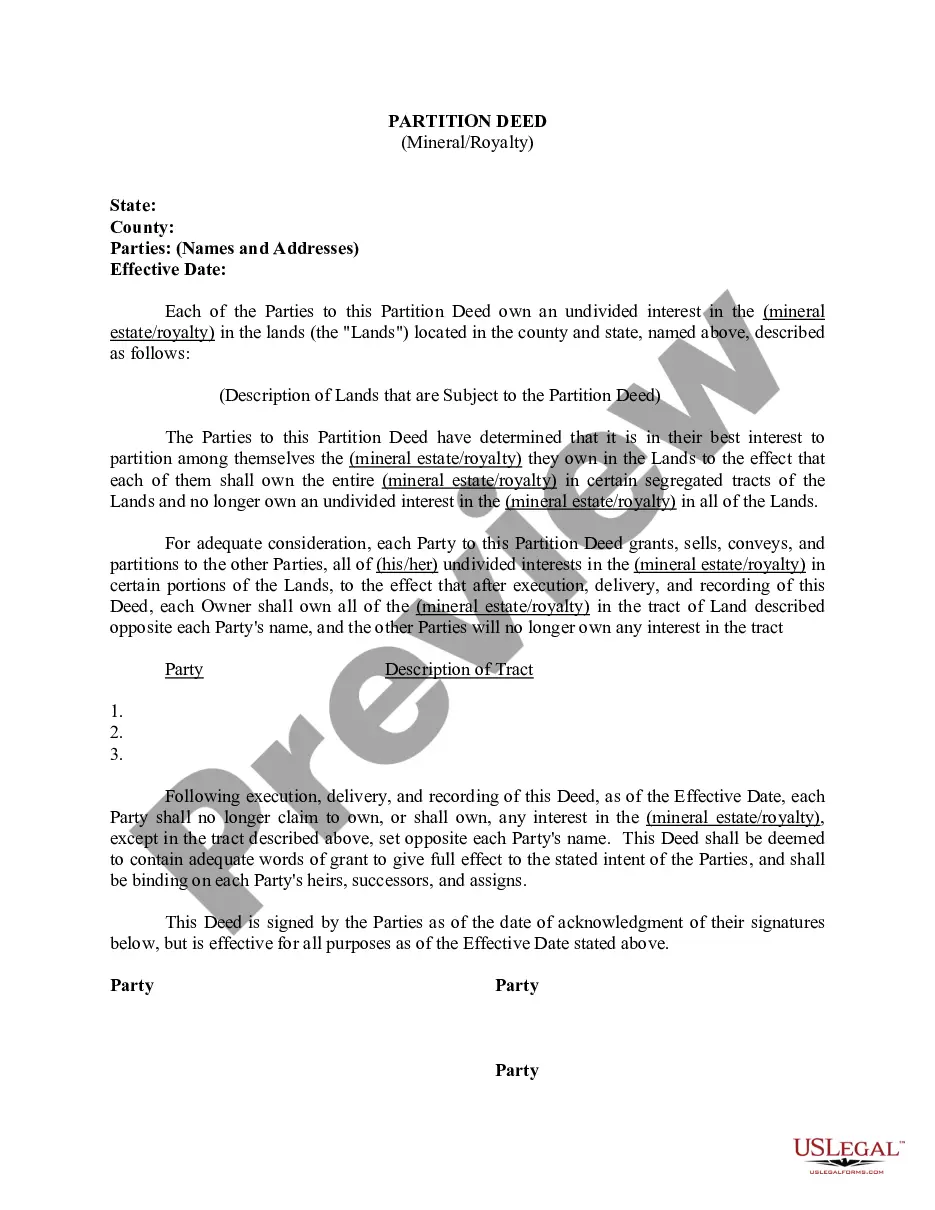
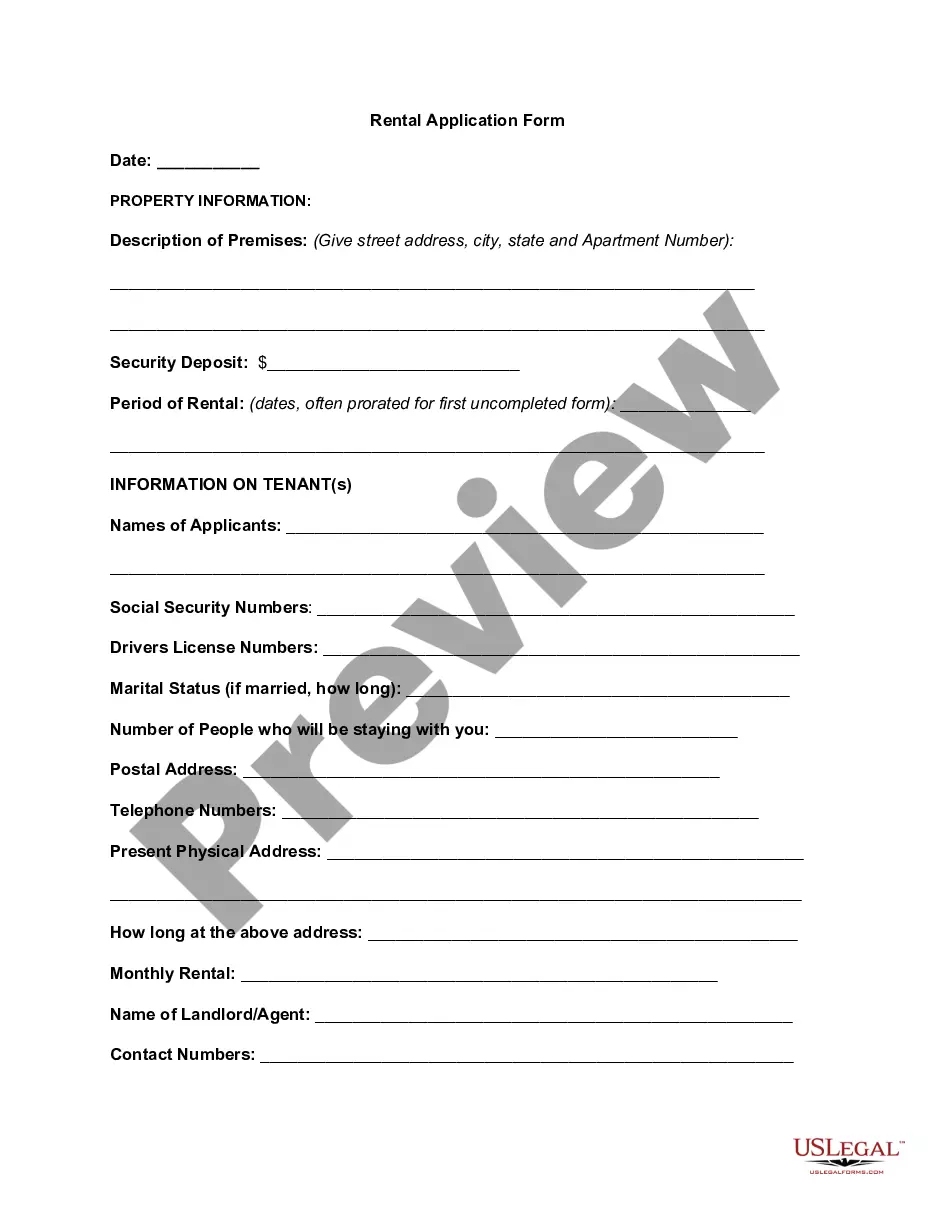
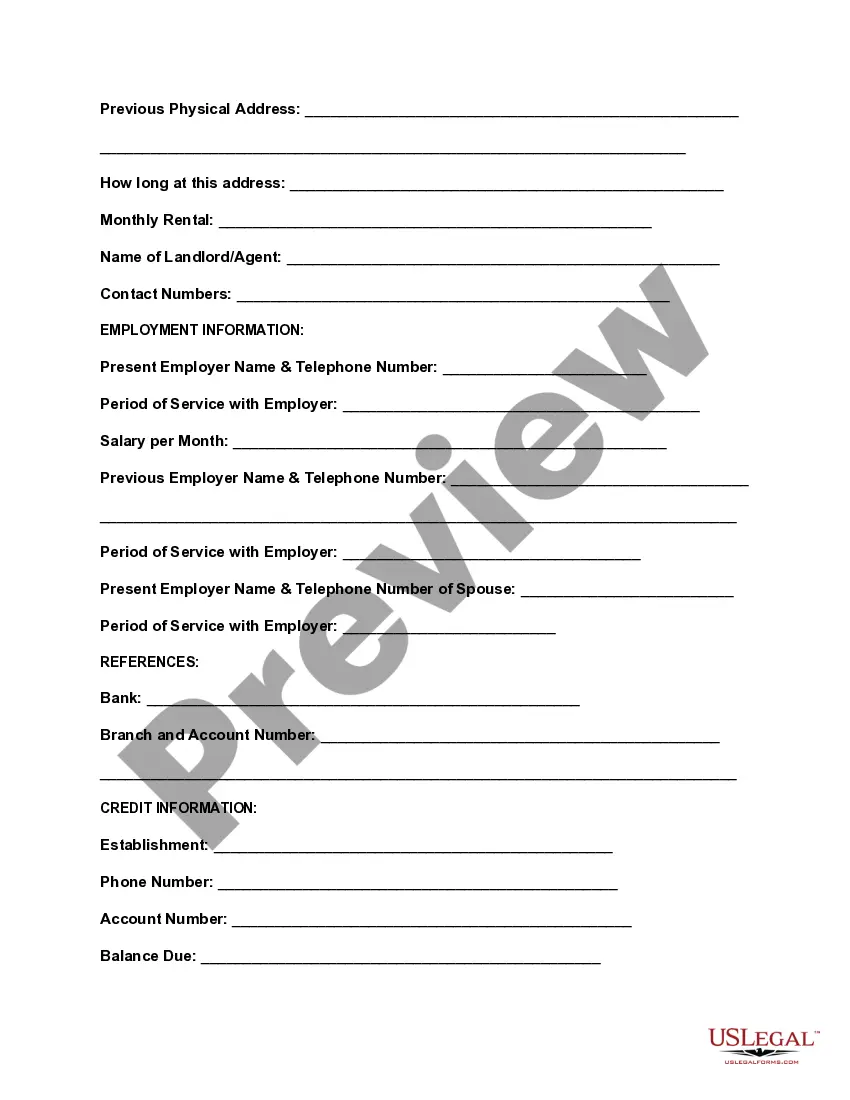
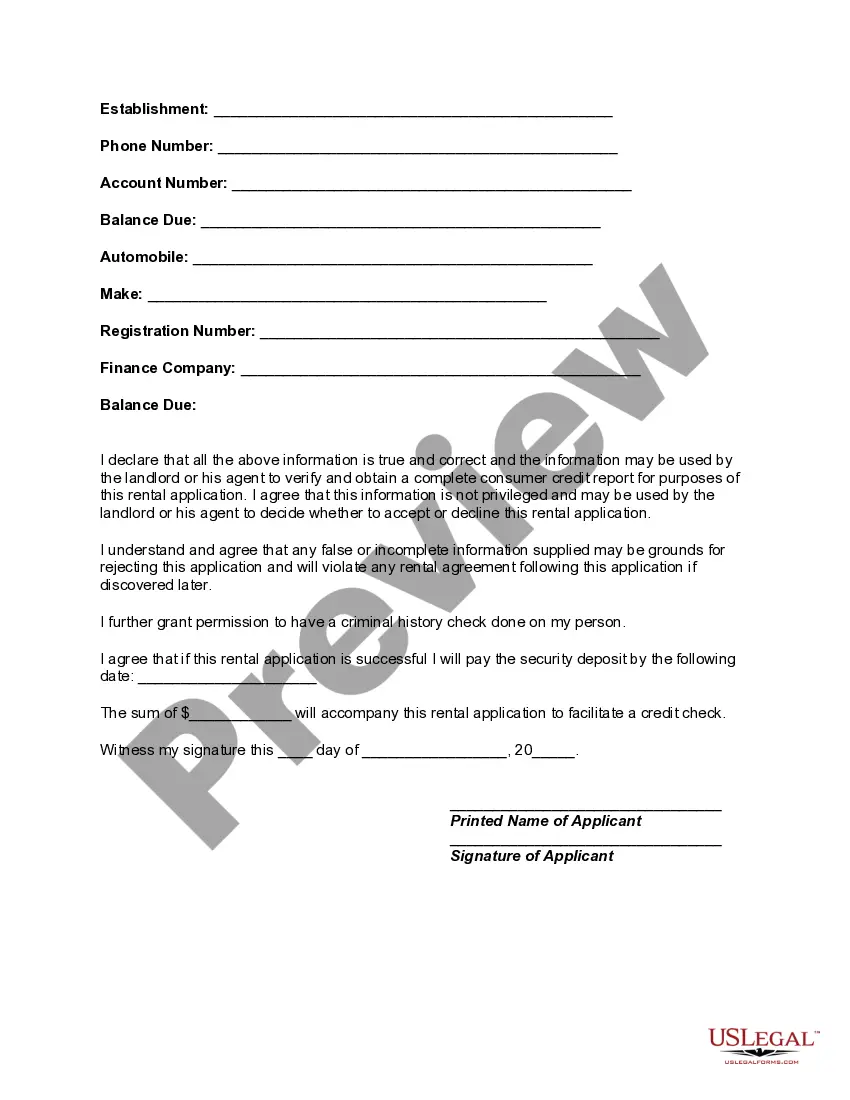
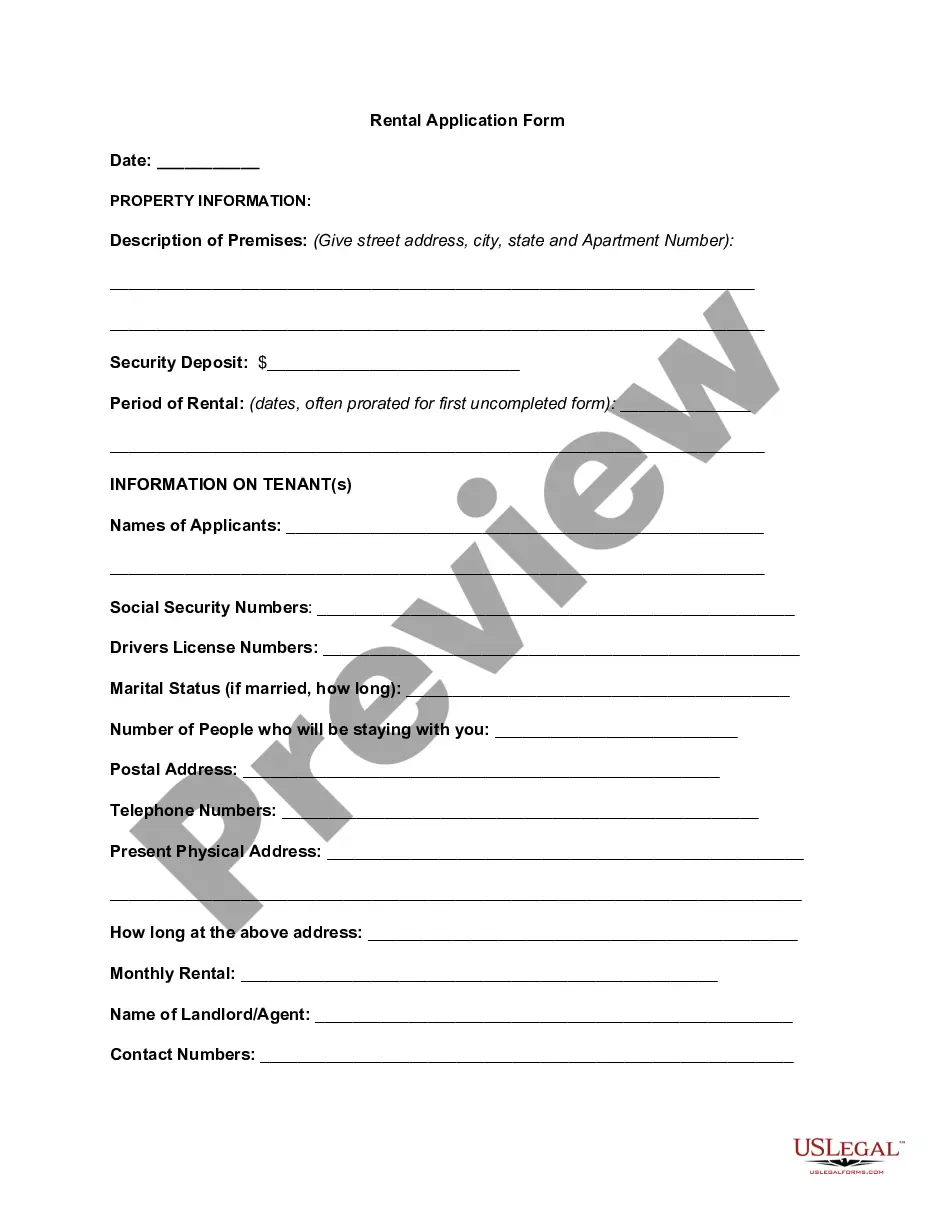
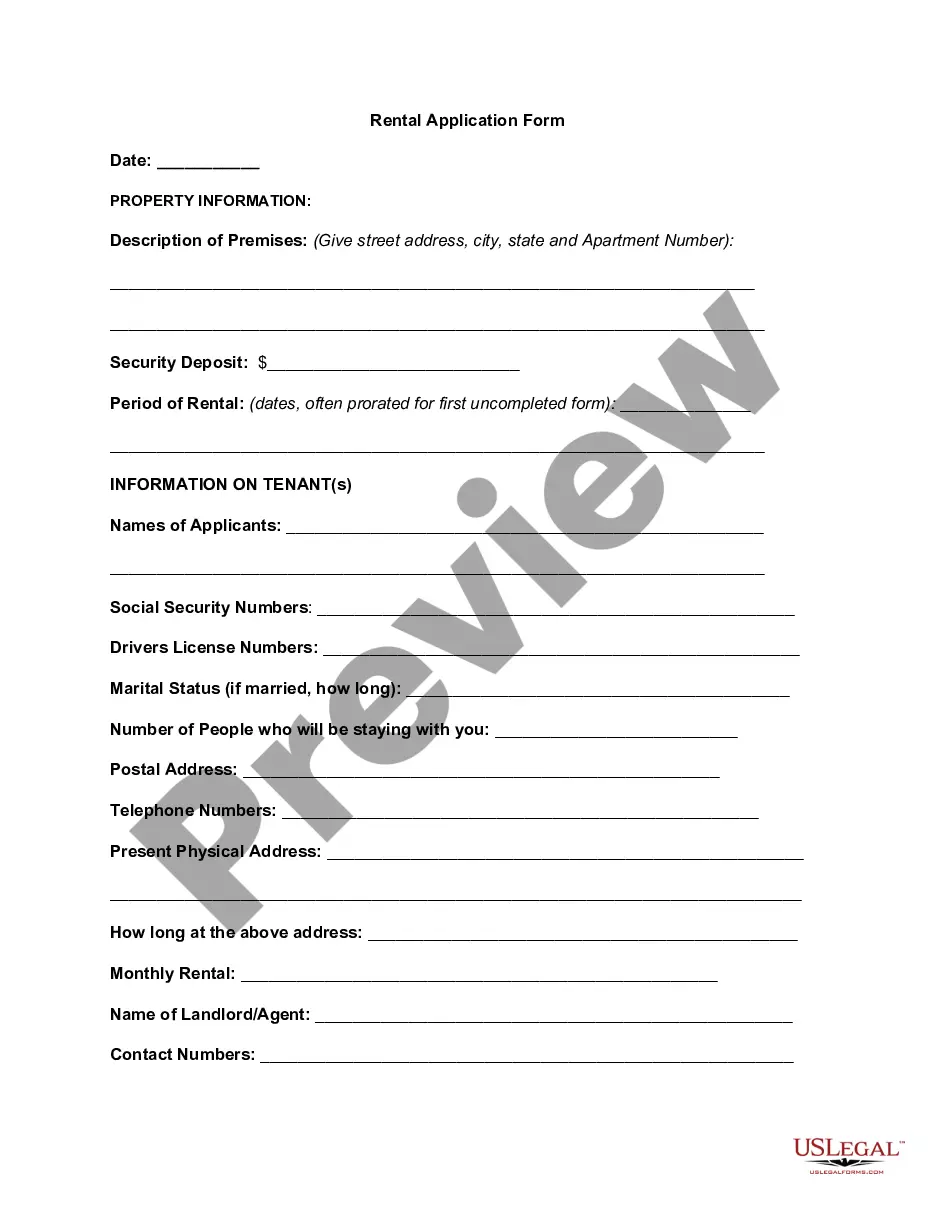
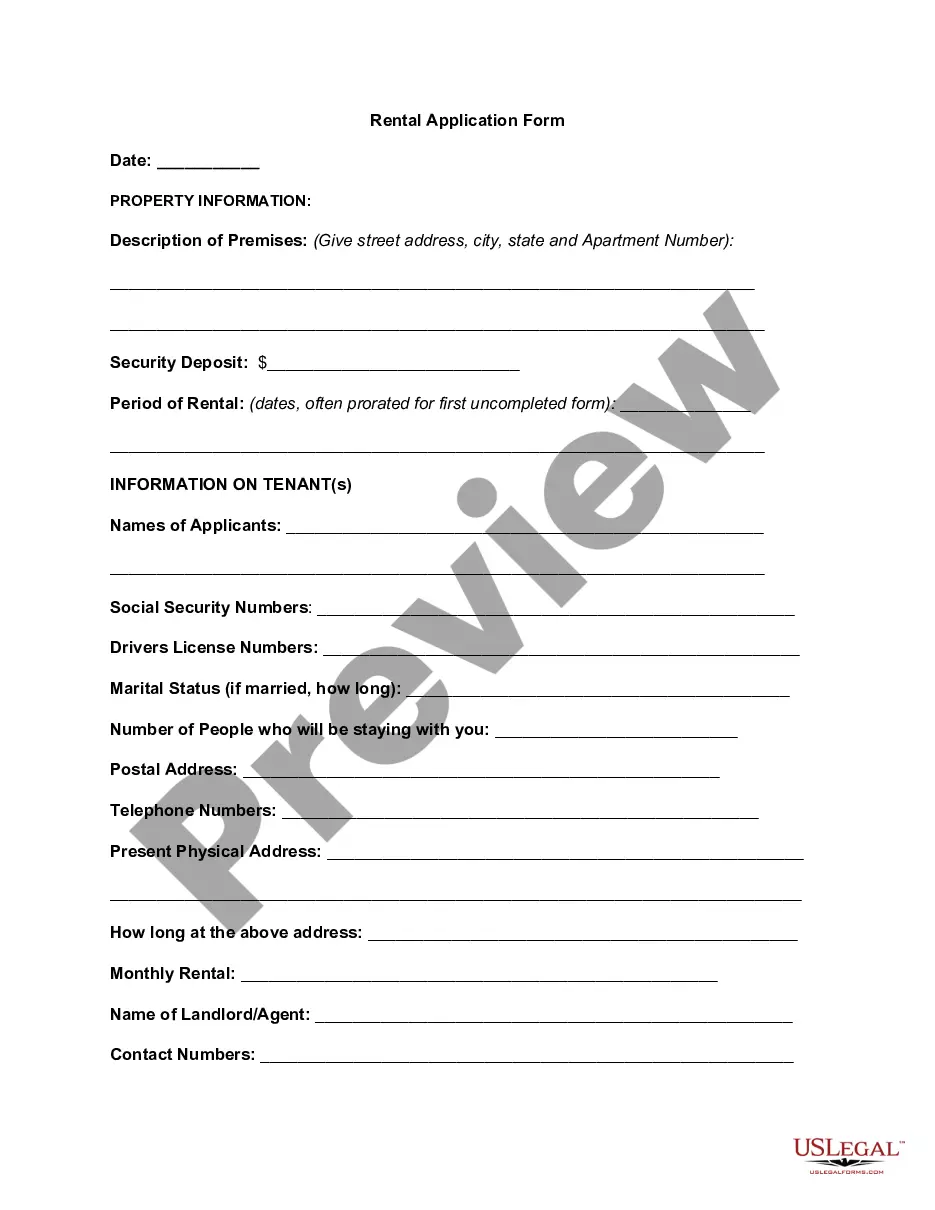
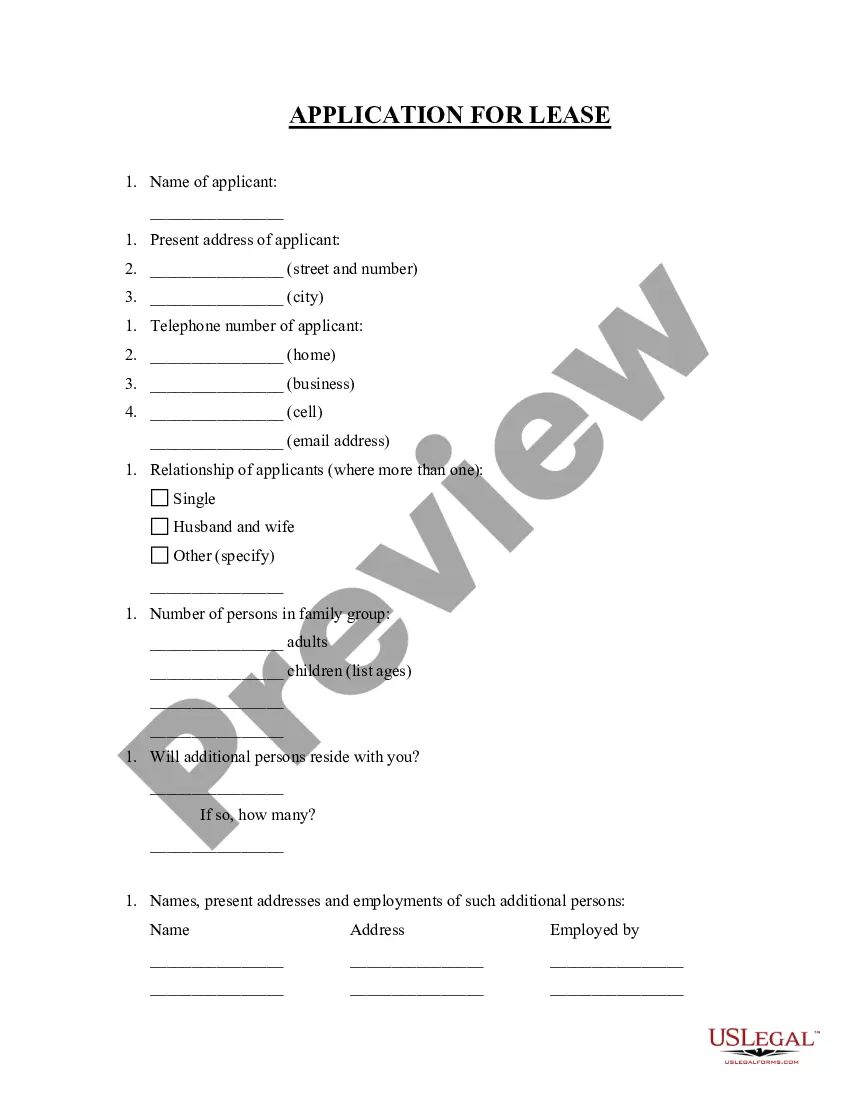
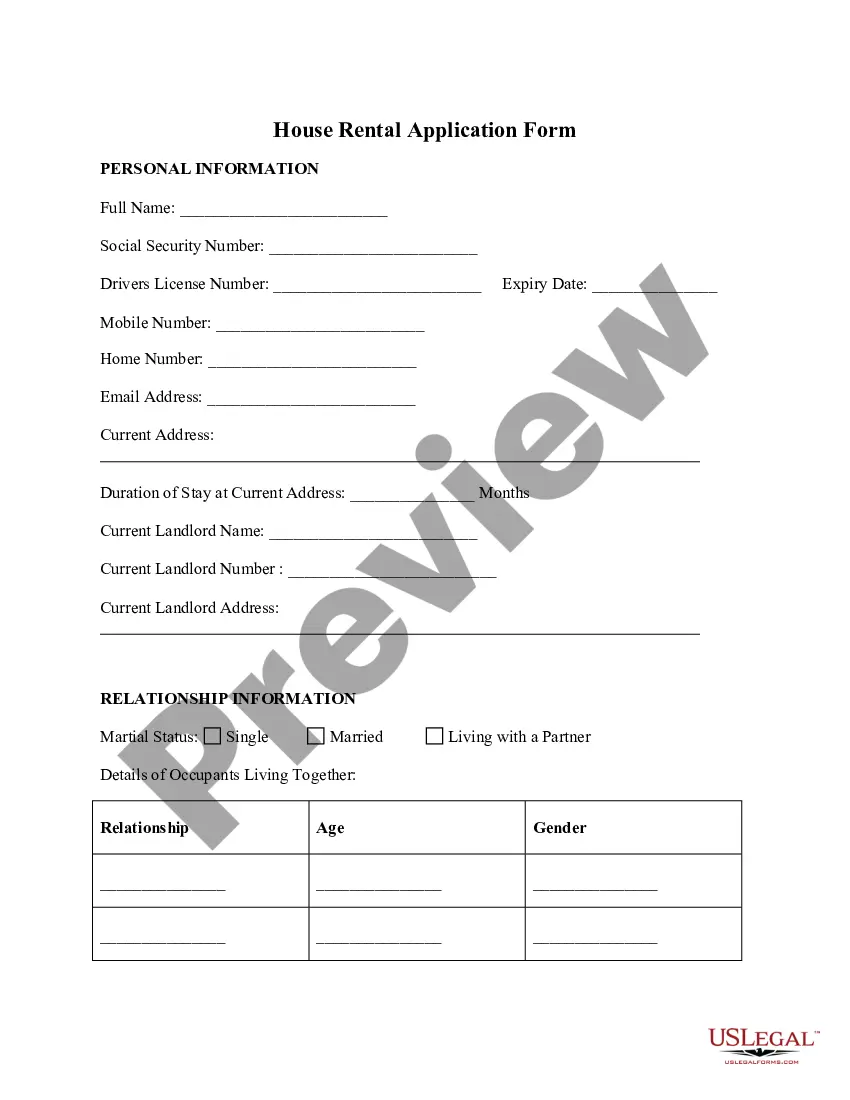
Texas Rental Application for Tenant
Description
Get your form ready online
Our built-in tools help you complete, sign, share, and store your documents in one place.
Make edits, fill in missing information, and update formatting in US Legal Forms—just like you would in MS Word.
Download a copy, print it, send it by email, or mail it via USPS—whatever works best for your next step.
Sign and collect signatures with our SignNow integration. Send to multiple recipients, set reminders, and more. Go Premium to unlock E-Sign.
If this form requires notarization, complete it online through a secure video call—no need to meet a notary in person or wait for an appointment.
We protect your documents and personal data by following strict security and privacy standards.

Make edits, fill in missing information, and update formatting in US Legal Forms—just like you would in MS Word.

Download a copy, print it, send it by email, or mail it via USPS—whatever works best for your next step.

Sign and collect signatures with our SignNow integration. Send to multiple recipients, set reminders, and more. Go Premium to unlock E-Sign.

If this form requires notarization, complete it online through a secure video call—no need to meet a notary in person or wait for an appointment.

We protect your documents and personal data by following strict security and privacy standards.
Looking for another form?



How to fill out Rental Application For Tenant?
You can spend hours online trying to find the legal document template that complies with the state and federal regulations you need.
US Legal Forms offers a vast array of legal forms that have been vetted by professionals.
You can easily download or print the Texas Rental Application for Tenant from this service.
To find another version of the template, use the Search feature to locate the template that suits your needs and preferences.
- If you have a US Legal Forms account, you can Log In and click the Download button.
- Then, you can complete, modify, print, or sign the Texas Rental Application for Tenant.
- Every legal document template you purchase is yours permanently.
- To obtain another copy of a purchased form, go to the My documents section and click the corresponding button.
- If you are using the US Legal Forms website for the first time, follow the simple instructions below.
- First, ensure that you have selected the appropriate document template for the region/city of your choice.
- Check the form description to make sure you have chosen the correct template.
Form popularity
FAQ
In Texas, landlords are generally not required to provide a reason for rejecting a Texas Rental Application for Tenant. However, they cannot discriminate based on protected classes, which is a critical safeguard for applicants. If you believe your application was denied unfairly, it might be worthwhile to seek legal advice. Awareness of your rights can empower you throughout the rental process.
To enhance your chances of passing a Texas Rental Application for Tenant check, focus on maintaining a good credit score and providing clear proof of income. Be honest in your application and gather strong references from previous landlords. If you anticipate any potential red flags, prepare to discuss them with the landlord. Addressing concerns upfront can significantly improve your application.
A landlord may decline a Texas Rental Application for Tenant based on several factors. These can include low credit scores, lack of steady income, or previous evictions. Understanding the reasons behind such decisions can help applicants address any potential issues before reapplying. If you need assistance in improving your application, consider platforms like uslegalforms, which can guide you in the process.
Tenants in Texas have the right to enjoy their rental property without unwarranted intrusion. You can refuse entry to your landlord unless they provide proper notice and have a valid reason for entry, such as repairs or inspections. Familiarizing yourself with the lease agreement can help clarify these rights. If you encounter issues, seeking guidance can provide clarity.
While landlords hold considerable authority regarding tenant applications, they must follow certain guidelines in Texas. A landlord can deny a Texas Rental Application for Tenant based on reasonable criteria such as creditworthiness, income verification, or rental history. It’s essential to keep these factors in mind as you prepare your application. Remember, discrimination based on protected characteristics is illegal.
In Texas, landlords have the right to reject a Texas Rental Application for Tenant for several reasons. Common reasons include poor credit history, insufficient income, or negative rental references. However, landlords cannot discriminate based on race, gender, religion, or other protected classes. Thus, understanding your rights is crucial when applying.
Renting a house in Texas involves several clear steps. First, you should identify your budget and preferred location, followed by searching for available properties. Once you find the right house, you need to fill out a Texas Rental Application for Tenant, which may require providing personal and financial information. After the application is approved, review the lease agreement carefully before signing, and ensure you understand all terms and conditions.
To create a rental application form, start by gathering essential information from potential tenants. Include sections for personal details, employment history, and rental history. Using a digital platform like US Legal Forms can simplify this process, as it provides customizable templates specifically designed for a Texas Rental Application for Tenant. This ensures that you collect all the necessary information while maintaining compliance with state regulations.
Depending on the landlord or property manager, it may take one to five days to hear back about your rental application. Factors such as the volume of applications and additional background checks can influence this timeline. Always follow up if you don’t receive immediate feedback on your Texas rental application for tenant to stay informed.
Apartments in Texas typically hold applications for around 30 days, but policies can vary by property. Be sure to check the specific terms with your landlord or property management. Utilizing a Texas rental application for tenant can clarify this process and provide you with essential information.