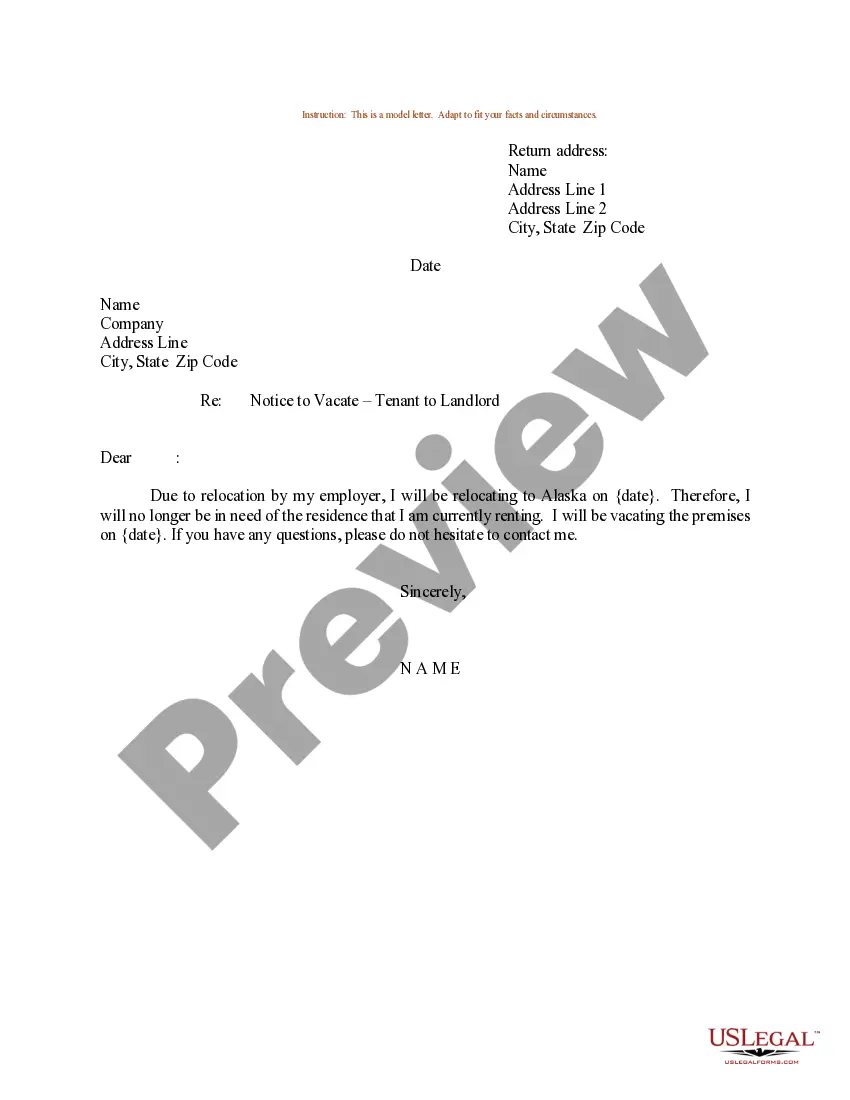
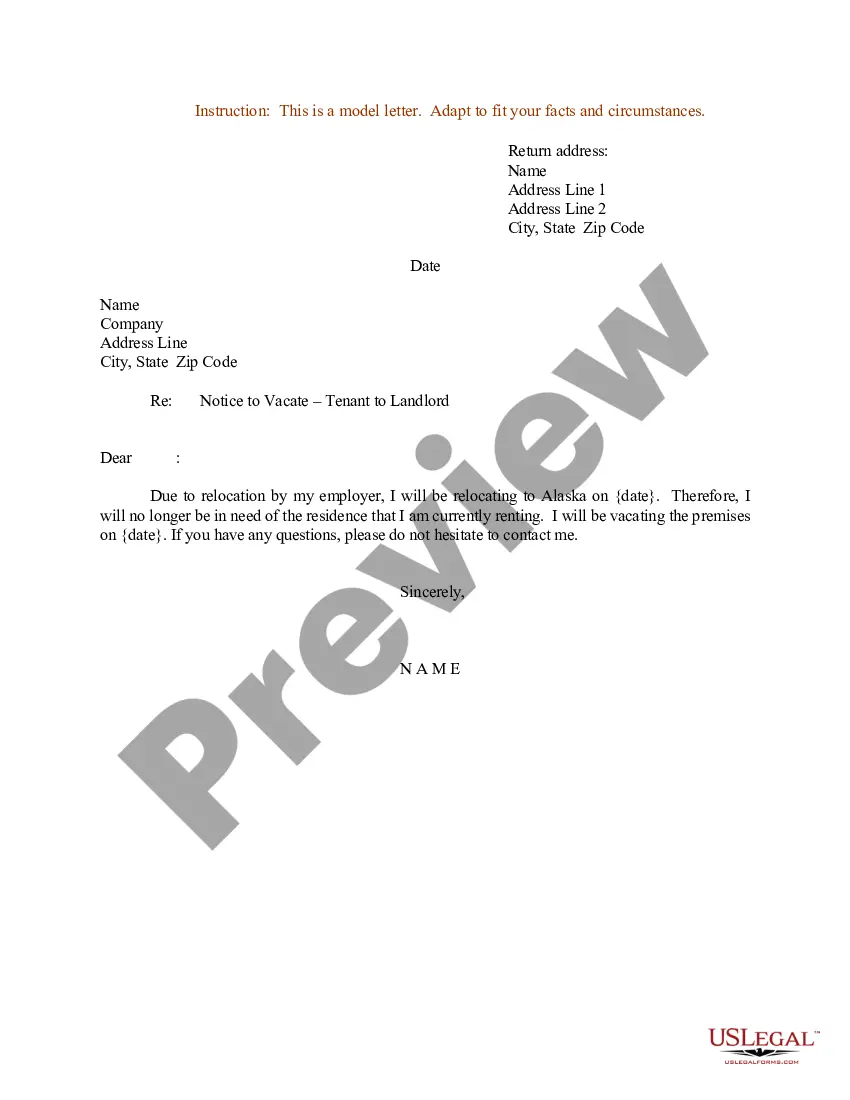
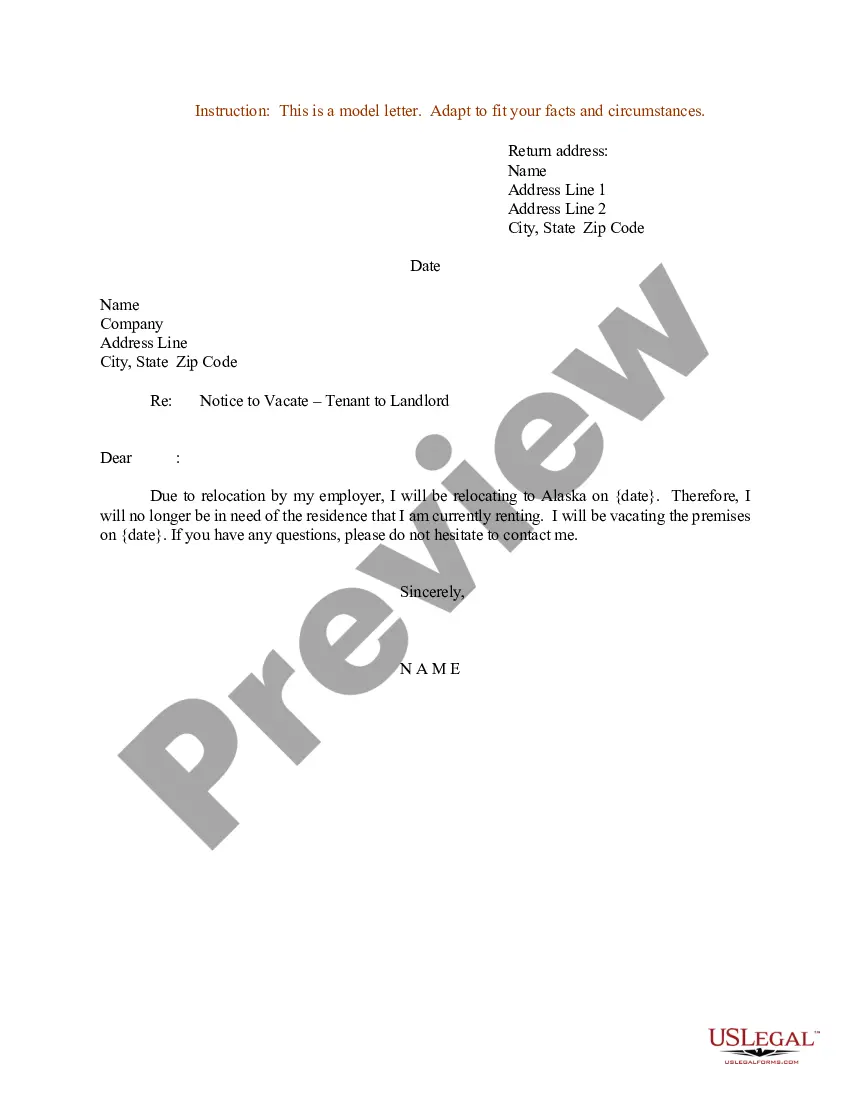
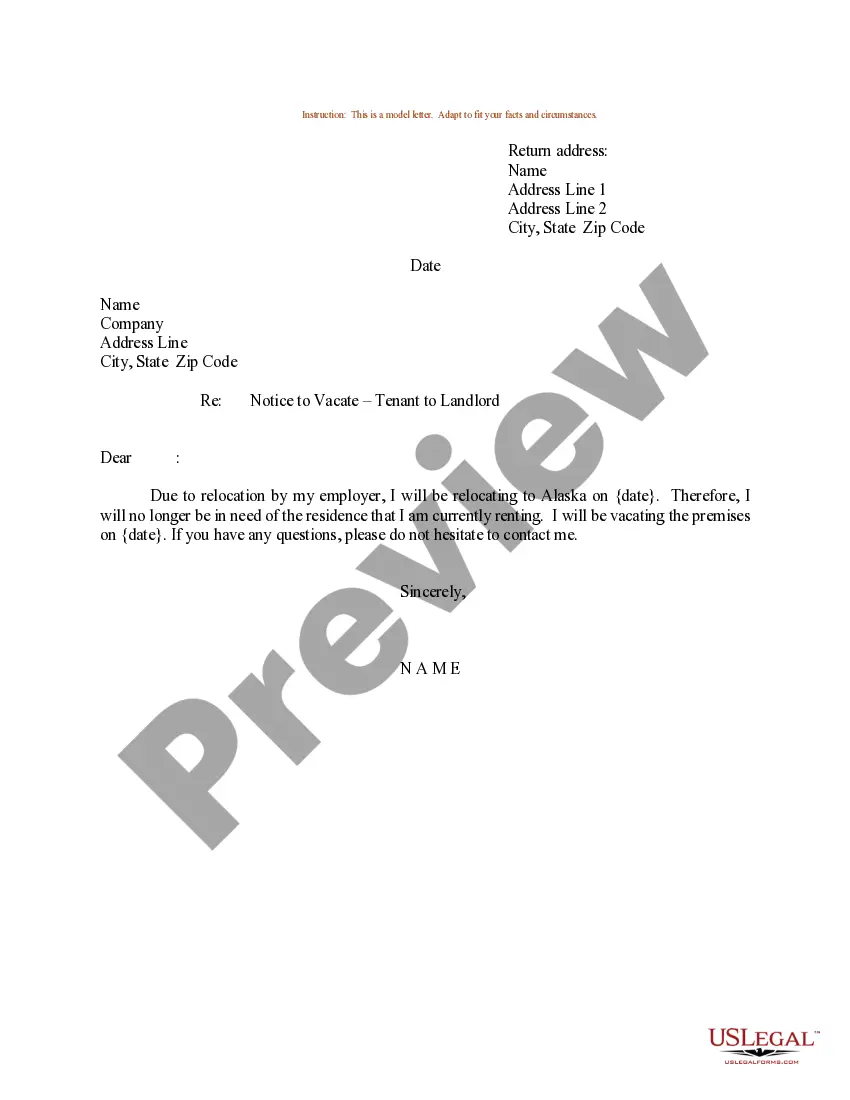
Texas Notice to Vacate for Holding Over
Description
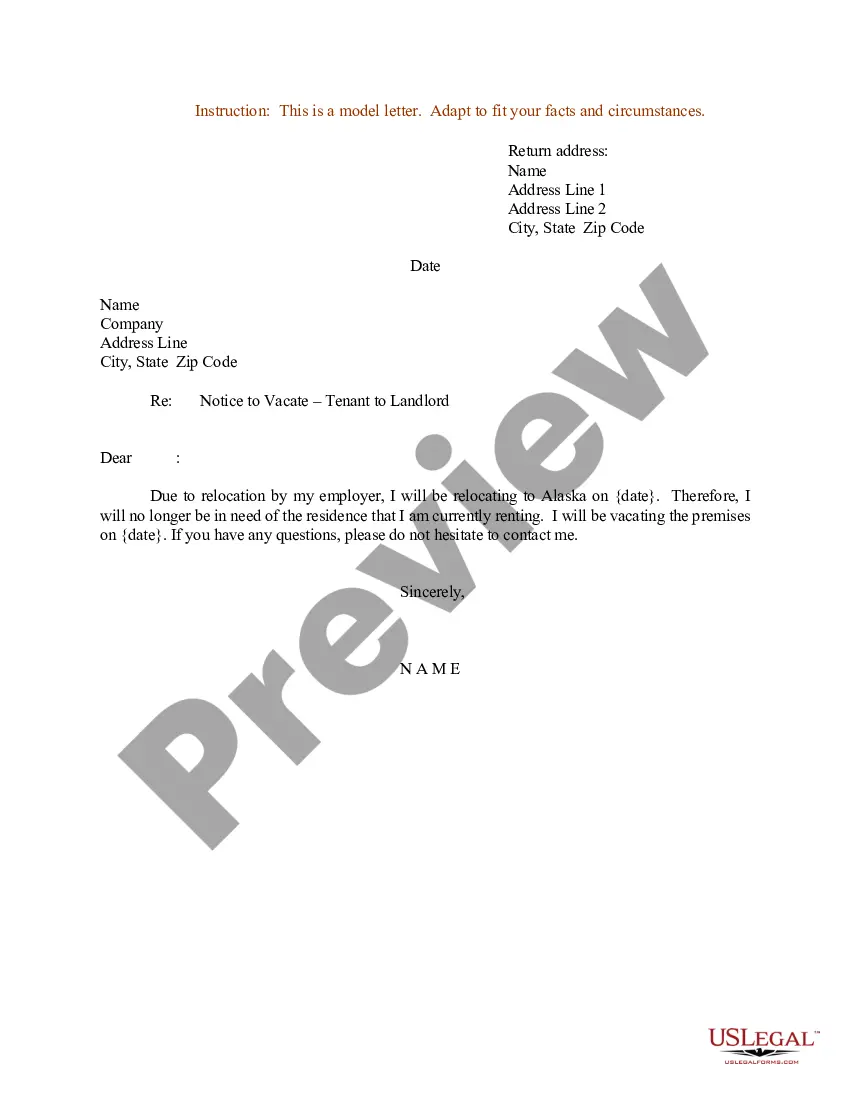
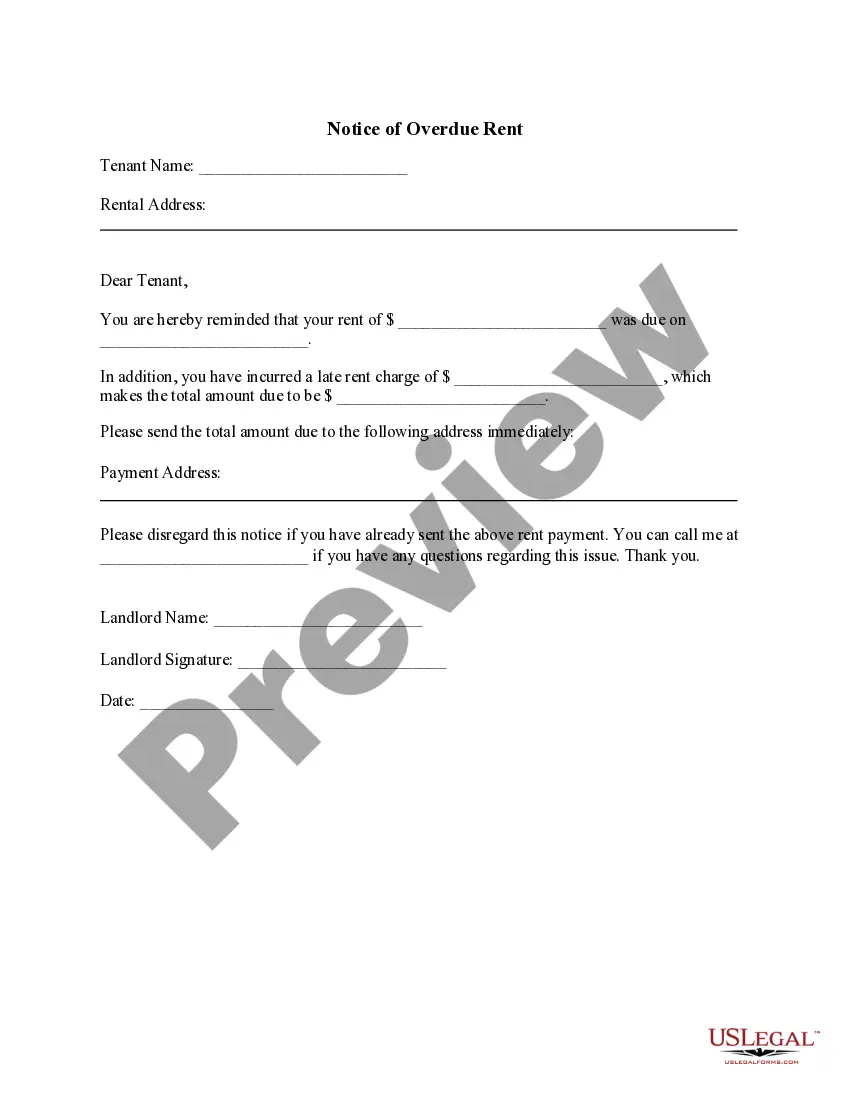
Get your form ready online
Our built-in tools help you complete, sign, share, and store your documents in one place.
Make edits, fill in missing information, and update formatting in US Legal Forms—just like you would in MS Word.
Download a copy, print it, send it by email, or mail it via USPS—whatever works best for your next step.
Sign and collect signatures with our SignNow integration. Send to multiple recipients, set reminders, and more. Go Premium to unlock E-Sign.
If this form requires notarization, complete it online through a secure video call—no need to meet a notary in person or wait for an appointment.
We protect your documents and personal data by following strict security and privacy standards.
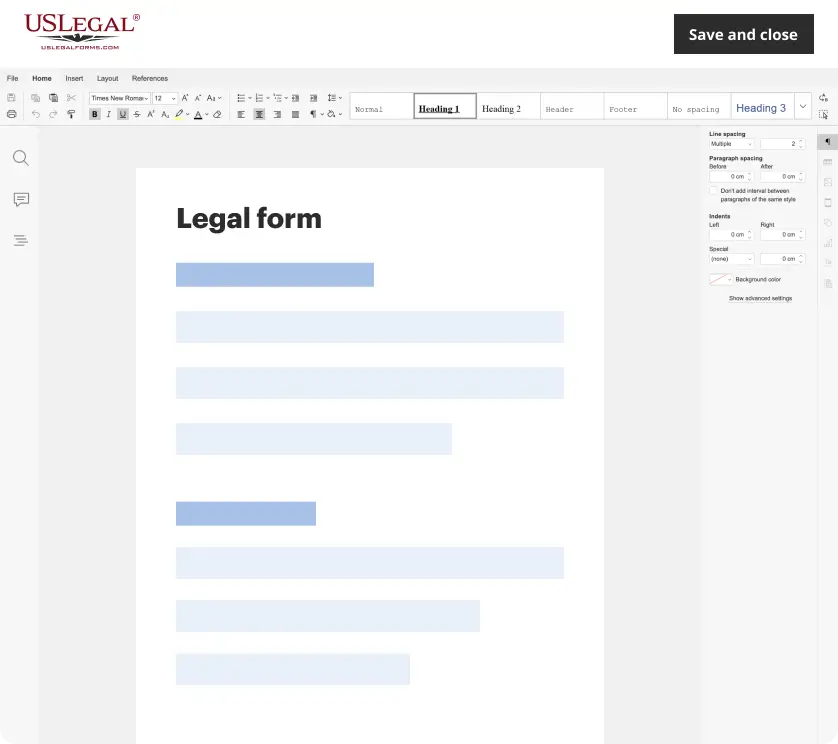
Make edits, fill in missing information, and update formatting in US Legal Forms—just like you would in MS Word.
Download a copy, print it, send it by email, or mail it via USPS—whatever works best for your next step.
Sign and collect signatures with our SignNow integration. Send to multiple recipients, set reminders, and more. Go Premium to unlock E-Sign.

If this form requires notarization, complete it online through a secure video call—no need to meet a notary in person or wait for an appointment.
We protect your documents and personal data by following strict security and privacy standards.
Looking for another form?
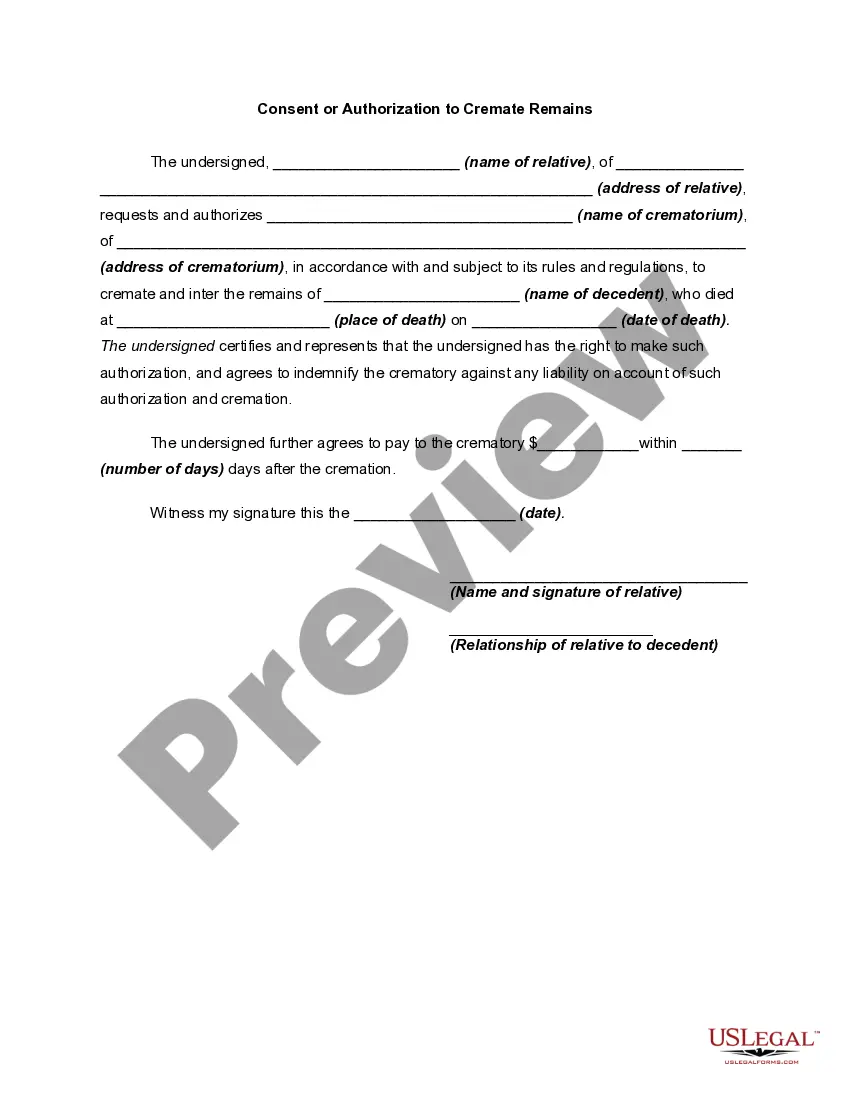
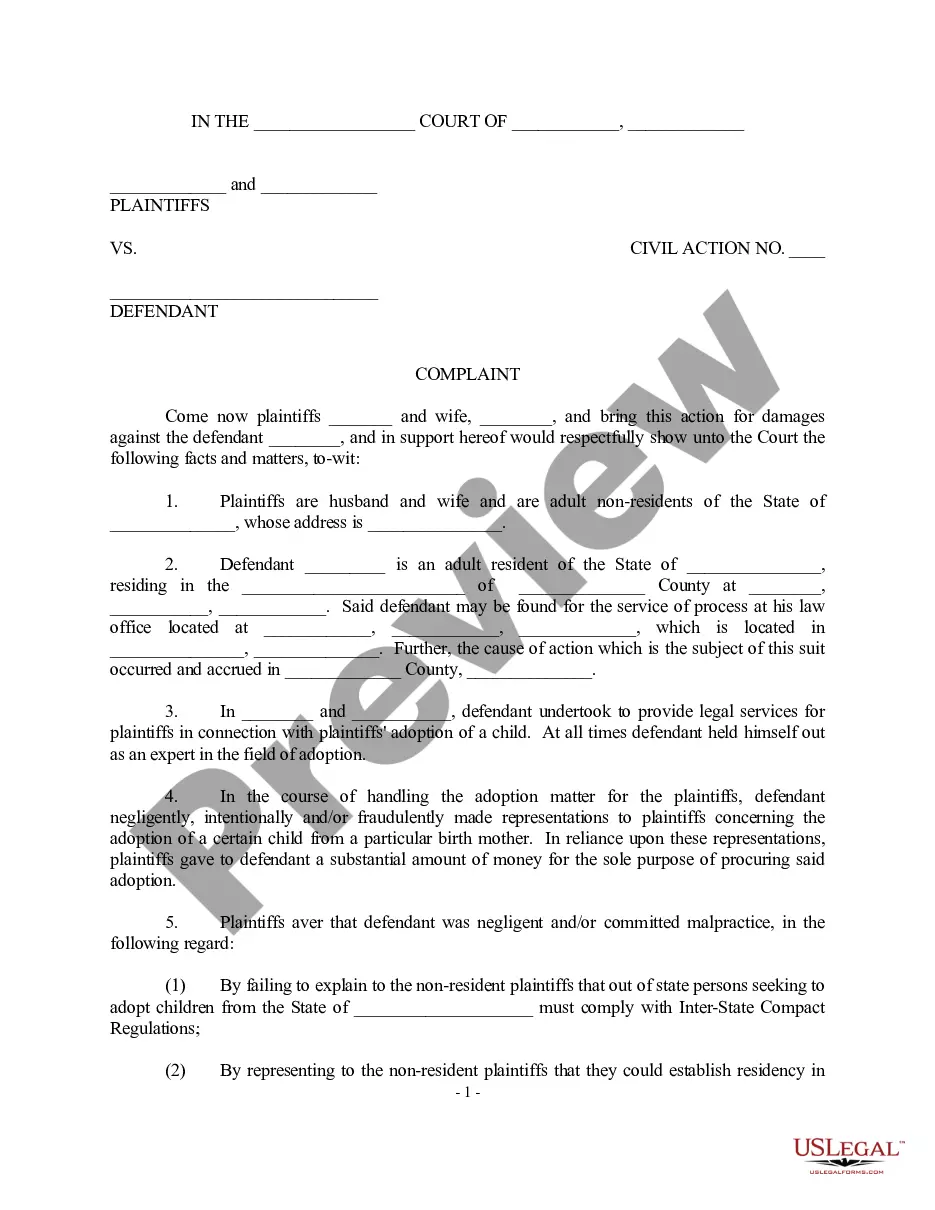
How to fill out Notice To Vacate For Holding Over?
You can allocate effort online looking for the official document template that fulfills the state and federal requirements you need.
US Legal Forms offers thousands of legal forms that have been reviewed by professionals.
It is easy to obtain or print the Texas Notice to Vacate for Holding Over from your service.
If available, use the Preview button to review the document template as well.
- If you already possess a US Legal Forms account, you can Log In and click on the Download button.
- Then, you can fill out, modify, print, or sign the Texas Notice to Vacate for Holding Over.
- Every legal document template you buy is yours forever.
- To obtain another copy of any purchased form, go to the My documents tab and click the corresponding button.
- If you are using the US Legal Forms website for the first time, follow the simple instructions provided below.
- First, ensure that you have chosen the correct document template for the county/city you select.
- Read the form description to verify that you have selected the correct form.
Form popularity
FAQ
To evict a holdover tenant in Texas, start by delivering a proper Texas Notice to Vacate for Holding Over. This notice must comply with state requirements and be served to the tenant in a legally accepted manner. If the tenant fails to leave, you can file an eviction lawsuit in court. For more clarity on this procedure, resources like uslegalforms provide step-by-step instructions.
A notice to vacate in Texas must include specific details, such as the address of the property and the date by which the tenant should vacate. The document should also state the reason for the notice, particularly if it’s due to a holdover situation. Importantly, following the Texas Notice to Vacate for Holding Over guidelines helps ensure that the notice is legal and enforceable. For templates and examples, refer to uslegalforms.
In Texas, an email may not satisfy the legal requirements for a written notice to vacate. Landlords must provide a formal notice that complies with the Texas Notice to Vacate for Holding Over. Usually, this means delivering a physical document that clearly states the intent to terminate the lease. For more detailed information on how to properly issue a notice, platforms like uslegalforms can be very helpful.
Writing a notice to vacate in Texas involves clearly stating the reason for the notice, the specific dates, and any legal grounds related to holdover tenancy. It’s important to include information that aligns with a Texas Notice to Vacate for Holding Over, explaining the consequences of failing to vacate. For assistance and templates, consider using platforms like uslegalforms to streamline the process.
The duration of a holdover eviction can vary based on multiple factors, such as the local court's schedule and the tenant's response. Generally, once a landlord files for eviction after issuing a Texas Notice to Vacate for Holding Over, it can take several weeks to months to resolve. Being prepared can help landlords navigate this challenging process.
To evict a holdover tenant in Texas, a landlord must first deliver a Texas Notice to Vacate for Holding Over, providing the tenant a specified period to leave the property. If the tenant does not comply, the landlord can file for eviction in court. Following the legal steps ensures that the eviction process is handled appropriately and efficiently.
A proceeding against a tenant holding over is a legal process initiated by the landlord to evict a tenant who refuses to vacate after their lease term has expired. This typically involves filing an eviction lawsuit in local court once a Texas Notice to Vacate for Holding Over has been served. Understanding this process can help ensure that landlords follow legal guidelines and protect their property rights.
A holdover tenant is an individual who remains in a rental property after their lease has ended without the landlord's consent. This status may lead to eviction proceedings if the landlord takes action. It is essential for landlords to issue a Texas Notice to Vacate for Holding Over to inform the tenant of their obligation to leave.
Yes, you can evict a tenant in Texas after a lease expires. Once the lease term ends, if the tenant does not leave, you can initiate the eviction process. To start this process effectively, you must issue a Texas Notice to Vacate for Holding Over to formally notify the tenant of their need to vacate the premises.
The holdover doctrine in Texas allows a landlord to take action against a tenant who continues to occupy a rental property after their lease has expired. Under this doctrine, tenants who do not vacate the premises may be considered holdover tenants. This situation often leads to eviction proceedings, hence the importance of understanding the Texas Notice to Vacate for Holding Over.