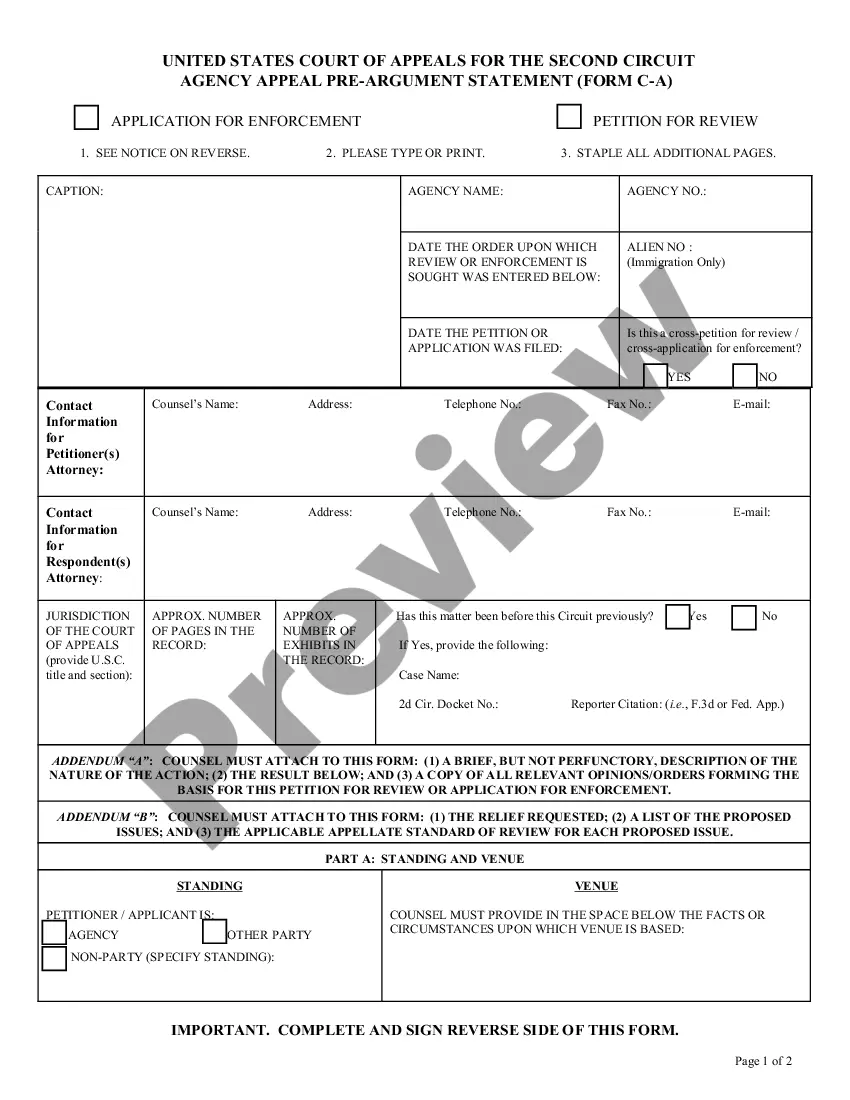
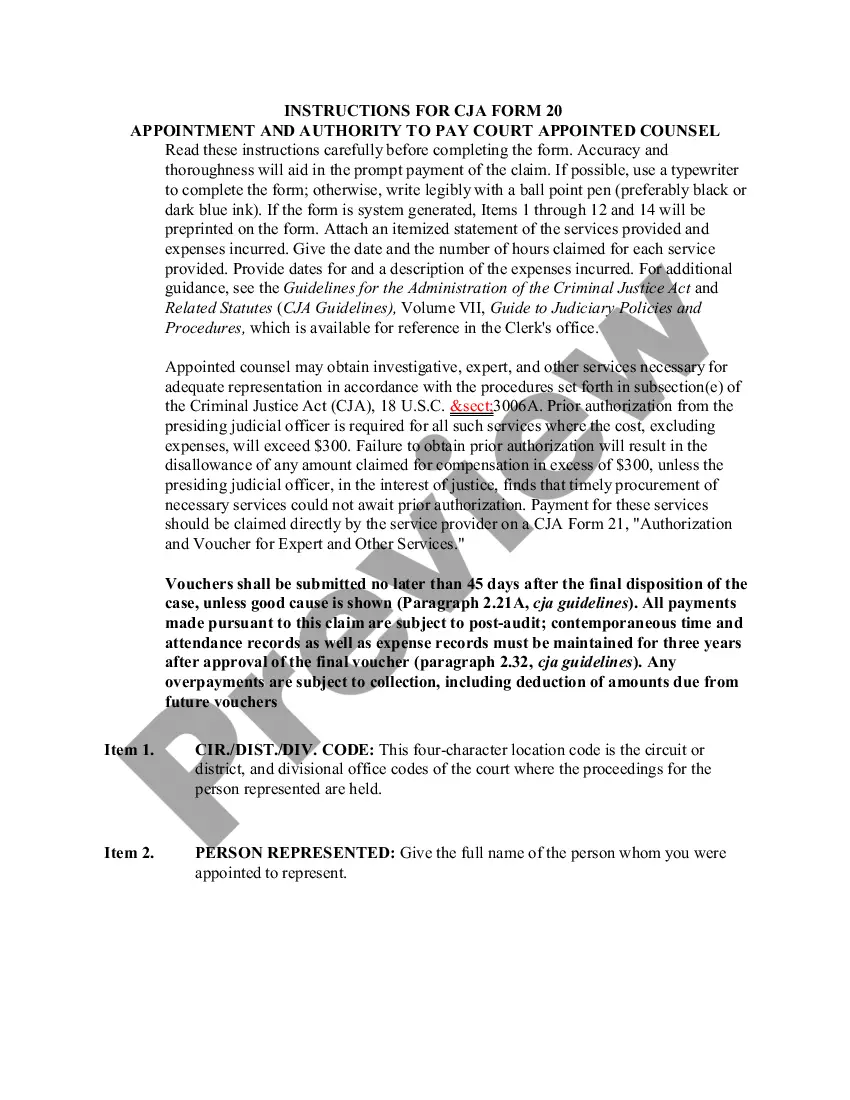
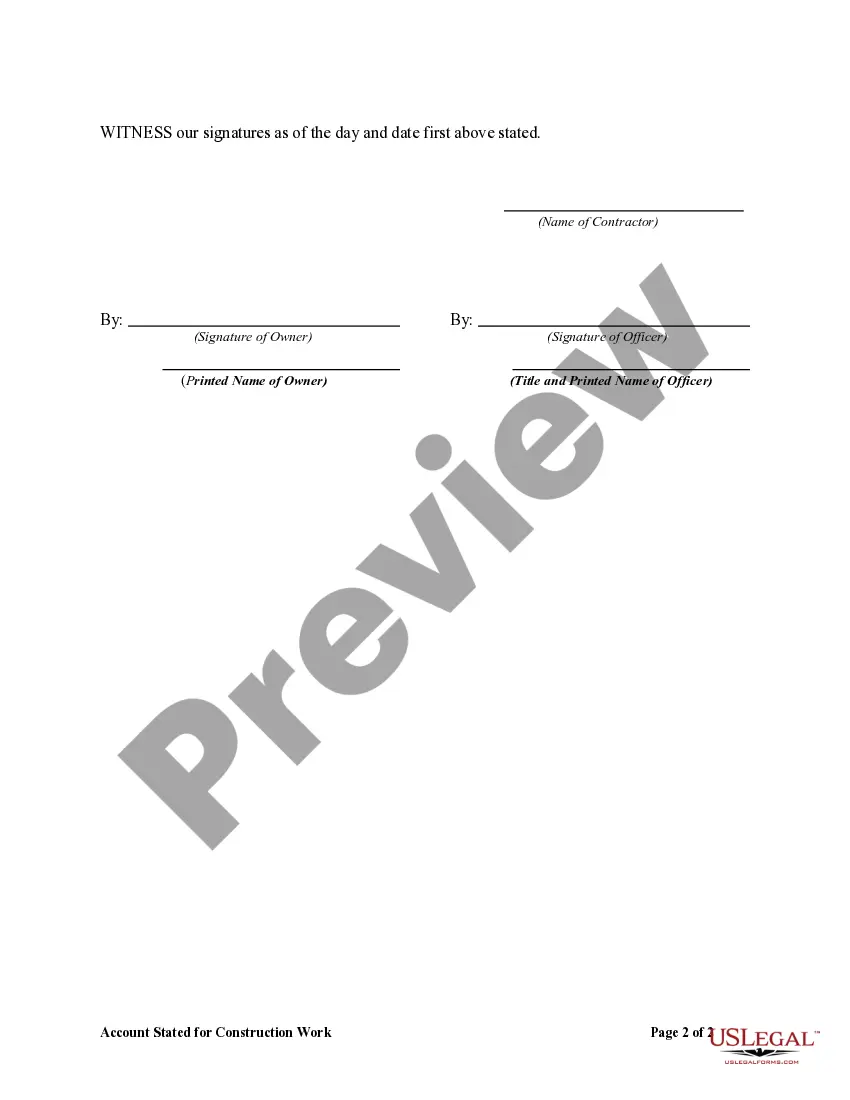
Texas Account Stated for Construction Work
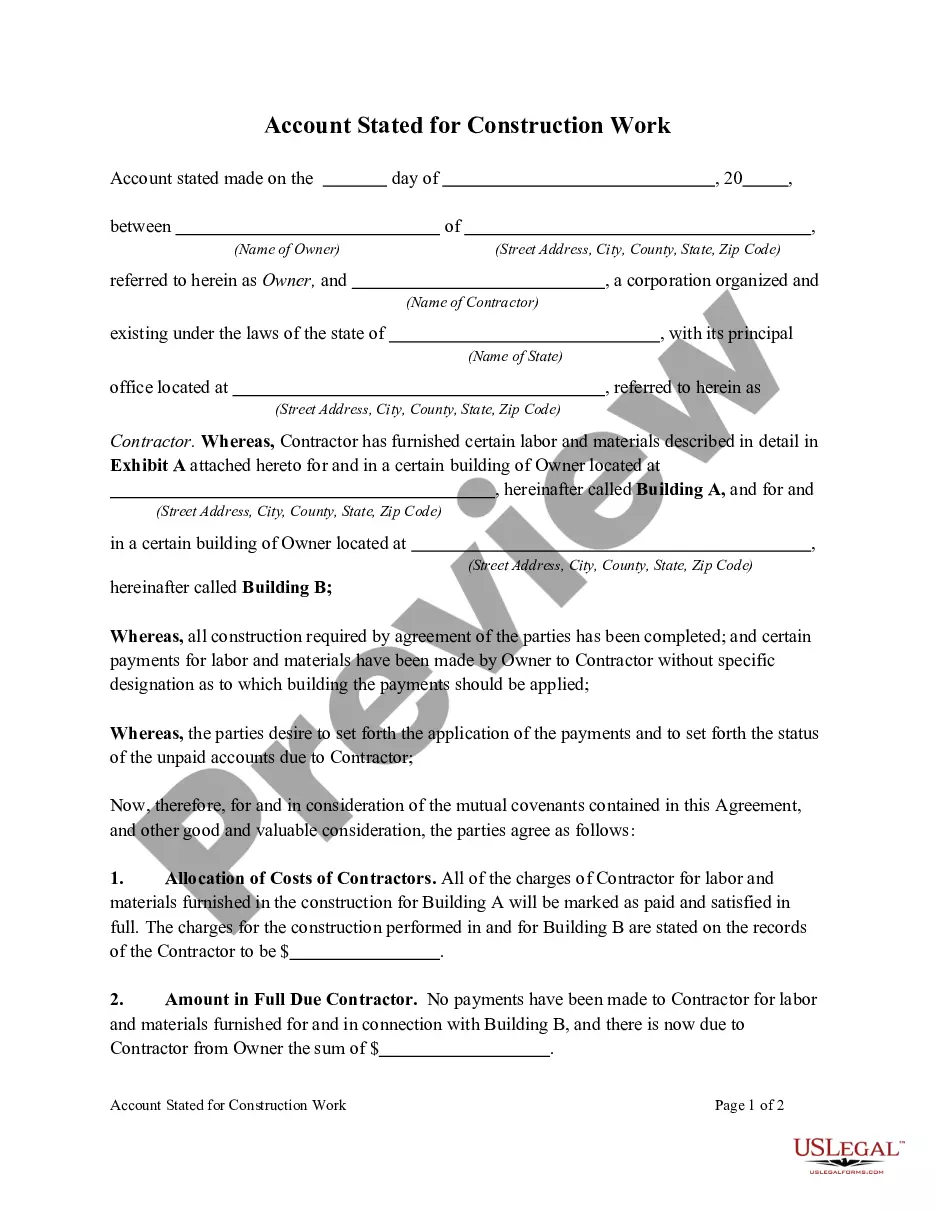
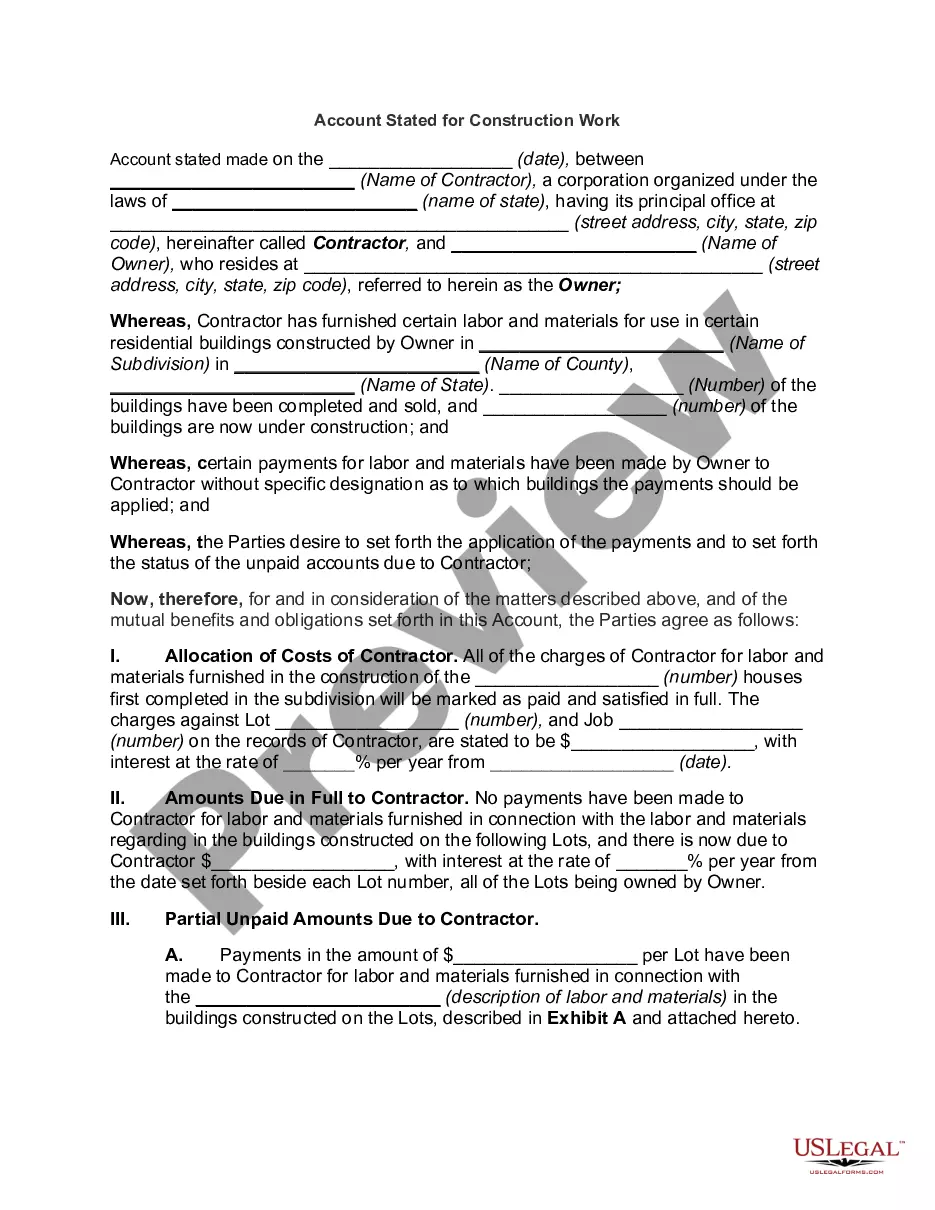
Description
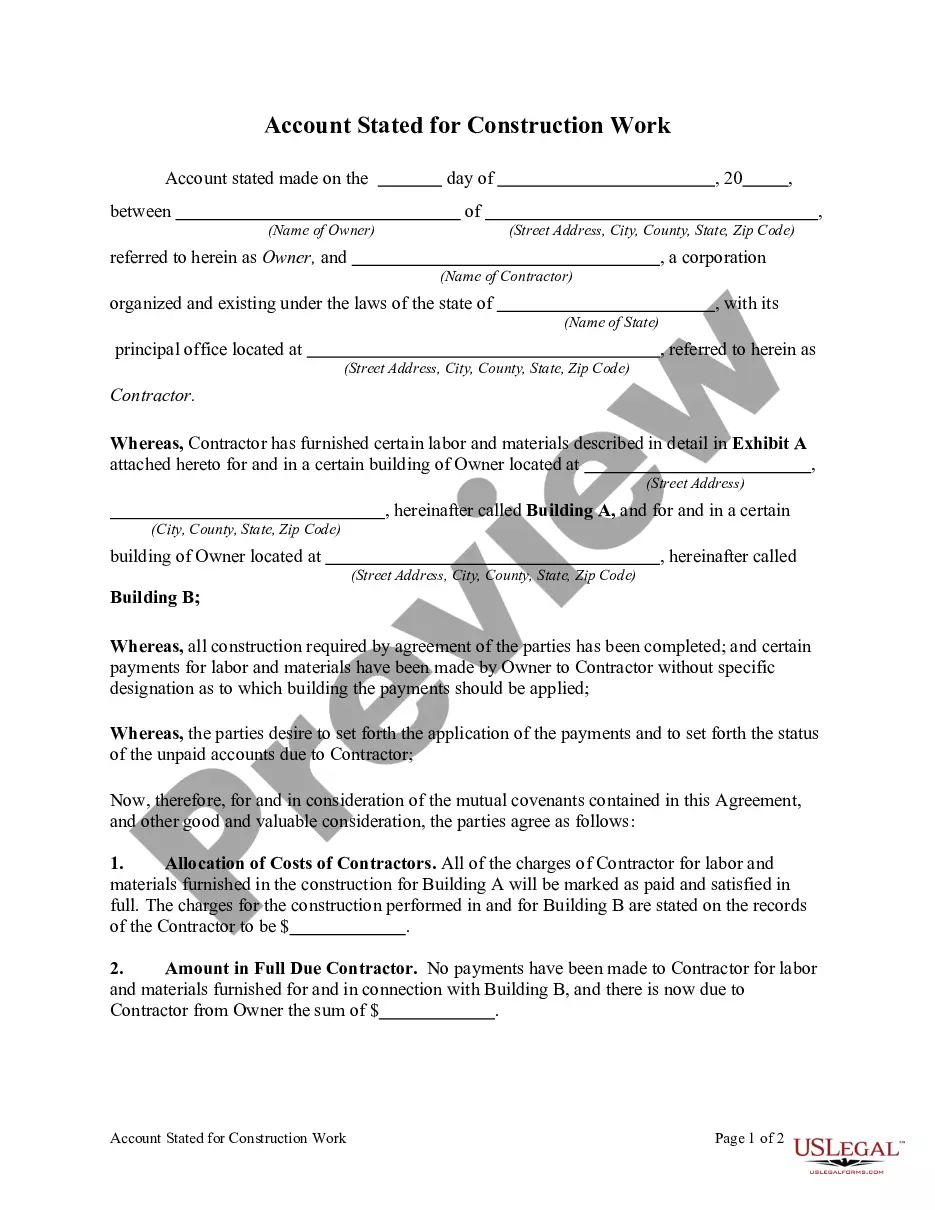
Get your form ready online
Our built-in tools help you complete, sign, share, and store your documents in one place.
Make edits, fill in missing information, and update formatting in US Legal Forms—just like you would in MS Word.
Download a copy, print it, send it by email, or mail it via USPS—whatever works best for your next step.
Sign and collect signatures with our SignNow integration. Send to multiple recipients, set reminders, and more. Go Premium to unlock E-Sign.
If this form requires notarization, complete it online through a secure video call—no need to meet a notary in person or wait for an appointment.
We protect your documents and personal data by following strict security and privacy standards.

Make edits, fill in missing information, and update formatting in US Legal Forms—just like you would in MS Word.

Download a copy, print it, send it by email, or mail it via USPS—whatever works best for your next step.

Sign and collect signatures with our SignNow integration. Send to multiple recipients, set reminders, and more. Go Premium to unlock E-Sign.

If this form requires notarization, complete it online through a secure video call—no need to meet a notary in person or wait for an appointment.

We protect your documents and personal data by following strict security and privacy standards.
Looking for another form?



How to fill out Account Stated For Construction Work?
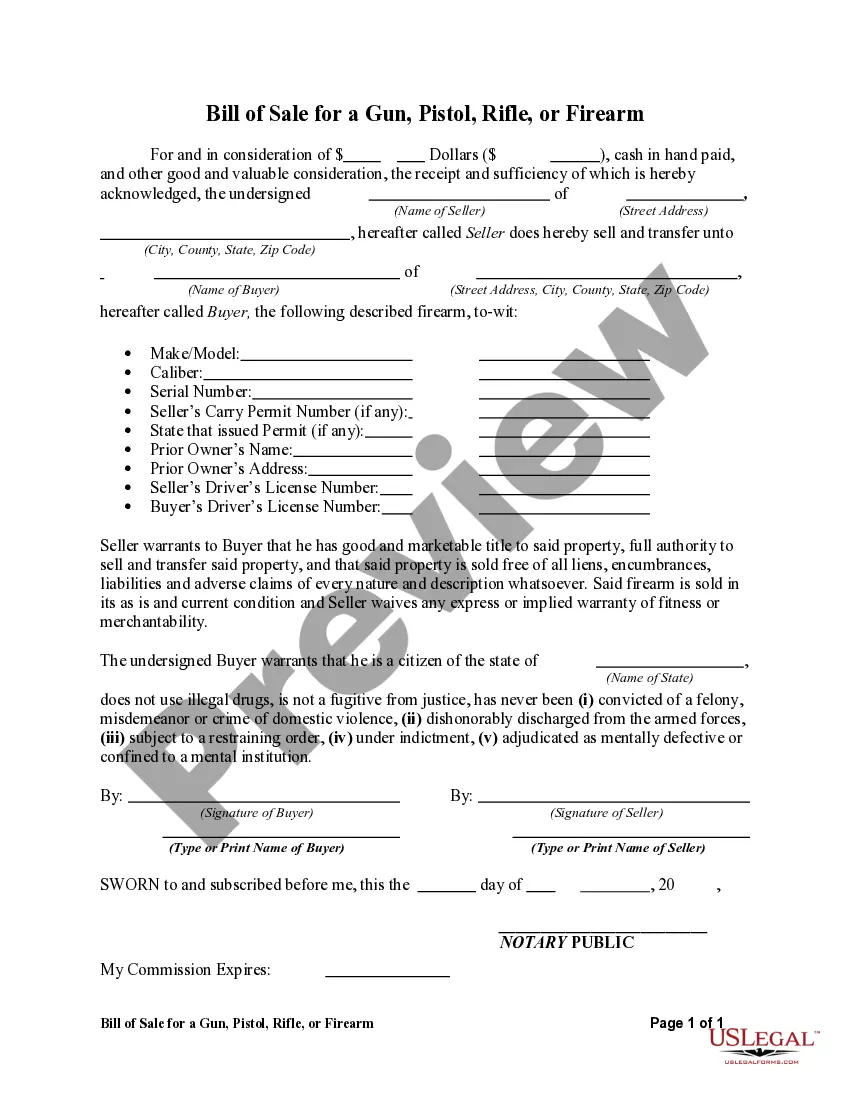
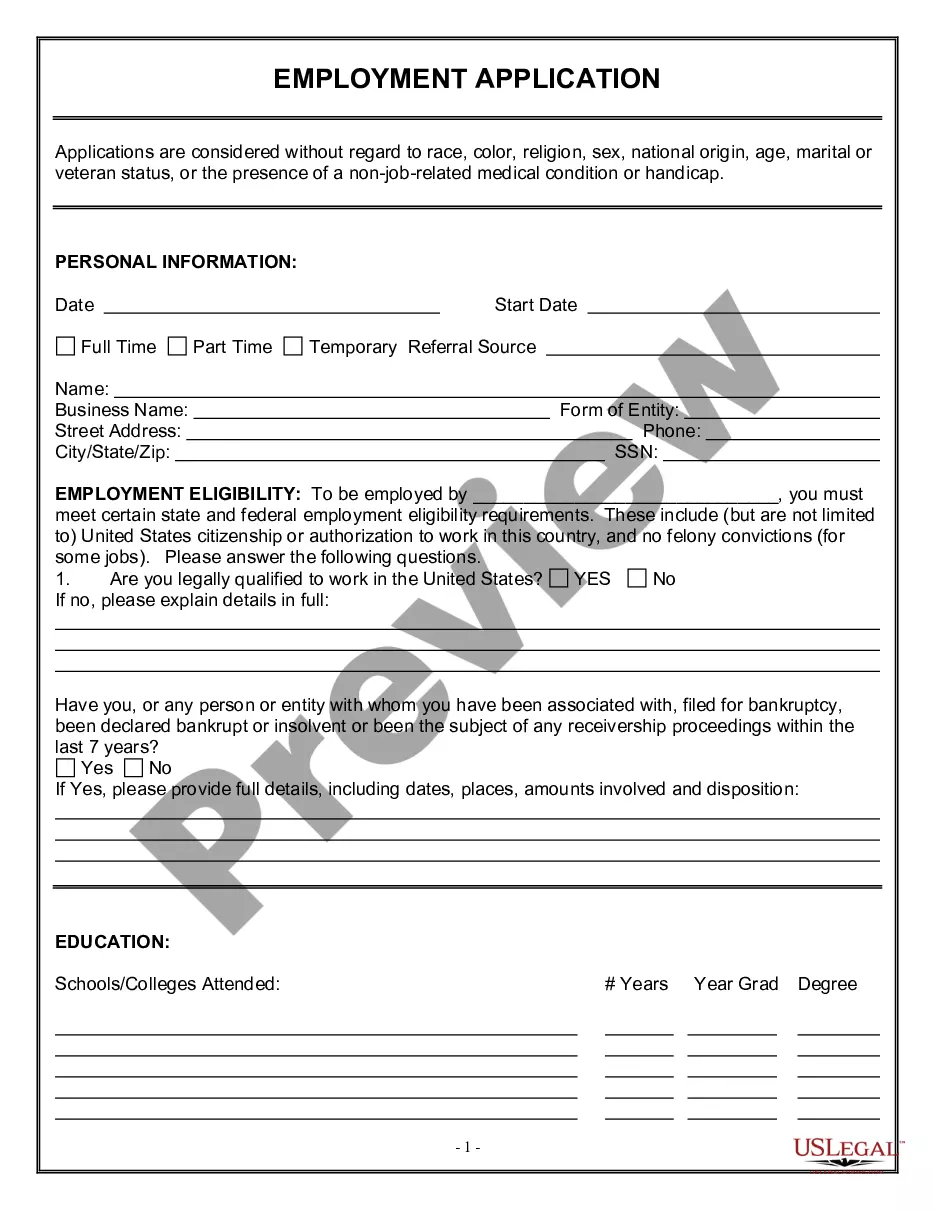
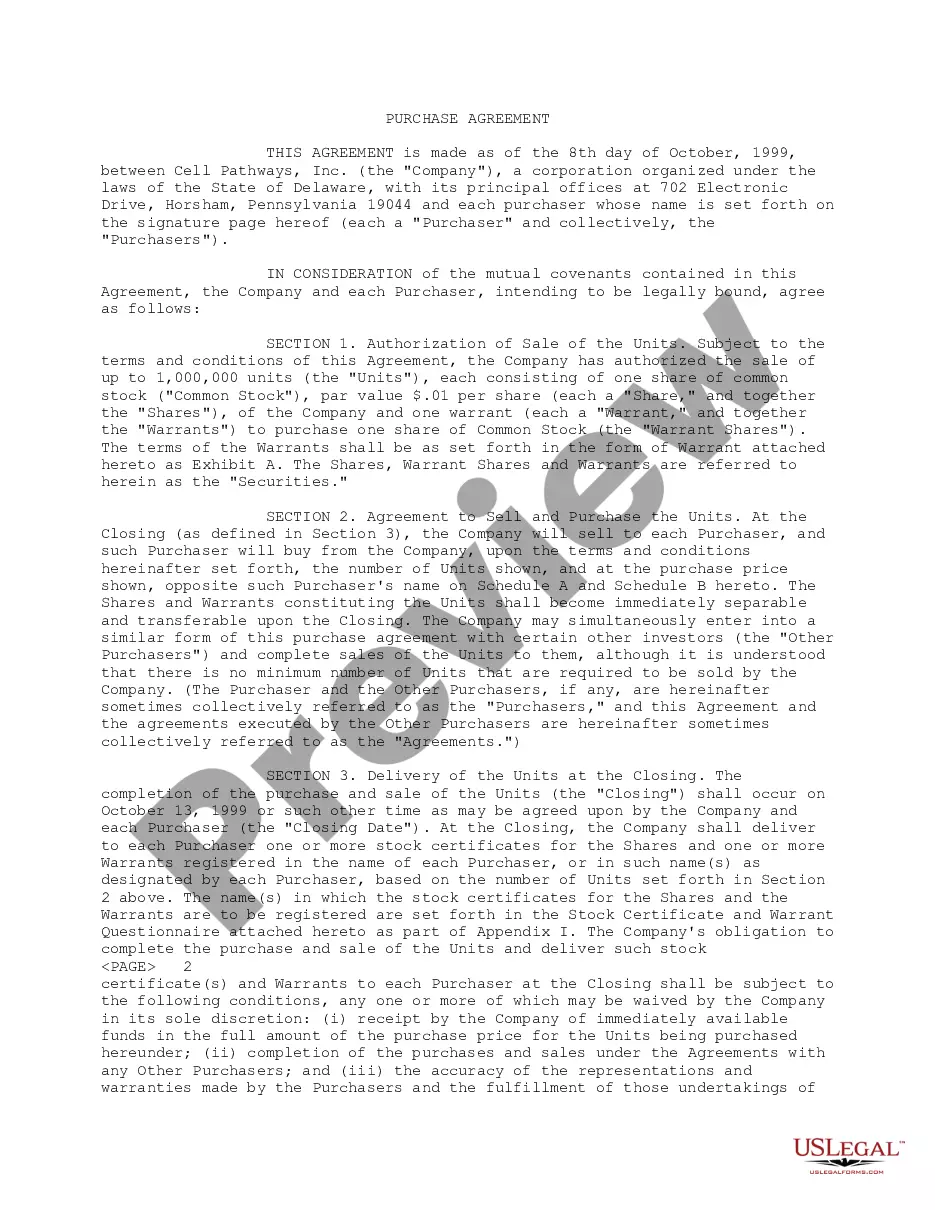
If you need to finalize, acquire, or create legal document templates, utilize US Legal Forms, the premier collection of legal forms available online. Take advantage of the site's straightforward and user-friendly search to find the documents you need. A variety of templates for business and personal applications are organized by categories and states, or keywords. Use US Legal Forms to get the Texas Account Stated for Construction Work in just a few clicks.
If you are already a US Legal Forms user, Log In to your account and click on the Download button to retrieve the Texas Account Stated for Construction Work. You can also access forms you have previously saved from the My documents section of your account.
If you are using US Legal Forms for the first time, follow the steps outlined below: Step 1. Ensure you have selected the form for your specific region/country. Step 2. Use the Preview option to review the form's content. Don't forget to read the details. Step 3. If you are not satisfied with the form, utilize the Search field at the top of the screen to find alternative versions of the legal form template. Step 4. Once you have found the form you need, select the Buy now option. Choose the pricing plan you prefer and enter your information to register for an account. Step 5. Complete the transaction. You can use your credit card or PayPal account to finalize the purchase. Step 6. Choose the format of your legal document and download it to your system. Step 7. Complete, edit, and print or sign the Texas Account Stated for Construction Work.
Avoid altering or deleting any HTML tags. Only synonymize plain text outside of the HTML tags.
- Every legal document template you purchase is yours permanently.
- You have access to every form you have saved in your account.
- Click the My documents section and select a form to print or download again.
- Stay competitive and obtain, and print the Texas Account Stated for Construction Work with US Legal Forms.
- There are numerous professional and state-specific forms available for your business or personal requirements.
Form popularity
FAQ
In Texas, a home builder is generally responsible for any defects or damages that occur due to construction for a period of four years from the date of completion. This would be a standard breach of contract claim. However, there are certain claims for negligence that could have a two-year window.
To establish a claim for home-construction negligence in Texas, the person filing suit must establish that 1) a particular duty was imposed on the builder or developer by law; 2) the builder failed to conform to that legally imposed standard; 3) there was a causal link between the failure to meet the standard of care ...
In Texas, the Statute of Repose is 10 years. This means an owner must file suit against the contractor for a construction defect during the first 10 years after substantial completion of the project with some specific exceptions.
Retainage. In Texas, the owner of a project is required to retain 10% of all payments to the prime contractor pursuant to Texas Property Code § 53.101. The owner should withhold retainage for 30 days after final completion of the work. The best practice is to write this requirement into the prime contract.
A latent Defect in Real Estate must render the immovable property unusable for the intended purpose. The defect must be so grave that the buyer would have never bought the property. If the buyer knew about the defect before purchasing the property, they would not have purchased it.
Many times, defects are not seen immediately by homeowners, that is why the statute of limitations, or the timeframe a homeowner can take legal action, is four years for breach of contract and/or warranty. For claims related to product liability or negligence, the time limitation is two years.
Texas law does not recognize a specific criminal offense of home contractor fraud. If police receive reports that a construction business defrauded customers, the business owner could face charges for financial crimes.