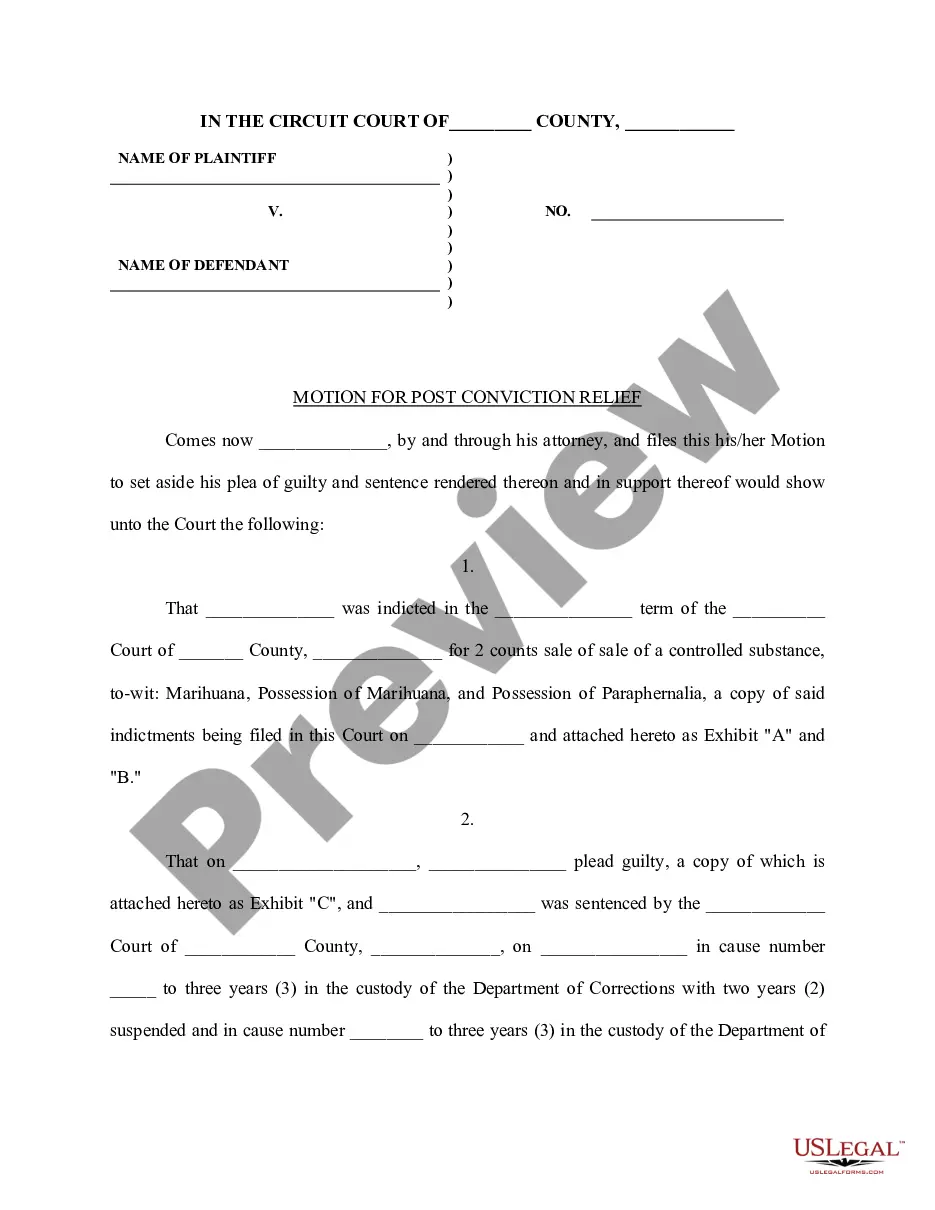
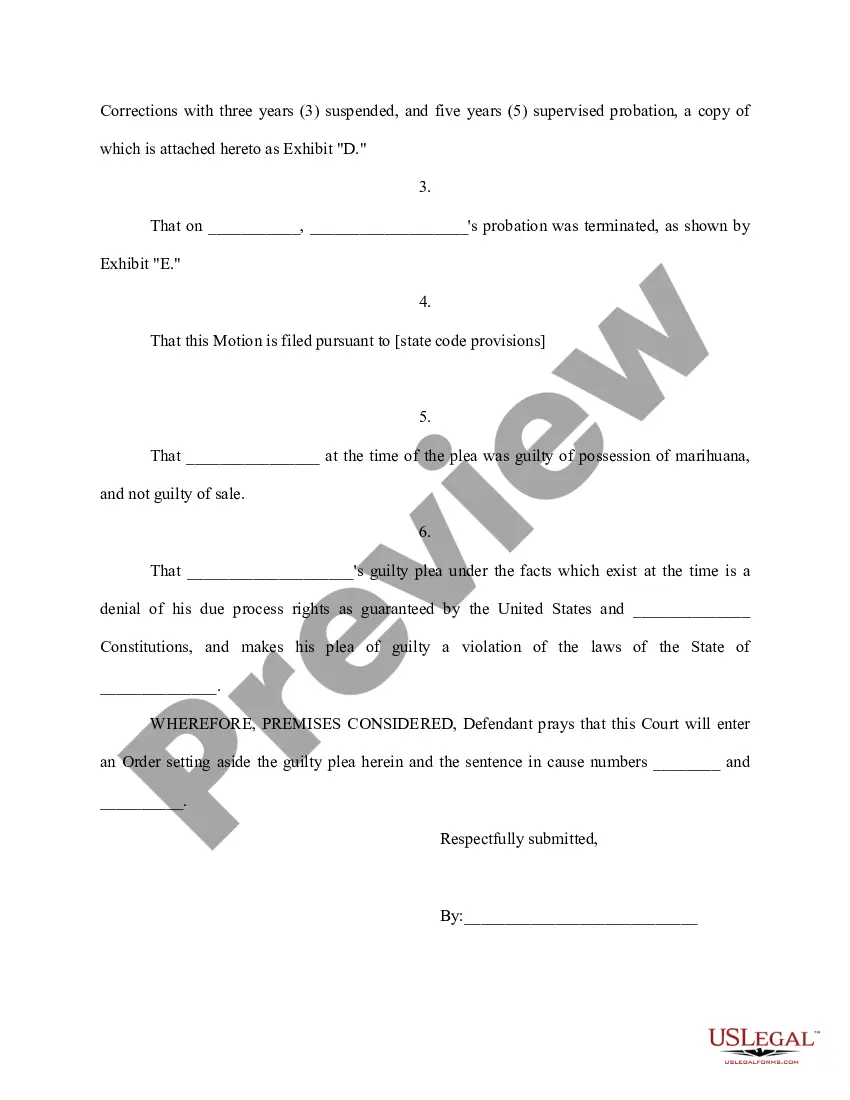
Texas Motion For Post-Conviction Relief
Description
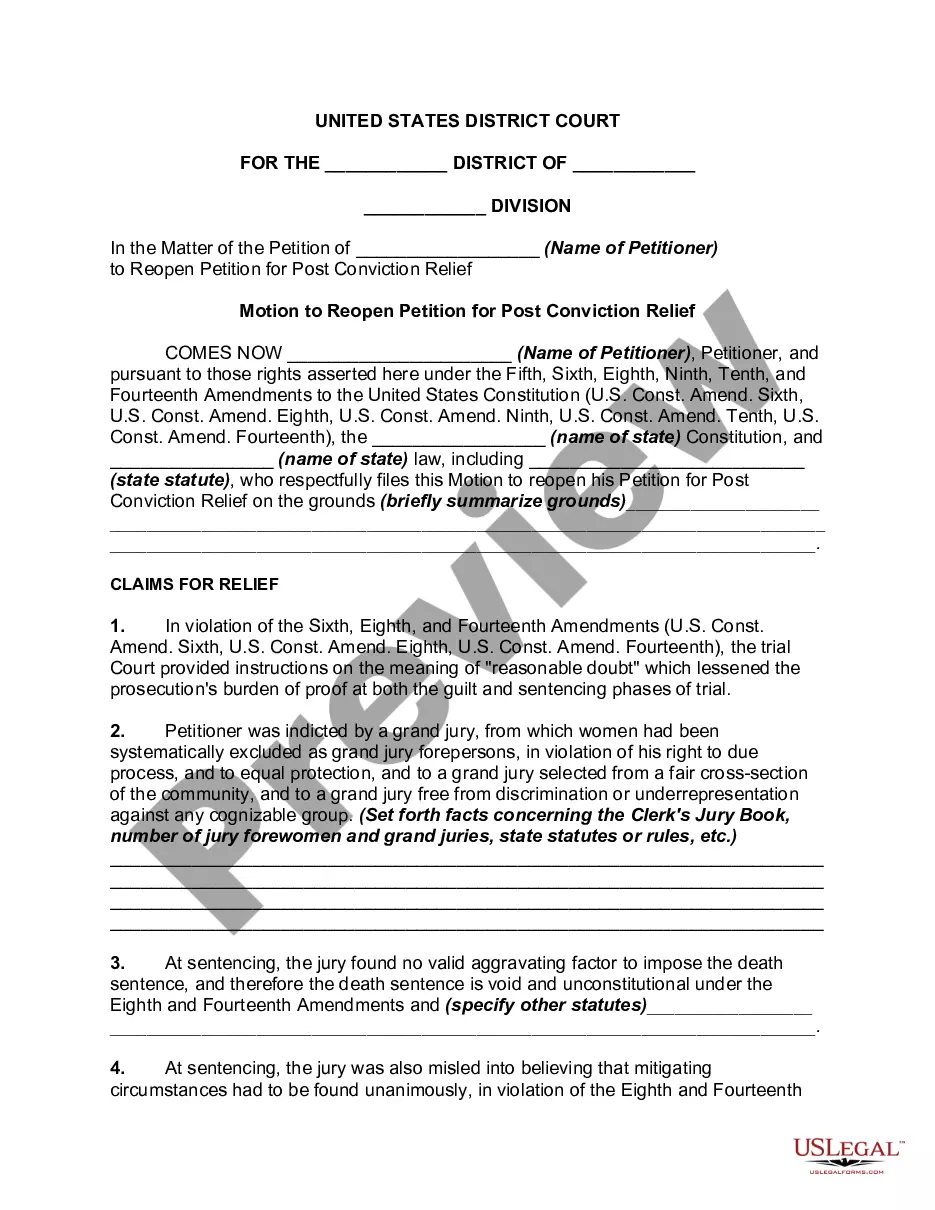
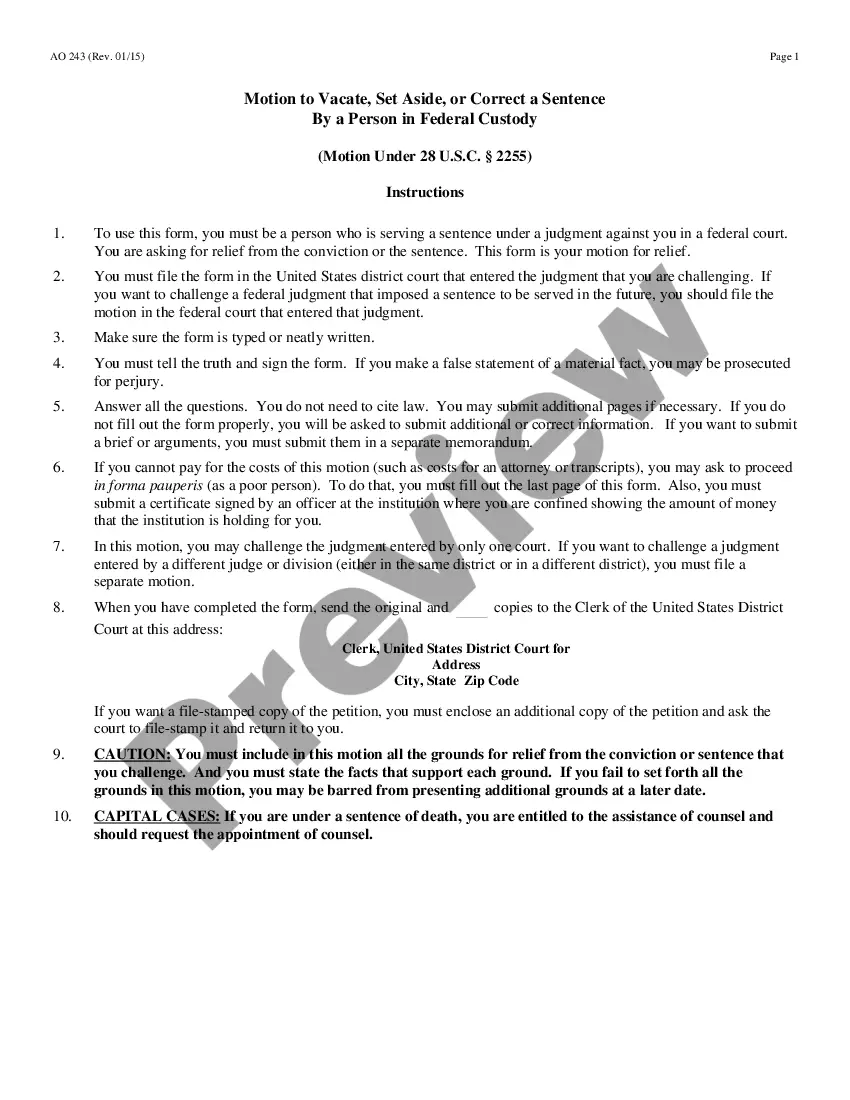
Get your form ready online
Our built-in tools help you complete, sign, share, and store your documents in one place.
Make edits, fill in missing information, and update formatting in US Legal Forms—just like you would in MS Word.
Download a copy, print it, send it by email, or mail it via USPS—whatever works best for your next step.
Sign and collect signatures with our SignNow integration. Send to multiple recipients, set reminders, and more. Go Premium to unlock E-Sign.
If this form requires notarization, complete it online through a secure video call—no need to meet a notary in person or wait for an appointment.
We protect your documents and personal data by following strict security and privacy standards.

Make edits, fill in missing information, and update formatting in US Legal Forms—just like you would in MS Word.

Download a copy, print it, send it by email, or mail it via USPS—whatever works best for your next step.

Sign and collect signatures with our SignNow integration. Send to multiple recipients, set reminders, and more. Go Premium to unlock E-Sign.

If this form requires notarization, complete it online through a secure video call—no need to meet a notary in person or wait for an appointment.

We protect your documents and personal data by following strict security and privacy standards.
Looking for another form?
How to fill out Motion For Post-Conviction Relief?
You can spend hours online searching for the legal template that meets the state and federal requirements you need.
US Legal Forms offers thousands of legal documents that are vetted by experts.
You can download or print the Texas Motion For Post-Conviction Relief from my services.
If available, use the Review button to examine the template as well. If you want to find another version of the form, utilize the Lookup field to discover the template that meets your needs and requirements. Once you have found the template you want, click on Get now to continue. Choose the pricing plan you prefer, enter your credentials, and register for an account on US Legal Forms. Complete the transaction. You can use your credit card or PayPal account to pay for the legal document. Select the format of the document and download it to your device. Make modifications to the document if possible. You can fill out, edit, sign, and print the Texas Motion For Post-Conviction Relief. Download and print thousands of document templates using the US Legal Forms website, which provides the largest collection of legal forms. Utilize professional and state-specific templates to address your business or personal needs.
- If you already have a US Legal Forms account, you can Log In and click the Obtain button.
- Then, you can fill out, modify, print, or sign the Texas Motion For Post-Conviction Relief.
- Every legal template you purchase is yours indefinitely.
- To get another copy of a purchased form, navigate to the My documents section and click the corresponding button.
- If you are visiting the US Legal Forms website for the first time, follow the simple instructions below.
- First, ensure you have selected the correct template for your area/city of choice.
- Check the form description to confirm you’ve selected the right one.
Form popularity
FAQ
Typically, post-conviction relief refers to the process of filing petitions for ?habeas corpus? either in state court or in federal court. This process is generally after the trial and sentence are finalized, and after any direct appeals have been decided (including any rulings by the U.S. Supreme Court).
Post-conviction relief is a procedure that allows the defendant in a criminal case to bring more evidence or raise additional issues in a case after a judgment has been made (post-trial). With valid grounds, post-conviction relief can help you obtain a fair resolution in your case.
If you are convicted in a criminal case, you have the right to appeal the decision, to request the higher court to review the decision of a lower court if it went against you and to ask the higher court to determine if the lower court's decision was fair?or unfair.
The Post Conviction Relief Act1 (?PCRA? or ?the Act?) establishes a procedure. for defendants to collaterally challenge their conviction or sentence. It is the sole. means2 of obtaining state relief following conviction and sentencing.
Principal post-conviction remedy: Habeas Corpus. This remedy is applied for in the convicting court. The remedy is neither an independent civil action nor a postsentencing phase of the original criminal case; instead it is a criminal proceeding separate from the criminal case resulting in the conviction.
The most common types of post-conviction relief motions are: Motion for New Trial. Motion to Vacate Judgment. Motion to Set Aside Judgment.
Post-conviction relief in Texas usually takes the form of an application for a writ of habeas corpus. In a habeas corpus proceeding, a defendant may raise claims such as ineffective assistance of counsel, illegal sentencing, or newly discovered evidence that exonerates the defendant.
Texas Code of Criminal Conduct Article 11.07 is titled ?Procedure for conviction without death penalty,? and is the statute that addresses the filing of a writ of habeas corpus for non-death penalty cases. Article 11.071 addresses the filing of a writ of habeas corpus in a death penalty case.