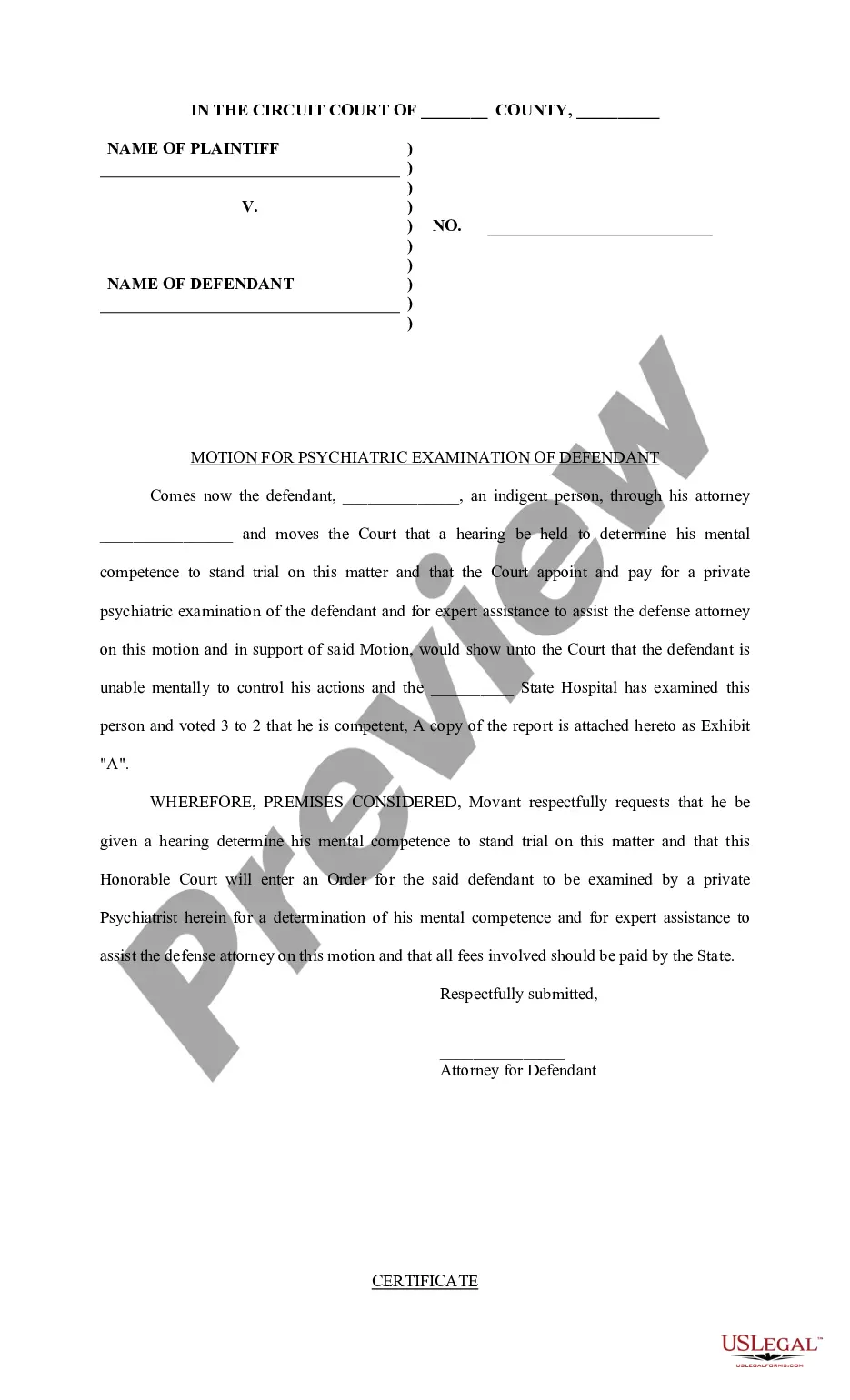
Texas Motion for Psychiatric Examination of Defendant
Description

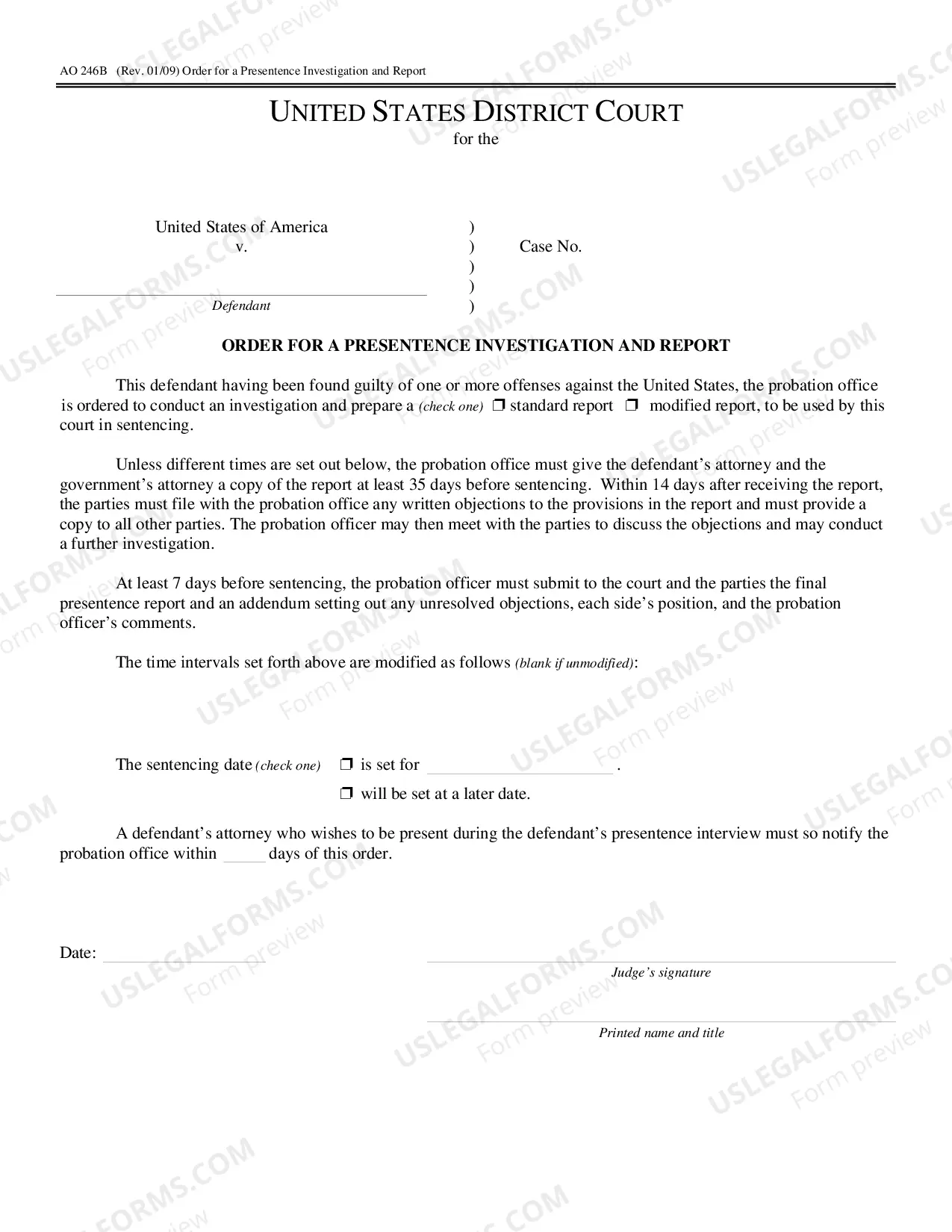
Get your form ready online
Our built-in tools help you complete, sign, share, and store your documents in one place.
Make edits, fill in missing information, and update formatting in US Legal Forms—just like you would in MS Word.
Download a copy, print it, send it by email, or mail it via USPS—whatever works best for your next step.
Sign and collect signatures with our SignNow integration. Send to multiple recipients, set reminders, and more. Go Premium to unlock E-Sign.
If this form requires notarization, complete it online through a secure video call—no need to meet a notary in person or wait for an appointment.
We protect your documents and personal data by following strict security and privacy standards.

Make edits, fill in missing information, and update formatting in US Legal Forms—just like you would in MS Word.

Download a copy, print it, send it by email, or mail it via USPS—whatever works best for your next step.

Sign and collect signatures with our SignNow integration. Send to multiple recipients, set reminders, and more. Go Premium to unlock E-Sign.

If this form requires notarization, complete it online through a secure video call—no need to meet a notary in person or wait for an appointment.

We protect your documents and personal data by following strict security and privacy standards.
Looking for another form?
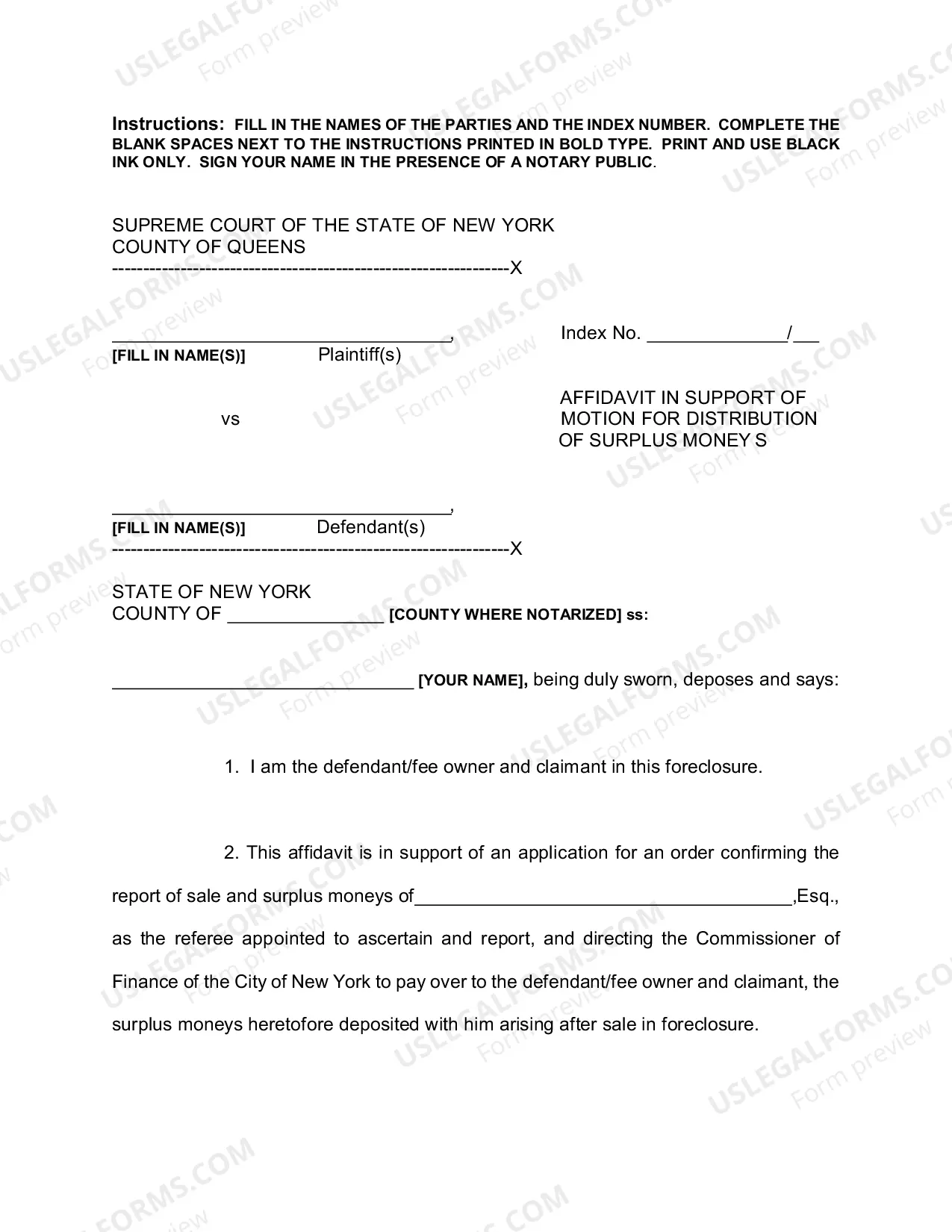

How to fill out Motion For Psychiatric Examination Of Defendant?
If you need to complete, obtain, or print legal document templates, utilize US Legal Forms, the premier selection of legal forms available online.
Utilize the site’s straightforward and convenient search feature to find the documents you require.
A wide range of templates for business and personal purposes are organized by categories and states, or keywords.
Step 4. Once you have found the form you need, click the Purchase now button. Choose your preferred pricing plan and enter your credentials to register for an account.
Step 5. Complete the payment process. You can use your credit card or PayPal account to finalize the transaction. Step 6. Choose the format of the legal form and download it to your device. Step 7. Complete, edit, and print or sign the Texas Motion for Psychiatric Examination of Defendant. Every legal document template you purchase is yours permanently. You have access to every form you saved in your account. Click on the My documents section and select a form to print or download again. Stay competitive and obtain, and print the Texas Motion for Psychiatric Examination of Defendant with US Legal Forms. There are thousands of professional and state-specific forms available for your business or personal needs.
- Use US Legal Forms to acquire the Texas Motion for Psychiatric Examination of Defendant with just a few clicks.
- If you are currently a US Legal Forms user, Log In to your account and click on the Download button to get the Texas Motion for Psychiatric Examination of Defendant.
- You can also access forms you previously saved in the My documents tab of your account.
- If you are using US Legal Forms for the first time, follow the steps listed below.
- Step 1. Ensure you have selected the form for the correct region/state.
- Step 2. Use the Preview option to review the content of the form. Don’t forget to read the description.
- Step 3. If you are not satisfied with the form, use the Search area at the top of the screen to find other versions of the legal form template.
Form popularity
FAQ
Evidence Mental Illness that creates an imminent substantial risk of serious harm to him/her or others and that necessary restraint for treatment cannot be accomplished without Emergency Detention and that Emergency Detention is the least restrictive means by which necessary restraint may be affected.
You have the right to be treated in a clean and humane environment in which you are protected from harm, have privacy with regard to personal needs, and are treated with respect and dignity.
You have the right to dignity, privacy, and humane care. You also have the right to treatment services that pro- mote your potential to function independently. Treatment must be provided in ways that are least restrictive to you.
(b) A defendant is presumed competent to stand trial and shall be found competent to stand trial unless proved incompetent by a preponderance of the evidence.
Order of Protective Custody (?OPC?) The court must hold a hearing within 72 hours of signing the OPC to determine if probable cause exists to continue the OPC in effect. Within 14 days of signing the OPC, the court must hold a hearing on the application for temporary mental health services.
16.22 of the Code of Criminal Procedure provides for a protocol when a person who has been arrested shows signs of mental illness or intellectual disability.
In psychiatric inpatient settings, even an involuntarily committed patient generally has a right to refuse recommended medications unless a legally permissible mechanism overrides the refusal. Disclosure means that a person requires certain information to make a rational decision to accept or reject treatment.
An individual who is a patient in an inpatient mental health facility also has the right to: receive visitors; communicate with a person outside the facility by telephone or mail; and. communicate by telephone or mail with legal counsel, the state agency, the courts, and the state attorney general.