Texas Petition for Small Claims
About this form
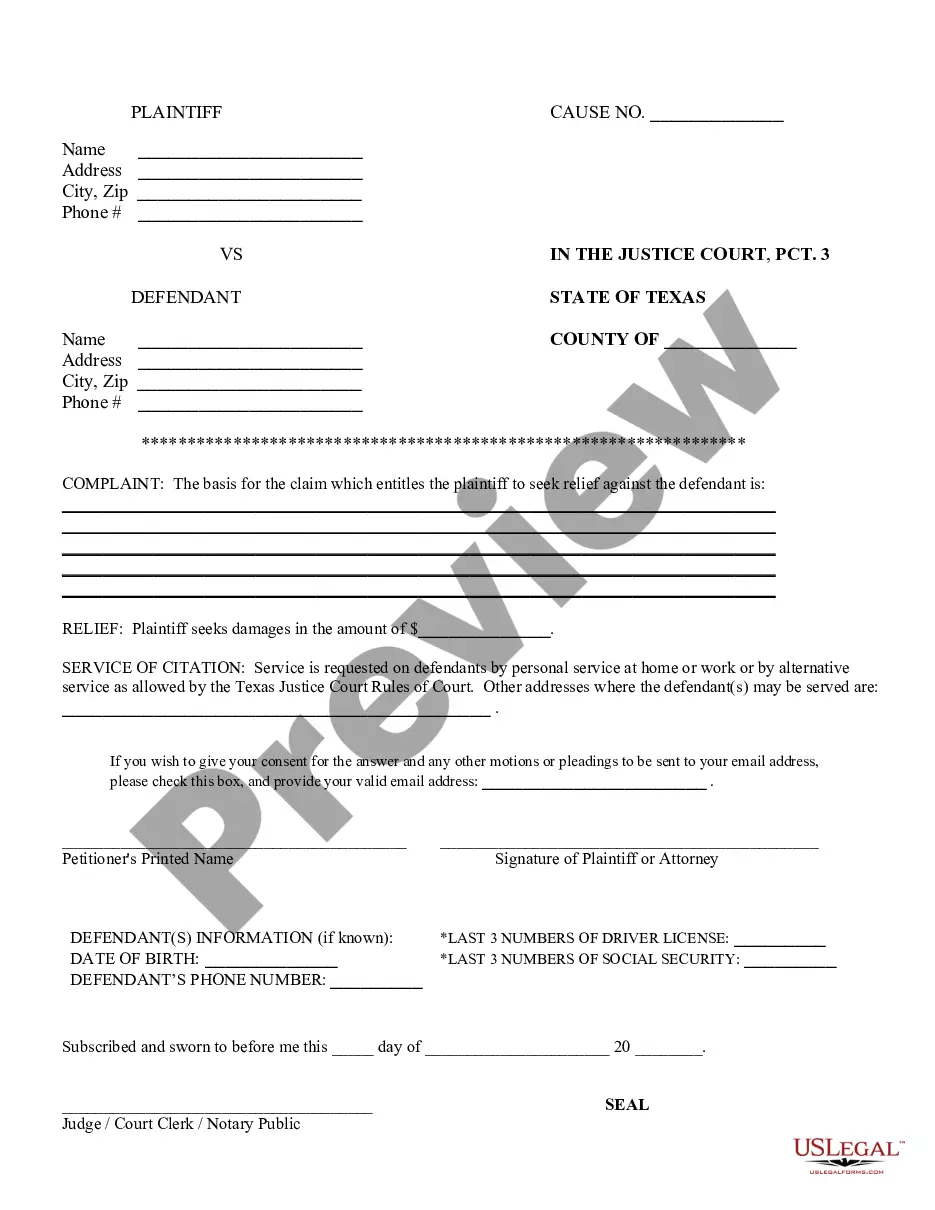
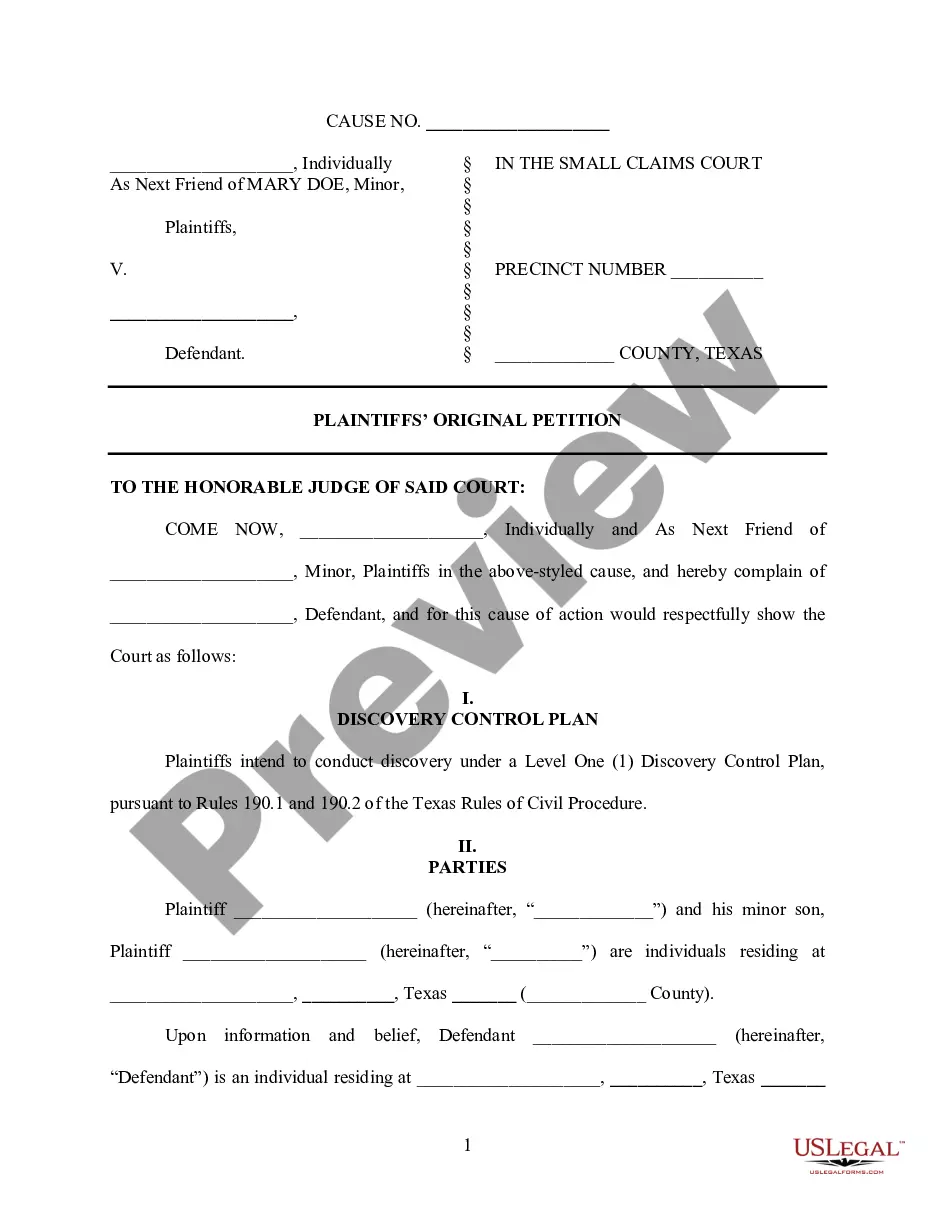
The Petition for Small Claims is a legal document used to initiate a small claims court case. This form allows an individual (the plaintiff) to file a claim against another person or entity (the defendant) to recover a specified amount of money. It is important to note that this form is specifically designed for small claims court, which handles cases involving relatively low monetary amounts, making it different from other civil court filings.
Key components of this form
- Plaintiff and defendant's names and contact information.
- A clear statement of the complaint outlining the basis for the claim.
- The amount of damages the plaintiff seeks to recover.
- Request for service of citation to the defendant.
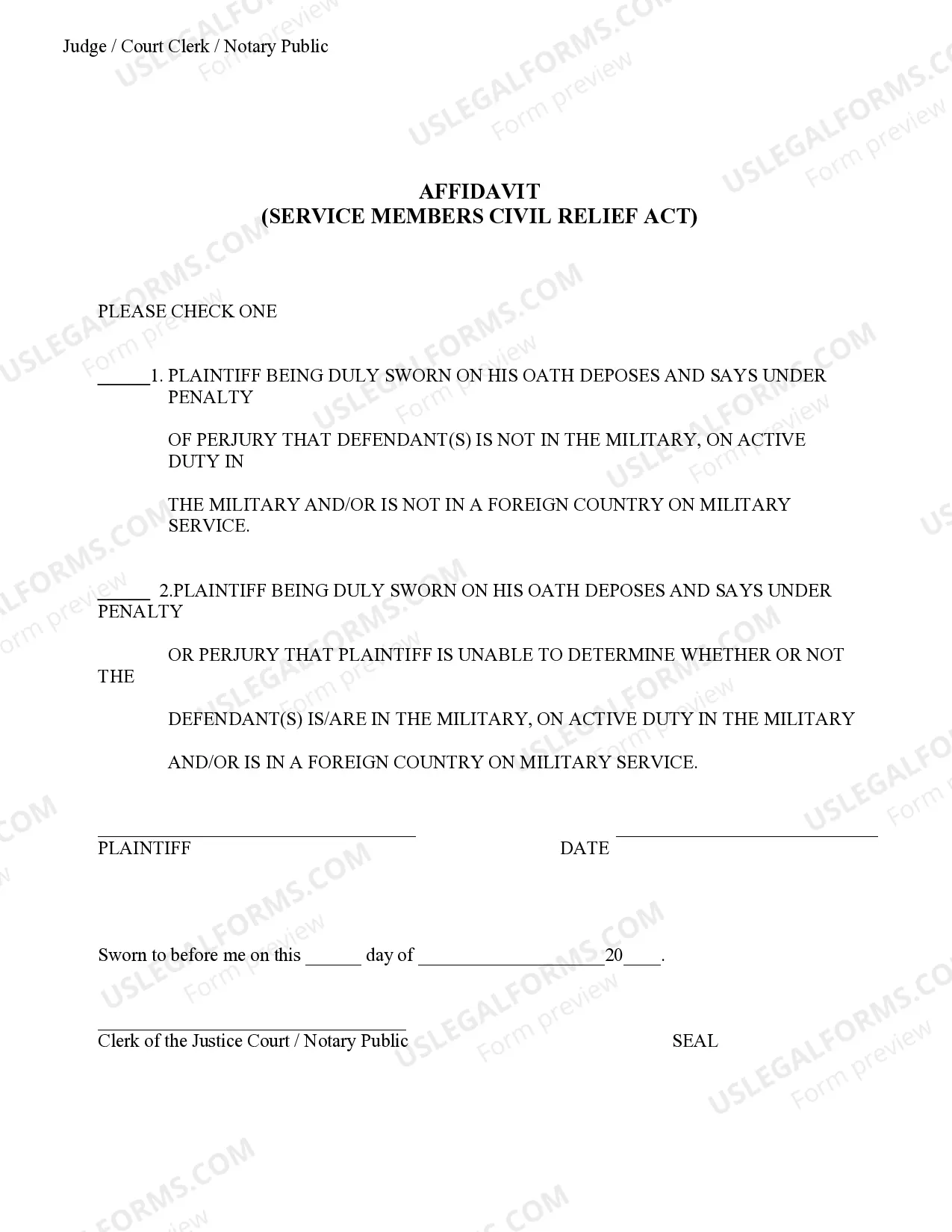
- Affidavit regarding the defendant's military status, if applicable.
When to use this form
This form is necessary when an individual wants to file a small claims suit, often concerning disputes over unpaid debts, damages to property, or other financial disagreements where the amount in question does not exceed the stateâs limit for small claims cases. It's typically used when other attempts to resolve the dispute directly with the party have failed.
Who this form is for
- Individuals wishing to sue for small amounts of money.
- Parties involved in a dispute that is within the jurisdiction of small claims court.
- People who have exhausted other options for resolving their financial disputes.
Completing this form step by step
- Enter the names and addresses of both the plaintiff and defendant at the top of the form.
- Clearly outline the complaint and the basis for your claim in the specified section.
- Indicate the total amount of damages you are seeking.
- Provide additional addresses for the defendant if necessary for service of citation.
- Complete the affidavit about the defendant's military status.
- Sign and date the form to finalize your petition.
Does this form need to be notarized?
This form does not typically require notarization unless specified by local law.
Get your form ready online
Our built-in tools help you complete, sign, share, and store your documents in one place.
Make edits, fill in missing information, and update formatting in US Legal Forms—just like you would in MS Word.
Download a copy, print it, send it by email, or mail it via USPS—whatever works best for your next step.
Sign and collect signatures with our SignNow integration. Send to multiple recipients, set reminders, and more. Go Premium to unlock E-Sign.
If this form requires notarization, complete it online through a secure video call—no need to meet a notary in person or wait for an appointment.
We protect your documents and personal data by following strict security and privacy standards.

Make edits, fill in missing information, and update formatting in US Legal Forms—just like you would in MS Word.

Download a copy, print it, send it by email, or mail it via USPS—whatever works best for your next step.

Sign and collect signatures with our SignNow integration. Send to multiple recipients, set reminders, and more. Go Premium to unlock E-Sign.

If this form requires notarization, complete it online through a secure video call—no need to meet a notary in person or wait for an appointment.

We protect your documents and personal data by following strict security and privacy standards.
Mistakes to watch out for
- Failing to provide full and correct contact information for both the plaintiff and defendant.
- Not clearly stating the basis for the claim, which may confuse the court.
- Leaving out the amount of damages sought or miscalculating it.
- Not completing the affidavit regarding the defendant's military status if applicable.
Benefits of completing this form online
- Convenient access to complete the form from any location.
- Edit and customize the form to fit your specific case needs easily.
- Reliable templates that ensure compliance with legal standards.
Looking for another form?

Form popularity
FAQ
Texas also has a four-year statute of limitations for lawsuits involving contractual obligations. Breach of contract: Texas Civil Practice and Remedies Code 16.004 or Texas Business and Commerce Code 2.725.
A person must bring a lawsuit for debt, fraud, breach of fiduciary duty, or contract breach in Texas no later than four years after the day that the cause of action accrues.
You'll have to bring it within the statute of limitations period for your particular case. For example, you'll have four years for written and oral contracts and two years for injury and property damage claims. If you don't file within this period, you lose your right to sue.
Small Claim Cases in Texas Justice courts provide a more informal setting than the district or county courts, so parties will often represent themselves rather than hiring an attorney. The limit to the amount that a person can sue for in small claims cases is $20,000.
Information Packet - Click here for information on filing a small claims case (lawsuit for $20,000 or less of personal property or money).
Texas law provides that every county in the state have a Small Claims Court as a forum for settling legal disputes involving cases for money damages up to $10,000. It costs approximately $85 to file a case. You can represent yourself in Small Claims Court or have an attorney.
You must file your claim within any applicable statute of limitations. For example, a suit to collect money owed on a contract must be brought within four (4) years. A suit for personal injury or damage to property must be brought within two (2) years. Q.