Texas Affidavit and Request for Appointed Counsel or Waiver of Counsel
About this form
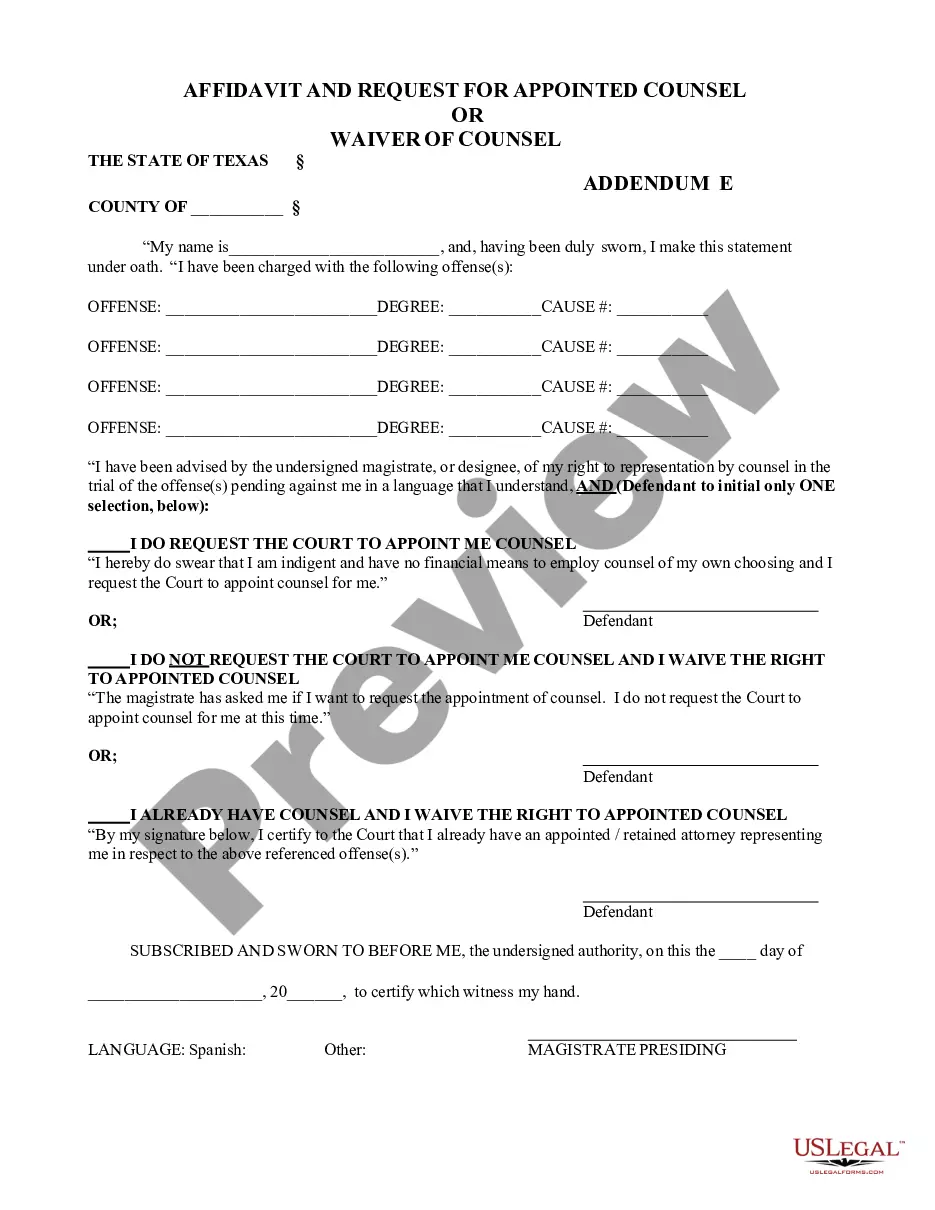
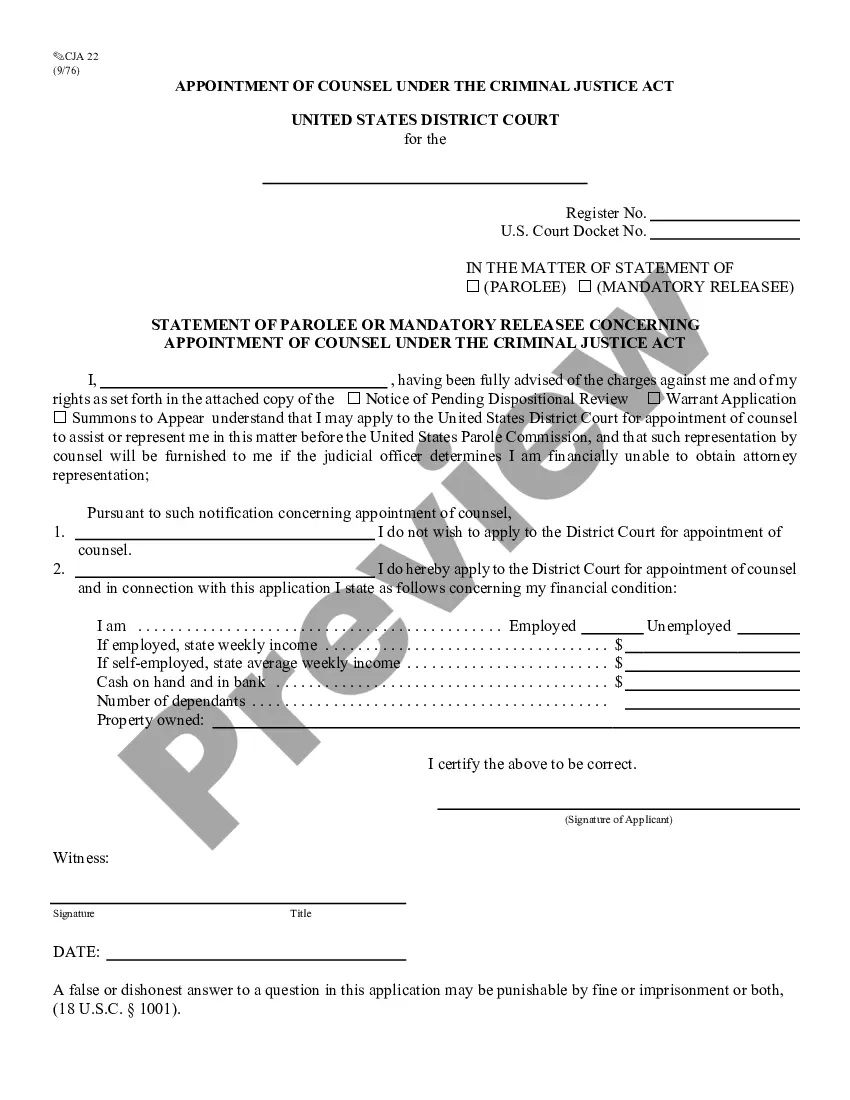
The Affidavit and Request for Appointed Counsel or Waiver of Counsel is a legal document used by individuals who either cannot afford an attorney or choose to waive their right to representation. This form specifically helps defendants in legal proceedings express their financial inability to hire counsel, allowing a court to appoint an attorney if needed. Unlike other legal forms related to legal representation, this affidavit serves a dual purpose, providing a mechanism for requesting court-appointed counsel or opting out of such representation.
Form components explained
- Defendant's name and details
- List of charges with offense types and degrees
- Declaration of indigency and request for counsel appointment
- Waiver of right to representation if the defendant chooses
- Signature and date for verification purposes

When this form is needed
This form should be used in criminal cases when a defendant is facing charges but lacks the financial means to hire an attorney. It is also applicable for individuals who already have legal representation but wish to formally waive their right to a court-appointed lawyer. It is crucial to complete this affidavit at the earliest possible stage in legal proceedings to ensure proper representation.
Who can use this document
- Defendants in criminal cases who are financially unable to hire an attorney.
- Individuals who wish to waive their right to a court-appointed attorney.
- Defendants who are currently represented by an attorney and do not require additional representation.
How to prepare this document
- Provide your full name and relevant personal details at the beginning of the affidavit.
- List any charges against you, including the offense type and degree, along with associated cause numbers.
- Select one of the options regarding counsel: request appointed counsel, waive the right to counsel, or confirm that you already have legal representation.
- Sign and date the affidavit to verify your statements before the magistrate or notary.
- Ensure all sections are filled out accurately before submitting the affidavit to the court.
Is notarization required?
This form must be notarized to be legally valid. When you complete the affidavit, you will need to present it to a notary public to verify your identity and the authenticity of your signature. US Legal Forms offers integrated online notarization options for your convenience, available 24/7, ensuring that you can complete this necessary step without leaving home.
Get your form ready online
Our built-in tools help you complete, sign, share, and store your documents in one place.
Make edits, fill in missing information, and update formatting in US Legal Forms—just like you would in MS Word.
Download a copy, print it, send it by email, or mail it via USPS—whatever works best for your next step.
Sign and collect signatures with our SignNow integration. Send to multiple recipients, set reminders, and more. Go Premium to unlock E-Sign.
If this form requires notarization, complete it online through a secure video call—no need to meet a notary in person or wait for an appointment.
We protect your documents and personal data by following strict security and privacy standards.

Make edits, fill in missing information, and update formatting in US Legal Forms—just like you would in MS Word.

Download a copy, print it, send it by email, or mail it via USPS—whatever works best for your next step.

Sign and collect signatures with our SignNow integration. Send to multiple recipients, set reminders, and more. Go Premium to unlock E-Sign.

If this form requires notarization, complete it online through a secure video call—no need to meet a notary in person or wait for an appointment.

We protect your documents and personal data by following strict security and privacy standards.
Typical mistakes to avoid
- Failing to provide accurate information about charges or personal details.
- Not clearly indicating the choice between requesting counsel and waiving that right.
- Omitting the signature or date on the affidavit, which may invalidate it.
- Not verifying whether local rules dictate additional requirements.
Why use this form online
- Convenience of downloading and completing the form at your own pace.
- Editability allows for easy corrections or modifications as needed.
- Access to forms that are drafted by licensed attorneys ensures legal reliability.
Looking for another form?




Form popularity
FAQ
The United States Constitution and the Texas Constitution and statutes guarantee the right to counsel for anyone accused of a crime that could result in incarceration who cannot afford to hire an attorney.
Has an income level at or below 21 percent of federal poverty guidelines. Has resources less than $2,000.
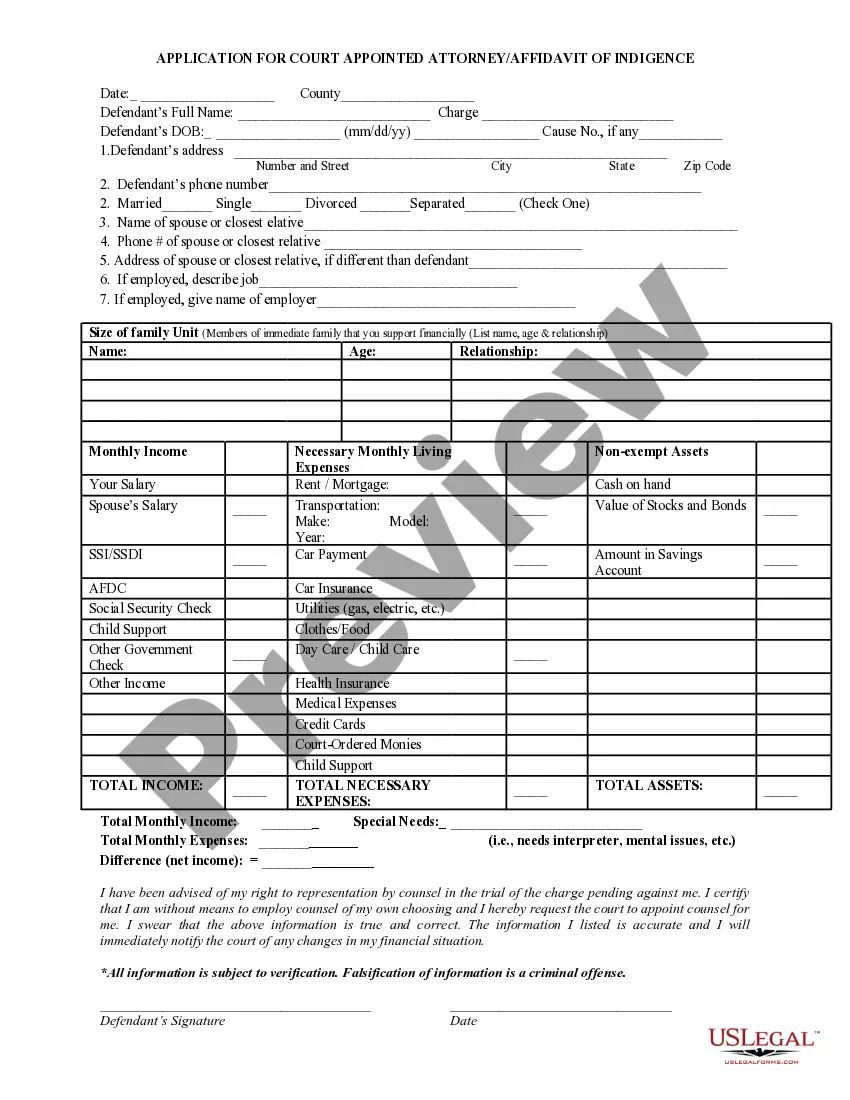
You must fill out a form called an Affidavit of Indigency. This form tells the court you cannot afford the fees related to your case.
To waive your court fees, you can either fill out the Statement of Inability to Afford Payment of Court Costs or an Appeal Bond form or submit another sworn document that includes the same information. If you choose to submit a sworn document, it must be signed by a notary public.
I need a lawyer? If you have been charged with a crime and want to request court-appointed counsel, contact the indigent defense coordinator, court coordinator or judge in the county where you have been charged. See the applicable indigent defense plan or you can call your court for instructions on local processes.