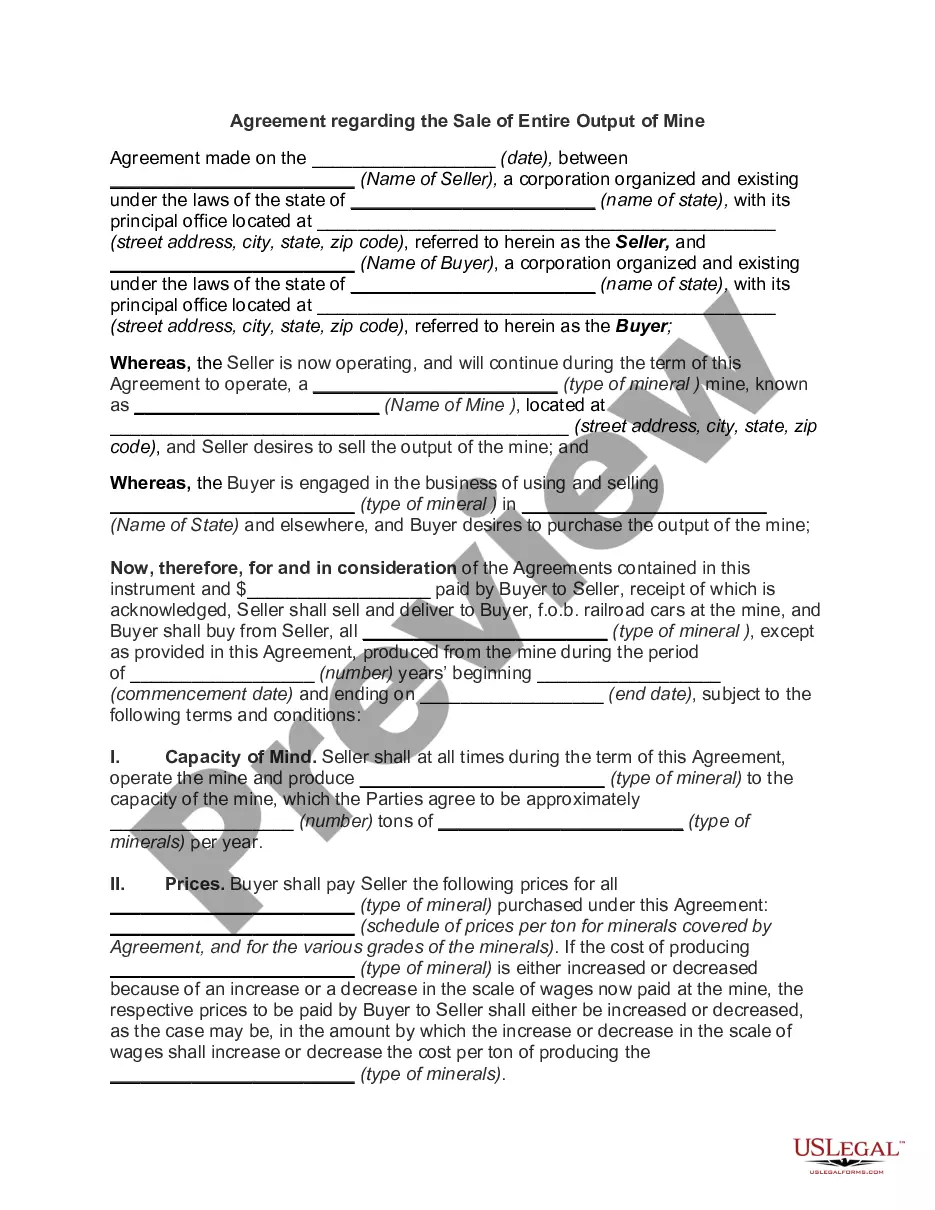
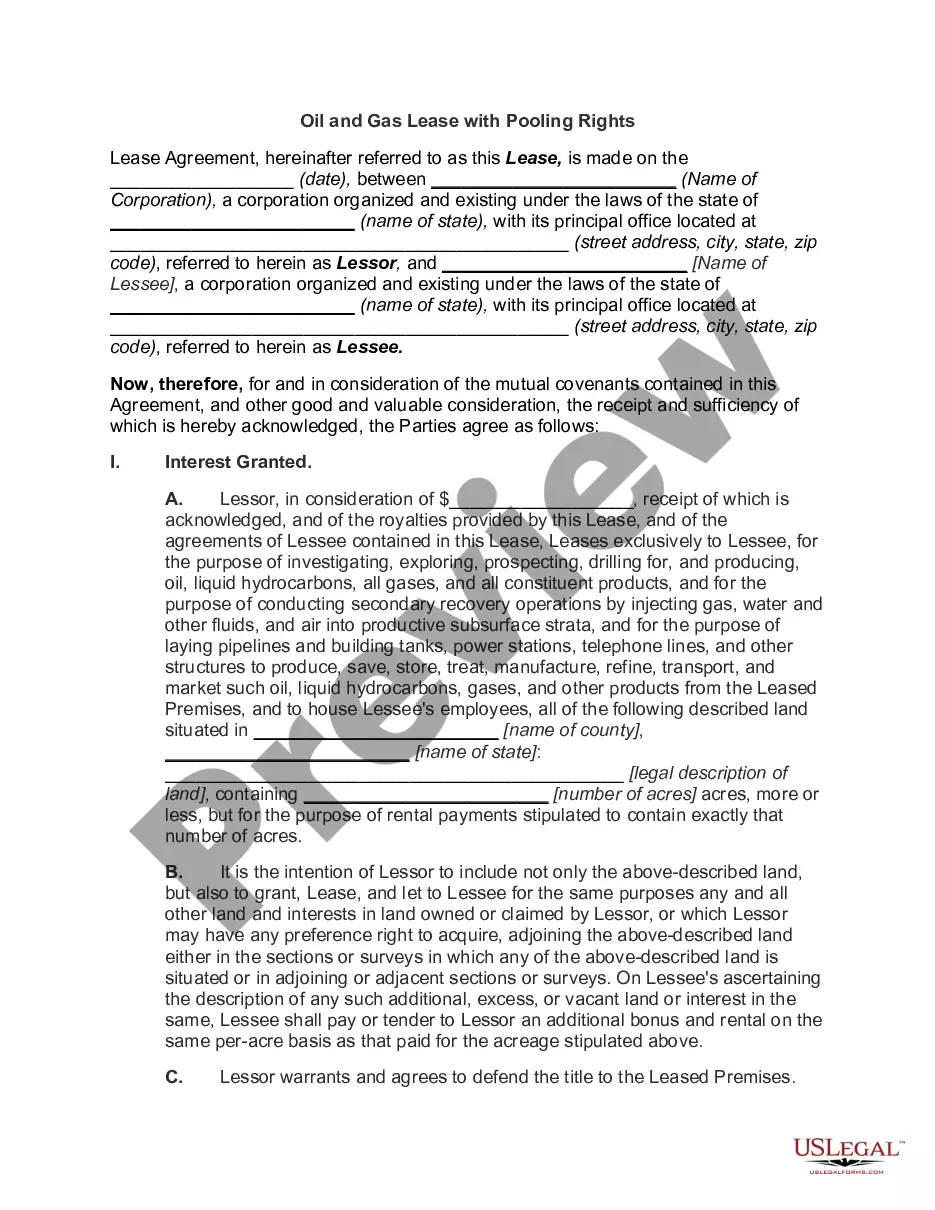
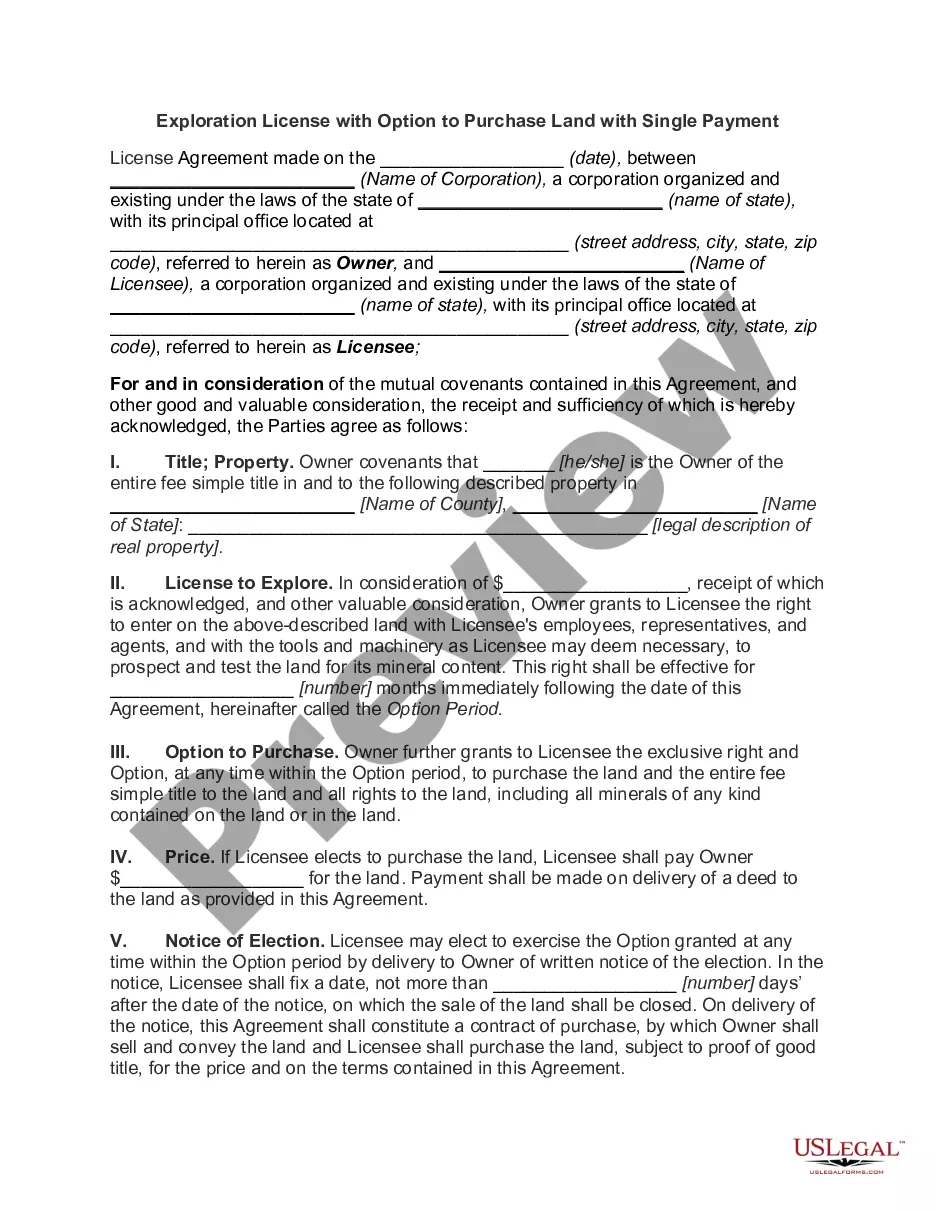
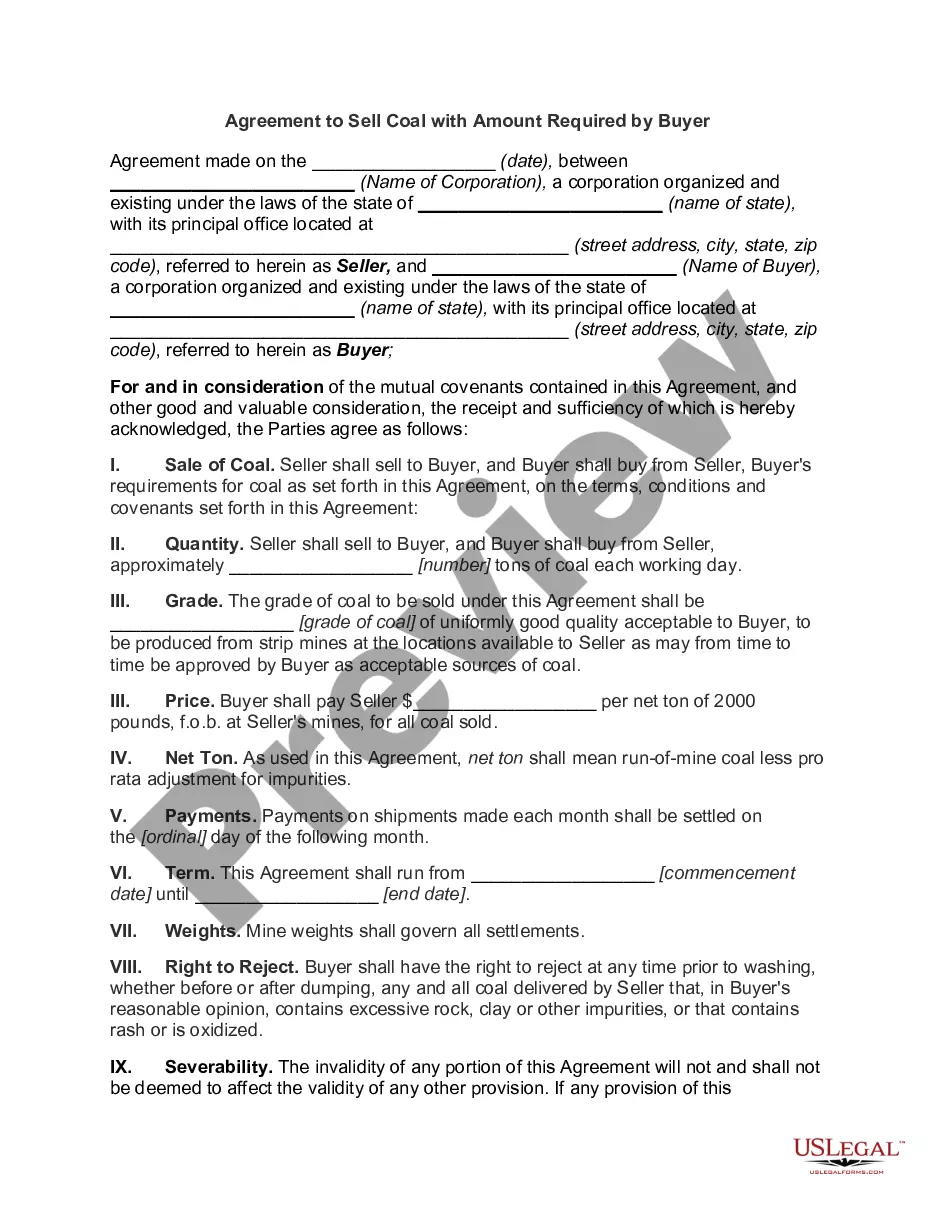
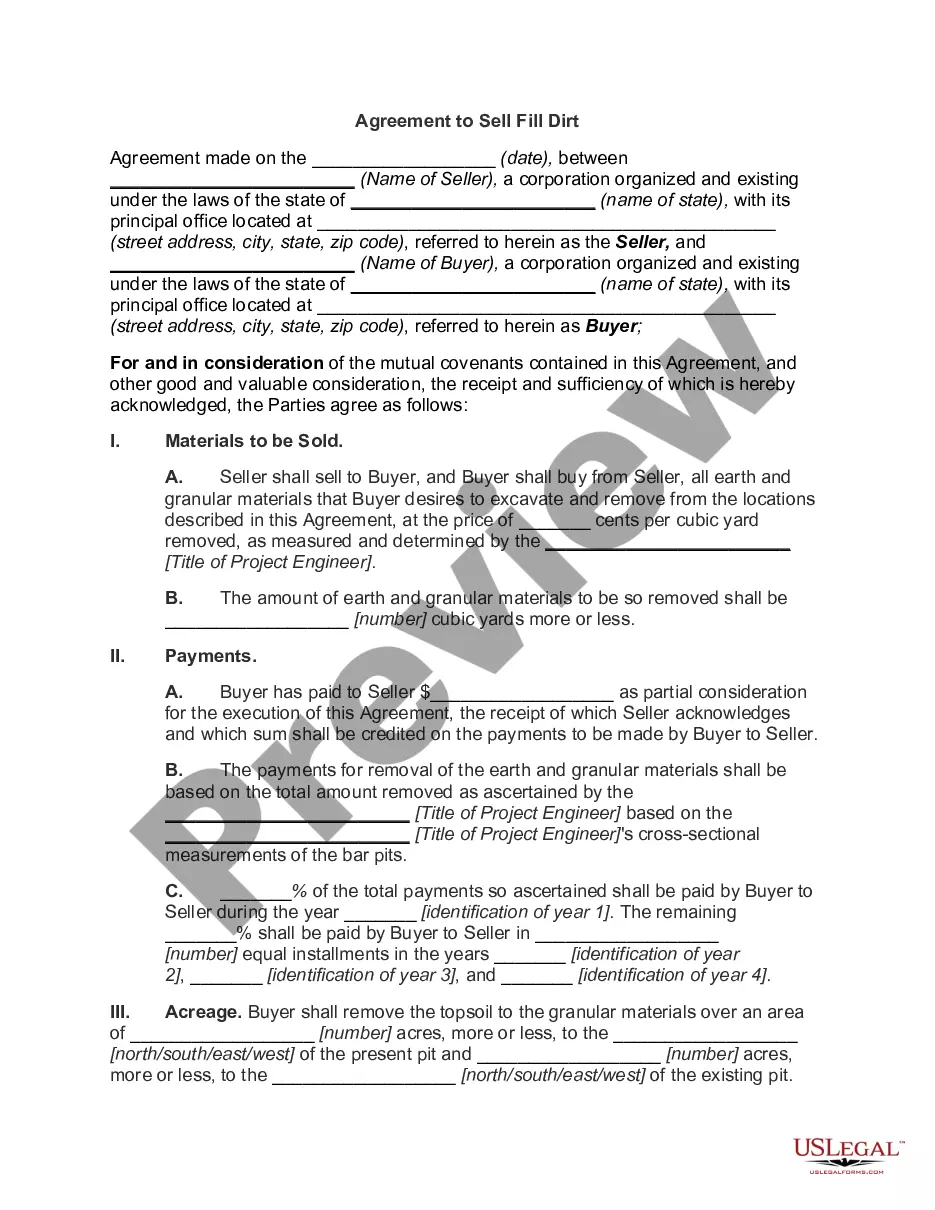
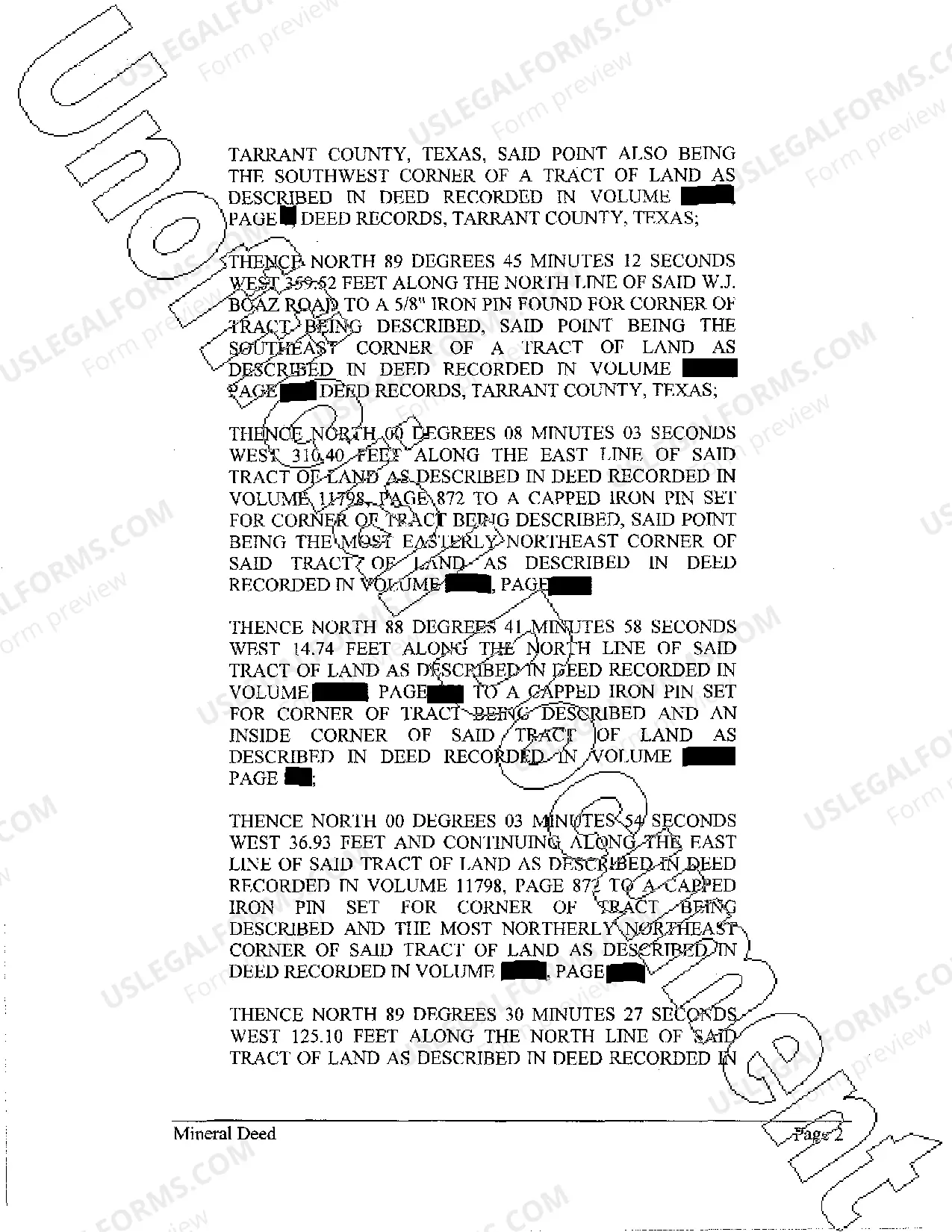
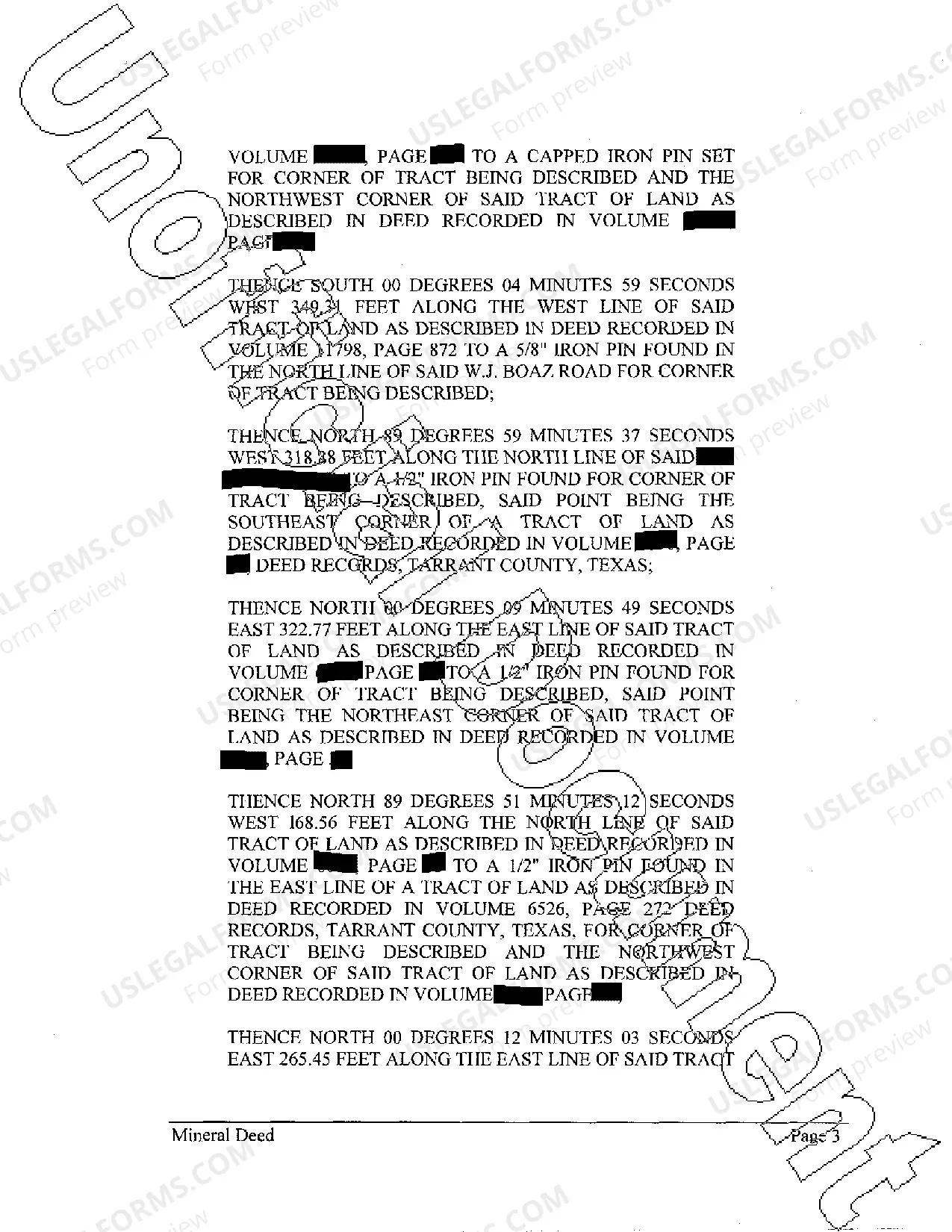
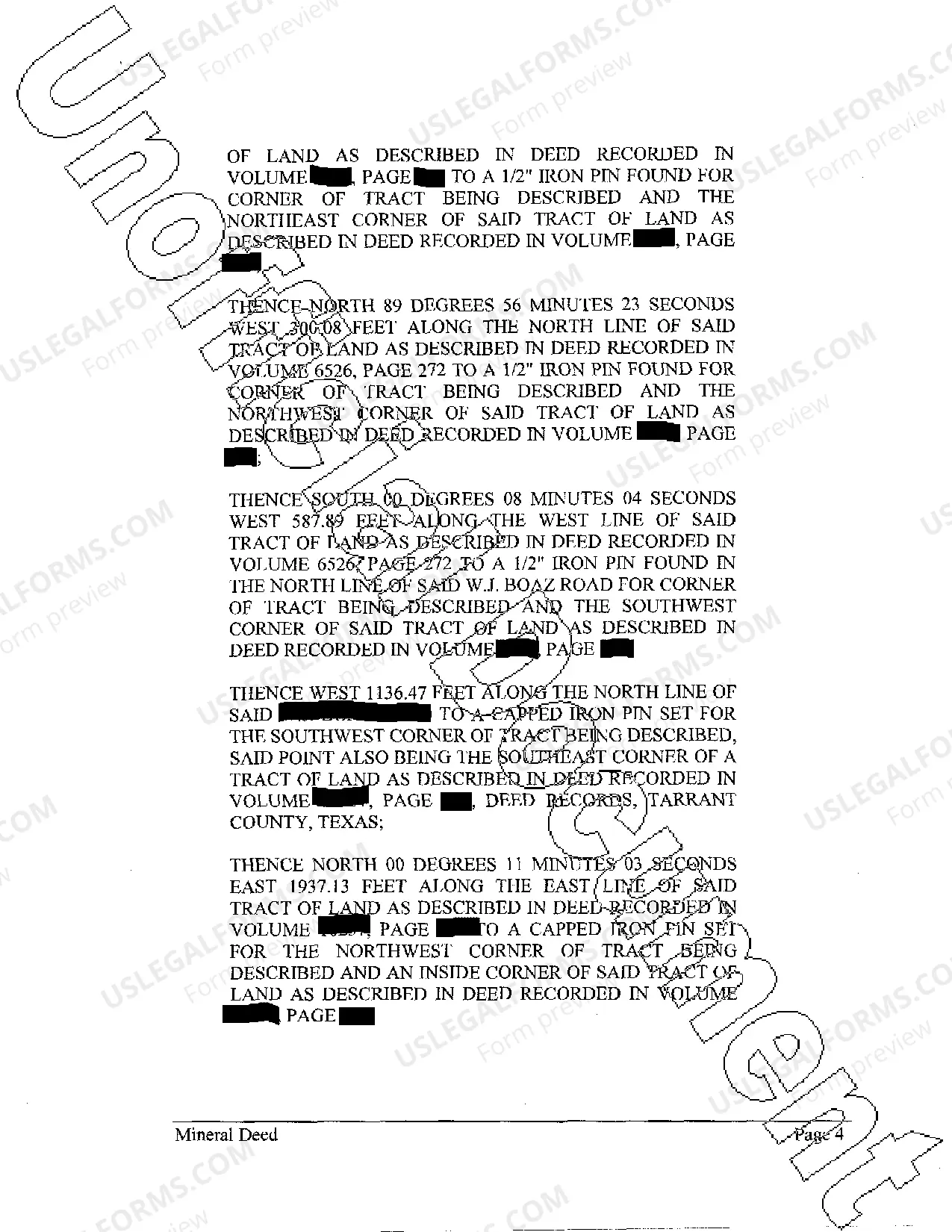
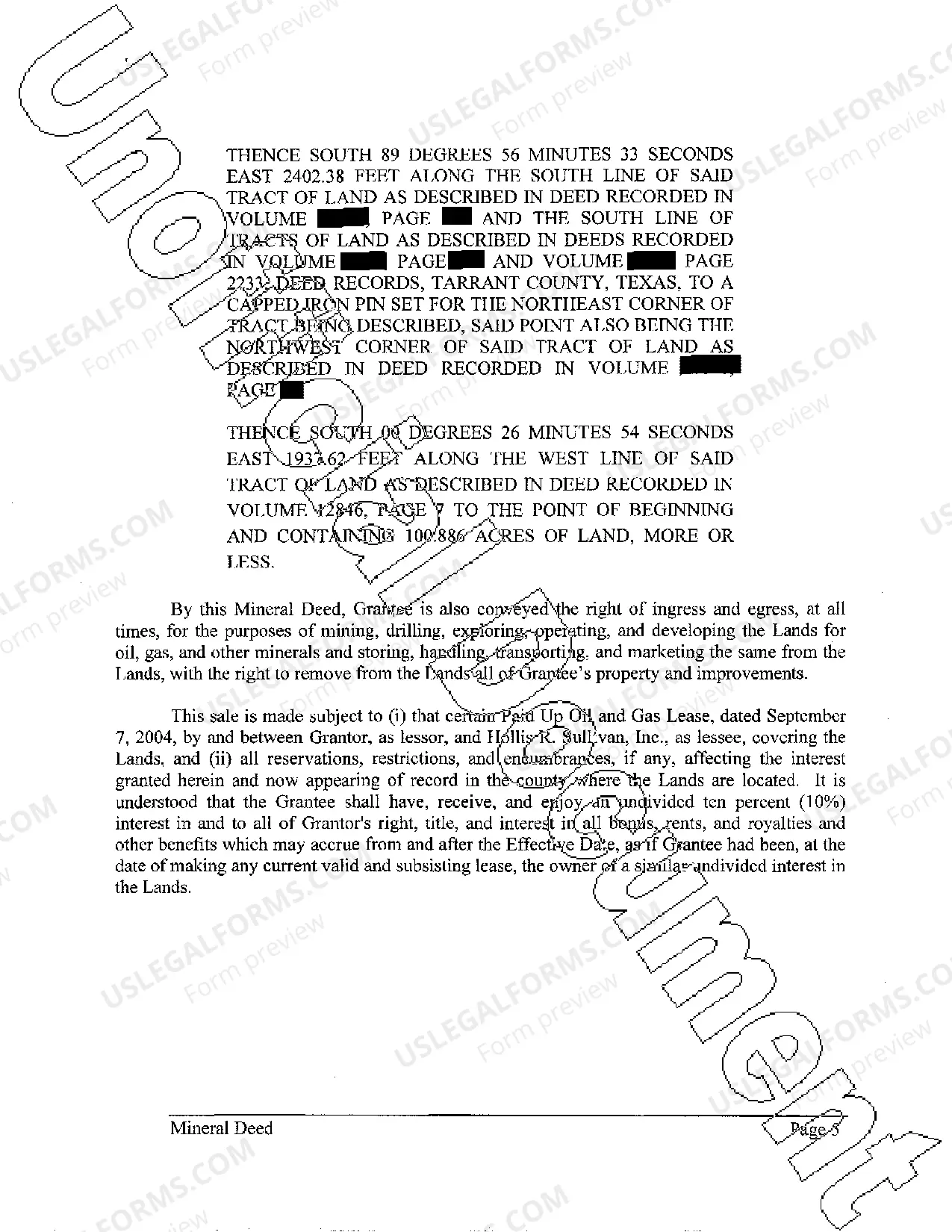
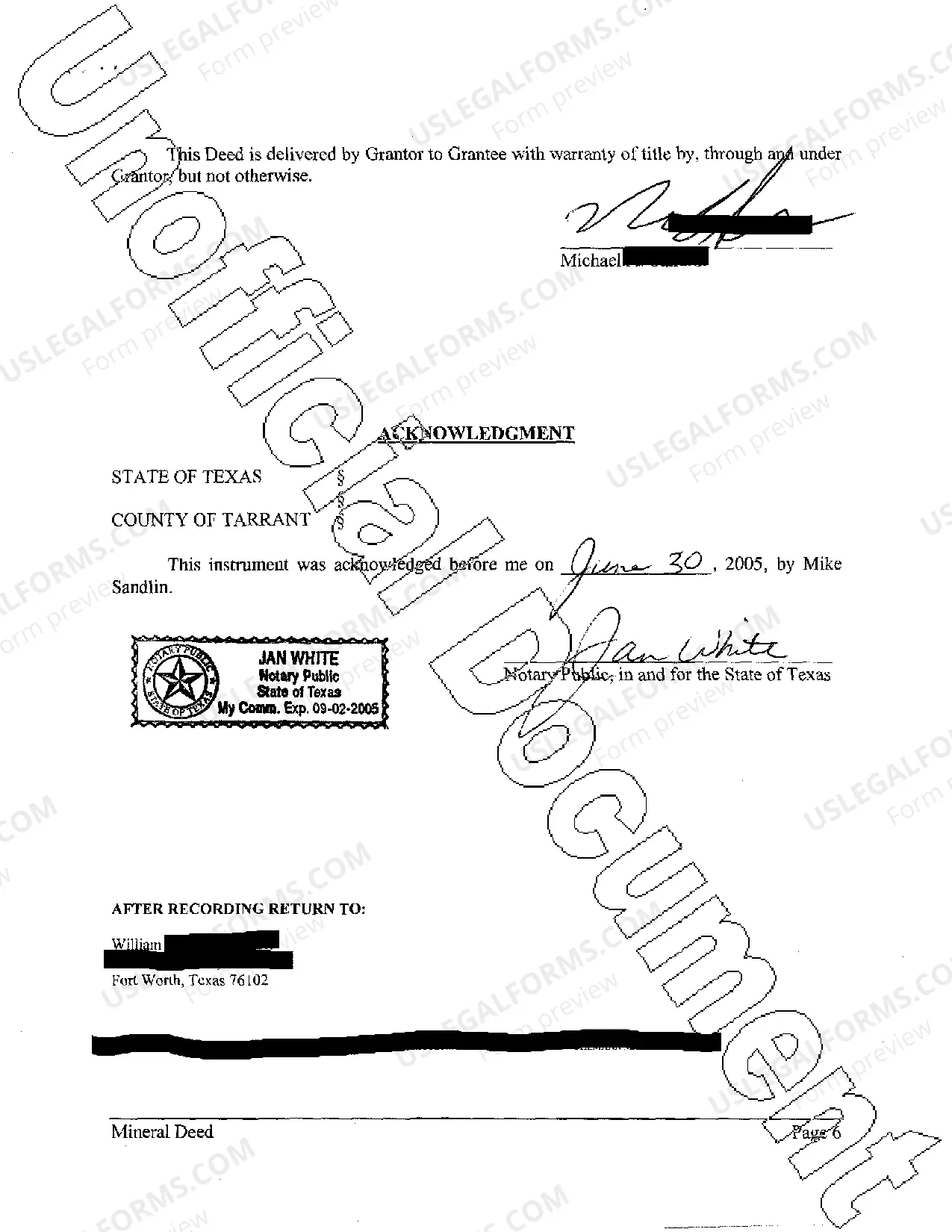
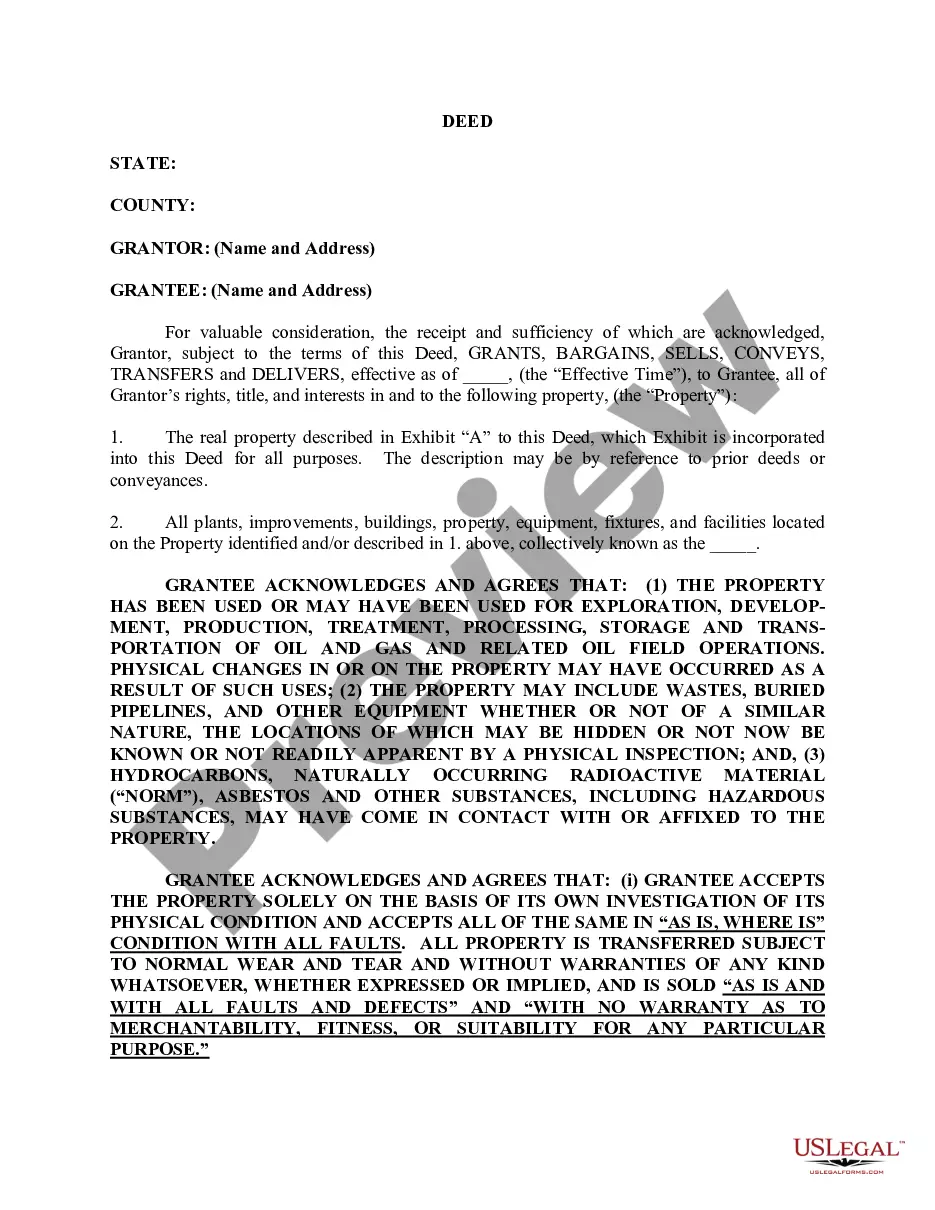
This deed grants, bargains, sells, conveys, and transfers to Grantee an undivided ten percent interest in and to all of Grantor's right, title, and interest in the oil, gas, and other minerals in, on, and under that may be produced from the agreed upon land.
Texas Mineral Deed
State:
Texas
Control #:
TX-JW-0064
Format:
PDF
Instant download
This form is available by subscription
Description
Free preview
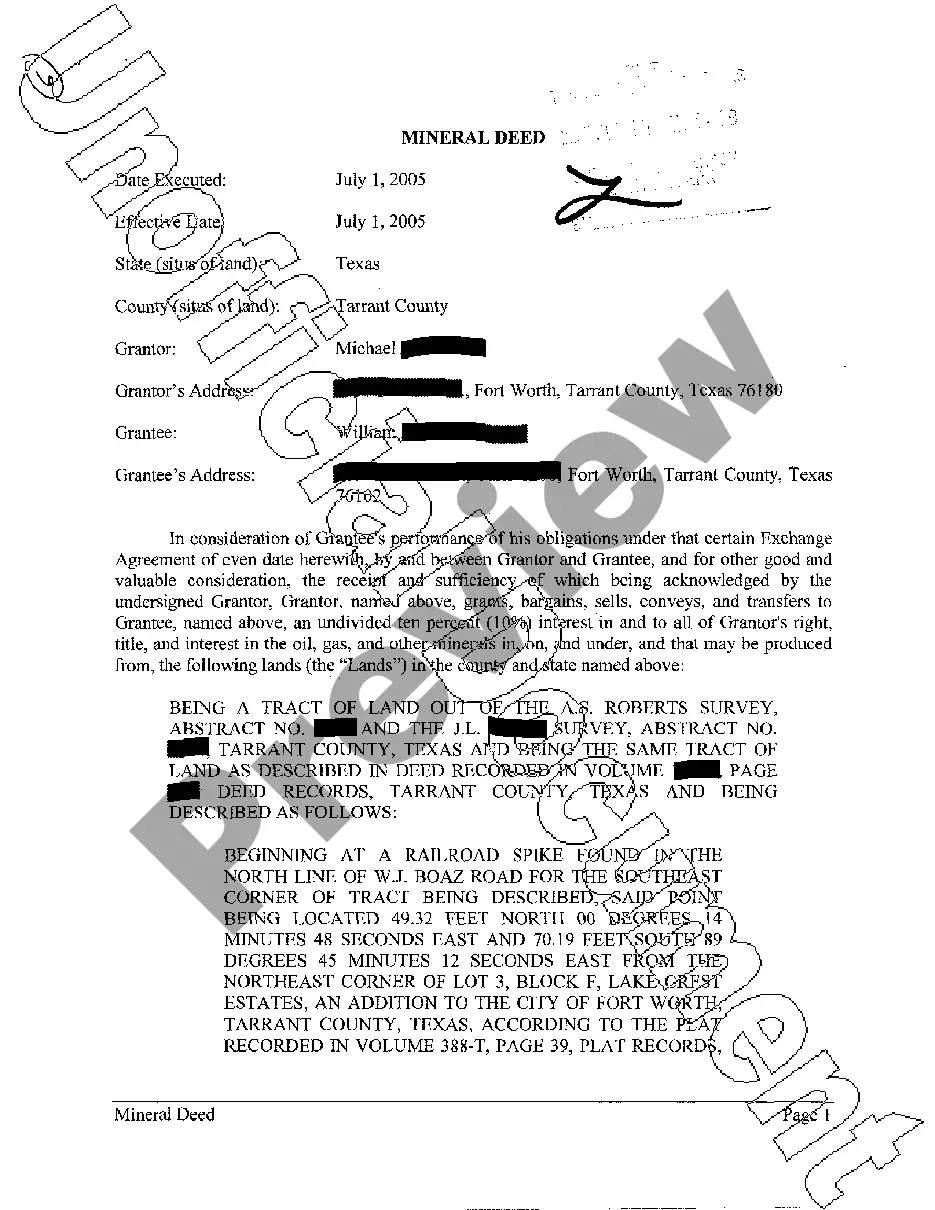
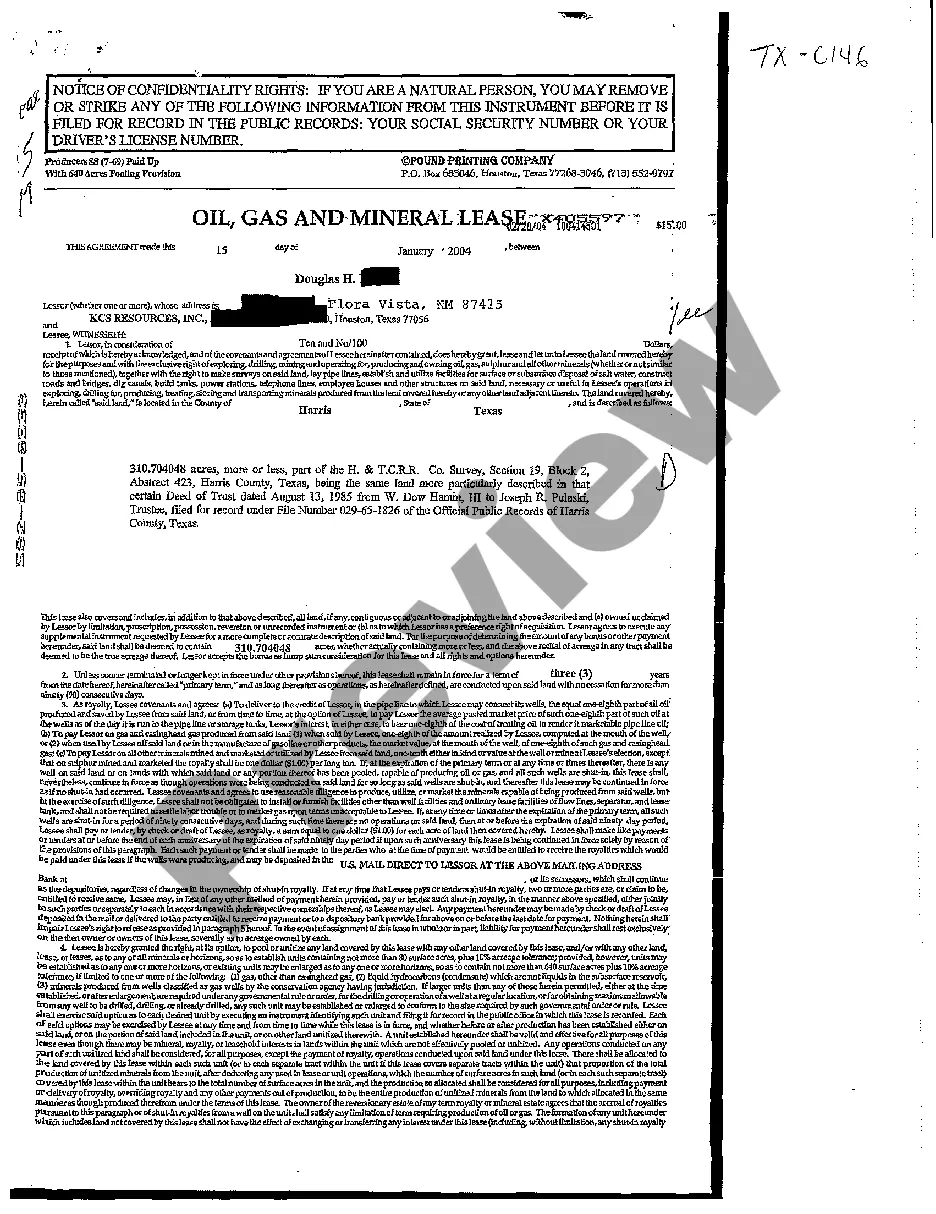
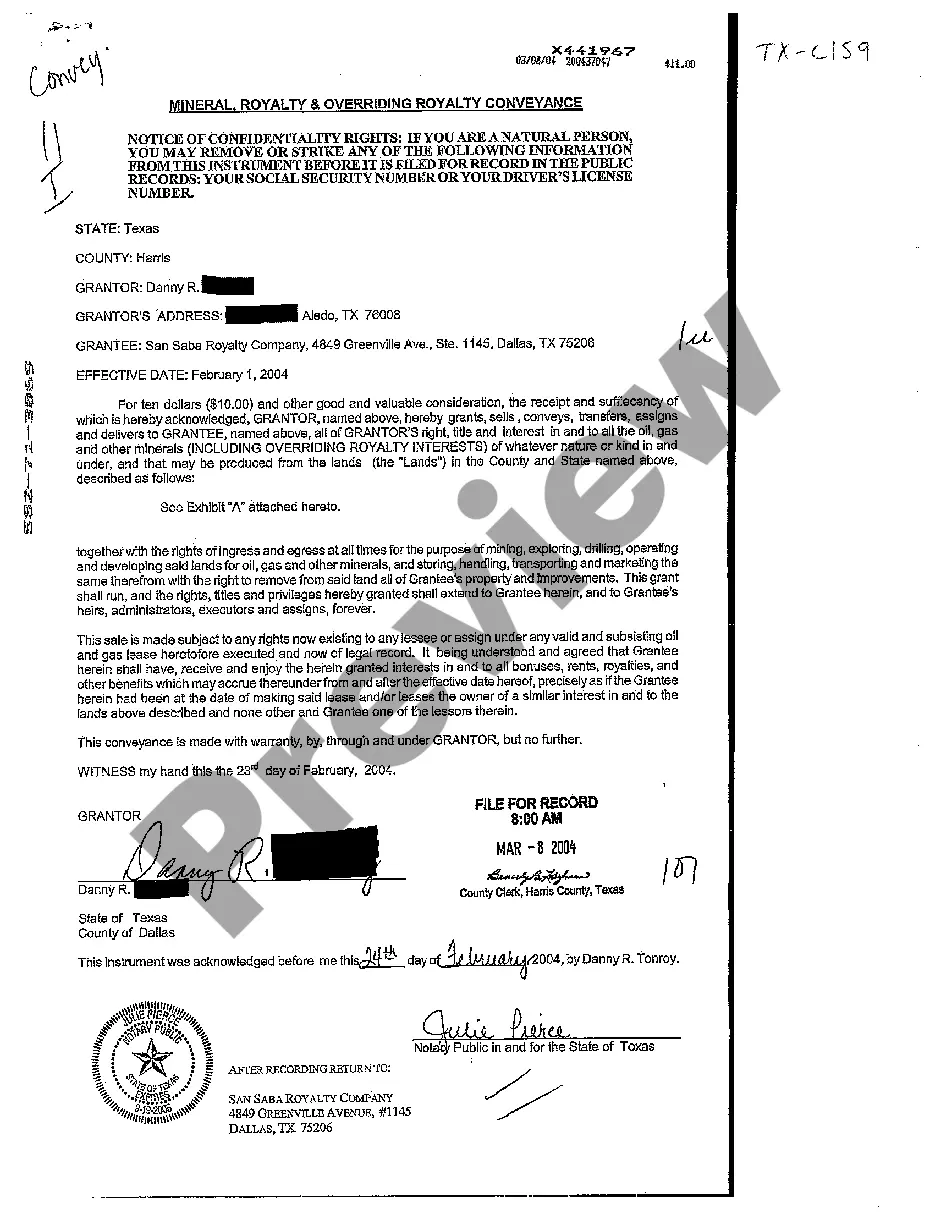
Key Concepts & Definitions
Mineral Deed: A legal document transferring ownership of minerals (such as oil, gas, coal) from one entity to another. Mineral Rights: The ownership rights to underground resources like oil, gas, and metals. Royalty Deed: A document that grants a percentage of production revenue from minerals to a party. Overriding Royalty: A type of royalty interest in oil and gas that is carved out of the lessees working interest. Sell Mineral Rights: The process by which an owner can sell the rights to extract minerals from their property. Oil Gas Royalties: Payments made to mineral rights holders based on a percentage of the income from the extracted hydrocarbons. Surface Land Ownership: Legal ownership of the surface of the land, which can be separate from the ownership of the minerals beneath it.
Step-by-Step Guide to Transferring Mineral Rights
- Review Existing Deed: Determine whether the mineral rights are severed from the surface rights.
- Hire a Professional: Consult an attorney or a landman experienced in mineral deeds.
- Prepare the Mineral Deed: Draft the deed including detailed descriptions of the minerals and rights being transferred.
- Execute the Deed: Both parties sign the deed, often in front of a notary.
- Record the Deed: File the deed with the county clerk's office in the county where the property is located to make it legally binding.
Risk Analysis of Mineral Deeds
- Legal Disputes: Conflicts may arise over unclear language or boundaries, potentially leading to litigation.
- Market Volatility: The value of mineral rights can fluctuate, impacting the financial stability of royalty income.
- Regulatory Changes: New laws and regulations can affect the profitability and operation of mineral extraction.
- Environmental Impact: Extraction activities can lead to environmental damage, resulting in liabilities for the mineral rights owner.
Best Practices for Managing Mineral Rights
- Regular Audits: Regularly review the revenues and operations associated with the mineral rights to ensure compliance and proper payment.
- Legal Compliance: Stay informed about local, state, and federal regulations that affect mineral extraction activities.
- Clear Agreements: Ensure all contracts and deeds are clear and well-documented to prevent disputes.
- Professional Advice: Consult with legal and financial advisors familiar with the oil and gas industry to make informed decisions.
Key Takeaways
Understanding Mineral Deeds: Comprehending the terms and implications of mineral deeds is crucial for both buyers and sellers of mineral rights. Consulting Professionals: Leveraging professional help can prevent legal complications and ensure the management and transfer process is handled efficiently. Risk Mitigation: Being aware of the legal, financial, and environmental risks associated with owning mineral rights can guide better decision making.
How to fill out Texas Mineral Deed?
Access to top quality Texas Mineral Deed forms online with US Legal Forms. Steer clear of days of lost time seeking the internet and dropped money on documents that aren’t updated. US Legal Forms offers you a solution to exactly that. Get around 85,000 state-specific legal and tax forms that you could download and submit in clicks within the Forms library.
To get the example, log in to your account and then click Download. The file will be saved in two places: on the device and in the My Forms folder.
For people who don’t have a subscription yet, check out our how-guide below to make getting started easier:
- See if the Texas Mineral Deed you’re considering is suitable for your state.
- View the sample using the Preview function and read its description.
- Go to the subscription page by simply clicking Buy Now.
- Select the subscription plan to continue on to sign up.
- Pay out by credit card or PayPal to complete making an account.
- Choose a preferred file format to download the document (.pdf or .docx).
You can now open up the Texas Mineral Deed sample and fill it out online or print it and get it done yourself. Take into account giving the papers to your legal counsel to make certain all things are filled in properly. If you make a mistake, print out and complete sample again (once you’ve created an account every document you save is reusable). Make your US Legal Forms account now and access much more forms.
Form popularity
FAQ
Mineral rights in Texas are the rights to mineral deposits that exist under the surface of a parcel of property. This right normally belongs to the owner of the surface estate; however, in Texas those rights can be transferred through sale or lease to a second party.
A Mineral Deed typically applies to rights under the land itself. It provides the buyer with the option to extract those minerals, but the deed does not contain title to the surface land or any of the buildings attached to the property. The Mineral Deed does contain certain rights.
The General Mineral Deed in Texas transfers ALL oil, gas, and mineral rights from the grantor to the grantee.It also transfers any and all rights to receive royalties, overriding royalties, net profits interests or other payments out of or with respect to those oil, gas and other minerals.
A deed that names the seller/donor and the purchaser/donee. It states and describes the rights being sold or given. Filing of the notarized conveyance in the county government office which is generally the county clerk's office.
If you're interested in who owns your Texas Mineral Rights located below your property, the best place to start is your local County Clerk's Officenot only is this a free resource; they typically have some of the most up-to-date information you can find.
An owner can separate the mineral rights from his or her land by: Conveying (selling or otherwise transferring) the land but retaining the mineral rights. (This is accomplished by including a statement in the deed conveying the land that reserves all rights to the minerals to the seller.)
If you want to sell the mineral rights to another person, you can transfer them by deed. You will need to create a mineral deed and have it recorded. You should check with the county Recorder of Deeds in the county where the land is located and ask if a printed mineral deed form is available to use.
Under Texas law, ownership of land includes ownership of minerals under the surface of the land.Mineral rights are a form of real property, and they are governed by the same principles of marital property law as other real estate.
Texans do not have to pay state income taxes on mineral rights.In Texas, this includes a gas tax (7.5% tax on the market value of gas) and condensate production tax (4.6% tax on the market value of condensate). It also includes a regulatory fee of . 000667% per thousand cubic feet of gas produced.